Reduce Costly Maintenance with SiC Technology
Share
Reduce Costly Maintenance with SiC Technology
In today’s highly competitive industrial landscape, minimizing operational downtime and reducing maintenance costs are paramount for profitability and efficiency. Industries ranging from semiconductor manufacturing to aerospace and power electronics constantly seek advanced materials that can withstand extreme conditions, ensuring longevity and reliable performance of critical equipment. This is where custom silicon carbide (SiC) products emerge as a game-changer. Known for their extraordinary properties, SiC components offer an unparalleled solution for reducing costly maintenance and significantly extending the lifespan of your valuable assets.
The Unmatched Value of Custom Silicon Carbide Products
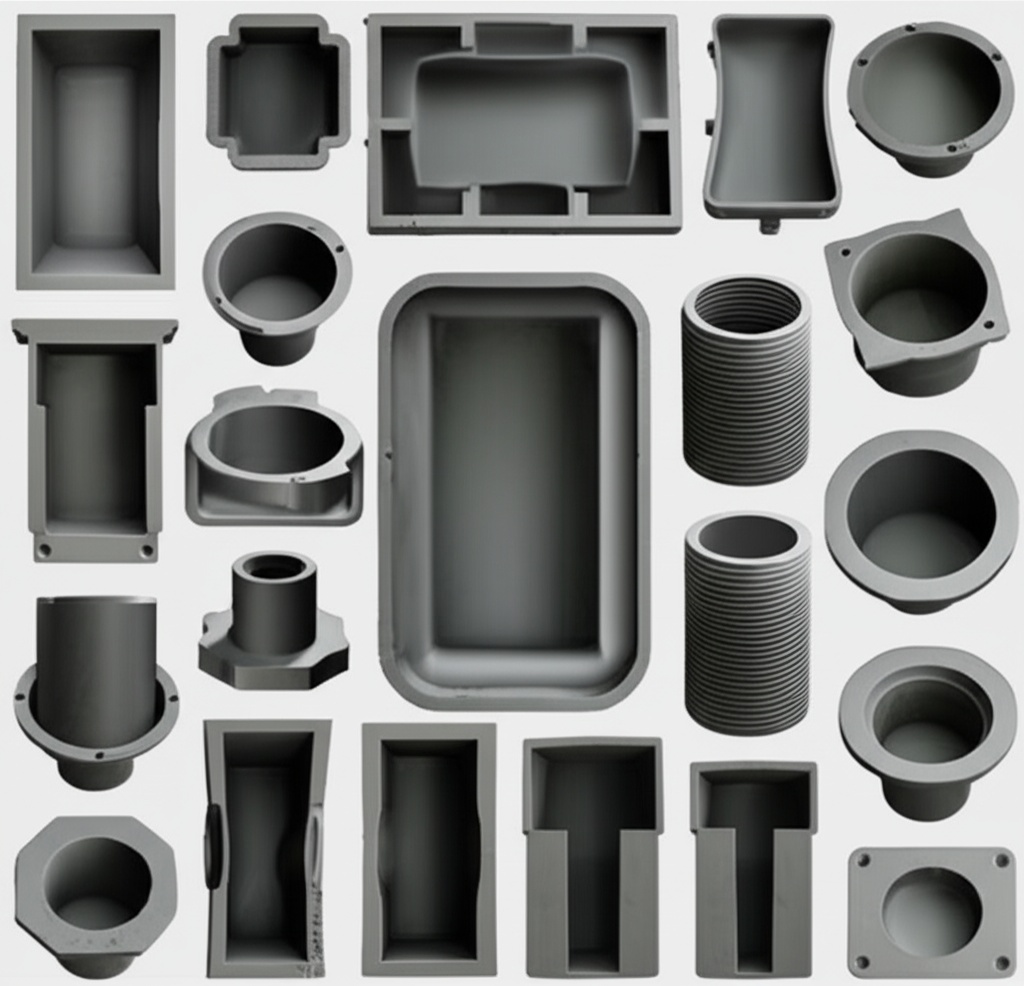
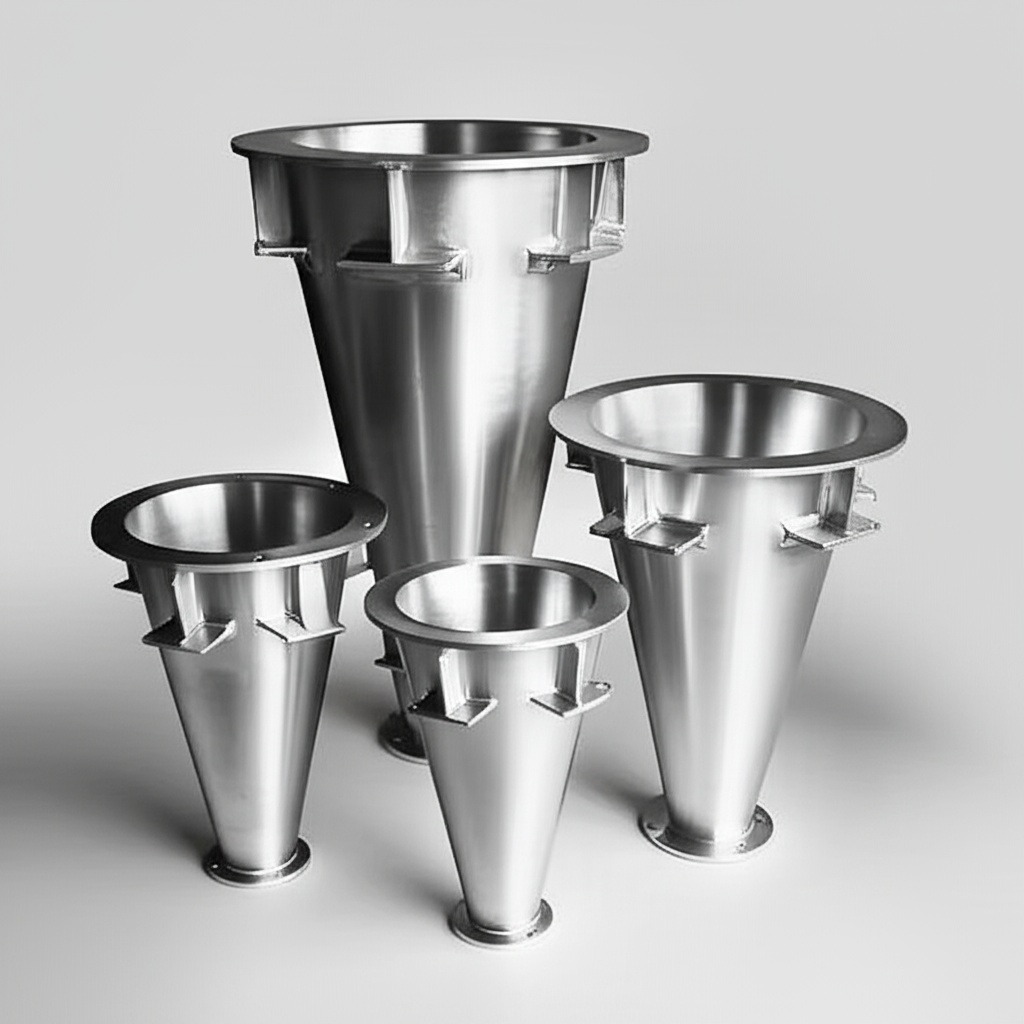
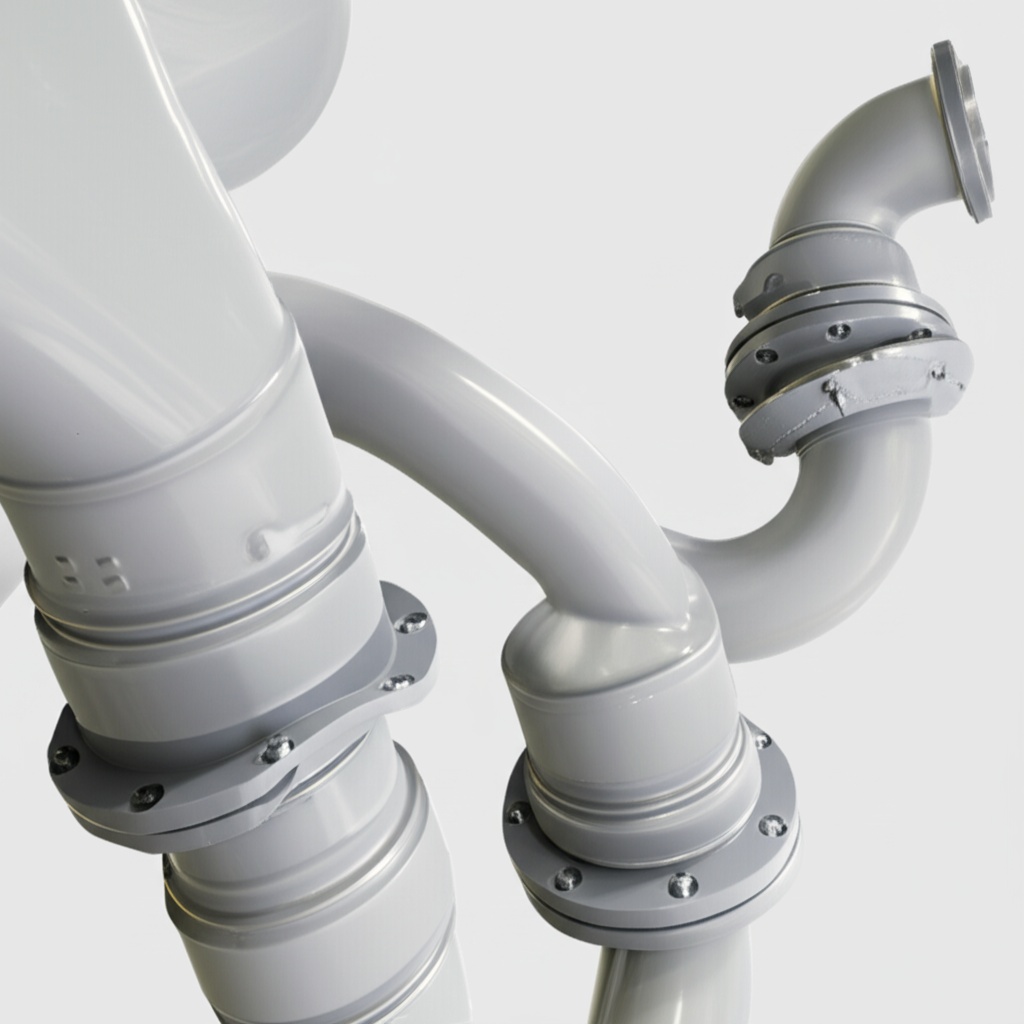
Custom silicon carbide is a high-performance technical ceramic renowned for its exceptional properties, making it an indispensable material in the most demanding industrial environments. Unlike traditional materials, SiC offers a unique combination of characteristics that directly translate into reduced wear, enhanced efficiency, and ultimately, lower maintenance expenditures. When you opt for custom SiC parts, you’re not just buying a component; you’re investing in a tailored solution designed to precisely meet the rigorous demands of your specific application.
Key Industrial Applications for SiC in Reducing Maintenance
The versatility of silicon carbide makes it a preferred material across a multitude of high-stakes industries where equipment reliability directly impacts productivity and safety. Its ability to withstand extreme temperatures, corrosive chemicals, and abrasive wear makes it ideal for critical components that frequently fail due to material limitations.
- Semiconductor Manufacturing: SiC is vital for wafer processing equipment, plasma etching chambers, and furnace components due to its high purity, thermal stability, and plasma resistance, leading to fewer contaminations and extended part life.
- Automotive Industry: Used in brake discs, engine components, and power electronics for electric vehicles, SiC offers superior thermal management and wear resistance, enhancing vehicle performance and reducing component degradation.
- Aerospace & Defense: For turbine components, missile nose cones, and thermal protection systems, SiC provides excellent high-temperature strength, lightweight properties, and erosion resistance, ensuring mission-critical reliability.
- Power Electronics: SiC power devices operate at higher temperatures and frequencies with lower losses, improving the efficiency and reducing the cooling requirements of inverters, converters, and power modules, thus minimizing system failures.
- Renewable Energy: In solar inverters and wind turbine gearboxes, SiC components offer enhanced efficiency and durability, reducing the need for frequent replacements and servicing in remote or challenging environments.
- Metallurgical Companies: SiC crucibles, furnace linings, and thermal processing jigs offer exceptional resistance to molten metals and high temperatures, extending equipment life in extreme heat applications.
- Chemical Processing Companies: Pumps, valves, and seals made from SiC provide superior corrosion resistance against aggressive chemicals, drastically reducing leakage and equipment failure rates.
- Industrial Equipment Manufacturers: For wear parts in pumps, seals, nozzles, and bearings, SiC’s hardness and abrasion resistance significantly extend the operational life of machinery in abrasive environments.
- Oil and Gas Companies: SiC is used in downhole tools, pump components, and drilling equipment due to its resistance to abrasive slurries, high pressures, and corrosive fluids, minimizing downtime in harsh conditions.
- Nuclear Energy: In challenging environments, SiC components are used for their neutron absorption properties and high-temperature stability, contributing to safer and more reliable reactor operations.
Advantages of Custom SiC for Reduced Maintenance
Investing in custom silicon carbide components provides a cascade of benefits that directly impact your maintenance schedule and budget. These advantages stem from SiC’s inherent material properties and the ability to tailor them to your specific operational needs.
Superior Wear and Abrasion Resistance
Silicon carbide is one of the hardest known materials, surpassed only by diamond. This exceptional hardness translates into outstanding resistance to abrasive wear, erosion, and friction. Components operating in highly abrasive environments, such as pump seals, bearings, and nozzles, experience significantly extended lifespans when made from SiC, drastically reducing replacement frequency.
Exceptional High-Temperature Stability
SiC maintains its mechanical properties, including strength and hardness, at extremely high temperatures (up to 1600°C and beyond in some grades). This makes it ideal for furnace components, heat exchangers, and high-temperature processing equipment, where traditional metals would deform or degrade, leading to premature failure and costly repairs.
Outstanding Chemical Inertness and Corrosion Resistance
SiC exhibits remarkable resistance to attack from a wide range of corrosive acids, alkalis, and molten metals. This chemical inertness is critical in chemical processing, petrochemical, and metallurgical industries, where exposure to aggressive media can rapidly degrade conventional materials, necessitating frequent maintenance and replacement.
High Thermal Conductivity and Thermal Shock Resistance
Despite being a ceramic, SiC boasts high thermal conductivity, allowing it to efficiently dissipate heat. Coupled with its excellent thermal shock resistance, SiC can withstand rapid temperature changes without cracking or fracturing, a common failure mode for many other materials in high-temperature cycling applications.
Lightweight and High Stiffness
SiC components are significantly lighter than many metallic alternatives while maintaining superior stiffness and strength. This combination is particularly beneficial in aerospace and automotive applications, where weight reduction contributes to fuel efficiency and improved performance, while high stiffness ensures dimensional stability under stress.
Recommended SiC Grades and Compositions
The performance of silicon carbide can be further optimized through various manufacturing processes, leading to different grades, each with unique properties suited for specific applications. Understanding these distinctions is crucial for selecting the right material to minimize maintenance.
| SiC Grade/Type | Description | Key Properties | Typical Applications for Reduced Maintenance |
|---|---|---|---|
| Reaction-Bonded SiC (RBSiC) | Manufactured by infiltrating a porous SiC preform with molten silicon. Free silicon fills pores and reacts with carbon to form more SiC. | Excellent wear resistance, good thermal conductivity, high strength, good chemical resistance. Lower porosity than other SiC types. | Mechanical seals, pump components, burner nozzles, kiln furniture, blast furnace components. |
| Sintered SiC (SSiC) | Produced by hot pressing or pressureless sintering fine SiC powder with sintering aids. Fully dense, fine-grained microstructure. | Extremely high hardness, superior corrosion resistance, high strength at elevated temperatures, excellent creep resistance. | High-performance bearings, valve components, ballistic armor, semiconductor processing parts, high-temperature structural components. |
| Nitride-Bonded SiC (NBSiC) | Formed by reacting SiC grains with silicon and nitrogen in a nitrogen atmosphere, forming silicon nitride bonds. | Good thermal shock resistance, reasonable strength, good abrasion resistance, lower cost than RBSiC or SSiC. | Kiln furniture, wear linings, refractory components, high-temperature supports. |
| Recrystallized SiC (ReSiC) | Produced by heating SiC powder compacts to very high temperatures, causing grain growth and densification without sintering aids. | Very high purity, excellent thermal shock resistance, good high-temperature strength, low electrical conductivity. | Semiconductor furnace components, heat exchangers, high-purity crucibles. |
| Liquid Silicon Infiltrated SiC (LSI SiC) | A variation of RBSiC where a carbon preform is infiltrated with liquid silicon and then carbonized. | Excellent thermal shock resistance, high strength, and wear resistance. | Brake disks, mirror optics, high-performance structural components. |
Design Considerations for Custom SiC Products
While SiC offers remarkable properties, successful integration and maximizing its maintenance-reducing potential require careful design. Considering these factors during the design phase can prevent costly manufacturing issues and ensure optimal performance.
- Geometry Limits: SiC is a hard and brittle material. Avoid sharp internal corners, thin walls, and abrupt changes in cross-section, which can create stress concentrations and lead to fracturing during manufacturing or operation.
- Wall Thickness Uniformity: Strive for consistent wall thickness to ensure uniform heating and cooling during processing, minimizing distortion and internal stresses.
- Draft Angles: For molded or pressed parts, incorporate appropriate draft angles to facilitate easy removal from molds without damaging the part.
- Tolerances: While precision is achievable, excessively tight tolerances can significantly increase manufacturing complexity and cost due to the difficulty of machining SiC. Balance design needs with manufacturing feasibility.
- Stress Points: Identify potential stress concentration points in the design and consider adding fillets or radii to distribute stress more evenly, especially in areas subjected to impact or bending forces.
- Attachment Methods: Plan for appropriate attachment methods. Due to SiC’s brittleness, mechanical fasteners may require special considerations like compliant layers or adhesive bonding.
Tolerance, Surface Finish & Dimensional Accuracy
Achieving precise dimensions and superior surface finishes in SiC components is crucial for critical applications, particularly where sealing, friction, or optical properties are important. The extreme hardness of SiC necessitates diamond grinding and lapping techniques, which are more complex and time-consuming than machining softer materials.
- Achievable Tolerances: While standard machining tolerances are often in the range of +/- 0.005 to 0.010 inches, precision grinding can achieve tighter tolerances of +/- 0.0005 inches or even finer for critical dimensions. The tighter the tolerance, the higher the manufacturing cost.
- Surface Finish Options: Surface roughness can range from as-fired (relatively rough, typically Ra 1-5 µm) to highly polished (mirror-like, Ra < 0.1 µm). Lapping and polishing techniques are used to achieve very smooth surfaces, essential for seals, bearings, and optical components, reducing friction and wear.
- Dimensional Accuracy: Consistent dimensional accuracy is vital for proper fit and function, especially in complex assemblies. Advanced metrology equipment is used to ensure parts meet specifications.
Post-Processing Needs for Enhanced Performance
Depending on the application, SiC components may undergo various post-processing steps to further enhance their performance, durability, and resistance to wear or chemical attack, ultimately reducing maintenance frequency.
- Grinding and Lapping: Essential for achieving tight tolerances and smooth surface finishes, critical for sealing applications, bearings, and components requiring precise mating.
- Polishing: Creates mirror-like surfaces, crucial for optical applications, low-friction bearings, and highly aggressive environments where surface finish impacts corrosion or wear rates.
- Sealing/Impregnation: For certain porous grades of SiC, sealing with epoxies or other materials can improve impermeability, beneficial for vacuum applications or fluid handling.
- Coatings: Applying specialized coatings (e.g., chemical vapor deposition – CVD, physical vapor deposition – PVD) can further enhance surface properties such as wear resistance, corrosion resistance, or electrical conductivity/insulation.
- Annealing: In some cases, annealing can be used to relieve internal stresses introduced during manufacturing, improving the material’s overall strength and resistance to thermal shock.
Common Challenges and How to Overcome Them
While SiC offers immense benefits, working with this advanced material presents unique challenges that must be addressed for successful product development and long-term reliability.
- Brittleness: Like most ceramics, SiC is inherently brittle. This necessitates careful design to avoid stress concentrations, impact loads, and sudden thermal shocks that could lead to fracture. Proper material handling and mounting techniques are also crucial.
- Machining Complexity: Its extreme hardness makes SiC very difficult to machine. Diamond grinding is typically required, which is a slow and costly process compared to machining metals. This emphasizes the importance of “design for manufacturability” (DFM) to minimize complex machining operations.
- Cost: The raw materials and manufacturing processes for SiC components are generally more expensive than those for traditional metals or plastics. However, this upfront cost is often offset by the significantly extended lifespan, reduced downtime, and lower replacement costs, leading to a much lower total cost of ownership (TCO) in the long run.
- Thermal Shock (though resistant, still a consideration): While SiC has excellent thermal shock resistance, extreme and rapid temperature gradients can still induce stress. Careful design and application engineering are needed to mitigate this risk in highly demanding thermal cycling environments.
Choosing the Right Custom SiC Supplier
Selecting a knowledgeable and experienced custom silicon carbide supplier is paramount to the success of your project and ensuring you reap the benefits of reduced maintenance. A reliable partner will not only provide high-quality components but also offer invaluable technical support.
When evaluating potential suppliers, consider the following:
- Technical Capabilities: Does the supplier possess the expertise in SiC material science, design for manufacturability, and advanced machining techniques?
- Material Options: Can they offer a variety of SiC grades (RBSiC, SSiC, etc.) to match your specific application requirements?
- Quality Control: Do they have stringent quality control processes and certifications (e.g., ISO 9001) to ensure consistent product quality and reliability?
- Customization Support: Are they equipped to provide full customization support, from initial design consultation to prototyping and full-scale production?
- Industry Experience: Do they have a proven track record of serving industries similar to yours, understanding your specific challenges and needs?
- Reliability and Supply Chain: Can they ensure reliable supply and consistent lead times, especially for critical components?
Here, it’s worth highlighting that the hub of China’s silicon carbide customizable parts manufacturing is situated in Weifang City of China. This region has become home to over 40 silicon carbide production enterprises of various sizes, collectively accounting for more than 80% of the nation’s total silicon carbide output.
We, Sicarb Tech, have been actively involved in introducing and implementing silicon carbide production technology since 2015. We have played a crucial role in assisting local enterprises in achieving large-scale production and significant technological advancements in product processes, witnessing firsthand the emergence and ongoing development of this vital industry.
As part of the Chinese Academy of Sciences (Weifang) Innovation Park, which collaborates closely with the National Technology Transfer Center of the Chinese Academy of Sciences , Sicarb Tech operates as a national-level innovation and entrepreneurship service platform. This platform integrates innovation, entrepreneurship, technology transfer, venture capital, incubation, acceleration, and scientific and technological services, leveraging the robust scientific and technological capabilities and talent pool of the Chinese Academy of Sciences.
Through the backing of the Chinese Academy of Sciences National Technology Transfer Center, Sicarb Tech serves as a bridge, facilitating the integration and collaboration of crucial elements in the transfer and commercialization of scientific and technological achievements. We have established a comprehensive service ecosystem that spans the entire spectrum of the technology transfer and transformation process. This allows us to offer more reliable quality and supply assurance within China.
Our domestic top-tier professional team specializes in customized production of silicon carbide products. Under our support, over 261 local enterprises have benefited from our technologies. We possess a wide array of technologies, including material science, process engineering, design, measurement, and evaluation technologies, along with an integrated process from raw materials to finished products. This comprehensive capability enables us to meet diverse customization needs and offer higher-quality, cost-competitive customized silicon carbide components in China.
Furthermore, we are committed to assisting you in establishing a specialized factory. If you need to build a professional silicon carbide products manufacturing plant in your country, Sicarb Tech can provide you with technology transfer for professional silicon carbide production, along with a full range of services (turnkey project) including factory design, procurement of specialized equipment, installation and commissioning, and trial production. This ensures a more effective investment, reliable technology transformation, and a guaranteed input-output ratio, allowing you to own a professional silicon carbide products manufacturing plant with confidence.
Cost Drivers and Lead Time Considerations
Understanding the factors that influence the cost and lead time of custom SiC components is essential for effective project planning and budgeting.
| Cost Driver | Description | Impact on Cost |
|---|---|---|
| Material Grade & Purity | Higher purity SiC (e.g., for semiconductor applications) and advanced grades (e.g., SSiC) are more expensive. | Higher |
| Part Complexity & Geometry | Intricate designs, thin walls, tight radii, and complex internal features require more advanced machining and lead to higher material waste. | Higher |
| Tolerances & Surface Finish | Achieving very tight tolerances and smooth surface finishes (e.g., lapping, polishing) requires more precise and time-consuming post-processing. | Higher |
| Production Volume | Larger volumes typically benefit from economies of scale, reducing the per-unit cost. | Lower per unit for higher volumes |
| Post-Processing Needs | Additional steps like sealing, special coatings, or specific heat treatments add to the overall cost. | Higher |
Lead times for custom SiC components can vary significantly, typically ranging from a few weeks for simpler parts to several months for highly complex or large-volume orders. Factors affecting lead time include:
- Design Complexity: More complex designs require longer engineering and manufacturing times.
- Raw Material Availability: While SiC raw materials are generally available, specific purities or forms might have longer lead times.
- Manufacturing Capacity: The supplier’s current production schedule and available machine capacity play a role.
- Post-Processing: Extensive post-processing steps (e.g., multiple grinding and polishing stages, specialized coatings) add to the overall lead time.
- Order Volume: Larger production runs naturally require more time.
Frequently Asked Questions (FAQ)
Q1: Is silicon carbide always the best choice for high-temperature applications?
While SiC is exceptional for high-temperature applications up to 1600°C and even beyond in some grades, the “best” choice depends on the specific temperature range, mechanical stresses, chemical environment, and cost considerations. Other advanced ceramics like alumina, zirconia, or silicon nitride might be more suitable for certain specific conditions or lower temperature ranges.
Q2: How does custom SiC compare to standard ceramic parts in terms of maintenance reduction?
Custom SiC parts are specifically engineered to meet the exact demands of an application, optimizing properties like wear resistance, thermal stability, and chemical inertness. This tailored approach often results in significantly longer operational lifespans and less frequent maintenance compared to off-the-shelf or general-purpose ceramic parts, which may not be optimized for specific extreme conditions.
Q3: Can existing metal components be replaced with SiC to reduce maintenance?
In many cases, yes. SiC can be an excellent replacement for metal components that fail prematurely due to high temperatures, corrosion, or abrasive wear. However, a direct “drop-in” replacement may not always be feasible due to differences in material properties (e.g., brittleness, thermal expansion). A redesign considering SiC’s unique characteristics is often recommended to maximize benefits and ensure reliable performance.
Q4: What is the typical lifespan improvement expected with SiC components?
The lifespan improvement varies greatly depending on the application, operating conditions, and the material being replaced. However, it is common to see lifespan extensions of 3x, 5x, or even 10x or more when SiC replaces traditional materials in demanding environments. This translates directly into substantial maintenance cost savings and reduced downtime.
Q5: How can I get started with a custom SiC project?
The best way to start is by contacting an experienced custom SiC supplier. Be prepared to provide detailed information about your application, operating conditions (temperature, pressure, chemicals, abrasive media), performance requirements, and any existing component issues. This will allow the supplier to recommend the most suitable SiC grade and assist with design optimization. You can contact us to discuss your specific needs.
Conclusion: The Smart Investment for Long-Term Reliability
In industries where equipment downtime translates directly into significant financial losses and operational inefficiencies, the decision to invest in custom silicon carbide products is a strategic one. SiC’s unparalleled combination of wear resistance, high-temperature stability, and chemical inertness provides a robust solution for extending component lifespan and drastically reducing maintenance requirements. By partnering with a specialized SiC manufacturer, like Sicarb Tech, you gain access to expert knowledge, advanced manufacturing capabilities, and a commitment to quality that ensures your custom SiC components deliver long-term value, superior performance, and a significant reduction in your total cost of ownership. Embrace SiC technology to safeguard your operations and enhance your competitive edge.

About the Author: Sicarb Tech
We provide clear and reliable insights into silicon carbide materials, component manufacturing, application technologies, and global market trends. Our content reflects industry expertise, practical experience, and a commitment to helping readers understand the evolving SiC landscape.

Customizable SiC
You May Also Interest
-
![]()
Boost Your Operational Efficiency with SiC
Boost Your Operational Efficiency with SiC In today’s highly competitive industrial landscape, where precision, durability, and efficiency are paramount, the choice of materials can significantly impact operational success. Among advanced ceramics, silicon carbide (SiC) stands out as a material of choice for demanding applications. Its exceptional properties make it indispensable across a wide range of…
-
![]()
Minimize Downtime with Robust & Reliable SiC Parts
Minimize Downtime with Robust & Reliable SiC Parts In today’s fast-paced industrial landscape, minimizing downtime is paramount for profitability and operational efficiency. Unscheduled interruptions can lead to significant financial losses, production delays, and damage to reputation. This is where advanced materials like custom silicon carbide (SiC) step in, offering unparalleled reliability and longevity in the…
-
![]()
SiC Thrives and Performs in Extreme Environments
SiC Thrives and Performs in Extreme Environments In the relentless pursuit of performance and durability, industries worldwide are constantly seeking materials that can withstand the harshest conditions. From the scorching heat of industrial furnaces to the corrosive environments of chemical processing plants, and the demanding specifications of high-power electronics, conventional materials often fall short. This…