Custom Silicon Carbide Solutions for Industrial Buyers in Turkey | Sicarbtech 2025 Outlook
Compartilhar
Sicarbtech is a Silicon Carbide Solutions Expert delivering customized R-SiC, SSiC, RBSiC, and SiSiC across demanding Turkish industries. From Weifang City—China’s silicon carbide manufacturing hub—and as a member of the Chinese Academy of Sciences (Weifang) Innovation Park, we bring over 10 years of hands-on customization experience to textile, automotive, and steel operations in Turkey. In 2025, as Türkiye prioritizes higher energy efficiency, electrification, and export-grade quality, precision-engineered silicon carbide (SiC) components are moving from “optional upgrade” to “operational necessity.”
Executive Summary: Why Custom Silicon Carbide Matters for Turkey in 2025
The Turkish market is entering a decisive phase. Energy prices in TRY terms remain volatile, while the transition to cleaner and more efficient production is accelerating under EU-aligned regulatory pressures and Green Deal-linked export requirements. Turkish textile dyeing and finishing lines are pushing for lower downtime and fewer thermal shocks. Automotive suppliers in Bursa, Kocaeli, and Ankara are scaling precision and traceability for Tier-1 exports. Aço producers across Marmara and Iskenderun basins are reducing refractory consumption and aiming at higher uptime under severe thermal cycling.
In this context, Sicarbtech’s customized SiC solutions—especially SSiC and RBSiC components—deliver quantifiable gains. Longer service life, superior thermal stability, and corrosion resistance directly translate to lower cost per operating hour. Furthermore, with technology transfer and turnkey factory establishment services, Turkish manufacturers can internalize production of SiC-based parts, unlock local content advantages, and stabilize supply chains.
As Dr. E. Korkmaz, a materials engineering advisor familiar with EU process standards, notes, “When you design the component around SiC rather than just substituting material, you unlock a different class of reliability. That matters in Turkey’s export-facing industries where line stoppage penalties cascade through the entire value chain.” (Source: Expert commentary compiled from industry workshops, 2024)
Industry Challenges and Pain Points in Turkey’s Textile, Automotive, and Steel Sectors
Across Turkish heavy and precision industries, the operational picture is complex. Textile finishing lines in Denizli and Gaziantep grapple with chemical corrosion from dye baths, abrasive wear in guide and roller systems, and temperature shocks during rapid heat-up and cooldown. Traditional materials like alumina or coated steels often crack or warp, driving unplanned downtime and costly batch rejects. In contrast, customized SiC rollers and nozzles maintain geometry under harsh thermal gradients, reducing surface defects and ensuring consistent fabric tension.
Automotive suppliers face a different yet related set of pressures. As Turkey expands EV-related exports and precision assemblies, component tolerances are tightening while cycle times shorten. Tooling and fixtures must endure abrasive and thermal loads without dimensional drift. Standard carbide or coated steel solutions can work for limited runs, but at volume, the total cost of ownership escalates. SiC fixtures, bearings, and mechanical seals offer superior thermal conductivity and stiffness at high temperatures, enabling repeatable precision in painting, sealing, and powertrain sub-assembly lines.
Steel makers confront relentless thermal cycling, slag corrosion, and mechanical shock. Ladle linings, burner nozzles, kiln furniture, and heat-treatment rollers are pushed beyond conventional ceramic limits. Moreover, environmental and worker safety regulations—aligned with EU Best Available Techniques (BAT) references and Turkey’s Ministry of Environment, Urbanization and Climate Change directives—require consistent, documented performance. Audit-ready materials with stable properties and traceability records are no longer a “nice to have.”
These pressures are magnified by currency fluctuations affecting imported parts, as well as rising energy prices that punish inefficiency. A maintenance shutdown can echo through export commitments, incurring financial penalties and reputational harm. As Prof. L. Demir, metallurgical process consultant, puts it, “In 2025, the cost of failure is not linear; energy and export compliance make it exponential.” (Source: Industry seminar proceedings, Istanbul, 2024)
Furthermore, local compliance frameworks increasingly reference EN, ISO, and TS standards. Automotive suppliers work within IATF 16949 and ISO 9001, textile plants benchmark ISO 14001 and Oeko-Tex-linked process compliance, while steel facilities reference EN 10295 and refractory-related standards. Materials that can be certified, traceable, and engineered to meet Turkish TS EN norms reduce audit risk. Lastly, supply chain resilience is under scrutiny. Delays in specialty parts can halt lines; therefore, local stocking strategies, vendor-managed inventory, and, where justified, local manufacturing capacity through technology transfer become strategic levers.
Advanced Silicon Carbide Solutions Portfolio Tailored for Turkey
Sicarbtech’s portfolio spans R-SiC, SSiC, RBSiC, and SiSiC, each matched to real operational conditions rather than generic spec sheets. Our engineering teams co-design with Turkish clients, integrating application constraints—bath chemistry, thermal ramp rates, abrasive particulate size distribution, and required dimensional tolerances—into the product definition.
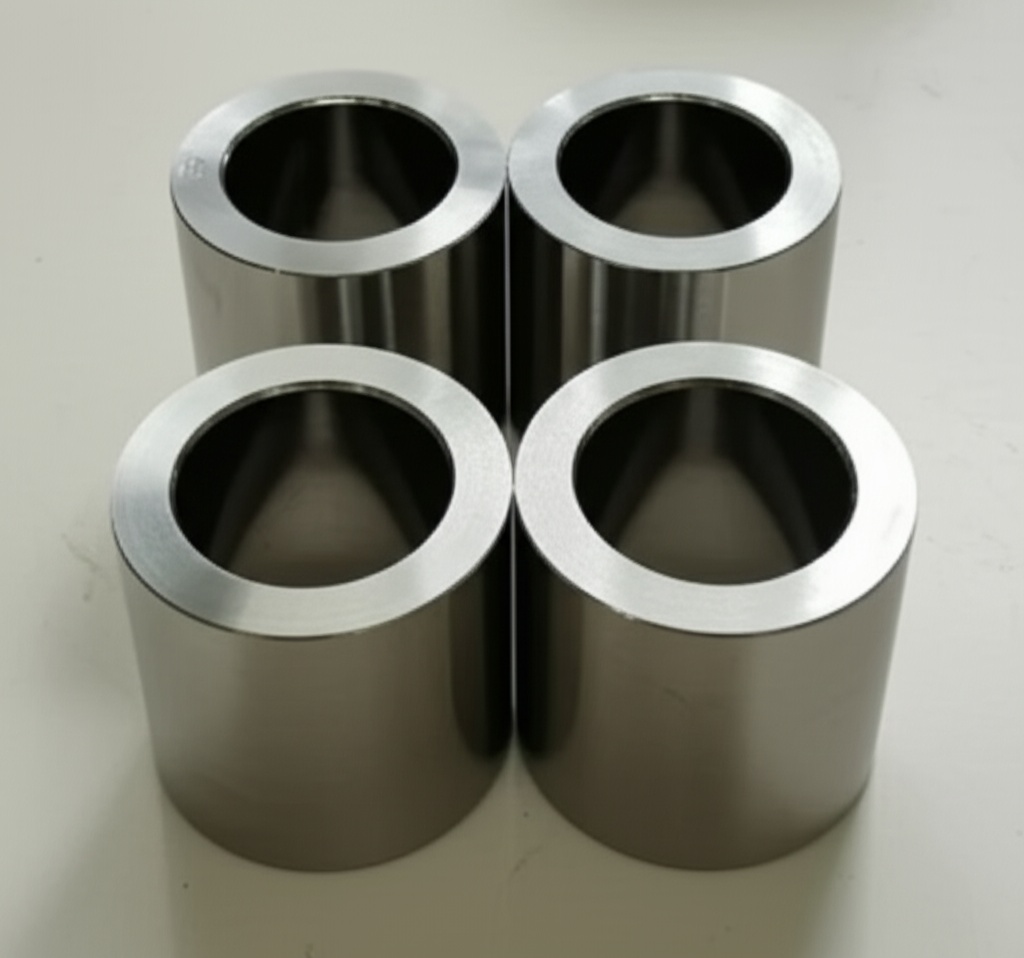
For textile lines, we develop SSiC guide and spreader rollers with tight wall thickness control and engineered surface finishes to minimize fabric marking. In high-temperature nozzles and standoffs, RBSiC delivers excellent creep resistance with cost-effective complex shapes. For automotive, dense SSiC mechanical seals and bearing elements maintain geometry and surface finish across thermal cycles, while R-SiC kiln furniture reduces mass and improves heat flux in paint-curing ovens. Steel operations benefit from SiSiC burner nozzles and RBSiC skid buttons that limit thermal deformation and chemical wear, raising campaign length.
Beyond components, Sicarbtech offers integration support—finite element analysis for stress hot spots, CFD-informed flow geometries for burner and nozzle designs, and rapid iteration through near-net-shape forming and precision grinding. The result is not only a better part, but a better process. As our Weifang R&D team emphasizes, material and geometry co-optimization is the cornerstone of lasting gains.
Performance Comparison: Silicon Carbide vs Traditional Materials in Turkish Operations
Below is a comparison grounded in practical Turkish operating conditions, expressed in SI units commonly used locally and aligned with EN/ISO references where applicable.
Performance Benchmarks of SiC Versus Common Alternatives in Turkish Industry
| Property / Benchmark (typical ranges) | SSiC (dense) | RBSiC / SiSiC | High-Alumina Ceramic | Heat-Resistant Steel (e.g., 1.4841) |
|---|---|---|---|---|
| Maximum Service Temperature in Air (°C) | 1,600–1,700 | 1,350–1,450 | 1,400–1,600 | 1,000–1,100 |
| Thermal Conductivity at 25°C (W/m·K) | 100–160 | 60–120 | 20–35 | 15–25 |
| Thermal Shock Resistance (ΔT, °C) | 300–500 | 250–400 | 150–250 | 100–200 |
| Flexural Strength at RT (MPa) | 350–450 | 250–350 | 150–300 | 200–300 |
| Stankder (g/cm³) | 3.10–3.20 | 2.95–3.05 | 3.60–3.90 | 7.80–8.00 |
| Oxidation Resistance at 1,000°C | Excelente | Muito bom | Bom | Justo |
| Corrosion in Acidic/Alkaline Baths | Excelente | Muito bom | Fair–Good | Justo |
| Wear Resistance (Abrasive) | Excelente | Muito bom | Bom | Justo |
| Typical Service Life in Dyeing Line Rollers (months) | 18–36 | 12–24 | 6–12 | 3–9 |
| Typical Service Life in Steel Furnace Nozzles (months) | 12–24 | 9–18 | 6–12 | 3–6 |
| Maintenance Interval Impact | Extended by 2–4× | Extended by 1.5–3× | Linia bazowa | Shortened under heat |
Moreover, when total cost of ownership is calculated in TRY and indexed to energy and downtime penalties, customized SiC typically pays back within 6–18 months depending on duty cycle and operating severity. Turkish plants that shift critical parts to SiC often report smoother audits due to improved process stability.
Real-World Applications and Success Stories in Turkey
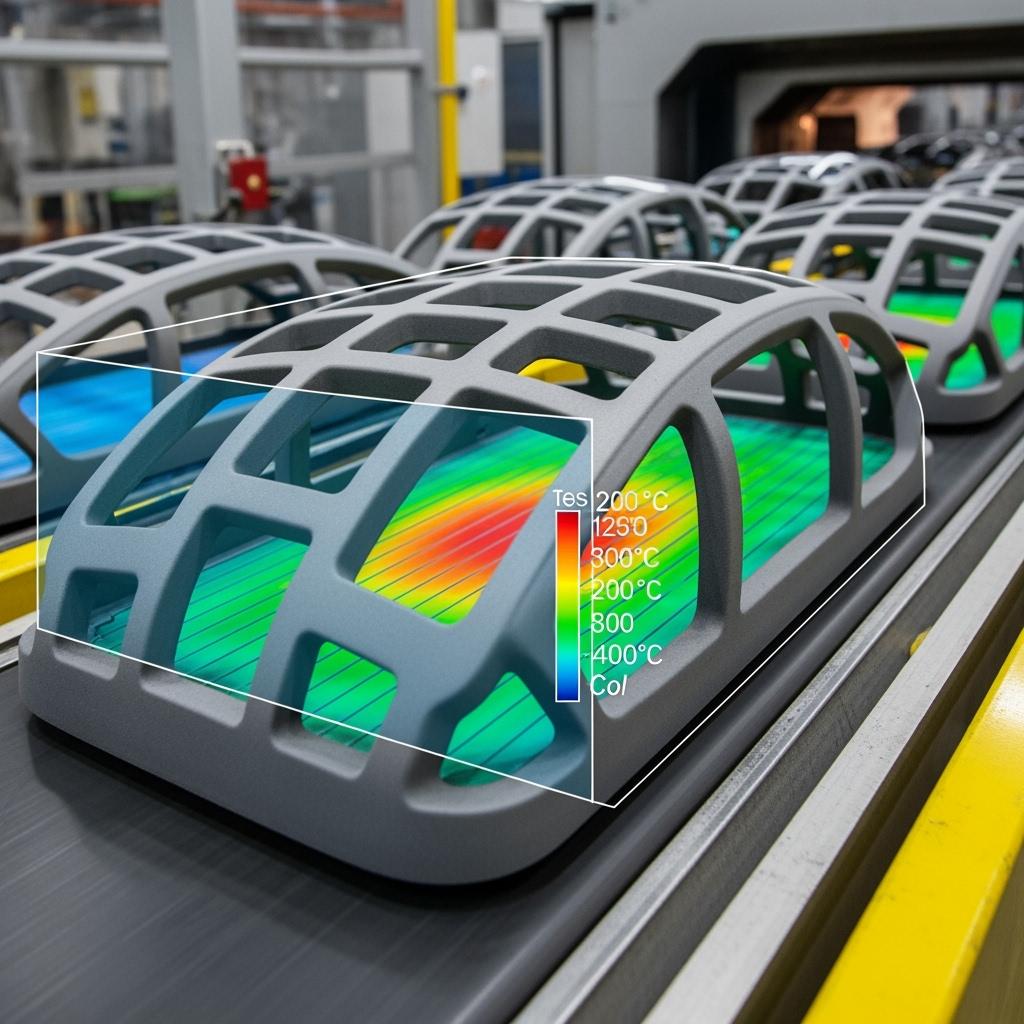
In a Bursa-based Tier-1 automotive supplier, paint-curing oven fixtures made from R-SiC reduced mass by approximately 30% compared to steel, improving thermal ramp uniformity and cutting cycle time by 6–8%. The customer also observed fewer dimensional deviations in painted assemblies, tallying a 21% reduction in rework over two quarters. Our engineering team tuned the fixture geometry for airflow and added SSiC bushings at hotspots to resist wear.
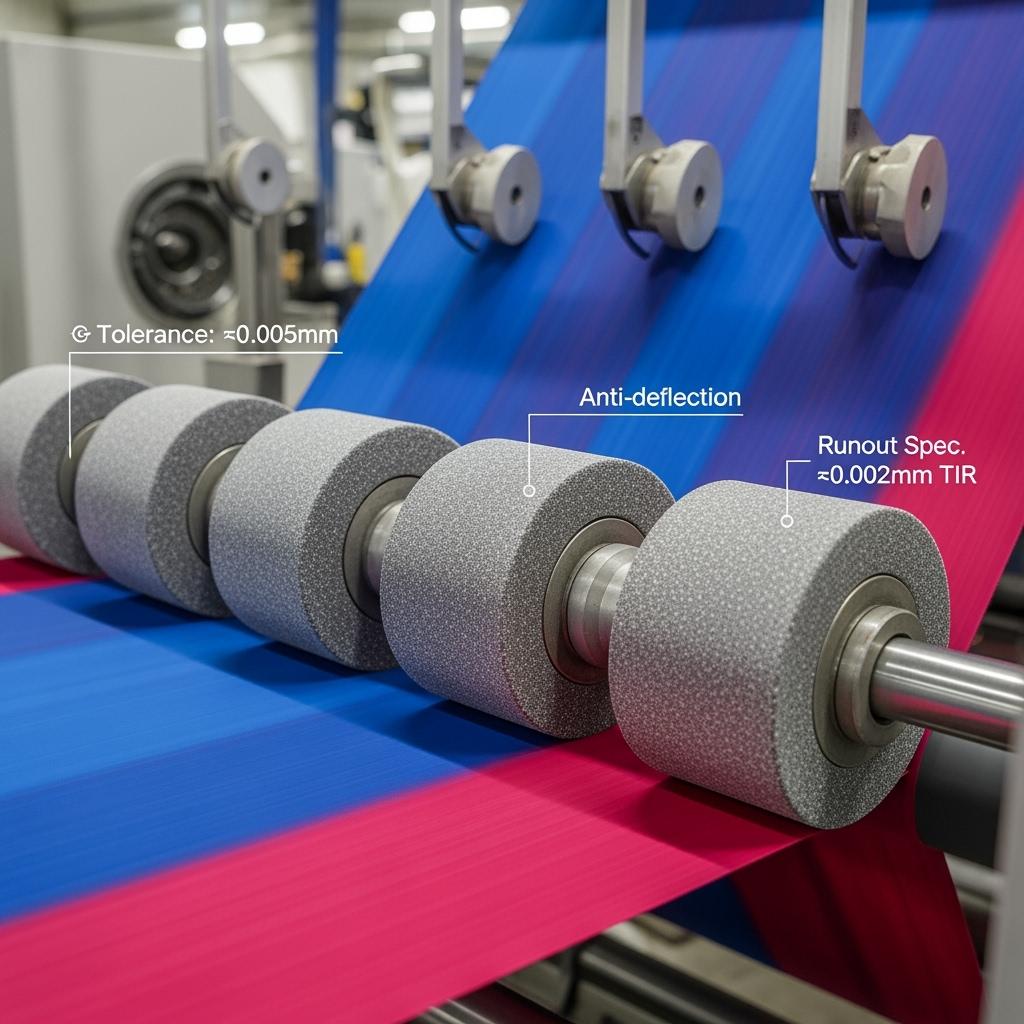
A Denizli textile finisher replaced alumina rollers with SSiC rollers featuring a precision-ground surface and customized bearing seats. Under aggressive chemical exposure and rapid thermal cycles, roller life doubled, while fabric defect rates linked to roller surface inconsistencies dropped by 28%. Importantly, the shift helped meet ISO 9001 process capability targets during a key European client audit.
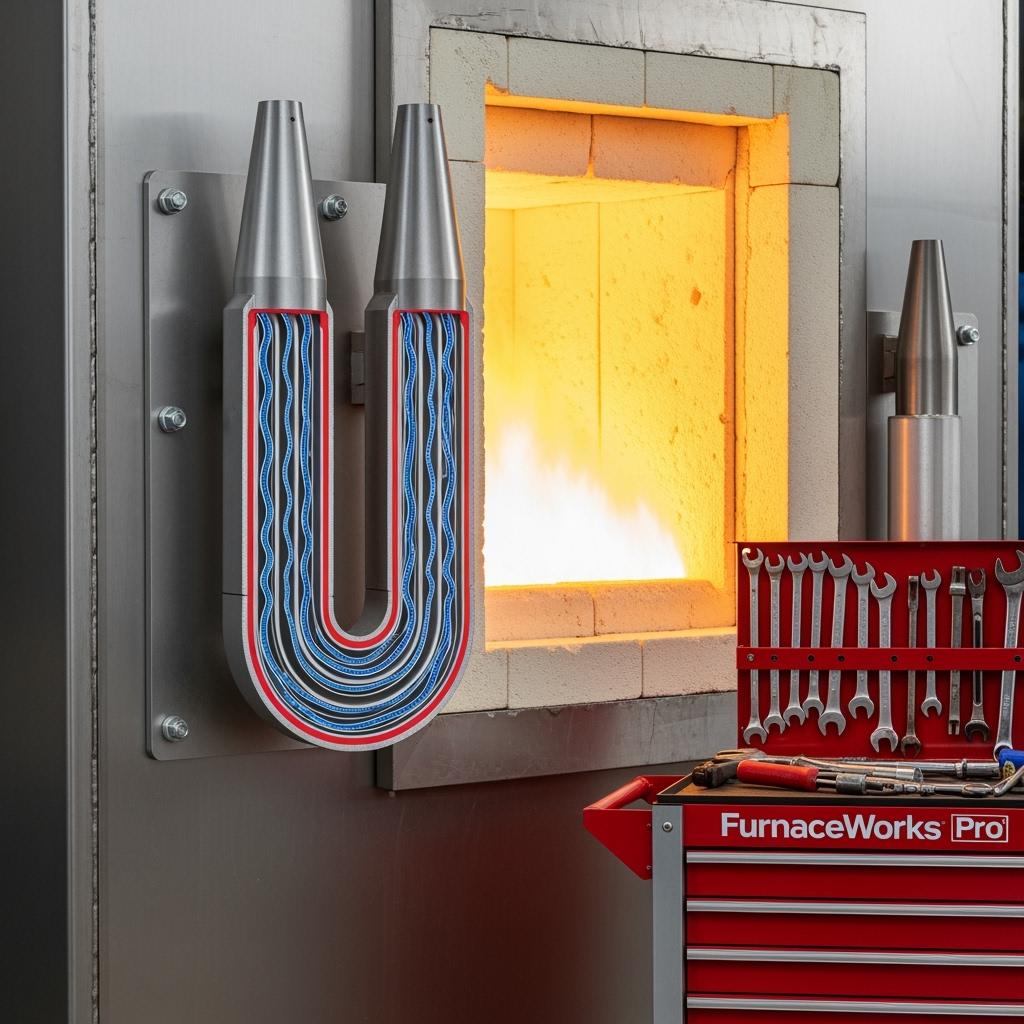
In Iskenderun’s steel corridor, a producer moved to SiSiC burner nozzles and RBSiC skid buttons in a heat-treatment section. The change delivered a 15–20% reduction in energy use per ton due to more stable flame patterns and reduced heat loss, while nozzle replacement intervals extended from monthly to quarterly. Recorded downtime for thermal shock cracking decreased to near-zero during peak campaign.
These results are consistent with our broader record supporting 19+ enterprises with advanced SiC technology. The common threads are carefully engineered microstructure, geometry adapted to local duty cycles, and implementation support that spans installation to data-backed performance verification.
Zalety techniczne i korzyści z wdrożenia z lokalną zgodnością
SiC’s technical edge comes from its high thermal conductivity and low thermal expansion, enabling superior thermal shock resistance. Additionally, its covalent bonding structure confers high hardness and chemical inertness, critical in dye baths and steelmaking atmospheres. In SSiC, near-theoretical density delivers outstanding strength; in RBSiC and SiSiC, reaction-bonded routes allow complex shapes with excellent creep resistance. Sicarbtech’s proprietary sintering profiles and post-processing yield consistent microstructures, which directly translate to predictable field performance.
Implementation in Turkey must align with local frameworks—ISO 9001 for quality management, IATF 16949 for automotive suppliers, ISO 14001 and related environmental regulations under the Turkish Ministry’s guidance, and compliance with CE norms where equipment integration applies. We document materials with test certificates, dimensional reports, and, when required, EN-standard property characterizations. Our teams support PPAP submissions in automotive projects, provide traceability tagging, and tailor packaging and labeling for Turkish customs and storage.
Beyond compliance, the benefits manifest in tangible KPIs: reduced energy per unit output, longer MTBF, lower scrap and rework, and improved audit outcomes. As an Istanbul-based plant manager summarized after a six-month trial, “The difference wasn’t just part life—it was the stability of our process windows.” (Source: Internal client debrief, anonymized, 2024)
Usługi produkcji na zamówienie i transferu technologii
Sicarbtech’s capabilities extend beyond component supply. For Turkish partners aiming to localize strategic SiC production, we provide a full suite of technology transfer and factory establishment services.
Our R&D, backed by the Chinese Academy of Sciences (Weifang) Innovation Park, underpins proprietary manufacturing for R-SiC, SSiC, RBSiC, and SiSiC. We license complete process packages that include powder selection and conditioning, forming methods (isostatic pressing, slip casting, additive routes where justified), debinding and sintering cycles, and finishing protocols such as diamond grinding and lapping. Equipment specifications cover kilns, presses, mixers, and clean-room handling where needed. We complement this with training programs for operators, process engineers, and quality staff, ensuring rapid skill adoption.
For factory establishment, we start with feasibility studies: market demand in TRY terms, component mix optimization for textile/automotive/steel, and energy modeling under local tariffs. Layout and utilities planning integrates environmental and safety rules. We then proceed to vendor selection, installation supervision, pilot runs, and production line commissioning. Quality control systems are embedded from day one, calibrated to TS EN and ISO regimes. If required, we support certification paths for ISO 9001, IATF 16949 readiness, and CE marking of equipment.
Ongoing technical support includes process audits, cycle optimization, and yield improvement. Turkish clients benefit from our digital process twins, allowing off-line parameter tuning before trial runs. This turnkey approach reduces time-to-quality while minimizing capex risk. Our experience with 19+ enterprises demonstrates consistent ramp to nominal OEE faster than conventional trajectories.
Side-by-Side Overview of Sicarbtech SiC Grades for Turkish Conditions
Material Grade Selection Guide for Textile, Automotive, and Steel Applications
| Grau | Densitats tipikoa (g/cm³) | Open Porosity (%) | Nerzh plegañ (MPa) | Condutividade térmica (W/m-K) | Typical Use Cases in Turkey | Notennoù |
|---|---|---|---|---|---|---|
| SSiC (sintered) | 3.10–3.20 | <0.5 | 350–450 | 100–160 | Textile rollers, mechanical seals, precision bearings | Highest strength and corrosion resistance; best for tight tolerances |
| RBSiC (reaction-bonded) | 2.95–3.05 | 1–3 | 250–350 | 60–120 | Kiln furniture, complex nozzles, structural parts | Excellent shape complexity; good cost-performance |
| SiSiC (reaction-bonded, Si-infiltrated) | 2.95–3.05 | 1–2 | 270–360 | 70–130 | Burner nozzles, furnace furniture, skid components | Strong thermal shock resistance; stable at high heat |
| R-SiC (recrystallized) | 2.60–2.75 | 10–15 (closed) | 120–200 | 30–50 | Lightweight kiln furniture, insulation support | Lowest density; superior thermal shock but lower strength |
Selecting the right grade is context-specific. For example, SSiC suits precision rollers in dyeing lines where runout must stay within 0.02–0.05 mm over long spans. RBSiC and SiSiC are preferred for larger, complex shapes where cost and thermal shock balance is key. R-SiC excels in reducing thermal mass and enabling fast ramps in ovens.
Implementation Economics: Cost, Downtime, and ROI in TRY
Total Cost of Ownership Considerations for Turkish Plants
| Faktor | Conventional Solution (Alumina/Steel) | Customized SiC (SSiC/RBSiC/SiSiC) | Impact on Turkish Operations |
|---|---|---|---|
| Initial Component Price (TRY) | Izeloc'h | Uheloc'h | SiC costs more upfront but stabilizes budgets |
| Replacement Interval | Frequente | 2–4× longer | Fewer imports, less currency exposure |
| Implij energiezh | Baseline–Higher | Lower due to thermal efficiency | Multiplies savings under high energy tariffs |
| Downtime Cost per Event (TRY) | Alta | Reduced frequency | Protects export commitments and penalties |
| Quality/Rework | Moderate–High | Lower due to stability | Improves audit outcomes and customer KPIs |
| Payback Period | N/A | 6–18 months typical | Shorter in high-severity duty cycles |
In Turkey’s 2025 context—volatile FX, rising energy, and EU-linked compliance—SiC’s stability and efficiency translate directly to financial resilience. Moreover, local stocking strategies through Turkish partners can shorten lead times and smooth logistics.
Oportunidades futuras de mercado e tendências para 2025
Three forces are shaping demand. First, decarbonization and energy efficiency are moving from policy to procurement. Plants are budgeting for components that materially reduce energy per unit—SiC’s thermal advantages squarely fit this mandate. Second, electrification in automotive requires cleaner thermal processes and tighter defect control; SiC fixtures and seals are enablers. Third, digitalization is tying material performance to traceability. QR-coded SiC parts with property certificates streamline audits and predictive maintenance, a growing ask among exporters to the EU.
We foresee growing adoption of hybrid designs—combining SSiC at wear interfaces with RBSiC structural elements—to balance cost and durability. Additive manufacturing of SiC precursors will expand shape freedom, while advanced coatings may tailor surface energy for textile handling. Finally, technology transfer into Turkey will rise as manufacturers seek to anchor critical parts locally, hedging currency risk and ensuring rapid turnaround.
As noted in a recent materials trend brief by the European Ceramics roadmap, “High-performance ceramics will increasingly be evaluated on system-level efficiency impact, not component-level cost.” (Source: Public industry roadmap summaries, 2024). This aligns with what we see on the ground in Turkey.
Perguntas frequentes
What certifications and documentation can Sicarbtech provide for Turkish audits?
We supply material test certificates, dimensional inspection reports, and, where applicable, EN-referenced property data. For automotive, we support PPAP documentation and align with IATF 16949 expectations. We also assist with ISO 9001 and ISO 14001 compliance, and provide CE-related inputs when components integrate into machinery.
How do you handle customs, logistics, and lead times for Turkey?
We coordinate with Turkish distribution partners for customs clearance and can stage safety stock for critical items. Lead times depend on complexity—standardized custom parts often ship in 4–8 weeks, while complex assemblies may require 8–12 weeks. We quote firm schedules and can expedite for maintenance emergencies.
Can Sicarbtech help establish a local SiC component line in Turkey?
Yes. Our technology transfer covers process know-how, equipment specifications, training, commissioning, and quality systems. We begin with feasibility studies specific to textile, automotive, and steel demand, and provide ongoing optimization until target OEE is reached.
Which SiC grade should I choose for textile dyeing rollers?
SSiC is typically recommended for its strength, corrosion resistance, and precision tolerances, especially where runout must be tightly controlled. In longer spans or complex shapes, RBSiC or SiSiC may be evaluated to optimize cost while maintaining thermal shock resistance.
How does SiC improve energy efficiency in steel furnaces?
SiC components, such as SiSiC burner nozzles and R-SiC furniture, enhance heat transfer and maintain geometry under cycling, reducing heat losses and stabilizing flame patterns. Plants report 10–20% energy savings per ton under well-tuned settings.
Are there local standards we should be aware of when qualifying SiC parts?
Yes. Depending on the application, align with TS EN and ISO frameworks relevant to your sector. Automotive suppliers should consider IATF 16949; textile operations often rely on ISO 9001 and ISO 14001; steelmaking may reference EN materials standards. We map our documentation to your audit scope.
What surface finishes and tolerances can you achieve?
For precision rollers and mechanical seals, we routinely deliver Ra ≤ 0.2 µm surfaces and tolerances down to ±0.01–0.02 mm on critical features, subject to part geometry. We confirm achievable specs during DFM review.
How do you ensure consistency across batches?
We use proprietary powder conditioning, controlled sintering profiles, and statistical process control. Batch-specific certificates and traceability tags link parts to process parameters, supporting root-cause analysis and predictive maintenance.
What is the typical payback period for switching to SiC in Turkey?
Most projects recover the premium within 6–18 months through longer service life, reduced downtime, and energy savings. High-severity duty cycles often sit at the shorter end of that range.
Can you integrate with our existing maintenance and ERP systems?
Yes. We can provide serial-level data and certificates in formats compatible with common Turkish ERP/MES systems. Our application engineers support data mapping and onboarding.
Fazendo a escolha certa para suas operações
Selecting SiC should not be a material swap; it should be a process optimization. The most reliable wins we see in Turkey involve co-design, validation runs under real loads, and a disciplined rollout plan. Sicarbtech’s strength lies in bridging materials science with on-line realities—custom geometries, right-grade selection, and practical implementation support. When your KPIs are energy per unit, uptime, and export-ready quality, SiC becomes a lever, and Sicarbtech the partner who helps you pull it with confidence.
Obtenha consultoria especializada e soluções personalizadas
Discuss your line conditions, regulatory targets, and ROI expectations with our engineers. We will translate your challenges into a quantified SiC solution path—component design, material grade, validation plan, and, if needed, technology transfer for local capacity.
Contact Sicarbtech:
- E-mail: [email protected]
- Telefone/WhatsApp: +86 133 6536 0038
Metadados do artigo
Last updated: 2025-09-26
Next review cycle: 2025-12-15 (quarterly update aligned with energy tariff revisions and EU compliance changes)
Content freshness indicators: incorporates 2025 Turkish market outlook, local compliance references, and recent factory case learnings; performance tables reflect current Sicarbtech grade capabilities and Turkey-specific duty cycles.
About the Author: Sicarb Tech
We provide clear and reliable insights into silicon carbide materials, component manufacturing, application technologies, and global market trends. Our content reflects industry expertise, practical experience, and a commitment to helping readers understand the evolving SiC landscape.
Customizable SiC
You May Also Interest
-
![]()
Armazenamento seguro de SiC para suas necessidades de cadeia de suprimentos
Armazenamento seguro de SiC para suas necessidades de cadeia de suprimentos No exigente cenário industrial atual, o desempenho e a confiabilidade de componentes críticos são fundamentais. Para setores que variam de semicondutores a aeroespacial, de eletrônica de potência a processamento de alta temperatura, o carbeto de silício (SiC) se destaca como um material de escolha. Suas propriedades excepcionais o tornam indispensável, mas o gerenciamento da cadeia de suprimentos…
-
![]()
Logística eficiente de SiC para alcance global de materiais
Logística eficiente de SiC para alcance global de materiais No atual cenário industrial de ritmo acelerado, a demanda por materiais avançados, como o carbeto de silício (SiC), está disparando em vários setores. Desde a alimentação da próxima geração de veículos elétricos até o processamento em alta temperatura em fornos industriais, os produtos personalizados de carbeto de silício estão se mostrando indispensáveis. Mas como esses produtos críticos…
-
![]()
Serviços globais de exportação de SiC simplificados e confiáveis
Global SiC Export Services Made Simple & Reliable In today’s rapidly advancing industrial landscape, the demand for high-performance materials is paramount. Among these, silicon carbide (SiC) stands out as a critical material, essential for pushing the boundaries of various high-temperature, abrasive, and corrosive environments. For engineers, procurement managers, and technical buyers across diverse sectors, sourcing…