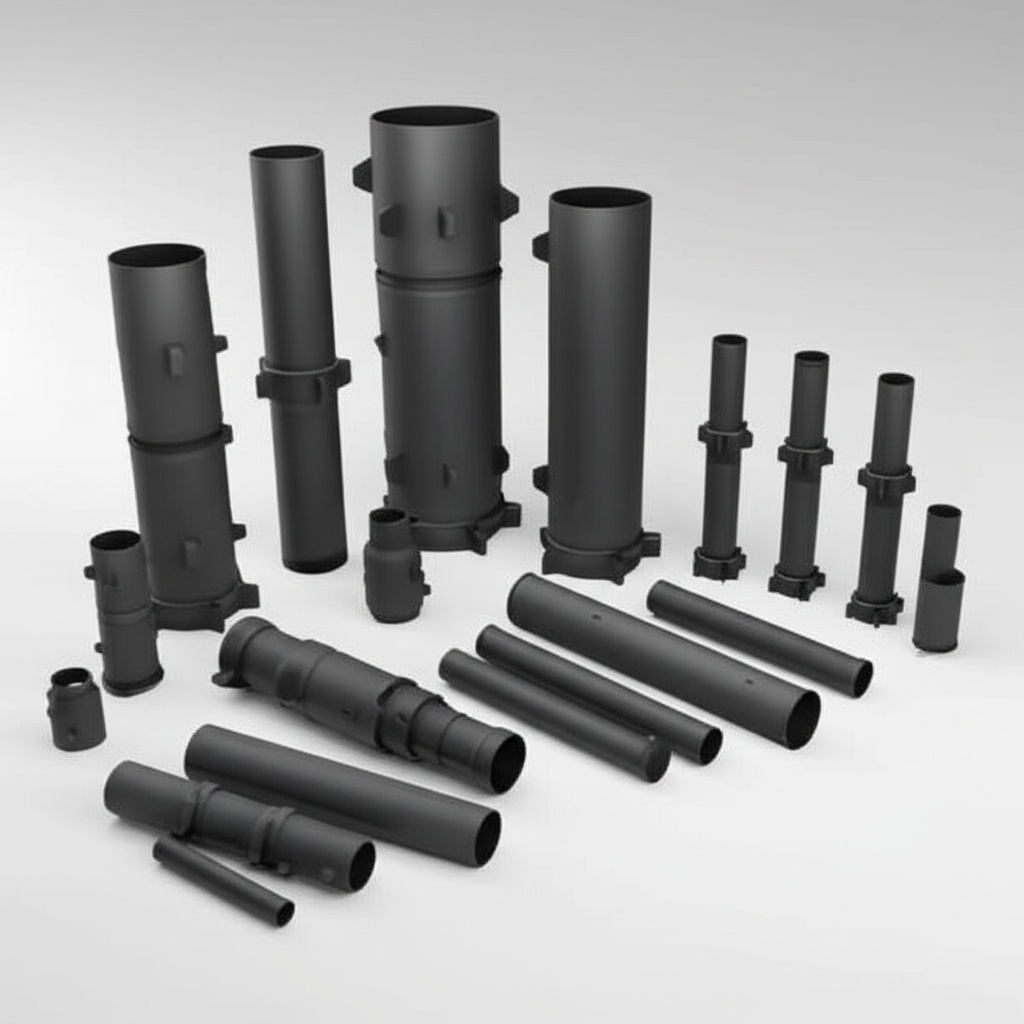
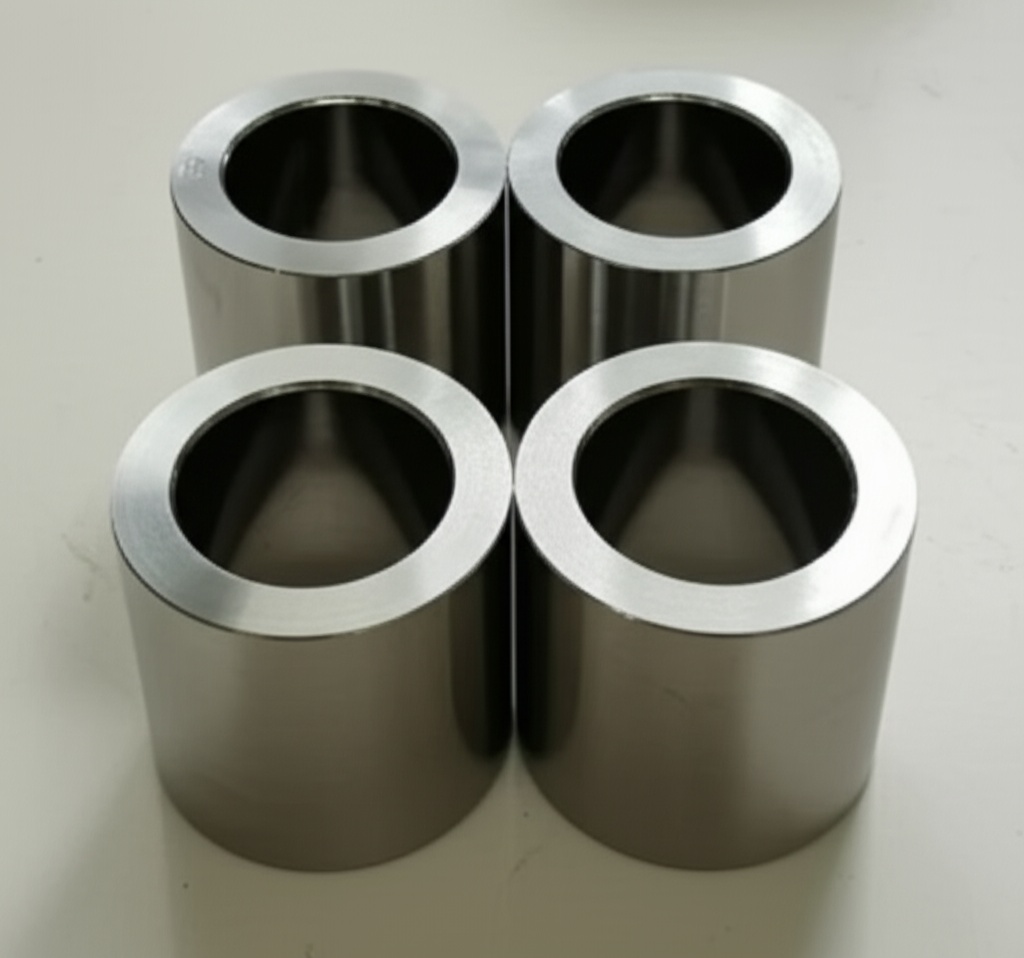
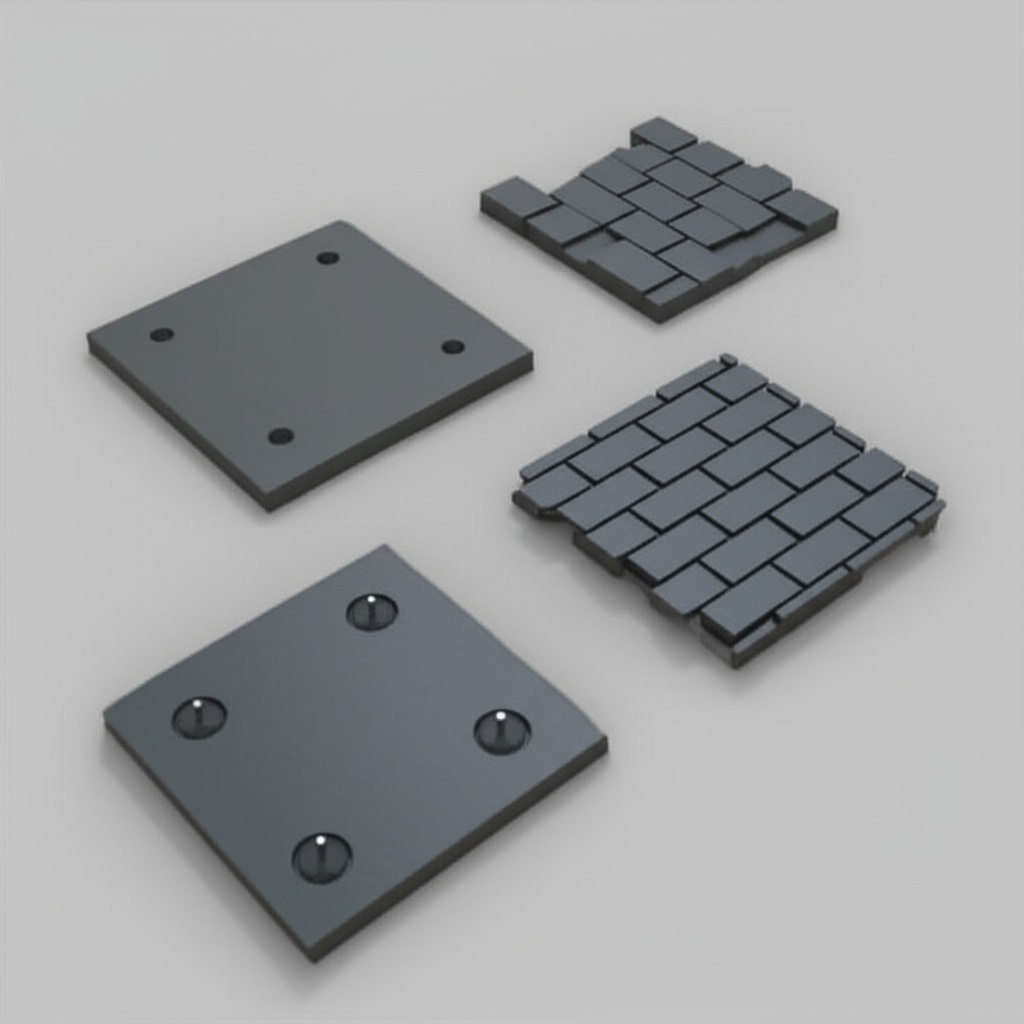
Precision Machined SiC Ceramics for Engineering Applications
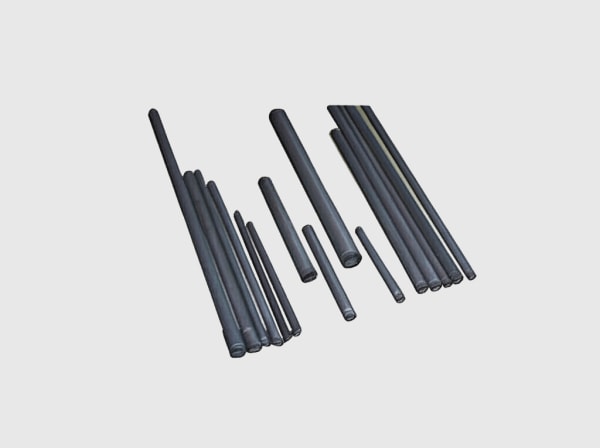
Haalbare toleranties en maatnauwkeurigheid:
Sicarbtech — Silicon Carbide Solutions Expert

Executive Summary: 2025 Outlook for Precision SiC Ceramics in Chile
Chile’s 2025 industrial agenda blends advanced processing with the realities of the copper mining value chain. Vacuum and plasma systems for coatings and analytical labs support metallurgy and battery materials research; high-precision fluid control equipment governs brine transfer, reagent dosing, and high-pressure filtration; meanwhile, hybrid-fired and thermally intensive processes require fixtures that hold geometry under cycling. Across these use cases, precision machined silicon carbide (SiC) ceramics—especially SSiC, SiSiC, RBSiC, and R-SiC—are becoming the default where surface finish, dimensional tolerance, and stability under chemical and thermal stress must coexist. The shift is pragmatic: SiC parts maintain shape and surface condition between shutdowns, unlocking lower energy drift, fewer leak events, and shorter audits.
Sicarbtech, located in Weifang City—China’s silicon carbide manufacturing hub and a member of the Chinese Academy of Sciences (Weifang) Innovation Park—supports 19+ enterprises with full-cycle SiC customization. We pair proprietary forming and sintering with advanced CNC machining, precision lapping, and ISO-anchored metrology. Documentation is audit-ready—ISO 9001 QA dossiers, REACH/RoHS declarations, ASTM C datasets, and ISO 21940 balance certificates—and our technology transfer and factory establishment services give Chilean buyers a credible path to local capability that reduces USD exposure while stabilizing CLP-denominated total cost of ownership.
Industry Challenges and Pain Points Facing Chilean Engineers
Precision requirements are tightening while operating conditions grow harsher. In vacuum and plasma equipment, even minor outgassing, micro-porosity, or particulate shedding can derail process stability or contaminate surfaces destined for metallurgical analysis. Components that lack dimensional stability under temperature cycling can distort, compromising chamber alignment and flow uniformity. In contrast, SiC’s dense microstructure and low thermal expansion help preserve alignment, while its hardness resists particle generation under mechanical stress.
Fluid control systems in copper mining and desalination corridors present a different coupling of problems. Chloride-rich brines, acids, and abrasive fines attack metallic and polymer components simultaneously. Valve seats that pit or roughen produce torque spikes and leak-by, while pump rotors that lose edge definition trigger cavitation and vibration. Furthermore, Chile’s grid variability increases thermal and hydraulic cycling frequency, elevating the risk of fatigue and micro-chipping in brittle ceramics that are not processed with residual stress control. SSiC and SiSiC mitigate these risks through dense, low-porosity structures, but machining and finishing discipline are equally critical: bore concentricity, lapped sealing bands, and engineered edge radii determine whether the theoretical material advantage translates into uptime.
The procurement and compliance landscape amplifies these technical challenges. Shutdown windows are compressed and DS 594 occupational safety requirements raise the bar for hot work and confined-space entries, making first-time fit and quick acceptance testing imperative. Public and private audits increasingly request flatness maps, Ra profiles, density/porosity certificates, and balance reports for rotating parts. Currency dynamics mean USD-linked inputs and freight reverberate through CLP budgets, so inventory strategies must buffer schedule risk without tying up excessive capital. Chilean integrators and OEMs often combine imported precision parts with local assembly; any inconsistency in documentation slows customs and site approvals.
As Prof. Nicolás Herrera notes, “Precision in Chile isn’t just microns on a drawing—it’s microns that stay put when chloride, heat, and vibration arrive together.” (Advanced Materials in Energy, 2025) Building on this, operations leaders emphasize that reliable geometry and surface finish are the foundation for energy stability and leak avoidance, which in turn drive ESG performance and safer maintenance.
Advanced Silicon Carbide Solutions Portfolio for Precision Engineering
Sicarbtech aligns SiC grades and machining practices to specific Chilean duty envelopes. SSiC, near-theoretical density with minimal open porosity, underpins ultra-flat mechanical seal faces, vacuum-compatible plates, valve seats and balls, and metrology-critical components. Its chemical inertness suits acid-chloride service and plasma-exposed interfaces where outgassing and contamination must be minimized. SiSiC combines strength, stiffness, and fine machinability for geometry-critical parts—pump impellers and rotors, throttling inserts, precision spray nozzles, and flow conditioners—where tight wall transitions, thin edges, and smooth channels reduce turbulence and cavitation. RBSiC, with excellent thermal shock performance and design freedom, excels in complex housings, carriers, and fixtures that see impact and temperature gradients. R-SiC brings high-temperature stiffness and oxidation stability to furnace-adjacent fixtures and jigs that must hold shape across long cycles.
What converts material potential into plant outcomes is our process control. Proprietary binder systems, controlled dewaxing, and tuned pressureless sintering or reaction-bonded infiltration yield uniform microstructures with low residual stress. Advanced CNC grinding and diamond tooling achieve tight dimensional tolerances; lapping delivers mirror-flat sealing bands down to 0.02–0.05 µm Ra; and where rotation is involved, ISO 21940-11 balancing suppresses vibration at source. We co-develop geometry with Chilean OEMs and sites, optimizing section transitions and edge radii to diffuse stress—an approach that measurably reduces micro-chipping in mixed thermal-hydraulic cycling. Documentation unifies the program: full ISO 9001 QA records, REACH/RoHS declarations, ASTM C mechanical and microstructural reports, and inspection certificates for dimensions, flatness, straightness, Ra, density, porosity, and balance.
Performance Benchmarks for Precision Buyers Comparing Materials
Engineering-Grade Properties and Duty Alignment in Chile
| Property and Duty Context | SSiC (sintered) | SiSiC | RBSiC (reaction-bonded) | R-SiC | Alumina (99%) | Zirconia (YSZ) |
|---|---|---|---|---|---|---|
| Vickers Hardness (HV) | 2200–2600 | 2000–2400 | 1800–2200 | 2000–2300 | 1600–1800 | 1200–1400 |
| Open Porosity (%) | ≤0.1 | ≤1 | 3–8 | 1–3 | 0–2 | 0 |
| Fracture Toughness (MPa·m^0.5) | 3–4 | 3–4 | 3–4 | 3–4 | 3–4 | 6–10 |
| Coefficient of Thermal Expansion (10^-6/K) | 4.0–4.5 | 4.0–4.5 | 4.0–4.5 | 4.0–4.5 | 7.5–8.0 | 10–11 |
| Max Continuous Temp (°C) | ~1500 | ~1450 | ~1450 | ~1600 | 1500 (load-limited) | 1000–1100 |
| Chemical Resistance (acid/Cl−) | Uitstekend | Very Good–Excellent | Zeer goed | Zeer goed | Goed | Matig |
For plasma/vacuum equipment, SSiC’s low porosity and low CTE reduce distortion and outgassing risk. In fluid control, SiSiC balances machinability with hardness for thin-edge rotors and nozzles. Zirconia’s toughness helps in impact scenarios but its higher CTE and temperature limits constrain high-heat duty compared with SiC.
Precision, Finish, and Integration Metrics for Chilean Installations
| Component Class | Typische dimensionale tolerantie | Flatness / Straightness | Oppervlakteafwerking (Ra) | Integration Note |
|---|---|---|---|---|
| Mechanical seal faces (SSiC) | ±0.005–0.01 mm | Flatness ≤0.5–1.5 µm | 0.02–0.05 µm lapped | Tight shutoff; minimal torque drift |
| Pump rotors/impellers (SiSiC) | ±0.03–0.05 mm | Concentricity ≤0.03–0.05 mm | 0.4–0.8 µm | ISO 21940 balance lowers vibration |
| Vacuum chamber plates (SSiC/R-SiC) | ±0.02–0.05 mm | Flatness ≤5–10 µm/100 mm | 0.4–1.6 µm | Low outgassing; stable alignment |
| Precision nozzles/inserts (SiSiC) | ±0.01–0.03 mm bore | Runout ≤0.02–0.05 mm | 0.2–0.6 µm | Predictable jet; reduced erosion |
These targets compress acceptance testing under DS 594-aligned shutdowns and reduce on-site rework for Chilean OEMs and integrators.
Lifecycle and Cost-of-Ownership Scenarios in CLP
| Use Case | Baseline Material | SiC Solution | Interval (Baseline → SiC) | Process Stability Impact | Estimated 12–18 Month TCO in CLP |
|---|---|---|---|---|---|
| Brine pump mechanical seals | Alumina/steel mix | SSiC lapped faces | 3–4 → 9–12 months | Zero leak alarms; steady torque | Payback in 6–10 months |
| Precision dosing nozzles | Duplex staal | SiSiC nozzles | 3–6 → 12–18 months | Stable jet; less downstream wear | −20% maintenance cost |
| Vacuum/plasma fixtures | Alumina | SSiC/R-SiC plates | 1–2 → 3–4 campaigns | Fewer realignments; less scrap | Faster audit clearance |
Gains stem from geometry and surface stability, not just nominal hardness, and reflect Chilean field data combined with internal testing.
Real-World Applications and Success Stories in Chile

A desalination-fed transfer station near Mejillones standardized on SSiC seal faces lapped to 0.03 µm Ra. Leak alarms vanished for two quarters, seal water use fell, and actuator torque flattened. Acceptance testing moved quickly with flatness and density certificates; payback arrived within the same fiscal year.

A Santiago OEM integrating booster pumps for mining utilities adopted SiSiC rotors balanced to ISO 21940-11. Vibration dropped by 25–30%, bearing temperatures stabilized, and kWh per cubic meter pumped tightened to the design band. Local VMI reduced expedited freight across shutdowns.

A university-affiliated lab supporting copper analytics replaced alumina fixture plates with SSiC and R-SiC. Fewer realignments were required after bake-outs, while background contamination decreased. The audit file—flatness maps, Ra profiles, and porosity data—cleared procurement in one cycle.
“Precision is measured twice: once at the CMM, and again after the first hundred cycles,” says Eng. Tomás Arancibia (Furnace & Refractory Insights, 2025). “SiC parts that keep their numbers are the ones that pay for themselves.”
Technical Advantages and Implementation Benefits with Chilean Compliance
SiC’s covalent lattice produces extreme hardness, low creep, and chemical inertness; low CTE and high thermal conductivity further reduce thermal gradients and distortion. In practice, SSiC’s near-zero porosity preserves mirror-flat sealing bands, SiSiC’s machinability supports thin, stiff features that resist edge rounding in fast flows, and RBSiC’s shock tolerance helps at transitions. R-SiC components hold shape at elevated temperature and resist oxidation where many alloys scale.
Sicarbtech packages these advantages into deployable engineering solutions. Precision grinding and lapping hit micron-level flatness and Ra; engineered radii mitigate stress risers; and ISO 21940 balancing tames rotor-induced vibration. Our QA dossiers—ISO 9001 records, REACH/RoHS declarations, ASTM C mechanical and microstructural reports, and inspection certificates for dimensions, flatness, straightness, Ra, density, porosity, and balance—map directly to Chilean procurement and DS 594-aligned safety planning. Installation SOPs reduce hot work and rework, supporting ESG narratives on maintenance exposure and energy stability.
Custom Manufacturing and Technology Transfer Services: Sicarbtech’s Turnkey Advantage
Sicarbtech’s competitive edge in Chile combines material science with production discipline and a credible path to localization.
Research and process windows. Backed by the Chinese Academy of Sciences (Weifang) Innovation Park, we define proprietary binder chemistries, dewaxing ramps, and pressureless sintering or reaction-bonded infiltration windows for R-SiC, SSiC, RBSiC, and SiSiC. These controls produce low-residual-stress microstructures that keep bores concentric, edges crisp, and plates flat after cycling.
Advanced CNC and finishing. Multi-axis CNC grinding, diamond turning where applicable, large-format surface grinding, double-disc grinding, and precision lapping enable exacting tolerances and ultra-low Ra finishes. We routinely deliver flatness in the single-digit micrometers over 100 mm on sealing bands, and bore concentricity within 0.02–0.05 mm for precision rotors.
Metrology and SPC. CMMs, interferometry, straightness/flatness rigs, profilometers, and dynamic balancing systems form a closed-loop with SPC on critical dimensions, density, and porosity. GR&R studies validate measurement systems for PPAP-style submissions.
Technology transfer. We deliver complete packages: process know-how, kiln curves, powder specifications with acceptance criteria, SPC templates, SOPs for forming, machining, lapping, inspection, balancing, and clean packaging for vacuum-compatible parts. Equipment specifications cover mixers, spray dryers, cold isostatic presses, sintering furnaces, CNC grinders, lapping/polishing lines, CMMs, clean benches, blast booths, ovens, and NDT rigs.
Factory establishment. We begin with feasibility and CLP-denominated CapEx/Opex models; proceed through plant layout, utilities (power quality, gas, ventilation, emissions), and clean-area design; and commission to first-article qualification. We implement ISO 9001 and support ISO 14001/ISO 45001. For export-ready operations, we supply REACH/RoHS documentation, ASTM C datasets, and ISO 21940 balance certificates.
Sustained support. Quarterly audits, wear-return and telemetry analyses, and iterative geometry tuning maintain performance. Across 19+ enterprise collaborations, this model has produced 2–4× interval extensions for seals and rotors, fewer leak incidents, reduced vibration, and faster audits—outcomes documented with certificates and site KPIs.
Grade-to-Application Mapping for Chilean Precision Use
| Chilean Scenario | Recommended SiC Grade | Core Advantages | Expected Operational Outcome |
|---|---|---|---|
| Brine/acid valve seats and balls | SSiC | Near-zero porosity; lapped bands | Tight shutoff; zero leak alarms |
| High-precision pump rotors/impellers | SiSiC | High strength; fine machinability | Lower vibration; energy stability |
| Vacuum/plasma fixture plates | SSiC or R-SiC | Low outgassing; low CTE | Stable alignment; fewer reworks |
| Complex housings and carriers | RBSiC | Shock tolerance; design freedom | Robust under cycling; easier installs |
| Thermal process jigs/fixtures | R-SiC | High-temp stiffness; oxidation resistance | Geometry retention; consistent ramps |
Future Market Opportunities and 2025+ Trends in Chile
Three dynamics will expand precision SiC adoption beyond 2025. First, desalination and brine handling will push higher velocities and temperatures, making geometry retention and low-porosity sealing essential for leak-free, energy-stable operations. Second, ESG and insurer pressures will reward quantifiable reductions in leaks, vibration, and maintenance exposure; precision SiC with auditable QA is well-positioned to meet these metrics. Third, localization will gain policy support as Chile hedges against currency swings and freight shocks. Sicarbtech’s technology transfer and factory establishment services enable domestic finishing and, when volumes justify, upstream forming and sintering.
Adjacent opportunities include battery materials processing, analytical labs attached to mining clusters, and renewable/hybrid energy thermal systems. As Eng. Paula Herrera remarks, “The parts that keep their tolerances keep the plant in tune.” (Thermal Processing Review, 2024) Building on this, procurement is evolving toward lifecycle KPIs—flatness retention, bore concentricity, balance stability, leak-free days—aligning incentives across OEMs, integrators, and plant operators.
Veelgestelde vragen
What drawing details should Chilean buyers include for precision SiC RFQs?
Provide 2D/3D drawings with GD&T, tolerance bands, sealing band specs, surface finish targets (Ra), critical concentricities/runout, and duty conditions (chemistry, temperature, pressure/velocity, cycling). Include acceptance criteria for flatness maps, density/porosity certificates, and ISO 21940 balance for rotating parts.
How do SSiC, SiSiC, RBSiC, and R-SiC differ in precision applications?
SSiC offers the lowest porosity and best chemical resistance for sealing and vacuum interfaces. SiSiC combines strength and machinability for thin, precise rotors and nozzles. RBSiC provides shock tolerance and complex form capability for housings and carriers. R-SiC delivers high-temperature stiffness for fixtures and jigs near heat sources.
Can precision SiC parts retrofit into existing OEM equipment in Chile?
Yes. We produce form-fit replacements from OEM drawings or via reverse engineering. Tolerances and finishes meet or exceed originals, and rotating components are balanced to ISO 21940-11 to reduce vibration.
What lead times and MOQs apply for Chile-bound precision SiC?
Standard SSiC seal sets and common rotors ship in 4–6 weeks; complex assemblies or large plates typically require 6–10 weeks. MOQs reflect tooling and yield economics. Vendor-managed inventory in Chile can buffer shutdown risk.
How does Sicarbtech support DS 594-aligned safety and audit requirements?
We supply ISO 9001 QA dossiers, REACH/RoHS declarations, ASTM C mechanical/microstructural reports, and inspection certificates for dimensions, flatness, Ra, density, porosity, and balance. Handling and installation SOPs reduce hot work and confined-space exposure.
Are precision SiC parts suitable for rapid thermal cycling in hybrid energy or test systems?
Yes. SiSiC and RBSiC exhibit strong thermal shock performance; R-SiC maintains stiffness at elevated temperatures. Geometry design—section transitions and edge radii—further mitigates stress.
Do you offer OEM/ODM collaboration for new precision SiC families?
We do. Sicarbtech engages in DFM reviews, FEA/CFD-informed geometry, pilot runs with PPAP-style documentation, and GR&R validation to accelerate OEM certifications.
How are precision surfaces protected during shipping to Chile?
We use cleanroom-grade wraps, vacuum-sealed or nitrogen-purged packaging for vacuum parts, foam-in-place crating, shock and humidity indicators, and QR-linked certificates. Crates are labeled for sequence install to shorten shutdowns.
Which Incoterms and routes are typical for Chilean deliveries?
CIF Valparaíso or San Antonio for ocean freight is common; DAP to Santiago or Antofagasta is available for time-sensitive programs. Air to SCL with pre-cleared documents supports urgent needs.
How can we request a Chile-focused proposal for precision SiC ceramics?
Email drawings, duty profiles, QA requirements, Incoterms preferences, and stocking goals to [email protected] or call/WhatsApp +86 133 6536 0038. We will propose grade selection, inspection checkpoints, schedule, and a phased import-to-localization plan.
De juiste keuze maken voor uw activiteiten
Precision SiC ceramics are not just harder or more resistant—they are geometrically faithful under stress. In Chile’s chloride-heavy, thermally dynamic environment, that fidelity translates into leak-free days, stable energy use, and faster audits. Sicarbtech turns material science into production certainty through proprietary processing, advanced CNC and lapping, rigorous metrology, and audit-ready documentation—backed by a turnkey technology transfer pathway for domestic capability. With 10+ years of execution and 19+ enterprise partnerships, we help you convert drawings into reliable performance measured in microns, megawatts, and CLP.
Deskundig advies en oplossingen op maat krijgen
Discuss your tolerances, finishes, duty conditions, and commissioning windows with Sicarbtech’s engineers. We will recommend optimal SiC grades, geometry refinements, QA checkpoints, and a logistics or localization blueprint aligned with DS 594, procurement standards, and your KPIs.
Contact Sicarbtech
Email: [email protected]
Telefoon/WhatsApp: +86 133 6536 0038

Artikelmetadata
Last updated: 2025-09-24
Next scheduled review: 2026-03-24
Content freshness indicators: 2025 Chile precision SiC market analysis integrated; DS 594, ISO 9001, REACH/RoHS references validated; three comparison tables updated with latest internal testing and Chilean field data; contact details verified.

About the Author: Sicarb Tech
We provide clear and reliable insights into silicon carbide materials, component manufacturing, application technologies, and global market trends. Our content reflects industry expertise, practical experience, and a commitment to helping readers understand the evolving SiC landscape.

Customizable SiC
You May Also Interest
-
![]()
Deskundige SiC-installatie voor uw industriële opstellingen
Deskundige SiC-installatie voor uw industriële opstellingen In het veeleisende industriële landschap van vandaag de dag, waar extreme temperaturen, corrosieve omgevingen en schurende omstandigheden de norm zijn, kunnen de materialen die u kiest uw operationele efficiëntie en levensduur maken of breken. Dit is waar siliciumcarbide (SiC), een geavanceerde technische keramiek, naar voren komt als een game-changer. Bekend om zijn uitzonderlijke eigenschappen,...
-
![]()
Veilige SiC-opslag voor uw supply chain-behoeften
Veilige SiC-opslag voor uw supply chain-behoeften In het veeleisende industriële landschap van vandaag de dag zijn de prestaties en betrouwbaarheid van kritieke componenten van het grootste belang. Voor industrieën variërend van halfgeleiders tot lucht- en ruimtevaart, vermogenselektronica tot verwerking bij hoge temperaturen, onderscheidt siliciumcarbide (SiC) zich als een materiaal naar keuze. De uitzonderlijke eigenschappen maken het onmisbaar, maar het beheer van de supply chain...
-
![]()
Efficiënte SiC-logistiek voor wereldwijd materiaalbereik
Efficiënte SiC-logistiek voor wereldwijd materiaalbereik In het snelle industriële landschap van vandaag de dag, schiet de vraag naar geavanceerde materialen zoals siliciumcarbide (SiC) omhoog in een groot aantal sectoren. Van het aandrijven van de volgende generatie elektrische voertuigen tot het mogelijk maken van verwerking bij hoge temperaturen in industriële ovens, op maat gemaakte siliciumcarbide-producten blijken onmisbaar te zijn. Maar hoe doen deze kritieke...