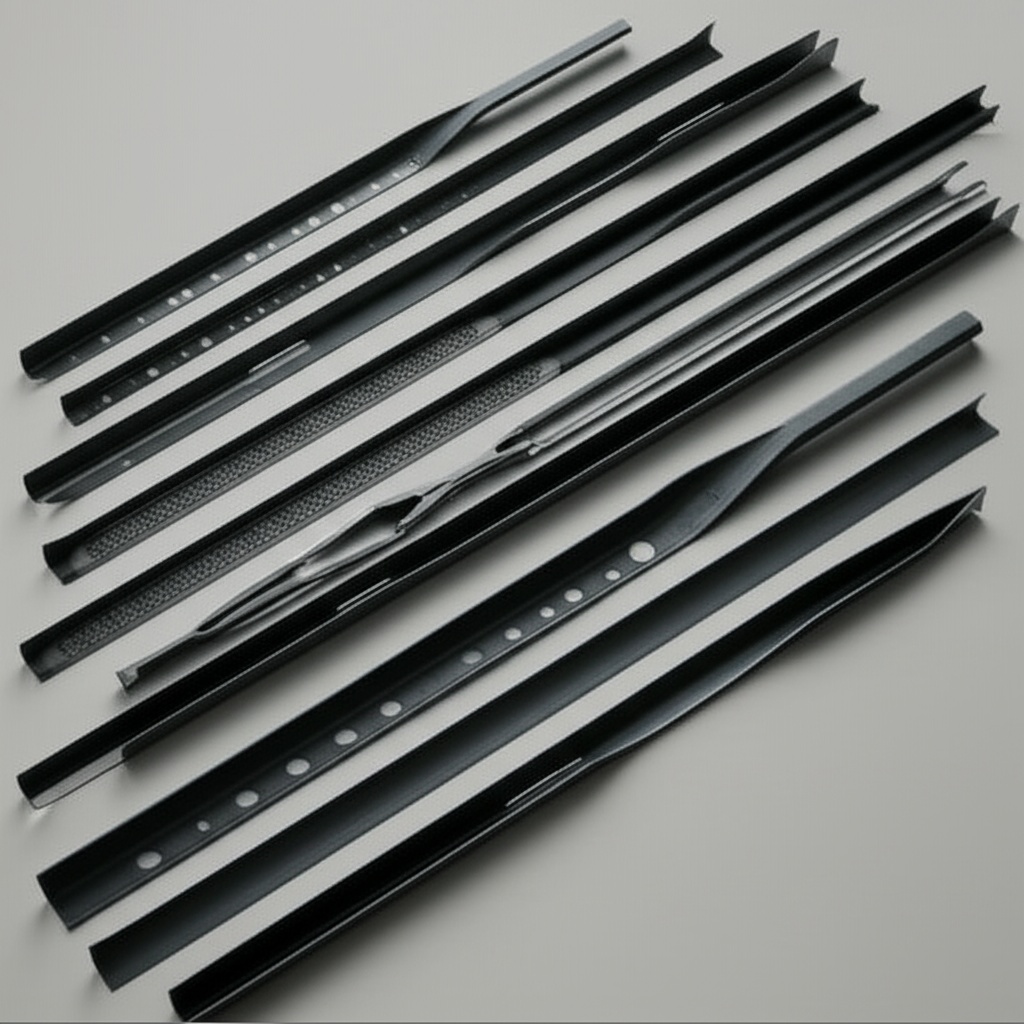
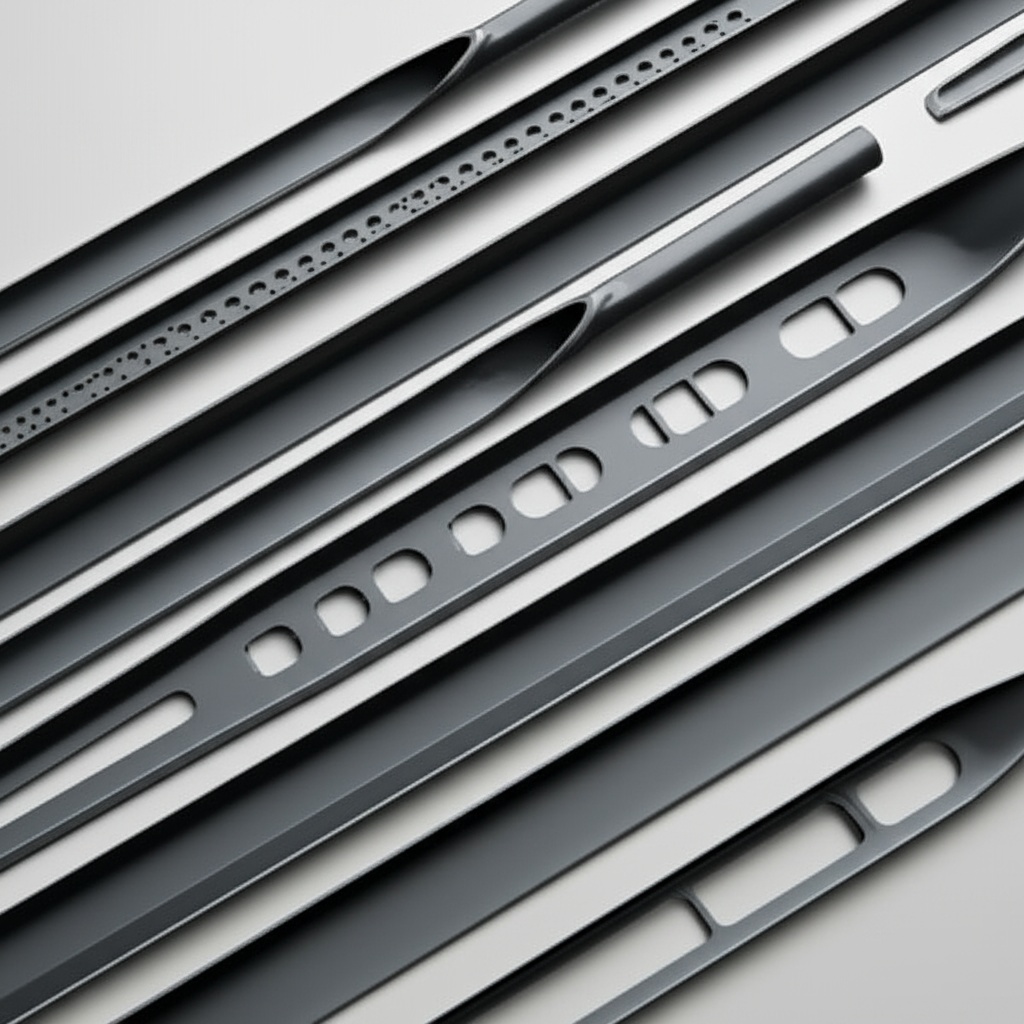
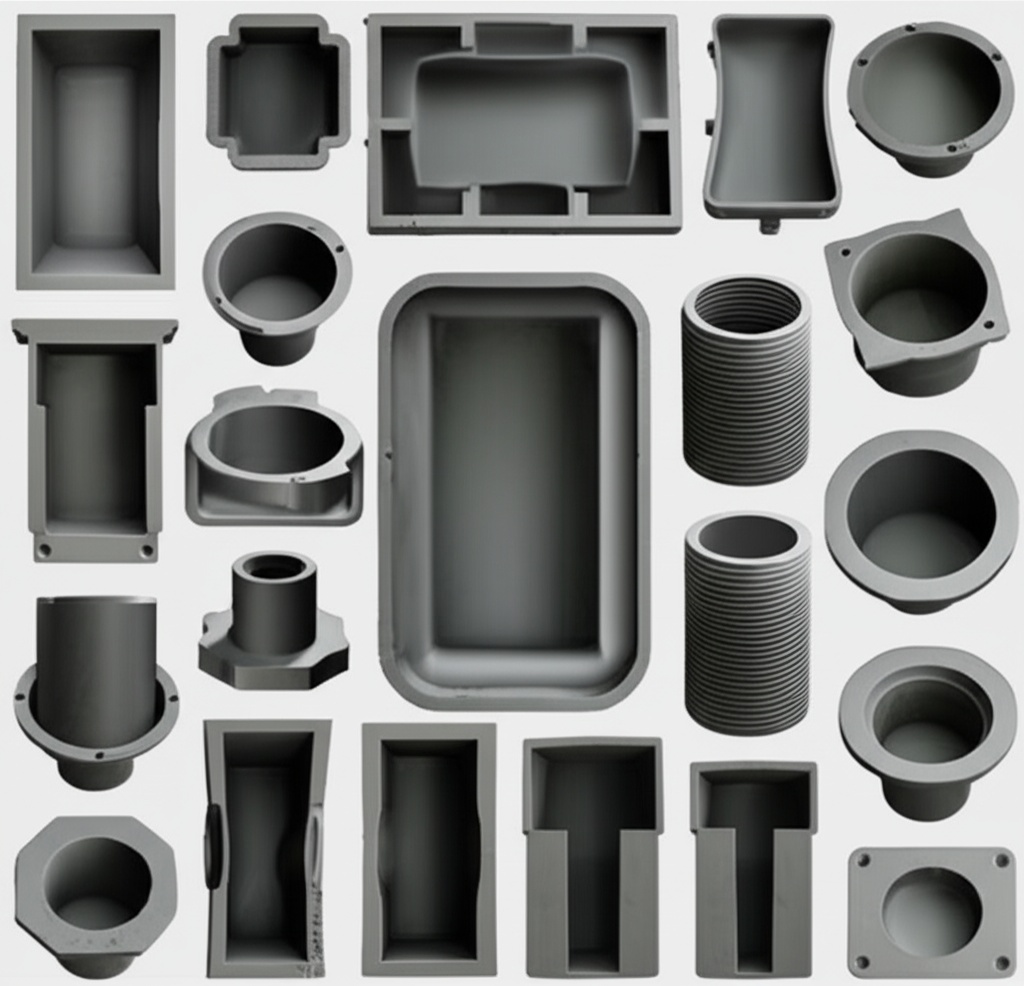
Lower Friction & Boost Efficiency with Advanced SiC
Share
Lower Friction & Boost Efficiency with Advanced SiC
In today’s demanding industrial landscape, where precision, efficiency, and longevity are paramount, advanced materials play a crucial role. Among these, silicon carbide (SiC) stands out as a true workhorse, particularly when it comes to reducing friction and enhancing operational efficiency across a myriad of applications. For engineers, procurement managers, and technical buyers in industries ranging from semiconductors to aerospace, understanding the unparalleled benefits of custom SiC products is key to unlocking next-level performance.
This blog post delves into the transformative power of custom silicon carbide, exploring its unique properties, diverse applications, and the critical considerations for sourcing and implementing these advanced ceramic solutions. We’ll also shed light on a pivotal region for SiC innovation and manufacturing, offering valuable insights into reliable supply chains and expert support.
What Are Custom Silicon Carbide Products?
Custom silicon carbide products are engineered ceramic components tailored to specific industrial requirements, offering superior performance where conventional materials fall short. SiC is a compound of silicon and carbon, known for its exceptional hardness, high thermal conductivity, chemical inertness, and remarkable wear resistance. Unlike off-the-shelf components, custom SiC parts are designed and manufactured to precise specifications, ensuring optimal fit, function, and longevity in even the most challenging environments.
These specialized components are essential in high-performance industrial applications where extreme conditions such as high temperatures, abrasive wear, corrosive chemicals, and high mechanical stress are common. Their ability to maintain structural integrity and performance under such duress makes them indispensable for critical operations, ultimately leading to reduced downtime, lower maintenance costs, and improved overall system efficiency.
Main Applications for SiC
The versatility of silicon carbide allows it to be effectively utilized across a vast array of industries, significantly contributing to reduced friction and enhanced efficiency in critical systems. Here are some of the key sectors benefiting from advanced SiC:
- Semiconductor Manufacturing: In wafer processing equipment, SiC components like susceptors, furnace tubes, and process chambers offer exceptional thermal stability and purity, minimizing contamination and ensuring precise temperature control crucial for advanced chip production. Its low thermal expansion and high rigidity also contribute to superior dimensional stability, leading to more reliable and efficient semiconductor device fabrication.
- Automotive Industry: From high-performance brakes and clutch systems to engine components and bearings, SiC’s superior wear resistance and thermal conductivity are vital. In electric vehicles (EVs), SiC power electronics are revolutionizing efficiency and range by enabling faster switching speeds and lower power losses in inverters and charging systems.
- Aerospace & Defense: Lightweight, high-strength SiC composites and ceramic components are used in missile radomes, engine nozzles, and structural parts, where extreme temperatures and abrasive environments demand materials with exceptional durability and reliability. Their excellent thermal shock resistance is also critical for rapid temperature changes during flight.
- Power Electronics: SiC’s inherent properties make it an ideal material for high-power, high-frequency, and high-temperature applications. It’s widely adopted in diodes, MOSFETs, and modules for applications like solar inverters, wind turbine converters, and high-voltage DC transmission, leading to more compact, efficient, and reliable power systems.
- Renewable Energy: In solar power systems, SiC plays a role in power converters, optimizing energy harvesting. For wind turbines, SiC components contribute to more efficient power generation and longer operational lifespans of critical drivetrain components.
- Metallurgy & High-Temperature Processing: SiC refractories, kiln furniture, and crucibles are essential for furnaces and kilns operating at extremely high temperatures. Their resistance to thermal shock, oxidation, and chemical attack ensures longer service life and improved efficiency in metal melting, heat treatment, and ceramic firing processes.
- Chemical Processing: SiC components are highly resistant to corrosive acids, alkalis, and solvents, making them ideal for pumps, valves, and heat exchangers in harsh chemical environments, ensuring reliable and safe operations.
- LED Manufacturing: SiC substrates are increasingly used for gallium nitride (GaN) epitaxial growth, enabling the production of high-brightness and high-efficiency LEDs.
- Industrial Machinery: Wear-resistant SiC seals, bearings, nozzles, and pump components significantly extend the lifespan of industrial machinery, reducing friction, minimizing downtime, and improving operational efficiency in abrasive and corrosive environments.
- Telecommunications: SiC power devices are used in base stations and data centers, offering higher efficiency and power density, which translates to reduced energy consumption and cooling requirements.
- Oil & Gas: In downhole drilling tools and pumping systems, SiC provides exceptional wear and corrosion resistance in abrasive and chemically aggressive conditions, extending equipment life and improving operational reliability.
- Medical Devices: The biocompatibility and excellent wear resistance of SiC make it suitable for certain medical implants and surgical instruments where durability and precision are critical.
- Rail Transportation: SiC power modules are being integrated into traction systems for trains, offering higher efficiency, reduced weight, and improved reliability compared to traditional silicon-based solutions.
- Nuclear Energy: SiC components are being explored for their excellent radiation resistance and high-temperature stability in next-generation nuclear reactors, contributing to safer and more efficient energy production.
Why Choose Custom Silicon Carbide?
While standard materials may suffice for some applications, the unique demands of high-performance industries often necessitate custom silicon carbide. The benefits of customization are profound:
- Optimal Thermal Resistance: Custom SiC parts can be designed to withstand specific temperature profiles, ensuring stability and performance in environments exceeding 1600°C. This tailored thermal performance minimizes thermal expansion and contraction issues, crucial for precision applications.
- Superior Wear Resistance: With a hardness approaching that of diamond, custom SiC components offer unparalleled resistance to abrasion and erosion, significantly extending the lifespan of parts exposed to aggressive media or high-friction conditions. This translates directly to reduced maintenance and replacement costs.
- Exceptional Chemical Inertness: Custom SiC formulations can be optimized to resist a wide range of corrosive chemicals, including strong acids and alkalis, making them ideal for chemical processing and other harsh environments where material degradation is a major concern.
- Precise Dimensional Accuracy: Custom manufacturing allows for tight tolerances and intricate geometries, ensuring perfect fit and optimal performance within complex assemblies. This precision is vital for applications requiring high mechanical stability and minimal vibration.
- Tailored Electrical Properties: Depending on the application, SiC can be engineered to exhibit specific electrical conductivity or resistivity, making it suitable for both electrical insulators and semiconductors.
- Reduced Friction: The inherent smooth surface and high hardness of SiC, when customized, contribute to significantly lower friction coefficients, leading to reduced energy consumption and wear in moving parts. This is a primary driver for efficiency improvements.
Recommended SiC Grades and Compositions
The performance of SiC products is heavily influenced by their specific grade and composition. Understanding the distinctions between common types is crucial for selecting the right material for your custom application:
| SiC Grade/Composition | Key Properties | Typical Applications |
|---|---|---|
| Reaction-Bonded SiC (RBSC) | Excellent thermal shock resistance, high strength, good corrosion resistance, cost-effective for larger components. | Kiln furniture, larger structural components, heat exchangers, industrial furnace components, pump parts. |
| Sintered SiC (SSiC) | Extremely high hardness, superior wear resistance, excellent chemical resistance, high strength at elevated temperatures, dense. | Mechanical seals, bearings, nozzles, cutting tools, ballistic ceramics, high-performance pump components. |
| Nitride-Bonded SiC (NBSC) | Good strength, thermal shock resistance, and oxidation resistance; more porous than RBSC or SSiC. | Refractory linings, thermocouple protection tubes, specialized kiln furniture. |
| Chemical Vapor Deposition (CVD) SiC | Ultra-high purity, fine grain structure, excellent density and stiffness, ideal for precise applications. | Semiconductor susceptors, optical components, mirror substrates, extreme environment coatings. |
Choosing the appropriate SiC grade is a critical step in achieving optimal performance and cost-effectiveness for your custom product. Your supplier’s expertise in material science is invaluable in this selection process.
Design Considerations for SiC Products
Designing with silicon carbide requires a specialized approach due to its unique material properties, particularly its hardness and brittleness. Effective design for manufacturability (DFM) is paramount to ensuring successful production and optimal performance of custom SiC components:
- Geometry Limits: Avoid sharp corners, thin walls, and abrupt changes in cross-section, as these can create stress concentrations and make machining difficult. Radii should be incorporated where possible.
- Wall Thickness: While SiC offers exceptional strength, extremely thin walls can be prone to breakage during manufacturing or in application. A balance between structural integrity and material usage is key.
- Stress Points: Identify potential stress points during the design phase, especially where the component will experience thermal cycling or mechanical loading. Design to distribute stress evenly or reinforce critical areas.
- Grinding and Machining: Consider the machinability of SiC. Features that require extensive grinding or complex machining operations can significantly increase cost and lead time. Simple geometries are often more economical.
- Taper and Draft: For molded or pressed SiC components, incorporating taper or draft angles can facilitate easier demolding and reduce the risk of part damage during manufacturing.
- Assembly Integration: Design the SiC component with its mating parts in mind, ensuring proper clearances, fastening methods, and interfaces.
Tolerance, Surface Finish & Dimensional Accuracy
Achieving precise tolerances and optimal surface finishes is crucial for the performance of custom SiC components, especially in applications requiring minimal friction, tight sealing, or high optical clarity. The capabilities depend heavily on the manufacturing process and post-processing techniques:
- Achievable Tolerances: While SiC is a hard material, advanced machining techniques like diamond grinding and lapping allow for very tight tolerances, often in the micron range, depending on the component’s size and complexity.
- Surface Finish Options: Surface finishes can range from rough ground to mirror-polished. A smoother surface finish generally leads to lower friction, better sealing, and improved resistance to chemical attack.
- Dimensional Accuracy: Custom SiC parts can achieve exceptional dimensional accuracy, which is vital for components that must integrate seamlessly into larger systems or maintain precise alignments under extreme conditions.
- Metrology: Reputable SiC manufacturers utilize advanced metrology equipment (e.g., CMMs, optical comparators) to verify dimensional accuracy and surface finish, ensuring components meet stringent specifications.
Post-Processing Needs
Even after initial fabrication, custom SiC products often undergo post-processing steps to enhance their performance, durability, or meet specific application requirements:
- Grinding: Precision grinding is frequently employed to achieve final dimensions, tight tolerances, and desired surface finishes. Diamond abrasives are typically used due to SiC’s extreme hardness.
- Lapping & Polishing: For critical applications requiring exceptionally smooth surfaces (e.g., mechanical seals, optical components), lapping and polishing processes are used to achieve sub-micron surface finishes, significantly reducing friction and wear.
- Sealing: In some porous SiC grades, impregnation or coating with other materials (e.g., silicon, glass, or polymers) may be done to improve impermeability, chemical resistance, or mechanical strength.
- Coating: Applying specialized coatings (e.g., refractory coatings, anti-corrosion layers) can further enhance specific properties like erosion resistance, oxidation resistance, or chemical inertness, tailoring the SiC component for even more extreme environments.
- Heat Treatment: Post-sintering heat treatments can sometimes be applied to optimize the microstructure and mechanical properties of certain SiC grades.
Common Challenges and How to Overcome Them
While silicon carbide offers unparalleled advantages, working with this advanced ceramic material presents certain challenges that require specialized knowledge and expertise to overcome:
- Brittleness: Like most ceramics, SiC is inherently brittle, meaning it can fracture under sudden impact or tensile stress. This requires careful handling during manufacturing and assembly, as well as thoughtful design to minimize stress concentrations. Proper cushioning during shipping is also crucial.
- Machining Complexity: SiC’s extreme hardness makes it difficult and costly to machine using conventional methods. Specialized techniques like diamond grinding, laser machining, and ultrasonic machining are necessary, demanding specialized equipment and skilled operators. This complexity often contributes to longer lead times and higher production costs compared to metals.
- Thermal Shock: Although SiC generally has good thermal shock resistance, rapid and extreme temperature changes can still induce stress and lead to cracking in certain geometries or when design considerations are not met. Careful thermal management and material selection are key.
- High Cost: The raw materials and specialized manufacturing processes involved in producing SiC components contribute to a higher unit cost compared to traditional materials. However, this upfront investment is often justified by the extended lifespan, reduced downtime, and enhanced performance, leading to a lower total cost of ownership over time.
- Sintering Shrinkage: During the sintering process, SiC experiences significant shrinkage. Accurately predicting and controlling this shrinkage is crucial for achieving precise final dimensions, requiring sophisticated process control and experience.
Overcoming these challenges requires deep material science expertise, advanced manufacturing capabilities, and a collaborative approach between the customer and the SiC supplier. An experienced supplier can guide you through the design process, material selection, and manufacturing methods to mitigate these risks and deliver a successful product.
How to Choose the Right SiC Supplier
Selecting a reliable supplier for custom silicon carbide products is a critical decision that directly impacts the success of your project. Look for a partner who offers more than just manufacturing:
- Technical Capabilities & Expertise: A strong supplier will have a deep understanding of SiC material science, various manufacturing processes (sintering, reaction bonding, CVD), and design for manufacturability (DFM). They should be able to offer technical consultation and problem-solving.
- Material Options & Customization: The supplier should offer a range of SiC grades and compositions to meet diverse application requirements. Their ability to customize material properties and component geometries to your exact specifications is paramount.
- Quality Control & Certifications: Look for ISO certifications and robust quality management systems. Ask about their inspection processes, testing capabilities, and traceability of materials.
- Manufacturing Capacity & Lead Time: Assess their production capacity to ensure they can meet your volume requirements and provide realistic lead times.
- Customer Support & Collaboration: A good supplier will be a collaborative partner, offering responsive communication, technical support throughout the project lifecycle, and a willingness to work closely on design iterations.
- Industry Experience & Reputation: Choose a supplier with a proven track record in your specific industry or application area. Check references and case studies.
When it comes to custom silicon carbide components in China, a significant hub of manufacturing excellence is centered in Weifang City. Here is the hub of China’s silicon carbide customizable parts factories. Weifang has emerged as a global leader, with over 40 silicon carbide production enterprises accounting for more than 80% of China’s total SiC output. This concentration fosters a highly competitive and innovative environment.
Within this dynamic landscape, Sicarb Tech stands out as a highly trusted and technically proficient partner. We have been instrumental in the development of the local SiC industry since 2015, actively introducing and implementing advanced silicon carbide production technology. Our deep engagement with the local enterprises has helped them achieve large-scale production and significant technological advancements in product processes, making us a direct witness to the emergence and ongoing development of this industry hub.
As part of the Chinese Academy of Sciences (Weifang) Innovation Park, Sicarb Tech leverages the robust scientific and technological capabilities and talent pool of the Chinese Academy of Sciences . We serve as a national-level innovation and entrepreneurship service platform, integrating innovation, entrepreneurship, technology transfer, venture capital, incubation, acceleration, and scientific and technological services. Backed by the Chinese Academy of Sciences National Technology Transfer Center, we act as a crucial bridge, facilitating the integration and collaboration of key elements in the transfer and commercialization of scientific and technological achievements. This comprehensive service ecosystem ensures more reliable quality and supply assurance within China.
Sicarb Tech boasts a domestic top-tier professional team specializing in the customized production of silicon carbide products. Under our support, over 268 local enterprises have benefited from our advanced technologies. We possess a wide array of expertise, including material science, process engineering, design, measurement, and evaluation technologies, along with an integrated process from raw materials to finished products. This extensive capability enables us to meet diverse customization needs, offering you higher-quality, cost-competitive customized silicon carbide components in China. Discover how our customizing support can benefit your next project.
Moreover, if you are looking to establish a professional silicon carbide products manufacturing plant in your country, Sicarb Tech can provide comprehensive technology transfer for professional silicon carbide production. We offer a full range of services (turnkey project) including factory design, procurement of specialized equipment, installation and commissioning, and trial production. This enables you to own a professional SiC manufacturing plant while ensuring a more effective investment, reliable technology transformation, and a guaranteed input-output ratio. Our commitment is to assist you in building a truly professional silicon carbide products manufacturing plant with unmatched technical and practical support.
Cost Drivers and Lead Time Considerations
The cost and lead time for custom silicon carbide products are influenced by several factors:
- Material Grade: Different SiC grades (e.g., SSiC, RBSC, CVD) have varying raw material costs and manufacturing complexities, directly impacting the final price.
- Component Complexity: Intricate geometries, tight tolerances, and features requiring extensive machining will increase both cost and lead time due to specialized tooling and longer processing times.
- Volume: Economies of scale generally apply, with higher volumes leading to lower per-unit costs. However, large volumes may also require longer production runs.
- Surface Finish Requirements: Achieving very fine surface finishes (e.g., lapped or polished) adds significant time and cost to the manufacturing process.
- Post-Processing: Additional steps like coatings or specialized heat treatments contribute to both cost and lead time.
- Quality Assurance: Rigorous testing and certification requirements can also influence the overall cost.
It’s crucial to have open discussions with your SiC supplier about these factors to receive an accurate quote and realistic lead time estimate for your custom project. For inquiries, feel free to contact us.
Frequently Asked Questions (FAQ)
- Why is silicon carbide better than traditional metals for high-temperature applications?Silicon carbide offers superior high-temperature strength, stiffness, and oxidation resistance compared to most metals. Metals tend to creep or lose strength at elevated temperatures, while SiC maintains its structural integrity and mechanical properties, making it ideal for extreme thermal environments.
- Can custom SiC products be repaired or refurbished?Due to the hardness and brittle nature of SiC, traditional repair methods like welding are not feasible. However, minor damage might be addressed through grinding or lapping, depending on the extent and location of the damage. In most cases, replacement is the more common solution for damaged SiC components.
- What is the typical lifespan of a custom silicon carbide component?The lifespan of a custom SiC component is highly dependent on the application, operating conditions, and design. However, due to SiC’s exceptional wear, corrosion, and thermal resistance, these components often exhibit significantly longer lifespans than traditional materials, leading to extended service intervals and reduced total cost of ownership.
Conclusion
In demanding industrial environments, where reducing friction and boosting efficiency are critical for success, custom silicon carbide components offer an unparalleled value proposition. Their exceptional properties—including superior thermal resistance, wear resistance, and chemical inertness—make them indispensable for optimizing performance and extending the lifespan of critical systems across a wide array of industries, from semiconductors to aerospace, and power electronics to metallurgical processing.
By partnering with a knowledgeable and experienced SiC supplier, you can unlock the full potential of this advanced ceramic material. Choosing a supplier with deep technical expertise, comprehensive manufacturing capabilities, and a commitment to quality, like Sicarb Tech in China’s leading SiC manufacturing hub, ensures that your custom components are designed and produced to the highest standards. The investment in custom silicon carbide products ultimately translates into significant long-term benefits: enhanced operational efficiency, reduced maintenance costs, and a competitive edge in your respective industry. Explore more about our successful case studies to see the impact of our solutions.

About the Author: Sicarb Tech
We provide clear and reliable insights into silicon carbide materials, component manufacturing, application technologies, and global market trends. Our content reflects industry expertise, practical experience, and a commitment to helping readers understand the evolving SiC landscape.

Customizable SiC
You May Also Interest
-
![]()
Boost System Conductivity with SiC Materials
Boost System Conductivity with SiC Materials In today’s rapidly advancing technological landscape, the demand for materials that can withstand extreme conditions while delivering superior performance is paramount. For engineers, procurement managers, and technical buyers across industries such as semiconductors, high-temperature processing, aerospace, energy, and industrial manufacturing, custom silicon carbide (SiC) products have emerged as a…
-
![]()
Improve Operational Safety with SiC Components
Improve Operational Safety with SiC Components In today’s demanding industrial landscape, ensuring operational safety is paramount. Every component, every material choice, plays a critical role in preventing failures, minimizing risks, and protecting personnel and assets. For engineers, procurement managers, and technical buyers across high-stakes sectors like semiconductors, aerospace, power electronics, and industrial manufacturing, the search…
-
![]()
SiC Thermal Conductivity: The Cooling Advantage
SiC Thermal Conductivity: The Cooling Advantage In demanding industrial environments, where extreme temperatures and harsh conditions are the norm, material selection is paramount. Among the advanced ceramic materials, custom silicon carbide (SiC) stands out, particularly for its exceptional thermal conductivity. This property makes SiC an indispensable material for applications requiring efficient heat dissipation and robust…