SiC Stands Up to the Harshest Industrial Chemicals
Share
SiC Stands Up to the Harshest Industrial Chemicals
In the demanding landscape of modern industry, materials that can withstand extreme conditions are not just advantageous—they are essential. From semiconductor fabrication to chemical processing, the relentless assault of harsh chemicals can compromise even the most robust components, leading to costly downtime, reduced efficiency, and safety concerns. This is where silicon carbide (SiC) emerges as a true champion. Renowned for its exceptional properties, custom silicon carbide products offer an unparalleled solution for applications where chemical inertness is paramount.
This blog post will delve into why SiC is the material of choice for battling aggressive chemical environments, exploring its unique advantages, key applications, and the critical considerations for designing and procuring custom SiC components. For engineers, procurement managers, and technical buyers across a spectrum of industries, understanding the capabilities of SiC is key to unlocking new levels of performance and longevity in your critical systems.
The Unyielding Nature of Silicon Carbide Against Chemicals
What makes silicon carbide so resistant to chemical degradation? Its secret lies in its incredibly strong covalent bonds and highly stable crystal structure. Unlike many metals and plastics that can corrode, dissolve, or degrade when exposed to strong acids, bases, or corrosive gases, SiC maintains its structural integrity and chemical composition.
- Exceptional Acid Resistance: SiC is virtually unaffected by most strong acids, including hydrofluoric acid (HF), sulfuric acid (H2SO4), hydrochloric acid (HCl), and nitric acid (HNO3), even at elevated temperatures. This makes it indispensable in processes involving highly corrosive media.
- Alkali and Base Stability: While some strong bases can slowly attack SiC at very high concentrations and temperatures, its resistance to alkaline solutions is significantly superior to many other engineering materials.
- Oxidation Resistance: SiC forms a protective silica (SiO2) layer when exposed to oxygen at high temperatures, further enhancing its resistance to oxidation and corrosion, especially in aggressive gaseous environments.
- Aqueous Corrosion: In general, SiC exhibits excellent resistance to aqueous corrosion across a wide pH range, making it ideal for pumps, valves, and other fluid handling components.
Where Custom SiC Thrives: Key Industrial Applications
The unique chemical resistance of silicon carbide, combined with its other outstanding properties like extreme hardness, high thermal conductivity, and excellent thermal shock resistance, makes it indispensable across numerous demanding industries. Custom SiC components are engineered to meet the precise needs of these critical applications.
Semiconductor Manufacturing: Purity and Precision
In semiconductor fabrication, even trace contaminants can ruin an entire batch. SiC’s chemical inertness is crucial for components exposed to aggressive etching gases, cleaning solutions, and high-purity water. Applications include:
- Wafer carriers and susceptors
- Process chamber liners and components
- Gas nozzles and showerheads
- Etch tool parts
Chemical Processing: Robustness in Corrosive Environments
The chemical processing industry relies on materials that can withstand continuous exposure to highly corrosive media. SiC provides the durability needed for:
- Heat exchangers
- Pump seals and impellers
- Valve components and linings
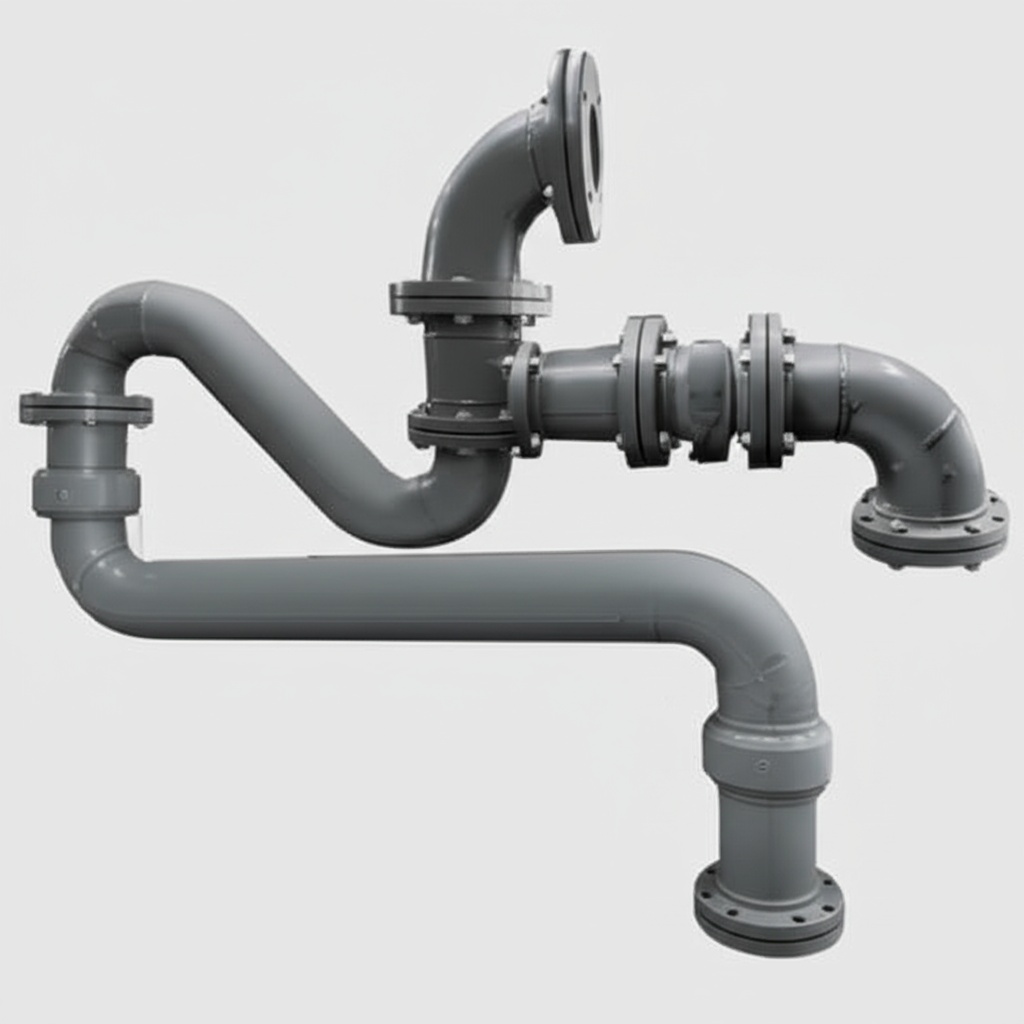
- Reactor vessels and piping
- Nozzles for spray drying and chemical injection
Power Electronics and Renewable Energy: Reliability Under Stress
SiC’s ability to handle high temperatures and aggressive coolants (often chemically active) makes it vital for next-generation power electronics and renewable energy systems:
- Cooling plates and heat sinks for inverters and converters
- Substrates for high-power modules
Aerospace and Defense: Lightweight Durability
Beyond its high-temperature capabilities, SiC offers chemical resistance in fuel systems, exhaust components, and thermal protection systems, where exposure to corrosive fuels and hot gases is common.
Metallurgy and Industrial Manufacturing: Wear and Corrosion
Furnace components, crucibles, and wear parts in harsh environments benefit from SiC’s resistance to molten metals and corrosive fumes.
Other Critical Applications:
- Medical Devices: Components requiring biocompatibility and resistance to sterilizing agents.
- Oil and Gas: Downhole tools and components exposed to corrosive brines, H2S, and CO2.
- LED Manufacturing: Fixtures and components in high-temperature, corrosive processing steps.
Advantages of Custom Silicon Carbide Products for Chemical Resistance
While standard materials may offer some level of chemical resistance, custom silicon carbide products take performance to the next level. The ability to tailor SiC components offers significant advantages for demanding applications:
| Advantage Category | Benefit of Custom SiC for Chemical Resistance |
|---|---|
| Optimized Material Grades | Different SiC grades (e.g., reaction-bonded, sintered, nitride-bonded) offer varying porosity, grain structures, and secondary phases, allowing selection for specific chemical exposures (e.g., higher purity for semiconductor applications, higher strength for abrasive chemical slurries). |
| Precision Design & Geometry | Custom fabrication allows for intricate geometries, thin walls, and complex internal channels, optimizing fluid flow, heat exchange, and chemical contact while minimizing material use and cost. |
| Surface Finish Control | Achieving specific surface finishes (e.g., ultra-smooth for purity, textured for specific wetting properties) can further enhance chemical resistance by reducing surface area for attack or preventing adhesion of corrosive media. |
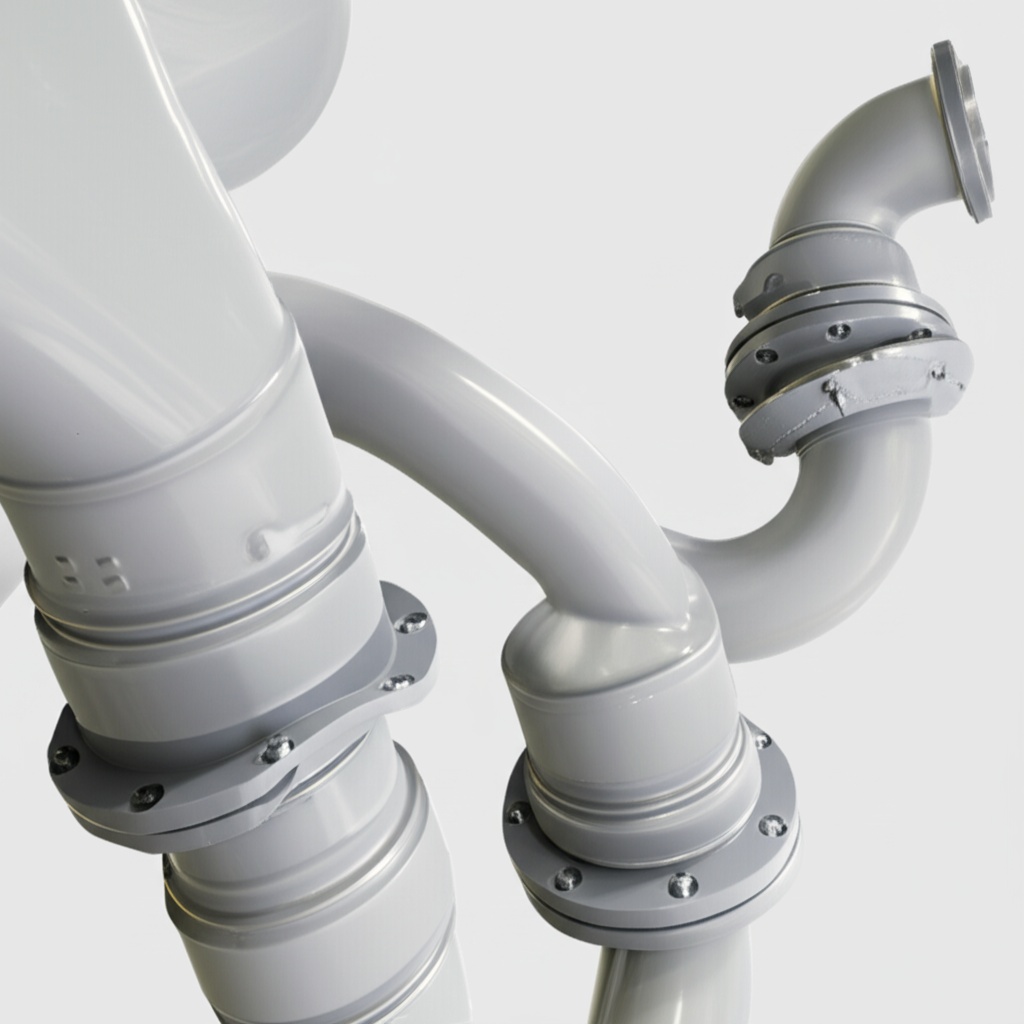
| Integration with Assemblies | Custom SiC parts can be designed with features for seamless integration into larger systems, including mounting holes, flanges, and sealing surfaces, ensuring chemical containment and system integrity. |
| Enhanced Performance & Lifespan | By precisely matching the material and design to the chemical environment, custom SiC components offer significantly longer service life, reducing replacement costs and downtime. |
| Reduced Contamination Risk | High-purity SiC grades, coupled with precise manufacturing and finishing, minimize the potential for leaching or particulate contamination into sensitive chemical processes. |
Recommended SiC Grades for Harsh Chemical Environments
Choosing the right SiC grade is critical for optimal chemical resistance and overall performance. Each type of silicon carbide has distinct characteristics:
- Sintered Silicon Carbide (SSiC): Highly pure, dense, and strong. SSiC offers excellent chemical resistance to a very wide range of acids and bases due to its near-theoretical density and lack of free silicon. Ideal for high-purity chemical processing, pump components, and seals.
- Reaction-Bonded Silicon Carbide (RBSiC/SiSiC): Contains free silicon within its matrix, which can react with certain strong alkaline solutions or hydrofluoric acid at high temperatures. However, it still offers excellent resistance to many acids and boasts good mechanical properties and cost-effectiveness. Often used for larger, more complex components like heat exchangers and large structural parts.
- Nitride-Bonded Silicon Carbide (NBSiC): Bonded with silicon nitride, offering good chemical resistance and excellent thermal shock properties. Its porosity can be a consideration in some applications where complete impermeability to chemicals is required.
- Chemical Vapor Deposited (CVD) SiC: Offers extremely high purity and theoretical density, resulting in superior chemical inertness and virtually no porosity. Often used as coatings or for very critical components in semiconductor and medical applications where absolute purity and resistance are paramount.
Design Considerations for Chemically Resistant SiC Products
Effective design is paramount when working with SiC for chemical applications. Due to its inherent hardness and brittleness, specific design principles must be followed to ensure manufacturability, performance, and durability.
- Minimize Stress Concentrations: Avoid sharp corners, abrupt changes in cross-section, and thin walls in high-stress areas. Use generous radii and smooth transitions to distribute stress.
- Wall Thickness Uniformity: Strive for consistent wall thickness to prevent differential cooling during firing, which can lead to warping or cracking.
- Feature Size & Complexity: While SiC can be machined into complex shapes, extremely fine features, deep narrow grooves, or very high aspect ratios can increase manufacturing difficulty and cost. Balance design complexity with functional requirements.
- Mounting & Joining: Consider how the SiC component will be mounted or joined. Design robust attachment points, use appropriate sealing strategies (e.g., O-ring grooves, flat sealing surfaces), and account for thermal expansion differences with other materials.
- Flow Dynamics: For fluid handling components, design channels and passages to minimize turbulence, erosion, and stagnant areas where corrosive media could accumulate.
Tolerance, Surface Finish & Dimensional Accuracy for Chemical Applications
Achieving precise tolerances and optimal surface finishes is crucial for the performance and lifespan of SiC components in chemically aggressive environments, particularly for sealing applications or those requiring ultra-high purity.
- Dimensional Tolerances: While SiC is a hard material to machine, advanced grinding and lapping techniques can achieve very tight tolerances, often in the range of ±0.01mm to ±0.05mm, depending on part size and complexity. For critical sealing surfaces, even tighter tolerances may be achievable.
- Surface Finish (Ra): Surface roughness directly impacts chemical resistance and purity. A smoother finish reduces the surface area exposed to chemicals and minimizes sites for corrosion or adhesion.
- As-fired surfaces: Typically Ra 3.2 µm to 6.3 µm.
- Ground surfaces: Ra 0.8 µm to 1.6 µm.
- Lapped/Polished surfaces: Can achieve Ra < 0.2 µm, critical for mechanical seals, high-purity semiconductor components, and applications where chemical inertness is paramount.
- Flatness & Parallelism: Essential for sealing applications, flatness and parallelism can be controlled to micron levels through advanced lapping techniques.
Post-Processing Needs for Enhanced Chemical Resistance
While SiC is inherently resistant, certain post-processing steps can further enhance its performance and suitability for specific chemical applications:
- Precision Grinding and Lapping: Essential for achieving tight tolerances, superior surface finishes, and flatness for critical sealing surfaces or fluid dynamics.
- Polishing: For ultra-high purity applications, polishing can achieve mirror-like finishes, minimizing potential sites for chemical attack or particle entrapment.
- Sealing/Impregnation: For certain porous SiC grades (e.g., some nitride-bonded types), impregnation with resins or glasses can reduce porosity and improve impermeability to specific chemicals.
- CVD Coating: Applying a thin, high-purity CVD SiC coating to a substrate can provide an ultimate barrier against aggressive chemicals, particularly in semiconductor processes.
Common Challenges and How to Overcome Them in SiC Chemical Applications
Despite its advantages, working with SiC presents certain challenges. Addressing these proactively with an experienced supplier is key.
| Challenge | Mitigation Strategy |
|---|---|
| Brittleness / Low Fracture Toughness | Design with generous radii, avoid stress concentrators, ensure proper mounting to prevent localized stresses, and consider material grades with improved fracture toughness if available. |
| Machining Complexity & Cost | Minimize unnecessary complex features. Work closely with suppliers during the design phase to optimize for manufacturability (Design for Manufacturability – DFM). Leverage advanced grinding techniques. |
| Thermal Shock (though good, not infinite) | While SiC has excellent thermal shock resistance, rapid and extreme temperature changes, especially when combined with mechanical stress, can still pose a risk. Design for controlled heating/cooling rates and consider the specific thermal expansion of mating materials. |
| Joining/Assembly | SiC is difficult to join to other materials. Explore mechanical fastening, specialized high-temperature brazing, or adhesive bonding solutions. Design components that integrate sealing features directly. |
| Cost of Raw Material & Processing | Optimize part design to reduce material waste. Select the most appropriate SiC grade (don’t over-specify if not needed). Work with suppliers who can offer cost-effective manufacturing processes. |
Choosing the Right SiC Supplier for Chemical Resistance Components
Selecting a reputable and technically capable supplier is paramount for successful SiC component procurement, especially for applications involving harsh chemicals. Here are key evaluation criteria:
- Technical Expertise: Does the supplier possess deep knowledge of SiC material science, various grades, and their specific chemical resistance properties? Can they offer customizing support for your unique application?
- Manufacturing Capabilities: Look for advanced machining, grinding, lapping, and polishing capabilities to achieve the required tolerances and surface finishes.
- Quality Control: A robust quality management system (e.g., ISO certified) is crucial, including material traceability, dimensional inspection, and potentially non-destructive testing.
- Experience in Your Industry: A supplier with a proven track record in your specific industry (e.g., semiconductors, chemical processing) will better understand your unique challenges and compliance needs. Check out their case studies.
- Collaborative Approach: A good supplier acts as a partner, offering design for manufacturability insights and problem-solving expertise from concept to production.
- Supply Chain Reliability: Ensure they can provide consistent quality and reliable delivery times.
When it comes to advanced ceramic solutions, particularly for custom silicon carbide parts, Sicarb Tech stands out. As you are aware, the hub of China’s silicon carbide customizable parts manufacturing is situated in Weifang City of China. This region has been home to over 40 silicon carbide production enterprises of various sizes, collectively accounting for more than 80% of the nation’s total silicon carbide output. We, Sicarb Tech, have been introducing and implementing silicon carbide production technology since 2015, assisting these local enterprises in achieving large-scale production and technological advancements in product processes. We have been a witness to the emergence and ongoing development of the local silicon carbide industry.
Based on the platform of the National Technology Transfer Center of the Chinese Academy of Sciences, Sicarb Tech belongs to Chinese Academy of Sciences (Weifang) Innovation Park, an entrepreneurial park that collaborates closely with the National Technology Transfer Center of the Chinese Academy of Sciences. It serves as a national-level innovation and entrepreneurship service platform, integrating innovation, entrepreneurship, technology transfer, venture capital, incubation, acceleration, and scientific and technological services.
Sicarb Tech capitalizes on the robust scientific, technological capabilities and talent pool of the Chinese Academy of Sciences . Backed by the Chinese Academy of Sciences National Technology Transfer Center, it serves as a bridge, facilitating the integration and collaboration of crucial elements in the transfer and commercialization of scientific and technological achievements. Moreover, it has established a comprehensive service ecosystem that spans the entire spectrum of the technology transfer and transformation process. With Sicarb Tech, you gain access to more reliable quality and supply assurance within China.
We possess a domestic top-tier professional team specializing in customized production of silicon carbide products. Under our support, 265+ local enterprises have benefited from our technologies. We possess a wide array of technologies, such as material, process, design, measurement & evaluation technologies, along with the integrated process from materials to products. This enables us to meet diverse customization needs. We can offer you higher-quality, cost-competitive customized silicon carbide components from China. We are also committed to assisting you in establishing a specialized factory. If you need to build a professional silicon carbide products manufacturing plant in your country, Sicarb Tech can provide you with the technology transfer for professional silicon carbide production, along with a full-range of services (turnkey project) including factory design, procurement of specialized equipment, installation and commissioning, and trial production. This enables you to own a professional silicon carbide products manufacturing plant while ensuring a more effective investment, reliable technology transformation, and guaranteed input-output ratio.
Cost Drivers and Lead Time Considerations for SiC Components
Understanding the factors influencing cost and lead time is crucial for effective procurement of custom SiC parts:
| Cost Driver | Impact on Cost |
|---|---|
| Material Grade | High-purity SSiC or CVD SiC are typically more expensive than RBSiC due to raw material costs and processing complexity. |
| Part Complexity | Intricate geometries, thin walls, internal channels, and very tight tolerances significantly increase machining time and cost. |
| Part Size & Volume | Larger parts use more material. Higher volumes generally lead to lower per-unit costs due to economies of scale in manufacturing. |
| Surface Finish & Tolerances | Achieving ultra-smooth surfaces (polishing) or extremely tight tolerances requires additional, time-consuming post-processing steps. |
| Quality Control & Testing | Rigorous inspection and testing, especially for critical applications, adds to the overall cost. |
Lead Time Considerations:
- Material Availability: Lead times for specialized SiC raw materials can vary.
- Manufacturing Process: The firing and machining processes for SiC are complex and time-consuming.
- Design Complexity: More complex parts require longer machining and finishing times.
- Supplier Backlog: A reputable supplier may have a queue of projects. Plan accordingly.
- Prototyping vs. Production: Prototypes often have longer lead times as they involve more R&D and setup.
FAQ (Frequently Asked Questions)
- Q1: Is silicon carbide resistant to all chemicals?
- A1: While SiC boasts exceptional chemical resistance, it’s not entirely immune to all chemicals. It can be slowly attacked by molten alkalis (like molten sodium hydroxide) and certain strong oxidizing agents at very high temperatures. For specific applications, it’s crucial to consult with your supplier and review chemical compatibility data for the exact SiC grade and chemical environment.
- Q2: Can custom SiC components be repaired if damaged by chemicals?
- A2: Generally, it is very difficult to repair chemically damaged SiC components due to their extreme hardness and inertness. Surface damage might sometimes be addressed with re-grinding or polishing if the damage is superficial and within tolerance. However, for most applications, replacement is the more common and reliable solution if a part is compromised.
- Q3: How does SiC’s chemical resistance compare to other advanced ceramics like Alumina or Zirconia?
- A3: SiC typically offers superior chemical resistance to a broader range of aggressive chemicals, especially strong acids and bases, compared to alumina (Al2O3) or zirconia (ZrO2). While alumina has good general chemical resistance, it can be attacked by strong acids and bases at high temperatures. Zirconia, while very tough, can be susceptible to hydrofluoric acid and certain molten salts. SiC’s inertness in many extreme chemical environments makes it a preferred choice.
- Q4: What’s the typical lifespan of a SiC component in harsh chemical service?
- A4: The lifespan of a SiC component in harsh chemical service can vary significantly based on the specific chemical, temperature, concentration, presence of abrasives, and mechanical stresses. However, compared to alternative materials, SiC components are designed for extended lifespans, often lasting many times longer, leading to significant cost savings and reduced downtime over the operational life of the system.
Conclusion: The Indispensable Role of SiC in Chemical Resistance
For industries grappling with corrosive and aggressive chemical environments, custom silicon carbide products represent a critical advantage. Their unparalleled chemical inertness, combined with exceptional mechanical and thermal properties, ensures longevity, reliability, and purity in the most demanding applications. From the microscopic precision of semiconductor fabrication to the high-volume processing of industrial chemicals, SiC stands as a testament to advanced material engineering.
By partnering with a knowledgeable and experienced supplier like Sicarb Tech, companies can leverage the full potential of SiC to design, procure, and implement components that not only withstand the harshest chemicals but also enhance operational efficiency and reduce long-term costs. Investing in custom SiC solutions is investing in the future of robust, resilient industrial processes. Contact us today to discuss your specific needs and discover how custom silicon carbide can transform your operations.

About the Author: Sicarb Tech
We provide clear and reliable insights into silicon carbide materials, component manufacturing, application technologies, and global market trends. Our content reflects industry expertise, practical experience, and a commitment to helping readers understand the evolving SiC landscape.

Customizable SiC
You May Also Interest
-
![]()
Reduce Wear & Operational Costs with SiC
Reduce Wear & Operational Costs with SiC In demanding industrial environments, component wear is a constant challenge, leading to increased maintenance, downtime, and operational expenses. For engineers, procurement managers, and technical buyers across critical sectors like semiconductors, aerospace, and energy, finding materials that offer superior performance and longevity is paramount. This is where custom silicon…
-
![]()
Withstand Intense Abrasion: The SiC Solution
Withstand Intense Abrasion: The SiC Solution In the relentless pursuit of peak performance and longevity across critical industrial sectors, materials that can defy extreme conditions are paramount. When it comes to enduring intense abrasion, high temperatures, and corrosive environments, custom silicon carbide (SiC) stands out as the ultimate solution. This advanced technical ceramic offers unparalleled…
-
![]()
Lower Friction & Boost Efficiency with Advanced SiC
Lower Friction & Boost Efficiency with Advanced SiC In today’s demanding industrial landscape, where precision, efficiency, and longevity are paramount, advanced materials play a crucial role. Among these, silicon carbide (SiC) stands out as a true workhorse, particularly when it comes to reducing friction and enhancing operational efficiency across a myriad of applications. For engineers,…