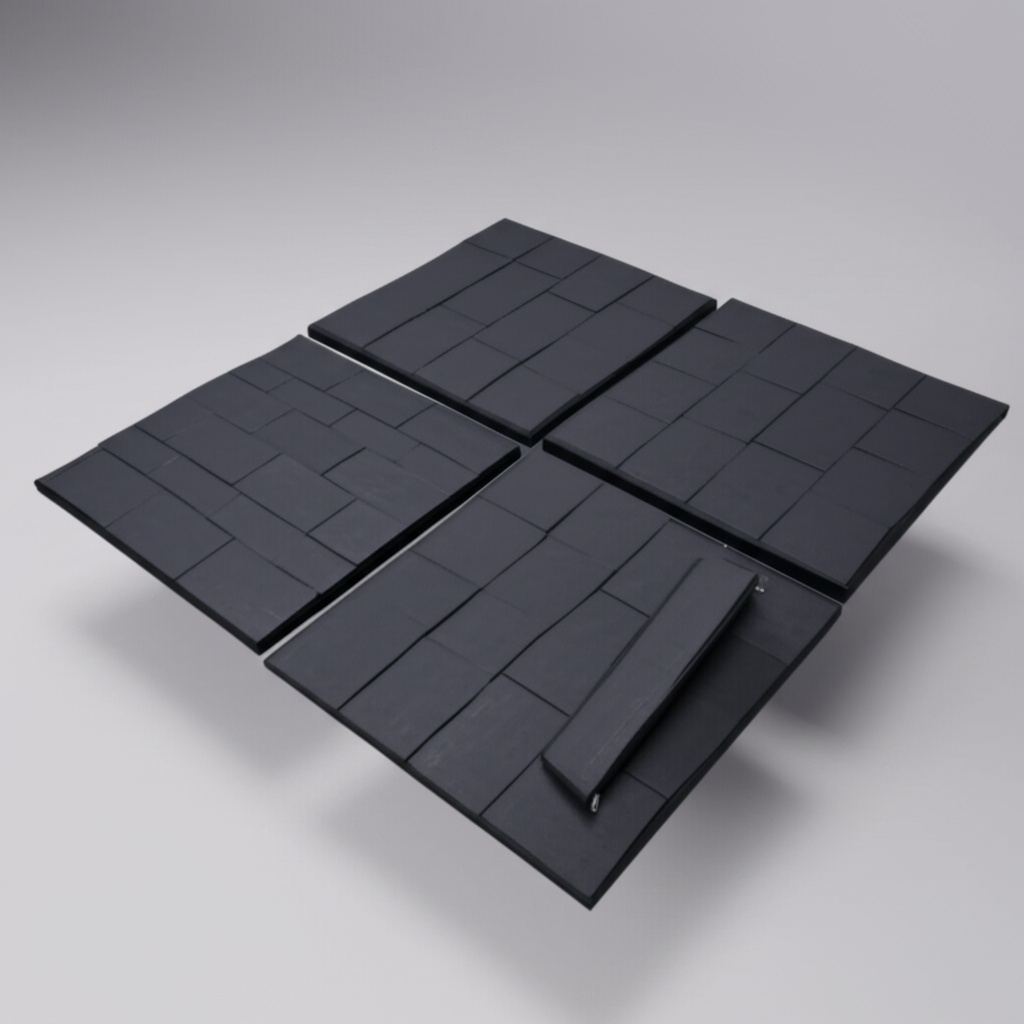
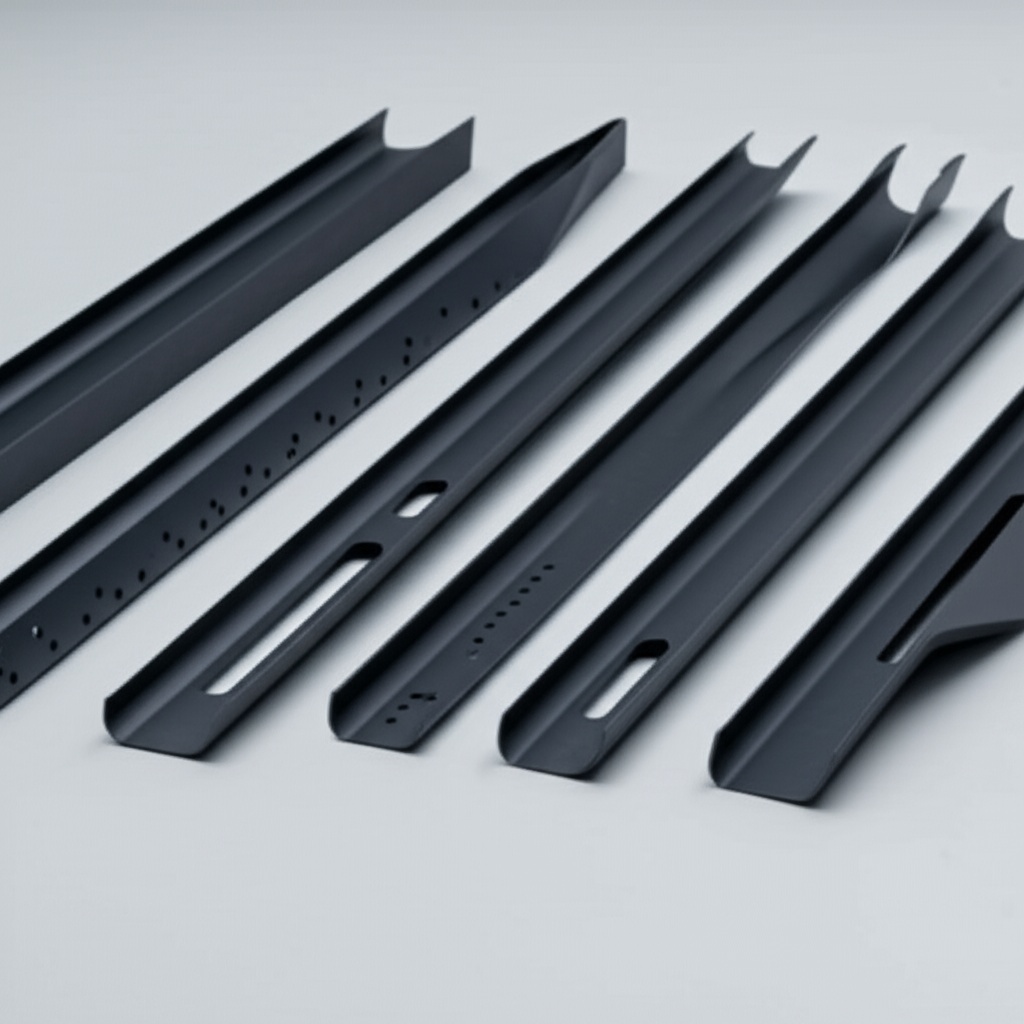
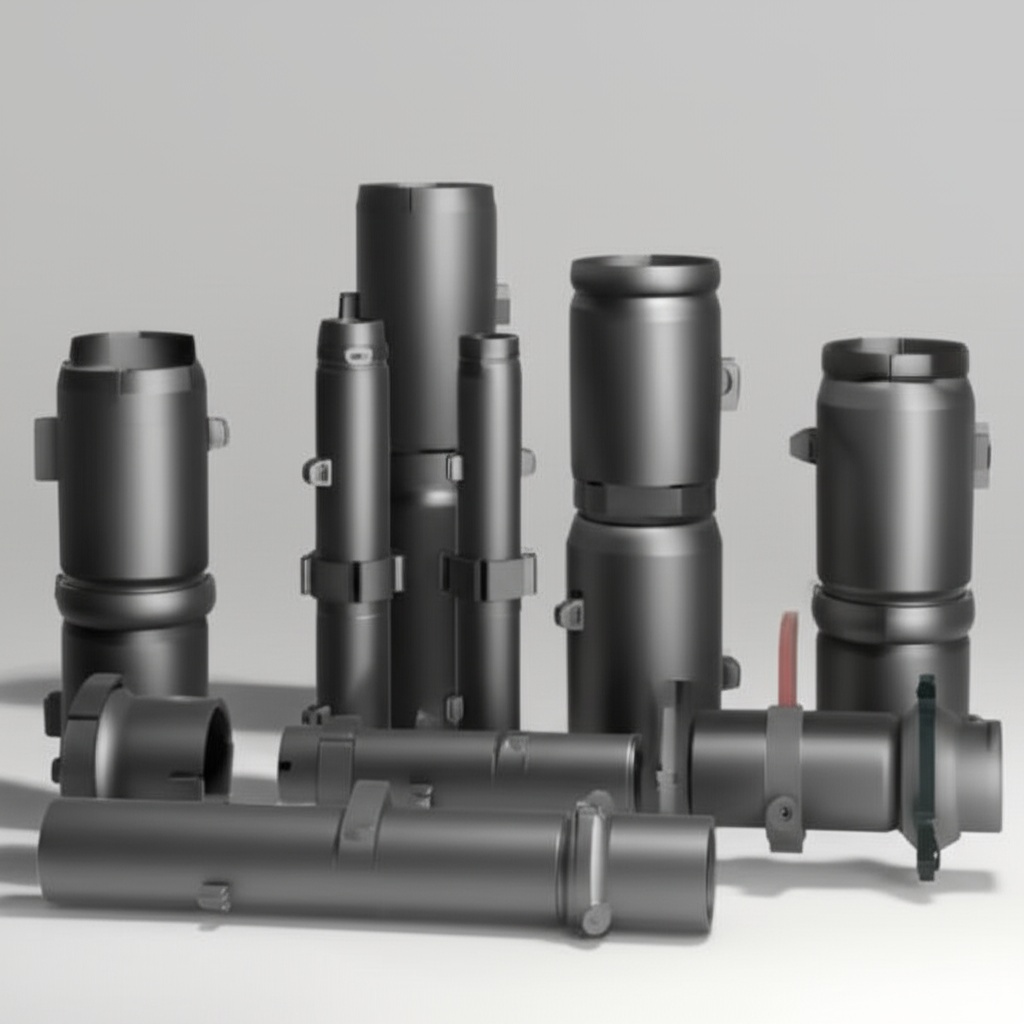
Lightweight Component Design? SiC is the Key
Share
Lightweight Component Design? SiC is the Key
In today’s rapidly evolving industrial landscape, the demand for materials that offer an unparalleled combination of performance, durability, and reduced weight is at an all-time high. From high-speed machinery to advanced aerospace systems, every gram saved can translate into significant operational efficiencies and enhanced functionality. This is where custom silicon carbide (SiC) products emerge as a game-changer. Recognized for its exceptional properties, SiC is revolutionizing lightweight component design across a multitude of critical sectors.
What are Custom Silicon Carbide Products?
Custom silicon carbide products are advanced ceramic components meticulously engineered from silicon and carbon. These components are designed to meet highly specific application requirements, offering superior performance where traditional materials fall short. Unlike off-the-shelf solutions, custom SiC parts are tailored in shape, size, composition, and surface finish to integrate seamlessly into complex systems, providing optimized functionality and longevity. They represent the pinnacle of material science, enabling innovations in extreme environments and precision applications.
Main Applications for Lightweight SiC Components
The unique properties of silicon carbide ceramics make it indispensable in industries where lightweighting, high temperature resistance, wear resistance, and chemical inertness are paramount. Its versatility extends across a broad spectrum of demanding applications:
- Semiconductor Manufacturing: SiC is crucial for high-temperature process equipment, wafer carriers, and various structural components due to its thermal stability, low thermal expansion, and purity. Its lightweight nature helps in precise robotic handling and reduced inertia in fabrication processes.
- Automotive Industry: For electric vehicles (EVs) and high-performance automobiles, lightweight SiC components are used in power electronics (inverters, converters), brake discs, and structural elements to reduce overall vehicle weight, improve fuel efficiency, and enhance thermal management.
- Aerospace & Defense: In aircraft, rockets, and satellites, SiC is vital for lightweight structural components, optical systems, mirror substrates, and thermal protection systems. Its high stiffness-to-weight ratio and ability to withstand extreme temperatures are critical.
- Power Electronics: SiC power semiconductors offer superior efficiency, higher operating temperatures, and faster switching speeds compared to silicon-based devices. Custom SiC heatsinks and substrates further enhance their performance.
- Renewable Energy: In solar inverters and wind turbine systems, SiC components contribute to increased efficiency, reduced system size, and improved reliability, especially under fluctuating loads and temperatures.
- Metallurgy & High-Temperature Processing: SiC crucibles, furnace linings, and rollers are used in environments exceeding 1400°C due to their excellent thermal shock resistance, oxidation resistance, and non-wetting properties with molten metals.
- Chemical Processing: Pumps, valves, nozzles, and seals made from SiC withstand highly corrosive chemicals and abrasive slurries, ensuring long service life and minimal downtime.
- Industrial Machinery: Wear parts such as bearings, seals, and cutting tools benefit from SiC’s extreme hardness and abrasion resistance, extending equipment lifespan and reducing maintenance costs.
- Telecommunications: SiC-based components are used in high-frequency applications and power amplifier modules, offering superior thermal conductivity and electrical properties.
- Medical Devices: For components requiring biocompatibility, chemical resistance, and high purity, SiC finds applications in certain surgical tools and diagnostic equipment.
Why Choose Custom Silicon Carbide?
Opting for custom SiC rather than standard materials provides a multitude of advantages, particularly for applications where performance cannot be compromised:
- Exceptional Strength-to-Weight Ratio: SiC is incredibly strong and stiff, yet significantly lighter than many metals, making it ideal for lightweight component design without sacrificing mechanical integrity.
- Superior Thermal Properties: High thermal conductivity for efficient heat dissipation and excellent thermal shock resistance, allowing operation in extreme temperature fluctuations.
- Extreme Hardness & Wear Resistance: One of the hardest materials known, SiC offers outstanding resistance to abrasion, erosion, and friction, leading to extended component lifespan.
- Chemical Inertness: Highly resistant to most acids, alkalis, and corrosive gases, ensuring stability and performance in harsh chemical environments.
- High Electrical Resistivity (or Conductivity, depending on doping): Can be engineered for specific electrical properties, making it suitable for both insulating and semiconducting applications.
- Dimensional Stability: Low thermal expansion coefficient ensures precision and consistent performance across a wide range of temperatures.
- Customization for Optimal Performance: Tailored designs allow for the precise incorporation of features that optimize performance, reduce assembly complexities, and enhance system efficiency.
Recommended SiC Grades and Compositions
The performance of silicon carbide can be further optimized by selecting the appropriate grade and composition. Each type offers a distinct set of properties suited for specific industrial demands:
| SiC Grade/Type | Description | Key Properties | Typical Applications |
|---|---|---|---|
| Reaction-Bonded SiC (RBSC) | Porous SiC infiltrated with silicon metal. | High strength, excellent wear & corrosion resistance, good thermal conductivity. Cost-effective for complex shapes. | Kiln furniture, pump parts, mechanical seals, large structural components. |
| Sintered SiC (SSiC) | High-purity SiC powder densified at high temperatures without a binder phase. | Extremely high hardness, superior strength at elevated temperatures, excellent chemical resistance. | Bearings, cutting tools, ballistic ceramics, high-performance seals, semiconductor equipment. |
| Nitride-Bonded SiC (NBSC) | SiC grains bonded with silicon nitride. | Good strength, thermal shock resistance, and oxidation resistance. Lower density than RBSC. | Refractory applications, kiln components, furnace elements. |
| CVD SiC (Chemical Vapor Deposition SiC) | Dense, pure SiC formed by chemical vapor deposition. | Exceptional purity, isotropic properties, ultra-smooth surface finish, high strength. | Mirror substrates, semiconductor process equipment, high-precision optics. |
Design Considerations for SiC Products
Designing with custom silicon carbide requires a specialized understanding of its unique mechanical and thermal properties. Engineers must account for these characteristics during the design phase to ensure manufacturability, performance, and longevity:
- Material Brittleness: SiC is a hard, brittle material. Designs should minimize stress concentrations, sharp corners, and thin sections that could lead to fracture. Consider generous radii and fillets.
- Geometry Limits: While complex shapes are achievable, very intricate geometries can increase manufacturing costs and lead times. Simpler designs are often more cost-effective.
- Wall Thickness Uniformity: Aim for consistent wall thicknesses to ensure uniform sintering and bonding, which minimizes warpage and internal stresses.
- Tolerance Stacking: Account for achievable manufacturing tolerances, especially when designing assemblies involving multiple SiC components.
- Mounting & Joining: Design for appropriate mounting methods that accommodate SiC’s low thermal expansion, such as mechanical fastening with compliant interlayers or specialized high-temperature brazing.
- Thermal Management: Leverage SiC’s excellent thermal conductivity by designing effective heat pathways for critical applications.
Tolerance, Surface Finish & Dimensional Accuracy
Achieving precise tolerances and desired surface finishes in custom SiC components is critical for their functional performance, particularly in high-precision and sealing applications. Modern manufacturing techniques allow for remarkable accuracy:
- Achievable Tolerances: Depending on the complexity and size of the part, typical machining tolerances for SiC can range from $pm 0.025 text{ mm}$ ($pm 0.001 text{ inches}$) for ground surfaces, with tighter tolerances possible through lapping and polishing.
- Surface Finish Options:
- As-fired/As-sintered: Rougher finish, suitable for non-critical surfaces.
- Ground: Provides a good balance of surface quality and cost, typically achieving roughness values (Ra) of 0.8-3.2 µm.
- Lapped: Achieves tighter flatness and parallelism, with Ra values of 0.1-0.4 µm, ideal for sealing surfaces.
- Polished: Ultra-smooth finishes (Ra < 0.05 µm) are possible, crucial for optical components or surfaces requiring minimal friction.
- Dimensional Accuracy: Custom SiC components can be manufactured with high dimensional accuracy, minimizing the need for secondary machining in many cases, especially when the design is optimized for the fabrication process.
Post-Processing Needs for SiC Components
While SiC is an inherently robust material, certain post-processing steps can further enhance its performance, longevity, and specific functional attributes:
- Precision Grinding & Lapping: Essential for achieving tight dimensional tolerances, flatness, parallelism, and desired surface finishes, particularly for sealing faces, bearing surfaces, and optical components.
- Polishing: For applications requiring extremely smooth surfaces, such as semiconductor equipment parts or optical mirrors, polishing removes microscopic imperfections.
- Sealing & Impregnation: For certain porous SiC grades (e.g., reaction-bonded), impregnation with polymers or metals can improve impermeability for vacuum or fluid applications.
- Coating: Application of specialized coatings (e.g., Diamond-Like Carbon (DLC) for enhanced tribological properties, or specific ceramic coatings for unique chemical resistance) can further extend lifespan or enable new functionalities.
- Cleaning: Thorough cleaning processes, often involving ultrasonic baths and high-purity solvents, are crucial for components destined for sensitive environments like semiconductor cleanrooms or medical devices.
- Quality Control and Inspection: Rigorous inspection using advanced metrology tools, CMMs, and non-destructive testing (NDT) methods (e.g., ultrasonic testing, X-ray inspection) to ensure material integrity and dimensional compliance.
Common Challenges and How to Overcome Them
While SiC offers numerous advantages, working with this advanced ceramic material presents certain challenges that a reputable custom SiC supplier helps overcome:
- Brittleness: As a ceramic, SiC is inherently brittle. This is mitigated through careful design (avoiding sharp corners, stress risers), material selection (e.g., certain grades have higher fracture toughness), and appropriate handling during manufacturing and installation.
- Machining Complexity: SiC’s extreme hardness makes it difficult and costly to machine, requiring specialized diamond grinding techniques. This challenge is addressed by designing parts that minimize complex post-sintering machining and by working with experienced manufacturers.
- Thermal Shock Sensitivity: While SiC has good thermal shock resistance, extreme and rapid temperature gradients can still cause failure. This is managed through design optimization (e.g., consistent wall thickness, larger radii) and proper system integration that controls heating and cooling rates.
- High Cost: Custom SiC components can have a higher upfront cost compared to traditional materials. However, this is typically offset by their significantly longer lifespan, reduced maintenance, and enhanced performance, leading to a lower total cost of ownership over time.
- Material Purity & Consistency: Ensuring high purity and consistent material properties is crucial, especially for semiconductor and medical applications. Reputable suppliers implement stringent quality control and material sourcing protocols.
How to Choose the Right SiC Supplier
Selecting the right partner for your custom silicon carbide needs is paramount to the success of your project. Here’s what to look for:
- Technical Expertise: A supplier should possess deep knowledge of SiC material science, manufacturing processes, and application engineering. They should be able to offer design guidance and material recommendations.
- Manufacturing Capabilities: Assess their ability to produce parts to your required specifications, including size, complexity, tolerances, and surface finishes. Look for advanced machining and sintering capabilities.
- Quality Control & Certifications: Verify their quality management systems (e.g., ISO 9001), inspection protocols, and material traceability.
- Material Grades & Options: A diverse portfolio of SiC grades (SSiC, RBSC, NBSC, CVD SiC) indicates broad expertise and the ability to match the right material to your application.
- Application Experience: Choose a supplier with a proven track record in your specific industry (e.g., semiconductors, aerospace, automotive).
- Customer Support & Collaboration: A good partner will offer proactive communication, responsive support, and a collaborative approach throughout the design, manufacturing, and delivery phases.
- R&D and Innovation: A forward-thinking supplier invests in research and development to stay at the forefront of SiC technology.
Here is the hub of China’s silicon carbide customizable parts factories. As you are aware, the hub of China’s silicon carbide customizable parts manufacturing is situated in Weifang City of China. Now the region has been home to over 40 silicon carbide production enterprises of various sizes, collectively accounting for more than 80% of the nation’s total silicon carbide output.
We, Sicarb Tech, have been introducing and implementing silicon carbide production technology since 2015, assisting the local enterprises in achieving large-scale production and technological advancements in product processes. We have been a witness to the emergence and ongoing development of the local silicon carbide industry.
Based on the platform of the national technology transfer center of the Chinese Academy of Sciences, Sicarb Tech is belong to Chinese Academy of Sciences (Weifang) Innovation Park, is an entrepreneurial park that collaborates closely with the National Technology Transfer Center of the Chinese Academy of Sciences. It serves as a national-level innovation and entrepreneurship service platform, integrating innovation, entrepreneurship, technology transfer, venture capital, incubation, acceleration, and scientific and technological services.
Sicarb Tech capitalizes on the robust scientific, technological capabilities and talent pool of the Chinese Academy of Sciences . Backed by the Chinese Academy of Sciences National Technology Transfer Center, it serves as a bridge, facilitating the integration and collaboration of crucial elements in the transfer and commercialization of scientific and technological achievements. Moreover, it has established a comprehensive service ecosystem that spans the entire spectrum of the technology transfer and transformation process. This translates to more reliable quality and supply assurance for our customers within China.
Sicarb Tech possess a domestic top-tier professional team specializing in customized production of silicon carbide products. Under our support, 258+ local enterprises have benefited from our technologies. We possess a wide array of technologies, such as material, process, design, measurement & evaluation technologies, along with the integrated process from materials to products. This enables us to meet diverse customization needs. We can offer you higher-quality, cost-competitive customized silicon carbide components in China.
We are also committed to assisting you in establishing a specialized factory. If you need to build a professional silicon carbide products manufacturing plant in your country, Sicarb Tech can provide you with the technology transfer for professional silicon carbide production, along with a full-range of services (turnkey project) including factory design, procurement of specialized equipment, installation and commissioning, and trial production. This enables you to own a professional silicon carbide products manufacturing plant while ensuring a more effective investment, reliable technology transformation, and guaranteed input-output ratio. For more information, please visit our About Us page.
Cost Drivers and Lead Time Considerations
Understanding the factors that influence the cost and lead time of custom SiC components is crucial for effective project planning and procurement:
- Material Grade: Sintered SiC (SSiC) generally has a higher material cost due to its purity and complex sintering process, while Reaction-Bonded SiC (RBSC) can be more cost-effective for larger, less intricate parts.
- Part Complexity: Intricate geometries, tight tolerances, thin walls, and complex internal features significantly increase manufacturing difficulty and, consequently, cost.
- Size & Volume: Larger components require more raw material and longer processing times. Higher production volumes often lead to economies of scale and reduced per-unit costs.
- Surface Finish Requirements: Precision grinding, lapping, and polishing add significant cost due to the specialized equipment and labor involved.
- Post-Processing: Additional steps like coating, impregnation, or specialized cleaning contribute to the final price.
- Tooling Costs: For highly custom shapes, initial tooling costs (molds, jigs) can be a significant upfront investment, particularly for lower volumes.
- Lead Time: The manufacturing process for SiC components is time-intensive, involving multiple stages (forming, sintering, machining). Lead times can vary from several weeks to months depending on complexity, volume, and current production schedules. Complex custom designs and new tooling will typically have longer lead times.
Frequently Asked Questions (FAQ)
- Q1: Is silicon carbide suitable for extreme high-temperature applications?
- A1: Yes, SiC maintains its mechanical properties and chemical stability at extremely high temperatures, often exceeding 1400°C (2550°F), making it ideal for furnaces, heat exchangers, and aerospace components.
- Q2: Can silicon carbide components be repaired?
- A2: Generally, direct repair of fractured SiC components is challenging due to its hardness and chemical inertness. However, minor surface damage might be rectified through regrinding or relapping. Prevention through proper design and handling is key.
- Q3: What industries benefit most from lightweight SiC components?
- A3: Industries that prioritize weight reduction for energy efficiency, speed, or payload capacity benefit immensely, including aerospace, automotive (especially EVs), high-speed industrial machinery, and robotic systems.
- Q4: How does SiC compare to other advanced ceramics like Alumina or Zirconia for lightweight applications?
- A4: SiC generally offers a better strength-to-weight ratio, higher thermal conductivity, and superior hardness compared to Alumina and Zirconia. While Alumina is more cost-effective for some applications, and Zirconia offers higher fracture toughness, SiC excels where extreme wear, high temperatures, and low weight are simultaneously critical.
- Q5: What are the typical lead times for custom SiC parts?
- A5: Lead times for custom SiC parts can vary significantly based on complexity, volume, and the specific SiC grade chosen. They typically range from 4 to 12 weeks, with highly intricate or large-volume orders potentially taking longer. It’s best to consult directly with your supplier for accurate estimates.
Conclusion
The pursuit of lightweight, high-performance components is a driving force across numerous advanced industries. Custom silicon carbide products offer an unmatched solution, delivering a unique blend of strength, thermal stability, wear resistance, and chemical inertness that traditional materials simply cannot provide. By understanding the advantages of SiC, its various grades, and the critical design and manufacturing considerations, engineers and procurement managers can unlock new levels of performance and efficiency in their applications.
Partnering with a knowledgeable and experienced custom SiC supplier, like Sicarb Tech, is essential to leverage the full potential of this advanced material. Our deep expertise in silicon carbide production, backed by the scientific prowess of the Chinese Academy of Sciences, ensures that you receive high-quality, customized SiC components that meet the most demanding requirements. Embrace the future of lightweight design with silicon carbide – the key to unlocking superior performance and innovation.

About the Author: Sicarb Tech
We provide clear and reliable insights into silicon carbide materials, component manufacturing, application technologies, and global market trends. Our content reflects industry expertise, practical experience, and a commitment to helping readers understand the evolving SiC landscape.

Customizable SiC
You May Also Interest
-
![]()
Replace Metal with SiC for Superior Advantages
Replace Metal with SiC for Superior Advantages In the relentless pursuit of enhanced performance, durability, and efficiency across critical industries, engineers and procurement managers are constantly evaluating advanced materials. While metals have long been the backbone of industrial applications, their limitations in extreme environments—such as high temperatures, corrosive chemicals, and abrasive wear—are becoming increasingly apparent….
-
![]()
SiC: The Better Ceramic Alt for Demanding Needs
SiC: The Better Ceramic Alt for Demanding Needs In the world of advanced materials, where extreme conditions meet stringent performance requirements, traditional ceramics often fall short. Industries from semiconductor manufacturing to aerospace and power electronics demand materials that can withstand the harshest environments. This is where custom silicon carbide (SiC) emerges as the undisputed champion,…
-
![]()
Reduce Costly Maintenance with SiC Technology
Reduce Costly Maintenance with SiC Technology In today’s highly competitive industrial landscape, minimizing operational downtime and reducing maintenance costs are paramount for profitability and efficiency. Industries ranging from semiconductor manufacturing to aerospace and power electronics constantly seek advanced materials that can withstand extreme conditions, ensuring longevity and reliable performance of critical equipment. This is where…