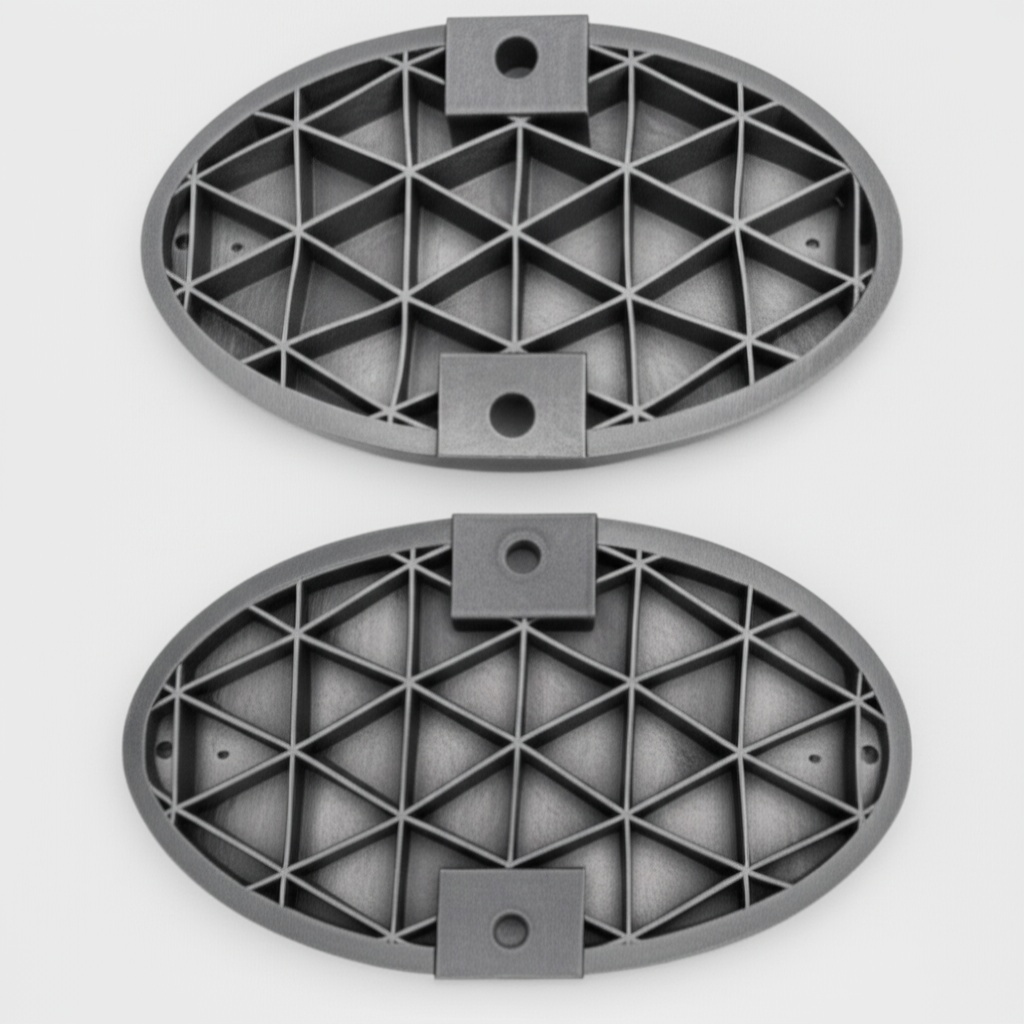
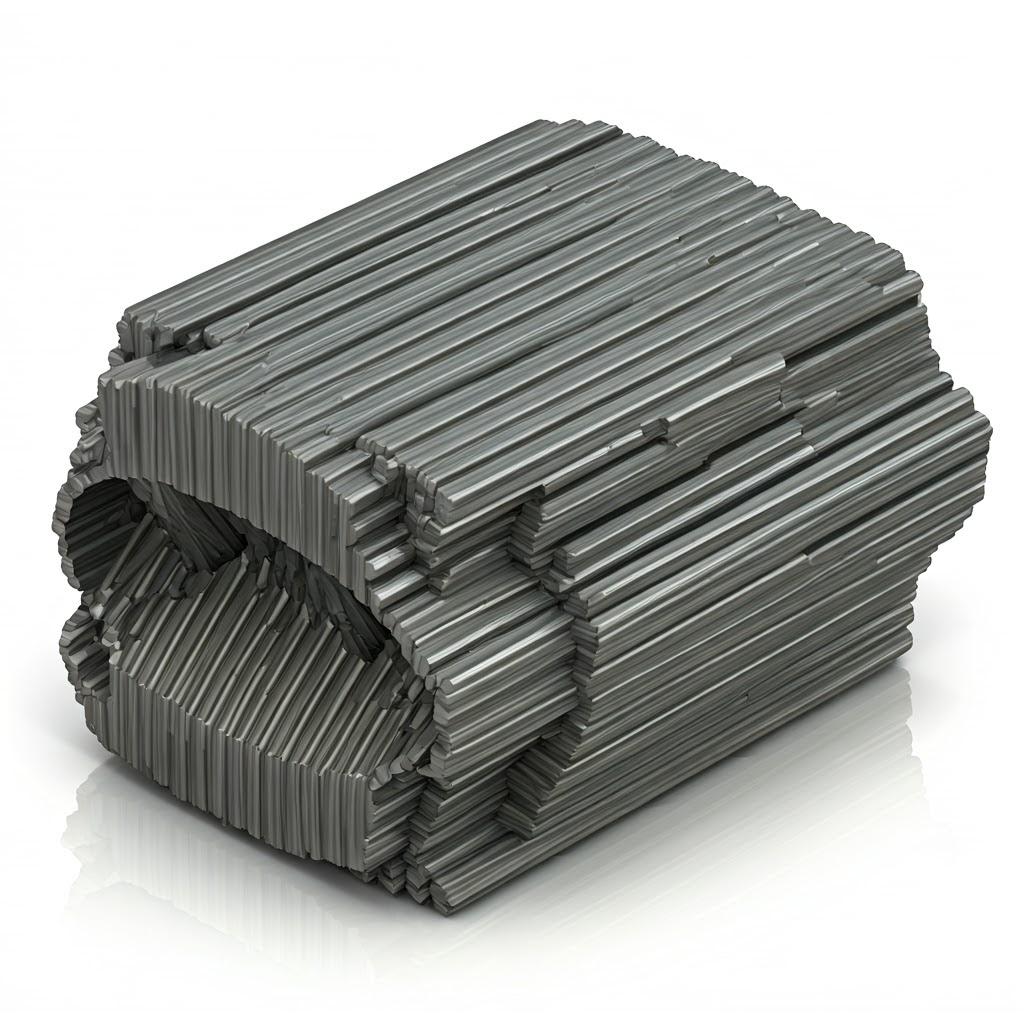
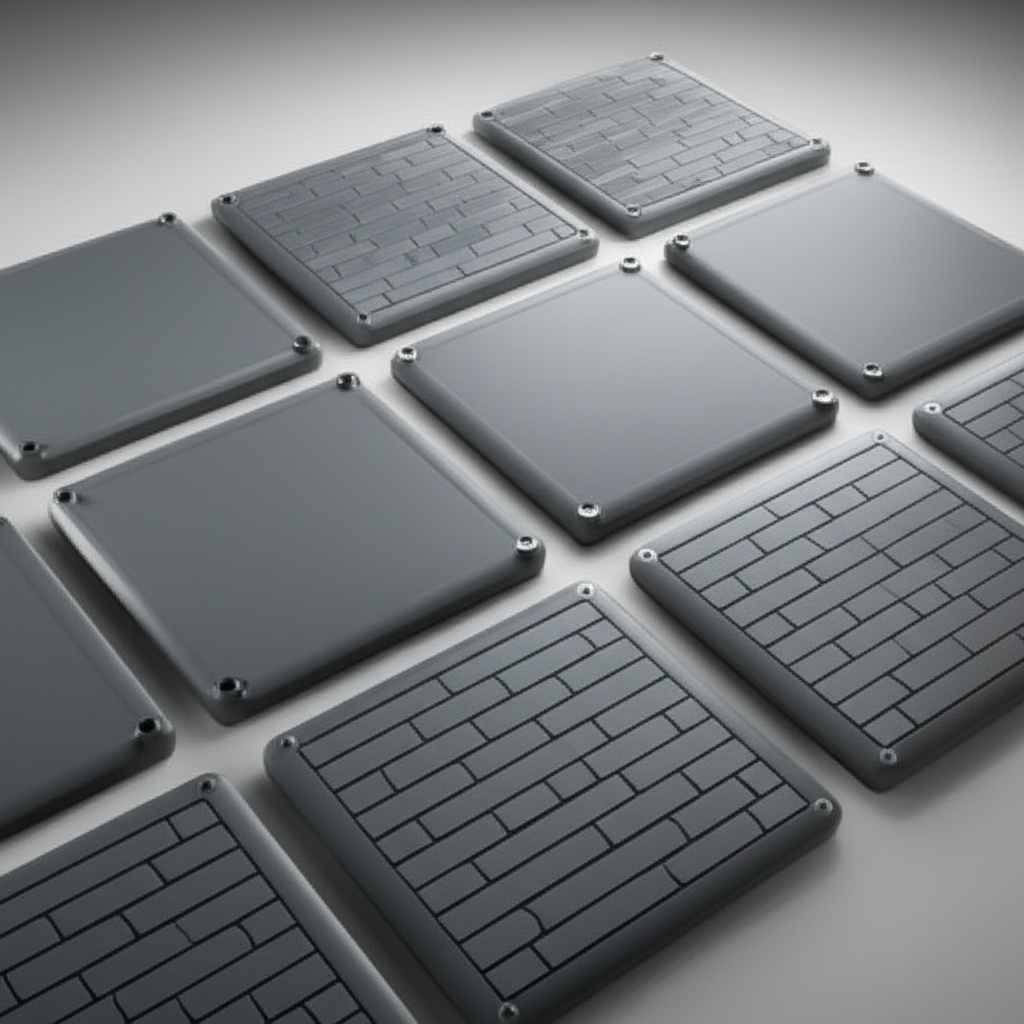
Sintered Silicon Carbide: The Apex of Performance in Extreme Industrial Environments
Share
In the relentless pursuit of materials that can withstand the harshest industrial conditions, Sintered Silicon Carbide (S-SiC) emerges as a true champion. For engineers, procurement managers, and technical buyers in sectors ranging from semiconductor manufacturing to aerospace and high-temperature processing, understanding the capabilities of S-SiC is crucial for optimizing performance, enhancing durability, and achieving operational excellence. This advanced ceramic material, known for its exceptional hardness, high-temperature stability, and resistance to wear and corrosion, offers a pathway to innovation where conventional materials falter. Custom Sintered Silicon Carbide products, tailored to specific application needs, are not just components; they are essential enablers of cutting-edge technology and demanding industrial processes. As industries push the boundaries of temperature, pressure, and chemical exposure, S-SiC stands ready to meet the challenge, providing reliability and longevity that translate into significant cost savings and improved productivity over time.
The Science Behind Sintered Silicon Carbide: Manufacturing Process and Key Characteristics
Sintered Silicon Carbide, often abbreviated as S-SiC, represents one of the purest and finest-grained forms of silicon carbide. Unlike other SiC grades like reaction-bonded (RBSiC or SiSiC) or nitride-bonded (NBSC), S-SiC is produced by sintering fine silicon carbide powder, typically sub-micron in size, at very high temperatures, usually exceeding $2000^\\circ C$ ($3632^\\circ F$). This process is carried out in a controlled atmosphere, often inert or vacuum, and typically involves the use of sintering aids like boron and carbon. These additives facilitate the densification of the SiC powder by promoting grain boundary diffusion and reducing porosity, leading to a nearly fully dense ceramic body.
The manufacturing journey of an S-SiC component begins with high-purity alpha-SiC powder. This powder is meticulously milled to achieve the desired particle size distribution, which is critical for the subsequent sintering process and the final properties of the ceramic. The milled powder is then mixed with the sintering aids and a temporary binder. This mixture can be formed into complex shapes using various ceramic forming techniques, including:
- Pressing: Uniaxial or cold isostatic pressing (CIP) for simpler shapes or preforms.
- Slip Casting: For intricate and hollow shapes.
- Extrusion: For producing long, uniform cross-section parts like tubes and rods.
- Injection Molding: For high-volume production of complex, near-net-shape parts.
After forming, the “green” body undergoes a binder burnout stage at moderate temperatures to remove the temporary organic binders. This is followed by the critical high-temperature sintering stage. During sintering, the SiC particles bond together, and the material densifies, resulting in a significant reduction in porosity and an increase in strength and hardness. The final product is a monolithic ceramic with a fine-grain microstructure, typically exhibiting densities greater than 98 of the theoretical density of silicon carbide (3.21g/cm3).
Key characteristics that define Sintered Silicon Carbide include:
- Extreme Hardness: S-SiC is one of the hardest commercially available ceramic materials, second only to diamond and boron carbide. This makes it exceptionally resistant to abrasion and wear.
- High-Temperature Stability: It maintains its mechanical strength and structural integrity at very high temperatures, with operational limits often exceeding $1600^\\circ C$ ($2912^\\circ F$) in oxidizing atmospheres and even higher in inert environments.
- Excellent Thermal Shock Resistance: Due to its high thermal conductivity and relatively low thermal expansion coefficient, S-SiC can withstand rapid temperature changes without cracking or failing.
- Superior Chemical Inertness: S-SiC exhibits outstanding resistance to a wide range of corrosive chemicals, including strong acids and alkalis, even at elevated temperatures. This makes it ideal for chemical processing equipment.
- High Thermal Conductivity: It efficiently conducts heat, which is beneficial for applications requiring heat dissipation or uniform temperature distribution.
- Electrical Properties: While generally an electrical insulator at room temperature, its conductivity can increase with temperature. Specific grades can also be tailored for semiconducting properties.
- Low Coefficient of Friction: This contributes to its excellent wear resistance in sliding contact applications.
These inherent properties make Sintered Silicon Carbide a preferred material for components subjected to severe mechanical wear, extreme temperatures, and corrosive environments. The ability to produce near-net-shape parts through advanced forming techniques, followed by precision grinding or lapping, allows for the creation of highly customized S-SiC components for diverse and challenging industrial applications.
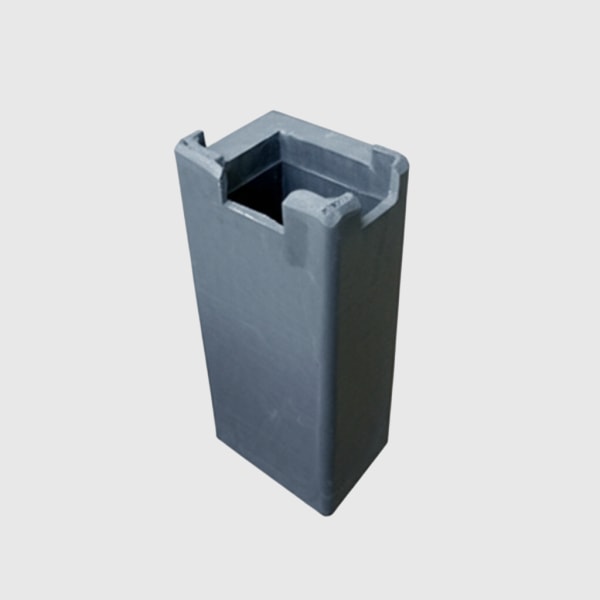
Unparalleled Advantages of Sintered SiC in Demanding Industrial Applications
The decision to specify Sintered Silicon Carbide for industrial components is driven by a compelling set of advantages that translate directly into enhanced performance, longer service life, and reduced operational costs in environments where lesser materials would quickly degrade. Procurement professionals and engineers focused on wholesale industrial ceramics and high-performance applications recognize S-SiC for its superior capabilities.
The primary benefits of utilizing Sintered SiC include:
- Exceptional Wear and Abrasion Resistance: The inherent high hardness of S-SiC (typically >25 GPa Knoop) ensures minimal material loss even in highly abrasive slurry pumping, pneumatic conveying systems, or components subjected to particle impingement. This leads to significantly longer part life compared to metals, alloys, or other ceramics.
- Sustained Performance at Extreme Temperatures: S-SiC components do not soften, creep, or significantly lose strength at elevated temperatures. This makes them ideal for furnace furniture, burner nozzles, heat exchangers, and thermocouple protection tubes operating in continuous or cycling high-temperature conditions up to $1650^\\circ C$ or higher in non-oxidizing atmospheres.
- Outstanding Corrosion Resistance: S-SiC is virtually impervious to attack by most acids, alkalis, and molten salts across a wide temperature range. This chemical inertness is critical for components in chemical reactors, pump seals, valves, and flue gas desulfurization nozzles, ensuring process purity and equipment longevity.
- High Thermal Conductivity & Excellent Thermal Shock Resistance: The ability of S-SiC to rapidly dissipate heat (thermal conductivity typically 80-120 W/mK) combined with its low thermal expansion coefficient ($\~4.0 \\times 10^{-6}/^\\circ C$) gives it remarkable resistance to thermal shock. Components can withstand rapid heating and cooling cycles without catastrophic failure, a vital attribute in applications like rocket nozzles or rapid thermal processing units.
- Mechanical Strength and Stiffness: S-SiC possesses high flexural strength (typically 350-550 MPa) and a high Young’s modulus (4˜10GPa), ensuring dimensional stability and resistance to deformation under load, even at elevated temperatures. This is crucial for precision components like semiconductor wafer handling parts or high-speed bearing elements.
- Purity and Low Contamination: The manufacturing process of S-SiC results in a very pure material with minimal free silicon or other contaminants. This is particularly important in industries like semiconductor manufacturing and pharmaceuticals, where process purity is paramount.
- Lightweight: With a density of approximately 3.1−3.15g/cm3, S-SiC is significantly lighter than most high-temperature metals and alloys, which can be advantageous in aerospace applications or in rotating/moving components where inertia is a concern.
- Design Versatility: While inherently hard and challenging to machine in its sintered state, advanced forming techniques allow for the creation of complex geometries. Post-sintering diamond grinding and lapping can achieve very tight tolerances and fine surface finishes. Explore our customizing support for more details.
The table below summarizes some key property advantages of S-SiC compared to other common industrial materials:
| Property | Sintered Silicon Carbide (S-SiC) | Alumina (99.5%) | Stainless Steel (316) | Tungsten Carbide (6% Co) |
|---|---|---|---|---|
| Max Use Temp. ($^\\circ C$) | >1600 | ~1700 | ~870 | ~500 (oxidation) |
| Hardness (Knoop) | >2500 | ~1500 | ~200 | ~1600 |
| Thermal Conductivity (W/mK) | 80-120 | 25-30 | 16 | 80-100 |
| Corrosion Resistance | Excellent (Acids & Alkalis) | Good (Acids) | Moderate | Good (Wear) |
| Flexural Strength (MPa) | 350-550 | 300-380 | ~515 | 1500-2000 |
| Density (g/cm3) | 3.1-3.15 | 3.8-3.9 | 7.98 | 14.9 |
These intrinsic benefits make Sintered Silicon Carbide a cost-effective solution in the long run for many high-value industrial applications, despite potentially higher initial component costs. The reduction in downtime, maintenance, and replacement frequency often provides a compelling total cost of ownership advantage.
Key Industrial Applications of Sintered Silicon Carbide Components
The unique combination of properties offered by Sintered Silicon Carbide makes it an indispensable material across a wide spectrum of demanding industrial sectors. OEMs, distributors, and technical procurement professionals consistently turn to S-SiC for critical components where performance and reliability are non-negotiable.
Here’s a breakdown of key industrial applications:
- Semiconductor and Electronics Manufacturing:
- Wafer Handling Components: Edge grip rings, chucks, lift pins, and end effectors benefit from S-SiC’s high purity, stiffness, thermal stability, and wear resistance. These properties ensure precise wafer handling and minimize particle generation in cleanroom environments.
- Rapid Thermal Processing (RTP) Components: Susceptors, support pins, and showerheads made from S-SiC offer excellent thermal shock resistance and temperature uniformity crucial for semiconductor wafer processing.
- Plasma Etch Components: Chamber liners, focus rings, and gas distribution plates made from S-SiC withstand corrosive plasma environments and high temperatures, extending component lifetime.
- See some product examples for these applications.
- High-Temperature Processing & Furnaces:
- Kiln Furniture: Beams, rollers, plates, setters, and supports for firing ceramics, metals, and other materials. S-SiC offers exceptional strength at high temperatures, reducing deformation and extending the life of furnace structures.
- Burner Nozzles and Flame Tubes: Resistance to extreme temperatures, thermal shock, and corrosive combustion byproducts makes S-SiC ideal for industrial burners, ensuring efficient combustion and longevity.
- Thermocouple Protection Tubes: Protect temperature sensors in aggressive chemical and high-temperature environments, providing accurate readings and preventing sensor degradation.
- Heat Exchanger Tubes: For high-temperature and corrosive fluid applications, S-SiC tubes offer efficient heat transfer and long service life.
- Chemical Processing Industry (CPI):
- Mechanical Seals and Bearings: Faces and rings for pumps and mixers handling corrosive and abrasive fluids. S-SiC’s hardness, low friction, and chemical inertness provide superior sealing performance and wear life.
- Valve Components: Balls, seats, and liners for valves controlling aggressive media, offering excellent resistance to erosion and corrosion.
- Nozzles: Atomizing, spray, and blasting nozzles that require high wear resistance and chemical stability.
- Pump Components: Impellers, casings, and liners for centrifugal pumps in abrasive and corrosive services.
- Aerospace and Defense:
- Rocket Nozzles and Thruster Components: Ability to withstand extreme temperatures, thermal shock, and erosive hot gases.
- High-Performance Brake Discs: Lightweight and excellent thermal properties for specialized braking systems.
- Armor Systems: High hardness and relatively low density make S-SiC a candidate for lightweight ceramic armor plates.
- Mirror Substrates for Optical Systems: High stiffness and thermal stability for precision optical applications.
- Energy Sector (including Power Generation and Oil & Gas):
- Components for Molten Salt Reactors (MSRs): Excellent corrosion resistance to molten fluoride and chloride salts.
- Wear Parts in Downhole Drilling Tools: Resistance to abrasive drilling muds and high pressures.
- Components for Fuel Cells (SOFCs): Potential use in seals and interconnects due to high-temperature stability.
- Mining and Mineral Processing:
- Slurry Pump Liners and Impellers: Extreme abrasion resistance for handling abrasive mineral slurries.
- Cyclone Separator Liners: Wear-resistant linings for hydrocyclones and other separation equipment.
- Chute Liners and Wear Plates: Protecting equipment from abrasive ore and mineral flows.
- Automotive (Specialized Applications):
- Water Pump Seals: For enhanced durability and performance in cooling systems.
- Turbocharger Components: Bearings and other parts requiring high-temperature wear resistance.
The versatility of Sintered Silicon Carbide allows it to be engineered into a myriad of component shapes and sizes, offering bespoke solutions for the most challenging operating conditions. Companies like Sicarb Tech, with their deep expertise in customizing support and a strong foundation in advanced ceramic technologies, are pivotal in bringing these high-performance S-SiC solutions to these diverse industries.
This table highlights S-SiC applications across various industries:
| Industry Sector | Common S-SiC Components | Key Properties Leveraged |
|---|---|---|
| Semiconductor | Wafer chucks, edge rings, CMP rings, plasma etch parts, RTP components | High purity, stiffness, thermal stability, wear resistance, chemical inertness |
| High-Temperature Furnaces | Beams, rollers, setters, burner nozzles, thermocouple tubes, heat exchanger tubes | High-temperature strength, thermal shock resistance, corrosion resistance |
| Chemical Processing | Mechanical seals, pump impellers & liners, valve seats & balls, nozzles | Extreme wear resistance, chemical inertness, high hardness, thermal conductivity |
| Aerospace & Defense | Rocket nozzles, armor plates, mirror substrates, brake components | High-temperature stability, thermal shock resistance, hardness, stiffness, lightweight |
| Energy | Molten salt reactor parts, downhole tool components, fuel cell components | Corrosion resistance, wear resistance, high-temperature stability |
| Mining & Mineral Processing | Slurry pump parts, cyclone liners, chute liners | Extreme abrasion resistance, hardness |
| Automotive (Specialized) | Water pump seals, turbocharger bearings | Wear resistance, thermal stability, low friction |
Export to Sheets
By understanding these applications, technical buyers and engineers can better identify opportunities to leverage the superior performance of Sintered Silicon Carbide in their own operations.
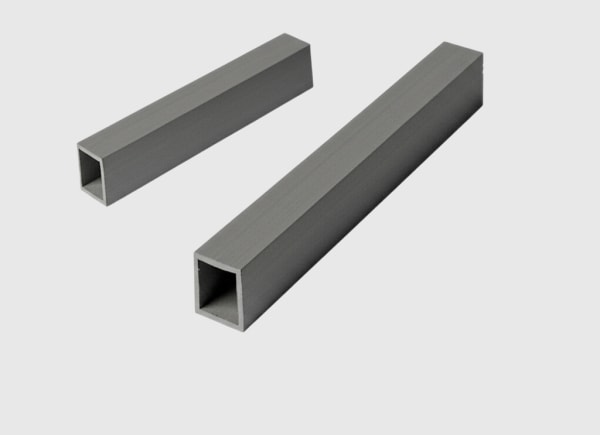
Designing and Customizing Sintered SiC Components: Engineering Best Practices
While Sintered Silicon Carbide offers exceptional material properties, realizing its full potential in an application requires careful consideration during the design and customization phase. Due to its inherent hardness and brittleness (a characteristic of most advanced ceramics), designing for manufacturability and optimal performance is key. Collaborating with an experienced S-SiC supplier like Sicarb Tech, who understands the nuances of ceramic processing and design, is crucial for success. Their customizing support can guide you through these critical steps.
Here are some engineering best practices for designing and customizing S-SiC components:
1. Simplify Geometry Where Possible:
- Avoid Sharp Internal Corners and Edges: These act as stress concentrators, increasing the risk of fracture. Incorporate generous radii (e.g., minimum 0.5mm, ideally >1mm) on all internal and external corners.
- Minimize Abrupt Changes in Cross-Section: Gradual transitions in thickness help to reduce internal stresses during manufacturing (drying and sintering) and in service.
- Consider Symmetrical Designs: Symmetrical parts are often easier to manufacture consistently and can distribute stresses more evenly.
2. Wall Thickness and Aspect Ratios:
- Maintain Uniform Wall Thickness: This helps prevent warping and cracking during sintering. If varying thicknesses are unavoidable, make transitions gradual.
- Avoid Extremely Thin Walls or Delicate Features: While S-SiC is strong, thin sections are more susceptible to damage during handling, manufacturing, and operation. Minimum wall thickness is dependent on the overall size and geometry but consult your supplier for specific limits. Sicarb Tech can provide guidance based on their extensive product examples.
- Manage Aspect Ratios: Very long, thin parts or large, flat plates can be challenging to produce without distortion. Discuss feasible aspect ratios with your manufacturer.
3. Tolerances and Surface Finish:
- Specify Realistic Tolerances: S-SiC is typically diamond ground after sintering to achieve tight tolerances. However, tighter tolerances significantly increase machining time and cost. Specify tolerances that are truly necessary for the application.
- As-sintered tolerances are typically in the range of pm1−2.
- Ground tolerances can be as tight as pm0.005mm ($ \pm 0.0002$ inches) or better for critical dimensions, but this is highly dependent on the feature and size.
- Define Surface Finish Requirements:
- As-sintered surfaces are relatively rough.
- Lapping and polishing can achieve very smooth surfaces ($Ra \< 0.1 \\mu m$ or better), which is crucial for seal faces or high-precision applications.
- Specify the required surface finish (e.g., Ra, Rz) on drawings.
4. Features and Joining:
- Holes and Threads: Holes can be formed in the green state or machined (diamond drilled) post-sintering. Threading is possible but expensive and creates stress points; consider alternative joining methods like brazing, shrink-fitting, or mechanical clamping if possible.
- Joining S-SiC to Other Materials: Differential thermal expansion is a major consideration when joining S-SiC to metals or other ceramics. Specialized brazing techniques or mechanical designs that accommodate expansion differences are often required.
5. Designing for Assembly and Installation:
- Avoid Point Loads and Impact: Design mounting fixtures and assembly procedures to distribute loads evenly and prevent impact, which can chip or fracture the ceramic. Use compliant interlayers (e.g., graphite gaskets) where appropriate.
- Chamfer Edges: Slight chamfers on edges can reduce the risk of chipping during handling and assembly.
6. Material Grade Selection:
- While this article focuses on S-SiC, ensure it’s the optimal SiC grade for your needs. Discuss your application’s specific thermal, mechanical, and chemical environment with your supplier.Sicarb Tech offers expertise across various SiC grades.
7. Prototyping and Iteration:
- For complex components or critical applications, consider a prototyping phase to validate the design and manufacturing process before committing to large-scale production.
Key Design Tips for Sintered SiC:
- Consult Early: Engage with your S-SiC manufacturer, like Sicarb Tech, early in the design process. Their expertise can save significant time and cost.
- Provide Detailed Drawings: Clear and comprehensive engineering drawings are essential, specifying dimensions, tolerances, surface finishes, and any critical features.
- Understand Material Limitations: While robust, S-SiC is brittle. Design to minimize tensile stresses and avoid impact.
- Consider the Entire System: The S-SiC component is part of a larger assembly. Ensure the design is compatible with mating parts and the overall operational environment.
By adhering to these design principles, engineers can harness the exceptional properties of Sintered Silicon Carbide to create durable and high-performing components for the most challenging industrial environments. The journey from an initial concept to a delivered component involves several meticulous steps from inquiry to delivery, ensuring quality and precision at each stage.
Navigating Challenges in Sintered SiC Manufacturing and Application
Despite its remarkable properties, working with Sintered Silicon Carbide is not without its challenges. Both manufacturers and end-users need to be aware of these potential hurdles to effectively utilize S-SiC components and achieve optimal results. Understanding these challenges allows for better planning, design, and application strategies, ultimately leading to successful implementation.
1. Brittleness and Fracture Toughness:
- Challenge: Like most advanced ceramics, S-SiC is inherently brittle, meaning it has low fracture toughness compared to metals. It does not exhibit plastic deformation before failure and can fracture catastrophically if subjected to impact, high localized stress, or excessive tensile loads.
- Mitigation Strategies:
- Design: Employ design principles that minimize stress concentrations (e.g., rounded corners, gradual thickness changes). Design for compressive loading where possible.
- Handling & Assembly: Implement careful handling protocols. Use appropriate tools and fixtures during assembly to avoid chipping or impact. Consider compliant layers in assemblies.
- Material Selection: While S-SiC is generally brittle, slight variations in microstructure or the incorporation of toughening agents (though less common for standard S-SiC) can marginally influence toughness. Discuss specific needs with your supplier.
- Proof Testing: For critical applications, components can be proof-tested to screen out parts with pre-existing flaws.
2. Machining Complexity and Cost:
- Challenge: Due to its extreme hardness, sintered S-SiC can only be effectively machined using diamond tooling. This machining process (grinding, lapping, polishing) is slow, expensive, and requires specialized equipment and expertise.
- Mitigation Strategies:
- Near-Net-Shape Forming: Utilize advanced forming techniques (e.g., injection molding, slip casting) to produce parts as close to the final dimensions as possible, minimizing the amount of post-sintering machining required. This is a core competency for experienced suppliers like Sicarb Tech.
- Design for Manufacturability: Simplify designs and specify only essential tight tolerances and surface finishes to reduce machining time.
- Supplier Expertise: Partner with suppliers who have extensive experience and capabilities in diamond machining of S-SiC. Review their main equipment and capabilities.
3. Thermal Shock Sensitivity (Relative to Metals):
- Challenge: While S-SiC has excellent thermal shock resistance for a ceramic due to its high thermal conductivity and low thermal expansion, it is still more susceptible to thermal shock failure than many metals, particularly if very rapid temperature changes occur or if there are pre-existing flaws.
- Mitigation Strategies:
- Controlled Heating/Cooling Rates: In applications where possible, implement controlled heating and cooling ramps.
- Design: Ensure designs allow for some thermal expansion and avoid constraints that could lead to high thermally induced stresses.
- Component Size & Geometry: Thicker sections or complex geometries with sharp transitions can be more prone to thermal shock.
4. Joining S-SiC to Other Materials:
- Challenge: Joining S-SiC to itself or to other materials (especially metals with vastly different coefficients of thermal expansion – CTE) is complex. Direct brazing or welding is often not feasible or requires highly specialized techniques and interlayer materials.
- Mitigation Strategies:
- Mechanical Fastening: Utilize clamps, bolts, or interference fits, often incorporating compliant gaskets or sleeves to accommodate CTE mismatches and prevent stress concentrations.
- Specialized Brazing/Joining: Active metal brazing is a common technique for joining S-SiC to metals, but it requires careful control of the process and selection of braze alloys and interlayers.
- Adhesive Bonding: For lower temperature applications, specialized high-temperature adhesives can be considered, though their strength is limited.
- Integrated Design: Design components to minimize the need for joining where possible.
5. Cost Considerations:
- Challenge: The raw materials, energy-intensive sintering process, and difficult machining make S-SiC components generally more expensive upfront compared to components made from conventional metals or less advanced ceramics.
- Mitigation Strategies:
- Total Cost of Ownership (TCO) Analysis: Focus on the long-term benefits – longer service life, reduced downtime, lower maintenance – which often justify the initial investment.
- Volume Production: For higher volumes, economies of scale in manufacturing can help reduce per-unit costs.
- Optimized Design: Efficient designs that minimize material usage and machining can help control costs.
- Supplier Collaboration: Work with knowledgeable suppliers like Sicarb Tech who can offer cost-effective manufacturing solutions and material guidance. They are located in Weifang City, the hub of China’s silicon carbide customizable parts manufacturing, which accounts for over 80% of the nation’s total SiC output, providing a competitive edge.
6. Batch-to-Batch Consistency:
- Challenge: Ensuring consistent properties and dimensional accuracy from batch to batch requires stringent quality control throughout the complex manufacturing process, from powder preparation to final inspection.
- Mitigation Strategies:
- Robust Quality Management Systems: Partner with suppliers who have certified quality systems (e.g., ISO 9001) and rigorous process controls.
- Material Characterization: Reputable suppliers conduct thorough material testing (density, hardness, strength, microstructure) to ensure specifications are met. Sicarb Tech leverages its connection with the Chinese Academy of Sciences for robust measurement and evaluation technologies.
By proactively addressing these challenges through careful design, supplier selection, and process understanding, the full benefits of Sintered Silicon Carbide can be successfully realized in even the most demanding industrial applications. Reviewing case studies can provide valuable insights into how these challenges have been overcome in real-world scenarios.
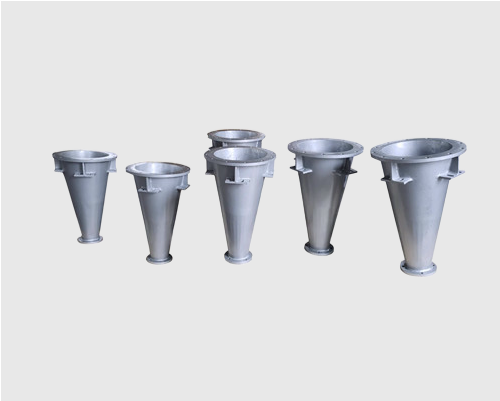
Choosing Your Sintered SiC Partner: Why Sicarb Tech is Your Trusted Ally
Selecting the right supplier for your custom Sintered Silicon Carbide components is as critical as the material itself. The ideal partner offers not just manufacturing capabilities but also deep material science expertise, robust quality assurance, reliable supply chains, and a collaborative approach to problem-solving. For wholesale buyers, technical procurement professionals, OEMs, and distributors seeking high-quality, cost-competitive S-SiC solutions, Sicarb Tech stands out as a premier choice, particularly within China’s dynamic SiC landscape.
Key Factors to Consider When Choosing an S-SiC Supplier:
- Technical Expertise and Experience:
- Material Knowledge: Does the supplier possess in-depth knowledge of S-SiC, including its properties, processing nuances, and application suitability?
- Engineering Support: Can they provide design assistance, recommend optimizations, and help troubleshoot application challenges?
- Track Record: Do they have a proven history of successfully delivering high-quality S-SiC components for similar applications or industries?
- Manufacturing Capabilities:
- Forming Technologies: Do they offer a range of forming methods (pressing, slip casting, extrusion, injection molding) to suit various component complexities and volumes?
- Sintering Expertise: Is their sintering process tightly controlled to ensure consistent densification and material properties?
- Machining Precision: Do they have advanced diamond grinding, lapping, and polishing capabilities to meet tight tolerances and surface finish requirements? Review their main equipment page.
- Customization: Can they tailor material compositions (if needed) and produce highly customized shapes and sizes? Sicarb Tech specializes in customizing support.
- Quality Assurance and Certifications:
- Quality Management System: Is the supplier ISO 9001 certified or compliant with other relevant quality standards?
- Material Testing & Inspection: Do they have comprehensive in-house or third-party testing facilities for raw materials, in-process checks, and final product verification (e.g., dimensional, density, strength, microstructure)?
- Traceability: Can they provide material traceability and certificates of conformity?
- Supply Chain and Reliability:
- Raw Material Sourcing: Do they have reliable sources for high-purity SiC powders and other necessary materials?
- Production Capacity & Lead Times: Can they meet your volume requirements and provide realistic, dependable lead times?
- Location & Logistics: Consider the supplier’s location and its impact on shipping costs and delivery times.Sicarb Tech is strategically located in Weifang City, the hub of China’s silicon carbide customizable parts factories, which hosts over 40 SiC production enterprises. This ecosystem contributes to over 80% of China’s total SiC output, ensuring a robust local supply chain.
- Cost-Effectiveness:
- Transparent Pricing: Is their pricing structure clear and competitive?
- Value Engineering: Can they offer suggestions to optimize designs for cost without compromising performance?
- Total Cost of Ownership: Consider not just the upfront price but also the long-term value derived from component quality and durability.
Why Sicarb Tech Excels:
Sicarb Tech is uniquely positioned to be your preferred partner for custom Sintered Silicon Carbide products. Here’s why:
- Deep Roots in SiC Technology: Since 2015, Sicarb Tech has been instrumental in introducing and implementing advanced silicon carbide production technology, significantly contributing to the technological advancements and large-scale production capabilities of local enterprises in Weifang. They have witnessed and shaped the development of this crucial SiC industrial base.
- Backed by National Scientific Strength: As part of the Chinese Academy of Sciences (Weifang) Innovation Park and collaborating closely with the National Technology Transfer Center of the Chinese Academy of Sciences, SicSino leverages the formidable scientific, technological capabilities, and talent pool of one of China’s most prestigious research institutions. This provides a solid foundation for innovation and quality.
- Comprehensive Technical Capabilities: Sicarb Tech boasts a domestic top-tier professional team specializing in the customized production of silicon carbide products. Their expertise spans material science, process engineering, design optimization, and advanced measurement and evaluation technologies. This integrated approach, from raw materials to finished products, allows them to meet diverse and complex customization needs.
- Commitment to Quality and Reliability: Having supported over 10 local enterprises with their technologies, Sicarb Tech has a proven track record of delivering high-quality, cost-competitive customized SiC components. Their robust processes ensure reliable quality and supply assurance within China.
- Strategic Location: Situated in the heart of China’s SiC manufacturing hub, they benefit from a mature industrial ecosystem, skilled labor, and efficient supply chains, translating into competitive advantages for their clients.
- Technology Transfer Services: Beyond component supply, Sicarb Tech is committed to global collaboration. If you are looking to establish your own specialized SiC products manufacturing plant, they offer comprehensive technology transfer services (turnkey projects). This includes factory design, procurement of specialized equipment, installation, commissioning, and trial production, ensuring effective investment and reliable technology transformation. Learn more about who we are and our vision.
Choosing Sicarb Tech means partnering with an organization that not only understands the intricacies of Sintered Silicon Carbide but is also deeply embedded in the technological advancement and reliable production of these critical materials. They offer a bridge to world-class SiC solutions, backed by the strength of the Chinese Academy of Sciences.
This table summarizes key supplier selection criteria and how Sicarb Tech aligns:
| Selection Criterion | Importance for Buyers | Sicarb Tech Advantage |
|---|---|---|
| Technical Expertise | Critical for optimal design & performance | Deep SiC knowledge, Chinese Academy of Sciences backing, experienced team, design support. |
| Manufacturing Capability | Essential for quality, complexity, and volume | Advanced forming, sintering, precision machining. Specializes in customizing support. |
| Quality Assurance | Non-negotiable for reliability | Rigorous process control, advanced measurement & evaluation from Chinese Academy of Sciences. |
| Supply Chain & Reliability | Key for consistent supply & lead times | Located in China’s SiC hub, strong local network, support for 10+ enterprises. |
| Cost-Effectiveness | Important for budget adherence & TCO | Competitive pricing due to ecosystem advantages, focus on value engineering. |
| Collaboration & Support | Vital for custom projects & problem-solving | Strong emphasis on partnership, technology transfer options, full-service approach. For inquiries, contact us. |
Export to Sheets
By choosing a knowledgeable and capable supplier like Sicarb Tech, you ensure that your investment in Sintered Silicon Carbide components yields the maximum performance and value for your demanding industrial applications.
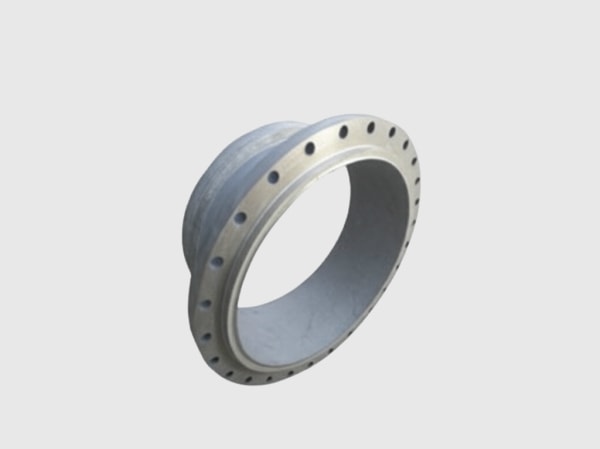
Frequently Asked Questions (FAQ) about Sintered Silicon Carbide
Technical buyers, engineers, and procurement managers often have specific questions when considering Sintered Silicon Carbide for their applications. Here are some common queries with concise, practical answers.
1. What is the typical maximum operating temperature for Sintered SiC components? Sintered Silicon Carbide (S-SiC) generally exhibits excellent performance at elevated temperatures. In oxidizing atmospheres (like air), S-SiC can typically be used continuously at temperatures up to around $1600^\\circ C$ to $1650^\\circ C$ ($2912^\\circ F$ to $3002^\\circ F$). Above this, passive oxidation (formation of a protective SiO_2 layer) can transition to active oxidation, leading to material degradation. In inert or reducing atmospheres, S-SiC can often withstand even higher temperatures, potentially exceeding $1800^\\circ C$ ($3272^\\circ F$), depending on the specific conditions and purity of the material. It’s crucial to discuss the specific atmospheric conditions and temperature profiles of your application with your supplier, such as Sicarb Tech, to confirm suitability.
2. How does the cost of Sintered SiC compare to other silicon carbide grades like Reaction-Bonded SiC (RBSiC/SiSiC)? Generally, Sintered Silicon Carbide (S-SiC) components tend to have a higher initial cost compared to Reaction-Bonded Silicon Carbide (RBSiC or SiSiC). This is due to several factors: * Raw Materials: S-SiC uses finer, higher-purity SiC powders. * Processing: Sintering S-SiC requires significantly higher temperatures (>$2000^\\circ C$) and more controlled atmospheres than the silicon infiltration process used for RBSiC (typically $1500-1700^\\circ C$). * Machining: S-SiC is fully dense and extremely hard, making it more challenging and time-consuming to machine (diamond grind) to final tolerances than RBSiC, which contains some free silicon (typically 8-15%) that is slightly softer. However, S-SiC offers superior properties in terms of temperature resistance (especially above $1350-1380^\\circ C$ where the free silicon in RBSiC melts), chemical purity, and often wear resistance in highly aggressive environments. The choice often comes down to a trade-off between the upfront cost and the performance requirements of the application. For applications demanding the utmost in purity, temperature capability, and corrosion resistance, the superior performance of S-SiC can justify the higher initial investment through longer life and reduced downtime. Sicarb Tech can provide guidance on selecting the most cost-effective SiC grade for your needs, whether it’s S-SiC or other variants.
3. Can Sintered SiC components be easily repaired or welded if damaged? Repairing damaged Sintered Silicon Carbide components is generally very difficult and often not feasible, especially for cracks or significant fractures. Due to its ceramic nature and the way it is manufactured (sintered at high temperatures to form a monolithic structure), S-SiC cannot be “welded” in the traditional sense like metals. * Minor Surface Damage: Minor chips or surface wear might sometimes be addressed by re-grinding or lapping the surface, provided the damage doesn’t compromise the structural integrity or critical dimensions beyond allowable tolerances. This is a specialized process. * Cracks/Fractures: Once a significant crack forms, the component’s strength is severely compromised. Attempting to fill or patch cracks typically does not restore the original mechanical properties and is not recommended for critical applications. The best approach is to prevent damage through proper design (avoiding stress concentrators), careful handling and assembly, and operating within the material’s known limits. If damage occurs, replacement of the component is usually the most reliable solution. Investing in high-quality components from reputable suppliers like Sicarb Tech, who ensure robust manufacturing processes, can minimize the likelihood of premature failure. Explore their product examples to see the quality they deliver.
If you have more specific questions or require detailed technical assistance for your S-SiC application, we encourage you to contact us. Our team at Sicarb Tech is ready to provide expert guidance and support.
Conclusion: The Enduring Value of Custom Sintered Silicon Carbide
In the demanding landscape of modern industry, where operational extremes are increasingly the norm, Sintered Silicon Carbide stands as a testament to material science innovation. Its exceptional combination of hardness, high-temperature strength, chemical inertness, and thermal shock resistance makes it an indispensable solution for engineers and procurement professionals striving for unparalleled performance and longevity in their critical components. From the ultra-clean environments of semiconductor fabrication to the aggressive conditions of chemical processing and the intense heat of industrial furnaces, custom S-SiC parts deliver where conventional materials falter.
Choosing Sintered Silicon Carbide is an investment in reliability, reduced downtime, and enhanced productivity. While the initial outlay for custom S-SiC components may be higher than for some alternatives, the total cost of ownership often proves significantly lower due to extended service life and minimal maintenance requirements. The key to unlocking this value lies not only in the material itself but also in partnering with a knowledgeable and capable supplier.
Sicarb Tech, with its deep technological roots, strong backing from the Chinese Academy of Sciences, and strategic position within China’s SiC manufacturing hub, offers more than just components. We provide comprehensive customizing support, expert engineering consultation, and a commitment to quality that ensures you receive Sintered Silicon Carbide solutions precisely tailored to your application’s unique challenges. By leveraging our advanced manufacturing processes and material expertise, businesses can confidently integrate S-SiC into their operations, pushing the boundaries of efficiency and innovation. We invite you to explore our capabilities and contact us to discuss how custom Sintered Silicon Carbide can elevate your industrial applications to new levels of performance and durability.

About the Author: Sicarb Tech
We provide clear and reliable insights into silicon carbide materials, component manufacturing, application technologies, and global market trends. Our content reflects industry expertise, practical experience, and a commitment to helping readers understand the evolving SiC landscape.
Customizable SiC
You May Also Interest
-
![]()
Unlocking Material Benefits with Silicon Carbide
Unlocking Material Benefits with Silicon Carbide In today’s rapidly advancing industrial landscape, the demand for materials that can withstand extreme conditions and deliver superior performance is paramount. Among the leading contenders, silicon carbide (SiC) stands out as a true game-changer. Renowned for its exceptional properties, custom silicon carbide products are transforming industries ranging from semiconductors…
-
![]()
Reaction Bonded Silicon Carbide: The Superior Material for Demanding Industrial Applications
In the realm of advanced technical ceramics, Reaction Bonded Silicon Carbide (RBSiC), also known as Silicon Infiltrated Silicon Carbide (SiSiC), stands out as a material of choice for a vast array of high-performance industrial applications. Its unique combination of properties, achieved through a specialized manufacturing process, makes it indispensable in environments where extreme temperatures, severe…
-
![]()
SiC vs MMC: Advanced Material Selection Guide
SiC vs MMC: Advanced Material Selection Guide In the demanding world of high-performance industrial applications, material selection is paramount. Engineers, procurement managers, and technical buyers are constantly seeking advanced materials that can withstand extreme conditions, enhance efficiency, and extend product lifespans. This often leads to a critical evaluation between silicon carbide (SiC) and metal matrix…