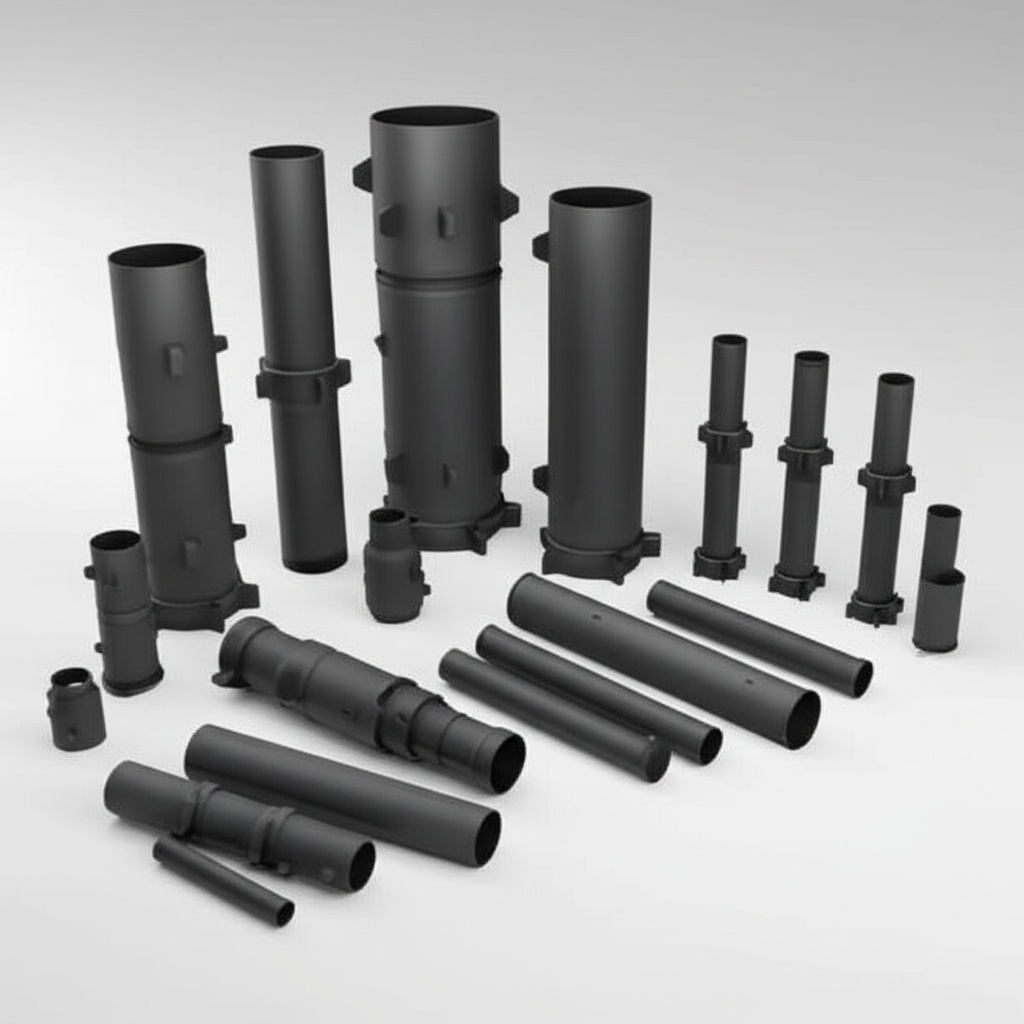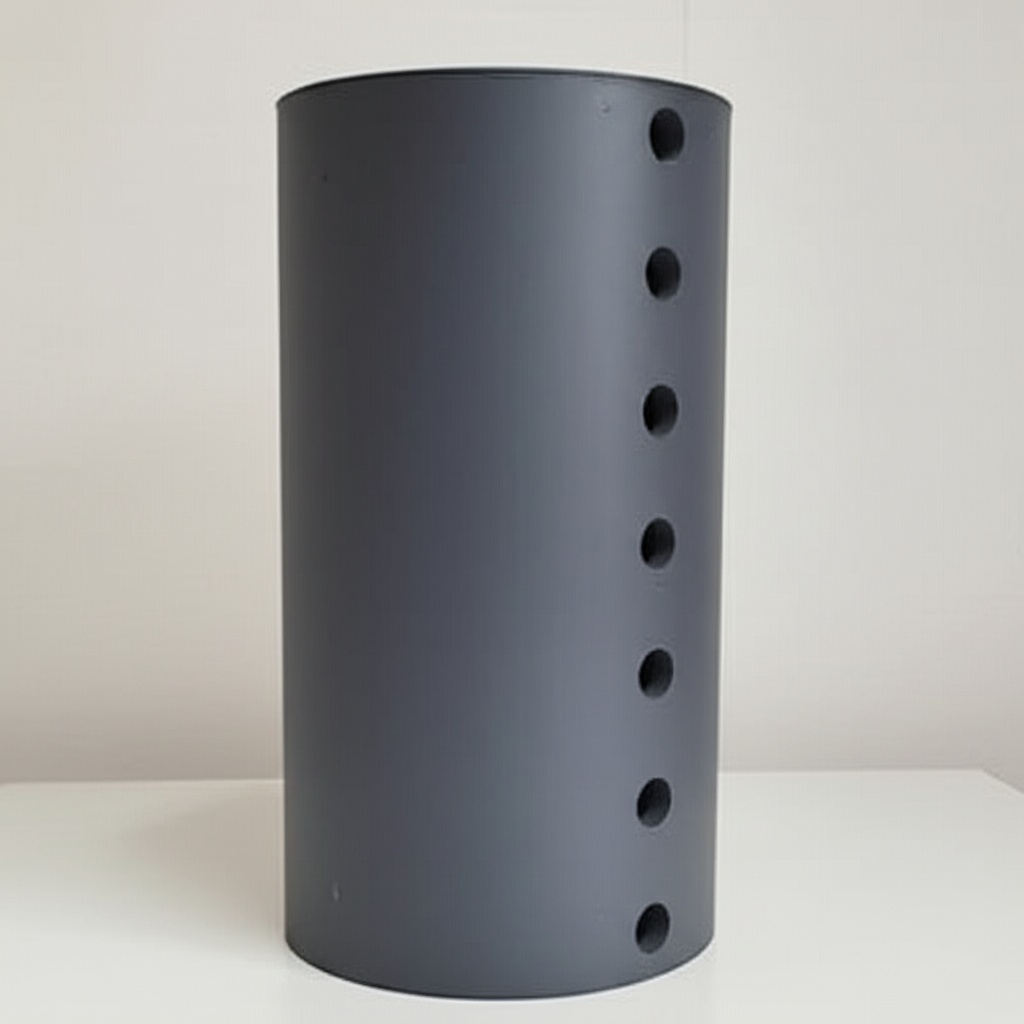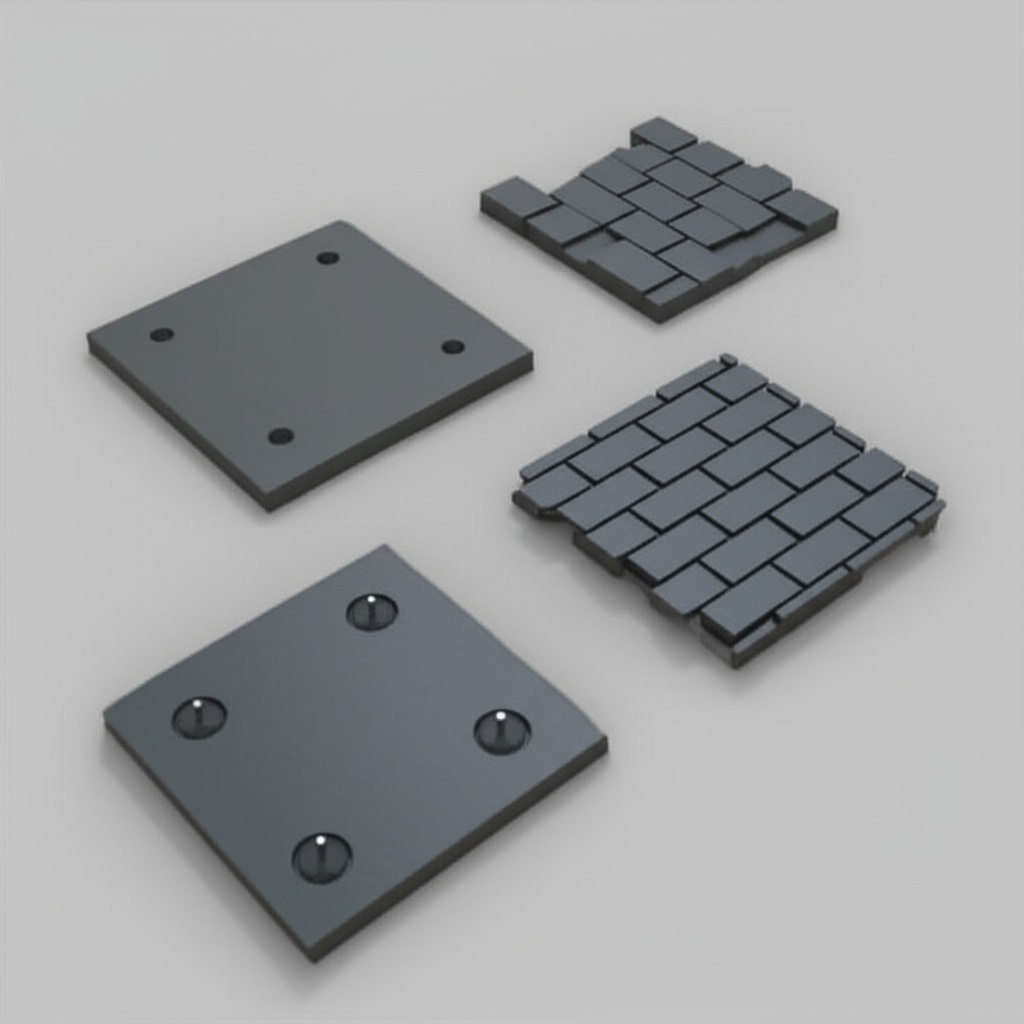
Sintered SiC: Your High-Performance Material Choice
Share
Sintered SiC: Your High-Performance Material Choice
Introduction – What is Sintered Silicon Carbide and Why is it Essential in High-Performance Industrial Applications?
In the demanding landscape of modern industry, the quest for materials that can withstand extreme conditions is relentless. Sintered Silicon Carbide (SiC) has emerged as a frontrunner, offering a unique combination of properties that make it indispensable for high-performance applications. Unlike other ceramics, sintered SiC is produced by fusing SiC powders at very high temperatures, typically above 2000°C, without the aid of liquid-phase sintering aids (in the case of Solid State Sintered SiC or SSSiC) or by using non-oxide sintering aids (Liquid Phase Sintered SiC or LPSSiC). This process results in a dense, fine-grained ceramic with exceptional hardness, strength, and thermal stability.
The essential nature of sintered SiC in critical industrial sectors—ranging from semiconductor manufacturing to aerospace and power electronics—stems from its ability to perform reliably where other materials fail. Its superior resistance to wear, corrosion, and high temperatures, coupled with excellent thermal conductivity, allows for the design of components that are not only durable but also enhance the efficiency and longevity of the systems they are part of. For businesses seeking custom silicon carbide components, understanding the fundamental advantages of sintered SiC is the first step towards unlocking new levels of operational excellence and innovation. As industries push the boundaries of technology, the demand for high-quality, precisely engineered sintered SiC parts continues to grow, making it a cornerstone material for advanced engineering solutions.
Leading the charge in providing these sophisticated material solutions, particularly from a region renowned for its production capabilities, is crucial. The hub of China’s silicon carbide customizable parts manufacturing is situated in Weifang City. This region is home to over 40 silicon carbide production enterprises, accounting for more than 80% of China’s total SiC output. This concentration of expertise and production capacity makes it a pivotal global source for SiC components.
Main Applications of Sintered SiC – Explore How Sintered SiC is Used Across Industries
The remarkable properties of sintered silicon carbide (SiC) make it a versatile material, finding critical applications across a wide spectrum of industries. Its adoption is driven by the need for components that can endure harsh operating conditions while maintaining performance and structural integrity. Below, we explore some of the key sectors leveraging the power of sintered SiC components:
- Semiconductor Manufacturing: Sintered SiC is extensively used for wafer handling components, chuck tables, process chamber parts (etch rings, gas shower heads), and CMP retainer rings. Its high purity, stiffness, thermal stability, and resistance to chemical plasma erosion are vital for maintaining a pristine processing environment and ensuring high yields in chip production.
- Automotive: In the automotive sector, particularly with the rise of electric vehicles (EVs), sintered SiC plays a role in power electronics (inverters, converters), brake discs due to its high thermal conductivity and wear resistance, and potentially in wear-resistant components for engines and drivetrains. Its lightweight nature compared to traditional materials also contributes to vehicle efficiency.
- Aerospace and Defense: Aerospace applications include rocket nozzles, mirrors for optical systems, and components for high-speed aircraft where thermal shock resistance and high-temperature strength are paramount. In defense, it’s used for armor plating and components in missile guidance systems due to its hardness and ability to withstand extreme conditions.
- Power Electronics: Beyond automotive, sintered SiC is crucial for high-power, high-frequency devices such as diodes and MOSFETs. Its wide bandgap, high thermal conductivity, and high electric field breakdown strength allow for smaller, more efficient power conversion systems.
- Renewable Energy: In solar and wind energy systems, SiC components are used in inverters and power converters, contributing to higher efficiency and reliability of energy harvesting and distribution.
- Metallurgy and High-Temperature Furnaces: Kiln furniture, including beams, rollers, plates, and burner nozzles made from sintered SiC, offers exceptional service life in industrial furnaces operating at extreme temperatures. Its resistance to oxidation and thermal shock is highly valued.
- Chemical Processing: For handling corrosive chemicals and abrasive slurries, sintered SiC is used in pump components (seals, bearings, impellers), valve parts, and nozzles. Its chemical inertness against a wide range of acids and alkalis ensures longevity and prevents contamination.
- LED Manufacturing: Susceptors and other components in MOCVD reactors used for LED production benefit from SiC’s thermal uniformity and resistance to process chemicals.
- Industrial Machinery: Wear parts such as mechanical seals, bearings, nozzles for sandblasting, and cyclone liners are common applications, significantly extending maintenance intervals and reducing downtime due to SiC’s extreme hardness and abrasion resistance.
- Oil and Gas: Components for downhole tools, flow control valves, and wear parts in pumps and compressors benefit from SiC’s durability in abrasive and corrosive environments.
- Medical Devices: While less common, biocompatible grades of SiC are explored for specialized medical implants and surgical tools requiring high strength and wear resistance.
- Rail Transportation: Power modules incorporating SiC devices are being adopted for traction systems in trains, offering improved energy efficiency and reduced system size.
- Nuclear Energy: SiC is considered for structural components and fuel cladding in next-generation nuclear reactors due to its radiation tolerance and high-temperature stability.
The breadth of these applications underscores the significance of advanced ceramic solutions like sintered SiC in driving technological progress and operational efficiency across diverse industrial landscapes. The ability to source custom-engineered SiC parts tailored to specific application needs is a key enabler for innovation in these fields.
Why Choose Custom Sintered Silicon Carbide? – Discuss the Benefits of Customization, Focusing on Sintered SiC’s Unique Advantages
While standard, off-the-shelf ceramic components may suffice for some applications, the unique and often extreme demands of advanced industrial processes necessitate solutions that are precisely tailored. Choosing custom sintered silicon carbide (SiC) offers a pathway to optimized performance, enhanced longevity, and innovative designs that are simply unattainable with generic parts. Customization allows engineers and procurement managers to leverage the inherent superior properties of sintered SiC—such as exceptional thermal resistance, wear resistance, and chemical inertness—to their fullest potential.
The primary benefits of opting for custom sintered SiC products include:
- Optimized Performance for Specific Applications:
- Tailored Geometries: Customization allows for the creation of complex shapes and precise dimensions that perfectly fit the intended application, maximizing efficiency and effectiveness. This is crucial for components like intricately designed semiconductor process chamber parts or specialized wear components in industrial machinery.
- Material Property Tuning: While sintered SiC has baseline properties, minor adjustments in processing or the specific grade of sintered SiC (e.g., fine-grain for smoother surfaces, specific porosity levels if required) can be optimized through a custom approach.
- Enhanced Thermal Management:
- High Thermal Conductivity: Sintered SiC boasts excellent thermal conductivity (typically 80-200 W/mK). Custom designs can maximize heat dissipation in critical components like heat sinks for power electronics or ensure uniform temperature distribution in furnace parts.
- Superior Thermal Shock Resistance: Its low thermal expansion coefficient and high strength give it excellent resistance to thermal shock. Custom components can be designed to withstand rapid temperature cycling specific to an application, preventing cracks and failure.
- Unmatched Wear and Abrasion Resistance:
- Extreme Hardness: Sintered SiC is one of the hardest commercially available materials (Mohs hardness >9, Knoop hardness ~25 GPa). Custom wear parts like nozzles, seals, bearings, and grinding media can be designed for specific wear patterns, significantly extending service life and reducing maintenance costs in abrasive environments.
- Exceptional Chemical Inertness and Corrosion Resistance:
- Resistance to Aggressive Media: Sintered SiC exhibits outstanding resistance to a wide range of acids, alkalis, and molten salts, even at elevated temperatures. Custom components for chemical processing, such as pump parts or valve liners, can be designed to handle specific corrosive fluids, ensuring process purity and component longevity.
- Improved System Efficiency and Reliability:
- Lightweight Strength: With a density (around 3.1-3.2 g/cm³) significantly lower than many metals but with high stiffness and strength, custom SiC parts can reduce system mass, which is beneficial in aerospace or high-speed machinery, leading to energy savings and improved dynamic response.
- Dimensional Stability: Sintered SiC maintains its shape and dimensions even under high loads and temperatures, ensuring consistent performance and reliability of the entire system. Custom designs ensure this stability is harnessed effectively.
- Long-Term Cost Savings:
- While the initial investment in custom SiC parts might be higher than for conventional materials or standard parts, the extended service life, reduced downtime, lower maintenance requirements, and improved process yields often result in a significantly lower total cost of ownership.
By working with a knowledgeable supplier capable of intricate customizing support, companies can transform their operational challenges into competitive advantages. The ability to specify exact dimensions, tolerances, surface finishes, and even integrate features into a single monolithic SiC component unlocks a new realm of design possibilities for engineers in demanding fields like semiconductor, aerospace, and chemical processing.
Key Properties of Sintered Silicon Carbide – Detail Mechanical, Thermal, Electrical, and Chemical Properties
Sintered Silicon Carbide (SiC) stands out as a premier advanced ceramic material due to its exceptional combination of physical, mechanical, thermal, electrical, and chemical properties. These attributes make it the material of choice for a wide array of demanding industrial applications. Understanding these properties is crucial for engineers and designers when specifying high-performance sintered SiC parts.
Mechanical Properties:
- High Hardness: Sintered SiC is one of the hardest synthetic materials, typically exhibiting a Knoop hardness (HK) in the range of 24-28 GPa and a Mohs hardness greater than 9. This makes it extremely resistant to abrasion, erosion, and wear.
Application Relevance: Ideal for wear parts like nozzles, mechanical seals, bearings, and grinding media. - High Young’s Modulus (Stiffness): With a Young’s modulus typically between 400 and 450 GPa, sintered SiC is exceptionally stiff, meaning it resists deformation under load.
Application Relevance: Essential for precision components in semiconductor equipment (e.g., wafer chucks, mirrors) and structural elements requiring high rigidity. - Good Flexural Strength: Sintered SiC maintains good flexural strength, typically ranging from 400 to 600 MPa at room temperature, and retains significant strength at elevated temperatures (up to 1400-1600°C).
Application Relevance: Suitable for load-bearing components in high-temperature environments like kiln furniture and furnace components. - Moderate Fracture Toughness: While ceramics are inherently brittle, sintered SiC possesses a moderate fracture toughness ($K_{IC}$) for a ceramic, typically in the range of 3.5-5.0 MPa·m1/2. Design considerations are important to mitigate brittle fracture.
Application Relevance: Careful design is needed for components subjected to impact or high tensile stresses. - Low Density: The density of sintered SiC is approximately 3.1 to 3.2 g/cm³, which is significantly lower than most high-strength metals.
Application Relevance: Beneficial for lightweight components in aerospace, automotive, and high-speed machinery, contributing to energy efficiency and improved dynamic performance.
Thermal Properties:
- High Thermal Conductivity: Sintered SiC exhibits excellent thermal conductivity, typically ranging from 80 to 200 W/(m·K) at room temperature, depending on purity and microstructure. This allows for efficient heat dissipation.
Application Relevance: Critical for heat sinks in power electronics, heat exchangers, and components requiring rapid temperature uniformity. - Low Coefficient of Thermal Expansion (CTE): Sintered SiC has a low CTE, typically around 4.0-4.5 x 10⁻⁶/°C. This means it expands and contracts minimally with temperature changes.
Application Relevance: Results in excellent dimensional stability at varying temperatures and contributes to its high thermal shock resistance. Ideal for precision instruments and components used in fluctuating thermal environments. - Excellent Thermal Shock Resistance: The combination of high thermal conductivity, low CTE, and high strength gives sintered SiC outstanding resistance to damage from rapid temperature changes.
Application Relevance: Essential for applications like furnace components, rocket nozzles, and brake discs that experience sudden and extreme temperature gradients. - High-Temperature Stability: Sintered SiC can operate at very high temperatures (up to 1600-1700°C in air or inert atmospheres) without significant degradation in its mechanical properties. It resists oxidation at high temperatures due to the formation of a passive silica (SiO2) layer.
Application Relevance: Used for kiln furniture, burner nozzles, thermocouple protection tubes, and other high-temperature structural components.
Electrical Properties:
- Semiconductor Behavior: Silicon Carbide is inherently a wide bandgap semiconductor. The electrical resistivity of sintered SiC can vary significantly depending on purity, sintering additives, and microstructure, ranging from relatively conductive (doped SiC) to highly resistive. Typically, high-purity sintered SiC is a good electrical insulator at lower temperatures but can become more conductive at very high temperatures.
Application Relevance: Used in power electronic devices (MOSFETs, diodes), heating elements (if doped appropriately), and as an insulating material in specific high-temperature applications. Its semiconductor properties are the basis for its use in SiC electronics. - High Dielectric Strength: It can withstand high electric fields before breakdown, making it suitable for high-voltage applications.
Chemical Properties:
- Excellent Chemical Inertness: Sintered SiC is highly resistant to corrosion by a wide range of chemicals, including strong acids (e.g., HF, H2SO4, HNO3) and bases, even at elevated temperatures. It also resists attack by molten salts and metals.
Application Relevance: Ideal for components in chemical processing equipment (pump parts, valve seals, nozzles), and in environments where aggressive chemicals are present. - Oxidation Resistance: While SiC can oxidize at very high temperatures (typically above 800-1000°C), it forms a protective layer of silicon dioxide (SiO2) that slows down further oxidation, allowing its use in oxidizing atmospheres up to around 1650°C.
Application Relevance: Enables long service life for high-temperature components used in air.
The table below summarizes key property ranges for typical sintered SiC:
| Property | Typical Value Range | Significance |
|---|---|---|
| Density | 3.1 – 3.2 g/cm³ | Lightweight, high strength-to-weight ratio |
| Hardness (Knoop) | 24 – 28 GPa | Exceptional wear and abrasion resistance |
| Flexural Strength (RT) | 400 – 600 MPa | Good mechanical strength |
| Young’s Modulus | 400 – 450 GPa | High stiffness and rigidity |
| Thermal Conductivity (RT) | 80 – 200 W/(m·K) | Excellent heat dissipation |
| Coefficient of Thermal Expansion (20-1000°C) | 4.0 – 4.5 x 10⁻⁶/°C | High thermal stability, good thermal shock resistance |
| Maximum Use Temperature | 1600 – 1700°C (in air) | Suitable for extreme temperature applications |
| Electrical Resistivity (RT, undoped) | 102 – 1012 Ohm·cm (varies greatly) | Can be insulating or semiconducting |
| Chemical Resistance | Excellent against most acids and bases | Durable in corrosive environments |
These outstanding properties make sintered silicon carbide materials a superior choice for engineers seeking reliability and performance in the most challenging industrial environments. For companies requiring industrial SiC solutions, understanding these characteristics is key to successful application and component design.
Design Considerations for Sintered SiC Products – Offer insights on designing for manufacturability, geometry limits, wall thickness, and stress points specific to sintered SiC.
Designing components with sintered silicon carbide (SiC) requires a different approach compared to metals or plastics due to its inherent ceramic nature – primarily its hardness and brittleness. Careful design considerations are crucial for ensuring manufacturability, functionality, and longevity of custom sintered SiC parts. Collaborating with experienced SiC manufacturers early in the design process can significantly mitigate potential issues and optimize the final product.
Key design considerations include:
- Simplicity of Form:
- Complex geometries can be achieved but often increase manufacturing costs due to extensive grinding. Strive for simpler shapes where possible.
- Avoid sharp internal corners and edges; incorporate radii or chamfers to reduce stress concentrations and chipping risk during manufacturing and use. A minimum radius of 0.5 mm to 1 mm is often recommended.
- Wall Thickness and Aspect Ratios:
- Maintain uniform wall thickness to prevent warping or cracking during sintering and to ensure even stress distribution. Sudden changes in thickness should be transitioned smoothly.
- Extremely thin walls (e.g., less than 1-2 mm, depending on overall size) can be challenging to manufacture and handle. Consult your supplier for specific limitations.
- High aspect ratios (length to diameter/width) can lead to distortion during sintering or difficulties in achieving tight tolerances.
- Tolerances:
- As-sintered tolerances are typically around ±0.5% to ±2% of the dimension. Tighter tolerances require post-sintering diamond grinding, which adds to the cost.
- Specify critical tolerances only where necessary. Discuss achievable tolerances with your supplier based on the component’s geometry and size.
- Holes and Bores:
- The ratio of hole depth to diameter should be considered. Deep, small-diameter holes can be difficult and costly to machine.
- Hole spacing and distance from edges should be sufficient to maintain structural integrity.
- Managing Brittleness and Stress Concentration:
- Sintered SiC has high compressive strength but lower tensile and impact strength. Design components to be loaded in compression where possible.
- Identify potential stress concentration points (e.g., notches, sharp corners, holes) and mitigate them with generous radii, fillets, or design modifications. Finite Element Analysis (FEA) can be invaluable for complex parts to identify high-stress regions.
- Avoid features that could lead to chipping during handling or assembly. Consider protective chamfers on exposed edges.
- Joining and Assembly:
- If SiC parts need to be assembled with other components (metal or ceramic), consider differences in thermal expansion coefficients. Mechanical clamping, brazing (with active braze alloys), or adhesive bonding are common methods. Design appropriate interfaces for the chosen joining technique.
- Avoid press fits that induce high tensile stresses in the SiC part unless carefully calculated and controlled.
- Surface Finish:
- As-sintered surfaces typically have a roughness (Ra) of a few micrometers. Smoother surfaces for applications like seals or bearings require grinding, lapping, and polishing. Specify the required surface finish based on functional needs.
- Shrinkage During Sintering:
- Green SiC parts shrink significantly (typically 15-20%) during sintering. This shrinkage must be accurately accounted for in the mold design and green machining stages. This is primarily a concern for the manufacturer but informs what initial “green” shapes are feasible.
- Cost Implications of Design Choices:
- Complexity, tight tolerances, extensive machining (grinding), and very smooth surface finishes significantly increase the cost of sintered SiC components. Balance performance requirements with cost-effectiveness.
- For instance, minimizing the amount of material to be removed by grinding can lead to substantial cost savings.
- Prototyping and Iteration:
- For complex or critical components, consider a prototyping phase to validate the design and manufacturing process before committing to large-scale production.
Engineering Tips for Designing with Sintered SiC:
- Engage with your SiC component supplier early in the design phase. Their expertise in SiC manufacturing can provide invaluable DFM (Design for Manufacturability) feedback.
- Use FEA to simulate stress distributions under operational loads, especially for components with complex geometries or critical load-bearing functions.
- Clearly define all critical features, dimensions, tolerances, and surface finish requirements on drawings.
- Consider the entire lifecycle of the component, including handling, assembly, operation, and maintenance.
By adhering to these design guidelines, engineers can harness the full potential of sintered silicon carbide ceramics, creating robust and reliable components for the most demanding industrial applications. Partnering with a technically proficient supplier ensures that these design considerations are expertly translated into high-quality, functional parts.
Tolerance, Surface Finish & Dimensional Accuracy for Sintered SiC
Achieving precise dimensional accuracy, specific tolerances, and desired surface finishes are critical aspects when manufacturing components from sintered silicon carbide (SiC). Given its extreme hardness, shaping and finishing sintered SiC require specialized techniques, primarily diamond grinding, lapping, and polishing. Understanding the capabilities and limitations in these areas is crucial for procurement managers and engineers specifying precision SiC components.
Dimensional Accuracy & Tolerances:
The achievable tolerances for sintered SiC parts depend on several factors, including the size and complexity of the part, the manufacturing process (as-sintered vs. machined), and the specific dimension in question.
- As-Sintered Tolerances:
- Components directly from the sintering furnace, without subsequent machining, will have wider tolerances. Typically, these can range from ±0.5% to ±2% of the nominal dimension. For smaller dimensions (e.g., under 25mm), this might translate to ±0.1mm to ±0.5mm.
- As-sintered parts are more cost-effective if their inherent tolerances meet the application requirements. They are suitable for applications where ultra-high precision is not the primary concern, such as some types of kiln furniture or general wear parts.
- Ground/Machined Tolerances:
- For applications demanding high precision, post-sintering diamond grinding is necessary. This process allows for much tighter tolerances.
- General Machined Tolerances: Standard ground tolerances can often be held to ±0.025mm to ±0.05mm (±0.001″ to ±0.002″).
- Precision Machined Tolerances: With advanced grinding and metrology, it’s possible to achieve tolerances as tight as ±0.001mm to ±0.005mm (±0.00004″ to ±0.0002″) for critical dimensions on smaller, less complex features. Achieving such tight tolerances significantly increases cost and lead time.
- Flatness, parallelism, perpendicularity, and cylindricity can also be controlled to very high precision through grinding and lapping. For example, flatness values in the micron or even sub-micron range are achievable on lapped surfaces.
It’s essential to specify tolerances only as tight as functionally necessary, as overly stringent tolerances dramatically escalate manufacturing costs. Discussing tolerance requirements with your technical ceramic engineering team or supplier is vital to find an optimal balance.
Surface Finish:
The surface finish of sintered SiC components can be tailored to meet specific application needs, from relatively rough as-sintered surfaces to highly polished, mirror-like finishes.
- As-Sintered Surface:
- The typical surface roughness (Ra) of an as-sintered SiC part is usually in the range of 1 µm to 5 µm (40 µin to 200 µin). This finish is often adequate for applications where surface smoothness is not critical.
- Ground Surface:
- Diamond grinding can improve the surface finish significantly. A standard ground surface might have an Ra of 0.4 µm to 0.8 µm (16 µin to 32 µin). Finer grinding operations can achieve Ra values down to 0.1 µm to 0.2 µm (4 µin to 8 µin).
- Ground surfaces are common for components requiring good dimensional control and a moderately smooth finish.
- Lapped Surface:
- Lapping is a process used to achieve very high flatness and parallelism, as well as improved surface finish. Lapped SiC surfaces can typically reach Ra values of 0.02 µm to 0.1 µm (0.8 µin to 4 µin).
- Lapping is often used for mechanical seals, valve seats, and other components requiring excellent mating surfaces.
- Polished Surface:
- For applications requiring extremely smooth, often reflective surfaces (e.g., mirrors, semiconductor wafer chucks, some bearing surfaces), polishing techniques are employed.
- Polished SiC surfaces can achieve Ra values less than 0.01 µm to 0.025 µm (<0.4 µin to 1 µin), sometimes even down to angstrom levels for super-polished optical applications.
The table below provides a general guide to achievable tolerances and surface finishes: