Mastering Precision: A Deep Dive into Silicon Carbide Shaping Machine Technology
Share
In the realm of high-performance industrial applications, custom silicon carbide (SiC) components stand out for their exceptional properties. From semiconductor manufacturing to aerospace engineering, the demand for SiC parts with intricate designs and exacting tolerances is ever-increasing. Meeting these demands hinges not only on the material itself but critically on the technology used to shape it: the silicon carbide shaping machine. These sophisticated machines are the unsung heroes that transform raw SiC material into mission-critical components, enabling advancements across numerous high-tech sectors. For engineers, procurement managers, and technical buyers, understanding the capabilities and nuances of SiC shaping machines is paramount to sourcing high-quality, reliable industrial SiC components. This blog post will delve into the world of silicon carbide shaping machines, exploring the technologies, design considerations, and the benefits of leveraging advanced shaping capabilities for technical ceramics manufacturing.
The journey of a silicon carbide component from a block of raw material to a finished, high-precision part is a testament to advanced manufacturing processes. Silicon carbide, known for its extreme hardness (second only to diamond), high thermal conductivity, excellent wear resistance, and chemical inertness, presents unique challenges in fabrication. Standard machining techniques often fall short or are economically unviable. This is where specialized silicon carbide shaping machines come into play. These machines are engineered to handle the rigors of machining hard, brittle materials like SiC, employing various technologies to achieve complex geometries and fine surface finishes that are essential for high-performance ceramic parts. As industries push the boundaries of performance, the precision and efficiency of advanced ceramics shaping equipment become increasingly critical.
Core Technologies in Silicon Carbide Shaping Machines
Shaping silicon carbide effectively requires specialized machinery that can overcome the material’s inherent hardness and brittleness. Several core technologies have been developed and refined for this purpose, each with its own set of advantages and ideal application areas. Understanding these technologies is crucial for selecting the right process for specific custom silicon carbide parts.
1. CNC Grinding: Computer Numerical Control (CNC) grinding is perhaps the most common method for shaping SiC. It utilizes diamond grinding wheels, as diamond is one of the few materials harder than SiC.
- Process: High-speed rotating grinding wheels, impregnated or coated with diamond particles, abrade the SiC material to achieve the desired shape and dimensions. Multi-axis CNC machines allow for complex contours and profiles.
- Advantages: Capable of achieving very high precision, excellent surface finishes, and suitable for a wide range of SiC grades including Sintered SiC (SSiC) and Reaction Bonded SiC (RBSiC).
- Applications: Ideal for producing parts with tight tolerances, such as seal faces, bearings, wear parts, and optical components.
- Machine Focus: Requires machines with high rigidity, precision spindles, effective coolant systems (to manage heat and remove swarf), and sophisticated CNC controls.
2. Electrical Discharge Machining (EDM): EDM is a non-contact machining process that uses electrical sparks to erode material. While traditionally used for metals, advanced EDM techniques have been adapted for conductive ceramics like certain grades of SiC or SiC composites.
- Process: A series of rapidly recurring electrical discharges between an electrode (tool) and the workpiece (SiC) remove material through melting and vaporization. A dielectric fluid flushes away debris and cools the area.
- Advantages: Can create intricate and complex shapes, sharp internal corners, and deep cavities that are difficult or impossible with traditional grinding. No direct tool-to-workpiece contact means minimal mechanical stress.
- Applications: Suitable for complex geometries in industrial SiC components like nozzles, intricate channels in heat exchangers, or specific features in semiconductor processing equipment.
- Machine Focus: Requires specialized EDM machines with generators capable of handling ceramic materials, precision servo control, and effective dielectric fluid management.
3. Laser Machining: Laser machining utilizes a high-intensity laser beam to remove SiC material through ablation, melting, or vaporization.
- Process: A focused laser beam interacts with the SiC surface, its energy being absorbed and causing material removal. The process can be used for cutting, drilling, scribing, and surface texturing.
- Advantages: Non-contact process, high processing speed for certain operations (like scribing or drilling thin sections), and ability to create very fine features.
- Applications: Drilling small holes, cutting complex patterns in thin SiC wafers or plates, surface modification, and creating micro-features.
- Machine Focus: Requires lasers with appropriate wavelength and power for SiC (e.g., UV or ultrashort pulse lasers for minimizing thermal damage), precision motion systems, and fume extraction.
4. Ultrasonic Machining (USM): USM is a non-traditional machining process where a vibrating tool, oscillating at ultrasonic frequencies (typically >20 kHz), propels an abrasive slurry (e.g., boron carbide or diamond particles in water) against the workpiece surface.
- Process: The high-speed impact of abrasive particles chips away microscopic amounts of material from the SiC surface, gradually forming the desired shape.
- Advantages: Effective for hard and brittle materials, capable of machining non-conductive SiC, produces low residual stress, and can create complex 3D cavities.
- Applications: Machining intricate details, creating non-circular holes, and shaping fragile SiC components where minimizing stress is crucial.
- Machine Focus: Requires ultrasonic transducers, robust tool holders, precision slurry delivery systems, and accurate Z-axis control.
The choice of shaping technology depends heavily on the specific SiC grade, the complexity of the desired part, required tolerances, surface finish, and production volume. Companies like Sicarb Tech, with their deep expertise in SiC production technologies, can provide invaluable guidance in selecting the most appropriate shaping methods and machinery for your custom SiC components, ensuring optimal results and cost-effectiveness. Drawing from their experience in Weifang City, the hub of China’s silicon carbide customizable parts manufacturing, SicSino has witnessed and contributed to the evolution of these shaping technologies.
Why Advanced Shaping Machines are Crucial for Custom Silicon Carbide
The exceptional properties of silicon carbide make it an ideal material for demanding applications, but these same properties—particularly its extreme hardness and brittleness—make it notoriously difficult to shape. Standard machining tools wear out rapidly, and improper techniques can lead to cracks, chipping, or catastrophic failure of the component. This is why advanced silicon carbide shaping machines are not just beneficial but absolutely crucial for producing high-quality custom silicon carbide parts.
The move towards custom SiC components is driven by the need for parts optimized for specific operational environments. Off-the-shelf solutions often don’t suffice when performance, efficiency, and longevity are critical. Customization allows engineers to design parts that perfectly fit their application, leading to enhanced overall system performance. However, this customization often involves complex geometries, intricate features, and very tight dimensional tolerances that can only be achieved with specialized shaping equipment.
Key Benefits of Using Advanced Shaping Machines for SiC:
- Precision and Tight Tolerances: Modern SiC shaping machines, especially CNC grinders, can achieve tolerances in the micron range. This level of precision is vital for applications like semiconductor wafer handling components, high-performance pump seals, and precision bearings where even minute dimensional deviations can impact performance and reliability.
- Complex Geometries: Technologies like EDM and multi-axis CNC grinding enable the creation of highly complex shapes, internal cavities, and intricate patterns that are impossible with conventional methods. This capability allows for the design of more efficient and functionally integrated industrial SiC components.
- Superior Surface Finish: Many applications, such as optical mirrors or components in high-vacuum systems, require an exceptionally smooth surface finish to minimize friction, wear, or light scattering. Advanced shaping and subsequent finishing processes (like lapping and polishing, often integrated or performed on specialized machines) can produce SiC surfaces with Ra values well below 0.1 µm.
- Material Integrity: Specialized SiC shaping machines are designed to minimize sub-surface damage, micro-cracks, and residual stresses that can compromise the mechanical strength and thermal shock resistance of the final component. Controlled material removal rates, appropriate tool selection, and effective cooling are key aspects.
- Economic Viability for Complex Parts: While the initial investment in advanced shaping machines can be significant, they make the production of complex SiC parts economically feasible by reducing manual labor, minimizing material wastage (due to fewer rejections), and enabling faster cycle times for intricate designs.
- Consistency and Repeatability: CNC-controlled shaping machines ensure high levels of consistency and repeatability from part to part, which is crucial for OEM SiC components and large-scale production of wholesale technical ceramics.
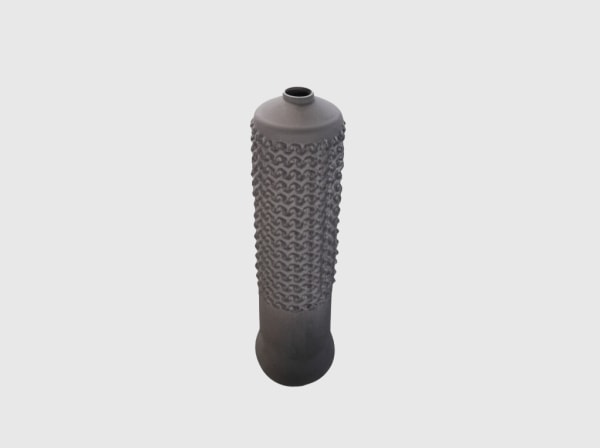
Key Machine Specifications and Features for SiC Shaping
Selecting the right silicon carbide shaping machine is a critical decision for any manufacturer or procurement professional dealing with technical ceramics manufacturing. The specifications and features of the machine directly impact the quality of the finished SiC parts, production efficiency, and overall operational costs. Here are some key aspects to consider:
1. Machine Structure and Rigidity:
- Importance: SiC machining generates significant forces. A highly rigid machine structure (e.g., made from cast iron or polymer concrete) is essential to absorb vibrations, prevent tool deflection, and ensure dimensional accuracy.
- Features to look for: Robust base, oversized linear guideways, and thermally stable construction.
2. Spindle Performance (for Grinding):
- Importance: The spindle holds and rotates the grinding wheel. Its speed, power, and runout accuracy are crucial for efficient material removal and achieving fine surface finishes.
- Features to look for: High-speed capability (RPM), adequate torque, low axial and radial runout (typically < 1-2 µm), and effective cooling to prevent thermal expansion.
3. Axis Drives and Control System:
- Importance: Precision and responsiveness of the axis drives (X, Y, Z, and potentially rotary axes) determine the accuracy of the machined features. The CNC controller is the brain of the machine.
- Features to look for: High-resolution encoders, direct drive motors (for some applications), advanced CNC controllers with look-ahead capabilities, interpolation accuracy, and specific cycles for hard material machining. User-friendly interface and compatibility with CAM software are also important.
4. Tooling System:
- Importance: For grinding, this involves the type of diamond wheels (metal, resin, vitrified, electroplated bonds), grit size, and concentration. For EDM, it’s the electrode material and wear characteristics.
- Features to look for: Automatic tool changers (ATC) for grinding machines to improve efficiency, tool life monitoring systems, and compatibility with a wide range of specialized diamond tools or EDM electrodes.
5. Coolant and Swarf Management:
- Importance: Machining SiC generates considerable heat and fine particulate matter (swarf). Effective coolant delivery is vital to prevent thermal damage to the workpiece and tool, and to flush away swarf.
- Features to look for: High-pressure coolant systems, through-spindle coolant (for grinding), efficient filtration systems to maintain coolant cleanliness, and well-designed machine enclosures with mist extraction to manage airborne particles. For EDM, a high-performance dielectric system is crucial.
6. Measurement and Probing Systems:
- Importance: In-process measurement and tool setting probes can significantly improve accuracy and reduce setup times.
- Features to look for: On-machine probing for workpiece alignment and feature measurement, laser tool setters for accurate tool length and diameter measurement.
7. Dust and Mist Extraction:
- Importance: SiC dust can be a health hazard and can also damage machine components if not properly managed.
- Features to look for: Efficient dust collection systems, fully enclosed machining areas, and mist collectors, especially for operations involving coolants.
Below is a table summarizing key machine features for different SiC shaping technologies:
| Feature Category | CNC Grinding | EDM (for SiC) | Laser Machining (for SiC) | Ultrasonic Machining (for SiC) |
|---|---|---|---|---|
| Primary Tool | Diamond Grinding Wheel | Electrode (e.g., graphite, copper tungsten) | Focused Laser Beam | Vibrating Tool & Abrasive Slurry |
| Machine Rigidity | Very High | Moderate to High | Moderate | Moderate to High |
| Spindle/Head | High Speed, High Power, Low Runout | Precision Servo for Electrode Advance/Retract | Laser Source, Optics, Beam Delivery System | Ultrasonic Transducer, Sonotrode |
| Control System | Multi-axis CNC, Grinding-specific cycles | EDM-specific CNC, Pulse Generator Control | CNC for Beam Path, Laser Parameter Control | CNC for Tool Path, Amplitude/Frequency Control |
| Coolant/Dielectric | High-Pressure Coolant, Filtration | Temperature-controlled Dielectric, Filtration | Assist Gas, Fume Extraction | Abrasive Slurry Circulation & Filtration |
| Material Removal Rate | Moderate to High (depending on setup) | Low to Moderate | Variable (high for thin cuts/drilling) | Low to Moderate |
| Achievable Tolerance | Very High (±1−5μm) | High (±5−10μm) | Moderate (±10−25μm) | High (±5−15μm) |
| Typical Applications | Precision surfaces, complex profiles, wear parts | Intricate cavities, sharp corners, micro-features | Cutting, drilling, scribing, micro-machining | Complex 3D shapes, non-conductive SiC |
When investing in SiC shaping machines, partnering with a knowledgeable supplier like Sicarb Tech can be highly advantageous. SicSino not only offers customized silicon carbide components but also provides technology transfer for setting up entire SiC production facilities, including guidance on selecting the optimal machinery based on your specific product portfolio and production goals. Their domestic top-tier professional team, specializing in customized SiC production, ensures that the recommended equipment aligns with cutting-edge manufacturing practices.
Design Considerations for Manufacturing with SiC Shaping Machines
Designing components for manufacturability (DFM) is a critical step in ensuring efficient production, cost-effectiveness, and optimal performance, especially when working with challenging materials like silicon carbide. The capabilities and limitations of silicon carbide shaping machines must be considered early in the design phase of custom SiC parts. Ignoring these considerations can lead to increased machining times, higher costs, compromised component integrity, or even render a design unmanufacturable.
Key DFM Principles for SiC Components:
- Simplify Geometries Where Possible: While advanced shaping machines can produce complex shapes, simpler designs are generally faster and less expensive to machine. Evaluate if intricate features are truly necessary for the component’s function.
- Avoid Sharp Internal Corners: Most grinding tools have a radius, making perfectly sharp internal corners difficult and time-consuming to achieve. Design with internal radii wherever possible. EDM can create sharper corners but may still have limitations.
- Engineering Tip: Specify the largest acceptable internal radius to reduce machining complexity.
- Consider Wall Thickness and Aspect Ratios: Thin walls and high aspect ratio features (e.g., deep, narrow slots or tall, slender pins) are prone to vibration, chipping, and breakage during machining.
- Minimum Wall Thickness: This depends on the SiC grade and overall part size, but generally, thicker walls are more robust for machining. Consult with your SiC manufacturing partner like SicSino for specific guidelines.
- Aspect Ratios: For holes, aim for depth-to-diameter ratios that are manageable for the chosen shaping technology (e.g., <5:1 for standard grinding, though specialized techniques can go higher).
- Standardize Tolerances: Apply tight tolerances only where functionally necessary. Over-tolerancing significantly increases machining time and cost. Use geometric dimensioning and tolerancing (GD&T) to clearly define critical features.
- Access for Tooling: Ensure that the features to be machined are accessible to the cutting tool (grinding wheel, EDM electrode, laser beam, or ultrasonic tool). Deep pockets or internal features with limited access points can be challenging.
- Material Grade Selection: The specific grade of SiC (e.g., SSiC, RBSiC, SiSiC) will influence its machinability. Some grades are harder or more brittle than others. Discuss material selection with your supplier early in the design process to balance performance requirements with manufacturing feasibility. Sicarb Tech offers various SiC grades and can advise on the best choice for your application and shaping process.
- Surface Finish Requirements: Specify the required surface finish (e.g., Ra value) based on the functional needs of the part. Achieving extremely fine finishes requires additional processing steps (e.g., lapping, polishing) which add to the cost.
- Datum Features: Clearly define datum features for consistent setup and inspection during manufacturing.
- Consider Batch Size: For very small batches or prototypes, some complex features might be feasible even if costly. For large-scale production of OEM SiC components, design choices that simplify machining will have a greater impact on overall cost.
Collaborating closely with your SiC component manufacturer during the design phase is crucial. Companies like Sicarb Tech, with their integrated process from materials to products and deep understanding of advanced ceramics shaping, can provide invaluable DFM feedback. This collaborative approach ensures that the design is optimized for efficient production on silicon carbide shaping machines, leading to higher quality parts, reduced lead times, and lower costs for wholesale technical ceramics buyers.
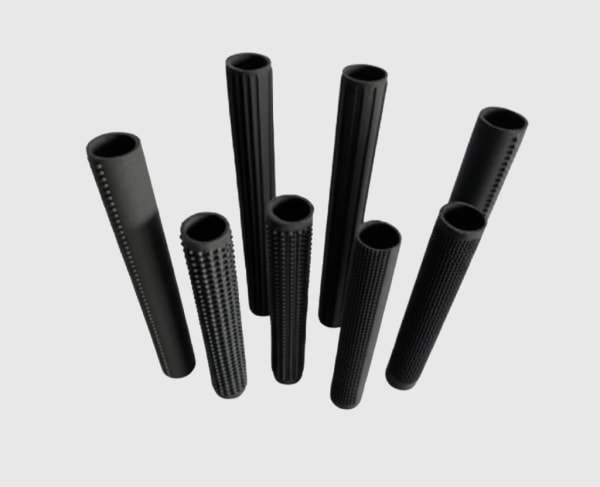
Achievable Tolerances, Surface Finishes, and Complex Geometries with Modern Shaping Equipment
The advancements in silicon carbide shaping machine technology have revolutionized the production of custom SiC parts, enabling manufacturers to achieve unprecedented levels of precision, intricate designs, and superior surface quality. These capabilities are essential for industries that rely on high-performance ceramic parts to push the boundaries of technology.
Tolerances: The achievable dimensional and geometric tolerances on SiC components are highly dependent on the shaping technology employed, the specific SiC grade, the part’s complexity and size, and the quality of the machine tool itself.
- CNC Grinding: This method is renowned for its ability to achieve very tight tolerances. For critical dimensions, tolerances of ±0.001 mm to ±0.005 mm (1 to 5 microns) are often attainable, particularly on smaller, less complex features. Overall form tolerances (flatness, parallelism, perpendicularity) can also be held to a few microns.
- EDM: Electrical Discharge Machining can also achieve impressive tolerances, typically in the range of ±0.005 mm to ±0.010 mm (5 to 10 microns), especially for intricate internal features or complex profiles that are challenging for grinding.
- Laser Machining: Tolerances with laser machining are generally wider, often in the ±0.010 mm to ±0.050 mm range, depending on the material thickness and the specific laser process (cutting, drilling). It excels in speed for certain applications rather than ultimate precision.
- Ultrasonic Machining: USM can achieve tolerances comparable to EDM, typically around ±0.005 mm to ±0.015 mm, and is particularly useful for non-conductive SiC and fragile parts.
Surface Finishes: The surface finish of a SiC component is critical for many applications, affecting friction, wear, sealing capability, and optical properties.
- As-Machined (Grinding): Standard CNC grinding can typically produce surface finishes with an average roughness (Ra) of 0.2μm to 0.8μm. Fine grinding operations can achieve even better finishes, down to Ra 0.1μm.
- Lapping and Polishing: For applications requiring ultra-smooth surfaces (e.g., mirrors, seals, semiconductor handling parts), post-machining processes like lapping and polishing are employed. These processes can achieve surface finishes with Ra values below 0.02μm (20 nanometers), and in some cases, even into the angstrom range for super-polished surfaces. These operations are often performed on dedicated lapping/polishing machines.
- EDM Surface: The surface finish from EDM is typically rougher than grinding, often in the Ra 0.8μm to 3.2μm range, characterized by small craters from the spark erosion. Post-processing may be needed if a smoother finish is required.
Complex Geometries: Modern advanced ceramics shaping equipment has unlocked the potential to create SiC components with highly complex geometries that were previously unimaginable.
- Multi-Axis CNC Grinding: 5-axis CNC grinding machines can produce parts with complex curves, contoured surfaces, angled holes, and blended features.
- EDM: Ideal for sharp internal corners, deep and narrow slots, complex internal cavities, and features that are inaccessible to grinding wheels. Wire EDM can cut intricate profiles through SiC plates.
- Laser Machining: Enables micro-drilling of thousands of holes, cutting complex 2D patterns, and creating fine surface textures or channels.
- Ultrasonic Machining: Allows for the creation of 3D cavities, non-circular holes, and intricate surface features on both conductive and non-conductive SiC.
The ability to produce such precise and complex industrial SiC components is a testament to the synergy between advanced material science and sophisticated machine technology. Sicarb Tech, leveraging its position in Weifang City – the hub of China’s SiC industry – and its strong ties to the Chinese Academy of Sciences, is at the forefront of providing these capabilities. Their expertise in material, process, design, measurement, and evaluation technologies ensures that customers receive SiC parts that meet the most demanding specifications.
| Shaping Technology | Typical Achievable Tolerance (mm) | Typical Surface Finish (Ra, µm) Post-Primary Shaping | Complexity Capability |
|---|---|---|---|
| CNC Grinding | ±0.001 to ±0.010 | 0.1 to 0.8 (can be improved by fine grinding) | Complex contours, precision surfaces, angled features |
| EDM | ±0.005 to ±0.015 | 0.8 to 3.2 | Sharp internal corners, deep cavities, intricate profiles |
| Laser Machining | ±0.010 to ±0.050 | Variable (can be rough, depends on process) | Micro-holes, cutting thin sheets, scribing, surface texturing |
| Ultrasonic Machining | ±0.005 to ±0.015 | 0.2 to 1.6 | Complex 3D cavities, non-circular holes, fragile parts |
| Lapping/Polishing | Improves form tolerance | <0.02 to 0.1 (Super-polishing even finer) | Primarily for planar or simple curved surfaces |
This table illustrates the general capabilities. For specific custom SiC product requirements, consulting with experts like those at SicSino is essential to determine the optimal shaping strategy.
Integrating SiC Shaping Machines into Your Production Line: Automation and Workflow
Integrating silicon carbide shaping machines effectively into a production line involves more than just purchasing the equipment. It requires careful consideration of automation, workflow optimization, data management, and ancillary processes to maximize efficiency, ensure quality, and achieve cost-effective technical ceramics manufacturing. Whether you are an OEM SiC components manufacturer or a company producing specialized industrial SiC components, a well-thought-out integration strategy is key.
Automation in SiC Shaping: Automation can play a significant role in enhancing the productivity and consistency of SiC shaping operations.
- Robotic Loading/Unloading: Robots can be used to load raw SiC blanks into the shaping machines and unload finished or semi-finished parts. This reduces manual labor, increases machine utilization (enabling lights-out operation), and improves safety.
- Automatic Tool Changers (ATC): Common on CNC grinding centers, ATCs allow the machine to automatically switch between different grinding wheels (e.g., for roughing and finishing operations) without manual intervention, reducing setup times and enabling more complex machining sequences.
- In-Process Measurement and Feedback: Automated probing systems can measure critical dimensions during or after machining. This data can be fed back to the CNC controller to make automatic adjustments (e.g., compensating for tool wear), ensuring parts remain within tolerance.
- Pallet Systems: For high-volume production, pallet changers allow multiple workpieces to be pre-loaded onto pallets. When one pallet is being machined, another can be prepared, minimizing machine downtime.
Workflow Optimization: A streamlined workflow is crucial for efficient SiC component production.
- CAM Software Integration: Computer-Aided Manufacturing (CAM) software is essential for generating the complex toolpaths required for SiC shaping machines. Seamless integration between CAD (Computer-Aided Design) software, CAM software, and the machine’s CNC controller is vital. This allows design changes to be quickly translated into updated machining programs.
- Process Sequencing: Determine the optimal sequence of operations. For example, rough machining might be followed by heat treatment (if applicable to the SiC grade or for stress relief), then finish machining, and finally lapping/polishing if required.
- Data Management: Implementing systems to track production data, machine performance, tool life, and quality control metrics is important for continuous improvement and traceability.
- Ancillary Equipment: Consider the need for and integration of supporting equipment such as:
- Coolant management systems (filtration, chillers)
- Swarf handling and disposal systems
- Parts cleaning stations
- Metrology labs for quality inspection (CMMs, surface profilometers, optical comparators)
Turnkey Solutions and Technology Transfer: For companies looking to establish or upgrade their SiC production capabilities, partnering with an experienced organization can be invaluable. Sicarb Tech stands out in this regard. Located in Weifang City, the epicenter of China’s SiC industry, SicSino doesn’t just supply custom components; they offer comprehensive technology transfer for professional silicon carbide production. This includes:
- Factory Design: Assistance in designing an efficient SiC manufacturing plant layout.
- Procurement of Specialized Equipment: Guidance on selecting and sourcing not only silicon carbide shaping machines but also all other necessary equipment for a complete production line.
- Installation and Commissioning: Support in installing and setting up the machinery.
- Trial Production and Training: Assistance with initial production runs and training for your personnel.
This turnkey project approach ensures a more effective investment, reliable technology transformation, and a guaranteed input-output ratio. SicSino’s backing by the Chinese Academy of Sciences National Technology Transfer Center and their wide array of technologies (material, process, design, measurement & evaluation) make them a uniquely qualified partner for businesses aiming to achieve excellence in SiC manufacturing. Their integrated process from materials to products means they understand the entire value chain, providing holistic support.
By focusing on automation and optimizing the entire workflow, manufacturers can significantly enhance the efficiency and cost-effectiveness of their SiC shaping operations, meeting the growing demand for high-performance ceramic parts across diverse industries.
Choosing the Right Supplier for SiC Shaping Machines and Custom Components
Selecting the right supplier is a critical decision that significantly impacts the quality, cost, and lead time of your custom silicon carbide parts or the efficiency of your silicon carbide shaping machine if you’re purchasing equipment. Whether you are an engineer designing a new component, a procurement manager sourcing wholesale technical ceramics, or an OEM looking for reliable OEM SiC components, careful evaluation of potential suppliers is paramount.
Key Criteria for Evaluating a SiC Product/Equipment Supplier:
- Technical Expertise and Experience:
- Material Knowledge: Deep understanding of various SiC grades (RBSiC, SSiC, SiSiC, NBSC, etc.) and their specific properties and applications.
- Manufacturing Capabilities: Proven track record in shaping SiC to tight tolerances and complex geometries. For machine suppliers, this means expertise in the design, construction, and application of their equipment.
- Engineering Support: Ability to provide design for manufacturability (DFM) feedback, material selection advice, and problem-solving assistance.
- Quality Management Systems:
- Certifications: Look for certifications like ISO 9001, which indicate a commitment to quality control and process consistency.
- Inspection and Testing Capabilities: In-house metrology labs with advanced inspection equipment (CMMs, profilometers, optical inspection systems) to verify dimensional accuracy and surface finish.
- Traceability: Ability to trace materials and processes throughout the manufacturing cycle.
- Range of Shaping Technologies Offered:
- A supplier with access to multiple shaping technologies (grinding, EDM, laser, ultrasonic) can offer the most suitable and cost-effective solution for your specific part requirements. For equipment suppliers, a diverse portfolio or specialization in a needed technology is key.
- Customization Capabilities:
- Willingness and ability to produce highly customized SiC components tailored to unique specifications. This includes handling complex designs, non-standard sizes, and specific material formulations.
- Reputation and References:
- Check customer testimonials, case studies, and industry reputation. Request references from companies in similar industries or with similar applications.
- Cost-Effectiveness and Lead Times:
- Transparent pricing structure. While cost is a factor, it should be balanced against quality, reliability, and technical support.
- Realistic and reliable lead times. Understand their capacity and production planning capabilities.
- Location and Supply Chain Management (for product suppliers):
- Consider the supplier’s location and its implications for logistics, shipping costs, and communication.
- Robust supply chain management to ensure material availability and mitigate disruptions.
Why Sicarb Tech is a Trusted Partner:
When it comes to custom silicon carbide products and technology transfer, Sicarb Tech offers a compelling value proposition:
- Deep Industry Roots: Situated in Weifang City, the heart of China’s SiC industry, SicSino has been instrumental in advancing local SiC production technology since 2015. They possess an intimate understanding of the entire SiC ecosystem.
- Strong Technological Backing: As part of the Chinese Academy of Sciences (Weifang) Innovation Park and collaborating closely with the National Technology Transfer Center of the Chinese Academy of Sciences, SicSino leverages top-tier scientific capabilities and a vast talent pool. This ensures access to cutting-edge material, process, design, and evaluation technologies.
- Proven Expertise: Their professional team specializes in customized SiC production, having supported numerous local enterprises. They offer an integrated process from materials to finished products, ensuring quality and performance.
- Comprehensive Solutions: SicSino provides not only high-quality, cost-competitive custom SiC components but also turnkey project services for establishing specialized SiC factories. This includes technology transfer, factory design, equipment procurement (including silicon carbide shaping machines), installation, and trial production.
- Reliable Quality and Supply: Their commitment to quality and their strategic position within China’s SiC hub ensure reliable supply and adherence to stringent standards.
The table below provides a checklist for evaluating potential SiC suppliers:
| Evaluation Criterion | Key Considerations | Importance Level |
|---|---|---|
| Technical Expertise | Years in business, engineer experience, material knowledge, understanding of shaping processes | Very High |
| Quality Systems | ISO certification, inspection equipment, QC procedures, traceability | Very High |
| Manufacturing Capability | Range of SiC grades, available shaping machines (grinding, EDM, etc.), tolerance achievement, surface finish control | Very High |
| Customization Support | DFM support, willingness to handle complex/unique designs, prototyping services | High |
| Cost & Lead Time | Competitive pricing, transparent quotes, on-time delivery record | High |
| Customer Service | Responsiveness, communication clarity, post-delivery support | Medium to High |
| Reputation & Reliability | Customer reviews, case studies, industry standing | High |
| Technology Transfer (if applicable) | Experience in plant setup, equipment sourcing, training programs (as offered by SicSino) | Very High |
Choosing the right supplier is an investment in the success of your projects. For those seeking custom silicon carbide solutions or expertise in establishing technical ceramics manufacturing, Sicarb Tech represents a reliable, technologically advanced, and supportive partner.
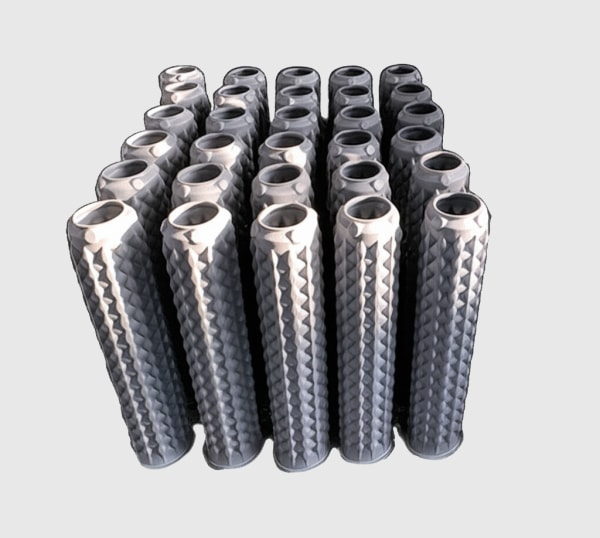
Frequently Asked Questions (FAQ)
Q1: What are the primary challenges in machining silicon carbide with shaping machines, and how are they overcome? A1: The primary challenges in machining silicon carbide stem from its extreme hardness and brittleness. * Hardness: Leads to rapid tool wear (e.g., grinding wheels, EDM electrodes). This is overcome by using superabrasive tool materials like diamond for grinding wheels, specialized electrode materials for EDM, and optimizing cutting parameters (speeds, feeds, depth of cut) to balance material removal rate with tool life. Advanced tool coatings and geometries also help. * Brittleness: Makes SiC prone to chipping, micro-cracking, and fracture if not machined carefully. This is mitigated by using machines with high rigidity and low vibration, employing appropriate coolant to reduce thermal shock and stress, using gradual material removal techniques (e.g., multiple shallow passes), and careful design considerations (e.g., avoiding sharp internal corners, ensuring sufficient wall thickness). Processes like EDM and ultrasonic machining inherently induce lower mechanical stresses. * Dust Generation: Fine SiC dust produced during grinding can be a health hazard and can damage machine components. Effective dust extraction and coolant filtration systems are essential. * Achieving Tight Tolerances & Fine Finishes: Requires high-precision machines, meticulous process control, and often multi-stage operations (e.g., roughing, finishing, lapping/polishing). Sicarb Tech leverages its deep understanding of SiC material properties and extensive experience in process optimization to address these challenges effectively, ensuring high-quality custom SiC parts.
Q2: What types of SiC shaping machines are best for producing complex 3D geometries in custom SiC components? A2: Several types of silicon carbide shaping machines are well-suited for complex 3D geometries, often used in combination: * 5-Axis CNC Grinding Machines: These machines provide simultaneous movement along five axes, allowing the diamond grinding wheel to approach the workpiece from various angles. This is excellent for creating complex contours, sculpted surfaces, angled holes, and blended features on industrial SiC components. * Electrical Discharge Machining (EDM): Both sinker EDM and wire EDM are highly effective for intricate 3D shapes. Sinker EDM can create complex cavities, molds, and internal features by using a shaped electrode. Wire EDM can cut intricate profiles and internal shapes. EDM is particularly good for features that are difficult or impossible to reach with conventional grinding tools, such as sharp internal corners or deep, narrow slots. * Ultrasonic Machining (USM): USM excels at creating complex 3D cavities and features, especially in non-conductive SiC grades or for applications requiring minimal induced stress. The vibrating tool can be shaped to impart its form into the SiC material. The choice depends on the specific geometry, material conductivity, required tolerances, surface finish, and production volume. Expert suppliers like SicSino can recommend the optimal shaping strategy, potentially combining these technologies, for your advanced ceramics shaping needs.
Q3: How does Sicarb Tech ensure the quality and cost-effectiveness of custom SiC components produced using their shaping technologies? A3: Sicarb Tech ensures quality and cost-effectiveness through several integrated approaches: * Advanced Technology & Expertise: Leveraging their connection with the Chinese Academy of Sciences and their location in Weifang, China’s SiC hub, SicSino employs state-of-the-art material science, process technologies, and shaping equipment. Their professional team has deep expertise in the entire SiC production chain. * Integrated Process Control: SicSino manages the entire process from raw material selection and preparation to final shaping, finishing, and rigorous quality inspection. This vertical integration allows for tight control over every stage, ensuring consistency and minimizing defects. * Design for Manufacturability (DFM): They work closely with customers on DFM to optimize designs for efficient shaping, reducing machining time and material waste, which directly impacts cost-effectiveness. * Strategic Sourcing & Location: Being in Weifang provides access to a well-established supply chain for raw materials and ancillary services, contributing to cost competitiveness. * Customized Solutions: By offering a wide array of technologies (material, process, design, measurement & evaluation), SicSino can tailor the production method to the specific requirements of the custom SiC part, ensuring that the most efficient and effective shaping machines and processes are used. * Technology Transfer Model: For clients wishing to establish their own production, SicSino’s turnkey solutions, including factory design and equipment procurement advisory, aim to build cost-effective and high-output facilities from the outset. This holistic approach allows SicSino to deliver higher-quality, cost-competitive customized silicon carbide components while also supporting clients in developing their own robust manufacturing capabilities.
Conclusion: Shaping the Future with Precision SiC Components
The journey through the intricacies of silicon carbide shaping machine technology underscores their indispensable role in modern industry. From the robust power of CNC grinding to the finesse of EDM and laser machining, these machines are the engines driving the production of custom silicon carbide parts that define performance in sectors like semiconductors, aerospace, energy, and industrial manufacturing. The ability to achieve micron-level tolerances, mirror-like surface finishes, and complex geometries in one of the world’s hardest materials is a testament to ongoing innovation in technical ceramics manufacturing.
For businesses seeking to leverage the extraordinary benefits of SiC, understanding the capabilities of these shaping machines is crucial. It informs design choices, clarifies manufacturing possibilities, and guides the selection of proficient partners. Companies like Sicarb Tech, with their deep-rooted expertise in Weifang – China’s SiC heartland – and their strong backing from the Chinese Academy of Sciences, exemplify the pinnacle of SiC production knowledge. They not only supply superior industrial SiC components and OEM SiC components but also empower global partners through comprehensive technology transfer, helping to establish state-of-the-art SiC manufacturing facilities.
As industries continue to demand higher performance, greater efficiency, and components that can withstand extreme environments, the precision and sophistication of silicon carbide shaping machines and the expertise of suppliers like SicSino will be ever more critical in shaping a technologically advanced future. Investing in high-quality custom SiC, manufactured with the best available shaping technology, is an investment in reliability, longevity, and competitive advantage.

About the Author: Sicarb Tech
We provide clear and reliable insights into silicon carbide materials, component manufacturing, application technologies, and global market trends. Our content reflects industry expertise, practical experience, and a commitment to helping readers understand the evolving SiC landscape.
Customizable SiC
You May Also Interest
-
![]()
SiC vs Boron Nitride: Thermal Solution Insights
SiC vs Boron Nitride: Thermal Solution Insights In the demanding world of advanced industrial applications, material selection is paramount. Engineers, procurement managers, and technical buyers across sectors like semiconductors, aerospace, and power electronics constantly seek materials that offer superior performance under extreme conditions. While boron nitride (BN) has its merits, custom silicon carbide (SiC) products…
-
![]()
Hot Pressed Silicon Carbide: The Apex of Performance in Extreme Industrial Environments
In the relentless pursuit of materials that can withstand the harshest industrial conditions, Hot Pressed Silicon Carbide (HPSiC) emerges as a frontrunner. This advanced ceramic material is engineered for exceptional performance where other materials falter, making it indispensable across a spectrum of demanding sectors. For engineers, procurement managers, and technical buyers in fields like semiconductors,…
-
![]()
SiC vs Alumina Zirconia: A Toughness Comparison
SiC vs Alumina Zirconia: A Toughness Comparison In the demanding world of high-performance industrial applications, material selection is paramount. Engineers, procurement managers, and technical buyers constantly seek materials that can withstand extreme conditions, offering superior durability, thermal stability, and wear resistance. Among the top contenders in advanced ceramics are custom silicon carbide (SiC) and alumina…