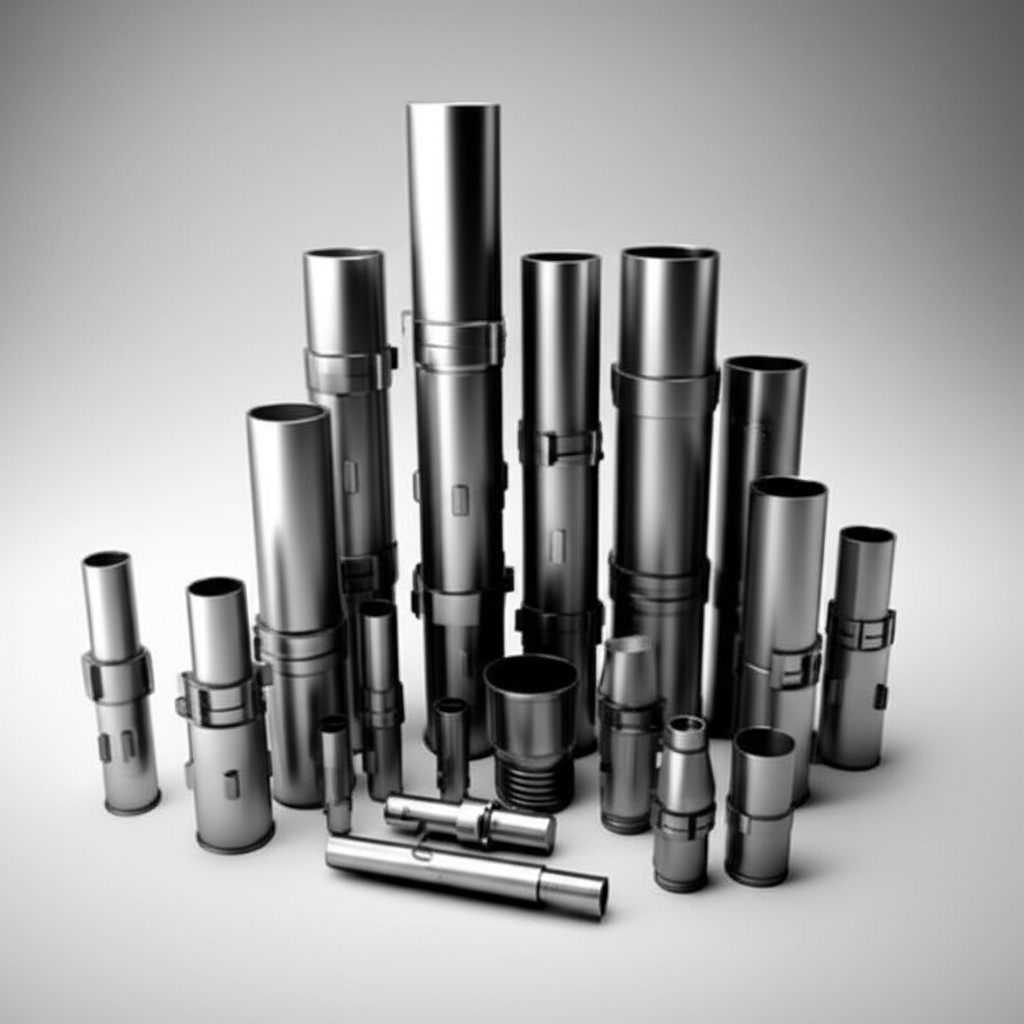
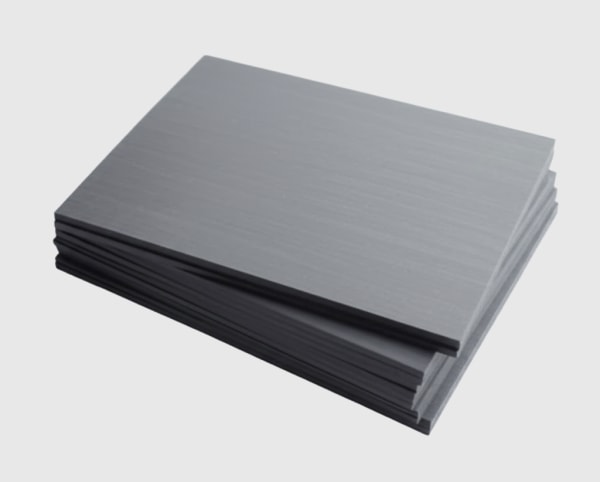
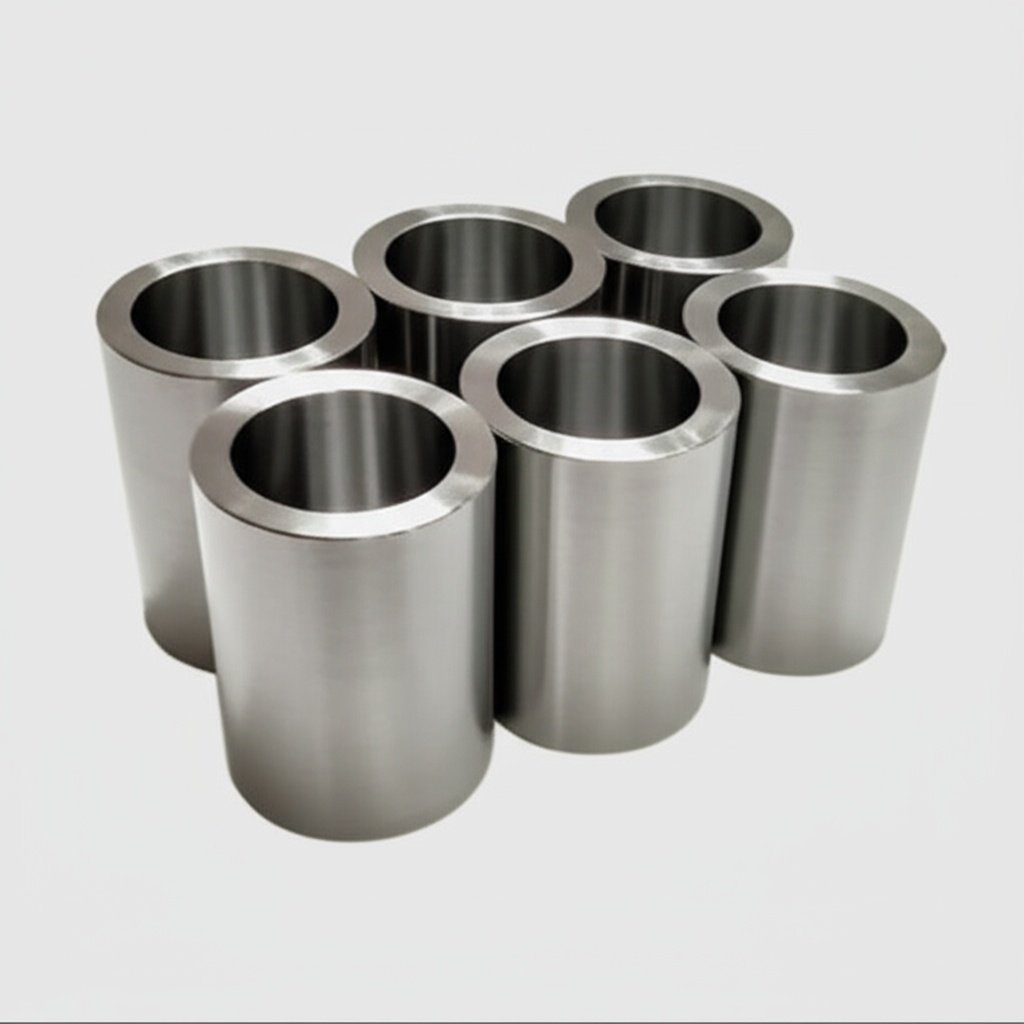
Silicon Carbide Powder: The Foundation for High-Performance Industrial Solutions
Share
In the demanding landscape of modern industry, the quest for materials that can withstand extreme conditions while delivering unparalleled performance is perpetual. Among the frontrunners in this pursuit is silicon carbide (SiC), a remarkable ceramic material renowned for its exceptional hardness, thermal conductivity, and resistance to wear and chemical attack. The journey to harnessing these properties often begins with silicon carbide powder, the fundamental building block for a vast array of high-performance components. This blog post delves into the world of SiC powder, exploring its characteristics, manufacturing, applications, and the critical considerations for sourcing this versatile material for your industrial needs. We will also shed light on how Sicarb Tech, a leader in custom silicon carbide solutions, leverages high-quality SiC powder to deliver cutting-edge products.
Unveiling the Potential of Silicon Carbide Powder in High-Performance Industrial Applications
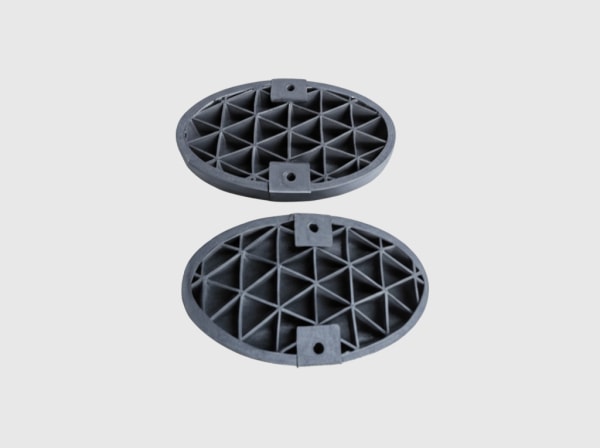
Silicon carbide (SiC) is a synthetic compound of silicon and carbon, first discovered accidentally by Edward Goodrich Acheson in 1891. Initially prized for its abrasive qualities, its true potential across a spectrum of demanding applications has since been unlocked. Silicon carbide powder serves as the essential precursor for manufacturing a wide range of SiC ceramics, including Reaction-Bonded Silicon Carbide (RBSiC), Sintered Silicon Carbide (SSiC), and Silicon Infiltrated Silicon Carbide (SiSiC). These materials are indispensable in industries where components must endure high temperatures, corrosive environments, and significant mechanical stress.
The significance of SiC powder lies in its inherent properties, which are transferred and often enhanced in the final consolidated SiC parts. Engineers and procurement managers in sectors like semiconductor manufacturing, aerospace, energy, and industrial manufacturing increasingly specify SiC components due to their superior performance characteristics compared to traditional metals and other ceramics. The ability to tailor the properties of the final SiC product often starts with the careful selection and processing of the initial SiC powder. This includes controlling particle size distribution, purity, and morphology, which are critical factors influencing the density, strength, and overall performance of the finished ceramic components. As a key player located in Weifang City, the hub of China’s silicon carbide customizable parts manufacturing, Sicarb Tech has been instrumental in advancing SiC production technology since 2015, underscoring the importance of high-quality raw materials like SiC powder. Our deep understanding of how powder characteristics translate to final product excellence allows us to provide unparalleled customizing support for diverse industrial requirements.
The Science Behind Silicon Carbide Powder: Key Characteristics and Advantages
The remarkable performance of silicon carbide components is intrinsically linked to the fundamental properties of the SiC powder from which they are derived. Understanding these characteristics is crucial for engineers and technical buyers when specifying materials for demanding applications. High-purity SiC powder forms the basis for technical ceramics that offer a unique combination of benefits.
Key characteristics and advantages of silicon carbide include:
- Exceptional Hardness: Silicon carbide is one of the hardest commercially available materials, ranking just below diamond on the Mohs scale (around 9-9.5). This extreme hardness translates directly into superior wear and abrasion resistance for components made from SiC powder, making them ideal for applications like abrasive waterjet nozzles, slurry pump parts, and wear-resistant linings.
- High Thermal Conductivity: Unlike many other ceramics, SiC exhibits excellent thermal conductivity. This property allows components to dissipate heat rapidly, making them suitable for high-temperature applications such as heat exchangers, furnace components, and semiconductor processing equipment. The thermal conductivity can vary depending on the density and purity of the final SiC part, which is influenced by the quality of the initial powder.
- Excellent High-Temperature Strength and Stability: Silicon carbide maintains its mechanical strength and structural integrity at very high temperatures (up to 1650text°C or higher, depending on the grade). It also exhibits low thermal expansion, contributing to excellent thermal shock resistance. This makes industrial SiC components vital in environments where other materials would fail.
- Chemical Inertness and Corrosion Resistance: SiC is highly resistant to a wide range of acids, alkalis, and molten salts, even at elevated temperatures. This chemical inertness makes it an ideal material for chemical processing equipment, seals, and components exposed to corrosive media.
- Low Density: Compared to many metals and other ceramics, SiC has a relatively low density (approximately 3.1−3.2textg/cm3). This results in lighter components, which is particularly advantageous in aerospace and automotive applications where weight reduction is critical.
- Semiconductor Properties: While this blog primarily focuses on structural SiC, it’s worth noting that SiC is also a wide-bandgap semiconductor, crucial for high-power, high-frequency electronic devices. The quality of SiC powder is paramount in producing high-quality SiC wafers for these electronic applications.
The synergy of these properties makes silicon carbide a go-to material for engineers seeking solutions that push the boundaries of performance. Sicarb Tech utilizes meticulously selected SiC powders to ensure that our custom silicon carbide parts embody these outstanding characteristics, tailored to specific customer needs.
From Raw Material to Advanced Components: The Journey of Silicon Carbide Powder
The transformation of silicon carbide powder into robust, high-performance ceramic components is a sophisticated process involving several key manufacturing stages. The journey begins with the production of the SiC powder itself, followed by various consolidation and sintering techniques to create the desired shapes and achieve the targeted material properties.
Production of Silicon Carbide Powder: The most common method for producing SiC powder is the Acheson process. This involves heating a mixture of high-purity silica sand (silicon dioxide, SiO_2) and carbon (typically petroleum coke) to very high temperatures (around 2500text°C) in an electric resistance furnace. The overall reaction can be simplified as: SiO2+3C→SiC+2CO (gas) The resulting SiC material forms a crystalline mass, which is then crushed, milled, and classified to produce powders of varying particle sizes and grades. Other synthesis methods, such as chemical vapor deposition (CVD) based routes or sol-gel techniques, can produce finer, higher-purity, or specialized SiC powders, particularly for advanced electronic or nano-applications.
Consolidation and Sintering of SiC Powder to Form Components: Once the appropriate SiC powder is selected, it is mixed with binders and other additives to create a formable mixture. This mixture is then shaped using various ceramic forming techniques:
- Pressing (Dry, Cold Isostatic, Hot Isostatic): Powder is compacted in a die to form a green body.
- Slip Casting: A suspension of SiC powder (slip) is poured into a porous mold, which absorbs the liquid, leaving a solid layer.
- Extrusion: A paste-like mixture is forced through a die to create continuous shapes like tubes or rods.
- Injection Molding: Suitable for complex shapes, where the SiC powder mixed with a polymer binder is injected into a mold.
After forming, the “green” SiC parts are subjected to a high-temperature sintering process to densify the material and develop its final microstructure and properties. Common types of SiC based on their manufacturing include:
- Reaction-Bonded Silicon Carbide (RBSiC or SiSiC): Porous carbon or a SiC-carbon preform is infiltrated with molten silicon. The silicon reacts with the carbon to form additional SiC, which bonds the original SiC particles. This process typically results in a material with some residual free silicon. RBSiC offers excellent wear resistance and good mechanical properties, and it’s a core offering at Sicarb Tech. You can explore our RBSiC products.
- Sintered Silicon Carbide (SSiC): Fine SiC powder is mixed with sintering aids (e.g., boron and carbon) and sintered at very high temperatures (typically 2000text°C) in an inert atmosphere. SSiC can achieve very high densities (often 98 theoretical density) and exhibits superior strength, corrosion resistance, and high-temperature performance. Weifang, with the support of Sicarb Tech, hosts numerous enterprises with advanced SSiC production capabilities. See our S-SiC offerings.
- Nitride-Bonded Silicon Carbide (NBSiC): SiC grains are bonded by a silicon nitride (Si_3N_4) phase. It offers good thermal shock resistance and is often used in refractory applications.
- Recrystallized Silicon Carbide (RSiC): High-purity SiC powder is fired at very high temperatures (around 2500text°C) causing the grains to bond together without shrinkage or sintering aids. RSiC is known for its excellent thermal shock resistance and high-temperature stability.
This journey from powder to component highlights the importance of material science and process control. Sicarb Tech, backed by the robust scientific capabilities of the Chinese Academy of Sciences , possesses a deep understanding of these processes, enabling us to deliver higher-quality, cost-competitive customized silicon carbide components.
Navigating Silicon Carbide Powder Grades and Their Industrial Significance
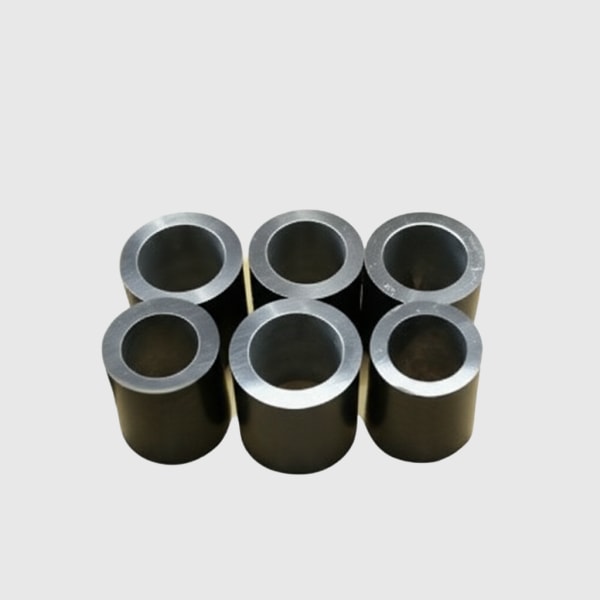
Not all silicon carbide powder is created equal. The specific characteristics of the powder – primarily its purity, particle size distribution (PSD), and crystal structure (alpha-SiC or beta-SiC) – determine its suitability for different applications and the properties of the final SiC components. Understanding these grades is crucial for procurement professionals and engineers aiming to optimize performance and cost.
Purity Levels: SiC powders are available in various purity levels.
- Technical/Industrial Grade (e.g., 90-98% SiC): These powders are cost-effective and widely used in applications like abrasives (grinding wheels, sandpaper), refractories (furnace linings, kiln furniture), and some metallurgical applications. Minor impurities can affect properties like electrical conductivity or high-temperature oxidation resistance but may be acceptable for certain uses.
- High-Purity Grade (e.g., >99% SiC): Required for more demanding applications where consistency and optimal material properties are paramount. This includes advanced ceramics, wear parts subject to extreme conditions, and some electronic substrates.
- Ultra-High Purity Grade (e.g., >99.999% SiC): Primarily used in the semiconductor industry for growing SiC single crystals for power electronic devices and LEDs. The control of specific impurities (like nitrogen and boron) is critical at these levels.
Particle Size Distribution (PSD): The size and distribution of SiC particles significantly impact the processing and final properties of SiC ceramics.
- Macrogrits (Coarse Powders): Larger particle sizes (typically hundreds of microns to millimeters) are often used in coarse abrasives, heavy-duty refractories, and as metallurgical additives.
- Microgrits (Fine Powders): Smaller particle sizes (typically sub-micron to tens of microns) are essential for producing dense, fine-grained SiC ceramics with high strength and smooth surface finishes. Finer powders generally lead to better sinterability and improved mechanical properties in the final component. For instance, SiC powder for abrasives used in lapping and polishing applications requires very specific fine grit sizes.
- Nanopowders (<100 nm): SiC nanopowders are an area of active research and development. They offer potential for creating ceramics with enhanced mechanical properties, novel functionalities, or for use in nanocomposites.
Crystal Structure: Silicon carbide exists in many polytypes (crystal structures). The most common are:
- Alpha-SiC (alpha-SiC): The more stable, high-temperature form. It has several polytypes (e.g., 4H, 6H). Most commercially available SiC powders for structural ceramics and abrasives are alpha-SiC.
- Beta-SiC (beta-SiC): A cubic form that is less common naturally but can be synthesized. It typically transforms to alpha-SiC at high temperatures. beta-SiC powders are often finer and can offer advantages in certain sintering processes or for specific electronic applications.
The choice of SiC powder grade directly influences the manufacturing process and the end performance of custom silicon carbide parts. For example, fine, high-purity alpha-SiC powders are preferred for producing dense SSiC components intended for high-wear and high-temperature environments.
| SiC Powder Characteristic | Typical Range/Options | Primary Impact on Final Component | Common Applications Influenced |
|---|---|---|---|
| Purity | 90% – >99.999% | Chemical resistance, electrical properties, high-temperature stability | Abrasives, Refractories, Advanced Ceramics, Semiconductors |
| Particle Size (D50) | Nanometers to Millimeters | Sinterability, density, surface finish, strength | Lapping compounds, Sintered parts, Coatings, Composite fillers |
| Crystal Structure | alpha-SiC, beta-SiC | Thermal properties, electrical properties, sintering behavior | Structural ceramics, Electronic substrates, High-temp components |
Sicarb Tech leverages its expertise in material science to select and process the optimal SiC powder grades for each specific application, ensuring our clients receive components that meet their exacting performance and quality standards. Our close ties with the Weifang SiC manufacturing hub, which accounts for over 80% of China’s total SiC output, provide us with access to a wide range of high-quality powders.
Diverse Applications: How Silicon Carbide Powder Fuels Innovation Across Industries
The exceptional properties of silicon carbide powder translate into a remarkably broad spectrum of applications, making it a cornerstone material for innovation in numerous industrial sectors. From everyday abrasives to critical components in cutting-edge technologies, SiC is enabling advancements where other materials fall short. Wholesale silicon carbide powder suppliers cater to these diverse needs, providing tailored grades for specific end-uses.
Here’s a look at some key industries and applications benefiting from SiC:
- Abrasives and Cutting Tools:
- Grinding Wheels & Sandpaper: Due to its extreme hardness, SiC powder for abrasives is a primary material for grinding wheels, coated abrasives (sandpaper), and lapping/polishing compounds. It is particularly effective for machining hard materials like other ceramics, cast iron, and non-ferrous metals.
- Cutting Tools & Wear Parts: SiC-based composites and coatings enhance the life and performance of cutting tools, nozzles (for sandblasting and waterjet cutting), and other components subjected to high wear.
- Refractories and High-Temperature Applications:
- Kiln Furniture & Furnace Components: SiC’s high-temperature strength, thermal conductivity, and thermal shock resistance make it ideal for kiln shelves, beams, rollers, and radiant tubes used in industrial furnaces and kilns. SiC powder for refractories is formulated to withstand these harsh environments.
- Burner Nozzles & Thermocouple Protection Tubes: Its ability to resist high temperatures and corrosive gases makes it suitable for these critical components in combustion systems.
- Semiconductor Manufacturing and Electronics:
- Wafer Processing Equipment: Components like wafer chucks, edge rings, and gas showerheads used in semiconductor fabrication equipment are increasingly made from high-purity SiC due to its thermal stability, plasma erosion resistance, and stiffness.
- Power Electronics: SiC is a wide-bandgap semiconductor material used to produce diodes, MOSFETs, and power modules that operate at higher voltages, temperatures, and frequencies than silicon-based devices. This leads to more efficient and compact power conversion systems in electric vehicles, renewable energy, and industrial drives. The journey for these devices often starts with ultra-high purity SiC powder.
- Aerospace and Defense:
- Armor Systems: The combination of high hardness and low density makes SiC an excellent material for lightweight ceramic armor plates.
- High-Temperature Components: Rocket nozzles, turbine components, and heat shields can benefit from SiC’s thermal capabilities. Aerospace grade SiC often requires stringent quality control and specific powder characteristics.
- Automotive Industry:
- Brake Discs: SiC-ceramic matrix composites (CMC-SiC) are used in high-performance automotive brake discs for their light weight, high-temperature stability, and fade resistance.
- Diesel Particulate Filters (DPFs): Porous SiC is used in DPFs to trap soot emissions from diesel engines, thanks to its thermal shock resistance and filtration efficiency.
- Mechanical Seals and Bearings: Used in water pumps and other demanding automotive applications due to superior wear resistance.
- Chemical Processing and Fluid Handling:
- Seals, Bearings, and Pump Components: The excellent corrosion and wear resistance of SiC makes it suitable for mechanical seals, bearings, valves, and pump impellers handling abrasive or corrosive fluids.
- Heat Exchangers: SiC heat exchangers are used in corrosive environments where metallic alternatives would quickly degrade.
- Energy Sector:
- Nuclear Fuel Cladding (R&D): SiC is being researched as a material for accident-tolerant fuel cladding in nuclear reactors.
- Solar Power Components: Used in various high-temperature components within concentrated solar power systems.
The versatility of SiC is evident. Sicarb Tech is proud to contribute to these diverse fields by providing custom silicon carbide parts derived from carefully selected powders, ensuring optimal performance in each unique application. Our extensive portfolio of product examples showcases our capabilities across these varied industries.
Customization and Design Flexibility: Leveraging Silicon Carbide Powder for Bespoke Solutions
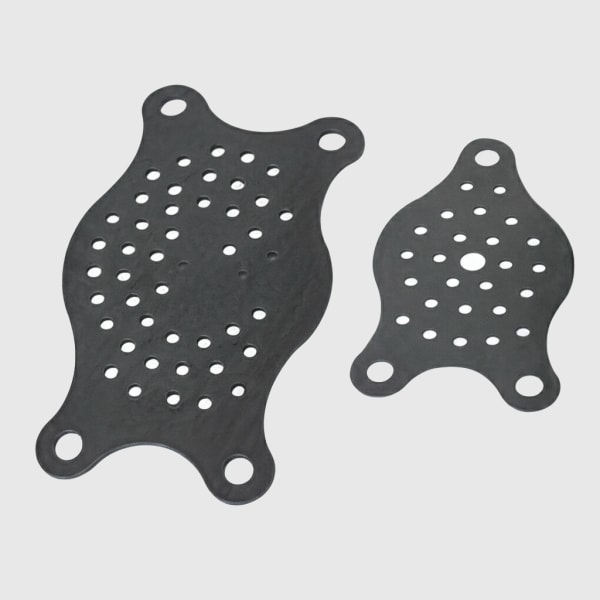
While standard SiC components serve many purposes, the true power of silicon carbide is often unlocked through customization. The properties of the initial silicon carbide powder, combined with advanced manufacturing techniques, allow for the creation of bespoke SiC solutions tailored to highly specific and demanding industrial requirements. This ability to customize is a key factor driving the adoption of technical ceramics manufacturing using SiC.
Design Considerations for Custom SiC Components: When designing custom SiC parts, several factors must be considered to ensure manufacturability, performance, and cost-effectiveness:
- Material Grade Selection: The choice of SiC grade (e.g., RBSiC, SSiC) and the underlying powder characteristics (purity, particle size) is paramount. This depends on the operating temperature, chemical environment, mechanical loads, and thermal shock conditions the component will experience.
- Geometry and Complexity: While SiC can be formed into complex shapes, limitations exist. Sharp internal corners, very thin walls, or extreme aspect ratios can pose manufacturing challenges and create stress concentration points. Design for manufacturability (DfM) principles should be applied.
- Tolerances and Surface Finish: SiC is a very hard material, making post-sintering machining (grinding, lapping) time-consuming and expensive. Designers should specify realistic tolerances and surface finishes. While very tight tolerances and smooth finishes (e.g., $R\_a \< 0.1 \\mu m$) are achievable, they add to the cost.
- Joining and Assembly: If the SiC component needs to be joined to other parts (SiC or other materials), the joining method (e.g., brazing, diffusion bonding, mechanical fastening) must be considered during the design phase.
- Wall Thickness and Stress Points: Adequate wall thickness is necessary to withstand mechanical and thermal stresses. Finite Element Analysis (FEA) can be invaluable in identifying potential stress points and optimizing the design.
- Cost Optimization: The complexity of the design, material grade, tolerances, and production volume all influence the final cost. Early collaboration with an experienced SiC supplier like Sicarb Tech can help optimize the design for both performance and cost. Our customizing support services are designed to assist clients through this entire process.
Achieving Customization with SiC Powder: The versatility of SiC powder allows for various customization avenues:
- Tailored Microstructures: By controlling the starting powder characteristics and sintering parameters, the microstructure of the final SiC component (grain size, porosity) can be tailored to achieve specific mechanical, thermal, or electrical properties.
- Near-Net Shape Manufacturing: Advanced forming techniques aim to produce components as close to their final dimensions as possible, minimizing the need for costly machining. This relies heavily on the flowability and packing density of the SiC powder mixture.
- Composite Materials: SiC powder can be used as a reinforcement phase in metal matrix composites (MMCs) or ceramic matrix composites (CMCs), or as a matrix material itself, to create materials with unique property combinations.
Sicarb Tech, with its deep expertise in SiC material science and manufacturing processes, excels in providing OEM SiC components and bespoke solutions. Our team works closely with clients from the initial design concept through to production, ensuring that the final product perfectly aligns with their application requirements. We leverage our position within Weifang’s SiC manufacturing ecosystem and our strong backing from the Chinese Academy of Sciences to turn complex challenges into reliable, high-performance SiC solutions.
Partnering for Excellence: Selecting Your Silicon Carbide Powder and Custom Component Supplier – Why Sicarb Tech Stands Out
Choosing the right supplier for silicon carbide powder and, more critically, for finished custom silicon carbide parts is a decision that significantly impacts the quality, performance, and reliability of your end products. In a market with numerous providers, identifying a partner that offers not just materials but also technical expertise, consistent quality, and robust support is essential. This is where Sicarb Tech distinguishes itself as a premier choice for wholesale buyers, technical procurement professionals, OEMs, and distributors worldwide.
Key Factors in Selecting a SiC Supplier:
- Material Quality and Consistency: The foundation of any high-performance SiC component is the quality of the raw SiC powder and the control over the manufacturing process. Look for suppliers who can demonstrate stringent quality control measures, from raw material inspection to final product testing. Consistency in batch-to-batch properties is crucial.
- Technical Expertise and Customization Capabilities: A knowledgeable supplier can provide invaluable guidance on material selection, design optimization, and application-specific solutions. The ability to customize components to precise specifications, including complex geometries and tight tolerances, is a significant advantage. Sicarb Tech prides itself on its customizing support, backed by a top-tier professional team.
- Manufacturing Capabilities and Technology: Assess the supplier’s manufacturing facilities, equipment, and the range of SiC grades they can produce (e.g., RBSiC, SSiC, SiSiC). Advanced technology often translates to higher quality and more sophisticated component capabilities. Our access to a wide array of technologies, including material, process, design, and measurement, allows us to meet diverse needs. You can learn more about our main equipment and production processes.
- Certifications and Compliance: Depending on your industry (e.g., aerospace, medical), specific certifications (like ISO 9001) and compliance with industry standards may be required.
- Supply Chain Reliability and Lead Times: A reliable supply chain ensures timely delivery and minimizes disruptions to your operations. Discuss lead times, especially for custom orders, and the supplier’s capacity to handle varying order volumes.
- Cost-Effectiveness: While price is a factor, it should be balanced against quality, performance, and supplier support. The lowest price may not always represent the best overall value.
- Reputation and Customer References: Look for suppliers with a proven track record and positive customer feedback. Case studies and testimonials can offer insights into a supplier’s capabilities and reliability.
Why Choose Sicarb Tech?
Sicarb Tech is strategically positioned to be your trusted partner for all your silicon carbide needs. Here’s why:
- Location and Industry Hub: We are situated in Weifang City, the heart of China’s silicon carbide customizable parts manufacturing. This region hosts over 40 SiC production enterprises, accounting for over 80% of China’s total output. We have been integral to this development since 2015, assisting local enterprises with technological advancements.
- Strong Scientific Backing: As part of the Chinese Academy of Sciences (Weifang) Innovation Park and collaborating closely with the National Technology Transfer Center of the Chinese Academy of Sciences , we capitalize on robust scientific capabilities and a rich talent pool. This ensures that our products and technical support are at the forefront of SiC technology. Learn more about us and our unique foundation.
- Comprehensive Technical Expertise: Our domestic top-tier professional team specializes in the customized production of SiC products. We have supported over 10 local enterprises with our technologies, covering materials, processes, design, measurement, and evaluation – an integrated approach from raw materials to finished products.
- Guaranteed Quality and Supply: We are committed to providing higher-quality, cost-competitive customized silicon carbide components. Our deep involvement in the local SiC industry ensures reliable supply and adherence to the highest standards.
- Technology Transfer Services: Beyond supplying components, Sicarb Tech can assist you in establishing your own specialized SiC production facility. We offer turnkey project services, including factory design, equipment procurement, installation, commissioning, and trial production. This unique offering underscores our deep technological capabilities and commitment to advancing the SiC industry globally.
For SiC material sourcing and the development of OEM SiC components, partnering with Sicarb Tech means collaborating with a leader dedicated to quality, innovation, and customer success. We invite you to contact us to discuss your specific requirements.
Frequently Asked Questions (FAQ) about Silicon Carbide Powder and Custom SiC Components
To further assist engineers, procurement managers, and technical buyers, here are answers to some frequently asked questions regarding silicon carbide powder and the custom SiC components derived from it.
What are the main differences between green and black silicon carbide powder? Green and black silicon carbide powders are the two main types of alpha-SiC produced by the Acheson process.
- Black Silicon Carbide Powder: Typically contains around 98.5% SiC (though grades vary). It is made from petroleum coke and quartz sand. It is generally tougher and more friable (breaks down to expose new sharp edges) than green SiC. Black SiC is widely used for grinding cast iron, non-ferrous metals (like brass, bronze, aluminum), and non-metallic materials (stone, rubber, wood). It’s often preferred for applications requiring high stock removal.
- Green Silicon Carbide Powder: Generally has a higher purity, often exceeding 99% SiC. It is produced from higher purity petroleum coke and silica. Green SiC is harder and more brittle than black SiC. It is primarily used for grinding hard and brittle materials like cemented carbides, optical glass, ceramics, and titanium alloys. It’s also used in applications where higher purity is critical, such as in fine lapping or certain specialized refractories.
How does particle size of SiC powder affect the properties of the final ceramic part? The particle size and distribution of the silicon carbide powder are critical parameters that significantly influence both the manufacturing process and the final properties of the sintered SiC ceramic part:
- Sinterability and Density: Finer powders (smaller particle sizes) generally exhibit better sinterability due to their higher surface area. This allows for lower sintering temperatures or shorter sintering times to achieve high densification. Higher density typically leads to improved mechanical strength, hardness, and corrosion resistance.
- Mechanical Properties: Finer-grained microstructures, resulting from finer starting powders, usually lead to higher flexural strength and fracture toughness in the final ceramic. This is because smaller grains can inhibit crack propagation more effectively (Hall-Petch effect).
- Surface Finish: Using finer SiC powders can result in a smoother surface finish on the as-sintered part, potentially reducing the need for extensive post-sintering grinding or polishing, which can be costly for hard SiC ceramics.
- Porosity: Coarser powders or a wide particle size distribution can lead to higher porosity in the sintered part if not properly processed. Controlled porosity, however, is sometimes desired for applications like filters or kiln furniture where thermal shock resistance is prioritized over maximum strength.
Careful control of the powder’s particle characteristics is essential for technical ceramics manufacturing to meet the demanding specifications of industrial SiC components.
What are the typical lead times for custom silicon carbide components? Lead times for custom silicon carbide parts can vary significantly based on several factors:
- Complexity of the Design: More intricate geometries, tighter tolerances, and complex features will generally require longer lead times for tooling, forming, and machining.
- Material Grade: The type of SiC (e.g., RBSiC, SSiC) and specific powder requirements can influence processing times. SSiC, for example, often involves longer sintering cycles at higher temperatures.
- Order Volume: Small prototype orders might have shorter lead times than large-scale production runs, although tooling setup can be a significant factor for any new custom part.
- Current Production Capacity: The supplier’s current workload and available capacity will also play a role.
- Post-Processing Requirements: If extensive grinding, lapping, polishing, or coating is needed, this will add to the overall lead time.
Generally, lead times can range from a few weeks for simpler, existing designs or prototypes to several months for highly complex new parts or large production orders. It is crucial to discuss lead time expectations with your supplier early in the project. At Sicarb Tech, we strive to provide realistic lead time estimates and work closely with our clients to meet their project schedules. Our efficient steps from inquiry to delivery are designed to streamline this process.
Conclusion: The Enduring Value of Silicon Carbide in Demanding Environments
The journey from raw silicon carbide powder to precisely engineered, high-performance industrial components is a testament to the power of advanced material science and manufacturing innovation. The exceptional combination of hardness, thermal conductivity, high-temperature stability, and chemical inertness makes SiC an indispensable material for industries pushing the boundaries of performance and reliability. Whether for abrasives, refractories, semiconductor processing, aerospace, or a myriad of other challenging applications, silicon carbide delivers solutions where conventional materials falter.
The ability to customize SiC components, starting from the selection of appropriate powder grades and leveraging sophisticated design and manufacturing techniques, further enhances its value proposition. This allows engineers and technical buyers to procure parts tailored to their exact operational needs, optimizing efficiency, longevity, and overall system performance.
Choosing a knowledgeable and capable supplier like Sicarb Tech is paramount to fully capitalizing on the benefits of silicon carbide. Our strategic location in Weifang, China’s SiC manufacturing hub, combined with the strong scientific backing of the Chinese Academy of Sciences and a commitment to quality and customer support, positions us as a reliable partner for your custom silicon carbide requirements. We offer not only superior components but also the technical expertise to help you navigate the complexities of SiC material selection and design, ensuring you receive the most effective and cost-efficient solutions. From high-quality SiC powders to finished industrial SiC components and even technology transfer for SiC production, Sicarb Tech is dedicated to empowering your industrial success.

About the Author: Sicarb Tech
We provide clear and reliable insights into silicon carbide materials, component manufacturing, application technologies, and global market trends. Our content reflects industry expertise, practical experience, and a commitment to helping readers understand the evolving SiC landscape.

Customizable SiC
You May Also Interest
-
![]()
SiC vs CVD Diamond for Extreme Wear Parts
SiC vs CVD Diamond for Extreme Wear Parts: Choosing the Optimal Material In demanding industrial environments where components face extreme conditions, material selection is paramount. Engineers, procurement managers, and technical buyers are constantly seeking advanced materials that offer superior wear resistance, thermal stability, and chemical inertness. For applications requiring exceptional durability, two leading contenders often…
-
![]()
Silicon Carbide Ceramics: The Superior Material Driving Innovation in Demanding Industries
In the ever-evolving landscape of industrial materials, silicon carbide ceramics (SiC ceramics) have emerged as a cornerstone for applications demanding exceptional performance under extreme conditions. From the ultra-pure environments of semiconductor manufacturing to the scorching heat of industrial furnaces and the rigorous demands of aerospace engineering, custom silicon carbide components are proving indispensable. Their unique…
-
![]()
SiC vs Steel at High Temps: Which Performs Best?
SiC vs Steel at High Temps: Which Performs Best? In the demanding world of industrial manufacturing, material selection is paramount, especially when operating at extreme temperatures. Engineers, procurement managers, and technical buyers across various sectors constantly seek materials that offer superior performance, durability, and cost-effectiveness. While steel has been a longstanding workhorse, the advent of…