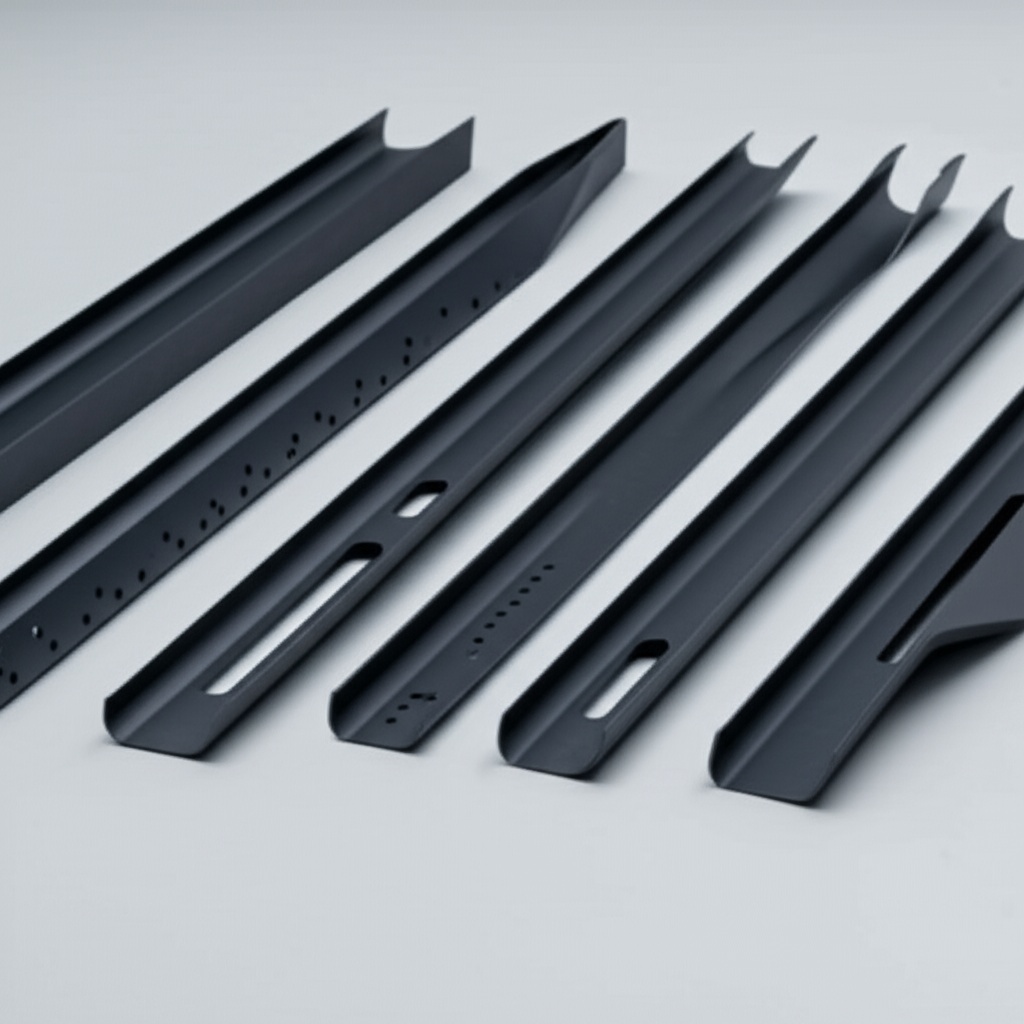
Unlocking Superior Performance: A Comprehensive Guide to Custom Silicon Carbide Bars
Share
In the demanding landscape of modern industry, the quest for materials that can withstand extreme conditions while delivering unparalleled performance is perpetual. Among the frontrunners in advanced ceramics, silicon carbide (SiC) stands out for its exceptional properties. Custom silicon carbide bars, in particular, have become indispensable components across a multitude of high-performance industrial applications, serving as critical structural elements and highly efficient heating components. Their ability to maintain integrity and function under severe thermal, mechanical, and chemical stresses makes them essential for engineers, procurement managers, and technical buyers in sectors ranging from semiconductor manufacturing and high-temperature furnace operations to aerospace, energy, and heavy industrial manufacturing.
The importance of custom SiC bars lies in their tailor-made nature, allowing for precise specifications that meet unique operational demands. Standard off-the-shelf components often fall short when applications involve intricate designs, specific thermal profiles, or unique load-bearing requirements. Customization ensures optimal fit, maximized efficiency, and extended service life, ultimately contributing to reduced downtime and lower operational costs. As industries push the boundaries of innovation, the demand for high-quality SiC bars, custom SiC components, and engineered ceramic solutions continues to grow, underscoring the critical role these advanced materials play in enabling technological advancement.
Key Applications of Silicon Carbide Bars
The versatility of silicon carbide bars makes them a cornerstone in numerous industrial processes. Their unique combination of properties allows them to perform reliably in environments where other materials would fail. Procurement professionals in technical ceramics purchasing and OEMs are increasingly specifying SiC bars for their critical applications.
One of the primary applications is in high-temperature furnace systems. SiC bars are extensively used as:
- Heating Elements: Due to their excellent high-temperature strength, high electrical resistivity (which can be tailored), and resistance to oxidation, SiC bars are ideal heating elements in electric furnaces operating at temperatures up to 1600∘C (2912∘F) or even higher for specialized grades. They provide uniform heating and long operational life, making them a preferred choice for industrial furnace manufacturers and end-users in ceramics firing, glass melting, and metal heat treatment. SiC heating rods and custom heating elements are common search terms for buyers in this segment.
- Kiln Furniture and Supports: Their superior hot strength and creep resistance make SiC bars, beams, and rollers essential components of kiln furniture. They can support heavy loads at extreme temperatures without deformation, ensuring the stability and integrity of products during firing processes. This is particularly crucial in the manufacturing of advanced ceramics, refractories, and electronic components.
In the semiconductor industry, the demand for high-purity and dimensionally stable components is paramount. Custom SiC bars find applications in:
- Wafer Processing Equipment: Components like edge grips, support arms, and chucks made from high-purity SiC (often Sintered Silicon Carbide – SSiC) offer excellent thermal conductivity, thermal shock resistance, and chemical inertness, vital for processes like rapid thermal processing (RTP) and chemical vapor deposition (CVD).
Other significant industrial applications include:
- Power Generation: In waste-to-energy plants and other high-temperature energy systems, SiC bars and tubes are used for their corrosion resistance and ability to withstand harsh chemical environments.
- Aerospace and Defense: Lightweight SiC components, including bars, are utilized for structural applications and in systems requiring high thermal stability.
- Wear-Resistant Components: In applications involving abrasive materials, the inherent hardness of SiC makes bars suitable for wear liners, nozzles, and other components subjected to high wear.
- Chemical Processing: SiC’s excellent chemical inertness makes it suitable for components in chemical reactors and handling systems for corrosive substances.
The breadth of applications underscores the importance of selecting the right type and grade of SiC bar, often necessitating custom SiC fabrication to meet specific operational parameters.
| Industry Sector | Common Applications of SiC Bars | Key SiC Properties Leveraged | Relevant Keywords for Procurement |
|---|---|---|---|
| High-Temperature Furnaces | Heating Elements, Kiln Furniture, Supports, Rollers, Beams | High-Temperature Strength, Thermal Shock Resistance, Oxidation Resistance, Creep Resistance | SiC heating elements, Kiln furniture suppliers, High-temperature ceramic supports |
| Semiconductor Processing | Wafer Handling Components, Chamber Parts, Susceptors | High Purity, Thermal Conductivity, Chemical Inertness, Dimensional Stability | Semiconductor grade SiC, Precision SiC components, SSiC parts |
| Energy & Power Generation | Heat Exchanger Tubes, Burner Nozzles, Thermocouple Protection Tubes | Corrosion Resistance, High-Temperature Stability, Wear Resistance | Industrial SiC tubes, Ceramic heat exchangers, Durable ceramic components |
| Aerospace & Defense | Structural Components, Mirror Substrates, Armor | Lightweight, High Stiffness, Thermal Stability | Aerospace ceramics, Lightweight SiC structures |
| Chemical & Industrial | Wear Liners, Nozzles, Seal Rings, Pump Components | Wear Resistance, Chemical Inertness, Hardness | Wear-resistant ceramics, SiC mechanical seals, Chemical resistant SiC |
Advantages of Custom Silicon Carbide Bars
Choosing custom silicon carbide bars over standard options or alternative materials offers a plethora of advantages, particularly for industries with demanding operational environments. Engineers and technical buyers prioritize materials that not only perform but also enhance the overall efficiency and longevity of their equipment. The inherent properties of SiC, coupled with the benefits of customization, make these bars a superior choice.
The key advantages include:
- Exceptional High-Temperature Strength and Stability: Silicon carbide maintains its mechanical strength at very high temperatures, often exceeding 1400∘C to 1600∘C depending on the grade. This allows SiC bars to function as reliable structural supports and heating elements in environments where most metals would soften or melt. This high-temperature performance is critical for applications like industrial furnaces and aerospace components.
- Superior Thermal Shock Resistance: SiC can withstand rapid changes in temperature without cracking or failing. This property is crucial in applications involving quick heating and cooling cycles, such as in certain semiconductor manufacturing processes or in foundries. The low thermal expansion coefficient and high thermal conductivity of SiC contribute to this excellent thermal shock resistance.
- High Thermal Conductivity: Many grades of SiC exhibit high thermal conductivity, which is beneficial for applications requiring efficient heat transfer, such as heat exchangers or heating elements where uniform temperature distribution is desired. This ensures rapid and even heating, improving process efficiency.
- Tailorable Electrical Resistivity: Depending on the manufacturing process and purity, the electrical resistivity of SiC bars can be controlled. This allows them to be used effectively as direct or indirect resistance heating elements in electric furnaces. Specific grades like Reaction-Bonded Silicon Carbide (RBSiC or SiSiC) offer good electrical conductivity for such applications.
- Excellent Wear and Abrasion Resistance: Silicon carbide is an extremely hard material, second only to diamond in some rankings. This makes SiC bars highly resistant to wear and abrasion, ideal for components like nozzles, shot blast components, and liners that handle abrasive slurries or high-velocity particles. This wear resistance significantly extends the service life of components.
- Outstanding Chemical Inertness and Corrosion Resistance: SiC is highly resistant to corrosion by a wide range of acids, alkalis, and molten salts, even at elevated temperatures. This chemical inertness makes SiC bars suitable for use in harsh chemical environments, such as in chemical processing equipment or in flue gas desulfurization systems.
- Resistance to Oxidation: SiC forms a protective silicon dioxide (SiO2) layer when exposed to oxidizing atmospheres at high temperatures. This layer inhibits further oxidation, allowing SiC bars to have a long service life in air or oxygen-containing environments at elevated temperatures.
- Lightweight: Compared to many metals with high-temperature capabilities (like superalloys), SiC has a lower density. This makes SiC components lighter, which can be advantageous in applications where weight is a concern, such as in aerospace or for reducing the inertial load on moving kiln furniture.
- Customization to Exact Specifications: The ability to procure custom SiC bars means that dimensions, shapes, end finishes (for heating elements), and even specific material compositions can be tailored to the precise requirements of an application. This ensures optimal fit, performance, and integration with existing systems, a key benefit for OEMs and specialized industrial processes.
By leveraging these advantages, industries can achieve improved process yields, reduced maintenance, longer component lifespans, and enhanced overall productivity. For procurement managers and technical buyers, specifying custom silicon carbide components translates to long-term value and reliability.
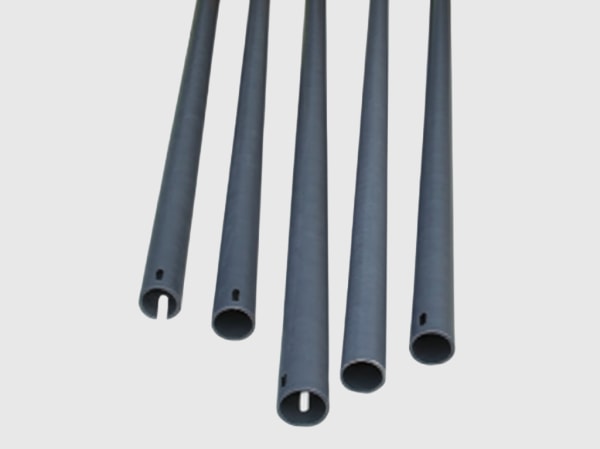
Recommended SiC Grades for Bar Manufacturing
The selection of the appropriate silicon carbide grade is paramount to achieving optimal performance and longevity for SiC bars in specific applications. Different manufacturing processes result in SiC materials with varying densities, purities, and microstructures, which in turn dictate their mechanical, thermal, and electrical properties. Understanding these distinctions is crucial for technical procurement professionals and engineers.
Here are some commonly recommended SiC grades for bar manufacturing:
- Reaction-Bonded Silicon Carbide (RBSiC), also known as Siliconized Silicon Carbide (SiSiC):
- Manufacturing: Produced by infiltrating a porous compact of SiC grains and carbon with molten silicon. The silicon reacts with the carbon to form additional SiC, which bonds the initial SiC grains. The resulting material typically contains some free silicon (usually 8-15%).
- Properties: Good mechanical strength, excellent thermal shock resistance, high thermal conductivity, and good wear resistance. It is relatively easy to manufacture complex shapes. The presence of free silicon makes it electrically conductive, suitable for direct resistance heating elements. Maximum service temperature is typically around 1350∘C to 1380∘C due to the melting point of silicon.
- Applications for Bars: Widely used for SiC heating elements, kiln furniture (beams, supports), rollers, nozzles, and wear-resistant components where extreme purity is not the primary concern. RBSiC bars and SiSiC rods are common products.
- Considerations: The presence of free silicon can be a limitation in certain highly corrosive chemical environments or at temperatures exceeding the melting point of silicon.
- Sintered Silicon Carbide (SSiC):
- Manufacturing: Made by sintering fine, high-purity SiC powder, often with non-oxide sintering aids (like boron and carbon), at high temperatures (typically above 2000∘C) in an inert atmosphere. This process results in a dense, single-phase SiC material (or with minimal sintering aids).
- Properties: Extremely high hardness, excellent wear resistance, superior corrosion resistance (even to strong acids and alkalis), high strength at elevated temperatures (up to 1600∘C or higher), and good thermal shock resistance. SSiC can be produced with very high purity. It generally has high electrical resistivity unless specifically doped.
- Applications for Bars: Used for demanding applications requiring superior wear and corrosion resistance, such as mechanical seal faces, bearings, pump components, and advanced kiln furniture. High-purity SSiC bars are also used in semiconductor processing equipment.
- Considerations: SSiC is generally more expensive to produce than RBSiC. Machining SSiC to tight tolerances requires diamond grinding.
- Recrystallized Silicon Carbide (RSiC), also known as Self-Bonded SiC:
- Manufacturing: Produced by firing compacted high-purity SiC grains at very high temperatures (around 2200∘C to 2500∘C). During this process, SiC grains grow and bond together through evaporation-condensation mechanisms, resulting in a porous structure primarily composed of SiC.
- Properties: Excellent thermal shock resistance, very high service temperature (can be used above 1600∘C in controlled atmospheres), and good chemical stability. It has lower mechanical strength compared to RBSiC and SSiC due to its inherent porosity.
- Applications for Bars: Primarily used for kiln furniture (plates, setters, beams) where extreme thermal shock resistance and high-temperature stability are critical, and mechanical loads are moderate. Often used as supports for delicate items during firing. RSiC beams are frequently sought.
- Considerations: Its porosity can make it less suitable for applications requiring high wear resistance or where gas permeability is a concern.
- Nitride-Bonded Silicon Carbide (NBSiC):
- Manufacturing: SiC grains are bonded by a silicon nitride (Si3N4) phase.
- Properties: Offers good thermal shock resistance, good mechanical strength, and excellent resistance to molten non-ferrous metals like aluminum.
- Applications for Bars: Used in applications involving contact with molten metals (e.g., thermocouple protection tubes, riser stalks in foundries) and as kiln furniture.
- Considerations: May have temperature limitations based on the stability of the nitride bond in certain atmospheres.
The choice of grade will depend on a careful evaluation of the application’s temperature profile, mechanical stress, chemical environment, electrical requirements, and cost considerations. Companies like Sicarb Tech, with their deep expertise in SiC production technology and material science, can provide invaluable assistance in selecting or even developing custom SiC formulations for specific bar applications. Leveraging the knowledge of Weifang City’s SiC manufacturing hub, SicSino can guide customers to the most suitable and cost-effective silicon carbide material grades.
| SiC Grade | Key Characteristics | Typical Max. Use Temp. | Common Bar Applications | Primary B2B Focus |
|---|---|---|---|---|
| RBSiC / SiSiC | Good strength, high thermal conductivity, electrically conductive, good thermal shock | ~1380∘C | Heating elements, kiln beams, wear parts | Industrial heating components, Kiln furniture |
| SSiC | Very high hardness, excellent wear & corrosion resistance, high-temp strength, high purity | ~1600∘C+ | Seals, bearings, semiconductor parts, advanced kiln furniture | High-performance ceramic parts, Chemical processing equipment |
| RSiC | Excellent thermal shock, very high use temp, porous | ~1600∘C+ | Kiln supports, setters, radiant tubes | Specialty refractories, High-temp furnace supports |
| NBSiC | Good thermal shock, good strength, molten metal resistance | Varies | Molten metal contact, kiln furniture | Foundry supplies, Non-ferrous metal industry |
Design and Engineering Considerations for SiC Bars
Designing silicon carbide bars for optimal performance and manufacturability requires careful consideration of several engineering aspects. While SiC offers remarkable properties, its ceramic nature—specifically its brittleness and susceptibility to stress concentrations—must be accounted for during the design phase. Collaborating with experienced SiC component suppliers like Sicarb Tech early in the design process can prevent costly mistakes and ensure the final product meets the demanding requirements of industrial applications.
Key design and engineering considerations for SiC bars include:
- Load-Bearing Capacity and Stress Distribution:
- Mechanical Loads: Determine the type (tensile, compressive, bending) and magnitude of mechanical loads the SiC bar will experience during operation. SiC is significantly stronger in compression than in tension.
- Stress Concentrations: Avoid sharp corners, notches, and abrupt changes in cross-section, as these can act as stress concentrators, leading to premature failure. Generous radii and smooth transitions are crucial. Finite Element Analysis (FEA) can be invaluable for identifying high-stress regions.
- Support Conditions: The way a bar is supported (e.g., simply supported, cantilevered) significantly impacts stress distribution. This is especially important for kiln furniture and structural beams.
- Thermal Considerations:
- Operating Temperature and Cycling: Define the maximum operating temperature, the rate of temperature change, and the frequency of thermal cycles. This will influence grade selection and design to mitigate thermal shock.
- Thermal Gradients: Significant temperature differences across the bar can induce internal stresses. Designs should aim to minimize steep thermal gradients where possible.
- Thermal Expansion: Although SiC has a low coefficient of thermal expansion, it must be accounted for, especially when SiC bars are integrated with other materials with different expansion rates. Adequate clearance or flexible mounting may be needed.
- Length-to-Diameter (or Cross-Section) Ratios:
- For long, slender bars, buckling under compressive loads or excessive deflection under bending loads can be a concern.
- Manufacturing limitations might also dictate practical ratios, particularly for certain forming methods like extrusion or slip casting.
- End Connections and Terminations (for Heating Elements):
- Electrical Contact: For SiC heating elements, the design of the cold ends and the method of electrical connection are critical for minimizing contact resistance and preventing overheating at the terminals. Options include metallized ends for braided straps or specialized clamps.
- Reduced Resistivity Ends: Many SiC heating elements are designed with “cold ends” or “low-resistance ends” that have a lower electrical resistivity than the “hot zone.” This ensures that heating is concentrated in the desired area and the terminals remain cooler.
- Mechanical Support: Ensure the end connections can mechanically support the element and accommodate thermal expansion.
- Manufacturability and Cost:
- Forming Method: The complexity of the bar’s geometry can influence the choice of forming method (e.g., extrusion, isostatic pressing, slip casting, injection molding). Simpler geometries are generally less expensive to produce.
- Machining: While SiC can be machined (ground) to tight tolerances, it is a hard and brittle material, making machining a slow and costly process. Designs should aim to minimize the amount of post-sintering machining required. “Net-shape” or “near-net-shape” forming is preferred.
- Tolerances: Specify only the necessary tolerances. Overly tight tolerances significantly increase manufacturing costs.
- Environmental Factors:
- Chemical Atmosphere: The chemical environment (oxidizing, reducing, corrosive gases, molten salts, etc.) will heavily influence the selection of the SiC grade and may require protective coatings or specific surface treatments.
- Abrasion/Erosion: If the bar is exposed to abrasive particles or high-velocity fluids, wear-resistant grades like SSiC should be considered, and the design might incorporate features to minimize direct impingement.
- Assembly and Installation:
- Consider how the SiC bar will be assembled into the larger system. Design features that facilitate handling and installation without causing damage.
- Provide clear instructions for handling and installation, as SiC components can be chipped or cracked if mishandled.
Working with a knowledgeable supplier like Sicarb Tech ensures that these design considerations are addressed effectively. With a strong foundation in material science and process technology, supported by the Chinese Academy of Sciences National Technology Transfer Center, SicSino can offer comprehensive design support, from material selection to a review of manufacturability, ensuring that your custom SiC bars deliver optimal performance and value. Their experience with local enterprises in Weifang, the hub of China’s SiC production, further enhances their capability to provide cost-competitive and high-quality solutions.
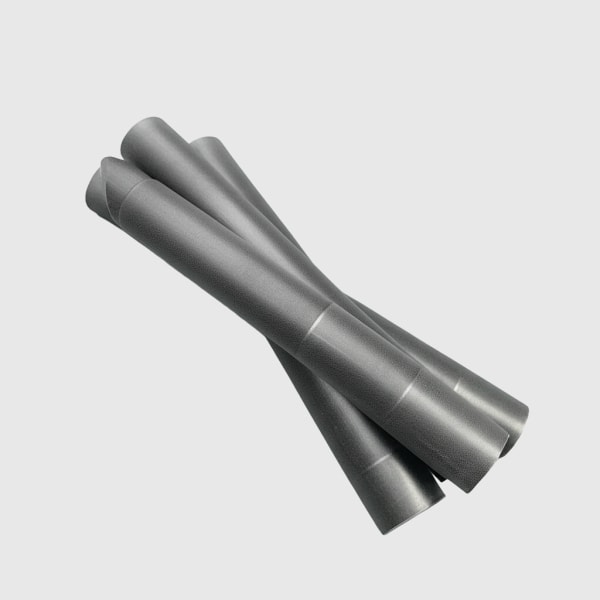
Tolerance, Surface Finish, and Dimensional Control for SiC Bars
Achieving the required dimensional accuracy, tolerances, and surface finish is critical for the successful application of custom silicon carbide bars, especially in precision-driven industries like semiconductor manufacturing, aerospace, and advanced optics. As technical ceramics, SiC components require specialized manufacturing and finishing processes to meet stringent specifications. Understanding the achievable limits and options is essential for both designers and procurement professionals.
Dimensional Tolerances:
The achievable tolerances for SiC bars depend on several factors, including the SiC grade, the manufacturing method (forming and sintering), the size and complexity of the part, and the extent of post-sintering machining.
- As-Sintered Tolerances: Parts directly from the sintering furnace without further machining will have wider tolerances. These are typically in the range of ±0.5% to ±2% of the dimension, or a fixed value (e.g., ±0.5mm to ±2mm), depending on the size and process control. For many bulk applications like kiln furniture or some types of heating elements, as-sintered tolerances may be acceptable.
- Machined Tolerances: For applications requiring higher precision, SiC bars must be machined after sintering using diamond grinding, lapping, or polishing techniques.
- Grinding: Standard ground tolerances can typically achieve ±0.025mm to ±0.1mm ($ \pm 0.001$ to ±0.004 inches).
- Precision Grinding/Lapping: For very tight tolerances, such as those required for seal faces or semiconductor components, it’s possible to achieve dimensional control down to ±0.005mm to ±0.01mm ($ \pm 0.0002$ to ±0.0004 inches) or even tighter in specific cases.
- Geometric Tolerances: Beyond simple dimensional tolerances, geometric characteristics like flatness, straightness, parallelism, and cylindricity are often critical. These also require precise machining operations. For example, high-precision SiC bars used as optical benches or reference structures might require straightness tolerances in the micrometer range over significant lengths.
It’s important to note that tighter tolerances significantly increase the cost of SiC bar manufacturing due to the added machining steps and higher rejection rates. Therefore, specifications should be carefully reviewed to ensure that only necessary precision is demanded.
Surface Finish:
The surface finish of a SiC bar is another critical parameter, influencing its frictional properties, wear resistance, sealing capability, and optical performance.
- As-Sintered Surface: The surface finish of as-sintered SiC bars is generally rougher, with typical Ra (average roughness) values ranging from 1μm to 10μm or more, depending on the SiC grade and sintering process.
- Ground Surface: Grinding can improve the surface finish significantly, typically achieving Ra values in the range of 0.2μm to 0.8μm. This is suitable for many mechanical applications.
- Lapped/Polished Surface: For applications like mechanical seals, bearings, or optical components, much smoother surfaces are required. Lapping and polishing can achieve Ra values below 0.1μm, and for super-polished surfaces (e.g., for mirrors), Ra can be in the nanometer range (<0.005μm).
Dimensional Control and Quality Assurance:
Ensuring consistent dimensional control requires a robust quality assurance system throughout the manufacturing process.
- Process Control: Strict control over raw material characteristics, forming parameters, sintering cycles, and machining processes is essential.
- Metrology: Advanced metrology equipment, including Coordinate Measuring Machines (CMMs), optical comparators, surface profilometers, and interferometers, are used to verify dimensions and surface characteristics.
- Supplier Capability: Choosing a supplier with demonstrated expertise in manufacturing high-precision ceramic components is crucial.
Sicarb Tech, leveraging its strong ties to the Chinese Academy of Sciences and the extensive manufacturing capabilities within Weifang, offers a distinct advantage. They possess a domestic top-tier professional team specializing in customized production of silicon carbide products, including expertise in material, process, design, measurement, and evaluation technologies. This integrated approach, from materials to finished products, enables them to meet diverse customization needs, including stringent tolerance and surface finish requirements for precision SiC bars and engineered ceramic components. Their commitment is to provide higher-quality, cost-competitive customized silicon carbide components, ensuring reliable supply and quality assurance. Procurement managers seeking wholesale SiC components or custom ceramic manufacturing can rely on SicSino’s capabilities.
Optimizing Performance: Post-Processing and Handling of SiC Bars
While the intrinsic properties of silicon carbide and precise manufacturing are fundamental to the performance of SiC bars, appropriate post-processing and careful handling are equally vital to optimize their functionality and ensure their longevity. Mishandling or improper post-processing can negate the benefits of high-quality material and precise design, leading to premature failure or suboptimal performance. This section addresses common post-processing needs and best practices for handling SiC bars, crucial information for engineers, technicians, and industrial buyers.
Common Post-Processing Steps for SiC Bars:
Depending on the application and the initial manufacturing method, several post-processing steps may be employed:
- Cutting to Length: SiC bars, especially those produced by extrusion or in longer stock lengths, often need to be cut to specific lengths. This is typically done using diamond abrasive cutting wheels. Precision cutting is essential to ensure square ends and accurate lengths, particularly for components that need to fit into tight assemblies.
- Grinding: As discussed previously, grinding is used to achieve tighter dimensional tolerances, specific profiles (e.g., chamfers, radii), and improved surface finishes. Cylindrical grinding is common for rods and round bars, while surface grinding is used for flat surfaces or achieving specific thicknesses on rectangular bars.
- Lapping and Polishing: For applications demanding exceptionally smooth and flat surfaces (e.g., mechanical seals, optical components, semiconductor wafer chucks), lapping and polishing processes are employed. These use progressively finer diamond abrasives to achieve mirror-like finishes and sub-micron tolerances.
- Chamfering and Edge Radiusing: Adding chamfers or radii to the edges of SiC bars can help prevent chipping during handling and assembly and can also reduce stress concentrations at corners.
- Cleaning: After machining or handling, SiC bars should be thoroughly cleaned to remove any contaminants, machining residues, or fingerprints. The cleaning method depends on the purity requirements of the application and may involve ultrasonic cleaning with specific solvents or deionized water.
- Annealing (Stress Relief): In some cases, particularly after extensive machining, a low-temperature annealing cycle may be used to relieve any internal stresses induced during the grinding process. This can improve the overall strength and stability of the component.
- Surface Treatments/Coatings (Less Common for Bars, but Possible):
- Sealing: For porous grades of SiC (like some RSiC), sealing treatments might be applied to reduce permeability if required for the application, though this is less common for structural bars or heating elements where porosity might be acceptable or even beneficial (for RSiC thermal shock).
- Specialized Coatings: In highly specific environments, thin coatings (e.g., CVD SiC on a different SiC substrate, or other ceramic coatings) might be applied to enhance corrosion resistance or modify surface properties, though this adds significant cost and complexity.
Best Practices for Handling and Installing SiC Bars:
Silicon carbide is a hard but brittle material. Proper handling is critical to prevent damage such as chipping, cracking, or fracture.
- Avoid Mechanical Shock: Do not drop, knock, or subject SiC bars to sudden impacts. Even a small chip can become a stress concentration point and lead to failure under load or thermal stress.
- Use Appropriate Tools: When installing SiC bars, especially heating elements or kiln furniture, use tools that do not concentrate force on small areas. Avoid using metal hammers directly on SiC. If force is needed, use a soft mallet or distribute the load with a wooden or plastic block.
- Even Support and Load Distribution: Ensure that SiC bars are supported evenly and that loads are distributed as designed. Point loads should be avoided. For kiln furniture, ensure the supporting structure is flat and stable.
- Mind Thermal Expansion: When installing SiC bars into assemblies with other materials, allow for differential thermal expansion. Use appropriate clearance or flexible mounting systems, especially for heating elements that experience significant temperature changes.
- Electrical Connections (for Heating Elements):
- Ensure electrical connections are tight and secure to minimize contact resistance and prevent arcing or local overheating. Use recommended straps, braids, or clamps.
- Do not overtighten clamps, as this can crush the SiC. Follow manufacturer recommendations for torque.
- Protect connections from contamination and corrosive atmospheres.
- Cleanliness: Handle SiC components with clean gloves, especially high-purity parts for semiconductor or optical applications, to prevent contamination from skin oils or dirt.
- Storage: Store SiC bars in a way that prevents them from knocking against each other or other hard objects. Original packaging is often designed for safe storage.
- Inspection Before Use: Visually inspect SiC bars for any chips, cracks, or damage before installation. Do not use damaged components, especially in critical high-temperature or high-stress applications.
- Gradual Heat-Up (for new furnace installations or elements): For new SiC heating elements, a slow initial heat-up as per manufacturer guidelines is often recommended to allow the protective SiO2 layer to form properly and to dry out any absorbed moisture.
Adherence to these post-processing and handling guidelines will help maximize the performance and lifespan of custom SiC bars. For specialized requirements or complex assemblies, consulting with the supplier, such as Sicarb Tech, is highly recommended. Their technical team can provide specific advice on optimizing your SiC components from manufacturing through to final installation and operation.
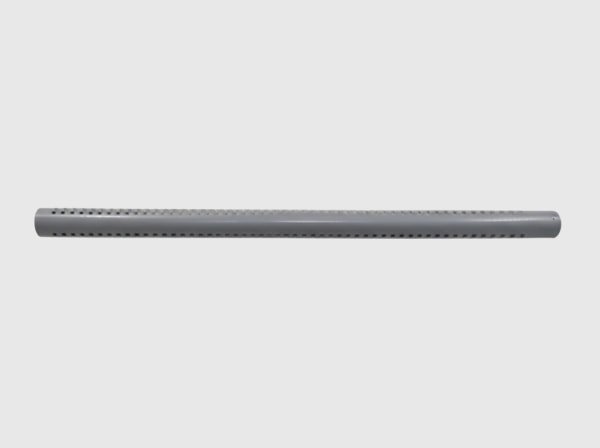
Frequently Asked Questions (FAQ) about Silicon Carbide Bars
Engineers, procurement managers, and technical buyers often have specific questions when considering silicon carbide bars for their applications. Here are some frequently asked questions with practical, concise answers.
What is the typical lifespan of a silicon carbide heating element bar?
The lifespan of a silicon carbide heating element bar is highly dependent on several factors, including:
- Operating Temperature: Higher temperatures generally lead to a shorter life due to accelerated oxidation and aging.
- Atmosphere: The furnace atmosphere (oxidizing, reducing, presence of contaminants) significantly impacts element life. For example, water vapor, halogens, and certain metallic vapors can be detrimental.
- Power Loading (Watt Density): Operating elements at excessive power densities can cause overheating and premature failure.
- Cycling Frequency: Frequent thermal cycling can induce stress and contribute to degradation over time.
- SiC Grade: Different grades (e.g., RBSiC, SSiC, RSiC) have varying resistance to these factors.
- Proper Installation and Operation: Adherence to manufacturer guidelines for installation, initial heat-up, and power control is crucial.
Under optimal conditions and proper usage within recommended parameters, high-quality SiC heating elements can last for several years. For instance, RBSiC (SiSiC) elements used in air at temperatures around 1200∘C−1400∘C might operate for 1 to 3 years or more. However, in very aggressive environments or if pushed beyond their limits, their lifespan can be considerably shorter. Regular inspection and monitoring of element resistance are recommended to predict and manage replacements. It’s always best to consult with the supplier, like Sicarb Tech, for specific life expectancy estimates based on your application details.
Can silicon carbide bars be repaired if they are chipped or cracked?
Generally, silicon carbide bars, being technical ceramics, cannot be effectively repaired in the traditional sense once they are significantly chipped or cracked.
- Brittleness: SiC is a brittle material, meaning it fractures rather than deforms plastically. A crack typically propagates easily under stress.
- Structural Integrity: A chip or crack compromises the structural integrity of the bar, creating a stress concentration point that can lead to catastrophic failure under mechanical load or thermal shock, especially at high temperatures.
- Heating Elements: For SiC heating elements, a crack will disrupt the electrical current path or cause a hot spot, leading to rapid failure.
Minor surface chips on non-critical areas of a structural bar might be acceptable if they don’t compromise the load-bearing capacity and are not in high-stress regions, but this must be carefully evaluated by an experienced engineer. Attempting to “glue” or “patch” SiC with adhesives is not viable for high-temperature applications, as the repair material would not withstand the operating conditions or match the properties of SiC.
The best approach is prevention: careful handling, proper design to avoid stress concentrations, and operating within specified limits. If a bar is damaged, replacement is almost always the safest and most reliable solution.
How does the cost of custom silicon carbide bars compare to other high-temperature materials like molybdenum disilicide (MoSi2) or superalloys?
The cost comparison is complex and depends on the specific grade, size, complexity, quantity, and the application requirements. However, some general comparisons can be made:
- Silicon Carbide (SiC) Bars:
- RBSiC/SiSiC: Generally the most cost-effective type of SiC for heating elements and many structural parts, offering a good balance of performance and price for temperatures up to around 1380∘C.
- SSiC: More expensive than RBSiC due to higher purity and more complex manufacturing, but offers superior wear, corrosion, and high-temperature performance (up to 1600∘C+).
- Cost Drivers: Complexity of shape, tolerances, surface finish requirements, and volume. Custom SiC components will have tooling costs.
- Molybdenum Disilicide (MoSi2) Heating Elements:
- Typically used for very high operating temperatures (often 1600∘C to 1800∘C) in air.
- Generally more expensive than SiC heating elements on a per-element basis.
- Can be more susceptible to certain chemical attacks and thermal shock if not handled or operated correctly.
- Superalloys (e.g., Inconel, Haynes alloys):
- Metallic materials used for high-temperature structural applications and some specialized heating elements.
- Can be very expensive, especially for complex machined parts.
- Offer ductility, which ceramics lack, but have temperature limitations (often below 1100∘C−1200∘C for long-term service under significant load) and can be susceptible to oxidation and creep at their upper temperature limits.
- Fabrication can be challenging and costly.
General Cost Positioning (Rough Order):
- Superalloys (Machined, complex parts): Often Highest Cost
- MoSi2 Heating Elements: High Cost
- SSiC Bars (Precision Machined): Medium to High Cost
- RBSiC/SiSiC Bars (Standard shapes, heating elements): Medium Cost
For a specific application, a thorough cost-benefit analysis should be conducted, considering not just the initial component cost but also lifespan, energy efficiency, maintenance requirements, and potential downtime. Wholesale SiC bar suppliers like Sicarb Tech, with their manufacturing expertise in the Weifang SiC hub, can often provide highly competitive pricing for custom SiC solutions, making them an attractive option compared to other high-performance materials. They are committed to offering cost-competitive customized silicon carbide components in China.
For more detailed answers or specific queries related to your unique industrial needs, reaching out to a specialist like Sicarb Tech is always recommended. Their team can provide tailored advice to ensure you select the optimal and most cost-effective silicon carbide bar solution.
Conclusion: The Enduring Value of Custom Silicon Carbide Bars in Demanding Industries
In the relentless pursuit of efficiency, reliability, and performance in challenging industrial environments, custom silicon carbide bars have unequivocally proven their mettle. From empowering high-temperature furnaces with durable heating elements and robust kiln furniture to enabling precision processes in semiconductor manufacturing and providing wear-resistant solutions in heavy industry, the unique attributes of SiC are indispensable. The ability to tailor these components to specific operational needs through customization elevates their value proposition significantly, ensuring that engineers and technical buyers can achieve optimal system performance and longevity.
The journey through the diverse applications, distinct advantages, various material grades, critical design considerations, precision tolerances, and essential handling practices underscores the technical depth associated with advanced ceramic components. Choosing the right SiC grade, such as RBSiC for cost-effective heating, SSiC for extreme wear and purity, or RSiC for exceptional thermal shock resistance, is a decision pivotal to success. Furthermore, understanding the nuances of design for manufacturability, attainable surface finishes, and proper post-processing ensures that the full potential of these remarkable materials is realized.
For businesses seeking a reliable partner in navigating the complexities of custom SiC solutions, Sicarb Tech stands out. Rooted in the heart of China’s silicon carbide manufacturing hub in Weifang City and backed by the formidable scientific and technological capabilities of the Chinese Academy of Sciences, SicSino offers more than just components. They provide a comprehensive ecosystem of expertise, encompassing material science, process technology, design optimization, and quality assurance. Their commitment to delivering high-quality, cost-competitive customized silicon carbide bars and components makes them a strategic asset for OEMs, wholesale buyers, and technical procurement professionals worldwide. Whether you require intricate SiC parts or are considering establishing your own specialized SiC production facility via technology transfer, SicSino’s top-tier professional team is equipped to meet your diverse needs.
Ultimately, investing in custom silicon carbide bars is an investment in operational excellence, reduced downtime, and enhanced productivity. As industries continue to evolve and demand even greater material performance, the role of advanced ceramics like SiC, and expert suppliers such as Sicarb Tech, will only become more critical in shaping the future of high-performance industrial applications.

About the Author: Sicarb Tech
We provide clear and reliable insights into silicon carbide materials, component manufacturing, application technologies, and global market trends. Our content reflects industry expertise, practical experience, and a commitment to helping readers understand the evolving SiC landscape.

Customizable SiC
You May Also Interest
-
![]()
SiC Sourcing: Always Request Full Test Reports
SiC Sourcing: Always Request Full Test Reports In the demanding world of advanced engineering, the integrity and performance of custom silicon carbide (SiC) products are paramount. From the intricate components in a semiconductor wafer processing chamber to robust parts in a nuclear reactor, SiC’s unique properties make it indispensable. For engineers, procurement managers, and technical…
-
![]()
Silicon Carbide Rods: The Backbone of High-Temperature Industrial Innovation
In the ever-evolving landscape of industrial manufacturing and high-technology processes, the demand for materials that can withstand extreme conditions is paramount. Among the champions of such advanced materials are custom silicon carbide (SiC) rods. These unassuming components are critical to the success of operations in sectors ranging from semiconductor fabrication to aerospace engineering and high-temperature…
-
![]()
SiC ISO 9001: The Global Quality Benchmark
SiC ISO 9001: The Global Quality Benchmark for Custom Silicon Carbide In today’s demanding industrial landscape, where precision, durability, and performance are paramount, the choice of materials is critical. Among advanced technical ceramics, custom silicon carbide (SiC) stands out as a material of choice for engineers, procurement managers, and technical buyers across a spectrum of…