Recrystallized Silicon Carbide (R-SiC): The High-Purity Choice for Extreme Environments
Share
In the demanding landscape of modern industrial applications, material selection is paramount. Engineers and procurement managers constantly seek materials that not only withstand extreme conditions but also offer reliability and tailored performance. Among the advanced technical ceramics, Recrystallized Silicon Carbide (R-SiC) stands out as a premier choice, particularly for high-temperature, high-purity environments. Unlike other silicon carbide variants, R-SiC is produced by recrystallizing fine, high-purity SiC particles at very high temperatures (typically above $2200^\\circ C$), often in a controlled atmosphere. This process allows SiC grains to grow and bond to each other directly without the need for secondary binding phases, resulting in a material with exceptional purity (often 99.5 SiC) and a unique porous microstructure.
This inherent porosity, combined with the intrinsic properties of silicon carbide, gives R-SiC a remarkable profile: excellent thermal shock resistance, high working temperatures, and good mechanical strength at elevated temperatures. Its self-bonded nature means there are no glassy phases or sintering additives that could limit its performance or become a source of contamination in sensitive processes. This makes custom R-SiC products indispensable in industries where thermal cycling, chemical inertness, and minimal outgassing are critical. From semiconductor manufacturing to high-temperature industrial furnaces, R-SiC components provide a level of performance that directly translates to improved process efficiency, longer service life, and higher product quality. As we delve deeper into the world of R-SiC, its significance in pushing the boundaries of high-performance applications becomes increasingly clear, and understanding its nuances is key for technical buyers and OEMs seeking cutting-edge ceramic solutions.
Key Applications of Recrystallized Silicon Carbide (R-SiC) Across Industries
The unique combination of high purity, exceptional thermal shock resistance, and high-temperature stability makes Recrystallized Silicon Carbide (R-SiC) a critical material in a diverse range of industrial sectors. Its ability to perform reliably under conditions that would cause many other materials to fail makes it a go-to solution for engineers tackling some of the most demanding thermal and chemical challenges. Custom R-SiC components are integral to enhancing process efficiency and product yield in these high-stakes environments.
One of the primary areas where R-SiC excels is in high-temperature furnace and kiln applications. It is extensively used for:
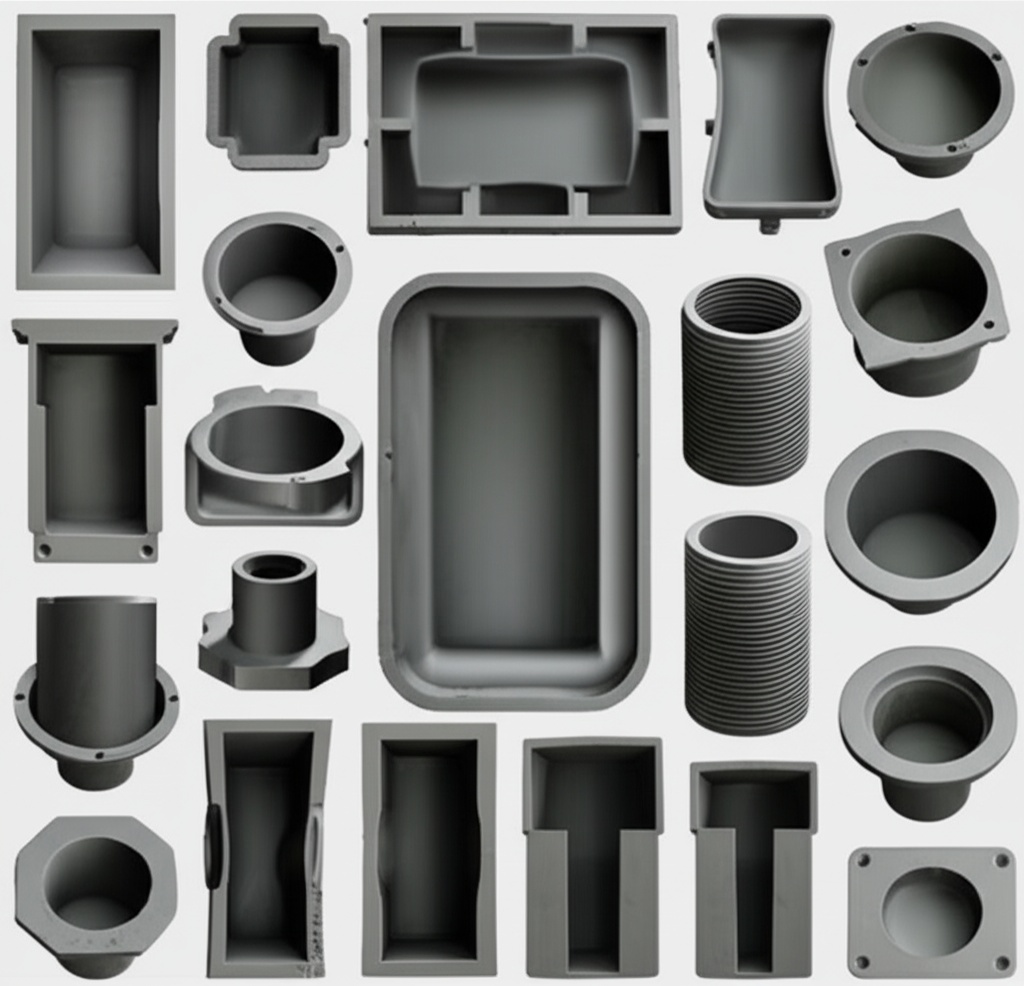
- Kiln Furniture: Including R-SiC beams, R-SiC rollers, R-SiC plates, R-SiC setters, and R-SiC saggers. These components must endure rapid heating and cooling cycles without warping or cracking, while also being lightweight enough to improve energy efficiency. Their high-temperature load-bearing capacity is crucial for supporting products during firing processes in ceramics, powder metallurgy, and electronics manufacturing.
- Burner Nozzles and Radiant Tubes: R-SiC’s resistance to thermal shock and oxidation makes it ideal for these components, which are directly exposed to flame and high thermal stresses.
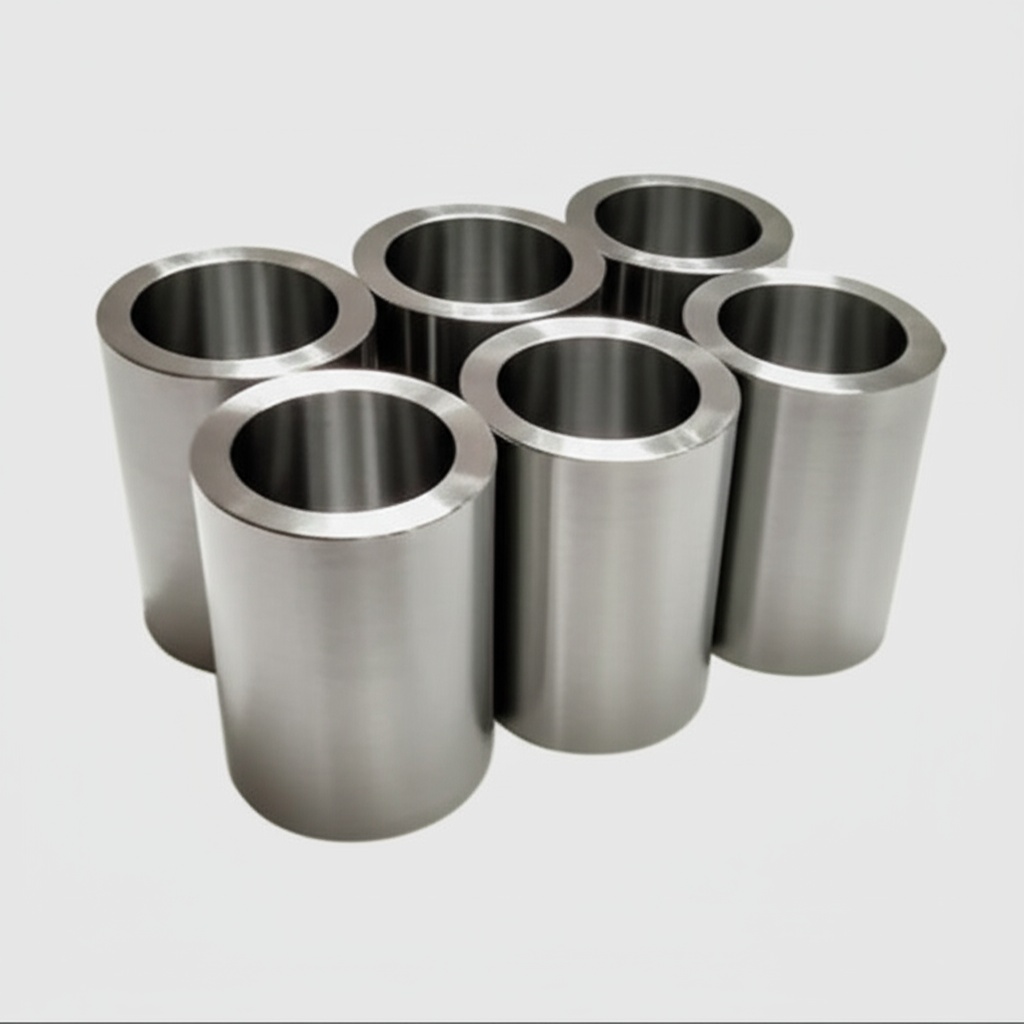
- Thermocouple Protection Tubes: Ensuring accurate temperature measurement in aggressive, high-temperature environments is vital. R-SiC protection tubes offer excellent thermal conductivity for rapid response times, coupled with resistance to chemical attack and thermal shock.
In the semiconductor industry, the demand for ultra-high purity materials is non-negotiable. R-SiC components are used in various stages of wafer processing equipment, such as:
- Wafer boats and carriers
- Etch chamber components
- Gas distribution plates The high purity of R-SiC (typically 99.5) minimizes the risk of contamination, which is critical for maintaining high yields in semiconductor fabrication. Its thermal stability ensures dimensional integrity during high-temperature processes.
The chemical processing industry also benefits from R-SiC’s properties. Components like heat exchanger tubes, crucibles, and parts for handling corrosive materials at high temperatures leverage R-SiC’s excellent chemical inertness and resistance to wear and erosion.
Below is a table summarizing key applications and the R-SiC properties that make it suitable:
| Industry Sector | Common R-SiC Components | Key R-SiC Properties Leveraged |
|---|---|---|
| High-Temperature Furnaces & Kilns | Kiln Furniture (Beams, Rollers, Plates, Setters, Saggers), Burner Nozzles, Radiant Tubes, Thermocouple Protection Tubes | Excellent Thermal Shock Resistance, High-Temperature Stability, High Purity, High Thermal Conductivity, Lightweight |
| Semiconductor Processing | Wafer Boats, Wafer Carriers, Etch Chamber Components, Gas Distribution Plates | Ultra-High Purity, High Thermal Stability, Chemical Inertness, Dimensional Stability |
| Chemical Processing | Heat Exchanger Tubes, Crucibles, Pump Components, Linings for Reactors | Chemical Inertness, High-Temperature Resistance, Wear Resistance, Corrosion Resistance |
| Metal Casting & Smelting | Degassing Tubes, Thermocouple Sheaths, Foundry Components | High-Temperature Strength, Resistance to Molten Metals, Thermal Shock Resistance |
| Research & Development | Custom Labware, Experimental Furnace Parts | High Purity, High-Temperature Capability, Customizability |
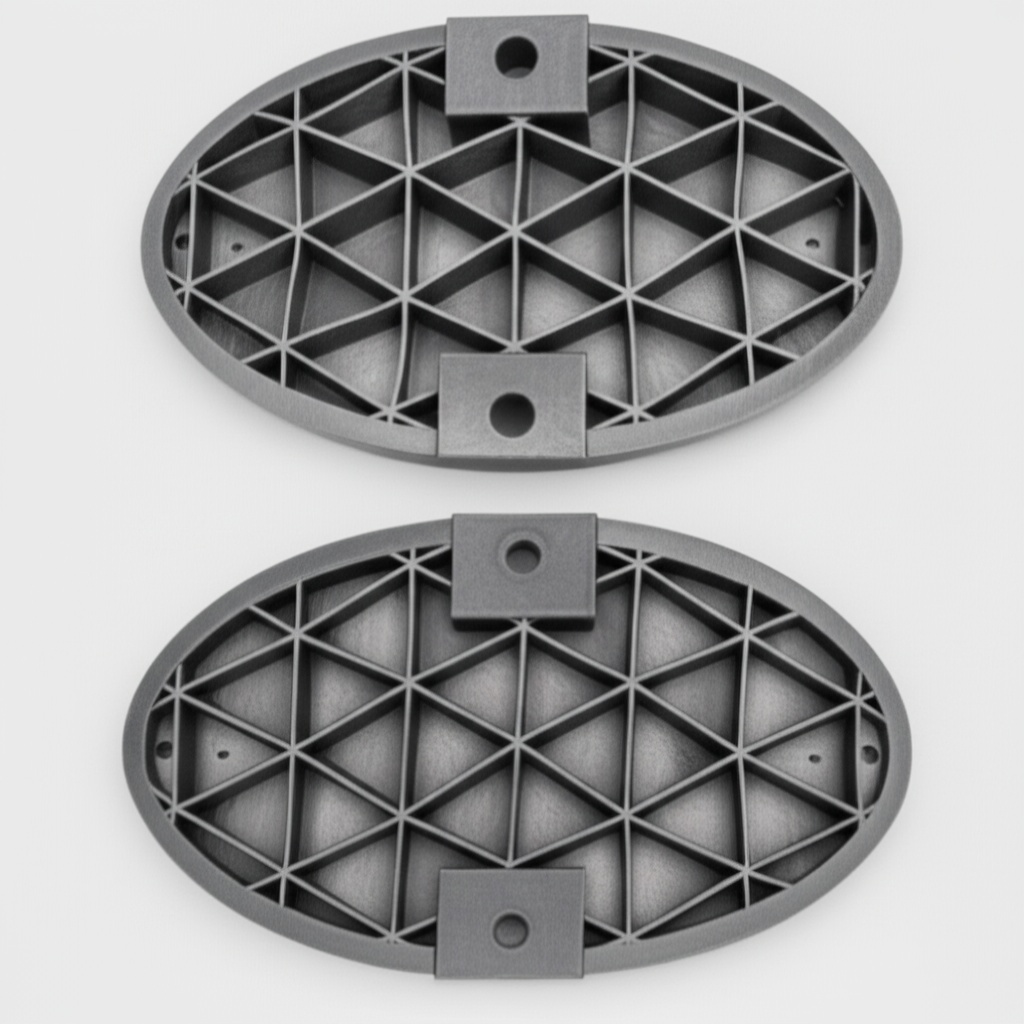
The versatility of custom R-SiC parts means that new applications are continually being developed as industries push for higher performance and greater efficiency in extreme environments. Companies like Sicarb Tech, situated in Weifang City, the hub of China’s silicon carbide customizable parts manufacturing, play a crucial role in developing and supplying these advanced components. Leveraging deep material science expertise, SicSino assists industries in harnessing the full potential of R-SiC. You can explore some of their successful product examples to see the breadth of applications.
The Distinct Advantages of Choosing Custom Recrystallized Silicon Carbide (R-SiC)
When standard off-the-shelf ceramic components fall short, or when an application demands a unique set of properties tailored to specific operational challenges, custom Recrystallized Silicon Carbide (R-SiC) emerges as a superior solution. The decision to opt for custom R-SiC parts is driven by a desire to maximize performance, extend service life, and enhance overall process reliability in demanding industrial settings. The inherent properties of R-SiC, coupled with the benefits of custom design, provide a compelling value proposition for technical buyers, engineers, and OEMs.
The primary advantages of R-SiC that are further amplified through customization include:
- Superior Thermal Shock Resistance: R-SiC is renowned for its ability to withstand rapid temperature changes without cracking or failing. This is attributed to its relatively high thermal conductivity and a microstructure characterized by interconnected SiC grains that can accommodate thermal stresses. Customization allows for geometries that further optimize this property, crucial for applications like R-SiC kiln furniture and furnace components subjected to fast heating and cooling cycles.
- Exceptional High-Temperature Stability: R-SiC maintains its structural integrity and mechanical properties at very high operating temperatures, typically up to $1650^\\circ C$ ($3002^\\circ F$) in air, and even higher in inert atmospheres. Custom-designed parts ensure that the component is optimized for the specific thermal load and duration it will experience.
- Unmatched Purity (typically >99% SiC): The self-bonded nature of R-SiC, formed without binders or additives, results in an exceptionally pure material. This is critical in industries like semiconductor manufacturing or specialized chemical processing where contamination from component materials can ruin product batches or interfere with reactions. Custom R-SiC components from a reliable supplier ensure that this purity is maintained and certified.
- Lightweight Nature: Despite its robustness, the inherent porosity of R-SiC (typically 15-20%) makes it lighter than dense SiC ceramics. This is a significant advantage for applications like kiln furniture, where lower mass translates to reduced energy consumption for heating and cooling, and easier handling of larger components. Custom designs can further optimize the weight-to-strength ratio.
- Excellent Chemical Inertness: R-SiC exhibits outstanding resistance to a wide range of corrosive chemicals, including strong acids and alkalis, even at elevated temperatures. This makes it suitable for aggressive chemical environments where other materials would quickly degrade. Customization can involve specific surface treatments or designs that enhance longevity in these conditions.
- Tailored Geometries and Complex Shapes: One of the most significant benefits of choosing a specialized supplier is the ability to obtain R-SiC components in complex and precise geometries. Standard shapes may not fit unique equipment designs or optimize process flow. Custom SiC manufacturing allows engineers to design parts that perfectly match their requirements, improving efficiency and performance.
Sicarb Tech specializes in providing such customizing support, working closely with clients to translate their specific needs into high-performance R-SiC components. Leveraging the rich ecosystem of Weifang, China’s silicon carbide manufacturing hub, and their own deep technological expertise rooted in collaboration with the Chinese Academy of Sciences , SicSino offers a distinct advantage. They help customers achieve optimal designs for their R-SiC products, ensuring that the final components deliver on the promise of enhanced performance and durability. This collaborative approach is vital for industries looking to leverage the full potential of advanced technical ceramics.
The ability to tailor porosity, fine-tune dimensions, and achieve specific surface characteristics makes custom R-SiC an invaluable asset for wholesale buyers and OEMs aiming to integrate high-performance ceramics into their systems. It’s not just about the material, but how the material is expertly shaped and supplied to meet exacting industrial demands.
Understanding Recrystallized Silicon Carbide (R-SiC): Properties and Performance
Recrystallized Silicon Carbide (R-SiC) distinguishes itself from other types of silicon carbide through its unique manufacturing process and resulting high-purity, porous structure. To fully appreciate its capabilities and select it appropriately for demanding applications, a thorough understanding of its properties and performance characteristics is essential for engineers, procurement managers, and technical buyers. R-SiC is primarily composed of alpha-silicon carbide (alpha-SiC) grains that are self-bonded at very high temperatures (often exceeding $2200^\\circ C$), leading to a material free from secondary phases or sintering aids.
Key Material Properties of R-SiC:
The performance of R-SiC components is directly linked to its intrinsic material properties:
- High Purity: Typically, R-SiC contains over 99 to 99.5 SiC. This high purity is critical for applications where contamination is a concern, such as in semiconductor processing or in furnaces firing sensitive electronic ceramics. The absence of binders eliminates a potential source of outgassing or chemical interaction at high temperatures.
- Porosity: R-SiC is characterized by a controlled, open porosity, generally in the range of 13 to 20. While this porosity contributes to its excellent thermal shock resistance and lower density, it also means it is not inherently gas-tight unless specifically treated or sealed for such applications.
- High-Temperature Capability: R-SiC can operate at service temperatures up to approximately $1650^\\circ C$ ($3002^\\circ F$) in oxidizing atmospheres and potentially higher in inert or reducing environments. It exhibits excellent creep resistance and maintains good strength at these elevated temperatures.
- Thermal Conductivity: R-SiC possesses good thermal conductivity, which, combined with its relatively low coefficient of thermal expansion, is a key factor in its outstanding thermal shock resistance. This allows for rapid heating and cooling cycles without material failure.
- Mechanical Strength: While not as strong as dense SiC variants like Sintered Silicon Carbide (SSiC) or Reaction Bonded Silicon Carbide (RBSiC) at room temperature due to its porosity, R-SiC retains its strength remarkably well at high temperatures. Its flexural strength is adequate for many structural applications, particularly in kiln furniture.
- Chemical Resistance: R-SiC is highly resistant to attack by most acids, alkalis, and molten salts, making it suitable for use in corrosive chemical environments.
- Electrical Properties: R-SiC is generally an electrical insulator, though its resistivity can vary with temperature and specific composition.
A summary of typical R-SiC properties is presented below:
| Property | Typical Value Range for R-SiC | Units | Notes |
|---|---|---|---|
| SiC Purity | 99−99.5+ | Self-bonded, no secondary phases | |
| Bulk Density | 2.55−2.70 | g/cm3 | Lower than dense SiC due to porosity |
| Apparent Porosity | 13−20 | Contributes to thermal shock resistance and lower weight | |
| Maximum Service Temperature | sim1650 (Oxidizing), sim2200 (Inert) | $^\\circ C$ | Excellent high-temperature stability |
| Flexural Strength (MOR) @ RT | 40−80 | MPa | Lower than dense SiC, but good retention at high temp |
| Flexural Strength (MOR) @ $1200^\\circ C$ | 50−100 | MPa | Strength can increase or be maintained at high temperatures |
| Modulus of Elasticity | 150−250 | GPa | |
| Thermal Conductivity @ $1000^\\circ C$ | 15−25 | W/(mcdotK) | Good, contributes to thermal shock resistance |
| Coefficient of Thermal Expansion ($20-1000^\\circ C$) | 4.5−5.0times10−6 | K−1 | Relatively low |
| Thermal Shock Resistance | Excellent | – | Key advantage; withstands rapid DeltaT |
| Hardness (Mohs) | 9+ | Mohs Scale | Very hard material |
| Electrical Resistivity @ RT | 106 | Omegacdotcm | Generally an insulator |
Performance Comparison with Other SiC Grades:
To better understand R-SiC’s unique position, it’s helpful to compare it with other common industrial SiC grades:
| Feature | Recrystallized SiC (R-SiC) | Sintered SiC (SSiC) | Reaction Bonded SiC (RBSiC / SiSiC) |
|---|---|---|---|
| Purity (SiC Content) | Very High (99) | High (98.5) | Moderate to High (85−95 SiC, free Si) |
| Porosity | Controlled Porosity (13−20) | Low Porosity ($\<2%$) | Very Low Porosity ($\<0.1%$) |
| Max. Service Temperature | $\\sim 1650^\\circ C$ (Oxidizing) | $\\sim 1600^\\circ C$ (Oxidizing) | $\\sim 1350-1380^\\circ C$ (due to free Si) |
| Thermal Shock Resistance | Excellent | Good to Very Good | Moderate to Good |
| Mechanical Strength (RT) | Moderate | Very High | High |
| Chemical Resistance | Excellent | Excellent | Good (Si phase can be attacked) |
| Manufacturing Complexity | High (very high temps) | High (pressureless or hot pressed) | Moderate |
| Typical Use Cases | Kiln furniture, high-purity furnace parts | Wear parts, seals, nozzles, armor | Wear parts, structural components, nozzles |
This comparison highlights that R-SiC is not a universal replacement for other SiC types but offers a specific set of advantages that make it ideal for applications demanding the highest purity and thermal shock resistance at extreme temperatures, such as R-SiC tubes, R-SiC beams, and R-SiC plates. Companies like Sicarb Tech, leveraging their advanced main equipment and technological know-how, are adept at producing high-quality R-SiC components tailored to these demanding performance criteria. Their location in Weifang, a major SiC production hub, further supports their capability to deliver top-tier R-SiC products.
Design and Manufacturing Considerations for Custom R-SiC Components
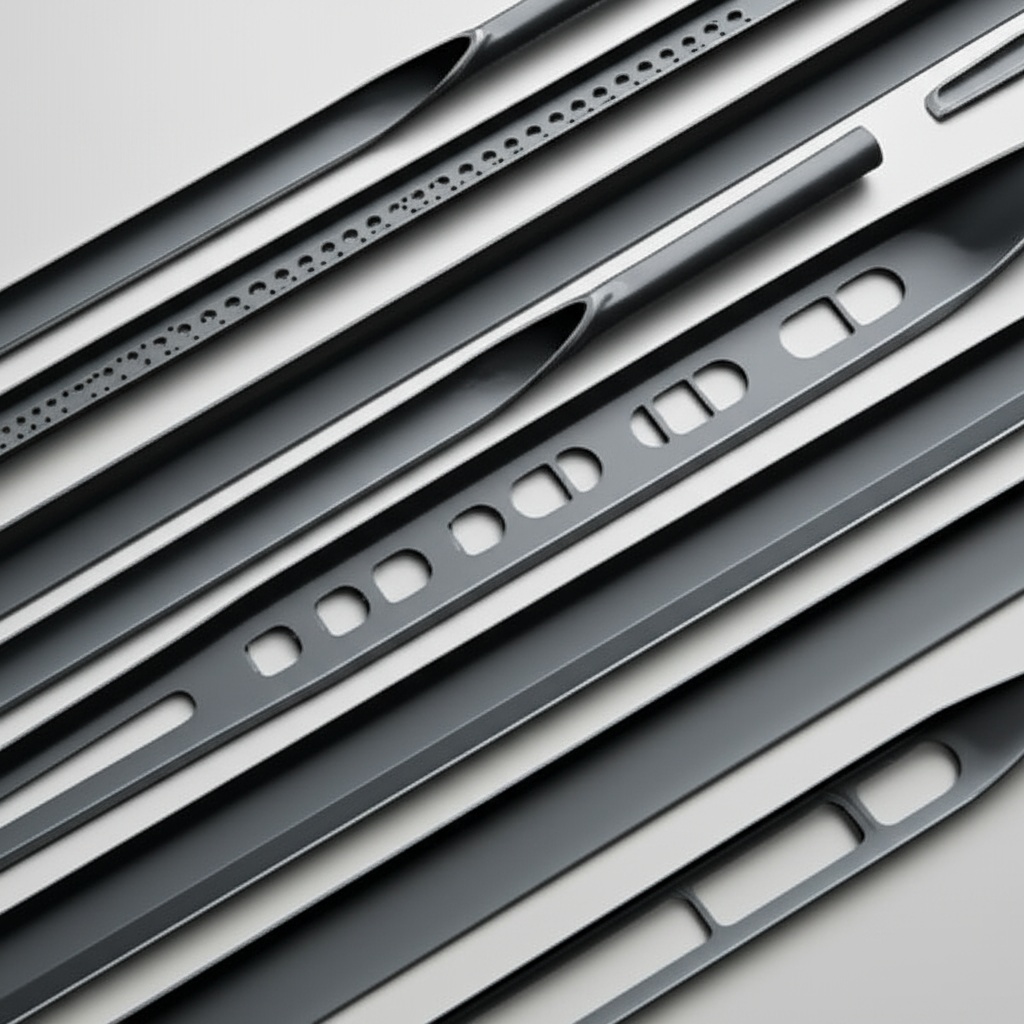
Creating custom Recrystallized Silicon Carbide (R-SiC) components that deliver optimal performance requires careful consideration of both design principles and the intricacies of the manufacturing process. R-SiC’s unique properties, stemming from its high-purity, self-bonded, and porous structure, influence how parts should be designed and fabricated. Collaborating with an experienced supplier like Sicarb Tech is crucial for navigating these considerations effectively, ensuring that the final product meets the demanding requirements of industries such as semiconductor, high-temperature processing, and chemical manufacturing.
Manufacturing Process Overview for R-SiC:
The production of R-SiC typically involves several key stages:
- Raw Material Preparation: Starting with high-purity alpha-SiC powder. The particle size distribution of the initial powder is critical for achieving the desired final microstructure and porosity.
- Forming: The SiC powder is mixed with temporary binders and plasticizers (if needed) and then formed into the desired green shape. Common forming methods include:
- Pressing (Isostatic or Uniaxial): Suitable for simpler shapes and high-volume production.
- Slip Casting: Used for complex shapes, hollow parts like R-SiC tubes or crucibles.
- Extrusion: Ideal for producing long, uniform cross-section parts like rods, tubes, and R-SiC beams.
- Injection Molding: For highly complex, smaller parts.
- Drying: The green bodies are carefully dried to remove moisture and any volatile components from the binders.
- Sintering/Recrystallization: This is the most critical step. The dried green parts are fired at extremely high temperatures, typically between $2200^\\circ C$ and $2500^\\circ C$, in a controlled, non-oxidizing atmosphere (e.g., argon). During this process, the fine SiC particles undergo recrystallization. Material transport occurs via vapor phase mechanisms (sublimation and condensation), causing the SiC grains to grow and bond directly to each other, forming a rigid, porous ceramic structure. No external pressure is typically applied (pressureless sintering).
- Finishing (Optional): Depending on the application, R-SiC parts may undergo additional finishing processes like grinding or cutting to achieve precise dimensional tolerances or specific surface characteristics.
Design for Manufacturability (DFM) for R-SiC:
Effective DFM is key to producing cost-effective and reliable R-SiC components. Engineers should consider:
- Complexity of Shapes: While R-SiC can be formed into relatively complex geometries, intricate features, very thin sections, or abrupt changes in thickness can pose challenges during forming and firing. Simpler designs are generally more robust and economical.
- Wall Thickness and Uniformity: Maintaining uniform wall thickness is important to prevent warping or cracking during drying and firing due to differential shrinkage. Minimum wall thickness is also a consideration depending on the forming method and part size.
- Dimensional Stability and Shrinkage: Significant shrinkage occurs during the sintering/recrystallization process. This must be accurately predicted and accounted for in the initial tool design. Non-uniform shrinkage can lead to dimensional inaccuracies or stress.
- Tolerances: As-fired R-SiC parts will have certain dimensional tolerances. If tighter tolerances are required, post-firing machining (e.g., diamond grinding) will be necessary, which adds to the cost.
- Avoiding Stress Concentrators: Sharp internal corners, notches, or small holes can act as stress concentration points, potentially leading to failure under thermal or mechanical loads. Generous radii and smooth transitions are recommended.
- Draft Angles: For pressed or molded parts, appropriate draft angles should be incorporated to facilitate easy removal from the mold.
- Support during Firing: Large or complex parts may require specialized setters or supports during high-temperature firing to prevent sagging or distortion.
SicSino’s Expertise in R-SiC Design and Manufacturing:
Sicarb Tech brings a wealth of expertise to the design and manufacturing of custom R-SiC components. As a key player in Weifang, the epicenter of China’s SiC production, and backed by the robust scientific capabilities of the Chinese Academy of Sciences , SicSino offers:
- Material Expertise: Deep understanding of R-SiC material science, allowing for optimization of raw materials and processing parameters for specific application needs.
- Process Control: State-of-the-art main equipment and stringent process controls ensure consistent quality and material properties.
- Collaborative Design: Working closely with clients from the initial design phase to provide guidance on DFM, material selection, and performance optimization. Their customizing support ensures that designs are feasible and cost-effective.
- Prototyping and Production: Capability to produce both prototypes for validation and full-scale production runs.
- Integrated Solutions: Offering an integrated process from raw materials to finished products, ensuring quality control throughout the entire manufacturing chain.
By considering these design and manufacturing aspects, and partnering with a knowledgeable supplier, companies can fully leverage the exceptional properties of R-SiC for their high-performance applications. Exploring SicSino’s product examples can provide further insight into the types of complex and precise components they can deliver.
Achievable Tolerances, Surface Finish, and Dimensional Control with R-SiC
For engineers and procurement professionals specifying custom Recrystallized Silicon Carbide (R-SiC) components, understanding the achievable dimensional tolerances, typical surface finishes, and overall dimensional control is crucial. These factors directly impact the component’s fit, performance, and cost. R-SiC, with its unique porous structure and high hardness, presents specific characteristics that influence these aspects. While it can be manufactured into precise shapes, achieving very tight tolerances often requires post-firing machining.
As-Fired R-SiC Components:
R-SiC parts are typically formed into a green body and then fired at extremely high temperatures, causing them to sinter and recrystallize. This process inherently involves shrinkage, which must be carefully controlled.
- Dimensional Tolerances: For as-fired R-SiC components, typical dimensional tolerances are often in the range of pm0.5 to pm2 of the dimension, depending on the size and complexity of the part, as well as the forming method used (e.g., pressing, slip casting, extrusion). Larger or more complex parts may exhibit greater variability. For instance, an R-SiC plate or beam might have length/width tolerances of pm1mm or more for substantial dimensions.
- Surface Finish: The as-fired surface of R-SiC is generally matte and reflects the grain structure of the recrystallized material and the surface of the mold or forming tools. The surface roughness (Ra) can vary, often in the range of 1.6mum to 6.3mum or higher, depending on the specific manufacturing process and grain size. The open porosity of R-SiC contributes to this inherent roughness.
- Warping and Distortion: Due to the high firing temperatures, there’s a potential for some warping or distortion, especially in large, flat, or thin-walled components like R-SiC plates or setters. Careful control of the firing process and appropriate support during firing are essential to minimize these effects.
Machined R-SiC Components for Enhanced Precision:
When applications demand tighter tolerances, smoother surface finishes, or more precise geometric features than achievable with as-fired parts, post-firing machining is necessary.
- Machining Process: R-SiC is an extremely hard material (Mohs hardness 9), making it challenging to machine. Diamond grinding is the most common method used for shaping, sizing, and finishing R-SiC components. Other techniques like lapping and polishing can also be employed for achieving very smooth surfaces.
- Achievable Tolerances with Machining: With precision diamond grinding, much tighter dimensional tolerances can be achieved, often in the range of pm0.02mm to pm0.1mm, or even tighter for specific features on smaller parts. However, extensive machining significantly increases the cost of the component.
- Surface Finish with Machining: Grinding can improve the surface finish considerably, potentially achieving Ra values below 0.8mum or even 0.4mum with fine grinding and lapping/polishing operations. This is important for applications requiring smooth mating surfaces or specific flow characteristics.
- Dimensional Control: Machining allows for precise control over critical dimensions, parallelism, perpendicularity, and flatness, which might be essential for components used in semiconductor equipment or precision alignment systems.
Impact of Porosity on Tolerances and Finish:
The inherent open porosity of R-SiC (typically 13−20) influences its machining characteristics and surface finish.
- The edges of pores can chip during grinding, potentially affecting the achievable surface smoothness if not carefully managed.
- Porosity means that even with a smooth machined surface, the material is not inherently gas-tight unless specifically sealed through post-processing treatments, which is a separate consideration from dimensional control.
SicSino’s Capabilities in Precision R-SiC Manufacturing:
Sicarb Tech, with its robust technological foundation and extensive experience in the Weifang SiC industrial cluster, is well-equipped to manage the dimensional control of R-SiC components.
- Process Optimization: SicSino employs advanced forming techniques and meticulous firing schedules to minimize dimensional variability in as-fired parts.
- Precision Machining: They possess in-house or partnered capabilities for precision diamond grinding and other finishing operations to meet stringent customer specifications for custom R-SiC products.
- Quality Control: Comprehensive measurement and evaluation technologies are utilized to ensure that all components meet the agreed-upon dimensional and surface finish requirements. This commitment to quality is backed by their link to the Chinese Academy of Sciences National Technology Transfer Center.
- Customization: SicSino works closely with customers to understand their specific tolerance and surface finish needs, providing guidance on what is practically achievable and cost-effective for R-SiC materials. This is a core part of their customizing support.
Technical buyers and engineers should discuss their specific dimensional and surface requirements with their R-SiC supplier early in the design phase. This ensures that the manufacturing process is tailored to meet these needs efficiently and economically. While tighter tolerances and finer finishes are achievable, they come with increased manufacturing complexity and cost, so specifications should be no more stringent than functionally necessary.
Navigating Challenges in R-SiC Component Production and Application
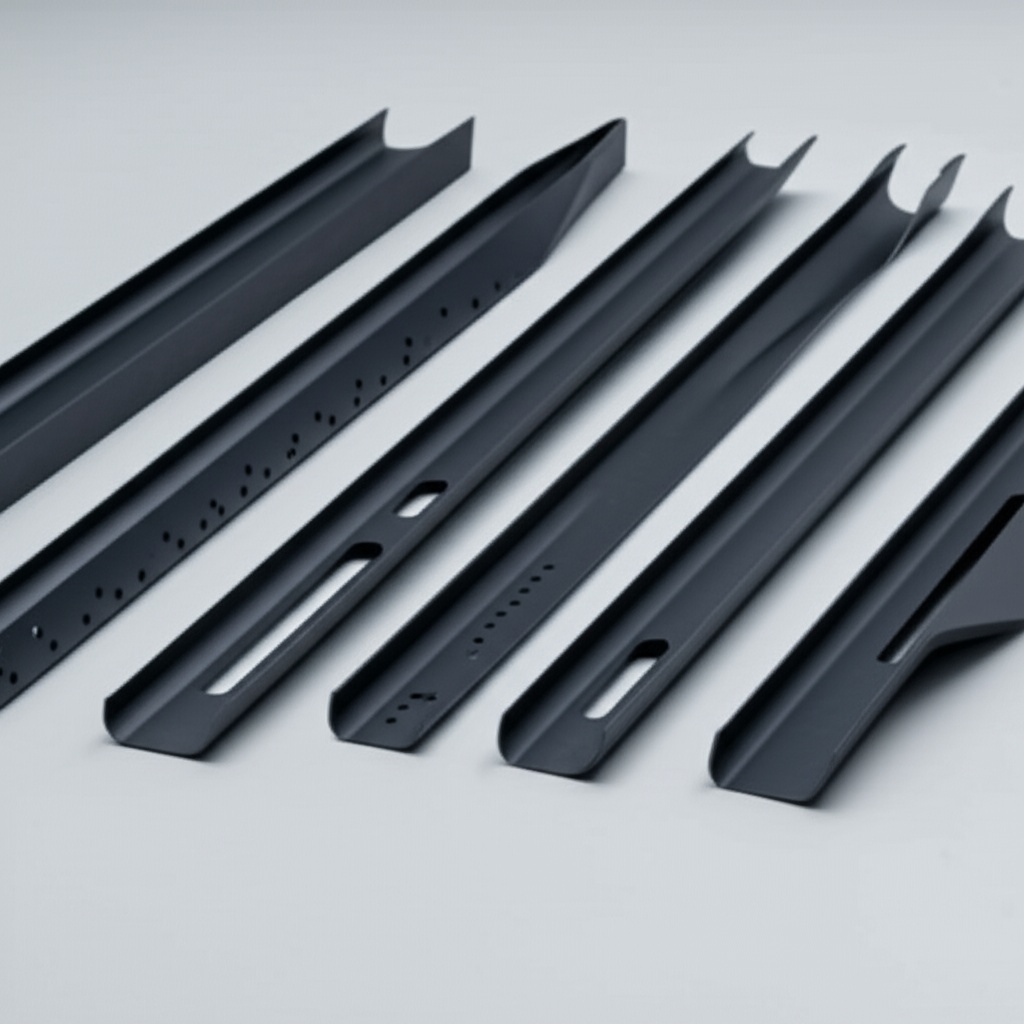
While Recrystallized Silicon Carbide (R-SiC) offers a host of advantages for high-temperature and high-purity applications, its unique material characteristics also present certain challenges in both production and application. Understanding these potential hurdles is crucial for engineers and procurement managers to effectively design, specify, and utilize R-SiC components. Partnering with an experienced and technologically advanced supplier, such as Sicarb Tech, can significantly help in mitigating these challenges and ensuring successful outcomes.
Common Challenges in R-SiC Production:
- Brittleness and Machining Complexity:
- Challenge: R-SiC is extremely hard but also inherently brittle, similar to other advanced ceramics. This makes it susceptible to chipping or fracture during machining if not handled with specialized techniques and equipment. Creating complex geometries or features with sharp corners can be particularly difficult.
- Mitigation: Utilizing advanced diamond grinding techniques, appropriate feed rates, and cooling lubricants is essential. Designing parts with generous radii and avoiding abrupt changes in thickness can reduce stress concentrations. Suppliers with deep machining expertise are vital.
- Achieving Uniform Porosity and Density:
- Challenge: The recrystallization process relies on precise control of temperature, atmosphere, and raw material characteristics to achieve the desired porosity and density uniformly throughout the component, especially for large or complex custom R-SiC parts. Variations can lead to inconsistent mechanical or thermal properties.
- Mitigation: Strict control over raw material powder (particle size, purity), forming processes, and kiln firing profiles (temperature uniformity, ramp rates) is necessary. Advanced process monitoring and quality control measures are key.
- High Processing Temperatures:
- Challenge: The recrystallization process requires very high temperatures (often $\>2200^\\circ C$), which necessitates specialized high-temperature furnaces and careful management of furnace components themselves. This contributes to the overall cost of R-SiC.
- Mitigation: Investing in and maintaining advanced furnace technology is crucial for manufacturers. Optimizing firing cycles for energy efficiency without compromising product quality is an ongoing effort for leading producers.
- Shrinkage and Dimensional Control during Firing:
- Challenge: Significant and sometimes non-uniform shrinkage occurs during the high-temperature firing stage. Predicting and compensating for this shrinkage to achieve tight as-fired tolerances is complex.
- Mitigation: Accurate modeling of shrinkage based on material composition and part geometry, precise tool design, and controlled firing conditions are employed. For very tight tolerances, post-firing machining is often planned.
Common Challenges in R-SiC Application:
- Managing Brittleness in Service:
- Challenge: While R-SiC has excellent thermal shock resistance, it can still fracture under excessive mechanical impact or localized stress, especially if there are pre-existing micro-cracks or design flaws.
- Mitigation: Proper design that avoids stress concentration points, careful handling and installation procedures, and ensuring components are not subjected to undue mechanical loads are important. Finite Element Analysis (FEA) can help optimize designs for stress distribution.
- Open Porosity Considerations:
- Challenge: The inherent open porosity of R-SiC means it is not naturally gas-tight. This can be a limitation in applications requiring vacuum integrity or separation of atmospheres unless the R-SiC is sealed.
- Mitigation: For applications requiring gas tightness, R-SiC components can undergo post-processing treatments like Chemical Vapor Infiltration (CVI) with SiC or other sealants. Alternatively, a dense SiC grade might be more appropriate if gas tightness is a primary requirement and the other benefits of R-SiC are less critical.
- Thermal Shock Limits Under Extreme Conditions:
- Challenge: Although R-SiC offers superior thermal shock resistance, extremely rapid or poorly controlled thermal cycles beyond its specified limits can still lead to failure. The size and geometry of the part also influence its thermal shock behavior.
- Mitigation: Adhering to recommended heating and cooling rates, ensuring uniform temperature distribution, and designing components to minimize thermal gradients are crucial.
- Cost Factor:
- Challenge: R-SiC components can be more expensive than some conventional ceramics or lower-grade SiC products due to the purity of raw materials, high processing temperatures, and potential need for diamond machining.
- Mitigation: Focusing on the total cost of ownership (TCO) is important. The extended service life, improved process efficiency, and reduced downtime offered by R-SiC in demanding applications often justify the initial investment. Optimizing designs for manufacturability can also help control costs.
How Sicarb Tech Helps Overcome These Challenges:
Sicarb Tech is uniquely positioned to help clients navigate these challenges. Their strength lies in:
- Technological Edge: Backed by the formidable scientific and technological capabilities of the Chinese Academy of Sciences , SicSino possesses a deep understanding of material science and process engineering. This enables them to optimize R-SiC production for superior quality and consistency.
- Weifang SiC Hub Advantage: Located in Weifang City, the heart of China’s SiC industry (accounting for over 80% of national output), SicSino benefits from a mature supply chain, skilled workforce, and a collaborative industrial ecosystem. They have played a role in the technological advancement of local enterprises since 2015.
- Integrated Expertise: SicSino offers an integrated approach, covering material science, process technology, component design, and meticulous measurement & evaluation. This holistic capability allows them to tackle complex customization needs effectively. Explore their successful cases to see their problem-solving capabilities in action.
- Commitment to Quality and Cost-Effectiveness: By refining production processes and leveraging their expertise, SicSino aims to provide higher-quality, cost-competitive custom R-SiC components.
- Technology Transfer Services: For clients looking to establish their own SiC production, SicSino even offers technology transfer for professional silicon carbide production, showcasing their comprehensive mastery of SiC manufacturing.
By partnering with SicSino, businesses can leverage world-class expertise to overcome the inherent challenges of R-SiC, unlocking its full potential for their most demanding industrial applications.
Frequently Asked Questions (FAQ) about Recrystallized Silicon Carbide (R-SiC)
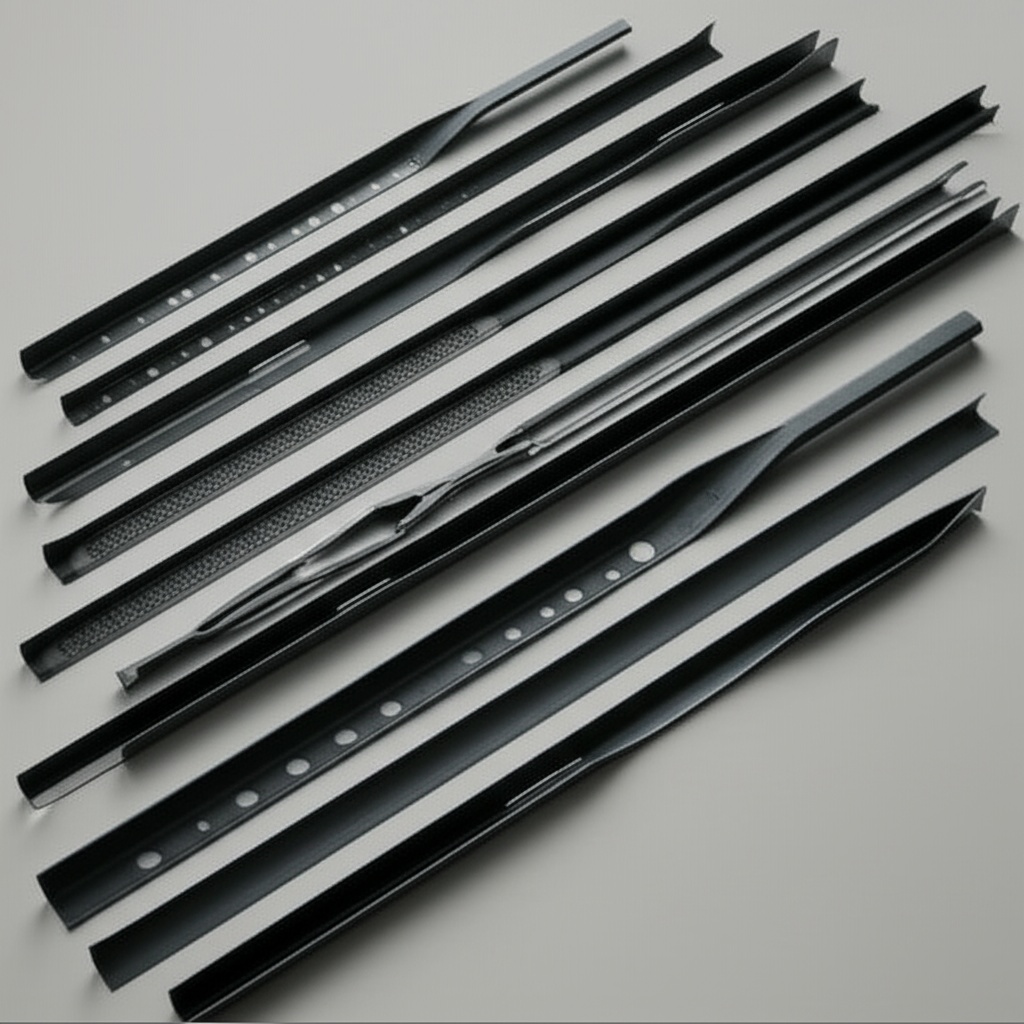
Engineers, procurement specialists, and technical buyers often have specific questions when considering Recrystallized Silicon Carbide (R-SiC) for their applications. Below are answers to some of the most common queries, aimed at providing practical and concise information.
What is the maximum operating temperature of Recrystallized Silicon Carbide (R-SiC)? R-SiC components can typically operate at temperatures up to approximately $1650^\\circ C$ ($3002^\\circ F$) in oxidizing atmospheres (like air). In inert or reducing atmospheres, its service temperature can be even higher, potentially approaching $2200^\\circ C$ ($3992^\\circ F$), as the primary limitation in air is oxidation. However, the exact maximum operating temperature can depend on the specific grade, purity, and the mechanical load applied to the component. It’s always best to consult with the manufacturer, like Sicarb Tech, for specific application guidance.
How does Recrystallized SiC (R-SiC) compare to Reaction Bonded SiC (RBSiC or SiSiC) and Sintered SiC (SSiC)? These SiC variants differ significantly in their composition, porosity, and properties, making them suitable for different applications:
| Feature | Recrystallized SiC (R-SiC) | Sintered SiC (SSiC) | Reaction Bonded SiC (RBSiC/SiSiC) |
|---|---|---|---|
| Primary Composition | 99 SiC (Self-bonded) | 98.5 SiC (Sintering aids) | 85−95 SiC, 5−15 Free Silicon |
| Porosity | 13−20 (Open) | $\<2%$ (Closed, Dense) | $\<0.1%$ (Very Dense) |
| Max. Temp. (Oxidizing) | $\\sim 1650^\\circ C$ | $\\sim 1600^\\circ C$ | $\\sim 1350-1380^\\circ C$ |
| Thermal Shock Resistance | Excellent | Good to Very Good | Moderate to Good |
| Purity | Very High | High | Moderate (due to free Si) |
| Key Advantage | Purity, Thermal Shock, High-Temp Stability | Strength, Wear Resistance, Chemical Inertness | Complex Shapes, Good Strength, Cost-Effective |
In essence:
- R-SiC: Best for high purity, extreme thermal cycling, and very high temperatures where contamination is a concern (e.g., R-SiC kiln furniture, semiconductor parts).
- SSiC: Preferred for applications requiring maximum strength, hardness, wear resistance, and corrosion resistance at high temperatures (e.g., seals, nozzles, bearings).
- RBSiC/SiSiC: Offers a good balance of mechanical properties, wear resistance, and the ability to form complex shapes with minimal firing shrinkage, but is limited by the melting point of silicon ($1410^\\circ C$).
Can Recrystallized SiC (R-SiC) components be made in complex shapes? Yes, R-SiC components can be manufactured in a wide variety of complex shapes and sizes. Common forming methods include slip casting (for hollow or intricate items like R-SiC tubes or saggers), extrusion (for profiles like beams and rollers), and pressing. The ability to produce complex geometries allows for tailored solutions for specific equipment and process needs. However, design for manufacturability principles should be followed, and consultation with an experienced supplier like Sicarb Tech is recommended to optimize designs for R-SiC production. Their customizing support can guide you through this process.
Is Recrystallized SiC (R-SiC) resistant to chemical attack? R-SiC exhibits excellent chemical resistance to a broad spectrum of acids, alkalis, molten salts, and corrosive gases, even at elevated temperatures. Its high purity (self-bonded SiC without binders) contributes to this inertness, as there are no secondary phases that could be preferentially attacked. This makes R-SiC suitable for demanding chemical processing applications and for use in environments where other materials would degrade rapidly.
What are the primary cost drivers for custom R-SiC parts? Several factors influence the cost of custom R-SiC components:
- Raw Material Purity: Higher purity SiC powders are more expensive.
- Complexity of Design: More intricate shapes require more complex tooling and forming processes.
- Size of the Component: Larger parts consume more material and require larger processing equipment and longer firing cycles.
- Order Volume: Larger production runs typically have lower per-unit costs due to economies of scale.
- Tolerances and Surface Finish: Tighter tolerances and finer surface finishes often necessitate precision diamond grinding, which is a significant cost addition.
- Manufacturing Process: The specific forming and firing techniques employed. Working with a knowledgeable supplier can help optimize designs and processes to achieve the best performance at a competitive cost.
Why choose Sicarb Tech for custom R-SiC components? Sicarb Tech offers several compelling advantages:
- Expertise and Technological Backing: As part of the Chinese Academy of Sciences (Weifang) Innovation Park and collaborating closely with the National Technology Transfer Center of the Chinese Academy of Sciences, SicSino leverages top-tier scientific and technological capabilities.
- Location in SiC Hub: Situated in Weifang City, the epicenter of China’s SiC production, they benefit from a mature industrial ecosystem and supply chain.
- Comprehensive Customization: They provide extensive customizing support, from design and material selection to manufacturing and quality assurance, for various product examples.
- Quality and Reliability: With a professional team and advanced technologies, SicSino is committed to delivering high-quality, cost-competitive custom SiC components. They have assisted numerous local enterprises with technological advancements.
- Full-Service Solutions: Beyond components, SicSino can even provide technology transfer for establishing specialized SiC production plants (turnkey projects). Their integrated approach ensures that clients receive optimized R-SiC solutions for their specific needs. For more information, you can learn more about us or contact us directly.
Conclusion: The Enduring Value of Custom Recrystallized Silicon Carbide
In the relentless pursuit of efficiency, durability, and performance in high-stakes industrial environments, Recrystallized Silicon Carbide (R-SiC) consistently proves its worth. Its exceptional combination of high purity, superior thermal shock resistance, outstanding high-temperature stability, and chemical inertness makes it an indispensable material for applications ranging from semiconductor processing to advanced kiln furniture and chemical reactors. The ability to customize R-SiC components further elevates its value, allowing engineers and technical buyers to procure parts precisely engineered for their unique operational challenges.
Choosing custom R-SiC is an investment in reliability and longevity. While the initial outlay may be higher than for some conventional materials, the extended service life, reduced downtime, improved product yields, and enhanced process control offered by R-SiC often lead to a significantly lower total cost of ownership. The key to unlocking these benefits lies in partnering with a supplier that possesses not only advanced manufacturing capabilities but also deep material science expertise and a commitment to collaborative problem-solving.
Sicarb Tech, strategically located in Weifang, the hub of China’s silicon carbide industry, and backed by the prestigious Chinese Academy of Sciences, embodies such a partner. Their comprehensive understanding of R-SiC, from raw material nuances to intricate design considerations and precision manufacturing, empowers them to deliver high-quality, cost-effective custom solutions. By focusing on an integrated process that spans material development, component design, and sophisticated production techniques, SicSino helps industries worldwide harness the full potential of custom R-SiC components. Whether you require intricately shaped parts for semiconductor equipment or robust R-SiC beams and rollers for industrial furnaces, embracing custom R-SiC through a knowledgeable supplier like SicSino is a strategic step towards achieving operational excellence in the most demanding environments. Explore their cases and product examples to see how they can support your specific needs, or contact us to discuss your next project.

About the Author: Sicarb Tech
We provide clear and reliable insights into silicon carbide materials, component manufacturing, application technologies, and global market trends. Our content reflects industry expertise, practical experience, and a commitment to helping readers understand the evolving SiC landscape.
Customizable SiC
You May Also Interest
-
![]()
SiC vs Boron Nitride: Thermal Solution Insights
SiC vs Boron Nitride: Thermal Solution Insights In the demanding world of advanced industrial applications, material selection is paramount. Engineers, procurement managers, and technical buyers across sectors like semiconductors, aerospace, and power electronics constantly seek materials that offer superior performance under extreme conditions. While boron nitride (BN) has its merits, custom silicon carbide (SiC) products…
-
![]()
Hot Pressed Silicon Carbide: The Apex of Performance in Extreme Industrial Environments
In the relentless pursuit of materials that can withstand the harshest industrial conditions, Hot Pressed Silicon Carbide (HPSiC) emerges as a frontrunner. This advanced ceramic material is engineered for exceptional performance where other materials falter, making it indispensable across a spectrum of demanding sectors. For engineers, procurement managers, and technical buyers in fields like semiconductors,…
-
![]()
SiC vs Alumina Zirconia: A Toughness Comparison
SiC vs Alumina Zirconia: A Toughness Comparison In the demanding world of high-performance industrial applications, material selection is paramount. Engineers, procurement managers, and technical buyers constantly seek materials that can withstand extreme conditions, offering superior durability, thermal stability, and wear resistance. Among the top contenders in advanced ceramics are custom silicon carbide (SiC) and alumina…