Reaction Bonded Silicon Carbide: The Superior Material for Demanding Industrial Applications
Share
In the realm of advanced technical ceramics, Reaction Bonded Silicon Carbide (RBSiC), also known as Silicon Infiltrated Silicon Carbide (SiSiC), stands out as a material of choice for a vast array of high-performance industrial applications. Its unique combination of properties, achieved through a specialized manufacturing process, makes it indispensable in environments where extreme temperatures, severe wear, and corrosive chemicals are the norm. For engineers, procurement managers, and technical buyers in sectors ranging from semiconductor manufacturing to aerospace, understanding the capabilities and benefits of custom RBSiC products is crucial for optimizing performance and achieving long-term operational efficiency. This blog post will delve into the intricacies of Reaction Bonded Silicon Carbide, exploring its characteristics, applications, design considerations, and how to source high-quality custom components.
The manufacturing process of RBSiC is key to its exceptional properties. It typically involves preparing a porous preform of silicon carbide grains and carbon. This preform is then infiltrated with molten silicon at high temperatures (above 1414circC). The molten silicon reacts with the carbon in the preform to create new, secondary silicon carbide, which bonds the original SiC grains together. Any remaining pores are filled with the excess metallic silicon, resulting in a dense, near-net-shape component with virtually no shrinkage during the process. This unique microstructure, a composite of SiC and free silicon, imparts a remarkable set of characteristics that make RBSiC a go-to material for custom silicon carbide components and advanced ceramic solutions.
Key Properties and Advantages of Reaction Bonded Silicon Carbide (RBSiC)
Reaction Bonded Silicon Carbide offers a compelling suite of properties that translate into significant advantages in demanding industrial settings. These characteristics make it a preferred material for high-performance SiC parts and technical ceramic components across various industries.
- Exceptional Wear and Abrasion Resistance: The inherent hardness of silicon carbide (Mohs hardness > 9) makes RBSiC components highly resistant to sliding wear, abrasion from hard particles, and erosion. This is particularly beneficial for applications involving the transport or processing of abrasive slurries, powders, or high-velocity fluids.
- High Operating Temperature: RBSiC maintains its mechanical strength and structural integrity at elevated temperatures, typically up to 1350−1380circC. While the presence of free silicon limits its ultimate temperature ceiling compared to some other SiC grades, its performance in this range is excellent for many thermal processing applications.
- Excellent Thermal Shock Resistance: Due to its high thermal conductivity and relatively low thermal expansion coefficient, RBSiC can withstand rapid temperature changes without cracking or failing. This is critical in applications like kiln furniture or components subjected to thermal cycling.
- Good Thermal Conductivity: RBSiC exhibits high thermal conductivity, allowing for efficient heat dissipation or transfer. This property is advantageous in heat exchangers, burner nozzles, and other components where temperature management is vital.
- High Mechanical Strength and Stiffness: RBSiC possesses excellent flexural strength and a high Young’s modulus, enabling the design of robust components that can withstand significant mechanical loads.
- Corrosion Resistance: Silicon carbide is inherently resistant to a wide range of acids and alkalis. The dense structure of RBSiC, with minimal porosity, further enhances its ability to resist chemical attack, making it suitable for handling corrosive media.
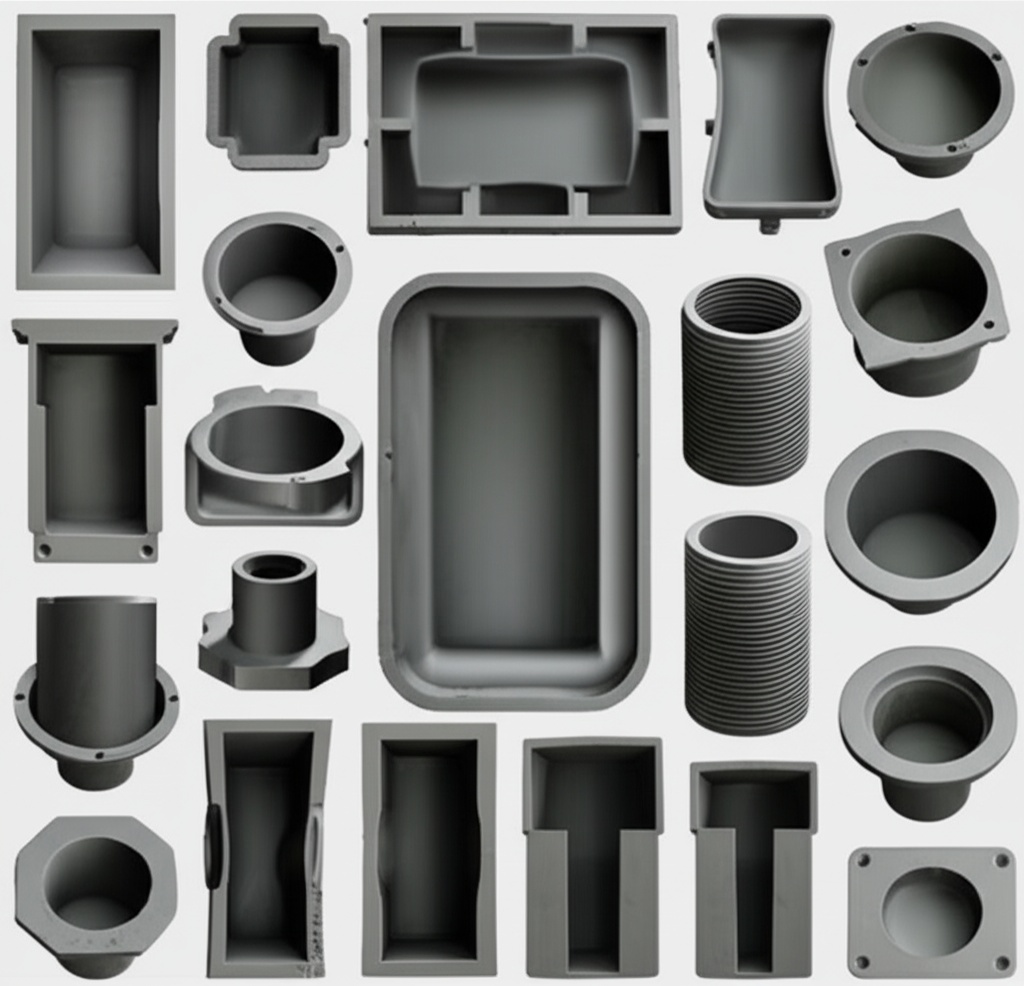
- Complex Shape Capability: The near-net-shape manufacturing process of RBSiC allows for the production of intricate and complex geometries with tight dimensional tolerances, often minimizing the need for extensive and costly post-machining.
- Cost-Effectiveness for Complex Shapes: Compared to other hard materials that require extensive diamond grinding, RBSiC can be more cost-effective for producing complex parts due to its net-shaping capabilities.
These advantages make RBSiC a superior choice for industrial wear parts, thermal processing equipment components, and custom engineered ceramics designed for longevity and reliability in harsh operational conditions.
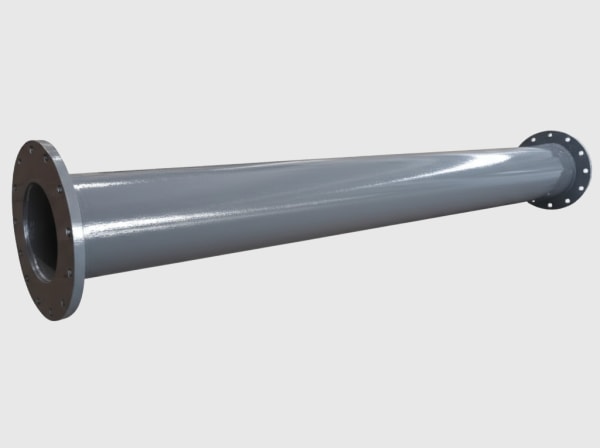
Dominant Industrial Applications of Reaction Bonded Silicon Carbide
The outstanding properties of Reaction Bonded Silicon Carbide have led to its widespread adoption in numerous critical industrial applications. Its ability to perform reliably under extreme conditions makes it an invaluable material for OEMs and industrial buyers seeking durable and efficient solutions.
| Industry Sector | Specific Applications of RBSiC | Key RBSiC Benefits Utilized |
|---|---|---|
| High-Temperature Processing | Kiln furniture (beams, rollers, plates, setters), Burner nozzles, Radiant tubes, Thermocouple protection tubes | High-temperature strength, Thermal shock resistance, Oxidation resistance |
| Mining & Minerals Processing | Slurry pump components (impellers, liners), Cyclone liners, Hydrocyclone apexes and spigots, Chute liners | Extreme wear and abrasion resistance, Corrosion resistance |
| Chemical Processing | Mechanical seals, Pump shafts and sleeves, Valve components, Nozzles for corrosive fluids | Chemical inertness, Wear resistance, High strength |
| Power Generation | Burner components, Coal pulverizer parts, Ash handling components | High-temperature stability, Abrasion resistance, Erosion resistance |
| Semiconductor Manufacturing | Wafer handling components (limited by silicon presence), Susceptors, Process chamber components | Dimensional stability, Thermal conductivity, Purity (specific grades) |
| Pulp & Paper | Cleaner cones, Nozzles, Wear plates | Abrasion resistance, Corrosion resistance |
| Automotive (Specialized) | Wear components in high-performance systems | Wear resistance, High strength |
| General Industrial | Shot blast nozzles, Wire drawing dies, Bearings (specialized) | Extreme hardness, Wear resistance, Dimensional stability |
Some of the most prominent applications include:
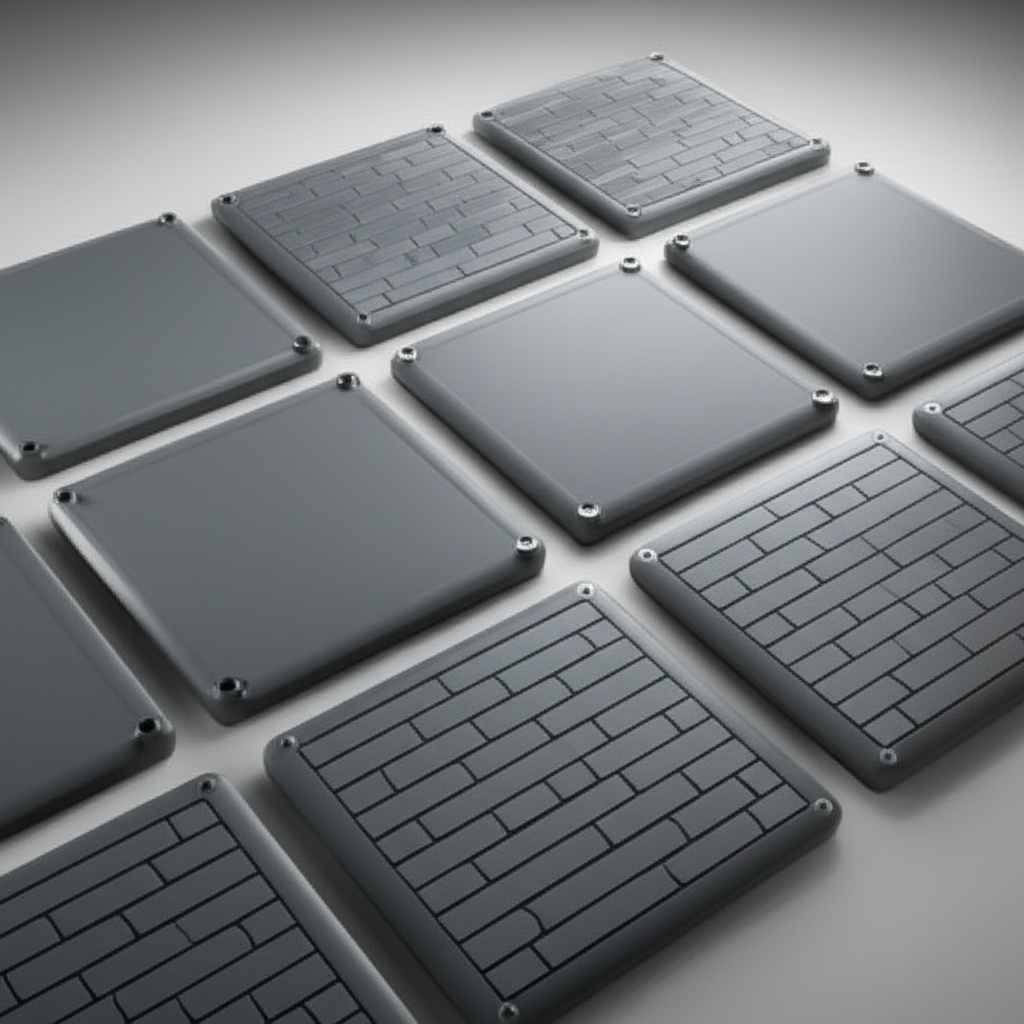
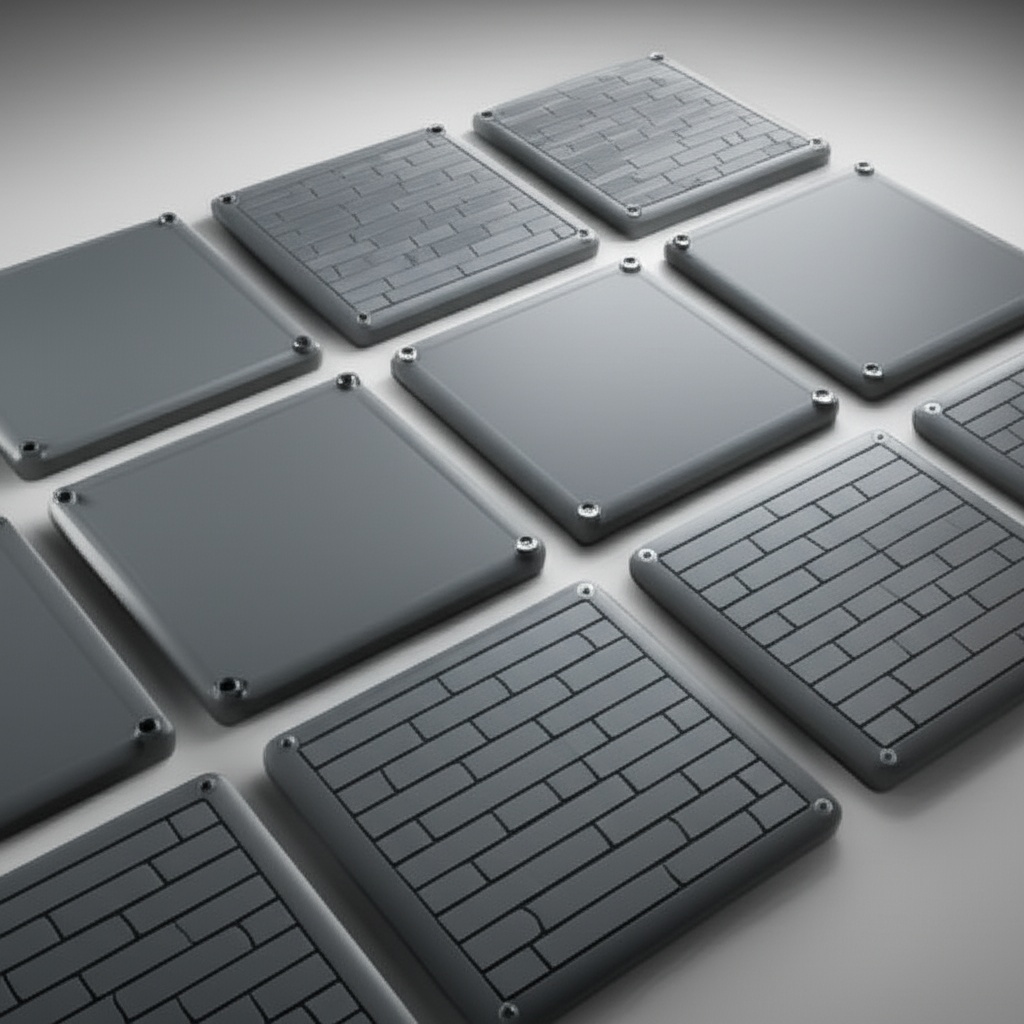
- Kiln Furniture: RBSiC beams, rollers, plates, and supports are extensively used in industrial furnaces and kilns for firing ceramics, metals, and other materials. Their high-temperature strength, excellent thermal shock resistance, and ability to carry heavy loads make them ideal for these demanding thermal cycling environments. Using RBSiC kiln furniture leads to improved energy efficiency and longer campaign lives.
- Wear Resistant Components: Due to its exceptional hardness and abrasion resistance, RBSiC is a prime material for manufacturing wear parts such as custom SiC nozzles for sandblasting or slurry spraying, liners for pipes and cyclones handling abrasive materials, and components for pumps and valves in erosive environments. These RBSiC wear parts significantly extend service life and reduce maintenance downtime.
- Mechanical Seals and Bearings: The combination of wear resistance, corrosion resistance, and good thermal conductivity makes RBSiC suitable for demanding mechanical seal faces and, in some specialized cases, bearings operating in aggressive media or at high temperatures. Silicon carbide seals offer superior performance over many traditional materials.
- Burner Nozzles and Radiant Tubes: In combustion systems, RBSiC burner nozzles provide excellent resistance to high temperatures and thermal shock, ensuring stable flame patterns and long service life. RBSiC radiant tubes offer efficient heat transfer and resistance to corrosive flue gases.
The versatility of reaction bonded SiC components allows them to replace traditional materials like metals, alumina, or tungsten carbide, offering enhanced performance and longer operational lifetimes in these challenging applications.
Comparing RBSiC with Other Silicon Carbide Grades
While Reaction Bonded Silicon Carbide (RBSiC or SiSiC) is a highly versatile and widely used material, it’s important for technical procurement professionals and engineers to understand how it compares to other common grades of silicon carbide, such as Sintered Silicon Carbide (SSiC) and Nitride Bonded Silicon Carbide (NBSiC). Each grade has its unique manufacturing process, resulting in different microstructures and, consequently, varying properties that make them suitable for specific applications.
| Property | Reaction Bonded SiC (RBSiC/SiSiC) | Sintered SiC (SSiC) | Nitride Bonded SiC (NBSiC) |
|---|---|---|---|
| Primary Composition | SiC + Free Silicon (10-15%) | Pure alpha-SiC or beta-SiC ( >98%) | SiC + Silicon Nitride (Si_3N_4) bond |
| Manufacturing Process | Silicon Infiltration | Solid-State Sintering | Nitridation of SiC + Si mixture |
| Typical Density | 3.02−3.15textg/cm3 | 3.10−3.21textg/cm3 | 2.5−2.7textg/cm3 |
| Porosity | Very Low (Near Zero) | Very Low (Near Zero) | Typically 10-15% (can vary) |
| Max. Operating Temp. | Approx. 1350−1380circC | Up to 1600−1800circC | Up to 1400−1450circC (oxidizing), higher in reducing atm. |
| Flexural Strength (RT) | 250−450textMPa | 400−600textMPa | 50−150textMPa |
| Thermal Conductivity | High (80−150textW/mK) | Very High (100−200textW/mK) | Moderate (10−20textW/mK) |
| Wear Resistance | Excellent | Superior | Good |
| Chemical Resistance | Very Good (Attacked by strong alkalis & HF due to free Si) | Excellent (Most inert SiC) | Good (Resistant to molten metals) |
| Complex Shape Capability | Excellent (Near-net-shape) | Good (Requires machining) | Good |
| Relative Cost | Moderate | High | Low to Moderate |
| Typical Applications | Wear parts, kiln furniture, nozzles, mechanical seals | Extreme wear/corrosion, semiconductor parts, bearings | Kiln furniture, refractory linings, metal contact |
Key Takeaways from the Comparison:
- RBSiC (SiSiC): Offers an excellent balance of properties including high wear resistance, good thermal shock resistance, and the ability to form complex shapes cost-effectively. The presence of free silicon makes it slightly less resistant to certain aggressive chemicals and limits its maximum operating temperature compared to SSiC. It’s often the material of choice for custom SiC wear components and structural parts where extreme temperature or chemical purity is not the absolute primary concern.
- SSiC: Represents the purest form of silicon carbide and generally exhibits the highest strength, wear resistance, corrosion resistance, and temperature capability. However, it is more expensive to produce, and manufacturing complex shapes often requires significant machining. SSiC is ideal for the most demanding applications, such as high-purity semiconductor components or advanced ceramic bearings.
- NBSiC: Is a more porous material with lower mechanical strength compared to RBSiC and SSiC. Its key advantages are lower cost, good thermal shock resistance, and excellent resistance to wetting by molten non-ferrous metals. It’s commonly used for less demanding kiln furniture applications and as refractory linings.
Choosing the right SiC grade depends heavily on the specific application requirements, including operating temperature, chemical environment, mechanical stresses, desired component complexity, and budget. For many industrial applications requiring robust and reliable performance, RBSiC provides an optimal blend of performance and value, especially when custom silicon carbide fabrication is needed for intricate designs.
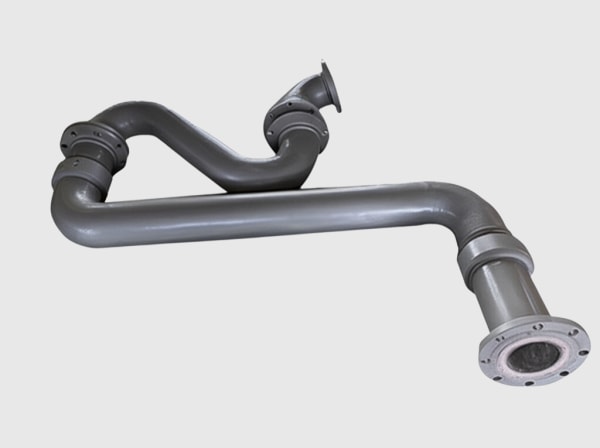
Custom RBSiC Component Design and Manufacturing Considerations
Designing and manufacturing custom Reaction Bonded Silicon Carbide components requires a deep understanding of the material’s characteristics and the intricacies of its production process. Collaboration between the end-user’s engineering team and the SiC component manufacturer is crucial for achieving optimal performance, manufacturability, and cost-effectiveness. Key considerations include:
Design for Manufacturability (DfM):
- Geometry and Complexity: While RBSiC allows for complex shapes, overly intricate features, very thin walls, or sharp internal corners can pose challenges during preform fabrication and silicon infiltration. Designing with generous radii and uniform wall thicknesses is generally recommended.
- Wall Thickness: Minimum achievable wall thickness depends on the overall size and geometry of the part but typically ranges from 3textmm upwards. Thicker sections may require features to aid uniform infiltration.
- Draft Angles: For components made using molding techniques for the green preform, appropriate draft angles are necessary for easy removal from the mold.
- Tolerances: As-sintered (or more accurately, as-reacted) RBSiC parts can achieve relatively tight dimensional tolerances due to the near-zero shrinkage during silicon infiltration. Typical as-sintered tolerances might be pm1 of the dimension, with a minimum of pm0.5textmm. Tighter tolerances usually necessitate post-process grinding.
- Joining: RBSiC components can sometimes be joined to form larger or more complex assemblies, either in the green state before infiltration or after firing using specialized bonding techniques.
Material Specifics:
- Silicon Content: The free silicon content (typically 8-15%) influences properties like electrical conductivity and chemical resistance to certain strong alkalis or hydrofluoric acid. This must be considered for specific application environments.
- Grain Size: The initial SiC grain size used in the preform can affect the final surface finish and mechanical properties of the RBSiC component.
Manufacturing Process Steps and Their Implications:
- Mixing: SiC powder, carbon source, and temporary binders are homogeneously mixed.
- Forming the Green Body: This can be done through various methods like:
- Pressing (uniaxial, isostatic): Good for simpler shapes and high-volume production.
- Slip Casting or Extrusion: Suitable for more complex or hollow shapes.
- CNC Green Machining: For highly complex prototypes or small series before firing, though less common for the initial preform of RBSiC compared to SSiC.
- Binder Burnout & Pre-sintering (optional): The green body is heated to remove binders and may undergo some initial sintering to provide handling strength.
- Silicon Infiltration: The porous SiC/C preform is heated in a vacuum or controlled atmosphere furnace in the presence of molten silicon. Capillary action draws the silicon into the pores, where it reacts with carbon to form new SiC and fills remaining voids.
- Cooling: Controlled cooling is essential to prevent thermal stress.
- Finishing (if required):
- Diamond Grinding/Lapping/Polishing: For achieving very tight tolerances (pm0.001textmm to pm0.05textmm is possible depending on complexity and size) and smooth surface finishes (Ra < 0.2mutextm achievable).
- Cutting/Drilling: Specialized diamond tooling is required.
Surface Finish:
- As-fired: The surface finish of as-reacted RBSiC parts is generally good but can vary depending on the forming method and initial SiC grain size. It might be in the range of Ra 1.6−6.3mutextm.
- Ground/Lapped/Polished: Significantly smoother surfaces can be achieved through these processes, which is crucial for applications like mechanical seals or precision components.
By considering these factors early in the design phase, engineers can leverage the full potential of RBSiC, resulting in high-performance, reliable, and economically viable custom engineered ceramic parts. Partnering with an experienced supplier like Sicarb Tech, who offers comprehensive Customizing Support, ensures that these design and manufacturing intricacies are expertly managed.
Sicarb Tech: Your Partner for Custom RBSiC Solutions
When sourcing custom Reaction Bonded Silicon Carbide components, partnering with a knowledgeable and capable supplier is paramount. Sicarb Tech stands as a leading provider, deeply rooted in the heart of China’s SiC manufacturing hub, Weifang City. This region is home to over 40 silicon carbide production enterprises, accounting for more than 80% of China’s total SiC output, and SicSino has been instrumental in this development.
Since 2015, Sicarb Tech has been at the forefront of introducing and implementing advanced silicon carbide production technology, significantly contributing to the large-scale production capabilities and technological progress of local enterprises. As a witness to the emergence and continuous evolution of the regional SiC industry, SicSino brings unparalleled insight and experience.
Our strength is amplified by our affiliation with the Chinese Academy of Sciences (Weifang) Innovation Park, an entrepreneurial park that collaborates closely with the National Technology Transfer Center of the Chinese Academy of Sciences. This unique positioning allows Sicarb Tech to leverage the formidable scientific, technological capabilities, and talent pool of the Chinese Academy of Sciences. We act as a vital bridge, facilitating the integration and collaboration essential for the transfer and commercialization of cutting-edge scientific and technological achievements. This foundation provides our clients with access to more reliable quality and supply assurance within China for their customized silicon carbide components.
At Sicarb Tech, we pride ourselves on our domestic top-tier professional team specializing in the customized production of silicon carbide products. Our support has benefited over ten local enterprises, enhancing their technological capabilities. We possess a comprehensive suite of technologies, encompassing material science, process engineering, design optimization, and meticulous measurement & evaluation techniques. This integrated approach, from raw materials to finished RBSiC products, enables us to meet diverse and complex customization needs. We are committed to offering you higher-quality, cost-competitive custom silicon carbide components in China.
Our expertise isn’t just limited to component supply. For businesses looking to establish their own SiC production,Sicarb Tech offers comprehensive technology transfer services (turnkey projects). This includes factory design, procurement of specialized equipment, installation and commissioning, and trial production support, ensuring an effective investment and reliable technology transformation.
Choosing Sicarb Tech means opting for a partner with:
- Deep industry expertise: Years of experience in the SiC production landscape.
- Technological backing: Strong ties with the Chinese Academy of Sciences.
- Comprehensive customization: Ability to produce complex reaction bonded SiC parts to exact specifications.
- Quality focus: Commitment to delivering high-performance, reliable components.
- Cost-effectiveness: Leveraging regional manufacturing strengths to offer competitive pricing.
We invite you to learn more About Us and explore how our custom SiC solutions can elevate your industrial applications.
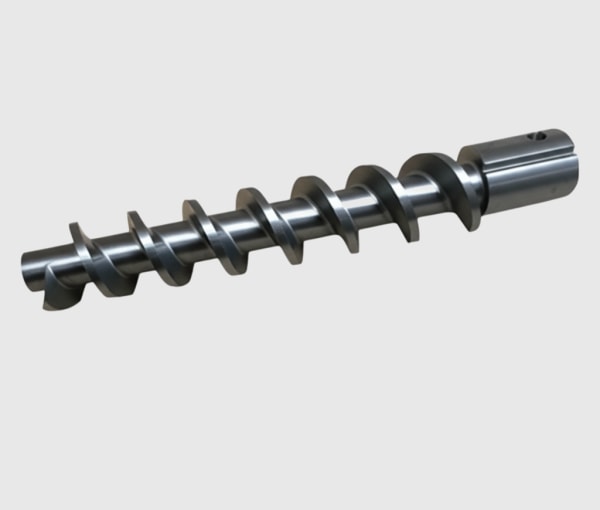
Quality Assurance and Supply Chain for RBSiC Components
Ensuring consistent quality and a reliable supply chain are critical factors when procuring Reaction Bonded Silicon Carbide (RBSiC) components, especially for wholesale buyers, OEMs, and distributors who depend on timely delivery and dependable performance. The manufacturing of RBSiC involves sophisticated processes where slight variations can impact the final properties of the product. Therefore, stringent quality assurance measures and a robust supply chain are non-negotiable.
Quality Assurance in RBSiC Production:
A comprehensive quality assurance system for RBSiC components typically covers every stage, from raw material inspection to final product verification:
- Raw Material Control:
- Silicon Carbide Powder: Particle size distribution, purity, and morphology are critical.
- Carbon Source: Purity and reactivity must be consistent.
- Silicon Metal: Purity is essential to avoid unwanted contaminants in the final product.
- Binders: Consistency in composition and properties.
- Process Control:
- Mixing: Ensuring homogeneity of the green mixture.
- Forming: Monitoring pressures, dimensions, and green densities of the preforms.
- Drying & Binder Burnout: Precise temperature and atmosphere control to prevent defects.
- Silicon Infiltration: Critical parameters include temperature, vacuum levels, infiltration time, and the amount of silicon. These are tightly controlled to ensure complete and uniform infiltration and reaction.
- Cooling: Controlled cooling rates to minimize internal stresses.
- Final Product Inspection and Testing:
- Dimensional Checks: Verification against drawings and specifications using callipers, CMMs (Coordinate Measuring Machines), and other metrology equipment.
- Density and Porosity Measurement: To ensure proper infiltration and material integrity.
- Visual Inspection: Checking for cracks, chips, surface imperfections, or infiltration issues.
- Non-Destructive Testing (NDT): Methods like ultrasonic testing or dye penetrant inspection can be used to detect internal flaws or surface cracks not visible to the naked eye, especially for critical components.
- Mechanical Property Testing (Batch Dependant): Flexural strength, hardness, or fracture toughness tests might be performed on representative samples.
- Microstructural Analysis: Occasionally, SEM (Scanning Electron Microscopy) may be used to examine the grain structure and silicon distribution.
Supply Chain Reliability with Sicarb Tech:
Sicarb Tech understands the importance of a stable and efficient supply chain. Our strategic location in Weifang City, the epicenter of China’s SiC industry, provides distinct advantages:
- Access to Raw Materials: Proximity to suppliers of high-quality SiC grains and other necessary raw materials.
- Skilled Workforce: Availability of experienced technicians and engineers familiar with SiC production.
- Established Logistics: Well-developed infrastructure for national and international shipping.
- Strong Local Network: Our role in supporting and advancing technology for over 10 local enterprises fosters a collaborative ecosystem, ensuring “more reliable quality and supply assurance within China.” This network also provides flexibility and scalability in production.
- Integrated Processes: Our comprehensive capabilities, from material science to final product evaluation, streamline the production flow and reduce dependency on external variables, leading to more predictable lead times.
By prioritizing rigorous quality control protocols and leveraging our strong position within the SiC industry hub, Sicarb Tech ensures that our clients receive high-quality RBSiC components that meet their exact specifications and are delivered reliably. You can explore some of our successful Product Examples and Cases to see the quality and diversity of our offerings.
| Quality Control Stage | Key Parameters Checked | Importance for RBSiC Performance |
|---|---|---|
| Raw Material Inspection | SiC purity & particle size, Silicon purity, Carbon reactivity | Directly impacts final density, strength, wear resistance, and chemical stability. |
| Green Body Forming | Dimensional accuracy, Green density, Absence of defects | Ensures proper infiltration, final shape accuracy, and prevents flaws in the finished part. |
| Silicon Infiltration | Temperature profile, Vacuum level, Infiltration time | Critical for complete reaction, achieving target SiC/Si ratio, and minimizing porosity. |
| Final Product Testing | Dimensions, Density, Visual integrity, NDT (if required) | Verifies that the component meets all engineering specifications and is fit for its intended use. |
This meticulous attention to detail throughout the manufacturing and supply process underpins our commitment to delivering excellence in every custom silicon carbide product.
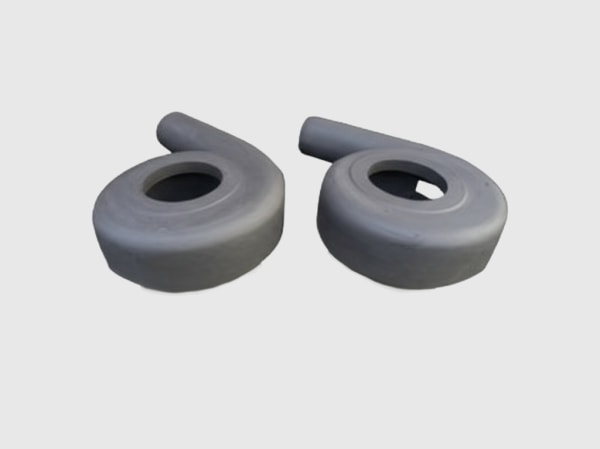
Frequently Asked Questions (FAQ) about Reaction Bonded Silicon Carbide
For engineers, procurement managers, and technical buyers considering Reaction Bonded Silicon Carbide (RBSiC) for their applications, several common questions often arise. Here are concise answers to some of the most frequently asked questions:
1. What is the typical lead time for custom Reaction Bonded Silicon Carbide (RBSiC) orders?
The lead time for custom RBSiC orders can vary significantly based on several factors:
- Complexity of the Part: More intricate designs or those requiring very tight tolerances may take longer to tool and produce.
- Size of the Component: Larger parts often require longer processing times, particularly during the infiltration and cooling stages.
- Order Quantity: Small prototype runs might have different lead times compared to large-scale production orders.
- Tooling Requirements: If new molds or tooling are needed, this will add to the initial lead time.
- Current Production Schedules: Existing backlogs at the manufacturing facility will also play a role. Typically, for custom RBSiC components, lead times can range from 4 to 12 weeks after design approval and order confirmation. Simple, existing designs might be faster, while highly complex, large, or first-time production parts may be at the longer end of this spectrum. It’s always best to discuss specific project timelines directly with the supplier. Sicarb Tech works closely with clients to provide realistic lead time estimates based on their unique customizing support requirements.
2. What information is needed to get an accurate quote for custom RBSiC parts?
To provide an accurate quotation for custom RBSiC parts, manufacturers generally require the following information:
- Detailed Engineering Drawings: These should include all dimensions, critical tolerances, surface finish requirements, and any specific features (e.g., chamfers, radii, holes). CAD files (e.g., STEP, IGES, DWG) are highly preferred.
- Material Grade: Specify Reaction Bonded Silicon Carbide (RBSiC or SiSiC). If there are specific requirements regarding the percentage of free silicon or other material properties, these should be noted.
- Quantity Required: Pricing is often dependent on volume (e.g., prototype quantity, annual usage).
- Application Details: Understanding the intended use, operating environment (temperature, chemical exposure, wear conditions), and performance expectations helps the supplier ensure the material and design are optimal.
- Testing and Certification Requirements: If specific tests (e.g., NDT, material certifications) are needed, these should be clearly stated.
- Target Price (if applicable) and Desired Delivery Schedule: This helps in aligning expectations. Providing comprehensive information upfront will expedite the quotation process and ensure the quote accurately reflects the project’s needs. You can easily submit your requirements through our Contact Us page.
3. Can Reaction Bonded Silicon Carbide (RBSiC) be used in highly corrosive environments?
Reaction Bonded Silicon Carbide generally exhibits very good corrosion resistance to a wide range of acids and alkalis, as well as to oxidizing environments at elevated temperatures. The primary silicon carbide phase is highly inert. However, the presence of free metallic silicon (typically 8-15% by volume in RBSiC) can be a point of selective attack by certain aggressive chemicals, particularly:
- Strong Alkalis: Hot, concentrated solutions of sodium hydroxide or potassium hydroxide can attack the free silicon.
- Hydrofluoric Acid (HF) and Mixtures Containing HF: HF will attack both silicon carbide and free silicon.
- Certain Molten Salts and Metals: While generally good, specific compatibility should always be verified.
For applications involving these specific aggressive media, Sintered Silicon Carbide (SSiC), which is essentially pure SiC with no free silicon, often offers superior corrosion resistance. However, for a broad spectrum of industrial corrosive conditions, RBSiC performs admirably and provides a cost-effective solution. It’s crucial to discuss the specific chemical environment with your material supplier to confirm the suitability of RBSiC or to consider alternative SiC grades if necessary.
Conclusion: The Enduring Value of Custom Reaction Bonded Silicon Carbide
Reaction Bonded Silicon Carbide has firmly established itself as a cornerstone material in the world of advanced ceramics, offering an exceptional combination of hardness, wear resistance, high-temperature stability, and thermal shock resistance. Its unique manufacturing process allows for the creation of complex, near-net-shape components that are vital for the performance and longevity of equipment in demanding industrial sectors, including high-temperature processing, chemical handling, mining, and power generation. The ability to customize RBSiC parts to precise specifications makes it an invaluable asset for engineers seeking to push operational boundaries and for procurement professionals aiming to secure durable, cost-effective solutions.
Choosing the right material grade and, just as importantly, the right manufacturing partner is key to harnessing the full potential of RBSiC. A supplier like Sicarb Tech, with its deep technological expertise rooted in the heart of China’s SiC production hub and backed by the scientific prowess of the Chinese Academy of Sciences, offers not just components but comprehensive solutions. From meticulous design support and quality-controlled manufacturing to reliable supply chains and even technology transfer for establishing your own production, SicSino is dedicated to ensuring that clients receive superior custom silicon carbide products tailored to their unique needs.
Whether you are an OEM looking for high-performance RBSiC wear parts, a plant manager needing durable kiln furniture, or a technical buyer sourcing industrial ceramic components, Reaction Bonded Silicon Carbide, particularly when sourced from a proficient and reliable partner, delivers outstanding value and contributes significantly to enhanced productivity and reduced operational costs in the most challenging industrial environments. We encourage you to explore the possibilities with Sicarb Tech for your next project. Sources and related content

About the Author: Sicarb Tech
We provide clear and reliable insights into silicon carbide materials, component manufacturing, application technologies, and global market trends. Our content reflects industry expertise, practical experience, and a commitment to helping readers understand the evolving SiC landscape.

Customizable SiC
You May Also Interest
-
![]()
SiC vs MMC: Advanced Material Selection Guide
SiC vs MMC: Advanced Material Selection Guide In the demanding world of high-performance industrial applications, material selection is paramount. Engineers, procurement managers, and technical buyers are constantly seeking advanced materials that can withstand extreme conditions, enhance efficiency, and extend product lifespans. This often leads to a critical evaluation between silicon carbide (SiC) and metal matrix…
-
![]()
Recrystallized Silicon Carbide (R-SiC): The High-Purity Choice for Extreme Environments
In the demanding landscape of modern industrial applications, material selection is paramount. Engineers and procurement managers constantly seek materials that not only withstand extreme conditions but also offer reliability and tailored performance. Among the advanced technical ceramics, Recrystallized Silicon Carbide (R-SiC) stands out as a premier choice, particularly for high-temperature, high-purity environments. Unlike other silicon…
-
![]()
SiC vs Boron Nitride: Thermal Solution Insights
SiC vs Boron Nitride: Thermal Solution Insights In the demanding world of advanced industrial applications, material selection is paramount. Engineers, procurement managers, and technical buyers across sectors like semiconductors, aerospace, and power electronics constantly seek materials that offer superior performance under extreme conditions. While boron nitride (BN) has its merits, custom silicon carbide (SiC) products…