Precision SiC Spacers for Accurate Assemblies
Share
Precision SiC Spacers for Accurate Assemblies
In the demanding world of high-performance engineering, achieving unparalleled precision and reliability is paramount. From the intricate circuits of semiconductors to the extreme environments of aerospace propulsion, the components used must withstand immense stress while maintaining their dimensional integrity. This is where custom silicon carbide (SiC) products, particularly SiC spacers, emerge as indispensable solutions. Engineered for exceptional thermal stability, wear resistance, and chemical inertness, SiC spacers are the foundation for accurate and durable assemblies in critical industrial applications.
What are Custom Silicon Carbide Spacers and Why are They Essential?
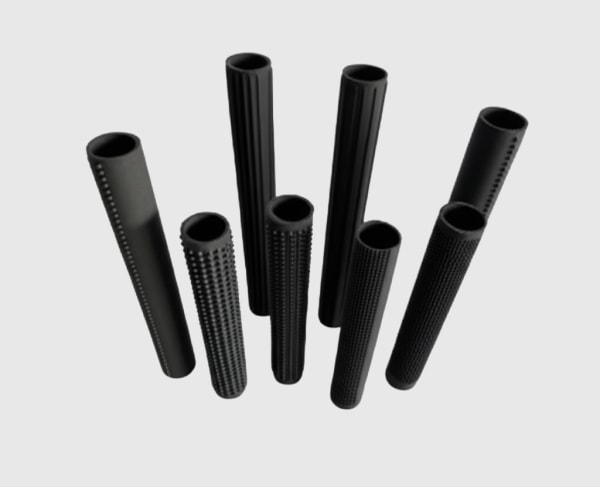
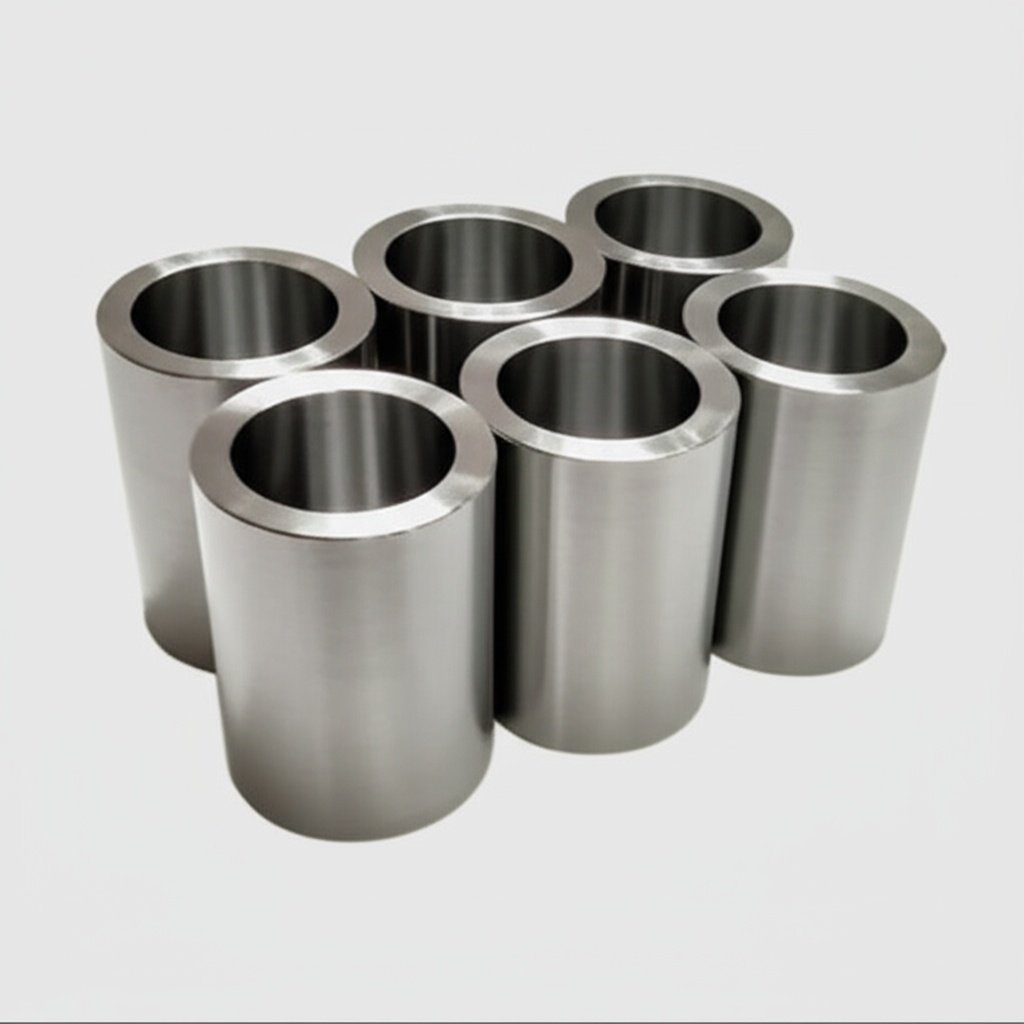
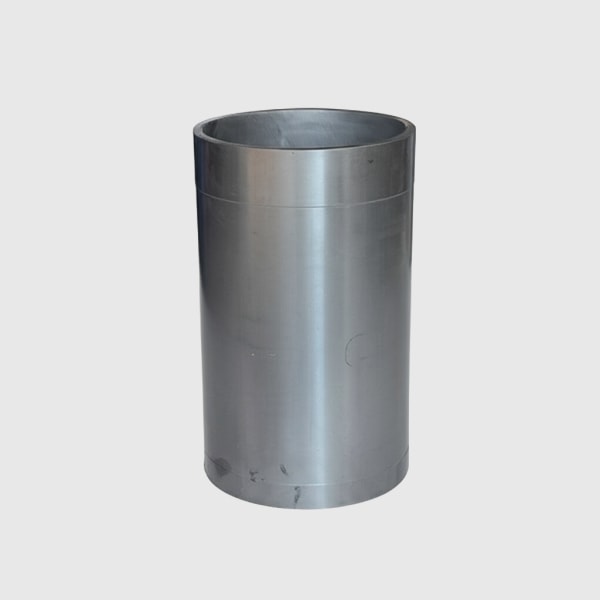
Custom silicon carbide spacers are precision-machined components made from advanced technical ceramics. Unlike standard metal or polymer spacers, SiC offers a unique combination of properties that make it ideal for extreme operating conditions. These properties include:
- Extreme Hardness: Second only to diamond, SiC provides superior wear and abrasion resistance, extending the lifespan of assemblies.
- High Thermal Conductivity: Efficiently dissipates heat, crucial for temperature-sensitive applications.
- Low Thermal Expansion: Maintains dimensional stability across wide temperature fluctuations, ensuring consistent performance.
- Chemical Inertness: Resistant to a wide range of acids, alkalis, and corrosive gases, making it suitable for harsh chemical environments.
- High Young’s Modulus: Excellent stiffness and rigidity, minimizing deformation under load.
- Semiconductor Properties: Crucial for high-power electronics and high-frequency applications.
These attributes make custom SiC spacers essential for applications where conventional materials simply fail to perform, providing the accuracy and reliability that modern industries demand.
Main Applications of Silicon Carbide Spacers Across Industries
The versatility of silicon carbide spacers allows them to be utilized across a broad spectrum of high-tech industries. Their ability to deliver precision and durability in extreme conditions makes them a go-to choice for engineers and procurement managers seeking optimal performance.
| Industry | Specific Applications for SiC Spacers | Key Benefits of SiC |
|---|---|---|
| Semiconductors | Wafer handling equipment, etch chambers, deposition systems, precision alignment in chip manufacturing. | High purity, thermal stability, plasma resistance, dimensional accuracy in cleanroom environments. |
| Automotive | EV power electronics (inverters, chargers), braking systems, engine components, sensor mounts. | High temperature resistance, electrical insulation, wear resistance for improved efficiency and lifespan. |
| Aerospace & Defense | Turbine engine components, nozzle assemblies, structural elements in high-temperature zones, missile systems. | Lightweight, high strength-to-weight ratio, extreme temperature tolerance, thermal shock resistance. |
| Power Electronics | High-voltage switches, power modules, heat sinks, insulative supports in grid infrastructure. | Superior electrical insulation, high thermal conductivity for efficient power conversion and reduced losses. |
| Renewable Energy | Solar panel manufacturing equipment, wind turbine components, energy storage systems. | Durability in harsh outdoor environments, efficient heat management in power conversion. |
| Metallurgy | Furnace linings, high-temperature process equipment, casting molds, kiln furniture. | Extreme temperature resistance, resistance to molten metals and slags, thermal shock stability. |
| Chemical Processing | Pump seals, valve components, heat exchangers, reactor linings. | Exceptional corrosion resistance, chemical inertness, high temperature stability in aggressive media. |
| Industrial Manufacturing | Precision machinery, wear parts, bearings, seals, nozzles in various industrial equipment. | Outstanding wear and abrasion resistance, high hardness for extended service life. |
| Medical Devices | Surgical instruments, diagnostic equipment, precise component alignment. | Biocompatibility, sterilization resistance, precision, and reliability for critical applications. |
Why Choose Custom Silicon Carbide Products?
While standard components might suffice for some applications, the unique demands of high-performance industries often necessitate custom solutions. Choosing custom silicon carbide products offers several compelling advantages:
- Tailored Performance: Specific material grades, dimensions, and geometries can be optimized for your exact operational requirements, ensuring peak performance.
- Enhanced Durability: Customization allows for designs that maximize SiC’s inherent wear, corrosion, and thermal resistance, leading to longer component life and reduced downtime.
- Optimal Fit and Function: Eliminates the need for costly modifications or compromises often associated with off-the-shelf parts, ensuring seamless integration into complex assemblies.
- Cost-Efficiency in the Long Run: While initial investment might be higher, the extended lifespan, reduced maintenance, and improved performance of custom SiC components often result in significant long-term savings.
- Application-Specific Solutions: Whether it’s a unique thermal profile, a challenging chemical environment, or precise mechanical load requirements, custom SiC can be engineered to meet virtually any specification.
Recommended SiC Grades and Compositions for Spacers
The performance of silicon carbide spacers is heavily influenced by their specific grade and composition. Understanding the differences is crucial for selecting the right material for your application. Common types include:
- Reaction-Bonded Silicon Carbide (RBSiC): Produced by infiltrating a porous compact of SiC and carbon with molten silicon. This forms a matrix of SiC and free silicon.
- Properties: Excellent thermal shock resistance, high strength, good wear resistance, relatively lower cost compared to sintered SiC.
- Applications: Kiln furniture, large structural components, wear plates, automotive components.
- Sintered Silicon Carbide (SSiC): Formed by sintering fine SiC powder with or without sintering aids at very high temperatures. This results in a dense, fine-grained material.
- Properties: Higher purity, superior corrosion resistance, higher strength and hardness than RBSiC, excellent high-temperature creep resistance.
- Applications: Semiconductor components, chemical processing equipment, high-performance mechanical seals, bearings.
- Nitride-Bonded Silicon Carbide (NBSiC): Created by reacting silicon with nitrogen in a SiC/carbon compact.
- Properties: Good thermal shock resistance, moderate strength, relatively lower thermal conductivity than other SiC types.
- Applications: General refractory applications, components requiring good thermal insulation and moderate strength.
The choice of grade depends on the specific requirements for temperature, mechanical load, chemical exposure, and electrical properties.
Design Considerations for Silicon Carbide Spacers
Designing custom silicon carbide spacers requires careful consideration to leverage the material’s strengths and mitigate its limitations, such as brittleness. Engineers must pay close attention to several critical factors:
- Geometry Limits: Avoid sharp corners, thin walls, and abrupt changes in cross-section, as these can create stress concentrations and lead to fracture. Radii and chamfers are preferred.
- Wall Thickness: While SiC is strong, extremely thin walls can be challenging to manufacture and more susceptible to breakage. Optimize wall thickness for both strength and material economy.
- Stress Points: Identify areas prone to mechanical or thermal stress during operation and design to distribute these loads evenly. Finite Element Analysis (FEA) can be invaluable here.
- Mounting and Fastening: Consider how the spacers will be integrated into the larger assembly. Design features for mounting (e.g., holes, slots) should account for SiC’s brittleness and potential thermal expansion differences with mating materials.
- Surface Finish Requirements: Define the necessary surface finish based on the application (e.g., sealing, friction, cleanliness).
- Manufacturing Method: Different SiC grades and complexities may dictate different manufacturing approaches, impacting design feasibility and cost.
Tolerance, Surface Finish & Dimensional Accuracy
Achieving tight tolerances and specific surface finishes is critical for the precision functions of SiC spacers. The manufacturing process of SiC components allows for remarkable dimensional accuracy:
- Achievable Tolerances: Depending on size and complexity, tolerances can often be held to $pm 0.005$ mm or even tighter for highly specialized applications through advanced machining techniques like diamond grinding and lapping.
- Surface Finish Options: Surfaces can range from as-fired (rougher) to highly polished (mirror-like) finishes, with roughness values ($R_a$) ranging from several micrometers down to sub-micrometer levels. The required surface finish will impact manufacturing cost and lead time.
- Dimensional Accuracy: Silicon carbide’s inherent stiffness and low thermal expansion contribute to its excellent dimensional stability, ensuring that components maintain their precise form even under varying operational conditions.
Post-Processing Needs for Enhanced Performance
To further enhance the performance and durability of SiC spacers, various post-processing steps may be employed:
- Precision Grinding and Lapping: Essential for achieving ultra-tight tolerances and smooth surface finishes, critical for sealing, bearing, and optical applications.
- Polishing: For applications requiring extremely low friction, high cleanliness, or optical clarity.
- Sealing: In some cases, SiC components may be sealed with inert materials to prevent gas or liquid leakage in vacuum or corrosive environments.
- Coating: While SiC is highly resistant, specialized coatings (e.g., CVD diamond, DLC) can be applied for enhanced wear resistance, specific electrical properties, or anti-stiction.
- Heat Treatment: May be used in specific cases to refine material properties or relieve internal stresses, though less common for final SiC components.
Common Challenges and How to Overcome Them
While silicon carbide offers exceptional properties, working with this advanced ceramic presents specific challenges:
- Brittleness: SiC is inherently brittle, making it susceptible to chipping or fracturing if mishandled or subjected to sudden impact.
- Mitigation: Careful design (avoiding sharp corners, generous radii), specialized handling procedures, and protective packaging during transport.
- Machining Complexity: Its extreme hardness makes SiC incredibly difficult and expensive to machine. Diamond grinding is typically required.
- Mitigation: Design for manufacturability, minimize complex geometries, leverage a supplier with advanced ceramic machining capabilities.
- Thermal Shock (though good, can still be an issue in extreme cases): Rapid temperature changes can induce thermal stresses.
- Mitigation: Select appropriate SiC grades (e.g., RBSiC for better thermal shock resistance), optimize design for even heat distribution.
- Cost: The raw material and manufacturing processes for SiC are generally more expensive than those for traditional materials.
- Mitigation: Focus on the total cost of ownership (TCO), considering extended lifespan, reduced downtime, and enhanced performance that SiC provides.
How to Choose the Right Custom SiC Supplier
Selecting the right custom silicon carbide supplier is paramount to the success of your project. This is not merely a transaction; it’s a strategic partnership. Here’s what to look for:
- Technical Expertise: Does the supplier have a deep understanding of SiC materials science, engineering principles, and manufacturing processes? Can they offer design consultation?
- Material Options: Do they offer a comprehensive range of SiC grades (RBSiC, SSiC, etc.) to match your specific application requirements?
- Manufacturing Capabilities: Assess their precision machining capabilities, including diamond grinding, lapping, and polishing. Do they have the equipment for your desired tolerances and surface finishes?
- Quality Control and Certifications: Look for ISO certifications and robust quality management systems. Can they provide material certifications and traceability?
- Experience in Your Industry: A supplier with a proven track record in your specific industry (e.g., semiconductor, aerospace) will better understand your unique challenges and requirements.
- Customer Support and Communication: Responsiveness, clear communication, and willingness to collaborate are key for complex custom projects.
When seeking a truly reliable partner for custom silicon carbide parts, consider the unparalleled capabilities rooted in Weifang City, China. This region has emerged as a global hub for silicon carbide customizable parts manufacturing, boasting over 40 enterprises that collectively account for more than 80% of China’s total SiC output. Sicarb Tech has been a pivotal force in this landscape since 2015, introducing and implementing cutting-edge SiC production technology, enabling local enterprises to achieve large-scale production and significant technological advancements. We have been witnesses to the emergence and ongoing development of this robust local silicon carbide industry.
Belonging to the Chinese Academy of Sciences (Weifang) Innovation Park, which collaborates closely with the National Technology Transfer Center of the Chinese Academy of Sciences , Sicarb Tech leverages the immense scientific and technological capabilities and talent pool of the Chinese Academy of Sciences. As a national-level innovation and entrepreneurship service platform, we integrate innovation, entrepreneurship, technology transfer, venture capital, incubation, acceleration, and scientific and technological services. Our domestic top-tier professional team specializes in customized production of silicon carbide products, having supported 367+ local enterprises with our technologies. We possess a wide array of expertise, including material, process, design, measurement & evaluation technologies, along with integrated processes from materials to finished products. This enables us to meet diverse customization needs and offer you higher-quality, cost-competitive customized silicon carbide components from China. Explore our case studies here to see our proven track record.
Cost Drivers and Lead Time Considerations
Understanding the factors influencing cost and lead time for custom SiC spacers is crucial for effective project planning and budgeting.
Cost Drivers:
- Material Grade: SSiC typically costs more than RBSiC due to higher purity and more complex manufacturing processes.
- Design Complexity: Intricate geometries, very thin walls, and designs requiring multiple machining operations will increase costs.
- Tolerances and Surface Finish: Tighter tolerances and finer surface finishes necessitate more precise and time-consuming machining (e.g., lapping, polishing), significantly impacting cost.
- Volume: Like most manufactured goods, higher production volumes can lead to economies of scale and lower per-unit costs.
- Post-Processing: Any additional steps like special coatings, sealing, or complex assembly will add to the final price.
Lead Time Considerations:
- Material Availability: Lead times for specialized SiC raw materials can vary.
- Manufacturing Complexity: Highly complex parts with demanding tolerances will naturally require more production time.
- Supplier Workload: The current capacity and backlog of the chosen supplier will influence delivery schedules.
- Quality Control: Rigorous inspection and testing procedures, while vital, add to the overall lead time.
Frequently Asked Questions (FAQ)
- Q1: Is silicon carbide electrically conductive?
- A1: While pure silicon carbide is a semiconductor, its electrical conductivity varies depending on its purity and doping. It can be engineered to be electrically insulating, semiconducting, or even highly conductive for specific applications in power electronics. For example, some grades are excellent electrical insulators in high-voltage applications, while others are used to create SiC power devices.
- Q2: Can silicon carbide be used in vacuum environments?
- A2: Yes, silicon carbide is highly stable in vacuum environments, even at elevated temperatures. Its low outgassing properties and excellent thermal stability make it an ideal material for vacuum chambers, wafer processing equipment, and space applications where material integrity under vacuum is critical.
- Q3: How does SiC compare to other advanced ceramics like Alumina or Zirconia for high-temperature applications?
- A3: Silicon carbide generally outperforms Alumina and Zirconia in terms of high-temperature strength, thermal conductivity, and wear resistance, especially in oxidizing or corrosive atmospheres. While Alumina (aluminum oxide) is cost-effective and electrically insulating, and Zirconia offers high toughness, SiC’s unique combination of properties often makes it the preferred choice for the most extreme high-temperature and wear-intensive environments. Its superior thermal shock resistance is also a significant advantage over many other ceramics.
- Q4: What is the typical lifespan of a custom SiC spacer?
- A4: The lifespan of a custom SiC spacer is highly dependent on the specific application, operating conditions (temperature, load, chemical exposure), and the quality of the SiC grade and manufacturing. However, due to SiC’s exceptional hardness, wear resistance, and thermal stability, custom SiC spacers often have a significantly longer lifespan compared to components made from traditional materials, leading to reduced maintenance and replacement costs. It’s not uncommon for them to last many years in challenging industrial environments.
- Q5: Can Sicarb Tech assist with technology transfer for SiC production?
- A5: Absolutely. Beyond providing high-quality custom SiC products, Sicarb Tech is committed to advancing the global SiC industry. If you need to build a professional silicon carbide products manufacturing plant in your country, we can provide technology transfer for professional SiC production. This includes a full range of services (turnkey project) such as factory design, procurement of specialized equipment, installation and commissioning, and trial production. Our aim is to enable you to own a professional SiC manufacturing plant with effective investment, reliable technology transformation, and a guaranteed input-output ratio. To discuss your specific needs, please contact us.
Conclusion: The Value Proposition of Custom SiC Spacers
In demanding industrial environments, where precision, durability, and resistance to extreme conditions are non-negotiable, custom silicon carbide spacers offer an unparalleled value proposition. Their superior thermal, mechanical, and chemical properties enable engineers to push the boundaries of performance, achieving higher efficiencies, extended component lifespans, and ultimately, greater operational reliability. By partnering with a technically proficient and experienced custom SiC supplier, such as Sicarb Tech, industries ranging from semiconductors to aerospace, power electronics to chemical processing, can unlock the full potential of this remarkable advanced ceramic, ensuring accurate assemblies and robust solutions for the most critical applications.

About the Author: Sicarb Tech
We provide clear and reliable insights into silicon carbide materials, component manufacturing, application technologies, and global market trends. Our content reflects industry expertise, practical experience, and a commitment to helping readers understand the evolving SiC landscape.

Customizable SiC
You May Also Interest
-
![]()
Mastering Quality and Performance: The Indispensable Role of Silicon Carbide Testing Equipment
In the demanding landscape of modern industry, the pursuit of materials that offer superior performance, durability, and efficiency is relentless. Silicon Carbide (SiC) has emerged as a frontrunner, a technical ceramic prized for its exceptional properties. From the heart of semiconductor manufacturing to the extreme conditions of aerospace engineering and high-temperature furnaces, custom SiC components…
-
![]()
SiC Wear Liners: Maximum Equipment Protection
SiC Wear Liners: Maximum Equipment Protection In the relentless pursuit of operational efficiency and equipment longevity, industries across the globe face a common adversary: wear and tear. From abrasive slurries in mining to high-temperature environments in semiconductor fabrication, components are constantly subjected to conditions that degrade performance and necessitate costly downtime. This is where custom…
-
![]()
The Unyielding Demand for Perfection: Why Silicon Carbide Inspection is Paramount
In the realm of advanced materials, silicon carbide (SiC) stands out for its exceptional properties, making it indispensable in high-performance industrial applications. From the scorching environments of semiconductor processing and high-temperature furnaces to the demanding precision of aerospace components and the ruggedness required in energy and industrial manufacturing, SiC delivers unparalleled thermal conductivity, wear resistance,…