Green Silicon Carbide: The Superior Material for High-Performance Industrial Applications
Share
In the demanding world of industrial manufacturing, material selection is paramount. Engineers and procurement managers constantly seek materials that offer superior performance, durability, and cost-effectiveness. Among the advanced technical ceramics, green silicon carbide (Green SiC) stands out for its exceptional properties, making it indispensable in a wide array of high-performance applications. From precision abrasives to critical components in semiconductor processing and high-temperature furnaces, green SiC delivers where other materials fall short. This blog post will delve into the intricacies of green silicon carbide, exploring its unique characteristics, diverse applications, and the advantages of choosing custom green SiC products for your industrial needs. We will also highlight why partnering with a knowledgeable and capable supplier like Sicarb Tech is crucial for unlocking the full potential of this remarkable material.
Introduction: Unveiling Green Silicon Carbide – The High-Purity Abrasive and Refractory Material
Green silicon carbide, often abbreviated as Green SiC, is a synthetic mineral, a non-oxide ceramic material known for its extreme hardness, high thermal conductivity, and excellent resistance to wear and corrosion. It is a higher purity variant of silicon carbide compared to its black counterpart. The “green” in its name refers to the color of the crystals, which arises from the specific manufacturing process and the lower level of impurities. While black silicon carbide is also a robust material, green SiC’s enhanced purity makes it particularly suitable for applications demanding higher precision, less contamination, and superior performance under extreme conditions.
The importance of custom green silicon carbide products cannot be overstated in industries where off-the-shelf solutions are inadequate. Tailoring components to specific operational requirements ensures optimal functionality, longevity, and efficiency. This is particularly true in sectors like aerospace, where material failure is not an option, or in semiconductor manufacturing, where even minute impurities can disrupt delicate processes. As industries push the boundaries of technology, the demand for high-performance materials like green SiC, customized to exacting specifications, continues to grow. Sicarb Tech, with its deep expertise in customizing support, stands ready to meet these evolving demands.
The Science Behind Green Silicon Carbide: Production, Purity, and Distinct Properties
Green silicon carbide is produced through the Acheson process, similar to black silicon carbide, by reacting high-purity silica sand (SiO$_2$) and petroleum coke (carbon source) at extremely high temperatures (typically between $1600^\\circ C$ and $2500^\\circ C$) in an electric resistance furnace. However, the production of green SiC involves using higher purity raw materials and often specific additives or processing conditions to ensure lower iron content and other impurities, resulting in its characteristic green color and superior properties. The fundamental chemical formula for silicon carbide is SiC.
The primary distinction between green and black silicon carbide lies in their purity and resulting characteristics:
- Purity: Green SiC typically has a SiC content of 99% or higher, whereas black SiC might range from 95% to 98.5%. This higher purity means fewer metallic and oxide impurities.
- Hardness: Green SiC is harder than black SiC, making it more effective for grinding and machining very hard materials, including other ceramics, tungsten carbide, and optical glass. On the Mohs scale, silicon carbide ranks around 9.0-9.5, second only to diamond.
- Friability: Green SiC is generally more friable (meaning it fractures more easily under stress to expose new sharp cutting edges) than black SiC. This characteristic makes it excellent for precision grinding applications where a consistent cutting surface and fine finish are required.
- Color: As mentioned, the green coloration is indicative of its higher purity.
Below is a comparative table highlighting the key differences:
| Property | Green Silicon Carbide (Green SiC) | Black Silicon Carbide (Black SiC) |
|---|---|---|
| SiC Purity | geq99 | Typically 95 |
| Hardness (Knoop) | Approx. 2600textkg/mm2 | Approx. 2500textkg/mm2 |
| Friability | Higher | Lower |
| Typical Color | Green | Black |
| Primary Use Case | Precision grinding, lapping, polishing, wire sawing, high-performance ceramics | General grinding, refractories, sandblasting |
| Electrical Resistivity | Generally higher | Generally lower |
| Thermal Conductivity | Excellent, slightly higher purity may offer marginal improvements | Excellent |
These distinct properties make green silicon carbide the material of choice for applications where precision, purity, and minimal contamination are critical. Its superior hardness and controlled friability ensure efficient material removal and high-quality surface finishes.

Diverse Industrial Applications: Where Green Silicon Carbide Excels
The exceptional properties of green silicon carbide lend themselves to a wide spectrum of industrial applications, particularly where high precision, wear resistance, and thermal stability are crucial. Its versatility allows for its use as an abrasive powder, in bonded abrasive tools, and as a raw material for advanced ceramic components.
Abrasive Applications: This is perhaps the most well-known use of green SiC. Its high hardness and friability make it ideal for:
- Grinding Wheels and Stones: Used for precision grinding of hard and brittle materials such as cemented carbides, optical glass, ceramics, non-ferrous metals (e.g., aluminum, brass, bronze, copper), and stone. Custom-formulated green SiC grinding wheels are essential for achieving tight tolerances and fine surface finishes.
- Lapping and Polishing: Green SiC powders and slurries are extensively used for lapping and polishing wafers in the semiconductor industry, optical lenses, and other precision components. The fine grit sizes available allow for achieving mirror-like finishes.
- Wire Sawing: In the electronics industry, green SiC grit is used in wire sawing applications to slice silicon ingots into thin wafers. Its sharp cutting edges and ability to maintain particle size distribution are critical for minimizing kerf loss and ensuring wafer quality.
- Coated Abrasives: Sandpapers and belts made with green SiC are used for finishing wood, metals, and plastics, especially where a fine, consistent scratch pattern is desired.
Refractory and High-Temperature Applications: While black SiC is more common in bulk refractory applications, green SiC’s purity can be beneficial in specific high-temperature environments where chemical stability and minimal contamination are key:
- Kiln Furniture: Supports, setters, and plates made from SiC (sometimes high-purity green SiC grades for specific needs) are used in firing ceramics and sintering powdered metals due to their excellent strength at high temperatures and thermal shock resistance.
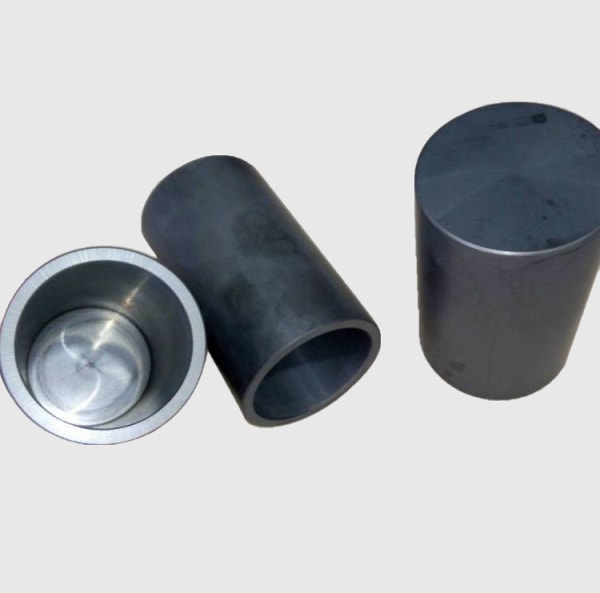
- Furnace Components: Heating elements, thermocouple protection tubes, and crucibles can be manufactured using silicon carbide for its ability to withstand extreme temperatures and harsh chemical environments.
Advanced Ceramic Components: Green SiC powder is a precursor for manufacturing dense, sintered silicon carbide components, although other specialized SiC grades like S-SiC or RBSiC (Reaction-Bonded Silicon Carbide) are often preferred for structural parts. However, the inherent properties of green SiC contribute to the performance of these advanced ceramics:
- Seals and Bearings: Components requiring high wear resistance, low friction, and chemical inertness.
- Semiconductor Processing Equipment: Parts like wafer chucks, focus rings, and chamber liners benefit from SiC’s thermal stability, stiffness, and resistance to plasma erosion. You can explore some product examples that highlight such applications.
- Armor Systems: SiC ceramics are used in ballistic protection due to their high hardness and ability to shatter projectiles.
The table below summarizes key application areas and the benefits green SiC brings:
| Application Area | Green SiC Product Form | Key Benefits Provided by Green SiC | Relevant Industries |
|---|---|---|---|
| Precision Grinding | Grinding Wheels, Loose Abrasives | High hardness, sharp cutting edges, fine surface finish, cool cutting | Tool & Die, Automotive, Aerospace |
| Lapping & Polishing | Powders, Slurries | Controlled particle size, high purity, excellent surface quality | Semiconductor, Optics, Electronics |
| Wire Sawing | Abrasive Grit | Efficient slicing, minimal kerf loss, wafer integrity | Solar, Semiconductor |
| High-Performance Ceramics | Powder for Sintering | High strength, thermal stability, wear resistance, chemical inertness | Aerospace, Energy, Chemical Processing |
| Specialized Refractories | Bricks, Shapes, Castables | High-temperature stability, corrosion resistance, purity | Glass, Metallurgy |
Sicarb Tech can assist in selecting or developing the right green SiC material or component tailored to these diverse industrial requirements, leveraging the extensive manufacturing capabilities within the Weifang SiC hub.
The Decisive Advantages: Why Choose Green Silicon Carbide for Precision and Performance?
Choosing green silicon carbide for demanding applications is a decision driven by its unique combination of superior properties that translate into tangible performance benefits. Engineers and technical buyers specify green SiC when standard materials cannot meet the rigorous requirements of modern industrial processes. The advantages are multifaceted:
- Exceptional Hardness and Wear Resistance: With a Knoop hardness of around 2600textkg/mm2, green SiC is one of the hardest commercially available materials. This makes it incredibly effective for machining and grinding other hard substances, leading to longer tool life and consistent performance. Components made from or coated with green SiC exhibit excellent resistance to abrasive wear, extending their service life even in harsh environments.
- High Thermal Conductivity: Green SiC possesses excellent thermal conductivity (typically 60−160textW/mK, depending on density and temperature). This property is crucial in applications where rapid heat dissipation is required, such as in heat sinks, furnace components, and high-power electronics. It helps in maintaining thermal stability and preventing overheating.
- Superior Chemical Inertness and Corrosion Resistance: Silicon carbide is highly resistant to a wide range of acids, alkalis, and molten salts, even at elevated temperatures. This chemical stability makes green SiC components ideal for use in corrosive chemical processing environments, ensuring longevity and preventing contamination of the processed materials.
- High-Temperature Strength and Stability: Green SiC maintains its mechanical strength and structural integrity at very high temperatures (up to $1650^\\circ C$ or higher in non-oxidizing atmospheres). This makes it suitable for refractory applications, kiln furniture, and components used in thermal processing equipment where other materials would degrade or deform.
- Precision Finishing Capabilities: Due to its hardness and friability, green SiC abrasives can produce extremely fine surface finishes and achieve tight dimensional tolerances. This is vital in industries like optics, electronics, and precision engineering where surface quality and accuracy are paramount.
- Electrical Properties: While silicon carbide is a semiconductor, its electrical resistivity can be tailored. Green SiC is generally more resistive than black SiC due to its higher purity. This characteristic can be advantageous in applications requiring electrical insulation at high temperatures or specific semiconducting behavior in electronic devices.
- Lower Thermal Expansion: Green SiC has a relatively low coefficient of thermal expansion. This means it experiences minimal dimensional changes with temperature fluctuations, contributing to its excellent thermal shock resistance and dimensional stability in applications involving rapid heating and cooling cycles.
Quick Takeaways for Engineers:
- For ultra-hard material machining: Green SiC offers superior cutting performance and tool life.
- For high-purity applications: Its low impurity content minimizes contamination risks.
- For thermal management challenges: Its high thermal conductivity aids in efficient heat dissipation.
- For corrosive environments: Its chemical inertness ensures component integrity.
The decision to use green SiC, especially in custom forms, often translates to improved process efficiency, enhanced product quality, and reduced downtime, justifying its selection over less performant or less durable alternatives.
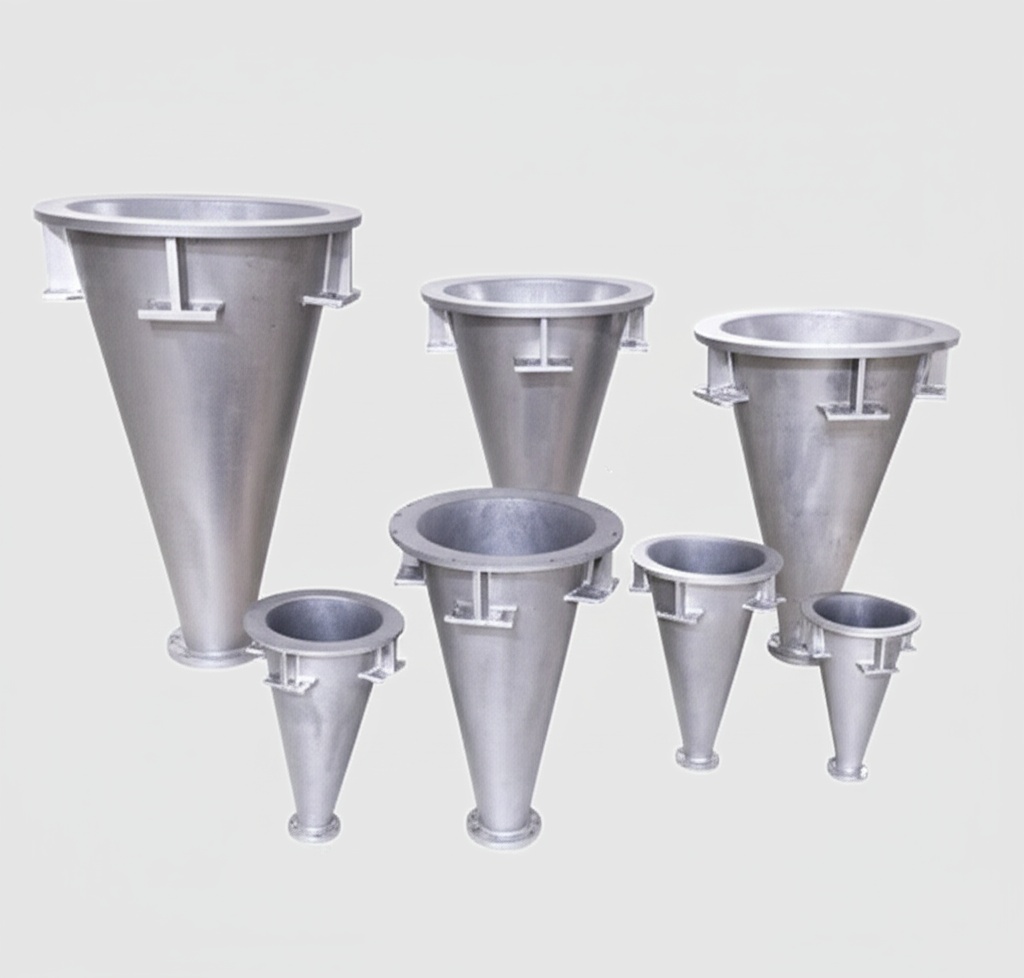
Engineering with Green Silicon Carbide: Design, Machining, and Customization Insights
While green silicon carbide offers a host of advantages, its inherent hardness and brittleness present unique challenges in design and manufacturing. Effective engineering practices are crucial to harness its full potential. This involves careful consideration of component geometry, understanding machining limitations, and leveraging the benefits of customization.
Design Considerations for Green SiC Components: When designing parts to be made from silicon carbide, especially sintered or reaction-bonded forms derived from green SiC powder, engineers must account for its ceramic nature:
- Brittleness: SiC is a brittle material, meaning it has low fracture toughness. Designs should avoid sharp internal corners, stress concentrations, and thin, unsupported sections that could be prone to chipping or cracking under mechanical or thermal stress. Generous radii and fillets are recommended.
- Geometry Limitations: Complex geometries can be challenging and expensive to produce. While advanced forming techniques are available, simplifying the design as much as possible without compromising functionality can reduce manufacturing costs and lead times.
- Wall Thickness: Minimum achievable wall thickness depends on the manufacturing process (e.g., slip casting, pressing, extrusion). It’s crucial to consult with the supplier, like Sicarb Tech, during the design phase to ensure manufacturability.
- Tolerances: While SiC can be machined to very tight tolerances, doing so significantly increases costs. Designers should specify only the necessary precision for critical features. Standard achievable tolerances are typically in the range of pm0.5 of the dimension, with tighter tolerances possible through diamond grinding.
- Joining and Assembly: Joining SiC to other SiC parts or to different materials (like metals) requires specialized techniques such as brazing, diffusion bonding, or mechanical fastening, due to differences in thermal expansion coefficients and the non-ductile nature of SiC.
Machining Green Silicon Carbide: Machining fully sintered or bonded silicon carbide is difficult and typically requires diamond tooling due to SiC’s extreme hardness. Common machining processes include:
- Grinding: Diamond grinding is the most common method for shaping and finishing SiC components to achieve precise dimensions and surface finishes.
- Lapping and Polishing: Used to achieve ultra-smooth surfaces, often with diamond slurries or, ironically, finer grades of silicon carbide itself.
- Electrical Discharge Machining (EDM): Can be used for conductive grades of SiC or SiC composites, but it’s a slower process.
- Laser Machining: Shows promise for cutting and drilling SiC, especially for intricate patterns or small features.
The complexity and cost associated with machining SiC make near-net-shape forming processes (producing a part that is very close to its final dimensions) highly desirable.
Customization Insights with Sicarb Tech: This is where the expertise of a specialist supplier becomes invaluable. Sicarb Tech offers comprehensive customizing support, assisting clients from the initial design concept through to final production. This includes:
- Material Selection Guidance: Advising on the optimal grade of green SiC or other SiC variants based on the specific application requirements.
- Design for Manufacturability (DFM): Collaborating with clients to optimize designs for cost-effective and reliable production.
- Prototyping: Facilitating rapid prototyping to test designs and material performance before committing to large-scale production.
- Advanced Manufacturing Techniques: Leveraging a wide array of technologies, including material, process, design, measurement, and evaluation technologies, to produce complex and high-precision green SiC components.
By working closely with a knowledgeable partner like Sicarb Tech, companies can overcome the challenges of engineering with green SiC and develop components that deliver exceptional performance and reliability. Our connection to the Weifang SiC manufacturing hub ensures access to a broad range of capabilities and expertise.
Sourcing Excellence: Partnering with Sicarb Tech for Your Green SiC Needs
Selecting the right supplier for green silicon carbide products, whether powders, abrasives, or custom components, is as critical as choosing the material itself. A supplier’s technical capabilities, commitment to quality, supply chain reliability, and understanding of your specific application needs are paramount. This is where Sicarb Tech distinguishes itself, offering a unique blend of technological expertise, deep industry knowledge, and a commitment to customer success.
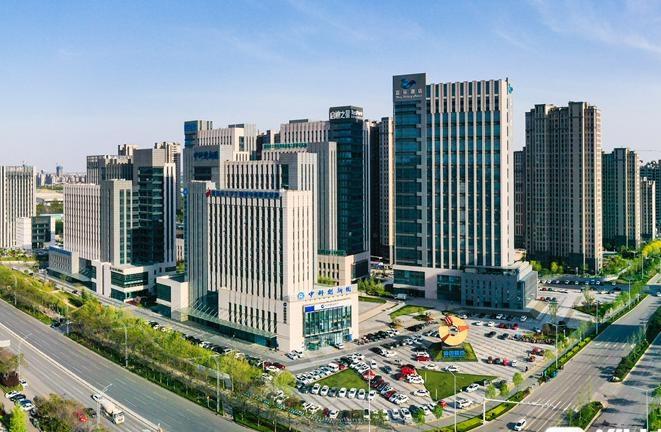
The Weifang Silicon Carbide Hub: A Foundation of Strength Sicarb Tech is strategically positioned within Weifang City, China, the recognized hub of China’s silicon carbide customizable parts manufacturing. This region hosts over 40 SiC production enterprises, accounting for more than 80% of the nation’s total SiC output. Since 2015, we have been instrumental in introducing and implementing advanced silicon carbide production technology, fostering large-scale production and technological advancements among local enterprises. Our deep roots in this industrial ecosystem provide unparalleled access to a vast network of specialized manufacturing capabilities and resources. You can learn more about us and our role in this dynamic industry.
Our Commitment to Quality and Customization: At Sicarb Tech, we pride ourselves on our domestic top-tier professional team specializing in the customized production of silicon carbide products, including high-purity green SiC. Our support has benefited over ten local enterprises through technology transfer and process optimization. We possess a comprehensive suite of technologies encompassing:
- Material Technology: Ensuring the highest quality and purity of green SiC raw materials.
- Process Technology: Optimizing manufacturing processes for efficiency and consistency.
- Design Technology: Assisting clients in developing designs that are both functional and manufacturable.
- Measurement & Evaluation Technology: Implementing rigorous quality control at every stage.
This integrated approach, from materials to finished product examples, allows us to meet diverse and complex customization needs, offering higher-quality, cost-competitive custom green SiC components. We manage the entire process, from inquiry to delivery, ensuring a seamless experience for our clients. Our advanced main equipment further supports our production capabilities.
Beyond Components: Technology Transfer and Turnkey Solutions Sicarb Tech is also committed to empowering global partners. If you are looking to establish a professional silicon carbide products manufacturing plant in your own country, we offer comprehensive technology transfer for SiC production. This includes a full range of turnkey project services:
- Factory Design
- Procurement of Specialized Equipment
- Installation and Commissioning
- Trial Production
This service enables you to build a state-of-the-art facility with reliable technology, ensuring a favorable input-output ratio and effective investment. Explore our cases to see examples of our successful collaborations.
Partnering with Sicarb Tech means more than just sourcing a material; it means gaining a dedicated ally with the expertise, resources, and commitment to help you achieve your manufacturing goals with high-performance green silicon carbide.
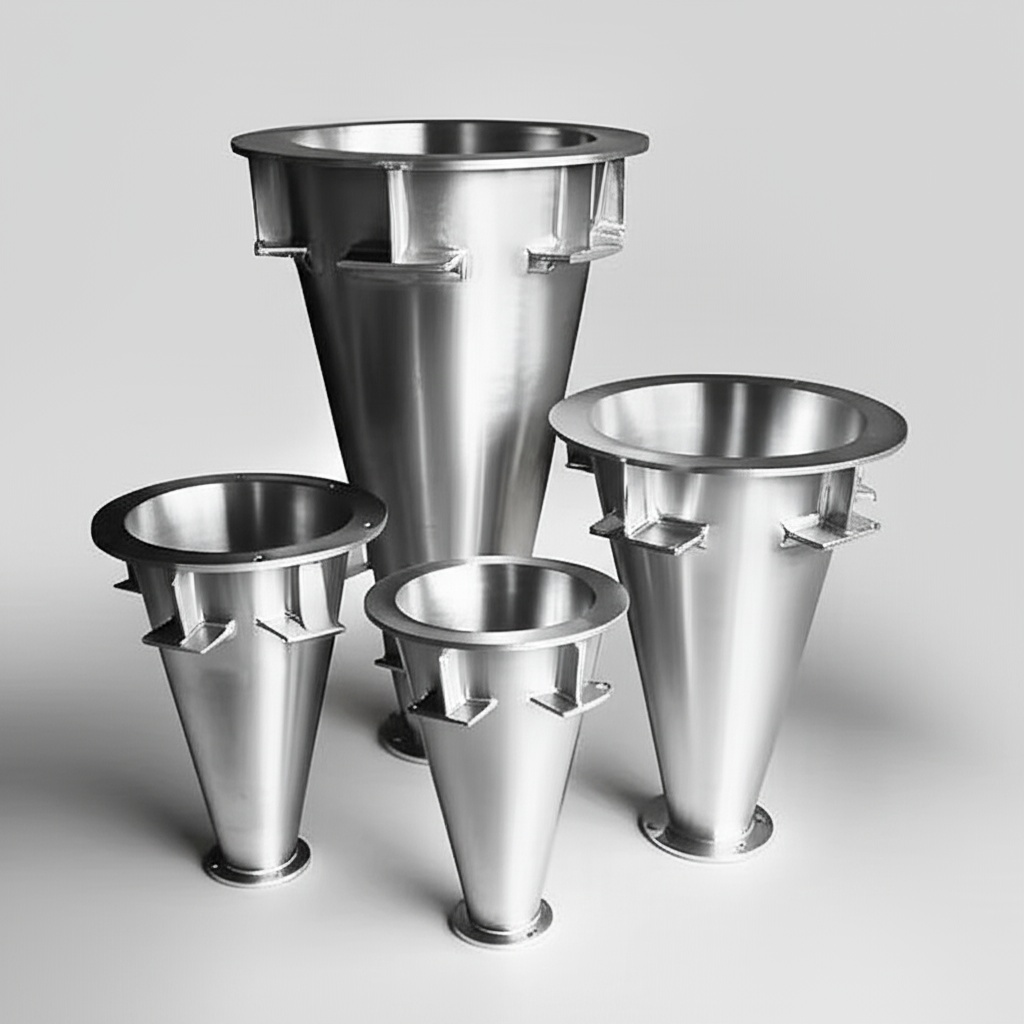
Navigating Cost and Lead Times for Green Silicon Carbide Orders
Understanding the factors that influence the cost and lead times for green silicon carbide products is essential for effective procurement and project planning. While green SiC offers superior performance, its specialized nature and manufacturing intricacies can impact pricing and delivery schedules compared to more common industrial materials.
Key Cost Drivers for Green Silicon Carbide:
Several factors contribute to the overall cost of green SiC powders, abrasives, and custom components:
- Purity and Grade: Higher purity green SiC (e.g., >99.5%) will generally be more expensive than standard grades due to the more stringent selection of raw materials and refined processing required. Specific micro-grit sizes for precision applications also command higher prices.
- Particle Size and Distribution: The cost can vary significantly based on the fineness and uniformity of the green SiC powder or grit. Producing very fine (sub-micron) or tightly controlled particle size distributions involves additional milling, classification, and quality control steps, adding to the cost.
- Order Volume: As with most industrial materials, larger order quantities typically benefit from economies of scale, leading to lower per-unit costs. Small, specialized orders may incur higher setup and processing costs.
- Complexity of Custom Components: For custom-manufactured green SiC parts (e.g., sintered components), the complexity of the design, the need for intricate machining, and the required tolerances are major cost drivers. Near-net-shape forming can help mitigate some machining costs, but tooling for complex shapes can be expensive.
- Manufacturing Process: The method used to produce the green SiC component (e.g., pressing, slip casting, extrusion, reaction bonding, sintering) influences the cost. Each process has its own associated tooling, energy, and labor costs.
- Post-Processing Requirements: Additional steps such as diamond grinding, lapping, polishing, or specialized cleaning to meet stringent surface finish or purity specifications will add to the final cost.
- Quality Control and Testing: Rigorous testing and certification to meet specific industry standards (e.g., for semiconductor or aerospace applications) contribute to the overall cost but ensure reliability.
The following table outlines common cost factors:
| Cost Factor | Impact on Price (Green SiC) | Notes |
|---|---|---|
| SiC Purity Level | High | Higher purity (e.g., >99.5%) demands premium raw materials & processing. |
| Particle Size (Grit/Powder) | Moderate to High | Finer grits and tighter distributions require more processing. |
| Order Quantity | Moderate | Larger volumes typically yield better per-unit pricing. |
| Component Complexity (Custom) | High | Intricate designs, tight tolerances increase manufacturing difficulty. |
| Machining Requirements | Very High | Diamond grinding is expensive but often necessary for precision. |
| Specialized Testing/Certs | Moderate to High | Adds to overhead but ensures compliance and quality. |
Lead Time Considerations:
Lead times for green silicon carbide products can vary based on several factors:
- Product Type: Standard green SiC powders and grits may be available from stock or with shorter lead times. Custom-manufactured components will inherently have longer lead times due to design, tooling, manufacturing, and finishing processes.
- Raw Material Availability: While generally stable, fluctuations in the availability or cost of high-purity silica and petroleum coke can occasionally impact lead times.
- Production Capacity: Supplier capacity and current order backlog will influence delivery schedules. Sicarb Tech, with its extensive network in Weifang, strives to optimize lead times.
- Customization Complexity: The more complex the custom part, the longer the tooling, manufacturing, and quality assurance processes will take.
- Shipping and Logistics: International shipping, customs clearance, and local delivery all contribute to the overall lead time.
It is always advisable to discuss your specific requirements and project timelines with your supplier early in the planning phase. Sicarb Tech works closely with clients to provide realistic lead time estimates and explore options for expedited delivery when feasible. For inquiries about specific products and lead times, please contact us.
By understanding these cost and lead time dynamics, procurement managers and engineers can better plan their projects and budgets when incorporating high-performance green silicon carbide into their applications.
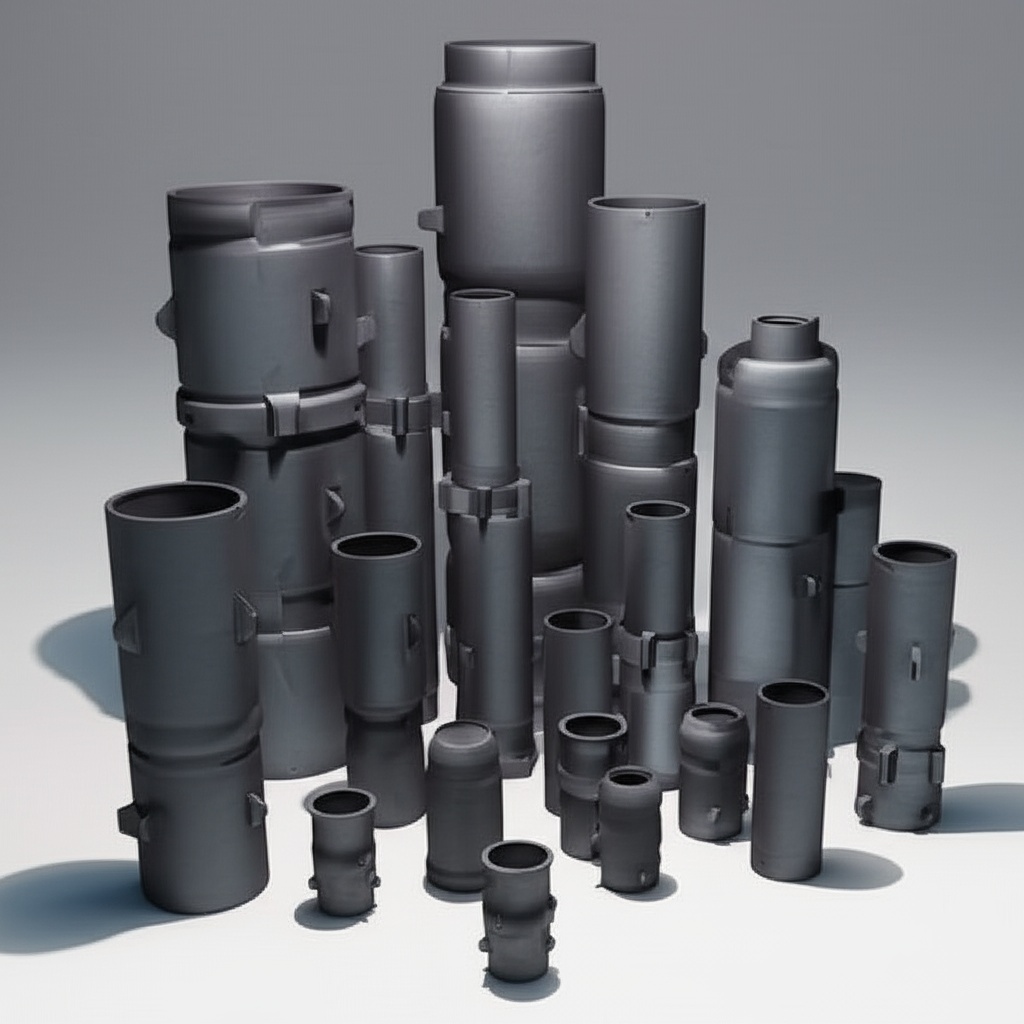
Frequently Asked Questions (FAQ) about Green Silicon Carbide
To further assist engineers, procurement managers, and technical buyers, here are answers to some frequently asked questions regarding green silicon carbide:
1. What are the primary differences in application between green silicon carbide and black silicon carbide? Green silicon carbide, due to its higher purity (geq99) and slightly greater hardness and friability, is primarily used for more demanding and precision-oriented applications. These include: * Grinding very hard materials like tungsten carbide, technical ceramics, and optical glass. * Lapping and polishing applications where a high-quality surface finish and minimal contamination are critical (e.g., semiconductor wafers, precision optics). * Wire sawing of hard, brittle materials like silicon ingots. * Manufacturing high-performance ceramic components where purity is a factor.
Black silicon carbide, while still very hard and durable, typically has a purity of around 95-98.5%. It is more commonly used for: * General-purpose grinding of metals, stone, and other less critical applications. * Abrasive blasting and cleaning. * Manufacturing refractories, such as bricks and kiln furniture, where its high-temperature strength and thermal shock resistance are valued, and slight impurities are less critical. * Less demanding lapping operations.
In essence, choose green SiC for precision, purity, and grinding the hardest materials; choose black SiC for general-purpose, heavy-duty applications where cost might be a more significant driver than ultimate purity.
2. Is green silicon carbide considered an environmentally friendly material? The “green” in green silicon carbide refers to its color, not necessarily its environmental impact in the traditional sense of “green” products. The production of silicon carbide (both green and black) is an energy-intensive process, requiring very high temperatures in electric furnaces. However, silicon carbide itself is a very durable and long-lasting material.
- Durability: Components made from SiC often have a much longer service life than those made from conventional materials, reducing the frequency of replacement and the associated waste.
- Efficiency: In applications like abrasives, its efficiency can lead to faster processing times and potentially lower overall energy consumption for a given task compared to less effective abrasives.
- Recyclability: Used SiC abrasives and refractory materials can sometimes be reclaimed and reused for less demanding applications or as a raw material in other processes, though this depends on the level of contamination and the specific industry practices.
Efforts are ongoing in the industry to improve the energy efficiency of SiC production. When considering environmental impact, the entire lifecycle, including the longevity and efficiency gains offered by SiC in its application, should be taken into account. Sicarb Tech is committed to working with production partners in Weifang who are increasingly adopting more sustainable manufacturing practices.
3. What are the safety precautions when handling or machining green silicon carbide? Green silicon carbide, especially in powder or dust form, requires careful handling to avoid health hazards, primarily related to inhalation. When machining SiC components or handling SiC powders:
- Respiratory Protection: Fine SiC dust can be a respiratory irritant and may lead to lung issues with prolonged exposure (silicosis is a risk with silica-containing dust, and while SiC is different, fine particulates are generally hazardous). Use appropriate NIOSH/MSHA-approved respirators when dust exposure is possible.
- Ventilation: Work in well-ventilated areas. Local exhaust ventilation (LEV) systems are highly recommended during machining, grinding, or any process that generates SiC dust.
- Eye Protection: Wear safety glasses or goggles to protect eyes from flying particles during machining or handling powders.
- Skin Protection: While SiC is generally not a skin irritant, gloves can prevent minor abrasion and maintain cleanliness.
- Material Safety Data Sheet (MSDS/SDS): Always consult the MSDS/SDS provided by the supplier (like Sicarb Tech) for detailed safety information, handling procedures, and emergency measures. The SDS for our product examples can be requested.
- Containment: Minimize dust generation and ensure proper cleanup procedures (e.g., using HEPA-filtered vacuums rather than sweeping) to prevent dust from becoming airborne.
By adhering to good industrial hygiene practices and the specific recommendations in the SDS, green silicon carbide can be handled and processed safely.
Conclusion: The Enduring Value of Custom Green Silicon Carbide in Demanding Industries
In the landscape of advanced materials, green silicon carbide consistently proves its worth as a cornerstone for innovation and performance in the most demanding industrial environments. Its exceptional hardness, high thermal conductivity, chemical inertness, and suitability for precision applications make it an invaluable asset across sectors ranging from semiconductors and aerospace to high-temperature processing and industrial manufacturing. The ability to customize green SiC components allows engineers to transcend the limitations of standard materials, optimizing their designs for superior efficiency, longevity, and reliability.
Choosing the right partner for your green SiC needs is crucial. Sicarb Tech, with its deep technological expertise rooted in the Chinese Academy of Sciences and its strategic position within China’s primary SiC manufacturing hub in Weifang, offers unparalleled capabilities. We provide not only high-quality, cost-competitive custom green silicon carbide products but also comprehensive customizing support from design to delivery. Our commitment extends to fostering technological advancement within the industry and even offering technology transfer for those looking to establish their own SiC production facilities.
As industries continue to evolve and demand ever-higher levels of performance, the unique attributes of green silicon carbide will ensure its continued prominence. We invite you to explore the potential of this exceptional material and partner with Sicarb Tech to engineer your next breakthrough. Contact us today to discuss your specific requirements and discover how our green SiC solutions can add significant value to your operations.

About the Author: Sicarb Tech
We provide clear and reliable insights into silicon carbide materials, component manufacturing, application technologies, and global market trends. Our content reflects industry expertise, practical experience, and a commitment to helping readers understand the evolving SiC landscape.
Customizable SiC
You May Also Interest
-
![]()
Cost Analysis: Silicon Carbide vs Alumina
Cost Analysis: Silicon Carbide vs Alumina In the demanding world of advanced materials, engineers and procurement managers face critical decisions when selecting components for high-performance applications. Two materials frequently at the forefront of this discussion are Silicon Carbide (SiC) and Alumina (Al₂O₃). While Alumina has long been a workhorse in various industries due to its…
-
![]()
Black Silicon Carbide: The Robust Material Powering High-Demand Industries
In the realm of advanced materials, black silicon carbide (SiC) stands out for its exceptional hardness, thermal conductivity, and wear resistance. These properties make it an indispensable material for a wide array of high-performance industrial applications. From the aggressive environments of abrasive manufacturing to the demanding conditions within metallurgical processes and high-temperature furnaces, custom black…
-
![]()
Silicon Carbide Composites: The Future of High-Performance Industrial Applications
In the relentless pursuit of materials that can withstand extreme conditions and deliver unparalleled performance, silicon carbide composites (SiC composites) have emerged as a groundbreaking solution across a multitude of demanding industries. These advanced materials, engineered by combining silicon carbide with other elements or reinforcing phases, offer a significant leap forward from traditional monolithic ceramics,…