Revolutionizing Complex Component Manufacturing: The Power of Silicon Carbide Injection Molding Machines
Share
Introduction: The Rise of Silicon Carbide Injection Molding for Complex Technical Ceramics
In the ever-evolving landscape of advanced materials, silicon carbide (SiC) stands out for its exceptional properties, including high hardness, excellent thermal conductivity, superior wear resistance, and robust chemical inertness. These characteristics make SiC an indispensable material for components operating in extreme environments, common in industries such as semiconductors, aerospace, high-temperature furnaces, energy production, and industrial manufacturing. However, the inherent hardness and brittleness of SiC have traditionally posed significant challenges to manufacturing complex, net-shape parts cost-effectively. This is where Silicon Carbide Injection Molding (SiC-CIM), utilizing specialized silicon carbide injection molding machines, emerges as a transformative manufacturing technology.
The demand for intricate technical ceramic components with precise tolerances is rapidly increasing as industries push the boundaries of performance and efficiency. SiC-CIM allows for the mass production of complex, three-dimensional SiC parts that would be difficult or prohibitively expensive to produce using conventional ceramic forming techniques like die pressing, isopressing, or slip casting, followed by extensive machining. The process combines the design flexibility of plastic injection molding with the outstanding material properties of silicon carbide, opening new frontiers for custom SiC solutions and high-performance ceramic applications.
Recognizing the critical role of advanced manufacturing, regions like Weifang City in China have become major hubs for silicon carbide production, accounting for a significant portion of the nation’s output. This concentration of expertise fosters innovation and drives the development of technologies like SiC-CIM. Companies like Sicarb Tech, backed by the formidable scientific and technological capabilities of the Chinese Academy of Sciences , are at the forefront of this evolution. SicSino has been instrumental in introducing and implementing advanced silicon carbide production technology since 2015, significantly contributing to the technological advancements within the Weifang SiC industrial cluster. Their deep understanding of SiC materials and processes positions them as a key enabler for businesses seeking to leverage the benefits of SiC-CIM for their custom silicon carbide parts.
This blog post will delve into the world of silicon carbide injection molding machines, exploring the process, its advantages, critical machine selection factors, material considerations, design principles, and common challenges. Whether you are an engineer designing cutting-edge components, a procurement manager sourcing robust materials, or a technical buyer looking for reliable manufacturing solutions, understanding SiC-CIM technology is crucial for staying competitive.
Understanding the Silicon Carbide Injection Molding Process: A Technical Overview
Silicon Carbide Ceramic Injection Molding (SiC-CIM) is a sophisticated, multi-stage manufacturing process designed to produce complex, net-shape SiC parts with high precision and repeatability. It requires specialized silicon carbide injection molding machines and meticulous control over each step. Here’s a technical breakdown of the typical SiC-CIM process:
- Feedstock Preparation:
- Material Selection: The process begins with fine, high-purity silicon carbide powder. The particle size, distribution, and morphology of the SiC powder are critical as they significantly influence the packing density, sintering behavior, and final properties of the ceramic component. Common types include alpha-SiC and beta-SiC, often with sintering aids.
- Binder System: The SiC powder is then homogeneously mixed with a proprietary multi-component binder system. This binder typically consists of a blend of polymers (thermoplastics or waxes), plasticizers, and other additives. The binder’s role is crucial: it imparts fluidity to the SiC powder, allowing it to be injected into the mold, and provides strength to the “green” part after molding. The selection of an appropriate binder system is vital for successful molding and subsequent debinding.
- Mixing and Granulation: The SiC powder and binder are compounded at elevated temperatures using specialized mixers, such as twin-screw extruders or kneaders, to create a homogenous mixture known as feedstock. This process ensures that each SiC particle is uniformly coated with the binder. The resulting feedstock is then typically pelletized or granulated to a consistent size and shape suitable for feeding into the injection molding machine. The quality of the feedstock is paramount for defect-free molding.
- Injection Molding:
- Machine Operation: The granulated feedstock is fed into the hopper of a silicon carbide injection molding machine. These machines are similar in principle to plastic injection molding machines but are often modified to handle the abrasive nature of ceramic feedstocks and the specific temperature and pressure profiles required. Key components include a heated barrel, a reciprocating screw or plunger, and a precisely machined mold.
- Injection: Inside the heated barrel, the feedstock is plasticized (melted and homogenized). The screw or plunger then injects the molten feedstock under high pressure into the mold cavity. The mold, typically made from hardened tool steel, defines the precise geometry of the desired part. Parameters such as injection speed, pressure, melt temperature, mold temperature, and holding time are carefully controlled to ensure complete mold filling and to minimize defects.
- Cooling and Ejection: Once the mold is filled, the feedstock cools and solidifies within the cavity, forming the “green” part. The mold then opens, and the green part is ejected. At this stage, the part is relatively fragile and consists of SiC particles held together by the binder.
- Debinding (Binder Removal):
- The “green” part undergoes a critical debinding process to remove the binder system. This is typically a multi-stage process that can involve solvent debinding, thermal debinding, or a combination of both.
- Solvent Debinding: A portion of the binder is dissolved by immersing the green part in a suitable solvent.
- Thermal Debinding: The remaining binder is removed by carefully heating the part in a controlled atmosphere furnace. The heating rate and atmosphere (e.g., inert, vacuum, or reactive gas) must be precisely controlled to prevent defects such as cracking, slumping, or bloating as the binder decomposes and vaporizes. This step results in a “brown” part, which is porous and still fragile but consists primarily of SiC particles.
- Sintering:
- The “brown” part is then sintered at very high temperatures (typically above 2000 ∘C for SSiC) in a controlled atmosphere furnace (e.g., vacuum or argon). During sintering, the SiC particles bond together, and the part densifies, undergoing significant shrinkage (typically 15-25% linearly). This step develops the final microstructure and confers the desired mechanical, thermal, and chemical properties to the silicon carbide component.
- Different types of SiC can be produced depending on the sintering process and additives, such as Reaction-Bonded SiC (RBSiC or SiSiC), Sintered SiC (SSiC), or Nitride-Bonded SiC (NBSiC). Each has distinct properties tailored for specific applications.
The need for specialized silicon carbide injection molding machines arises from the unique challenges posed by ceramic feedstocks. These include managing the abrasiveness of SiC powders, which can cause significant wear on machine components like screws, barrels, and nozzles. Therefore, these components are often made from highly wear-resistant materials. Furthermore, precise control over injection parameters and thermal management is more critical than in conventional plastic molding to achieve the desired part quality and consistency for technical ceramics.
Companies like Sicarb Tech, with their extensive experience in SiC production technologies, play a vital role in optimizing these process steps, from feedstock formulation to sintering protocols, ensuring the reliable manufacturing of high-quality, custom SiC components. Their connection to the Weifang SiC hub and the Chinese Academy of Sciences National Technology Transfer Center provides a strong foundation for innovation in SiC-CIM.
Key Advantages of Employing SiC Injection Molding Technology
The adoption of Silicon Carbide Injection Molding (SiC-CIM) technology, powered by advanced silicon carbide injection molding machines, offers a multitude of compelling advantages for manufacturers seeking to produce high-performance ceramic components. These benefits are particularly significant for industries requiring complex geometries, high production volumes, and superior material properties.
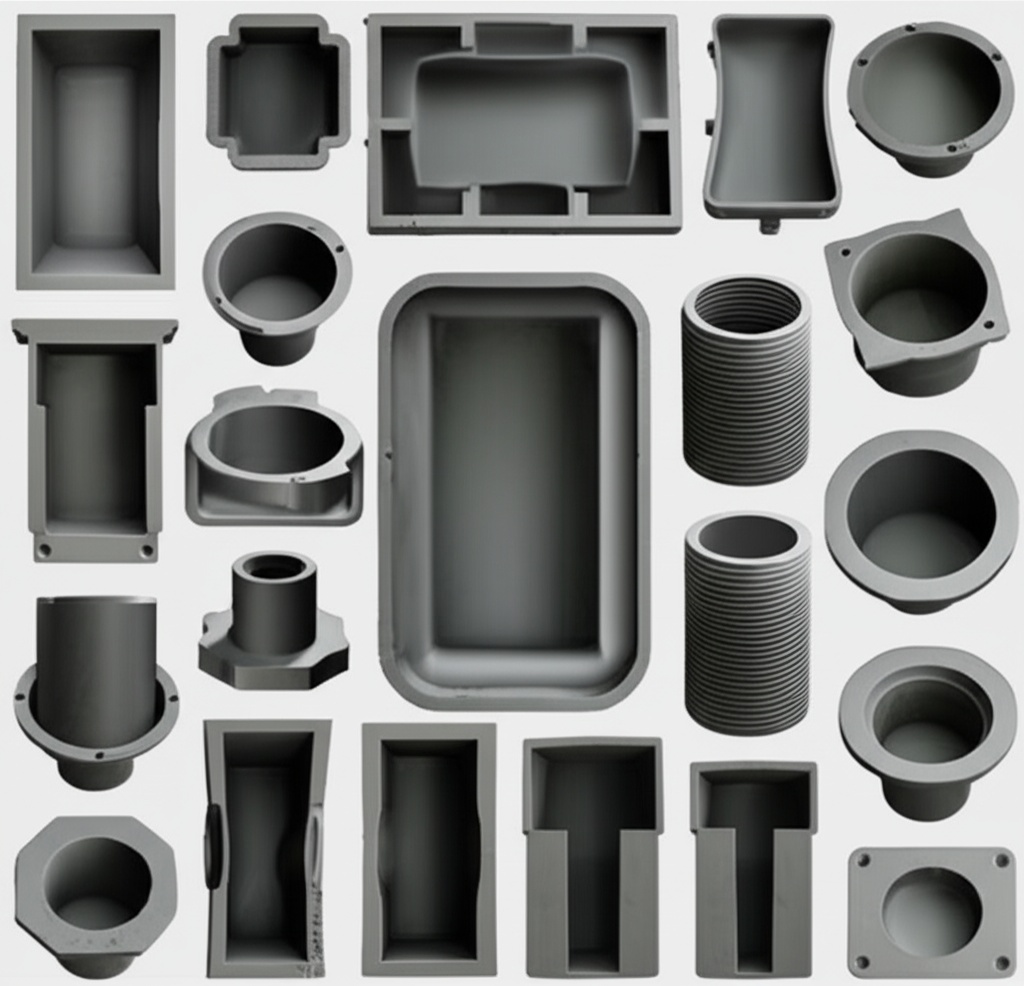
- Design Freedom and Complexity: SiC-CIM unshackles designers from the constraints of traditional ceramic forming methods. It allows for the creation of highly intricate and complex three-dimensional shapes, including internal cavities, undercuts, threads, varying wall thicknesses, and fine surface details. This capability is crucial for applications in aerospace components, semiconductor equipment parts, and custom industrial machinery components where complex designs are often necessary for optimal functionality. The ability to produce near-net-shape parts significantly reduces or eliminates the need for costly and time-consuming post-machining of the hard SiC material.
- High-Volume Production and Cost-Effectiveness: Once the initial tooling (mold) is developed, silicon carbide injection molding machines can produce parts at a high rate with excellent repeatability. This makes SiC-CIM an economically viable solution for medium to high-volume production runs of wholesale SiC parts. The reduction in machining, lower material waste (runners and sprues can often be recycled into feedstock), and automated nature of the process contribute to a lower per-part cost compared to subtractive manufacturing methods, especially for complex designs. This is a key consideration for technical procurement professionals and OEMs looking to optimize their supply chain for industrial ceramic components.
- Material Efficiency and Reduced Waste: SiC-CIM is a near-net-shape process, meaning the “green” part produced is very close to the final dimensions of the sintered component. This minimizes material waste, which is particularly important given the cost of high-purity silicon carbide powders. Traditional machining of SiC blocks can result in substantial material loss. The efficient use of raw materials in CIM contributes to both cost savings and more sustainable manufacturing practices for advanced ceramic materials.
- Excellent Dimensional Accuracy and Repeatability: Modern silicon carbide injection molding machines, coupled with precise mold tooling and well-controlled processing parameters, can achieve tight dimensional tolerances and high part-to-part consistency. While shrinkage during debinding and sintering must be accurately predicted and compensated for in the mold design, the final sintered SiC parts exhibit excellent dimensional stability. This precision is critical for applications like precision nozzles, wear-resistant inserts, and ceramic bearings, where tight fits and consistent performance are paramount.
- Consolidation of Multi-Part Assemblies: The design flexibility of SiC-CIM often allows for the consolidation of multiple, simpler parts into a single, more complex component. This can reduce assembly time and costs, improve structural integrity by eliminating joints (potential failure points), and simplify inventory management. This benefit is highly valued in the manufacturing of integrated SiC structures for demanding applications.
- Wide Range of SiC Grades and Tailored Properties: While the injection molding process itself is a shaping technology, it can be adapted for various grades of silicon carbide, including Sintered Silicon Carbide (SSiC), and Reaction-Bonded Silicon Carbide (RBSiC/SiSiC) by adjusting feedstock formulation and sintering cycles. This allows manufacturers to tailor the material properties (e.g., thermal conductivity, electrical resistivity, wear resistance) of the final component to meet specific application requirements in diverse fields such as high-temperature processing equipment and energy systems.
The table below summarizes some key benefits of SiC-CIM:
| Feature | Benefit for Manufacturers | Target Industries |
|---|---|---|
| Complex Geometries | Enables intricate designs, internal features, and near-net-shape parts. | Aerospace, Semiconductor, Medical, Automotive, Industrial Machinery |
| High Volume | Cost-effective for mass production with high repeatability. | Automotive, Electronics, Consumer Goods, Industrial Components |
| Material Efficiency | Minimizes material waste compared to subtractive methods. | All industries utilizing expensive high-purity SiC powders. |
| Dimensional Control | Achieves tight tolerances and excellent part-to-part consistency. | Precision Engineering, Semiconductor, Optics, Metrology |
| Part Consolidation | Reduces assembly steps, cost, and potential points of failure by creating integrated components. | Complex Machinery, System Integrators |
| Material Versatility | Adaptable to various SiC grades for tailored performance characteristics. | Energy, Chemical Processing, High-Temperature Furnaces, Wear Parts Manufacturing |
Selecting the Right Silicon Carbide Injection Molding Machine: Critical Factors for Buyers
Choosing the appropriate silicon carbide injection molding machine is a critical decision for any manufacturer looking to implement or expand their SiC-CIM capabilities. The machine is a cornerstone of the production process, and its specifications directly impact part quality, production efficiency, and operational costs. Technical buyers, procurement managers, and engineers must consider several key factors:
- Machine Specifications and Capabilities:
- Clamping Force: The machine must provide sufficient clamping force to keep the mold halves securely closed against the injection pressure. The required force depends on the projected area of the part and the injection pressure used. Over-specifying can lead to higher energy consumption, while under-specifying can result in flash and inconsistent parts.
- Injection Unit Performance:
- Shot Size: The maximum volume of feedstock the machine can inject in a single cycle. This must be appropriate for the size of the parts being molded.
- Injection Pressure: SiC feedstocks can be highly viscous and require significant injection pressure to fill complex mold cavities. The machine must be capable of delivering and sustaining the necessary pressures.
- Injection Speed: Precise control over injection speed profiles is crucial for managing flow fronts, preventing defects like jetting or weld lines, and ensuring complete mold filling.
- Screw and Barrel Design: For SiC-CIM, the screw and barrel must be constructed from highly wear-resistant materials (e.g., specially treated tool steels, bimetallic barrels, or even ceramic-lined components) to withstand the abrasive nature of SiC powders. The screw design (e.g., compression ratio, L/D ratio) should be optimized for processing ceramic feedstocks.
- Temperature Control: Precise and stable temperature control of the barrel zones and nozzle is essential for maintaining consistent feedstock viscosity. Mold temperature control units are also critical for managing cooling rates and part quality.
- Nozzle Design: Specialized nozzle designs may be required to prevent drooling of low-viscosity feedstocks or to minimize wear.
- Mold Compatibility and Handling:
- Platen Size and Tie Bar Spacing: The machine must be able to accommodate the physical dimensions of the molds to be used.
- Mold Thickness Range: The machine should support the range of mold heights planned for production.
- Ejector System: A robust and precise ejector system is necessary for demolding the green SiC parts, which can be fragile.
- Automation and Control Systems:
- Control System Sophistication: Modern machines feature advanced microprocessor-based controllers that allow for precise setting, monitoring, and recording of all process parameters (temperatures, pressures, speeds, times). Closed-loop control systems are highly desirable for maintaining consistency and automatically adjusting for minor variations.
- User Interface: An intuitive and user-friendly interface simplifies machine setup, operation, and troubleshooting.
- Data Logging and Connectivity: The ability to log process data for quality control and traceability is increasingly important. Connectivity features for integration with factory management systems (MES/ERP) can enhance overall production efficiency.
- Robotics and Automation Integration: For high-volume production, the machine should be easily integrable with robotic systems for part removal, degating, and downstream handling.
- Durability and Maintenance: Given the abrasive nature of SiC feedstocks, the machine’s overall construction should be robust. Ease of maintenance, availability of spare parts (especially wear components like screws, barrels, and non-return valves), and responsive technical support from the machine manufacturer are crucial for minimizing downtime.
- Supplier Reputation and Support:
- Experience with Ceramic Injection Molding (CIM): It is advantageous to select a machine supplier with proven experience in CIM applications, as they will better understand the specific challenges involved.
- Technical Support and Service: Prompt and knowledgeable technical support, along with readily available service personnel, is essential.
- Training: Comprehensive training for operators and maintenance staff should be provided.
- Cost Considerations (Total Cost of Ownership): While the initial purchase price is a factor, buyers should consider the Total Cost of Ownership (TCO). This includes energy consumption, maintenance costs, spare parts costs, and potential downtime. A slightly more expensive machine with higher efficiency, better durability, and superior support might offer a lower TCO in the long run.
The Role of Technology Transfer and Expertise:
For companies new to SiC-CIM or those looking to enhance their existing operations, partnering with an organization that offers technology transfer can be highly beneficial. Sicarb Tech, for instance, not only supplies customized silicon carbide components but also provides comprehensive technology transfer services. This can include assistance in setting up a specialized SiC products manufacturing plant, from factory design and procurement of specialized equipment (including silicon carbide injection molding machines) to installation, commissioning, and trial production. Leveraging the expertise of SicSino, which is built upon the strong scientific foundation of the Chinese Academy of Sciences and extensive experience within the Weifang SiC industry, can significantly de-risk the investment and accelerate the learning curve for adopting SiC-CIM technology. Their ability to offer integrated process knowledge from materials to final products ensures a holistic approach to manufacturing excellence.
Ultimately, the selection of a silicon carbide injection molding machine should be guided by a thorough assessment of current and future production needs, the complexity of the parts to be molded, and the desired level of automation and quality control. Consulting with experienced material suppliers and technology partners like SicSino can provide invaluable insights during this critical decision-making process.
Optimizing Feedstock for Silicon Carbide Injection Molding: Materials and Preparation
The success of the Silicon Carbide Injection Molding (SiC-CIM) process heavily relies on the quality and characteristics of the feedstock. The feedstock, a precisely formulated compound of silicon carbide powder and a binder system, must possess specific rheological properties to ensure smooth injection, complete mold filling, and defect-free green parts. Optimizing feedstock is a critical step that requires deep material science knowledge and meticulous preparation.
- Silicon Carbide Powder Characteristics: The choice of SiC powder is fundamental to achieving the desired final properties of the sintered component. Key characteristics include:
- Purity: High purity SiC (typically >98-99%) is essential for many high-performance applications, especially in the semiconductor and aerospace industries, to avoid contamination and ensure optimal thermal and electrical properties.
- Particle Size and Distribution (PSD): Fine powders (typically in the sub-micron to a few microns range) are preferred for SiC-CIM as they promote better sinterability and lead to a denser, finer-grained microstructure in the final part. A well-controlled PSD, often bimodal or multimodal, can improve packing density, which in turn reduces shrinkage during sintering and enhances the mechanical strength of the green and sintered parts.
- Particle Morphology: The shape of the SiC particles (e.g., equiaxed, angular) can influence the flow behavior of the feedstock and the packing density.
- Specific Surface Area: This parameter affects the interaction between the SiC powder and the binder system, influencing the amount of binder required and the overall viscosity of the feedstock. Common SiC powders used include alpha-SiC (α-SiC) and beta-SiC (β-SiC), with α-SiC being more common due to its stability and commercial availability. Sintering aids, such as boron, carbon, alumina, or yttria, are often incorporated with the SiC powder to facilitate densification at lower temperatures.
- Binder System Selection: The binder system is a temporary but critical component of the feedstock. Its primary functions are to provide fluidity for molding, give strength to the green part for handling, and be cleanly removable before sintering. A typical binder system is a multi-component mixture:
- Primary Polymers/Waxes: These form the backbone of the binder, providing the main flow characteristics. Common choices include paraffin wax, carnauba wax, polyethylene glycol (PEG), polypropylene (PP), polyethylene (PE), and polystyrene (PS).
- Plasticizers: These are added to improve the flexibility and reduce the viscosity of the feedstock. Examples include stearic acid and various oils.
- Surfactants/Dispersants: These help in wetting the SiC powder particles and ensuring a homogenous dispersion within the binder, preventing agglomeration.
- Other Additives: Lubricants to aid mold release or other processing aids.
- Exhibit good adhesion to SiC powder.
- Provide appropriate viscosity and shear-thinning behavior at molding temperatures.
- Offer sufficient green strength after molding.
- Be easily and completely removable without disrupting the SiC particle compact.
- Have minimal environmental and health impacts.
- Be cost-effective.
- Feedstock Mixing and Homogenization: The goal of mixing is to achieve a perfectly homogeneous distribution of SiC particles within the binder matrix. Each particle should be uniformly coated with the binder.
- Solids Loading: This refers to the volume fraction of SiC powder in the feedstock. A high solids loading is generally desired as it minimizes shrinkage during sintering, reduces binder content (and thus debinding time/complexity), and leads to higher green density. However, excessively high solids loading can make the feedstock too viscous, leading to molding difficulties, incomplete fill, and increased wear on the silicon carbide injection molding machine. Typical solids loading for SiC-CIM ranges from 50% to 65% by volume.
- Mixing Equipment: High-shear mixers, such as torque rheometers, sigma blade mixers, planetary mixers, or twin-screw extruders, are used. Twin-screw extruders are particularly effective for continuous compounding and achieving excellent homogeneity due to their intensive mixing action. The mixing process is often carried out at elevated temperatures to melt the binder components.
- Critical Parameters: Mixing temperature, time, and shear rate are critical parameters that need to be optimized to ensure homogeneity without causing binder degradation or excessive shear on the SiC particles.
- Granulation/Pelletization: After mixing, the homogenized feedstock is typically cooled and then processed into a form suitable for feeding into the injection molding machine.
- Pellets or Granules: The feedstock is often extruded into strands and then cut into pellets of a consistent size and shape. Alternatively, it can be crushed and sieved to produce granules. Pellets are generally preferred for their uniform feed characteristics.
- Quality Control: The rheological properties (e.g., melt flow index, viscosity) of the granulated feedstock are often tested to ensure batch-to-batch consistency.
The development of an optimized feedstock formulation and preparation protocol is a complex task that often requires extensive experimentation and expertise. Sicarb Tech, leveraging its strong R&D capabilities inherited from the Chinese Academy of Sciences and its practical experience in the Weifang SiC industry, excels in this area. Their team of material scientists and process engineers can develop custom SiC feedstocks tailored to specific silicon carbide injection molding machines and application requirements. This expertise is crucial for producing high-quality technical ceramic components and ensures that businesses partnering with SicSino benefit from reliable and efficient SiC-CIM processes. Their holistic approach, covering everything from raw material selection to final product evaluation, underscores their commitment to quality and innovation in the custom silicon carbide market.
The following table outlines critical feedstock parameters and their significance:
| Feedstock Parameter | Significance in SiC-CIM | Typical Considerations |
|---|---|---|
| SiC Powder Purity | Affects final electrical, thermal, and chemical properties of the SiC component. | >98% for most technical grades, higher for semiconductor applications. |
| SiC Particle Size | Influences packing density, sinterability, surface finish, and mechanical strength. | Sub-micron to few microns; controlled distribution (e.g., bimodal) for high packing. |
| Binder Composition | Determines flow behavior, green strength, debinding characteristics, and potential for defects. | Multi-component (polymers, waxes, plasticizers, surfactants); tailored for SiC and process. |
| Solids Loading (vol%) | Impacts shrinkage, green density, feedstock viscosity, and debinding complexity. | 50-65%; balance between high density and processability. |
| Feedstock Homogeneity | Essential for consistent part properties and defect-free molding. | Achieved through optimized mixing parameters and equipment. |
| Rheological Properties | Governs mold filling behavior (viscosity, shear thinning). | Measured by MFI, capillary rheometry; must match machine and mold design. |
By carefully controlling these feedstock parameters, manufacturers can significantly enhance the quality and consistency of their injection-molded silicon carbide parts, making the SiC-CIM process a robust solution for demanding industrial applications.
Achieving Precision: Design, Tolerances, and Finishing in SiC Injection Molding
Silicon Carbide Injection Molding (SiC-CIM) is renowned for its ability to produce complex, near-net-shape parts. However, achieving high precision requires careful consideration of design principles specific to the CIM process, understanding achievable tolerances, and planning for any necessary finishing operations. These factors are crucial for engineers and designers aiming to leverage SiC-CIM for applications demanding tight dimensional control and specific surface characteristics.
- Design Guidelines for SiC Injection Molding: Designing parts for SiC-CIM involves more than just replicating a design intended for metal or plastic. The unique aspects of ceramic powder processing, binder behavior, and significant shrinkage during sintering must be accounted for:
- Uniform Wall Thickness: Wherever possible, maintain a uniform wall thickness throughout the part. This promotes even cooling in the mold, uniform binder burnout during debinding, and consistent shrinkage during sintering, thereby minimizing warpage, cracking, and sink marks. If thickness variations are unavoidable, they should be gradual.
- Radii and Fillets: Avoid sharp internal and external corners. Generous radii and fillets should be incorporated to reduce stress concentrations, improve feedstock flow in the mold, and minimize the risk of cracking during debinding and sintering. A general rule is an internal radius of at least 50% of the wall thickness.
- Draft Angles: Incorporate slight draft angles (typically 0.5∘ to 2∘) on walls perpendicular to the mold parting line to facilitate easy ejection of the green part from the mold without distortion or damage. Textured surfaces may require larger draft angles.
- Ribs and Bosses: If ribs are used for stiffening, their thickness should generally be 50-60% of the adjoining wall thickness to prevent sink marks. Bosses for mounting or alignment should also be designed with appropriate draft and blended smoothly into the main body.
- Holes and Cores: Through-holes are generally easier to mold than blind holes. Long, thin cores in the mold can be fragile and prone to deflection under injection pressure. The aspect ratio (length-to-diameter) of holes and cores needs careful consideration.
- Parting Line: The location of the mold’s parting line should be considered early in the design phase. It can affect tooling cost, flash formation, and the aesthetic appearance of the final part.
- Shrinkage Allowance: This is one of the most critical design considerations. SiC parts undergo significant, non-linear shrinkage (often 15-25% linearly) during debinding and particularly sintering. This shrinkage must be accurately predicted and compensated for in the design of the mold cavity. This requires precise knowledge of the feedstock behavior and sintering process.
- Gates and Runners: The location, size, and type of gates (where the feedstock enters the mold cavity) are crucial for proper mold filling and minimizing defects. This is typically determined by the molder in collaboration with the part designer.
- Achievable Tolerances with SiC-CIM: While SiC-CIM is a net-shape or near-net-shape process, the achievable tolerances depend on several factors, including part complexity, size, feedstock consistency, mold quality, and control over the debinding and sintering processes.
- General Tolerances: For as-sintered SiC parts produced by CIM, typical dimensional tolerances are often in the range of ±0.5% to ±1% of the dimension. For smaller features or with very tightly controlled processes, tolerances of ±0.1 mm to ±0.3 mm might be achievable.
- Tighter Tolerances: If tighter tolerances are required than what can be achieved through as-sintered CIM, post-sintering machining (grinding, lapping) will be necessary. However, this adds significant cost due to the hardness of SiC.
- Factors Influencing Tolerances:
- Consistency of SiC powder and binder.
- Precision of mold tooling.
- Control of injection molding parameters (temperature, pressure, speed).
- Uniformity and control of debinding and sintering cycles.
- Predictability and uniformity of shrinkage.
- Surface Finish and Finishing Operations:
- As-Sintered Surface Finish: The surface finish of as-sintered SiC-CIM parts is influenced by the SiC particle size, mold surface quality, and sintering conditions. Typical Ra (average roughness) values can range from 0.4 µm to 1.6 µm or higher.
- Post-Sintering Finishing: For applications requiring very smooth surfaces (e.g., seals, bearings, optical components) or extremely tight tolerances, post-sintering finishing operations are employed:
- Grinding: Diamond grinding is commonly used to achieve precise dimensions and improve surface finish on sintered SiC.
- Lapping and Polishing: For ultra-smooth surfaces and mirror finishes (Ra < 0.1 µm), lapping and polishing with diamond slurries are necessary. This is often required for SiC seal faces, ceramic bearings, and components used in semiconductor processing equipment.
- Edge Chamfering/Radiusing: To remove sharp edges and reduce the risk of chipping.
The ability to achieve precision in SiC-CIM is a hallmark of experienced manufacturers like Sicarb Tech. Their expertise in custom SiC product design, coupled with advanced process control from material preparation using their integrated technologies to final sintering, allows them to maximize the net-shape capabilities of silicon carbide injection molding machines. SicSino works closely with clients, including OEMs and technical buyers, to optimize part designs for manufacturability and to define realistic tolerance and surface finish expectations. This collaborative approach, backed by the technical strength of the Chinese Academy of Sciences and their position within the Weifang SiC manufacturing hub, ensures that the final technical ceramic components meet the demanding requirements of high-performance industrial applications.
The following table provides a general comparison of tolerances and surface finishes:
| Process Stage | Typical Dimensional Tolerance | Typical Surface Finish (Ra) | Notes |
|---|---|---|---|
| As-Sintered SiC-CIM | ±0.5% to ±1% | 0.4 µm – 1.6 µm | Dependent on part size, complexity, and process control. |
| Ground SiC | ±0.01 mm to ±0.05 mm | 0.2 µm – 0.8 µm | For improved dimensional accuracy and smoother surfaces. |
| Lapped/Polished SiC | < ±0.005 mm | < 0.1 µm | For ultra-precision applications requiring mirror finishes. |
By understanding these design considerations and the capabilities of the SiC-CIM process, engineers can effectively utilize this technology to create innovative and high-performing silicon carbide components.
Navigating Challenges and Ensuring Success in SiC Injection Molding
While Silicon Carbide Injection Molding (SiC-CIM) offers significant advantages for producing complex ceramic parts, it is not without its challenges. Successfully navigating these potential issues requires a deep understanding of material science, meticulous process control, and often, collaboration with experienced partners. Addressing these challenges proactively is key to ensuring high yields, consistent quality, and cost-effective production of custom SiC components.
- Feedstock-Related Challenges:
- Inhomogeneity: Achieving perfect homogeneity in the SiC powder-binder mixture is crucial. Any inconsistencies can lead to variations in flow behavior, green density, shrinkage, and ultimately, defects in the final part.
- Mitigation: Use of high-quality raw materials, optimized mixing parameters (time, temperature, shear), advanced mixing equipment (e.g., twin-screw extruders), and rigorous quality control of the feedstock.
- Binder-Powder Separation: During injection, especially with complex geometries or improper gating, the binder and powder can sometimes separate, leading to areas with low SiC content.
- Mitigation: Proper feedstock formulation with good powder-binder interaction, optimized injection parameters, and appropriate mold design (gate location and size).
- Inhomogeneity: Achieving perfect homogeneity in the SiC powder-binder mixture is crucial. Any inconsistencies can lead to variations in flow behavior, green density, shrinkage, and ultimately, defects in the final part.
- Molding Process Challenges:
- Mold Filling Issues: Incomplete fills (short shots), weld lines (where two flow fronts meet), or air entrapment can occur due to incorrect injection speed, pressure, temperature, or inadequate mold venting.
- Mitigation: Simulation-aided mold design, precise control of silicon carbide injection molding machine parameters, proper venting in the mold, and optimized gate design.
- Tooling Wear: SiC is highly abrasive, leading to wear on mold components, screws, barrels, and nozzles. This can affect part dimensions and increase maintenance costs.
- Mitigation: Use of highly wear-resistant materials for machine components and molds (e.g., hardened tool steels, surface coatings, ceramic inserts), optimized feedstock formulations to reduce abrasiveness if possible, and regular maintenance schedules.
- Green Part Defects: Cracks, distortion, or surface imperfections can occur during molding or ejection if the green part lacks sufficient strength or if ejection forces are too high.
- Mitigation: Optimized binder system for adequate green strength, proper mold design with sufficient draft angles, and controlled ejection parameters.
- Mold Filling Issues: Incomplete fills (short shots), weld lines (where two flow fronts meet), or air entrapment can occur due to incorrect injection speed, pressure, temperature, or inadequate mold venting.
- Debinding Challenges:
- Binder Removal Defects: The debinding process is critical and, if not controlled properly, can lead to cracking, slumping, bloating, or residual carbon. Removing the binder too quickly can cause a buildup of internal pressure from vaporizing components.
- Mitigation: Slow, carefully controlled heating rates during thermal debinding, optimized atmospheric conditions (e.g., inert gas flow), appropriate use of solvent debinding stages if applicable, and selection of binder systems designed for clean burnout. Ensuring sufficient interconnected porosity in the green part allows binder to escape.
- Binder Removal Defects: The debinding process is critical and, if not controlled properly, can lead to cracking, slumping, bloating, or residual carbon. Removing the binder too quickly can cause a buildup of internal pressure from vaporizing components.
- Sintering Challenges:
- Non-Uniform Shrinkage and Warpage: Variations in green density or temperature distribution during sintering can lead to non-uniform shrinkage, causing warpage or distortion.
- Mitigation: Homogeneous feedstock, uniform packing in the mold, precise temperature control and uniformity within the sintering furnace, and appropriate setter materials and part support during sintering.
- Incomplete Densification or Abnormal Grain Growth: Achieving full densification without excessive grain growth is essential for optimal mechanical properties.
- Mitigation: Correct selection of SiC powder and sintering aids, optimized sintering temperature profiles and atmosphere, and precise control over dwell times.
- Cracking or Flaws: Thermal stresses during heating or cooling, or the presence of internal defects from earlier stages, can lead to cracking during sintering.
- Mitigation: Controlled heating and cooling rates, defect-free green and brown parts, and proper furnace loading to minimize thermal gradients.
- Non-Uniform Shrinkage and Warpage: Variations in green density or temperature distribution during sintering can lead to non-uniform shrinkage, causing warpage or distortion.
- Cost and Lead Time:
- Tooling Costs: Molds for SiC-CIM are precision-engineered and can represent a significant upfront investment, particularly for complex parts.
- Mitigation: Design optimization for manufacturability can simplify tooling. For lower volumes, alternative prototyping methods may be considered before committing to hard tooling.
- Process Complexity and Development Time: Optimizing the entire SiC-CIM process for a new part can be time-consuming, involving feedstock development, mold design iterations, and process parameter optimization.
- Mitigation: Leveraging the expertise of experienced SiC-CIM providers like Sicarb Tech can significantly shorten development cycles. Their established knowledge base and technological infrastructure, including support from the Chinese Academy of Sciences, can streamline the path to successful production.
- Tooling Costs: Molds for SiC-CIM are precision-engineered and can represent a significant upfront investment, particularly for complex parts.
The Value of Experienced Partners:
Overcoming these challenges often requires a multidisciplinary approach and specialized expertise. This is where partnerships with companies like Sicarb Tech become invaluable. SicSino’s deep understanding of SiC materials science, their experience with diverse industrial applications of SiC, and their access to advanced manufacturing technologies developed within the Weifang SiC hub provide a robust platform for problem-solving and process optimization. They have assisted numerous enterprises in achieving large-scale production and technological advancements, demonstrating their capability to manage the intricacies of SiC manufacturing. Whether it’s developing a custom feedstock, designing a complex mold, or fine-tuning debinding and sintering protocols, SicSino offers the technical support needed to ensure the successful implementation of SiC-CIM projects, delivering higher-quality, cost-competitive customized silicon carbide components. Their commitment extends to providing turnkey solutions for establishing specialized SiC factories, further highlighting their comprehensive capabilities.
By acknowledging these potential hurdles and implementing robust mitigation strategies, often with the support of knowledgeable partners, manufacturers can harness the full potential of silicon carbide injection molding machines to produce superior technical ceramic parts for the most demanding environments.
Frequently Asked Questions (FAQ) about Silicon Carbide Injection Molding Machines and Technology
This section addresses common queries from engineers, procurement managers, and technical buyers regarding silicon carbide injection molding (SiC-CIM) machines and the associated technology.
- What types of silicon carbide components are best suited for manufacturing with injection molding machines?Silicon carbide injection molding machines are ideal for producing small to medium-sized SiC components with complex geometries, intricate details, and tight tolerance requirements in medium to high volumes. Examples include:
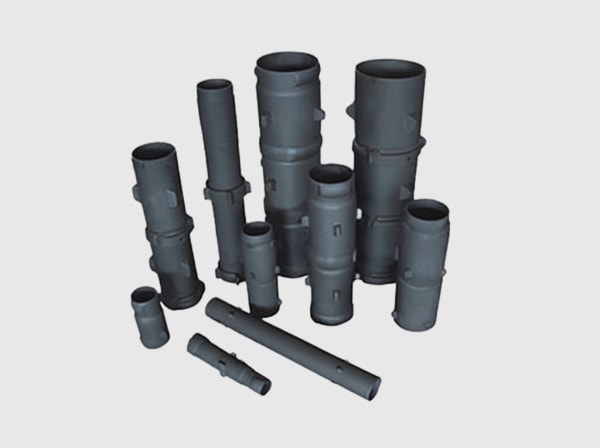
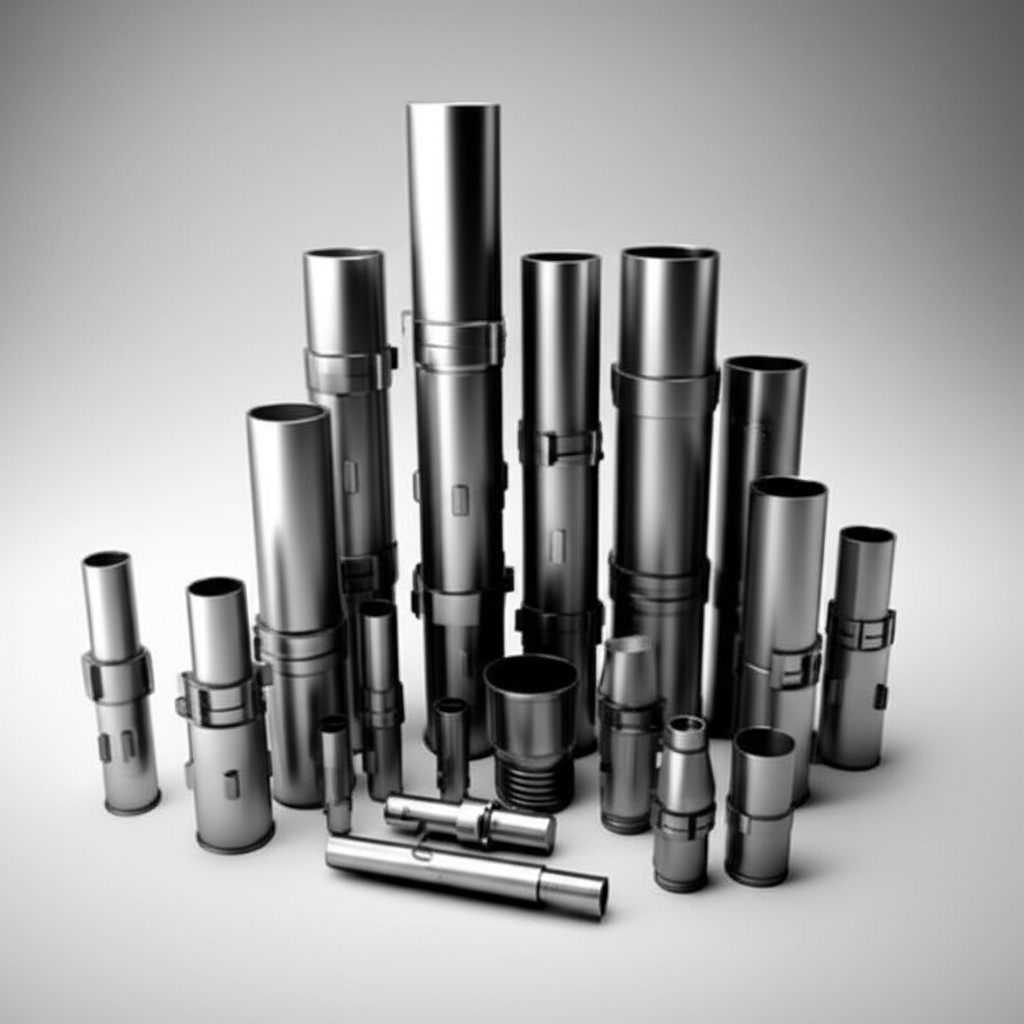
- Wear Parts: Nozzles, seal faces, bearings, valve components, pump components, and cutting tool inserts where high hardness and wear resistance are critical.
- Thermal Management Components: Heat exchanger elements, crucible supports, furnace components, and semiconductor processing parts that require excellent thermal conductivity and thermal shock resistance.
- Structural Ceramics: Components for aerospace, defense, and industrial equipment needing high strength, stiffness, and stability at elevated temperatures.
- Intricate Parts: Components with internal threads, undercuts, thin walls, and complex curvatures that are difficult or costly to produce by machining. The process is particularly advantageous when the complexity of the part makes traditional machining from a SiC blank prohibitively expensive or technically unfeasible.
- How does the cost of SiC components made by injection molding compare to other manufacturing methods? The cost-effectiveness of SiC-CIM depends heavily on production volume and part complexity.
- Tooling Costs: The initial investment in high-precision molds for SiC-CIM can be substantial. This makes the process less economical for very low production volumes or prototypes.
- Per-Part Cost: For medium to high volumes, the per-part cost can be significantly lower than machining from solid SiC. This is due to high production rates, near-net-shape manufacturing (reducing material waste and machining time), and automation potential.
- Complexity Factor: For highly complex parts, SiC-CIM is often more cost-effective than extensive diamond grinding, even at moderate volumes. In summary:
- Low Volume / Simple Parts: Machining or other forming methods might be cheaper.
- Medium to High Volume / Complex Parts: SiC-CIM is often the most economical choice. Companies like Sicarb Tech can provide detailed cost analysis based on specific part designs and volume requirements, helping clients determine the most cost-effective manufacturing strategy for their custom SiC products. Their location in Weifang, a hub for SiC production, also allows them to leverage a cost-competitive supply chain.
- What are the typical lead times for obtaining SiC parts via injection molding, and what factors influence this? Lead times for SiC-CIM parts can be broken down into several stages:
- Design and Quotation: A few days to a couple of weeks, depending on complexity and information provided.
- Tooling (Mold) Manufacturing: This is often the longest part of the initial lead time, typically ranging from 6 to 16 weeks, or even longer for very complex multi-cavity molds.
- Feedstock Development and Process Optimization (for new parts): 2 to 8 weeks, may run concurrently with tooling.
- First Article Inspection (FAI) Parts: After tooling completion and process setup, producing and evaluating initial samples.
- Production Run: Once approved, production runs can be relatively fast, depending on the silicon carbide injection molding machine cycle time and quantity. Debinding and sintering add several days to a week or more to the cycle for each batch.
- Part Complexity: More complex parts require more intricate tooling and potentially longer process optimization.
- Tooling Availability: If existing tooling can be used or modified, lead times are shorter.
- Material Availability: Standard SiC powders and binder components are usually readily available.
- Order Quantity: Larger quantities may require longer production runs but benefit from established processes after the initial setup.
- Supplier Capacity and Backlog: The chosen manufacturer’s current workload. Sicarb Tech, with its integrated approach from material to product and strong local enterprise partnerships facilitated by their technology transfer initiatives, strives to optimize lead times while ensuring high quality for their wholesale SiC parts and customized solutions. Their robust supply chain assurance within China is a key asset.
- Can Sicarb Tech assist with the design and material selection for injection molded SiC components? Yes, absolutely. Sicarb Tech possesses a domestic top-tier professional team specializing in the customized production of silicon carbide products. A core part of their service offering is providing comprehensive customizing support, which includes:
- Design for Manufacturability (DfM): Assisting clients in optimizing their part designs for the SiC-CIM process to enhance quality, reduce costs, and improve lead times. This involves guidance on aspects like wall thickness, draft angles, radii, and tolerance considerations.
- Material Selection: Advising on the most suitable grade of silicon carbide (e.g., SSiC, RBSiC) and feedstock formulation to meet the specific performance requirements of the application (thermal, mechanical, chemical resistance).
- Process Technology: Leveraging their wide array of technologies, including material, process, design, measurement, and evaluation technologies.
- Integrated Process Expertise: Offering an integrated process from materials to final products to meet diverse customization needs. Backed by the scientific and technological capabilities of the Chinese Academy of Sciences and the Chinese Academy of Sciences National Technology Transfer Center, SicSino serves as a bridge for integrating crucial elements in technology transfer and commercialization. They aim to provide higher-quality, cost-competitive customized silicon carbide components by working collaboratively with their clients from the initial concept through to delivery.
- What kind of quality assurance and testing is performed on SiC parts produced by injection molding machines? Quality assurance for SiC-CIM parts is a multi-stage process:
- Raw Material Inspection: Verifying the properties of incoming SiC powder and binder components.
- Feedstock Quality Control: Testing rheological properties (e.g., melt flow index) and homogeneity of each feedstock batch.
- In-Process Monitoring: Controlling critical parameters of the silicon carbide injection molding machine (temperatures, pressures, speeds), debinding cycles (temperature profiles, atmosphere), and sintering cycles.
- Green and Brown Part Inspection: Dimensional checks and visual inspection for defects. Non-destructive testing (NDT) like X-ray computed tomography can be used on green parts.
- Sintered Part Testing:
- Dimensional Inspection: Using CMMs, optical comparators, and other metrology tools.
- Density Measurement: (e.g., Archimedes method).
- Microstructural Analysis: Using SEM to check grain size and porosity.
- Mechanical Testing: Flexural strength, hardness, fracture toughness (if required).
- Thermal Property Testing: Thermal conductivity (if critical).
- NDT: Dye penetrant testing or ultrasonic testing for cracks or internal flaws. Sicarb Tech emphasizes reliable quality and supply assurance, leveraging their measurement and evaluation technologies as part of their integrated process. This commitment ensures that the technical ceramic components they produce meet stringent industry standards and customer specifications.
Conclusion: Embracing SiC Injection Molding for Unparalleled Performance
The journey through the intricacies of silicon carbide injection molding machines and the SiC-CIM process reveals a technology poised to redefine manufacturing standards for high-performance components. The unique combination of silicon carbide’s exceptional material properties with the design freedom and volume production capabilities of injection molding offers a compelling value proposition for industries operating at the cutting edge. From aerospace and semiconductor manufacturing to energy systems and advanced industrial equipment, the demand for complex, durable, and reliable SiC parts is on an upward trajectory.
SiC-CIM technology effectively addresses the manufacturing challenges associated with this remarkable material, enabling the creation of near-net-shape parts with intricate geometries that would be otherwise impractical or uneconomical. The advantages are clear: enhanced design possibilities, improved material utilization, consistent quality, and cost-effectiveness at scale. However, realizing these benefits requires a comprehensive understanding of material science, meticulous process control through specialized silicon carbide injection molding machines, and often, strategic partnerships.
This is where the expertise of organizations like Sicarb Tech becomes paramount. Rooted in the rich technological ecosystem of Weifang, China’s silicon carbide manufacturing hub, and backed by the scientific prowess of the Chinese Academy of Sciences, SicSino stands as a beacon of innovation and reliability. Their capabilities span the entire SiC value chain – from advanced material development and feedstock optimization to custom SiC component design, manufacturing, and even technology transfer for establishing specialized production facilities. For OEMs, technical procurement professionals, and wholesale buyers, partnering with SicSino means access to higher-quality, cost-competitive SiC solutions, reliable supply chains, and a wealth of technical expertise to tackle the most demanding applications.
As industries continue to push the envelope of performance in harsh environments, the role of advanced materials like silicon carbide, and innovative manufacturing processes like injection molding, will only grow in significance. By embracing SiC-CIM technology and collaborating with knowledgeable leaders in the field, businesses can unlock new levels of performance, efficiency, and innovation in their products and operations.

About the Author: Sicarb Tech
We provide clear and reliable insights into silicon carbide materials, component manufacturing, application technologies, and global market trends. Our content reflects industry expertise, practical experience, and a commitment to helping readers understand the evolving SiC landscape.

Customizable SiC
You May Also Interest
-
![]()
SiC Plates: Versatile Spare Component Options
SiC Plates: Versatile Spare Component Options In demanding industrial environments, where extreme temperatures, abrasive wear, and corrosive chemicals are commonplace, the choice of materials is paramount. Silicon carbide (SiC) stands out as a material of choice, particularly in the form of custom silicon carbide plates. These highly engineered components offer unparalleled performance, making them indispensable…
-
![]()
Revolutionizing Precision: The Ascendancy of Silicon Carbide in CNC Machining
In the relentless pursuit of precision, durability, and efficiency in industrial manufacturing, material science plays a pivotal role. Among the advanced materials spearheading innovation, silicon carbide (SiC) has emerged as a true game-changer, particularly in the demanding world of Computer Numerical Control (CNC) machining. Custom silicon carbide components are becoming indispensable for building more robust,…
-
![]()
SiC Support Beams for Furnace Structural Integrity
SiC Support Beams for Furnace Structural Integrity In demanding industrial environments, particularly those involving extreme temperatures and corrosive atmospheres, the structural integrity of equipment is paramount. For high-temperature furnaces, kilns, and other thermal processing systems, the choice of internal support structures dictates operational longevity, efficiency, and safety. This is where custom silicon carbide (SiC) support…