Silicon Carbide: Powering the Next Generation of Aerospace Innovation
Share
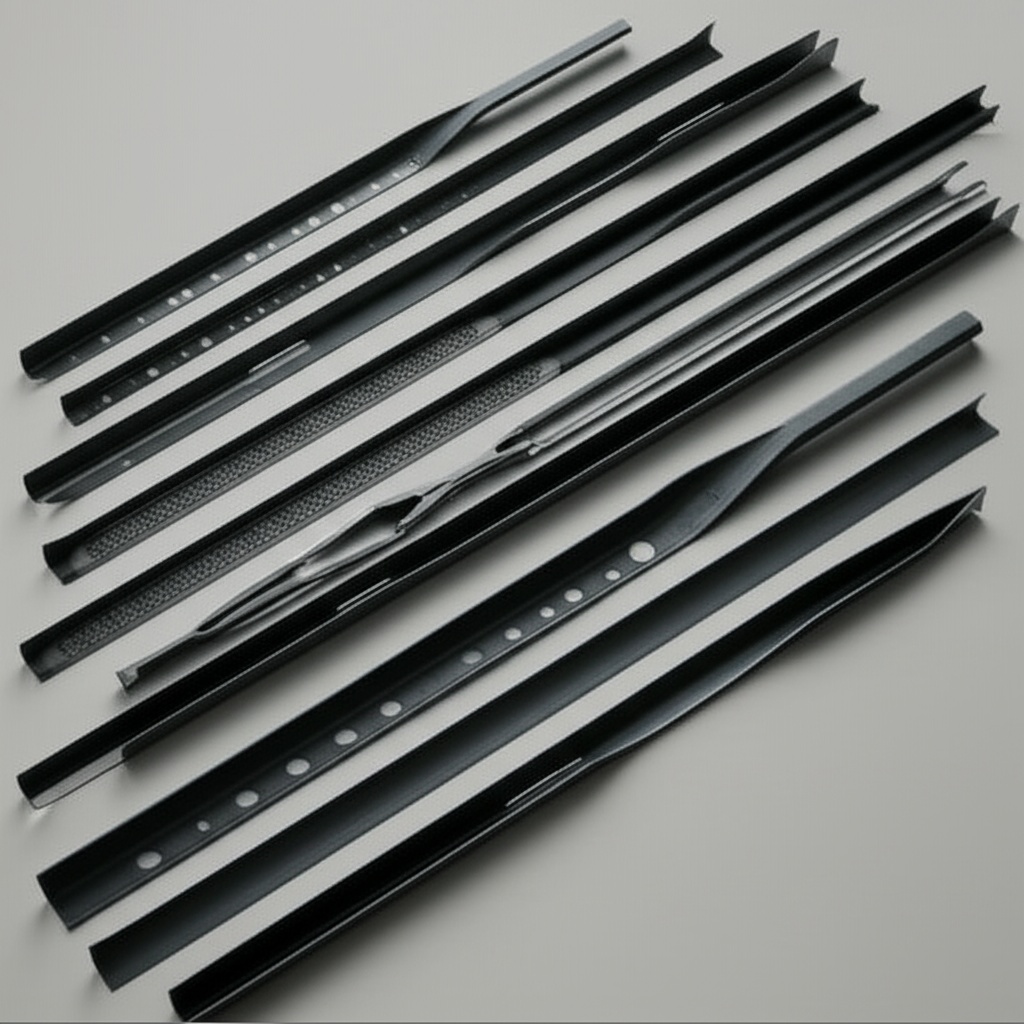
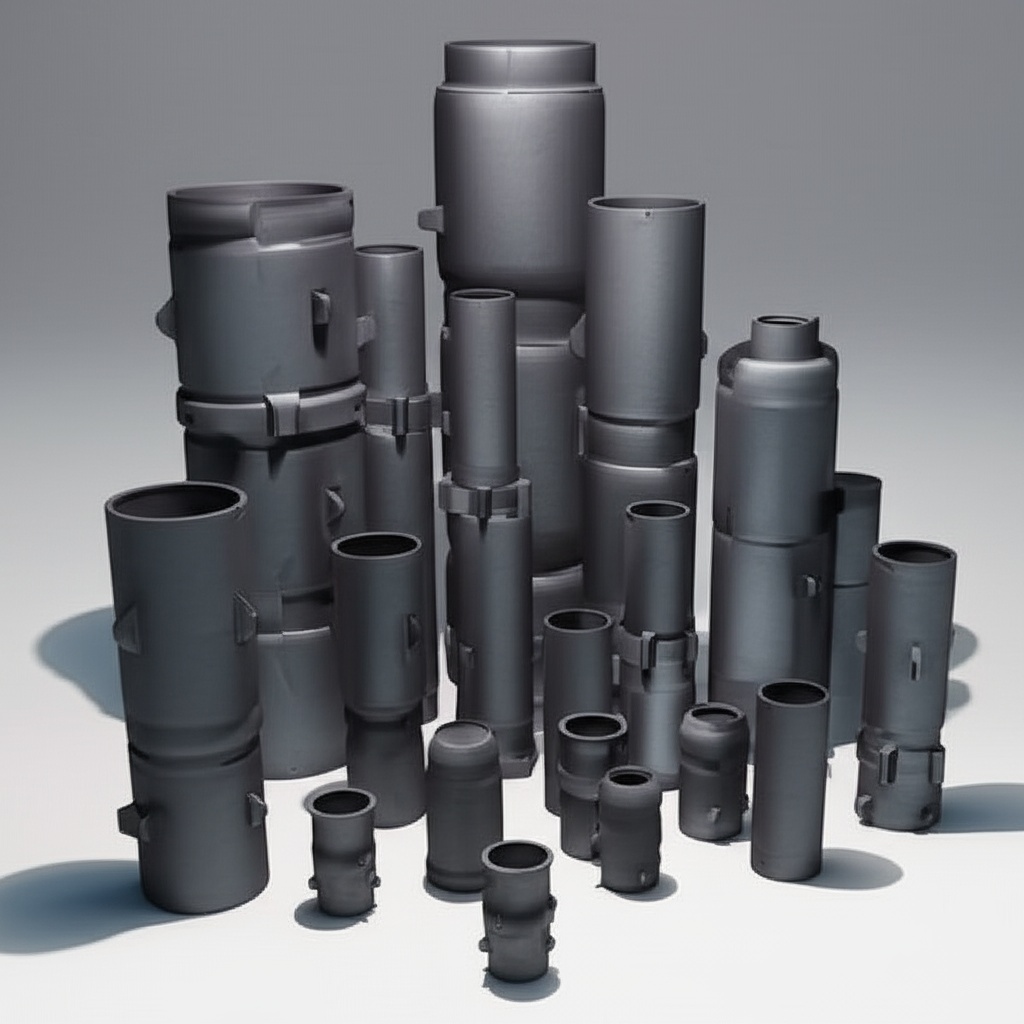
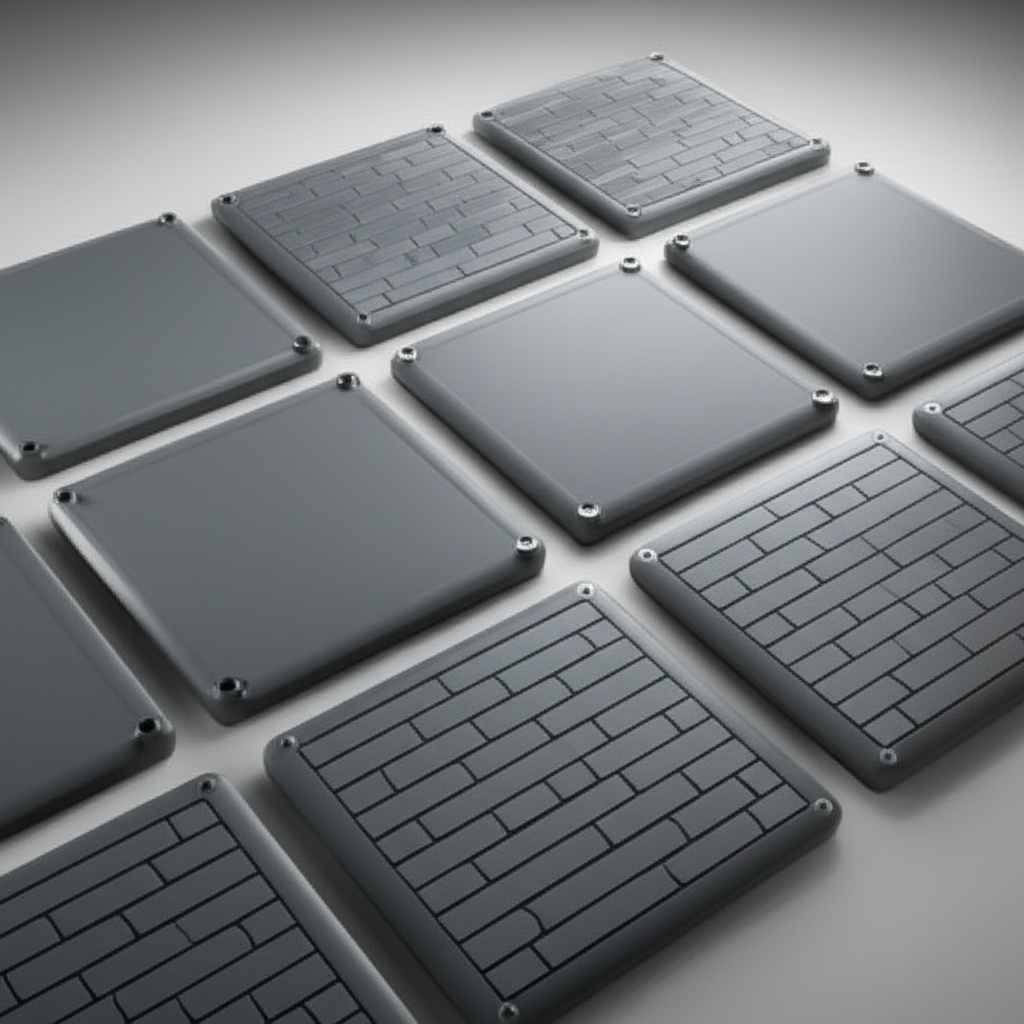
The aerospace industry operates at the extremes of material performance, demanding components that can withstand punishing temperatures, intense mechanical stresses, and the harsh realities of space, all while minimizing weight. In this relentless pursuit of advancement, custom silicon carbide (SiC) products have emerged as a critical enabling technology. This advanced ceramic material offers an unparalleled combination of properties, making it indispensable for a growing range of high-performance aerospace applications, from satellite optics to hypersonic vehicle components. For engineers, procurement managers, and technical buyers within the aerospace sector, understanding the capabilities and advantages of custom SiC is no longer optional—it’s essential for maintaining a competitive edge and achieving mission success.
As a leader in specialized SiC solutions, Sicarb Tech is at the forefront of providing these critical components. Situated in Weifang City, the heart of China’s silicon carbide manufacturing which accounts for over 80% of the nation’s output, SicSino leverages deep industry knowledge and a robust technological foundation. Since 2015, we’ve been instrumental in advancing SiC production technology, supporting local enterprises in achieving large-scale production and process innovation. Our affiliation with the Chinese Academy of Sciences(Weifang) Innovation Park, a national-level technology transfer center of the Chinese Academy of Sciences, underscores our commitment to excellence and provides us access to unparalleled scientific and technological resources. This unique positioning allows us to offer aerospace clients superior quality, cost-effective custom SiC components, backed by a reliable supply chain and deep technical expertise.
Introduction: The Soaring Demand for Custom Silicon Carbide in Aerospace
The aerospace industry is characterized by its unyielding demand for materials that push the boundaries of performance. Custom silicon carbide (SiC) products have risen to this challenge, becoming essential in a multitude of high-performance aerospace applications. SiC is a synthetically produced crystalline compound of silicon and carbon, renowned for its exceptional hardness, high-temperature stability, and superior thermal conductivity. What makes custom SiC particularly vital is the ability to tailor these inherent properties and component geometries to meet the precise and often unique requirements of aerospace missions.
In an environment where every gram of weight impacts fuel efficiency and payload capacity, and where components must operate flawlessly under extreme thermal cycling and mechanical loads, generic materials often fall short. Custom SiC components, whether they are reaction-bonded silicon carbide (RBSiC), sintered silicon carbide (S-SiC), or other specialized grades, offer solutions that are lightweight yet incredibly strong, and capable of maintaining structural integrity and performance from cryogenic temperatures to well over 1500∘C. This adaptability makes them indispensable for aerospace OEMs, Tier 1 aerospace suppliers, and defense contractors seeking to develop next-generation aircraft, spacecraft, and missile systems. The demand is driven by SiC’s ability to enable lighter, more durable, and more efficient aerospace systems, ultimately leading to enhanced operational capabilities and reduced lifecycle costs.
Mission-Critical Aerospace Applications of Silicon Carbide
The exceptional properties of silicon carbide have led to its adoption in a wide array of mission-critical aerospace applications where reliability and performance are paramount. Engineers and technical procurement professionals are increasingly specifying SiC for components that face the most demanding operational conditions.
- Satellite Optics and Structures: SiC’s low thermal expansion, high thermal conductivity, and high specific stiffness make it an ideal material for space-based mirrors, optical benches, and stable support structures for telescopes and earth observation instruments. Unlike traditional materials like beryllium or specialized glasses, SiC offers a superior combination of thermal stability (preventing focus shifts due to temperature changes) and lightweighting potential, which is crucial for reducing launch costs. Custom SiC optical components can be manufactured to precise tolerances with excellent surface finishes.
- Rocket Nozzles and Propulsion Components: In rocket engines, materials must withstand extremely high temperatures, corrosive exhaust gases, and severe thermal shock. SiC and its composites (such as Carbon Fiber-reinforced Silicon Carbide, C/SiC) are used for rocket nozzle throats, diverters, and other hot-gas path components. Their ability to maintain strength at temperatures exceeding 2000∘C and resist erosion makes them superior to many refractory metals.
- Thermal Management Systems: The high thermal conductivity of SiC is beneficial for heat spreaders, heat exchangers, and thermal protection systems (TPS) on spacecraft and hypersonic vehicles. Aerospace thermal components made from SiC can efficiently dissipate heat, protecting sensitive electronics and structures from extreme temperature gradients encountered during atmospheric re-entry or in close proximity to power sources.
- Aircraft Engine Components: Within gas turbine engines, SiC is being explored and implemented for components such as turbine blades, vanes, and combustor liners. The goal is to enable higher operating temperatures, leading to improved engine efficiency, reduced fuel consumption, and lower emissions. Lightweight SiC engine parts also contribute to an overall reduction in engine weight.
- Wear-Resistant Components: The extreme hardness of SiC translates to excellent wear and abrasion resistance. This makes it suitable for aerospace bearings, seals, and flow control valves that experience high friction or erosive environments, leading to longer component life and reduced maintenance.
- Armor and Protection: For defense aerospace applications, SiC’s hardness and relatively low density make it an effective material for lightweight armor systems, offering protection against ballistic threats.
The versatility of custom SiC solutions allows for the design and manufacture of these diverse components, each optimized for its specific operational environment. As aerospace systems continue to push performance envelopes, the role of advanced materials like SiC will only become more significant.
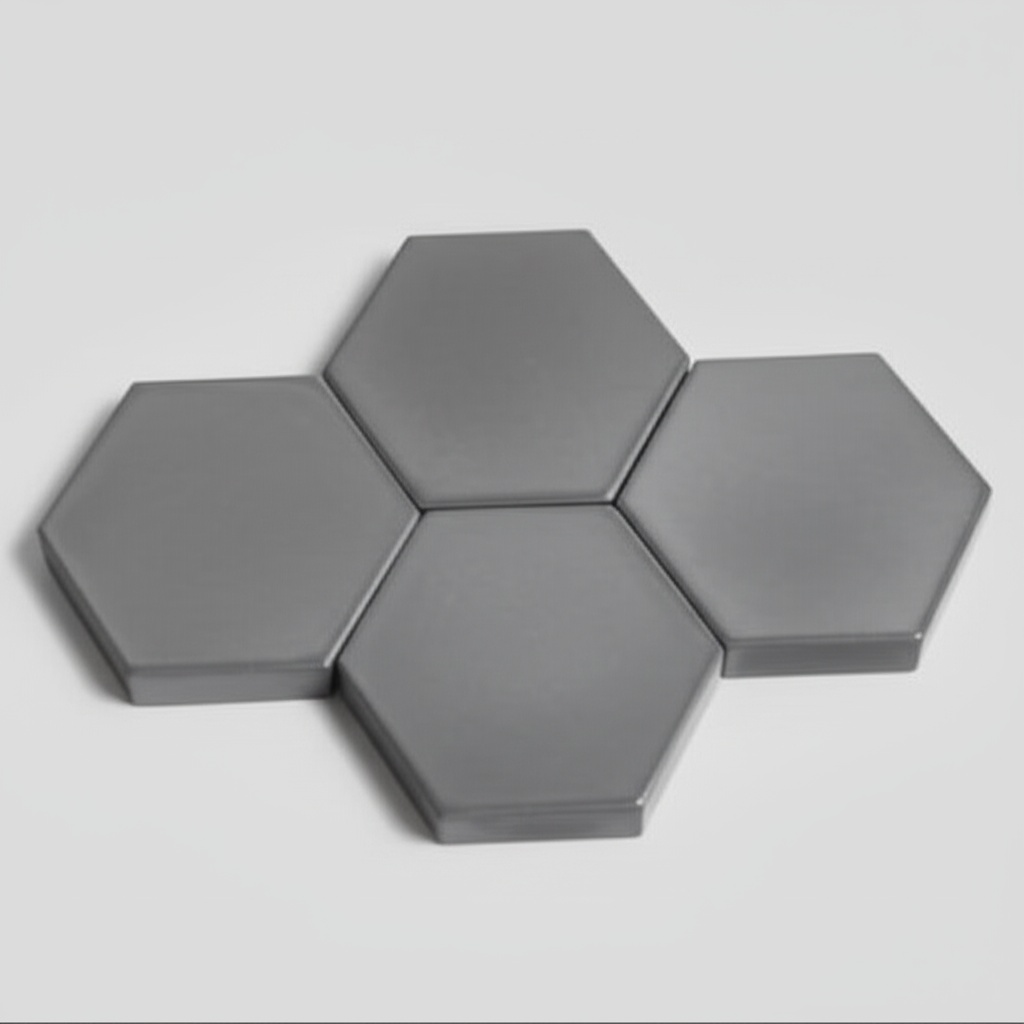
Why Custom Silicon Carbide is Engineered for Aerospace Extremes
The selection of materials in aerospace design is a rigorous process, prioritizing reliability, performance, and weight. Custom silicon carbide stands out due to a unique confluence of properties that make it exceptionally well-suited for the extreme conditions encountered in atmospheric flight and space exploration. Wholesale buyers and OEM procurement managers in the aerospace sector recognize these intrinsic benefits:
- Superior Thermal Stability and High-Temperature Strength: Aerospace components, from engine parts to re-entry heat shields, often experience extreme temperatures. Silicon carbide maintains its mechanical strength and structural integrity at very high temperatures (often exceeding 1500−1600∘C for S-SiC, and up to 1350∘C for RBSiC), far surpassing most metals and other ceramics. Its low coefficient of thermal expansion (CTE) ensures dimensional stability across wide temperature ranges, critical for precision instruments like SiC space mirrors.
- High Specific Stiffness (Stiffness-to-Weight Ratio): For aerospace structures, high stiffness is essential to maintain shape under load, while low weight is crucial for fuel efficiency and payload capacity. SiC boasts an exceptionally high Young’s modulus combined with a relatively low density (around 3.1−3.2g/cm3). This results in a specific stiffness significantly better than that of aerospace aluminum, titanium alloys, and even some steels, enabling the design of lightweight SiC aerospace structures without compromising rigidity.
- Exceptional Wear and Abrasion Resistance: The inherent hardness of silicon carbide (Mohs hardness > 9, approaching diamond) makes it highly resistant to wear, erosion, and abrasion. This is vital for components such as aerospace seals, bearings, nozzles, and leading edges that are exposed to particulate matter, high-velocity flows, or rubbing contact. This translates to longer component life and reduced maintenance for aerospace systems integrators.
- Excellent Chemical Inertness and Corrosion Resistance: SiC exhibits remarkable resistance to corrosion and chemical attack from fuels, oxidizers, and other aggressive media encountered in aerospace environments, even at elevated temperatures. This durability ensures long-term performance and reliability of custom SiC fuel system components and exhaust path elements.
- Radiation Resistance: In space applications, materials are exposed to various forms of radiation. Silicon carbide demonstrates good resistance to radiation damage, making it suitable for components used in satellites and deep-space probes where long-term stability in harsh radiation environments is necessary.
- Tailorable Properties through Customization: Beyond its intrinsic qualities, the ability to customize SiC components is a major advantage. By selecting specific grades (e.g., S-SiC for highest temperature and purity, RBSiC for complex shapes and cost-effectiveness), controlling porosity, and designing intricate geometries, SiC manufacturers can fine-tune material properties to meet the specific demands of each aerospace application. This includes optimizing for thermal conductivity, electrical resistivity, or mechanical strength.
These engineered advantages allow custom silicon carbide components to not only meet but often exceed the stringent performance requirements of the aerospace industry, paving the way for more capable and efficient flight and space systems.
Navigating SiC Grades and Compositions for Optimal Aerospace Performance
Silicon carbide is not a one-size-fits-all material. Various manufacturing processes result in different grades of SiC, each with a unique set of properties. Selecting the appropriate grade is crucial for optimizing the performance and cost-effectiveness of custom SiC aerospace components. Procurement professionals and design engineers should be familiar with the primary types:
- Reaction-Bonded Silicon Carbide (RBSiC or SiSiC):
- Manufacturing: RBSiC is produced by infiltrating a porous preform, typically made of SiC particles and carbon, with molten silicon. The silicon reacts with the carbon to form additional SiC, which bonds the initial SiC particles. Some free silicon usually remains in the final microstructure (typically 8-15%).
- Properties: Good mechanical strength, excellent wear and corrosion resistance, high thermal conductivity, and exceptional thermal shock resistance. It can be formed into complex shapes with relatively tight tolerances. The presence of free silicon generally limits its maximum service temperature to around 1350−1380∘C.
- Aerospace Applications: Ideal for components requiring intricate designs and good all-around performance where temperatures don’t exceed the limit of the free silicon. Examples include structural aerospace components, heat exchangers, and some types of nozzles or wear parts. Sicarb Tech offers robust RBSiC solutions tailored for such applications.
- B2B Focus: Cost-effective for high-volume SiC parts, suitable for industrial aerospace applications where extreme temperature purity is not the primary driver.
- Sintered Silicon Carbide (S-SiC or SSIC):
- Manufacturing: S-SiC is produced by sintering fine SiC powder at very high temperatures (typically 2000−2200∘C) with the aid of sintering additives (e.g., boron and carbon) in a controlled atmosphere. This process results in a dense, single-phase SiC material with minimal or no free silicon.
- Properties: Highest purity, exceptional hardness, superior strength at high temperatures (up to 1600∘C or higher), excellent corrosion and wear resistance, and good thermal shock resistance. It is generally more challenging and costly to machine into complex shapes compared to RBSiC.
- Aerospace Applications: Preferred for the most demanding applications requiring maximum temperature capability, chemical purity, and mechanical performance. This includes SiC mirrors for space telescopes, components for advanced turbine engines, high-temperature furnace parts used in aerospace material processing, and semiconductor processing equipment for aerospace electronics.
- B2B Focus: Premium material for critical aerospace components, specified by aerospace R&D departments and prime contractors for applications with no margin for error.
- Nitride-Bonded Silicon Carbide (NBSC):
- Manufacturing: SiC grains are bonded by a silicon nitride (Si3N4) phase.
- Properties: Good thermal shock resistance, good mechanical strength, and high wear resistance. Generally lower cost than S-SiC.
- Aerospace Applications: Can be used for kiln furniture in firing aerospace ceramics, or in applications where a balance of wear resistance and thermal shock capability at moderate temperatures is needed. Less common in flight-critical components compared to RBSiC and S-SiC.
- Chemical Vapor Deposited Silicon Carbide (CVD-SiC):
- Manufacturing: Produced by chemical vapor deposition, resulting in an ultra-high purity (99.999% or higher) and theoretically dense SiC. Often used as a coating or for producing thin, bulk components.
- Properties: Extremely high purity, excellent surface finish potential, superior chemical resistance, and good thermal properties.
- Aerospace Applications: SiC coatings for mirrors to achieve ultra-smooth surfaces, protective layers on other materials, and specialized semiconductor applications for aerospace electronics.
- Carbon Fiber-Reinforced Silicon Carbide (C/SiC Composites):
- Manufacturing: Carbon fibers are embedded in a SiC matrix. This is a ceramic matrix composite (CMC).
- Properties: Significantly improved fracture toughness compared to monolithic SiC (less brittle), lightweight, excellent high-temperature strength and thermal shock resistance.
- Aerospace Applications: Leading candidates for hypersonic vehicle components, aircraft brake discs, hot structures in advanced engines, and thermal protection systems. Manufacturing is complex and costly.
The following table provides a general comparison of key SiC grades relevant to aerospace:
| Property | Reaction-Bonded SiC (RBSiC/SiSiC) | Sintered SiC (S-SiC) | C/SiC Composites |
|---|---|---|---|
| Max. Service Temp. | 1350−1380∘C | >1600∘C | >1650∘C (in inert atm.) |
| Density | ∼3.02−3.10g/cm3 | ∼3.10−3.15g/cm3 | ∼2.0−2.5g/cm3 |
| Flexural Strength (RT) | 250−550MPa | 400−600MPa | 200−400MPa (matrix) |
| Thermal Conductivity | 80−150W/mK | 100−180W/mK | 20−60W/mK |
| Fracture Toughness | Low-Moderate | Low | High |
| Complexity of Shape | High | Moderate | Moderate-High |
| Relative Cost | Moderate | High | Very High |
| Typical Aerospace Uses | Structural parts, heat exchangers, moderate-temp nozzles | Mirrors, high-temp engine parts, furnace components | Hypersonic TPS, brakes, hot structures |
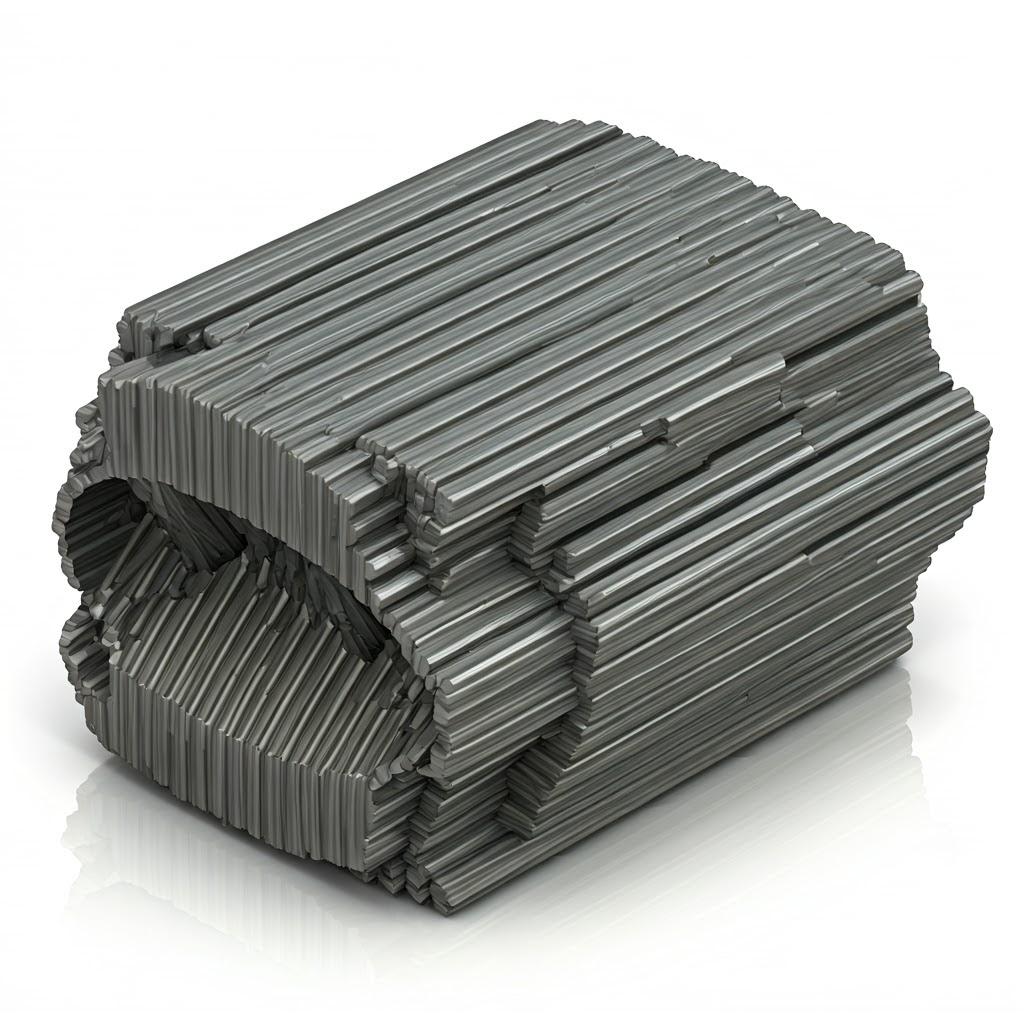
Precision Engineering: Design, Tolerances, and Finishing of Aerospace SiC Components
The successful implementation of custom silicon carbide products in aerospace hinges on meticulous design, achievable manufacturing tolerances, and appropriate surface finishing. Given SiC’s inherent hardness and brittleness, these aspects require specialized knowledge and advanced manufacturing capabilities. Aerospace engineers and technical buyers must collaborate closely with experienced SiC suppliers like Sicarb Tech to ensure components are optimized for both performance and manufacturability.
Design Considerations for Manufacturability:
- Geometry and Complexity: While RBSiC allows for more complex net-shape forming, S-SiC typically requires more machining from simpler blanks. Designers should aim for geometries that minimize complex internal features, sharp corners (which can be stress concentrators), and extremely thin walls, unless absolutely necessary and discussed with the manufacturer. Gradual transitions in thickness are preferred.
- Wall Thickness: Minimum achievable wall thickness depends on the SiC grade and manufacturing process. For RBSiC, thicknesses down to 2−3mm are common, while S-SiC might require thicker sections for robust handling during green machining and sintering.
- Draft Angles: For molded or cast parts (common in RBSiC green stages), slight draft angles facilitate removal from molds.
- Joining and Assembly: If the SiC component needs to be joined to other parts (metallic or ceramic), design features for mechanical interlocking, brazing, or other joining techniques must be incorporated early. Differential thermal expansion between SiC and other materials is a critical consideration.
- Stress Points: Finite Element Analysis (FEA) is often employed to identify potential stress concentrations. Generous radii, fillets, and avoidance of sharp notches can significantly improve the component’s durability.
Tolerances and Dimensional Accuracy:
Achievable tolerances for SiC components are a function of the material grade, manufacturing route, component size, and extent of post-sintering machining.
- As-Sintered Tolerances: For net-shape or near-net-shape processes like some RBSiC forming methods, as-sintered tolerances can be in the range of ±0.5% to ±1% of the dimension. S-SiC typically has larger shrinkage and variability, requiring more finishing.
- Ground/Machined Tolerances: Diamond grinding is the primary method for achieving tight tolerances on sintered SiC.
- General Machining: Tolerances of ±0.025mm to ±0.05mm (±0.001in to ±0.002in) are commonly achievable for many features.
- Precision Machining: For critical dimensions, especially in optical or high-precision aerospace applications, tolerances down to ±0.005mm (±0.0002in) or even tighter can be achieved with specialized grinding and lapping processes.
- Flatness and Parallelism: For components like SiC baseplates or optical substrates, flatness and parallelism are critical. Values in the range of micrometers (e.g., 1−5μm over a 100mm area) are possible with precision lapping.
Surface Finish Options:
The required surface finish depends heavily on the application.
- As-Fired/Sintered Surface: The surface finish of an as-sintered part can range from a few micrometers Ra to tens of micrometers Ra, depending on the process. This may be acceptable for some internal components or refractory applications.
- Ground Surface: Standard diamond grinding typically yields surface finishes in the range of Ra=0.4μm to Ra=0.8μm (16−32μin). Finer grinding can achieve Ra<0.2μm (<8μin).
- Lapped and Polished Surface: For applications requiring extremely smooth surfaces, such as SiC mirrors, bearings, or seals, lapping and polishing are employed.
- Lapping: Can achieve Ra=0.05μm to Ra=0.1μm.
- Polishing: Essential for optical surfaces, capable of achieving Ra<0.005μm (<5nm), and for mirrors, RMS roughness values in the angstrom range are targeted. This often involves specialized techniques like Chemical Mechanical Polishing (CMP).
Post-Processing Needs:
Beyond basic shaping and surface finishing, some aerospace SiC components may require further post-processing:
- Coatings:
- Optical Coatings: For mirrors, dielectric or metallic reflective coatings (e.g., enhanced silver, gold, or specialized multilayer dielectric stacks) are applied to achieve desired reflectivity across specific wavelengths. CVD-SiC itself can be used as a cladding layer to improve the polishability of other SiC grades.
- Protective Coatings: Environmental barrier coatings (EBCs) or anti-oxidation coatings may be applied to enhance durability in particularly harsh chemical or oxidizing environments, especially for CMCs.
- Wear-Resistant Coatings: Diamond-Like Carbon (DLC) or other hard coatings can sometimes be applied to further enhance wear performance in specific tribological systems, though SiC itself is very wear-resistant.
- Sealing: For RBSiC components with some residual porosity, or for applications requiring vacuum tightness, surface sealing treatments (e.g., silicate glass infiltration) can be applied. S-SiC is generally dense enough not to require sealing.
- Edge Chamfering/Radiusing: To prevent chipping and improve handling safety, edges are often chamfered or radiused.
Overcoming Manufacturing Hurdles for Flight-Ready Silicon Carbide Parts
While the properties of silicon carbide are highly desirable for aerospace, its inherent characteristics—namely extreme hardness and brittleness—present significant manufacturing challenges. Successfully producing flight-ready SiC components requires specialized expertise, advanced equipment, and meticulous process control. Understanding these hurdles and how they are overcome is crucial for aerospace procurement specialists and OEMs.
Common Manufacturing Challenges:
- Machining Complexity and Cost:
- Challenge: SiC is one of the hardest industrial ceramics, second only to diamond. Conventional machining tools (carbide, HSS) are ineffective. Diamond tooling is required for grinding, cutting, and drilling, leading to higher tooling costs and slower material removal rates compared to metals.
- Mitigation: Advanced grinding techniques (e.g., creep-feed grinding, ultrasonic-assisted grinding), Electrical Discharge Machining (EDM) for conductive SiC grades or green-state SiC, and laser machining are employed. Optimizing designs for near-net-shape forming (especially with RBSiC) reduces the amount of costly finish machining. Sicarb Tech leverages its process technology expertise to optimize machining strategies, balancing precision with cost-effectiveness for custom SiC aerospace parts.
- Brittleness and Fracture Susceptibility:
- Challenge: SiC has low fracture toughness, meaning it is susceptible to chipping, cracking, or catastrophic failure if subjected to impact, high localized stress, or improper handling during manufacturing or assembly.
- Mitigation: Careful process control during all stages, from powder preparation to final inspection. Green machining (machining before final sintering) can be less prone to chipping for certain features. Non-destructive testing (NDT) methods like ultrasonic inspection, X-ray, and fluorescent penetrant inspection are vital for detecting internal flaws or surface cracks. Designing with generous radii, avoiding sharp corners, and proper clamping/fixturing during machining are critical.
- Achieving Tight Tolerances and Complex Geometries:
- Challenge: The hardness makes achieving very tight dimensional and geometric tolerances demanding. Shrinkage during sintering (especially for S-SiC) can be variable and must be precisely controlled or compensated for by machining.
- Mitigation: Iterative process development, precise control of sintering parameters, and sophisticated multi-axis CNC diamond grinding machines. For highly complex shapes, near-net-shape forming processes like slip casting, injection molding (for green bodies), or additive manufacturing techniques (still emerging for SiC) are being refined. Sicarb Tech ‘s integrated process from materials to products allows for fine-tuning to meet diverse customization needs for intricate SiC components.
- Surface Finish and Integrity:
- Challenge: Achieving ultra-smooth surfaces (e.g., for optical applications) without introducing subsurface damage is difficult due to the material’s hardness.
- Mitigation: Multi-stage grinding, lapping, and polishing processes using progressively finer diamond abrasives. Specialized techniques like magnetorheological finishing (MRF) or ion beam figuring (IBF) for optics. Careful control of coolant and grinding parameters to prevent thermal damage.
- Cost-Effective Production of Intricate Shapes:
- Challenge: The combination of raw material costs, energy-intensive sintering processes, and expensive diamond machining makes SiC components inherently more costly than many metallic alternatives, especially for complex geometries or small production runs.
- Mitigation: Optimizing part design for manufacturability, utilizing near-net-shape forming where possible, process automation, and leveraging economies of scale. Suppliers like Sicarb Tech , located in Weifang, China’s SiC manufacturing hub, benefit from a developed supply chain and specialized labor pool, helping to manage costs for wholesale SiC aerospace components.
- Ensuring Reliability and Consistency:
- Challenge: Variations in raw material quality, powder processing, forming, or sintering can lead to inconsistencies in final properties and performance. This is unacceptable for critical aerospace applications.
- Mitigation: Rigorous quality control at every stage: raw material characterization, in-process monitoring, and comprehensive final inspection and testing (mechanical, thermal, NDT). Adherence to stringent quality management systems (e.g., AS9100 or ISO 9001 relevant for aerospace suppliers). Sicarb Tech ‘s commitment to quality is supported by its scientific backing from the Chinese Academy of Sciences.
Overcoming these challenges requires a deep understanding of SiC materials science, advanced manufacturing technologies, and a commitment to quality. By partnering with experienced suppliers like Sicarb Tech , aerospace companies can access the expertise needed to successfully incorporate high-performance SiC components into their most demanding applications.
| Challenge | Primary Mitigation Strategies | Sicarb Tech Advantage |
|---|---|---|
| Machining Difficulty & Cost | Diamond grinding, EDM, laser, near-net-shape forming | Process technology expertise, optimizing machining, Weifang hub cost benefits |
| Brittleness & Fracture | Careful handling, NDT, design optimization (radii), green machining | Rigorous QC, design support |
| Tight Tolerances & Complexity | CNC diamond grinding, advanced forming (e.g., slip casting), precise sintering control | Integrated material-to-product process, customization capabilities |
| Surface Finish & Integrity | Multi-stage grinding/lapping/polishing, specialized optical finishing | Access to advanced finishing techniques, metrology |
| Cost of Intricate Shapes | Design for manufacturability, near-net-shape, process automation, economies of scale | Weifang SiC cluster benefits, cost-competitive solutions |
| Reliability & Consistency | Stringent QC (raw material to final part), QMS, process control | Chinese Academy of Sciences backing, national technology transfer platform, commitment to quality and supply assurance |
Partnering for Aerospace Excellence: Why Sicarb Tech is Your Trusted SiC Supplier
Choosing the right supplier for custom silicon carbide components is a critical decision for aerospace companies. The supplier must not only provide high-quality materials but also offer deep technical expertise, reliable production capabilities, and a commitment to meeting the stringent demands of the aerospace industry. Sicarb Tech stands out as a premier partner for aerospace OEMs, Tier 1 suppliers, and technical procurement professionals seeking advanced SiC solutions.
Location in Weifang – The Hub of China’s SiC Industry: Sicarb Tech is strategically located in Weifang City, Shandong Province, which is the undisputed hub of China’s silicon carbide manufacturing. This region is home to over 40 SiC production enterprises, collectively accounting for more than 80% of the nation’s total SiC output. Our presence in Weifang provides us with unparalleled access to a mature supply chain, specialized labor, and a collaborative industrial ecosystem focused on SiC innovation. We have been a driving force in this region since 2015, introducing and implementing advanced SiC production technology and assisting local enterprises in achieving large-scale production and technological advancements.
Backed by the Chinese Academy of Sciences : Our strong affiliation with the Chinese Academy of Sciences (Weifang) Innovation Park, an entrepreneurial park closely collaborating with the National Technology Transfer Center of the Chinese Academy of Sciences, provides a significant advantage. This makes Sicarb Tech a national-level innovation and entrepreneurship service platform. We capitalize on the robust scientific, technological capabilities, and talent pool of the Chinese Academy of Sciences. This backing ensures that our processes are informed by cutting-edge research and that we can leverage a vast network of scientific expertise to tackle complex aerospace challenges. This connection serves as a bridge for integrating crucial elements in the transfer and commercialization of scientific and technological achievements, providing a more reliable quality and supply assurance within China.
Unmatched Technical Expertise and Customization Capabilities: Sicarb Tech possesses a domestic top-tier professional team specializing in the customized production of silicon carbide products. We have a comprehensive understanding of:
- Material Technology: Expertise in various SiC grades (RBSiC, S-SiC, etc.) and their nuanced properties.
- Process Technology: Advanced capabilities in forming, sintering, precision machining, and finishing of SiC.
- Design Technology: Collaborative design support to optimize components for manufacturability and aerospace performance.
- Measurement & Evaluation Technology: State-of-the-art metrology and NDT capabilities to ensure components meet exact specifications. Our integrated process, from raw materials to finished products, enables us to meet diverse and complex customization needs for aerospace-grade SiC components. We have supported over 10 local enterprises with our technologies, enhancing their production capabilities.
Commitment to Quality and Cost-Effectiveness: We are committed to delivering higher-quality, cost-competitive customized silicon carbide components. Our position within the Weifang SiC cluster, combined with our technological efficiencies, allows us to offer favorable pricing without compromising on the stringent quality standards required for aerospace applications. Our rigorous quality assurance protocols are embedded throughout the manufacturing lifecycle.
Cost Drivers and Lead Time Considerations for Aerospace SiC: Understanding what influences the price and delivery time of custom SiC parts is essential for procurement:
- Material Grade: S-SiC and CVD-SiC are generally more expensive than RBSiC due to higher purity and more complex processing.
- Component Complexity and Size: Intricate designs, large dimensions, and tight tolerances increase machining time and tooling costs.
- Production Volume: Higher volumes can lead to economies of scale, reducing per-unit costs. Tooling costs can be amortized over larger production runs.
- Surface Finish and Post-Processing: Requirements for ultra-smooth finishes (e.g., optical polishing) or specialized coatings add to the cost and lead time.
- Testing and Certification: Extensive NDT, mechanical testing, and aerospace-specific certifications contribute to the overall cost and timeline. Sicarb Tech works transparently with clients to break down these cost drivers and optimize designs and processes for the best value. Lead times are carefully managed, balancing thoroughness with efficiency to meet project schedules.
Beyond Component Supply: Technology Transfer and Turnkey Solutions: For organizations looking to establish their own specialized SiC production capabilities, Sicarb Tech offers a unique and comprehensive service. We can provide technology transfer for professional silicon carbide production, along with a full range of turnkey project services. This includes:
- Factory design and layout.
- Procurement of specialized SiC manufacturing equipment.
- Installation and commissioning of equipment.
- Trial production and process optimization. This offering enables clients to build a professional SiC products manufacturing plant in their own country, ensuring effective investment, reliable technology transformation, and a guaranteed input-output ratio.
By choosing Sicarb Tech , aerospace companies gain more than just a supplier; they gain a strategic partner dedicated to advancing their technological capabilities with superior custom silicon carbide solutions.
Frequently Asked Questions (FAQ) about Silicon Carbide in Aerospace
Q1: What are the primary advantages of using Silicon Carbide (SiC) over traditional aerospace materials like titanium or Inconel in high-temperature applications?
A1: Silicon Carbide offers several key advantages over traditional aerospace metals in high-temperature environments:
- Higher Temperature Capability: SiC (especially S-SiC) can maintain its strength and structural integrity at temperatures exceeding 1500∘C, whereas superalloys like Inconel typically have upper-temperature limits well below this, and titanium alloys are even more restricted.
- Lower Density: SiC is significantly lighter than Inconel and titanium (SiC density ∼3.1−3.2g/cm3 vs. Inconel ∼8.2−8.5g/cm3 and Titanium ∼4.5g/cm3). This leads to substantial weight savings in components, improving fuel efficiency and payload capacity.
- Higher Hardness and Wear Resistance: SiC is exceptionally hard, providing superior resistance to abrasion and erosion compared to metals.
- Lower Thermal Expansion: SiC generally has a lower coefficient of thermal expansion, leading to better dimensional stability across temperature changes, which is crucial for precision components like optics and engine parts.
- Excellent Creep Resistance: At high temperatures, SiC resists creep (slow deformation under constant stress) much better than most metals. However, metals typically offer better ductility and fracture toughness, so the choice depends on the specific application’s balance of requirements.
Q2: How does the cost of custom Silicon Carbide components compare to other advanced materials used in aerospace, and what are the main cost drivers?
A2: Custom Silicon Carbide components are generally considered a premium material solution, often more expensive than many conventional aerospace metals or some other ceramics on a per-part basis. The main cost drivers include:
- Raw Material Purity and Grade: High-purity SiC powders required for S-SiC are costly.
- Manufacturing Complexity: Energy-intensive sintering processes (high temperatures, controlled atmospheres) and the need for specialized forming techniques contribute significantly.
- Machining: Due to SiC’s extreme hardness, diamond grinding is necessary, which is slower and more expensive than machining metals. Intricate features and tight tolerances increase machining time and cost.
- Tooling: Diamond tooling itself is expensive. For molded parts, mold design and fabrication costs can be substantial, especially for complex geometries.
- Production Volume: Smaller production runs or prototypes have higher per-unit costs due to setup and development overhead.
- Quality Assurance and Testing: Rigorous NDT and qualification testing required for aerospace add to the cost. While the initial component cost might be higher, the lifecycle cost can be lower due to SiC’s durability, longevity, and the performance benefits it enables (e.g., improved fuel efficiency from lighter, hotter-running engines). Sicarb Tech leverages its expertise and location in the Weifang SiC hub to provide cost-competitive solutions.
Q3: What are the typical lead times for procuring custom Silicon Carbide aerospace components, especially for new designs?
A3: Lead times for custom SiC aerospace components can vary significantly based on several factors:
- Complexity of Design: Simple shapes from existing tooling will have shorter lead times than complex, new designs requiring extensive engineering and new mold fabrication.
- Material Grade: Some grades may have longer processing times.
- Quantity: Prototype or small batch orders might be faster than large production runs if capacity is available, but large runs benefit from established processes once initiated.
- Machining and Finishing Requirements: Extensive machining, lapping, polishing, or coating add to the lead time.
- Supplier Capacity and Backlog: Current workload of the supplier plays a role.
- Testing and Qualification: If extensive aerospace-specific qualification testing is needed, this will extend the timeline. For new, complex designs, lead times can range from 8 to 20 weeks or more. For simpler parts or repeat orders with established processes, lead times might be in the 6 to 12-week range. It’s crucial for aerospace procurement managers to engage with suppliers like Sicarb Tech early in the design phase to get accurate lead time estimates and plan accordingly. We work to optimize our production scheduling to meet demanding aerospace timelines.
Q4: Can Silicon Carbide components be effectively joined to other materials, such as metals, in an aerospace assembly?
A4: Yes, SiC components can be joined to other materials, including metals, but it presents challenges due to differences in properties, primarily the Coefficient of Thermal Expansion (CTE). Common joining techniques include:
- Brazing: Specialized active braze alloys are used that can wet the SiC surface and form a strong bond with both SiC and the metallic component. Careful design is needed to manage stress from CTE mismatch.
- Diffusion Bonding: Solid-state joining under heat and pressure, sometimes with interlayers.
- Mechanical Fastening: Using bolts, clamps, or interference fits. Design must accommodate stress concentrations and CTE differences.
- Adhesive Bonding: High-temperature adhesives can be used for some applications, though their temperature limits are usually lower than SiC itself.
- Transient Liquid Phase (TLP) Bonding: Involves an interlayer that melts, facilitates diffusion, and then solidifies to form a joint. The success of joining SiC to metals heavily relies on proper joint design to accommodate thermal stresses and selecting the appropriate joining method and materials for the specific operating conditions.
Conclusion: Elevating Aerospace Capabilities with Custom Silicon Carbide
The relentless pursuit of higher performance, greater efficiency, and extended operational envelopes in the aerospace industry necessitates the adoption of advanced materials. Custom silicon carbide, with its extraordinary combination of high-temperature stability, exceptional hardness, impressive specific stiffness, and chemical inertness, has firmly established itself as a key enabler for current and future aerospace systems. From precision optics in space telescopes to robust components in cutting-edge propulsion systems and thermal protection for hypersonic vehicles, SiC delivers performance where other materials falter.
The journey from raw SiC powder to a flight-qualified aerospace component is complex, demanding profound expertise in material science, precision manufacturing, and rigorous quality assurance. Challenges in machining, achieving tight tolerances, and managing costs require a knowledgeable and capable supply partner.
Sicarb Tech , strategically positioned in Weifang, the heart of China’s SiC industry, and fortified by the scientific prowess of the Chinese Academy of Sciences, embodies such a partner. We offer not just custom SiC products but comprehensive solutions, from collaborative design and material selection to meticulous manufacturing and post-processing. Our commitment is to provide the aerospace industry with higher-quality, cost-competitive SiC components that meet the most demanding specifications. For aerospace engineers, procurement managers, and OEMs, partnering with Sicarb Tech means accessing a reliable source of innovation and excellence, empowering you to push the boundaries of what’s possible in the skies and beyond. Whether you require intricately designed components or seek to establish your own SiC production capabilities through our technology transfer programs, Sicarb Tech is dedicated to ensuring your mission’s success.

About the Author: Sicarb Tech
We provide clear and reliable insights into silicon carbide materials, component manufacturing, application technologies, and global market trends. Our content reflects industry expertise, practical experience, and a commitment to helping readers understand the evolving SiC landscape.

Customizable SiC
You May Also Interest
-
![]()
SiC Material Science Advances & Discoveries
SiC Material Science Advances & Discoveries In the rapidly evolving landscape of advanced materials, Silicon Carbide (SiC) stands out as a true game-changer. Renowned for its exceptional properties, SiC is at the forefront of innovation, driving progress across a multitude of high-performance industrial applications. This blog post delves into the latest advancements and discoveries in…
-
![]()
The Automotive Revolution Fueled by Custom Silicon Carbide
The automotive industry is undergoing its most significant transformation in a century. Electrification, autonomous driving, and the relentless pursuit of higher efficiency and performance are reshaping vehicle design and engineering. At the heart of this revolution lies a remarkable material: Silicon Carbide (SiC). This advanced technical ceramic, known for its exceptional properties, is rapidly becoming…
-
![]()
SiC for Next-Generation Semiconductor Devices
SiC for Next-Generation Semiconductor Devices In the relentless pursuit of innovation across high-tech industries, material science plays a pivotal role. For next-generation semiconductor devices, and demanding applications in aerospace, energy, and industrial manufacturing, the spotlight is increasingly on advanced materials that can withstand extreme conditions while delivering superior performance. Among these, custom silicon carbide (SiC)…