Revolutionizing Manufacturing: The Rise of Silicon Carbide 3D Printing Equipment
Share
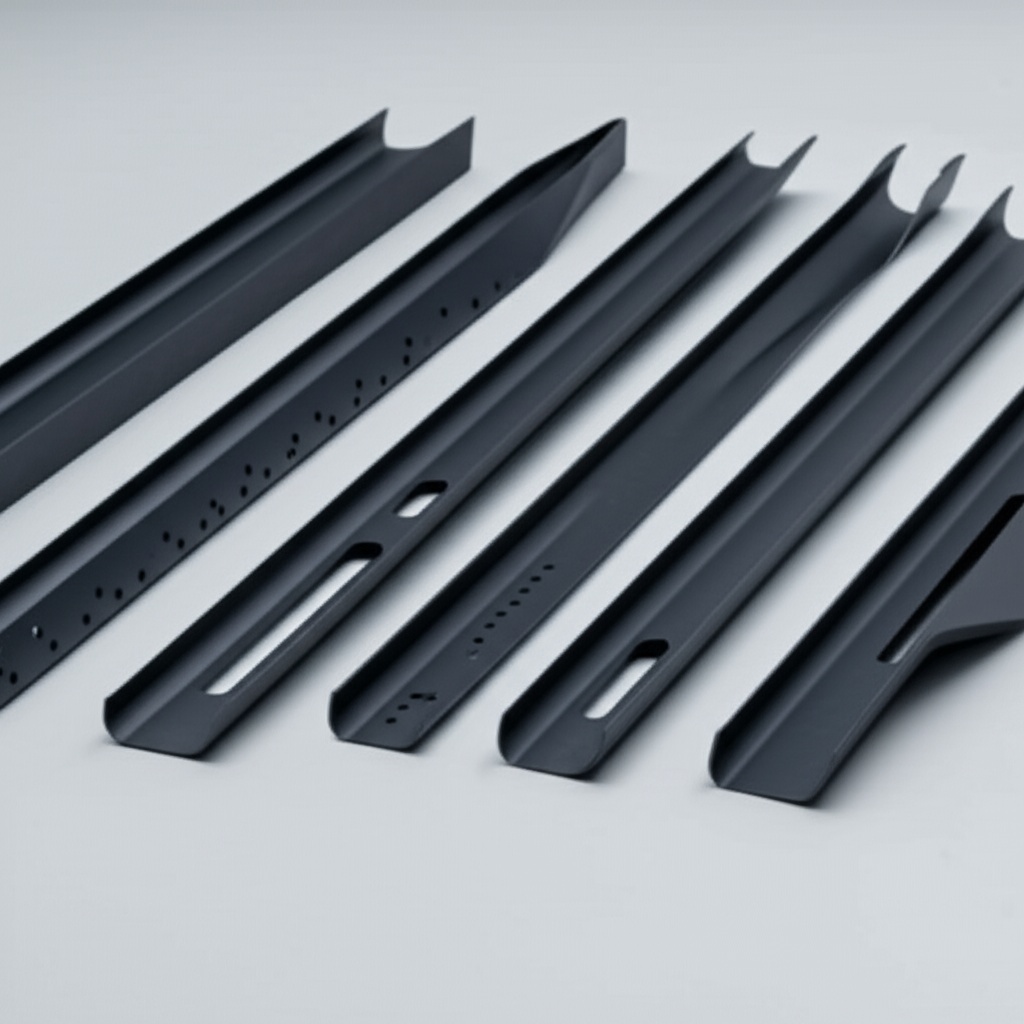
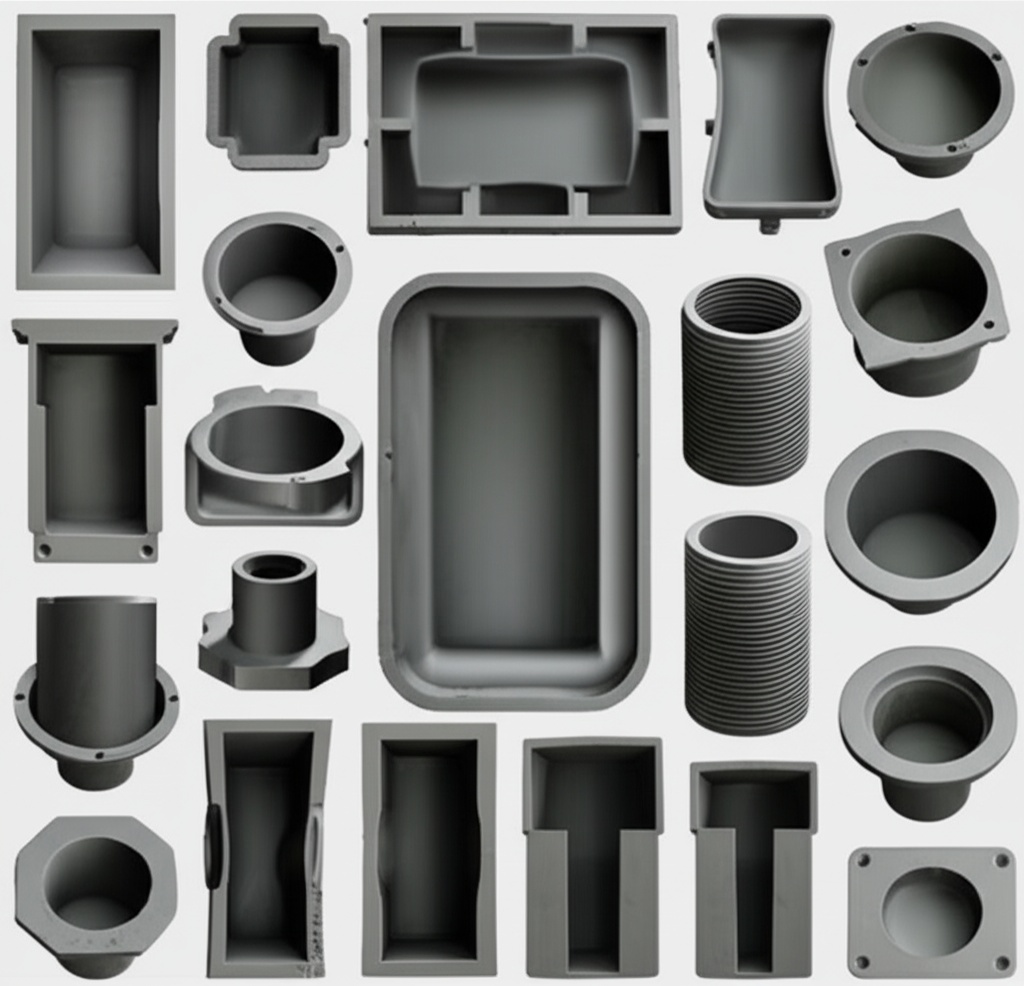
The manufacturing landscape is in a constant state of evolution, driven by the relentless pursuit of materials that can withstand extreme conditions and enable groundbreaking technologies. Among these advanced materials, silicon carbide (SiC) stands out for its exceptional hardness, thermal conductivity, and resistance to wear and chemical attack. Traditionally, shaping SiC into complex geometries has been a challenging and costly endeavor. However, the advent of silicon carbide 3D printing equipment is rapidly changing this paradigm, opening up a new frontier for producing intricate, high-performance custom SiC components across a multitude of demanding industrial applications. This technology, also known as additive manufacturing silicon carbide, allows for the layer-by-layer construction of SiC parts directly from digital models, offering unprecedented design freedom and manufacturing agility. For engineers, procurement managers, and technical buyers in sectors like semiconductors, aerospace, and high-temperature processing, understanding the capabilities and implications of SiC 3D printing equipment is becoming increasingly crucial. This technology is not just an incremental improvement; it’s a transformative force enabling the creation of parts previously deemed impossible, pushing the boundaries of innovation in technical ceramics manufacturing.
Key Industrial Applications Unlocked by SiC 3D Printing Equipment
The unique capabilities of silicon carbide 3D printing equipment are paving the way for its adoption in some of the most technologically advanced and demanding industries. The ability to produce complex, lightweight, and highly durable SiC components quickly and efficiently is a game-changer.
In the semiconductor industry, SiC 3D printing is being used to create components like wafer handling systems, chucks, and end effectors. These parts benefit from SiC’s high stiffness, thermal stability, and purity, which are critical for maintaining precision and preventing contamination in an ultra-clean processing environment. The intricate cooling channels that can be integrated into 3D printed SiC parts are also invaluable for thermal management in semiconductor fabrication equipment.
Aerospace and defense are other key sectors leveraging this technology. Components such as rocket nozzles, combustion chambers, leading edges for hypersonic vehicles, and lightweight mirror substrates for optical systems benefit immensely from SiC’s high-temperature resistance, low density, and exceptional mechanical properties. Industrial 3D printers for ceramics capable of handling SiC allow for the rapid prototyping and production of these critical parts, significantly reducing development cycles and costs.
The energy sector, particularly in areas like nuclear power and concentrated solar power, finds applications for 3D printed SiC in heat exchangers, reformers, and structural components exposed to high temperatures and corrosive environments. The complex geometries achievable through additive manufacturing can enhance thermal efficiency and system performance.
Furthermore, in chemical processing and industrial manufacturing, SiC’s chemical inertness and wear resistance make it ideal for pump components, seals, valves, nozzles, and wear-resistant linings. SiC rapid prototyping using 3D printing allows companies to test and iterate designs for these parts quickly, optimizing them for specific operational conditions. The ability to produce 3D printed SiC parts wholesale with consistent quality is also becoming a reality, catering to the needs of OEMs and large-scale industrial users.
| Industry Sector | Example Applications of 3D Printed SiC Components | Key Benefits from SiC 3D Printing Equipment |
|---|---|---|
| Semiconductor | Wafer chucks, end effectors, showerheads, guide rings | High purity, thermal stability, complex cooling channels |
| Aerospace & Defense | Rocket nozzles, thruster components, thermal protection systems, optical benches | High-temperature capability, lightweight, complex geometries |
| Energy | Heat exchangers, reformers, burner nozzles, fuel cell components | High thermal conductivity, corrosion resistance, design optimization |
| Chemical Processing | Pump components, valve seats, seals, mixers, flow reactors | Chemical inertness, wear resistance, custom designs |
| Industrial Manufacturing | Wear parts, jigs & fixtures, kiln furniture, nozzles | Durability, abrasion resistance, rapid replacement |
As the technology matures, the range of applications for advanced ceramic fabrication equipment focused on SiC will undoubtedly expand, driven by the continuous demand for materials that perform reliably in the harshest environments.
Advantages of Investing in Silicon Carbide 3D Printing Equipment
Investing in silicon carbide 3D printing equipment offers a compelling suite of advantages for businesses aiming to innovate and optimize their manufacturing processes, particularly those dealing with high-performance ceramic 3D printing. The transition from traditional manufacturing methods to additive techniques for SiC can unlock significant value in terms of design freedom, speed, cost-effectiveness, and material utilization.
One of the most significant benefits is unparalleled design complexity. Traditional methods like slip casting, pressing, and sintering often limit the intricacy of SiC parts. 3D printing, however, allows for the creation of highly complex internal channels, lattice structures, and organic shapes that would be impossible or prohibitively expensive to produce otherwise. This capability enables engineers to design parts optimized for performance, such as components with integrated cooling channels for superior thermal management or lightweighted structures for aerospace applications.
Rapid prototyping and reduced lead times are also key advantages. Developing new SiC components traditionally involves lengthy tooling processes and multiple iterations. With SiC rapid prototyping via 3D printing, functional prototypes can be produced in a matter of days or even hours, directly from a CAD file. This accelerates the design-test-iterate cycle, allowing companies to bring new products to market faster and respond more quickly to evolving customer needs. For procurement managers, this means quicker access to custom SiC component manufacturing without the long delays associated with conventional tooling.
Material efficiency and waste reduction are inherent benefits of additive manufacturing. Unlike subtractive processes that remove material from a larger block, 3D printing builds parts layer by layer, using only the necessary material. This is particularly advantageous for an expensive and hard-to-machine material like silicon carbide, leading to lower raw material costs and reduced environmental impact.
On-demand production and customization become feasible with SiC 3D printing equipment. Businesses can produce parts as needed, reducing the need for large inventories and associated storage costs. Furthermore, tailoring designs to specific customer requirements or application nuances is simplified, enabling the production of truly bespoke custom SiC products. This flexibility is invaluable for OEMs and distributors looking to offer specialized solutions.
Finally, cost-effectiveness for small to medium production runs can be achieved. While the initial investment in equipment can be substantial, the elimination of tooling costs makes 3D printing economically viable for low-volume production and highly customized parts. As the technology scales and material costs potentially decrease, the economic benefits will extend to larger production volumes.
- Key Takeaways for B2B Buyers:
- Achieve geometries previously unattainable with traditional SiC manufacturing.
- Drastically shorten product development cycles for technical ceramics.
- Minimize material waste, especially with high-cost SiC powders.
- Enable agile manufacturing and mass customization.
- Reduce reliance on expensive and time-consuming tooling.
Understanding the Technologies: Types of SiC 3D Printing Equipment
Several additive manufacturing technologies are being adapted and optimized for processing silicon carbide, each with its own set of equipment, advantages, and limitations. Understanding these different approaches is crucial for selecting the right silicon carbide additive manufacturing systems for a specific application or business need.
Binder Jetting is currently one of the most prominent technologies for SiC 3D printing.
- Process: In this method, a liquid binding agent is selectively deposited onto a bed of SiC powder, layer by layer. The binder “glues” the SiC particles together to form the desired shape. After printing, the “green” part is weak and requires post-processing, which typically involves curing, debinding (to remove the binder), and then sintering at high temperatures to densify the SiC. For some SiC grades, such as Reaction Bonded Silicon Carbide (RBSiC), an infiltration step with molten silicon or a polymer precursor follows sintering.
- Equipment: Binder jetting systems for SiC consist of a powder bed, a print head assembly for depositing the binder, and systems for powder spreading and control.
- Advantages: Relatively fast build speeds, ability to produce larger parts, and no need for support structures during printing (the surrounding powder acts as support).
- Considerations: Green parts are fragile; significant shrinkage occurs during sintering, which must be accounted for in the design. The final density and properties depend heavily on the post-processing steps.
Vat Photopolymerization (SLA/DLP for Ceramics)
- Process: This method uses a photocurable resin loaded with SiC particles. A light source (laser for SLA, projector for DLP) selectively cures the resin, solidifying the SiC-loaded material layer by layer. After printing, the green part undergoes debinding to remove the polymer matrix and then sintering to densify the SiC.
- Equipment: These printers feature a vat to hold the SiC-loaded resin, a build platform, and a precise light source.
- Advantages: Can achieve high resolution and fine features, good surface finish.
- Considerations: Limited to photocurable SiC slurries, part size can be restricted, extensive post-processing is required.
Direct Ink Writing (DIW) / Robocasting
- Process: A highly concentrated SiC “ink” or paste is extruded through a fine nozzle, building the part layer by layer. The ink is designed to retain its shape after deposition. Similar to other methods, the printed part then requires drying, debinding, and sintering.
- Equipment: DIW systems involve a precision extrusion system (often robotically controlled), a dispensing nozzle, and a build platform.
- Advantages: Versatile in terms of material composition (can incorporate different SiC particle sizes and additives), relatively low-cost equipment.
- Considerations: Surface finish may show layer lines, build speed can be slower for complex parts, careful ink formulation is critical.
Laser Powder Bed Fusion (LPBF) / Selective Laser Sintering/Melting (SLS/SLM) for Ceramics
- Process: While highly challenging for ceramics like SiC due to their extremely high melting points and thermal shock susceptibility, research is ongoing. This process would involve a high-power laser selectively fusing or sintering SiC powder particles together in a powder bed.
- Equipment: Would require specialized LPBF machines with very high-power lasers and controlled atmosphere capabilities.
- Advantages (Potential): Could potentially create near-net-shape dense parts directly, reducing post-processing.
- Considerations: Currently largely experimental for pure SiC due to material challenges. May be more feasible for SiC composites or by using SiC as a secondary phase.
| 3D Printing Technology | Typical SiC Feedstock | Key Equipment Components | Primary Advantages for SiC |
|---|---|---|---|
| Binder Jetting | SiC Powder | Powder bed, printhead, powder spreader | Good for larger parts, no supports needed during printing |
| Vat Photopolymerization (SLA/DLP) | SiC-loaded photopolymer resin | Resin vat, light source (laser/projector), build platform | High resolution, good surface finish |
| Direct Ink Writing (DIW) | Concentrated SiC paste/slurry | Extrusion system, nozzle, robotic arm/gantry | Material versatility, potentially lower equipment cost |
| Laser Powder Bed Fusion (LPBF) | SiC Powder (research intensive) | High-power laser, scanner, powder bed, controlled atmosphere | Potential for direct densification (highly experimental) |
Choosing the appropriate industrial 3D printers for ceramics depends on the desired part properties, complexity, production volume, and economic factors. Companies like Sicarb Tech, with their deep understanding of SiC materials and processing, can provide valuable insights into navigating these technology choices and developing optimized solutions.
Critical Design and Material Considerations for SiC 3D Printing
Successfully implementing silicon carbide 3D printing requires careful attention to both the design of the components and the properties of the SiC feedstock material. The unique aspects of additive manufacturing necessitate a different approach compared to traditional fabrication methods.
Design for Additive Manufacturing (DfAM) for SiC: Engineers must adopt DfAM principles when designing parts for SiC 3D printing. This involves:
- Complexity and Function Integration: Leveraging the ability to create complex internal features, such as conformal cooling channels, lattice structures for lightweighting, or integrated components to reduce assembly needs.
- Support Structures: Depending on the specific SiC 3D printing technology (e.g., Vat Photopolymerization or DIW may require them), support structures might be necessary for overhanging features. Designing easily removable and minimal supports is crucial to save material and post-processing time. Binder jetting often minimizes this need as the powder bed itself acts as a support.
- Shrinkage and Distortion: SiC parts undergo significant shrinkage during the post-printing sintering stage (can be 15-25% or more). This shrinkage must be accurately predicted and compensated for in the initial design to achieve the desired final dimensions. Non-uniform shrinkage can also lead to distortion or cracking, so designs should aim for uniform wall thicknesses and avoid abrupt changes in geometry where possible.
- Wall Thickness and Feature Size: There are limits to the minimum wall thickness, hole diameters, and feature sizes that can be reliably produced. These depend on the chosen printing technology, the SiC particle size in the feedstock, and the resolution of the equipment.
- Orientation: The orientation of the part on the build platform can affect surface finish, the need for supports, and even mechanical properties in some cases due to the layered nature of 3D printing.
Material Feedstock Properties: The quality and consistency of the SiC material feedstock (powder for binder jetting/LPBF, slurry/paste for DIW, or SiC-loaded resin for vat photopolymerization) are paramount for successful printing and achieving desired final part properties.
- Particle Size and Distribution: The size and distribution of SiC particles influence powder flowability (for powder bed systems), slurry viscosity, packing density, and sinterability. Finer particles generally lead to higher density and better surface finish but can be more challenging to handle.
- Purity: For applications like semiconductor components, high-purity SiC (e.g., >99.5%) is essential to prevent contamination.
- Flowability (for powders): In binder jetting and LPBF, the SiC powder must flow evenly to create uniform layers. Spherical particle morphology often improves flowability.
- Viscosity and Rheology (for slurries/pastes/resins): For DIW and vat photopolymerization, the SiC suspension must have appropriate rheological properties – shear-thinning behavior is often desired for DIW, allowing easy extrusion but shape retention after deposition.
- Binder Characteristics (for binder jetting and slurries): The type and amount of binder (for binder jetting) or organic additives (in slurries/resins) are critical. They affect green part strength, debinding behavior, and can influence the final carbon content in the sintered SiC.
Engineering Tips for SiC 3D Printing:
- Consult with material experts like SicSino early in the design phase. Their experience with various SiC grades and additive manufacturing processes can prevent costly errors.
- Perform thorough material characterization of the feedstock.
- Use simulation tools to predict shrinkage and distortion.
- Start with simple test geometries to calibrate the printing and sintering process for a new material or design.
- Consider the entire workflow, from design to final post-processing, as an integrated system.
By carefully managing these design and material parameters, manufacturers can fully exploit the potential of silicon carbide 3D printing equipment to produce high-quality, complex custom SiC components.
Post-Processing of 3D Printed SiC Components: From Green Part to Final Product
Obtaining a functional silicon carbide component via 3D printing is a multi-stage process that extends beyond the initial printing step. The “green” part, as it comes off the silicon carbide 3D printing equipment, typically lacks the required strength, density, and other critical properties of engineering-grade SiC. Therefore, a series of carefully controlled post-processing steps are essential to transform the printed shape into a robust and reliable technical ceramic component.
The specific post-processing sequence depends heavily on the 3D printing technology used and the desired final SiC grade (e.g., Sintered Silicon Carbide (SSC), Reaction Bonded Silicon Carbide (RBSC), or others).
Common Post-Processing Stages:
- De-powdering/Cleaning:
- For powder-bed systems like binder jetting, the first step is to carefully remove the unbound SiC powder surrounding the printed part. This can be done using brushes, compressed air, or specialized de-powdering stations.
- For resin-based systems, excess uncured resin must be washed away using appropriate solvents.
- Curing/Drying (Initial Strength Development):
- Green parts, especially those from binder jetting or containing significant amounts of binder/resin, may undergo a low-temperature curing or drying step. This helps to strengthen the part sufficiently for handling during subsequent debinding and sintering stages.
- Debinding (Binder/Polymer Removal):
- This is a critical step to remove the organic binders or polymer matrix used during the printing process. Debinding must be performed carefully to avoid defects like cracks or blisters.
- Thermal Debinding: The most common method, where the part is slowly heated in a controlled atmosphere (e.g., air, nitrogen, or argon) to thermally decompose and evaporate the organic components. The heating rate and atmosphere are crucial.
- Solvent Debinding: In some cases, a solvent can be used to dissolve and extract a portion of the binder before thermal debinding.
- The goal is to achieve complete binder removal without disrupting the SiC particle arrangement.
- Sintering (Densification):
- Sintering is the high-temperature process that transforms the porous, “brown” (post-debinding) SiC part into a dense and strong ceramic. During sintering, SiC particles bond together, and the part shrinks significantly.
- Pressureless Sintering (for S-SiC): Typically performed at temperatures between 1900∘C and 2200∘C in an inert atmosphere (e.g., argon). Sintering aids (like boron and carbon) are often added to the initial SiC powder to promote densification.
- Reaction Bonding/Infiltration (for RBSC/SiSiC): If the goal is to produce Reaction Bonded Silicon Carbide, the porous SiC preform (often made from a mix of SiC and carbon) is infiltrated with molten silicon at temperatures typically above 1450∘C. The silicon reacts with the carbon to form new SiC in-situ, bonding the original SiC particles. This process results in a dense part with minimal shrinkage during this final stage. Some 3D printing approaches directly print SiC/Carbon mixtures specifically for this route.
- The choice of sintering furnace (e.g., graphite resistance, induction) and atmosphere control is vital for achieving desired properties.
- Surface Finishing and Machining (Optional):
- While 3D printing aims for near-net-shape parts, some applications may require tighter tolerances or specific surface finishes.
- Grinding, Lapping, Polishing: Due to SiC’s extreme hardness, these processes require diamond tooling. They can be used to achieve very smooth surfaces (Ra < 0.1 µm) and precise dimensions.
- Laser Machining: Can be used for fine detailing or creating features that are difficult to achieve directly with 3D printing.
Equipment Considerations for Post-Processing: The post-processing chain requires specialized equipment, including:
- De-powdering stations
- Curing ovens
- Debinding furnaces (with precise atmosphere and temperature control)
- High-temperature sintering furnaces (vacuum or controlled atmosphere)
- Diamond grinding and polishing machines
Understanding and mastering these post-processing steps are as important as the 3D printing itself. Sicarb Tech, with its extensive background in SiC production technology, including assisting enterprises with large-scale production and process advancements, possesses the comprehensive knowledge needed to optimize these crucial stages for custom SiC components. This integrated approach, from material to final product, ensures the highest quality and performance.
Navigating the Landscape: Choosing the Right Silicon Carbide 3D Printing Equipment and Partner
Selecting the appropriate silicon carbide 3D printing equipment and, equally importantly, the right technology partner is a critical decision for any organization looking to leverage this advanced manufacturing technique. The investment is often significant, and the learning curve can be steep. Therefore, a thorough evaluation process is essential for B2B buyers, including procurement professionals, OEMs, and distributors.
Factors to Consider When Choosing SiC 3D Printing Equipment:
- Printing Technology and Suitability: As discussed earlier, different technologies (Binder Jetting, Vat Photopolymerization, DIW) have varying strengths. Align the technology with your specific application needs regarding part complexity, size, resolution, material compatibility, and required throughput.
- Equipment Specifications:
- Build Volume: Ensure it can accommodate the size of the parts you intend to produce.
- Resolution and Accuracy: Understand the minimum feature size, layer thickness, and achievable dimensional tolerances.
- Printing Speed: Consider the trade-off between speed and resolution.
- Material Compatibility: Confirm the equipment is optimized for the specific SiC grades or feedstock types you plan to use. Some systems may be more open to third-party materials than others.
- Software and User Interface: The bundled software for design preparation, process control, and monitoring should be user-friendly, robust, and offer sufficient control over printing parameters.
- Post-Processing Requirements: Consider the full workflow. Does the equipment vendor offer integrated solutions or guidance for necessary debinding and sintering equipment?
- Scalability: Can the equipment support your needs from prototyping to potentially larger-scale production?
- Cost of Ownership: This includes not just the initial purchase price but also material costs, maintenance, consumables, software licenses, and operator training.
Choosing a Technology Partner – Beyond the Machine:
The supplier of your SiC 3D printing equipment should be more than just a vendor; they should be a knowledgeable partner. This is where a company like Sicarb Tech offers distinct advantages.
- Technical Expertise and Material Science Know-How: Look for a partner with deep expertise in silicon carbide materials science, not just 3D printing. SicSino, backed by the scientific capabilities of the Chinese Academy of Sciences and its role in the National Technology Transfer Center, has a profound understanding of SiC material properties, processing, and application requirements. They have been instrumental in advancing SiC production technology in China.
- Customization Support: The ability to develop custom SiC materials or tailor printing parameters for specific applications is invaluable. SicSino’s focus on customized production of silicon carbide products and their array of technologies (material, process, design, measurement & evaluation) positions them well to support such needs.
- Application Development and Prototyping Services: A good partner can assist with design optimization for additive manufacturing (DfAM), material selection, and producing initial prototypes to validate your concepts.
- Training and Technical Support: Comprehensive training for your operators and responsive technical support are crucial for minimizing downtime and maximizing productivity.
- Reliability and Supply Assurance: Particularly for 3D printed SiC parts wholesale or critical components, ensure the partner can provide consistent material supply and has a robust support infrastructure. SicSino’s location in Weifang, the hub of China’s SiC customizable parts manufacturing, and their support to numerous local enterprises, speaks to their established position and reliability.
- Technology Transfer and Turnkey Solutions: For organizations considering establishing their own specialized SiC production capabilities, a partner like SicSino offers a unique advantage. They provide technology transfer for professional SiC production, including full turnkey project services from factory design to trial production. This can significantly de-risk such an investment and ensure a faster path to operational excellence.
| Partner Evaluation Criteria | Key Questions for B2B Buyers | Why SicSino is a Strong Contender |
|---|---|---|
| Material Expertise | Does the partner understand SiC deeply, beyond just operating a printer? | Backed by Chinese Academy of Sciences , extensive material and process technology expertise. |
| Customization Capability | Can they help develop or adapt materials/processes for unique needs? | Specializes in custom SiC solutions; supports diverse customization needs. |
| Full Workflow Support | Do they offer guidance/solutions for post-processing (debinding, sintering)? | Integrated process knowledge from materials to final products. |
| Technical Support & Training | What level of training and ongoing support is provided? | Professional team, commitment to technology transfer implies strong support capabilities. |
| Technology Transfer Options | Can they assist in setting up a dedicated SiC AM production line or factory? | Offers turnkey project services for establishing SiC manufacturing plants. |
| Industry Experience | What is their track record in the SiC industry and with similar applications? | Witness to and participant in the development of China’s SiC industry; has supported 10+ local enterprises. |
| Supply Chain Reliability | Can they ensure consistent quality and supply of materials or printed parts? | Situated in China’s SiC manufacturing hub, ensuring reliable quality and supply assurance within China. |
By carefully evaluating both the silicon carbide 3D printing equipment and the capabilities of potential partners like Sicarb Tech, businesses can make informed decisions that will empower them to harness the full potential of this transformative technology for producing advanced technical ceramics.
Frequently Asked Questions (FAQ) about Silicon Carbide 3D Printing Equipment
Technical buyers, engineers, and procurement managers often have specific questions when considering the adoption of silicon carbide 3D printing equipment. Here are some common queries with practical, concise answers:
- What is the typical lead time for producing custom SiC parts using 3D printing, compared to traditional methods? Lead times for custom SiC components via 3D printing can be significantly shorter, especially for prototypes and small series. For a complex prototype, 3D printing (including basic post-processing) might take days to a couple of weeks, whereas traditional methods involving tooling can take many weeks or even months. For production parts, the lead time will depend on quantity, complexity, and the specific post-processing required, but the elimination of hard tooling remains a major time-saving factor. Companies like SicSino, with their integrated processes, aim to optimize these lead times for custom SiC component manufacturing.
- How does the cost of SiC 3D printing compare to conventional SiC manufacturing techniques? The cost comparison is nuanced. For SiC rapid prototyping, one-offs, or highly complex parts in small volumes, 3D printing is often more cost-effective due to the absence of tooling costs. The material cost for specialized SiC powders or slurries for 3D printing can be higher than conventional SiC powders. However, additive manufacturing typically leads to less material waste. For very high-volume production of simple shapes, traditional methods might still be cheaper. However, as silicon carbide additive manufacturing systems become more efficient and material costs evolve, the economic crossover point is shifting. It’s essential to consider the total cost of ownership, including design flexibility and speed to market.
- What level of density and mechanical properties can be achieved with 3D printed silicon carbide parts? The achievable density and mechanical properties of 3D printed SiC parts are highly dependent on the specific 3D printing technology used, the quality of the SiC feedstock, and, crucially, the thoroughness of the post-processing steps (especially debinding and sintering or reaction bonding).
- For Sintered Silicon Carbide (S-SiC) parts produced via methods like binder jetting followed by sintering, densities typically range from 90% to over 98% of theoretical density. Mechanical properties (e.g., flexural strength, hardness, thermal conductivity) can be comparable to conventionally manufactured S-SiC if the process is well-optimized.
- For Reaction Bonded Silicon Carbide (RBSC or SiSiC), where a porous SiC preform (which can be 3D printed) is infiltrated with molten silicon, near-fully dense parts (often >99%) can be achieved. These parts contain some free silicon (typically 8-15%), which influences their properties (e.g., slightly lower maximum operating temperature than S-SiC but excellent wear resistance). Achieving optimal properties requires significant expertise in material science and process control, an area where Sicarb Tech excels due to their deep technological foundation and experience in assisting enterprises with SiC production. They focus on delivering higher-quality, cost-competitive customized silicon carbide components.
Conclusion: Embracing the Future with Custom Silicon Carbide and Advanced Additive Manufacturing
The emergence and refinement of silicon carbide 3D printing equipment represent a pivotal advancement in the manufacturing of technical ceramics. This technology is not merely an alternative but a transformative enabler, allowing for the creation of custom SiC components with unprecedented complexity, speed, and efficiency. From the demanding environments of semiconductor fabrication and aerospace propulsion to the harsh conditions in chemical processing and energy production, 3D printed SiC offers solutions that push the boundaries of performance and innovation.
The advantages are clear: enhanced design freedom, accelerated SiC rapid prototyping, reduced material waste, and the capability for on-demand production of highly specialized parts. While challenges in material development, process optimization, and scaling remain, the trajectory is one of continuous improvement and expanding applications.
Choosing the right equipment and, more importantly, a knowledgeable and reliable partner is paramount for successfully integrating SiC additive manufacturing. Companies like Sicarb Tech, with their deep roots in SiC technology, extensive R&D capabilities backed by the Chinese Academy of Sciences, and a proven track record in supporting the SiC industry in Weifang – China’s SiC hub – stand out as ideal collaborators. Their commitment to providing higher-quality, cost-competitive customized silicon carbide components and even offering turnkey solutions for establishing specialized SiC production facilities, positions them as a leader in this evolving field.
For engineers, procurement managers, and technical buyers seeking to leverage the unique properties of silicon carbide in demanding industrial environments, exploring the potential of silicon carbide 3D printing equipment is no longer a futuristic consideration but a present-day strategic imperative. By partnering with experts like SicSino, businesses can confidently navigate this advanced manufacturing landscape, unlock new product possibilities, and gain a significant competitive edge.

About the Author: Sicarb Tech
We provide clear and reliable insights into silicon carbide materials, component manufacturing, application technologies, and global market trends. Our content reflects industry expertise, practical experience, and a commitment to helping readers understand the evolving SiC landscape.

Customizable SiC
You May Also Interest
-
![]()
High-Efficiency SiC for Substantial Energy Savings
High-Efficiency SiC for Substantial Energy Savings In today’s rapidly evolving industrial landscape, the demand for materials that can withstand extreme conditions while delivering superior performance is paramount. High-efficiency silicon carbide (SiC) stands out as a revolutionary material, offering unparalleled benefits in terms of energy savings, durability, and operational efficiency across a multitude of critical sectors….
-
![]()
Mastering Industrial Filtration: The Power of Custom Silicon Carbide Filter Presses
In the demanding landscape of modern industrial processing, the efficiency and reliability of filtration systems are paramount. From chemical manufacturing to wastewater treatment, the ability to separate solids from liquids effectively, often under harsh conditions, is critical for product quality, operational uptime, and environmental compliance. While various filtration technologies exist, silicon carbide filter presses, particularly…
-
![]()
Emerging SiC Tech for Enhanced Competitiveness
Emerging SiC Tech for Enhanced Competitiveness In today’s rapidly evolving industrial landscape, the demand for materials that can withstand extreme conditions while delivering superior performance is paramount. Silicon Carbide (SiC) stands out as a transformative material, offering unparalleled properties for high-performance industrial applications. From the microscopic intricacies of semiconductor wafers to the immense power of…