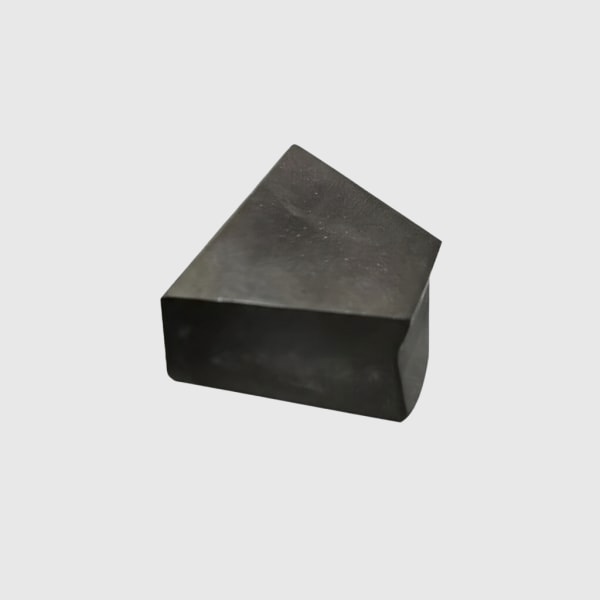
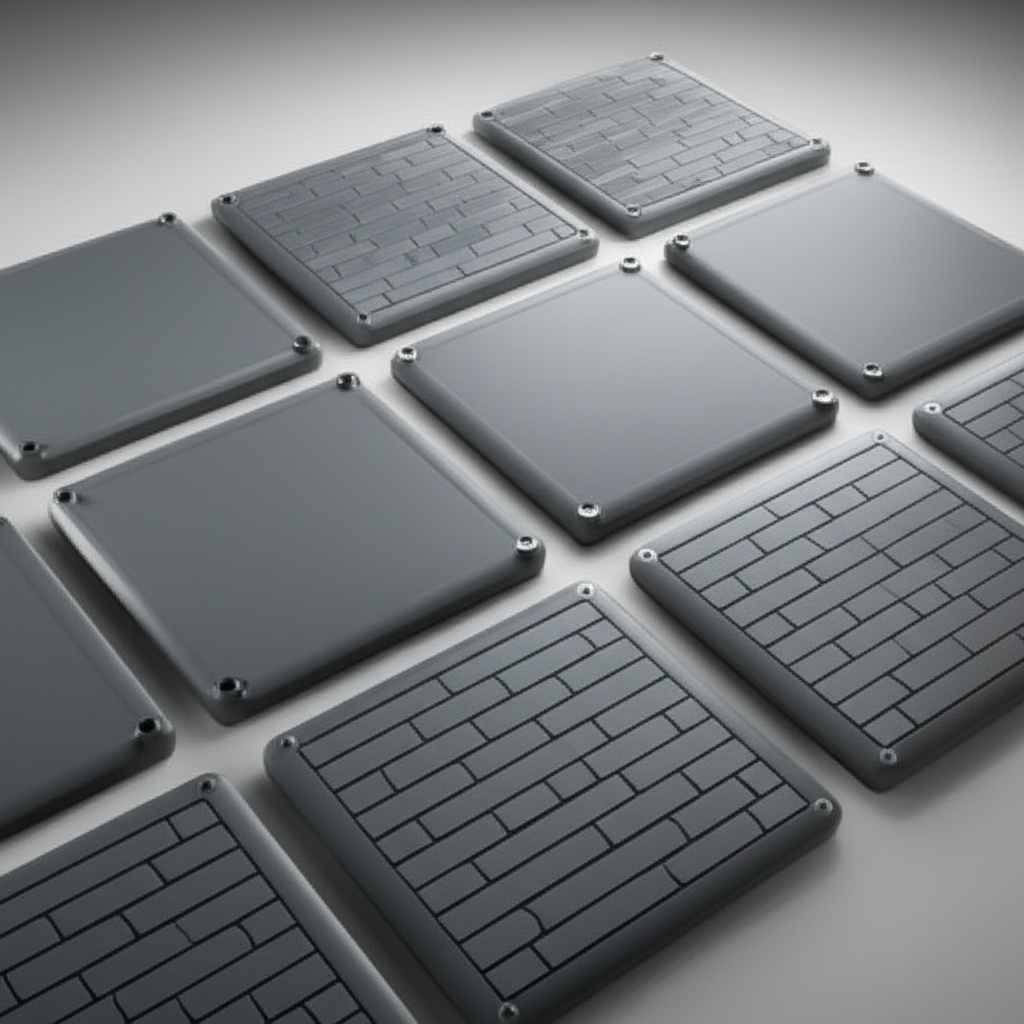
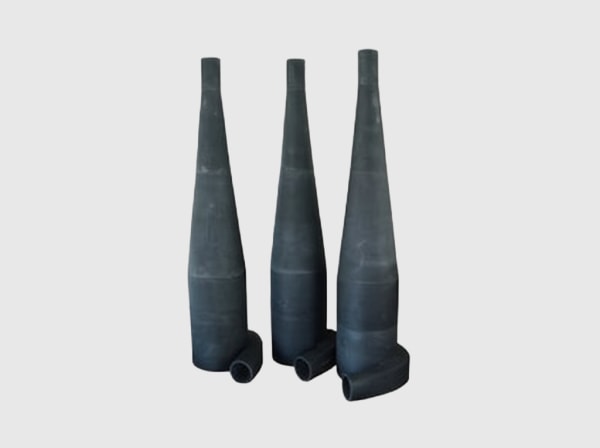
SiC Heat Exchangers: Thermal Spare Components
Share
SiC Heat Exchangers: The Ultimate Thermal Spare Components for Demanding Industries
In the relentless pursuit of efficiency, durability, and performance, industries operating under extreme conditions face a constant challenge: finding materials that can withstand high temperatures, aggressive chemicals, and abrasive environments. For engineers, procurement managers, and technical buyers across sectors like semiconductors, aerospace, power electronics, and industrial manufacturing, the solution often lies in advanced ceramics, specifically silicon carbide (SiC).
This blog post delves into the world of custom silicon carbide heat exchangers, exploring their critical role as thermal spare components and highlighting why they are the preferred choice for applications where conventional materials simply fail. We’ll also introduce you to a reliable partner in this specialized field, offering high-quality, cost-competitive SiC solutions.
1. The Indispensable Role of Custom Silicon Carbide Heat Exchangers
Custom silicon carbide heat exchangers are highly engineered thermal management components designed to facilitate efficient heat transfer in the most challenging industrial settings. Unlike standard metallic heat exchangers, SiC variants offer unparalleled resistance to thermal shock, corrosion, erosion, and high temperatures, making them essential thermal spare components in processes where uptime and reliability are paramount.
Their superior properties allow for operation in environments that would rapidly degrade other materials, ensuring extended operational lifecycles and reduced maintenance downtime. This makes them a strategic investment for businesses looking to optimize their processes and reduce long-term operational costs.
2. Key Applications Across High-Performance Industries
The unique properties of silicon carbide make SiC heat exchangers indispensable across a wide array of high-demand industries:
- Semiconductor Manufacturing: Critical for thermal processing equipment, chemical vapor deposition (CVD) furnaces, and etching systems, where precise temperature control and chemical inertness are crucial for wafer processing.
- Automotive & Power Electronics: Increasingly vital in electric vehicle (EV) battery cooling systems, inverters, and power modules, due to SiC’s excellent thermal conductivity and electrical insulation properties at high temperatures.
- Aerospace & Defense: Used in advanced thermal management systems for aircraft engines, missile components, and spacecraft, where lightweight, high-temperature resistant materials are essential.
- Renewable Energy: Employed in concentrated solar power (CSP) systems, geothermal energy, and hydrogen production, enabling efficient heat exchange in corrosive and high-temperature environments.
- Metallurgy & High-Temperature Processing: Ideal for heat recovery in industrial furnaces, kilns, and smelters, significantly improving energy efficiency and process control.
- Chemical Processing: Crucial for heat transfer in reactors handling highly corrosive acids, alkalis, and solvents, ensuring process safety and longevity of equipment.
- LED Manufacturing: Utilized in MOCVD reactors for gallium nitride (GaN) growth, where precise temperature uniformity is critical for LED quality.
- Industrial Machinery: Found in various industrial heaters, recuperators, and waste heat recovery units, enhancing overall system efficiency and reducing energy consumption.
- Oil and Gas: Applied in extreme environments for heat recovery and process heating, enduring harsh chemical compositions and high pressures.
- Nuclear Energy: Investigated for advanced reactor designs due to its excellent neutron transparency and stability under radiation.
3. The Unmatched Advantages of Custom SiC Heat Exchangers
Choosing custom silicon carbide heat exchangers offers a multitude of benefits, particularly when standard solutions fall short:
| Advantage | Description | Industry Impact |
|---|---|---|
| Extreme Temperature Resistance | SiC maintains its mechanical properties and structural integrity up to 1600°C (2912°F), far exceeding metals. | Enables operation in high-temperature furnaces, gas turbines, and chemical reactors, extending component life. |
| Exceptional Corrosion Resistance | Highly resistant to acids, alkalis, molten salts, and aggressive industrial chemicals. | Prevents material degradation in chemical processing plants, reducing downtime and maintenance costs. |
| Superior Wear & Erosion Resistance | Extremely hard (Mohs 9-9.5) and resistant to abrasive particles. | Ideal for handling slurries, particulate-laden gases, and high-velocity fluids, ensuring longevity. |
| Excellent Thermal Conductivity | Efficiently transfers heat, promoting energy efficiency. | Optimizes heat recovery, reduces energy consumption in industrial processes. |
| High Thermal Shock Resistance | Withstands rapid temperature changes without cracking or failure. | Ensures reliability in cyclic heating/cooling applications like heat treatment and power generation. |
| Lightweight & High Strength | Provides a high strength-to-weight ratio. | Beneficial for aerospace and defense applications where weight reduction is critical. |
| Chemical Inertness | Does not react with most process media. | Maintains product purity in semiconductor and pharmaceutical manufacturing. |
4. Recommended SiC Grades and Compositions
The performance of a silicon carbide component is highly dependent on its specific grade and manufacturing process. Understanding the differences is crucial for optimal material selection:
- Reaction-Bonded Silicon Carbide (RBSC): Produced by infiltrating a porous SiC preform with molten silicon. Offers excellent strength, wear resistance, and thermal shock resistance. Cost-effective for larger, more complex shapes.
- Sintered Silicon Carbide (SSC): Manufactured by sintering pure SiC powder with small amounts of sintering aids at high temperatures. Provides superior purity, high strength, exceptional corrosion resistance, and high thermal conductivity. Ideal for demanding semiconductor and chemical applications.
- Nitride-Bonded Silicon Carbide (NBSC): Formed by nitriding a mixture of SiC and silicon powder. Offers good strength, thermal shock resistance, and moderate oxidation resistance. Often used in structural applications.
- Recrystallized Silicon Carbide (RSC): High purity, porous material primarily used for high-temperature furnace components due to excellent thermal shock resistance.
The choice of grade depends on the specific operating conditions, including temperature, chemical exposure, mechanical loads, and cost considerations.
5. Design Considerations for Custom SiC Products
Designing for manufacturability is paramount when working with advanced ceramics like SiC. Key considerations for optimal performance and cost-effectiveness include:
- Geometry Limits: SiC is a hard and brittle material, making complex geometries challenging and costly. Simple, robust designs are preferred.
- Wall Thickness: Uniform wall thickness helps minimize internal stresses during firing and operation, reducing the risk of cracking.
- Stress Points: Avoid sharp corners, abrupt changes in cross-section, and large unsupported spans, as these can create stress concentrations.
- Joining Methods: Consider how SiC components will be joined to other materials or SiC parts (e.g., brazing, adhesive bonding, mechanical fastening).
- Surface Area for Heat Exchange: Optimize fin designs, tube diameters, and flow paths to maximize the effective heat transfer surface area.
- Flow Dynamics: Design channels and manifolds to ensure uniform fluid distribution and minimize pressure drop.
6. Tolerance, Surface Finish & Dimensional Accuracy
Achieving tight tolerances and specific surface finishes with SiC is possible but requires specialized machining capabilities. Post-sintering machining of SiC is done using diamond grinding due to its extreme hardness.
- Achievable Tolerances: Standard tolerances for SiC components can be within $pm 0.5%$ to $pm 1%$ of the dimension, with tighter tolerances possible through precision grinding. Consult with your supplier for specific capabilities.
- Surface Finish Options: As-fired surfaces can be relatively rough. Polishing, lapping, and grinding can achieve mirror-like finishes (e.g., $Ra < 0.2 mu m$) critical for fluid flow, sealing, and thermal performance.
- Dimensional Accuracy: Highly dependent on the manufacturing process (e.g., slip casting, pressing, extrusion) and subsequent machining. Expert suppliers leverage advanced techniques to ensure high dimensional accuracy.
7. Post-Processing Needs for Enhanced Performance
After initial manufacturing, custom silicon carbide components may undergo various post-processing steps to enhance their performance, durability, or functionality:
- Grinding & Lapping: Essential for achieving precise dimensions, tight tolerances, and superior surface finishes.
- Polishing: Creates ultra-smooth surfaces, critical for minimizing friction, improving sealing, and enhancing heat transfer efficiency in some applications.
- Sealing: Applying specialized coatings or impregnations to reduce porosity or enhance chemical resistance, especially for certain reaction-bonded grades.
- Coating: Thin film coatings (e.g., CVD SiC, pyrolytic carbon) can be applied to enhance surface properties, increase corrosion resistance, or modify thermal emissivity.
- Inspection & NDT: Non-destructive testing methods like ultrasonic inspection, dye penetrant testing, and X-ray analysis ensure structural integrity and defect-free components.
8. Common Challenges and How to Overcome Them
While silicon carbide offers exceptional properties, designing and manufacturing SiC components present specific challenges:
- Brittleness: SiC is a brittle material, meaning it is susceptible to fracture under tensile stress. Designs should account for this, favoring compressive loading where possible.
- Machining Complexity: Its extreme hardness makes machining difficult and costly, requiring specialized diamond tools and expertise.
- Thermal Shock (though resistant): While highly resistant, extreme thermal shock can still cause failure if designs are not optimized or if defects are present. Careful thermal modeling and design optimization are key.
- Cost: Custom SiC components can have higher upfront costs compared to traditional materials due to raw material expense and complex manufacturing. However, their extended lifespan and performance often lead to lower total cost of ownership.
- Joining Issues: Brazing and bonding SiC to other materials or itself can be challenging due to differences in thermal expansion coefficients. Specialized joining techniques are often required.
Overcoming these challenges requires deep material science knowledge, advanced manufacturing capabilities, and a collaborative approach with an experienced supplier.
9. Choosing the Right Custom SiC Supplier
Selecting the right supplier for custom silicon carbide products is crucial for success. Look for a partner with:
- Proven Expertise: A track record in custom SiC component manufacturing, particularly for your industry.
- Material Diversity: Access to various SiC grades and compositions to match your specific application needs.
- Advanced Manufacturing Capabilities: In-house facilities for pressing, sintering, machining, and quality control.
- Design & Engineering Support: Ability to assist with design optimization, material selection, and technical problem-solving.
- Quality Certifications: Adherence to international quality standards (e.g., ISO 9001) and specific industry certifications.
- Supply Chain Reliability: A robust and transparent supply chain to ensure on-time delivery.
When it comes to custom silicon carbide parts and equipment, expertise matters. Here is the hub of China’s silicon carbide customizable parts factories. As you are aware, the hub of China’s silicon carbide customizable parts manufacturing is situated in Weifang City of China. Now the region has been home to over 40 silicon carbide production enterprises of various sizes, collectively accounting for more than 80% of the nation’s total silicon carbide output.
We, Sicarb Tech, have been introducing and implementing silicon carbide production technology since 2015, assisting the local enterprises in achieving large-scale production and technological advancements in product processes. We have been a witness to the emergence and ongoing development of the local silicon carbide industry.
Based on the platform of the national technology transfer center of the Chinese Academy of Sciences,Sicarb Tech is an entrepreneurial park that collaborates closely with the National Technology Transfer Center of the Chinese Academy of Sciences. It serves as a national-level innovation and entrepreneurship service platform, integrating innovation, entrepreneurship, technology transfer, venture capital, incubation, acceleration, and scientific and technological services.
10. Cost Drivers and Lead Time Considerations
Understanding the factors influencing cost and lead time is essential for effective project planning and procurement:
- Material Grade: Sintered SiC (SSC) and high-purity grades are typically more expensive than reaction-bonded SiC (RBSC) due to raw material costs and manufacturing complexity.
- Part Complexity & Size: More intricate geometries, tighter tolerances, and larger parts require more advanced machining and longer processing times, increasing costs.
- Volume: Higher production volumes often benefit from economies of scale, leading to lower per-unit costs.
- Post-Processing Requirements: Extensive grinding, lapping, polishing, or coating adds to the overall cost and lead time.
- Tooling Costs: For new designs, initial tooling costs can be significant, especially for complex shapes.
- Supplier’s Location & Capabilities: Overseas suppliers might offer cost advantages, but lead times and shipping logistics need careful consideration. Suppliers with integrated capabilities can often reduce overall lead time.
Typical lead times for custom SiC components can range from 8-16 weeks depending on complexity, volume, and supplier backlog. Early engagement with your supplier is recommended to optimize scheduling and cost.
11. Frequently Asked Questions (FAQ)
- Q1: What industries benefit most from SiC heat exchangers?
- A1: Industries operating in high-temperature, corrosive, or abrasive environments, such as semiconductors, aerospace, power electronics, chemical processing, and metallurgy, derive the greatest benefits from SiC heat exchangers.
- Q2: Can silicon carbide heat exchangers be repaired?
- A2: While highly durable, significant damage to SiC components often necessitates replacement. Minor issues might be addressed through specialized ceramic repair techniques, but this is less common for heat exchangers due to critical performance requirements. It’s generally more cost-effective and reliable to replace damaged thermal spare components.
- Q3: How do SiC heat exchangers compare to graphite or metal alloys in high-temperature applications?
- A3: SiC generally surpasses graphite in oxidation resistance at high temperatures and offers superior mechanical strength. Compared to high-performance metal alloys (e.g., Inconel, Hastelloy), SiC provides significantly higher temperature capabilities, better corrosion resistance, and superior resistance to creep and erosion, making it suitable for environments where metals would deform or degrade rapidly.
- Q4: What is the typical lifespan of a silicon carbide heat exchanger?
- A4: The lifespan of a SiC heat exchanger is highly dependent on the specific application, operating conditions, and proper design. However, due to SiC’s inherent durability, these components typically offer significantly longer operational lives than their metallic or graphite counterparts, often lasting for many years in demanding environments.
- Q5: What information do I need to provide for a custom SiC heat exchanger quote?
- A5: To get an accurate quote, you should provide detailed engineering drawings (CAD files preferred), specifications for operating temperature and pressure, fluid types and flow rates, desired heat exchange capacity, required tolerances, surface finish specifications, and annual volume estimates. The more detail you provide, the more precise the quote will be. You can start by reaching out to our team via our contact page.
12. Conclusion: Investing in Future-Proof Thermal Management
Custom silicon carbide heat exchangers represent a cutting-edge solution for thermal management in the most demanding industrial applications. Their unparalleled resistance to high temperatures, aggressive chemicals, and abrasive wear ensures superior performance, extended operational life, and ultimately, a lower total cost of ownership for discerning technical buyers and engineers.
As industries continue to push the boundaries of operational efficiency and environmental responsibility, the adoption of advanced materials like SiC will only accelerate. Partnering with a knowledgeable and capable supplier is key to harnessing the full potential of these exceptional materials. With the robust support and expertise of organizations like Sicarb Tech in Weifang, China, industries globally can access high-quality, custom silicon carbide solutions that are built to last and designed to perform.

About the Author: Sicarb Tech
We provide clear and reliable insights into silicon carbide materials, component manufacturing, application technologies, and global market trends. Our content reflects industry expertise, practical experience, and a commitment to helping readers understand the evolving SiC landscape.

Customizable SiC
You May Also Interest
-
![]()
Mastering the Future: A Deep Dive into SiC Processing Equipment
In the realm of advanced materials, Silicon Carbide (SiC) stands out for its exceptional properties, making it indispensable across a multitude of high-performance industrial applications. From the demanding environments of semiconductor fabrication and aerospace engineering to the extreme conditions within high-temperature furnaces and energy systems, SiC components are critical enablers of technological advancement. However, the…
-
![]()
SiC Protection Tubes for Sensor Safety & Longevity
SiC Protection Tubes for Sensor Safety & Longevity In demanding industrial environments, the longevity and accuracy of critical sensors are paramount. Exposed to extreme temperatures, corrosive chemicals, and abrasive particles, conventional sensor protection often falls short, leading to frequent replacements, costly downtime, and compromised operational integrity. This is where silicon carbide (SiC) protection tubes emerge…
-
![]()
Mastering Material Excellence: A Deep Dive into SiC Sintering Furnaces for High-Performance Industrial Applications
Silicon Carbide (SiC) has emerged as a cornerstone material in industries demanding exceptional performance under extreme conditions. From the heart of semiconductor fabrication units to the demanding environments of aerospace and high-temperature industrial processes, custom SiC components offer unparalleled thermal conductivity, wear resistance, and chemical inertness. However, the journey to achieving these superior properties in…