RoHS SiC: Ensuring Environmental Compliance
Share
RoHS SiC: Ensuring Environmental Compliance for High-Performance Applications
In today’s rapidly evolving industrial landscape, the demand for materials that offer unparalleled performance, durability, and environmental compliance is paramount. For engineers, procurement managers, and technical buyers across diverse sectors, custom silicon carbide (SiC) products have emerged as a cornerstone of advanced design. Specifically, the adherence to RoHS compliance is no longer a mere advantage but a fundamental requirement for many cutting-edge applications.
This blog post will delve into the critical role of RoHS compliant silicon carbide in industries ranging from semiconductors to aerospace, highlighting its unique properties, diverse applications, and the intricate considerations involved in its design and procurement. We will also introduce a key player in this specialized market, offering insights into reliable sourcing and technological support.
Main Applications of Custom SiC
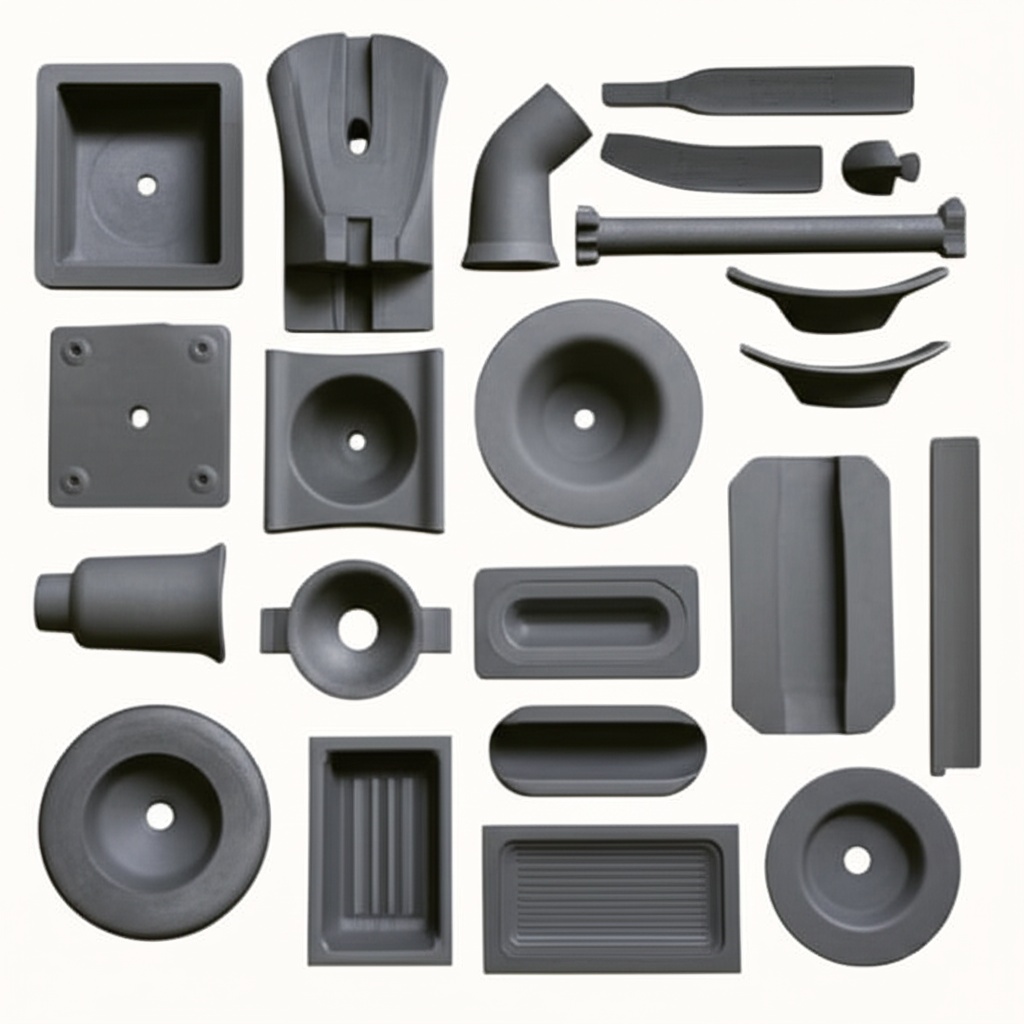
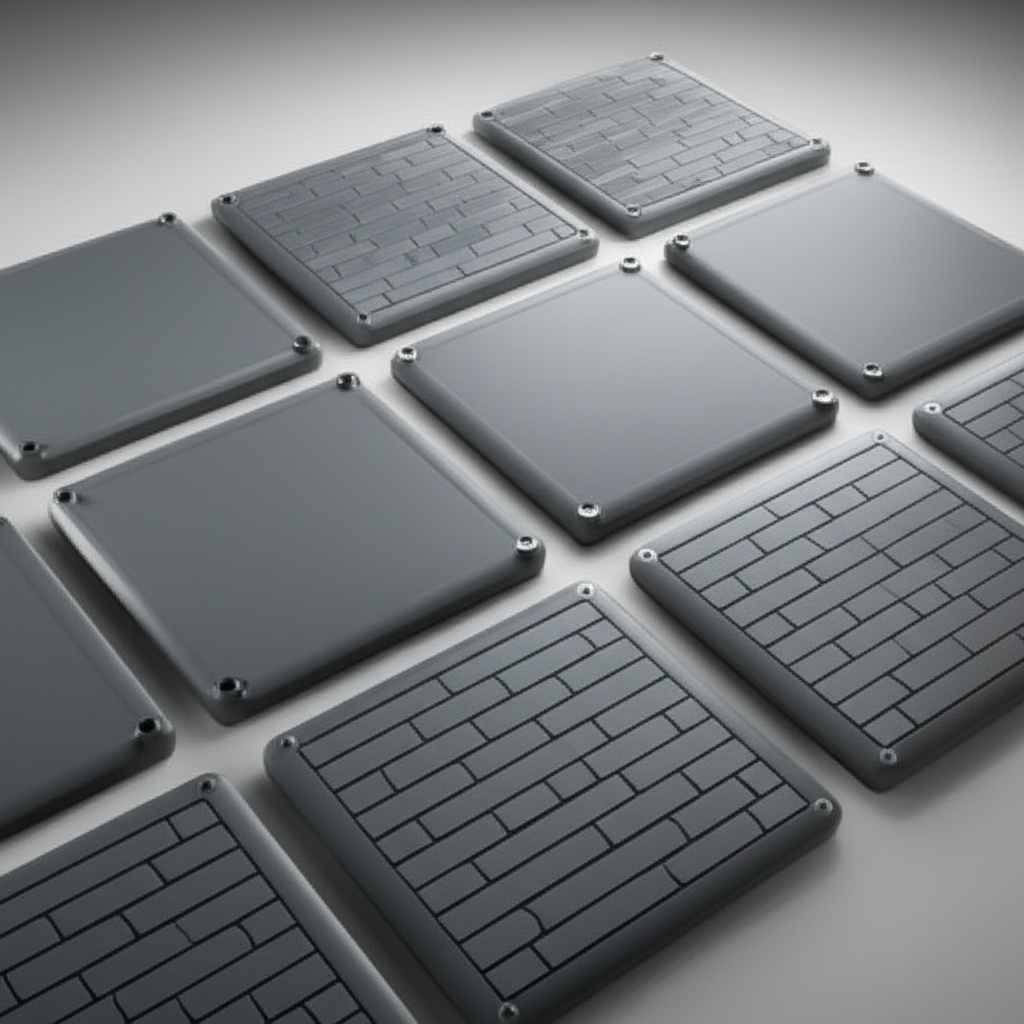
Silicon carbide (SiC), an advanced ceramic material, is renowned for its exceptional properties, including extreme hardness, high thermal conductivity, chemical inertness, and excellent resistance to wear and corrosion. These attributes make custom SiC components indispensable in a wide array of demanding industrial applications, particularly where high temperatures, harsh environments, and stringent performance requirements are present. The increasing emphasis on environmental responsibility has further driven the demand for RoHS compliant SiC products across various sectors:
- Semiconductor Manufacturing: SiC is vital for wafer processing equipment, electrostatic chucks, and susceptors due to its thermal stability and purity, ensuring minimal contamination and optimal processing conditions.
- Automotive Industry: Power electronics in electric vehicles (EVs) and hybrid electric vehicles (HEVs) heavily rely on SiC for inverters, on-board chargers, and DC-DC converters, enabling higher efficiency and extended range.
- Aerospace & Defense: Lightweight, high-strength SiC components are used in structural parts, engine components, and thermal management systems for aircraft and spacecraft, resisting extreme temperatures and stresses.
- Power Electronics: Beyond automotive, SiC power devices are transforming grid infrastructure, industrial motor drives, and renewable energy systems by enabling higher voltage operation and reduced energy losses.
- Renewable Energy: Solar inverters and wind turbine converters benefit from SiC’s efficiency, contributing to more effective energy conversion and grid integration.
- Metallurgy: SiC is used in furnace linings, crucibles, and kiln furniture due to its ability to withstand high temperatures and corrosive molten metals, ensuring longevity and process integrity.
- Chemical Processing: Its chemical inertness makes SiC ideal for pump components, valves, and heat exchangers handling aggressive chemicals, ensuring resistance to corrosion and erosion.
- LED Manufacturing: SiC substrates are crucial for high-brightness LEDs, enabling efficient heat dissipation and superior performance.
- Industrial Equipment: From bearings and seals to nozzles and cutting tools, SiC improves the lifespan and efficiency of industrial machinery in abrasive and high-temperature environments.
- Telecommunications: SiC components are integrated into high-frequency and high-power communication systems for their thermal management capabilities.
- Oil and Gas: SiC is utilized in downhole tools and pump components where resistance to extreme pressures, temperatures, and corrosive fluids is essential.
- Medical Devices: Precision SiC components are finding applications in surgical instruments and diagnostic equipment, benefiting from their biocompatibility and wear resistance.
- Rail Transportation: SiC power modules enhance the efficiency of traction systems and auxiliary converters in trains, leading to energy savings and improved reliability.
- Nuclear Energy: SiC composites are being researched and developed for nuclear fuel cladding and structural components due to their superior radiation resistance and thermal stability.
Why Choose Custom Silicon Carbide?
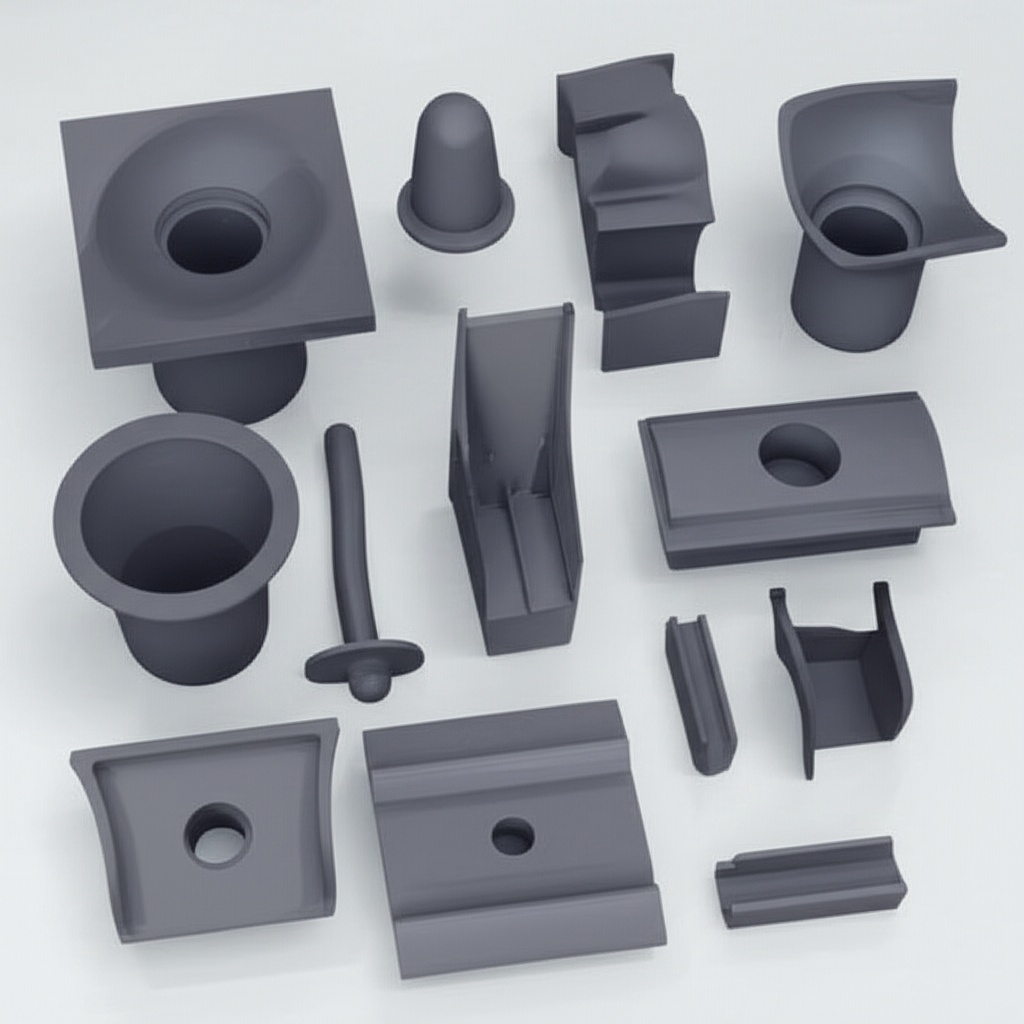
While standard SiC components offer impressive properties, the true potential of this material is unlocked through custom silicon carbide manufacturing. Tailoring SiC products to specific application needs ensures optimal performance, efficiency, and longevity. The benefits of customization are significant:
- Optimized Performance: Custom designs allow for precise control over thermal properties, wear resistance, and electrical insulation, matching the exact requirements of your system.
- Enhanced Thermal Resistance: SiC boasts exceptional thermal conductivity and low thermal expansion, making it ideal for managing heat in high-temperature environments. Custom geometries can further optimize heat dissipation.
- Superior Wear Resistance: With its extreme hardness, SiC offers outstanding resistance to abrasion and erosion, significantly extending the lifespan of critical components in abrasive applications.
- Unmatched Chemical Inertness: SiC is highly resistant to most acids, bases, and corrosive gases, making it suitable for chemical processing and other harsh environments.
- Precision Engineering: Custom fabrication allows for complex geometries, tight tolerances, and intricate features, enabling sophisticated designs that would be impossible with off-the-shelf solutions.
- Cost-Effectiveness: While initial investment in custom SiC might seem higher, the extended lifespan, reduced downtime, and improved efficiency often lead to significant long-term cost savings.
- RoHS Compliance: Ensuring that custom SiC products meet RoHS directives means you are using materials free from hazardous substances, crucial for global market access and environmental responsibility.
Recommended SiC Grades and Compositions
Silicon carbide ceramics are available in various forms, each with distinct properties tailored for specific industrial applications. Understanding these SiC material grades is crucial for selecting the right solution for your custom needs. Here are some of the most common types:
| SiC Grade/Type | Key Characteristics | Typical Applications |
|---|---|---|
| Reaction-Bonded SiC (RBSC) | High purity, excellent thermal shock resistance, good strength, and relatively low cost. Can be made into complex shapes. | Kiln furniture, nozzles, heat exchangers, mechanical seals, pump components, armor plating. |
| Sintered SiC (SSiC) | Very high hardness, superior wear resistance, excellent chemical resistance, high strength at elevated temperatures. Almost no open porosity. | Mechanical seals, bearings, pump impellers, nozzles, cutting tools, ballistic ceramics. |
| Nitride-Bonded SiC (NBSC) | Good strength and creep resistance at high temperatures, moderate thermal conductivity, good thermal shock resistance. | Kiln furniture, specialized refractory applications, burner nozzles, furnace components. |
| Recrystallized SiC (ReSiC) | High purity, good thermal shock resistance, low coefficient of thermal expansion, typically porous. | Kiln furniture, setter plates, high-temperature support systems. |
| Liquid Phase Sintered SiC (LPSSiC) | Enhanced fracture toughness and strength compared to SSiC, good for applications requiring higher reliability. | Advanced mechanical seals, components in demanding high-stress environments. |
The choice of SiC composition depends heavily on the specific operating conditions, including temperature, mechanical stress, chemical exposure, and required precision. Experienced custom silicon carbide manufacturers can guide you in selecting the optimal grade for your application.
Design Considerations for SiC Products
Designing custom silicon carbide components requires a deep understanding of the material’s unique properties and manufacturing limitations. Early consideration of these factors during the design phase can significantly reduce production costs and lead times while ensuring optimal performance:
- Geometry Limits: SiC is a hard and brittle material, making complex geometries challenging to machine. Designs should aim for simplicity where possible, avoiding sharp internal corners, deep narrow grooves, and extremely thin walls.
- Wall Thickness: Uniform wall thickness is generally preferred to minimize internal stresses during sintering and cooling. Varying wall thicknesses can lead to warping or cracking.
- Stress Points: Identify potential stress concentration points in your design, such as sudden changes in cross-section or sharp edges. Radius corners and gradual transitions can help distribute stress more effectively.
- Tolerance Requirements: While SiC can achieve high precision, overly tight tolerances can increase manufacturing complexity and cost. Define tolerances based on functional requirements rather than arbitrary standards.
- Surface Finish: Specify the required surface finish based on the application. A smooth finish might be needed for sealing surfaces, while a rougher finish might be acceptable for non-critical areas.
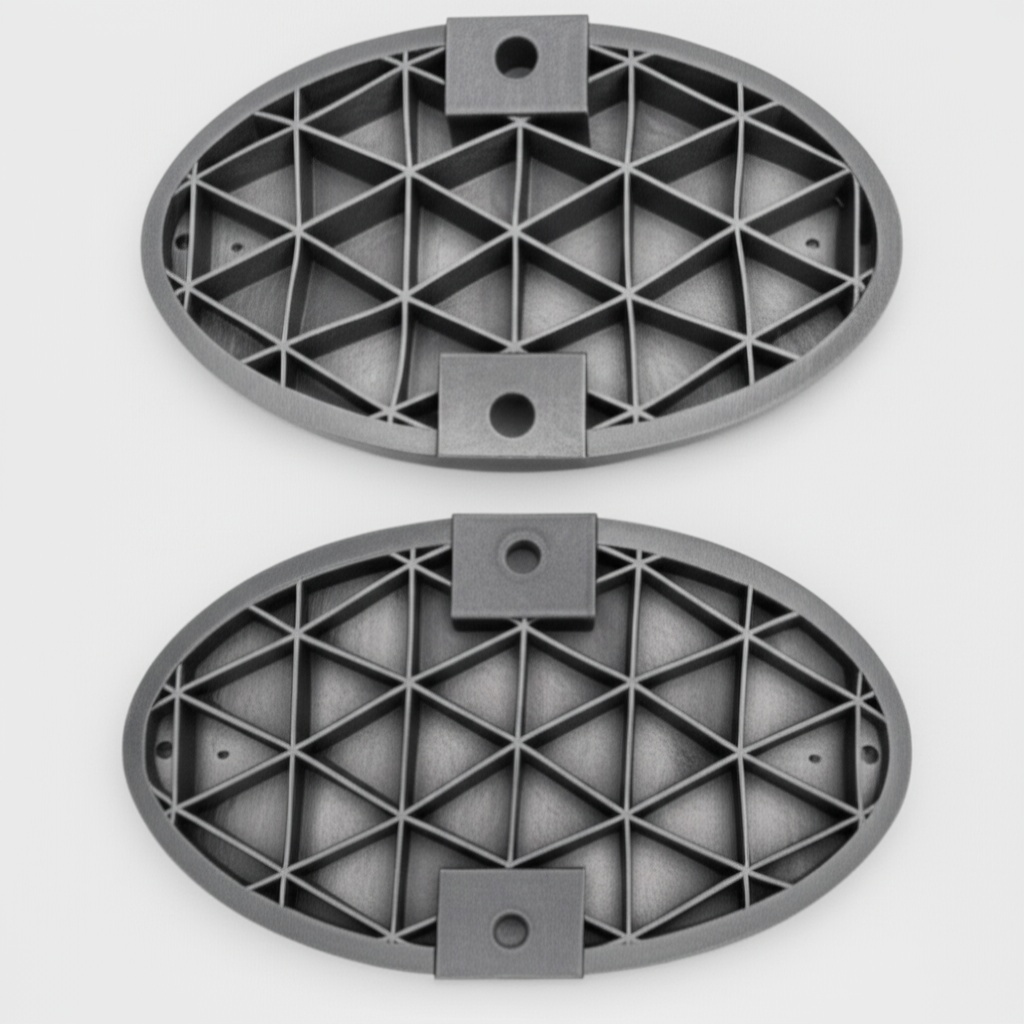
- Mounting & Assembly: Consider how the SiC component will be mounted and assembled within a larger system. Design features like holes, threads, or mounting flanges should be integrated thoughtfully.
- Volume Considerations: For high-volume production, designs should be optimized for processes like injection molding or slip casting, which can produce components more efficiently than machining from blanks.
- Thermal Management: Leverage SiC’s excellent thermal properties by designing for efficient heat transfer. Consider fin structures or optimized surface areas for cooling in high-temperature applications.
Tolerance, Surface Finish & Dimensional Accuracy
Achieving the required dimensional accuracy and surface finish for custom SiC products is critical for their performance in demanding applications. The very hardness that makes SiC so durable also makes it challenging to machine, necessitating specialized grinding and lapping techniques:
- Achievable Tolerances: While SiC can be machined to very tight tolerances, typical machining tolerances range from ±0.001″ to ±0.005″ (or ±0.025 mm to ±0.127 mm), depending on the feature size and complexity. For extremely precise features, grinding after sintering is often required.
- Surface Finish Options:
- As-fired/As-sintered: This is the most cost-effective finish, typically with a somewhat rough texture (Ra values often in the range of 3.2 µm to 6.3 µm).
- Ground: Provides a smoother surface, suitable for many mechanical and sealing applications (Ra values typically 0.8 µm to 1.6 µm).
- Lapped/Polished: Achieves the highest precision and smoothness, essential for critical sealing surfaces, optical applications, or where minimal friction is required (Ra values often below 0.4 µm, down to 0.05 µm or finer).
- Dimensional Stability: SiC exhibits excellent dimensional stability across a wide range of temperatures due to its low coefficient of thermal expansion, making it ideal for applications requiring consistent performance under varying thermal conditions.
- Flatness & Parallelism: For critical mating surfaces, high degrees of flatness and parallelism can be achieved through precision grinding and lapping, ensuring effective sealing and stable assembly.
Post-Processing Needs for SiC Components
After the initial shaping and sintering, custom silicon carbide components often require additional post-processing steps to achieve their final performance specifications, enhance durability, or prepare them for integration into larger systems. These SiC post-processing methods can include:
- Grinding: Precision grinding is essential for achieving tight dimensional tolerances, critical flatness, and specific surface finishes on SiC parts. Diamond grinding wheels are typically used due to SiC’s extreme hardness.
- Lapping & Polishing: For ultra-smooth surfaces, such as those required for mechanical seals, bearings, or optical applications, lapping and polishing processes using diamond slurries are employed.
- Sealing: While SiC is inherently dense, some grades or applications may benefit from additional sealing treatments to improve impermeability, especially in porous reaction-bonded SiC.
- Coating: In certain specialized applications, coatings can be applied to SiC surfaces to enhance specific properties, such as increased lubricity, electrical insulation, or improved chemical resistance against particular aggressive media.
- Metallization: For components requiring electrical contacts or brazing to other materials, metallization processes can be applied to create conductive pads or bonding surfaces.
- Cleaning: Post-machining cleaning is crucial to remove any debris or contaminants, ensuring the purity and performance of the final product, especially for semiconductor applications.
- Inspection & Quality Control: Rigorous inspection, including visual inspection, dimensional checks, NDT (Non-Destructive Testing) like ultrasonic testing for internal flaws, and material property verification, is critical to ensure components meet specifications.
Common Challenges and How to Overcome Them in SiC Manufacturing
While silicon carbide offers unparalleled advantages, its unique properties also present certain challenges during manufacturing and application. Understanding these and knowing how to mitigate them is key to successful custom SiC product development:
- Brittleness: SiC is an inherently brittle material, making it susceptible to chipping or cracking under impact or excessive tensile stress.
- Overcoming: Design components to minimize stress concentrations (e.g., using generous radii), handle parts carefully during manufacturing and assembly, and consider composite SiC formulations for enhanced toughness.
- Machining Complexity & Cost: SiC’s extreme hardness makes it difficult and expensive to machine, requiring specialized diamond tools and slow processes.
- Overcoming: Optimize designs for manufacturability by simplifying geometries and avoiding features that require extensive post-sintering machining. Consider near-net-shape forming methods like slip casting or injection molding where feasible.
- Thermal Shock Sensitivity: While SiC has good thermal shock resistance, rapid and extreme temperature changes can still induce stress and potential failure in certain configurations.
- Overcoming: Design for uniform heating and cooling, select SiC grades with superior thermal shock resistance (e.g., RBSC), and implement controlled thermal cycling in critical applications.
- Sintering Shrinkage: During the sintering process, SiC components undergo shrinkage, which must be precisely accounted for in the initial mold design to achieve target dimensions.
- Overcoming: Manufacturers utilize advanced modeling and empirical data to accurately predict and compensate for shrinkage, ensuring dimensional accuracy of the final part.
- Material Purity & Contamination: For applications like semiconductors, even trace impurities can be detrimental.
- Overcoming: Source high-purity raw materials, maintain strict control over the manufacturing environment, and implement rigorous cleaning and inspection protocols.
- Joining SiC to Other Materials: Brazing or joining SiC to metals or other ceramics can be challenging due to differences in thermal expansion coefficients.
- Overcoming: Utilize specialized brazing alloys, employ compliant interlayers, or design mechanical fastening solutions that accommodate thermal expansion differences.
How to Choose the Right SiC Supplier
Selecting a reliable custom silicon carbide supplier is a critical decision that directly impacts the success of your project. For engineers, procurement managers, and technical buyers, evaluating a vendor’s capabilities is paramount:
- Technical Expertise & Experience: Look for suppliers with a proven track record in advanced ceramics manufacturing and a deep understanding of SiC materials science. They should be able to provide technical support from design to delivery.
- Material Options: A diverse range of SiC grades (RBSC, SSiC, NBSC, etc.) indicates versatility and the ability to meet various application requirements.
- Manufacturing Capabilities: Assess their capabilities for precision machining, grinding, lapping, and specialized post-processing. Can they handle complex geometries and tight tolerances?
- Quality Control & Certifications: Ensure they adhere to stringent quality management systems (e.g., ISO 9001) and can provide material certifications and inspection reports. RoHS compliance certification is crucial.
- R&D and Innovation: A supplier actively engaged in research and development is more likely to offer cutting-edge solutions and adapt to evolving industry needs.
- Supply Chain Reliability: Evaluate their production capacity, lead times, and ability to ensure consistent supply, especially for high-volume orders.
- Customer Support & Communication: Responsive communication and dedicated technical support are vital for a smooth procurement process.
- Cost-Effectiveness: While not the sole factor, competitive pricing coupled with high quality and reliability is essential.
When considering a supplier, it’s worth noting the geographical advantage. As you are aware, the hub of China’s silicon carbide customizable parts manufacturing is situated in Weifang City of China. Now the region has been home to over 40 silicon carbide production enterprises of various sizes, collectively accounting for more than 80% of the nation’s total silicon carbide output.
We, Sicarb Tech, have been introducing and implementing silicon carbide production technology since 2015, assisting the local enterprises in achieving large-scale production and technological advancements in product processes. We have been a witness to the emergence and ongoing development of the local silicon carbide industry.
Based on the platform of the national technology transfer center of the Chinese Academy of Sciences, Sicarb Tech is part of Chinese Academy of Sciences (Weifang) Innovation Park, an entrepreneurial park that collaborates closely with the National Technology Transfer Center of the Chinese Academy of Sciences. It serves as a national-level innovation and entrepreneurship service platform, integrating innovation, entrepreneurship, technology transfer, venture capital, incubation, acceleration, and scientific and technological services.
Sicarb Tech capitalizes on the robust scientific, technological capabilities and talent pool of the Chinese Academy of Sciences . Backed by the Chinese Academy of Sciences National Technology Transfer Center, it serves as a bridge, facilitating the integration and collaboration of crucial elements in the transfer and commercialization of scientific and technological achievements. Moreover, it has established a comprehensive service ecosystem that spans the entire spectrum of the technology transfer and transformation process. This translates to more reliable quality and supply assurance within China.
Sicarb Tech possess a domestic top-tier professional team specializing in customized production of silicon carbide products. Under our support, 318+ local enterprises have benefited from our technologies. We possess a wide array of technologies, such as material, process, design, measurement & evaluation technologies, along with the integrated process from materials to products. This enables us to meet diverse customization needs. We can offer you higher-quality, cost-competitive customized silicon carbide components in China. View our successful cases.
We are also committed to assisting you in establishing a specialized factory. If you need to build a professional silicon carbide products manufacturing plant in your country, Sicarb Tech can provide you with the technology transfer for professional silicon carbide production, along with a full-range of services (turnkey project) including factory design, procurement of specialized equipment, installation and commissioning, and trial production. This enables you to own a professional silicon carbide products manufacturing plant while ensuring a more effective investment, reliable technology transformation, and guaranteed input-output ratio.
Cost Drivers and Lead Time Considerations for SiC Products
Understanding the factors that influence the cost and lead time of custom silicon carbide components is crucial for effective project planning and procurement. These insights help technical buyers and procurement managers make informed decisions:
Cost Drivers:
- Material Grade & Purity: Higher purity SiC and specialized grades (e.g., SSiC for extreme wear) generally come with a higher raw material cost.
- Component Complexity: Intricate geometries, thin walls, small features, and tight tolerances significantly increase machining time and complexity, thus driving up costs.
- Size & Volume: Larger components require more material and machining, increasing cost. However, higher production volumes can lead to economies of scale, reducing the per-unit cost.
- Surface Finish Requirements: Precision grinding, lapping, and polishing for ultra-smooth surfaces add significant processing steps and cost.
- Post-Processing Needs: Additional treatments like metallization, specialized coatings, or extensive inspection add to the overall cost.
- Tooling Costs: For new designs or very complex parts, non-recurring engineering (NRE) costs for specialized tooling (e.g., molds for slip casting) can be a factor.
Lead Time Considerations:
- Design Complexity: Highly complex designs require more time for engineering review, prototyping, and process development.
- Material Availability: Lead times can be influenced by the availability of specific SiC raw materials or precursor forms.
- Production Capacity: The manufacturer’s current production schedule and capacity can affect how quickly your order can be processed.
- Machining & Post-Processing Time: Intricate machining, grinding, and specialized finishing operations are time-consuming.
- Quality Control & Inspection: Thorough testing and inspection add to the overall lead time, ensuring the final product meets specifications.
- Shipping & Logistics: International shipping and customs clearance can add significant time, especially for overseas orders.
Effective communication with your SiC supplier from the outset, including detailed specifications and anticipated volume, can help in receiving accurate quotes and realistic lead time estimates.
Frequently Asked Questions (FAQ)
- Q1: What does RoHS compliant SiC mean?
- A1: RoHS compliant SiC means that the silicon carbide product does not contain hazardous substances above specified thresholds, as defined by the Restriction of Hazardous Substances Directive (RoHS) issued by the European Union. These substances typically include lead, mercury, cadmium, hexavalent chromium, polybrominated biphenyls (PBB), and polybrominated diphenyl ethers (PBDE).
- Q2: Can custom SiC parts be used in corrosive environments?
- A2: Absolutely. Silicon carbide is renowned for its exceptional chemical inertness and resistance to most acids, bases, and harsh chemicals, even at elevated temperatures. This makes custom SiC components ideal for applications in chemical processing, oil and gas, and other corrosive environments.
- Q3: What are the typical lead times for custom SiC product orders?
- A3: Lead times for custom SiC products can vary significantly depending on complexity, size, material grade, and order volume. Simple geometries might have lead times of a few weeks, while complex parts requiring extensive machining and post-processing could take several months. It’s best to consult with your supplier for a precise estimate for your specific requirements. You can also contact us for specific inquiries: Contact Sicarb Tech.
- Q4: Is SiC suitable for high-temperature applications?
- A4: Yes, SiC is an excellent material for high-temperature applications. It maintains its strength and hardness at temperatures up to 1600°C (2912°F) and exhibits superior thermal shock resistance compared to many other ceramic materials, making it ideal for furnace components, heat exchangers, and high-temperature processing equipment.
Conclusion
RoHS compliant custom silicon carbide products represent a pinnacle of advanced material engineering, offering unmatched performance, durability, and environmental responsibility across a spectrum of critical industries. From enhancing efficiency in power electronics and semiconductor manufacturing to ensuring reliability in aerospace and high-temperature processing, SiC delivers solutions that conventional materials simply cannot match.
For engineers, procurement managers, and technical buyers, partnering with a knowledgeable and experienced SiC supplier is paramount. The ability to customize SiC components to precise specifications, coupled with rigorous quality control and adherence to environmental standards, ensures that your applications benefit from the full potential of this remarkable material. By embracing custom silicon carbide solutions, industries can achieve new levels of innovation, efficiency, and sustainability in their most demanding operations.
Remember, for reliable and high-quality custom silicon carbide components, consider connecting with manufacturers located in the heart of China’s SiC production hub, such as Sicarb Tech, who combine cutting-edge technology transfer with extensive local expertise. Learn more about our company and capabilities.

About the Author: Sicarb Tech
We provide clear and reliable insights into silicon carbide materials, component manufacturing, application technologies, and global market trends. Our content reflects industry expertise, practical experience, and a commitment to helping readers understand the evolving SiC landscape.

Customizable SiC
You May Also Interest
-
![]()
REACH Compliant SiC for Broad Market Access
REACH Compliant SiC for Broad Market Access In today’s globalized industrial landscape, the demand for high-performance materials is continuously growing. Among these, silicon carbide (SiC) stands out as a material of choice for its exceptional properties. As industries worldwide increasingly prioritize environmental responsibility and regulatory compliance, the focus on materials that meet stringent standards like…
-
![]()
CE Certified SiC for European Market Sales
CE Certified SiC for European Market Sales In today’s highly demanding industrial landscape, the performance of critical components can dictate the success of an entire system. From high-power electronics to extreme-temperature processing, conventional materials often fall short. This is where custom silicon carbide (SiC) products emerge as a game-changer. As a leading material in advanced…
-
![]()
UL Certified SiC for Verified Safety Standards
UL Certified SiC for Verified Safety Standards In demanding industrial environments, the integrity and reliability of materials are paramount. When it comes to critical applications in sectors like semiconductors, aerospace, and power electronics, the choice of materials directly impacts performance, safety, and operational longevity. This is where UL certified silicon carbide (SiC) stands out, offering…