Reaction Bonded SiC: Reliable Industrial Solutions
Share
Reaction Bonded SiC: Reliable Industrial Solutions
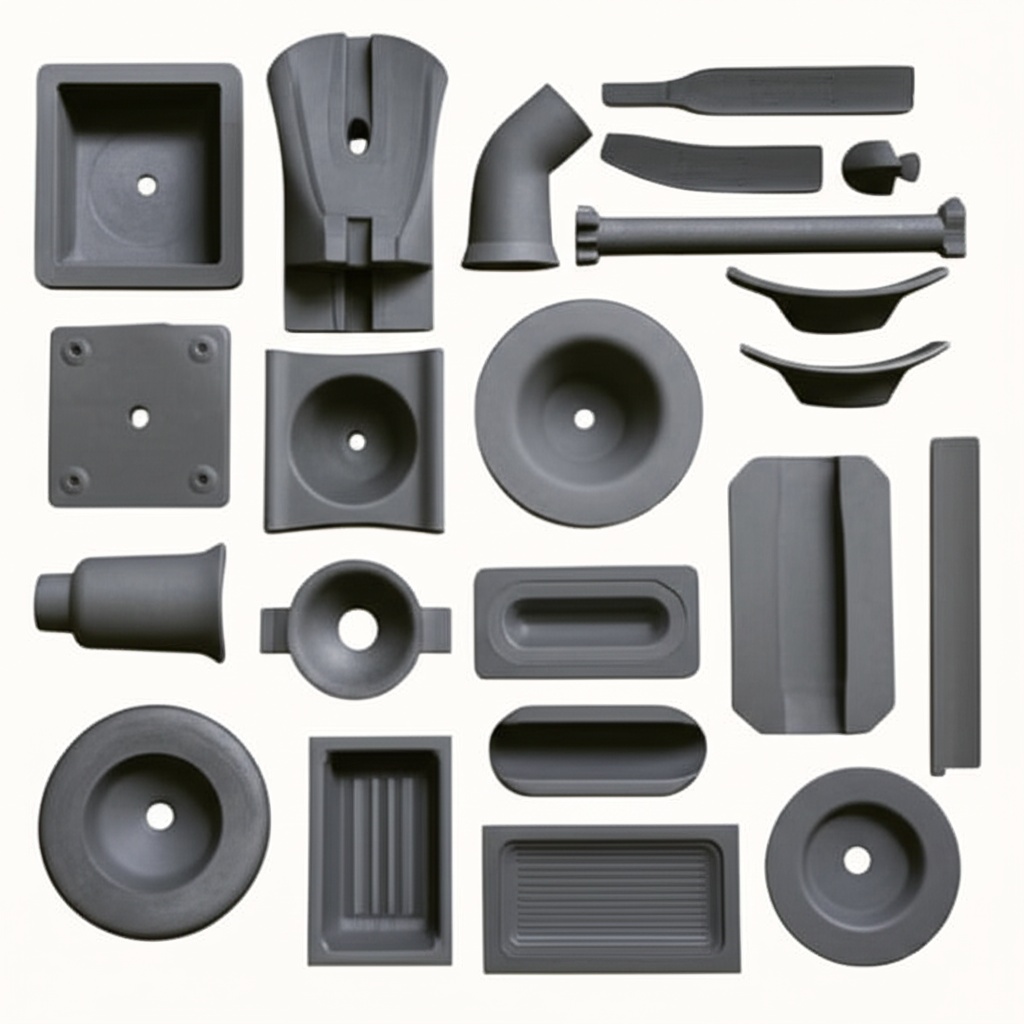
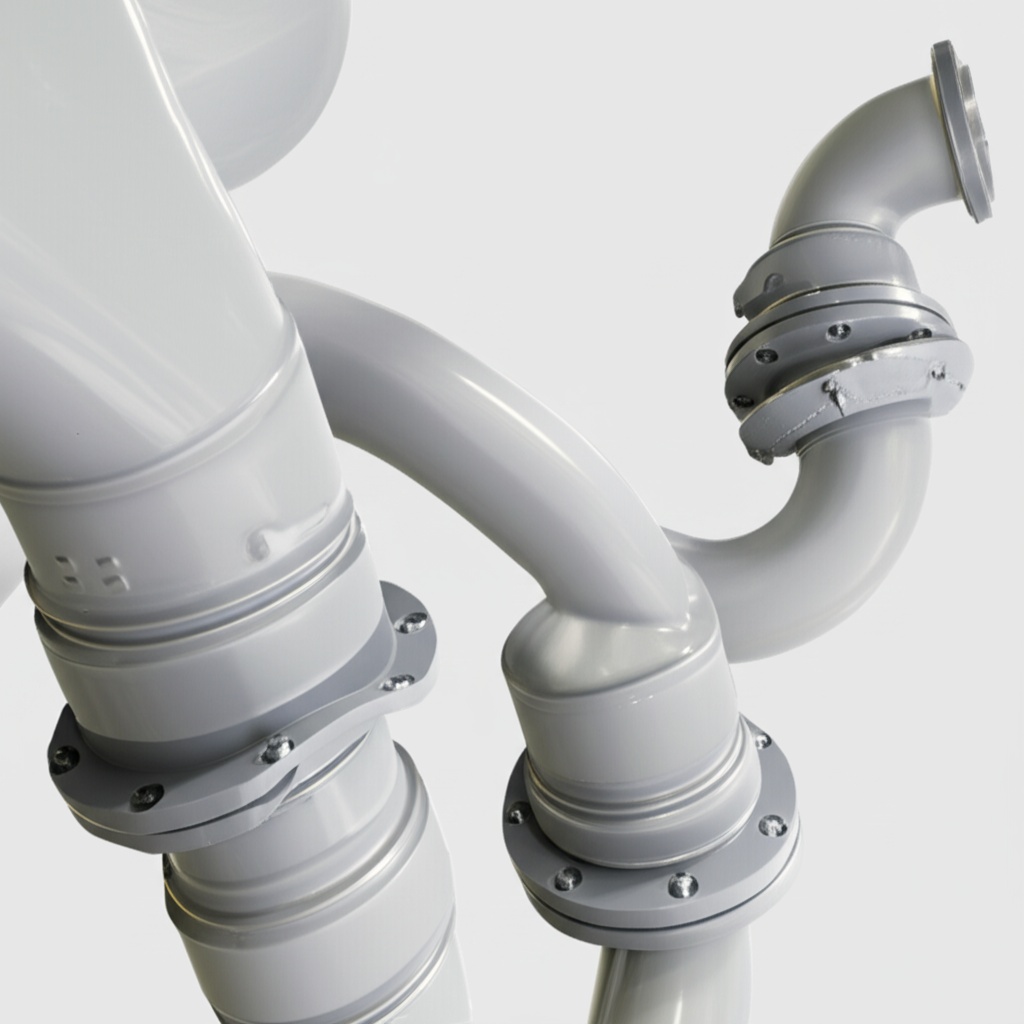
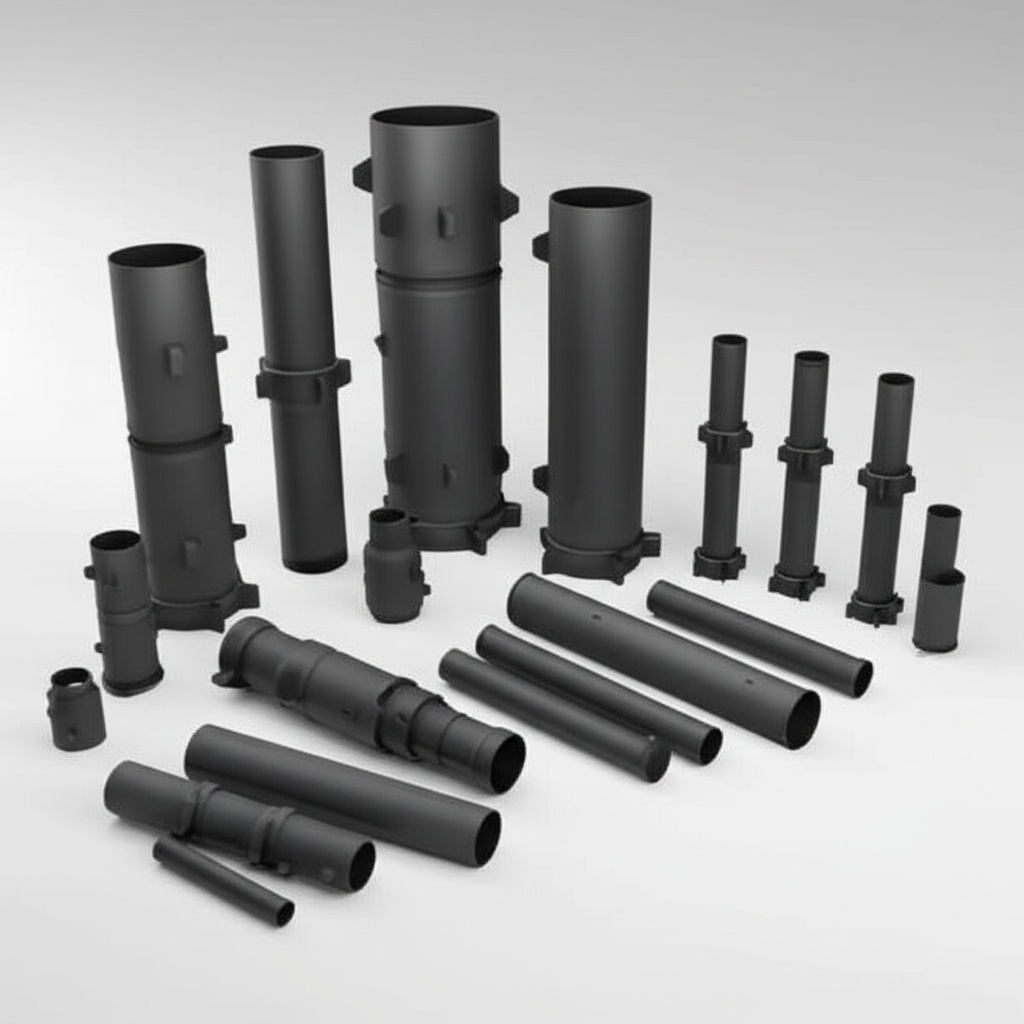
In the demanding landscape of modern industry, material science plays a pivotal role in driving innovation and efficiency. Among advanced ceramics, Reaction Bonded Silicon Carbide (RBSC), also known as Siliconized Silicon Carbide (SiSiC), stands out for its exceptional combination of properties. This makes it an indispensable material for a wide array of high-performance applications across sectors like semiconductor manufacturing, automotive, aerospace, power electronics, and many more. This blog post delves into the intricacies of RBSC, exploring its benefits, applications, and considerations for sourcing custom components, particularly highlighting the expertise available for your specific needs.
Understanding Reaction Bonded Silicon Carbide (RBSC)
Reaction Bonded Silicon Carbide is a type of advanced technical ceramic composite. Its manufacturing process is distinct and contributes significantly to its unique properties. Typically, it involves infiltrating a porous preform, often made of silicon carbide (SiC) grains and carbon, with molten silicon. The silicon reacts with the carbon to form new, in-situ silicon carbide, which bonds the original SiC grains together. This process results in a dense material that usually contains some residual metallic silicon (typically 8-15%) within the SiC matrix.
The key characteristics of RBSC stemming from this process include:
- Near-net shape manufacturing: The process allows for the creation of complex shapes with minimal post-sintering shrinkage, reducing the need for extensive and costly machining.
- High density: The silicon infiltration fills pores effectively, leading to a highly dense material with low permeability.
- Controlled microstructure: The properties can be tailored to some extent by controlling the initial grain size of SiC, the amount of carbon, and the infiltration process parameters.
This manufacturing route makes RBSC a cost-effective option for many applications compared to other types of silicon carbide, such as sintered SiC, especially for larger and more complex components. Understanding this foundation is crucial for engineers and procurement managers looking for high-performance RBSC components.
Key Properties of Reaction Bonded SiC
Reaction Bonded Silicon Carbide offers a compelling suite of properties that make it suitable for challenging industrial environments. These properties are critical for designers and engineers specifying materials for demanding applications.
| Property Category | Specific Property | Typical Value/Description | Industrial Relevance |
|---|---|---|---|
| Mechanical | High Hardness | ~2500-2800 kg/mm² (Knoop) | Excellent wear and abrasion resistance for components like nozzles, bearings, and wear liners. |
| High Modulus of Elasticity | ~390-410 GPa | Maintains shape under high loads, crucial for structural components and precision machinery. | |
| Good Flexural Strength | Up to ~350-500 MPa at room temperature | Resistance to bending forces, important for beams, rollers, and supports in high-temperature furnaces. | |
| Excellent Wear Resistance | Low friction and abrasion loss | Ideal for slurry pump parts, cyclone liners, and material handling components. | |
| Thermal | High Thermal Conductivity | ~80-150 W/mK (decreases with temperature) | Rapid heat dissipation, beneficial for heat exchangers, semiconductor processing equipment, and kiln furniture. |
| Good Thermal Shock Resistance | Can withstand rapid temperature changes due to moderate thermal expansion and high thermal conductivity. | Suitable for applications experiencing thermal cycling, such as furnace components and rocket nozzles. | |
| High-Temperature Strength | Retains strength up to ~1350-1380°C (limited by the melting point of silicon). | Suitable for high-temperature structural applications where other materials would fail. | |
| Chemical | Excellent Chemical Inertness | Resistant to most acids, alkalis, and molten salts (except strong oxidizing agents at high temperatures). | Ideal for chemical processing equipment, pump components, and applications in corrosive environments. |
| Oxidation Resistance | Forms a protective SiO₂ layer at high temperatures, slowing further oxidation. | Ensures longevity in high-temperature oxidizing atmospheres. | |
| Electrical | Semiconducting Behavior | Electrical resistivity varies with temperature and purity. Can be used as an igniter. | Applications include heating elements, igniters, and specific semiconductor components. |
| Other | Low Density | ~3.02-3.10 g/cm³ | Lighter than many metals, offering advantages in aerospace and applications where weight is a concern. |
These properties make RBSC industrial ceramics a versatile choice for engineers striving for enhanced performance and durability in their equipment and systems.
Main Industrial Applications of RBSC
The exceptional properties of Reaction Bonded Silicon Carbide lend themselves to a vast range of industrial applications. Its ability to perform under extreme conditions makes it a preferred material for numerous sectors:
- Semiconductor Manufacturing:
- Wafer handling components (e.g., chucks, end effectors)
- Chamber components (e.g., liners, showerheads)
- Precision stages and fixtures due to its stiffness and thermal stability.
- Keywords: SiC for semiconductor processing, RBSC semiconductor parts
- Automotive Industry:
- Wear-resistant components like seals and bearings in pumps.
- Components for high-performance braking systems.
- Potential use in components for electric vehicle (EV) power electronics due to thermal management needs.
- Keywords: Automotive SiC components, RBSC wear parts
- Aerospace and Defense:
- Lightweight armor plating.
- Components for rocket nozzles and propulsion systems.
- High-temperature sensor protection tubes.
- Mirrors and optical benches due to high stiffness and thermal stability.
- Keywords: Aerospace grade SiC, Defense RBSC applications
- Power Electronics:
- Heat sinks and spreaders for high-power modules.
- Substrates and packaging components.
- Keywords: RBSC for power electronics, SiC heat management
- Renewable Energy:
- Components in concentrated solar power (CSP) systems.
- Wear parts in biomass conversion equipment.
- Keywords: SiC for renewable energy, RBSC solar components
- Metallurgy and High-Temperature Furnaces:
- Kiln furniture (beams, rollers, setters, plates).
- Burner nozzles and radiant tubes.
- Crucibles and thermocouple protection tubes.
- Keywords: RBSC kiln furniture, High-temperature SiC
- Chemical Processing:
- Pump components (shafts, sleeves, impellers).
- Mechanical seals and valve parts.
- Linings for pipes and vessels handling corrosive media.
- Keywords: Chemical resistant RBSC, SiC for corrosive environments
- LED Manufacturing:
- Susceptors and carriers for MOCVD processes.
- Components requiring high thermal conductivity and purity.
- Keywords: SiC for LED manufacturing, RBSC MOCVD parts
- Industrial Machinery and Equipment:
- Nozzles for sandblasting, waterjet cutting, and spraying.
- Bearings and bushings for high-wear applications.
- Cyclone liners and separators in mining and material processing.
- Keywords: Industrial RBSC components, Wear-resistant SiC nozzles
The versatility of RBSC allows for continuous innovation, with new applications emerging as industries seek materials that can push performance boundaries. Companies seeking custom RBSC solutions can benefit significantly by tailoring designs to these specific demanding uses.
Advantages of Choosing Custom RBSC Components
While standard RBSC components are available, opting for custom reaction bonded silicon carbide parts offers significant advantages, especially when performance, longevity, and operational efficiency are paramount. Customization allows engineers to fully leverage the unique properties of RBSC, tailored to the specific demands of their application.
- Optimized Performance:
- Application-Specific Design: Custom shapes and features can be designed to maximize performance in a particular environment, whether it’s enhancing fluid dynamics in a nozzle or optimizing heat distribution in a thermal component.
- Material Property Tuning: While RBSC has a general set of properties, minor adjustments in the manufacturing process (e.g., grain size, silicon content) can sometimes be made to fine-tune characteristics for specific needs, if the supplier has such advanced capabilities.
- Enhanced Durability and Lifespan:
- Improved Wear Resistance: Components can be designed with reinforced sections or specific surface profiles to combat wear in critical areas, extending service life.
- Better Thermal Management: Custom geometries can improve heat dissipation or thermal shock resistance, protecting the component and surrounding equipment.
- Increased Efficiency and Reduced Downtime:
- Perfect Fit and Integration: Custom parts ensure seamless integration into existing assemblies, eliminating issues related to mismatched standard parts and potentially reducing assembly time.
- Reduced Maintenance Cycles: Components designed for the exact operational stresses are less likely to fail prematurely, leading to longer operational periods and less unscheduled downtime.
- Cost-Effectiveness in the Long Run:
- Lower Total Cost of Ownership: While the initial cost of a custom part might be higher than an off-the-shelf one, the extended lifespan, reduced maintenance, and improved performance often lead to a lower total cost of ownership.
- Reduced Material Waste: Near-net shape manufacturing, a hallmark of RBSC production, is often more efficient with custom designs, minimizing material waste and subsequent machining.
- Complex Geometries Achievable:
- RBSC manufacturing allows for intricate designs that might be difficult or impossible to achieve with other materials or manufacturing methods at a comparable cost. This opens up new design possibilities for engineers.
- Consolidation of Parts:
- A single custom RBSC component can sometimes replace an assembly of multiple parts made from less capable materials, simplifying design, reducing inventory, and potentially improving reliability.
For businesses in sectors like semiconductor, aerospace, or chemical processing, where precision and reliability are non-negotiable, investing in customized RBSC components is a strategic move towards superior operational outcomes.
Design Considerations for Custom RBSC Products
Designing custom Reaction Bonded Silicon Carbide components requires careful consideration of the material’s unique characteristics and manufacturing process to ensure optimal performance and manufacturability. Collaborating closely with an experienced RBSC supplier is crucial during the design phase.
Key design considerations include:
- Geometric Complexity:
- Feasibility: While RBSC allows for complex shapes, extremely intricate internal features or very thin, unsupported walls can be challenging and may increase manufacturing risks or costs. Discuss design complexity with your supplier early.
- Draft Angles: For parts made using molding techniques before silicon infiltration, appropriate draft angles may be necessary for easy removal from molds.
- Wall Thickness and Uniformity:
- Minimum Wall Thickness: There are limits to how thin sections can be reliably manufactured. Aim for uniform wall thickness where possible to ensure consistent silicon infiltration and minimize internal stresses.
- Thick Sections: Very thick sections can sometimes pose challenges for complete and uniform silicon infiltration. Design strategies may be needed if thick cross-sections are unavoidable.
- Tolerances and Shrinkage:
- Near-Net Shape: RBSC typically exhibits low and predictable shrinkage (often less than 1%) during processing. This is a significant advantage, but it must be accounted for in the initial design to achieve final dimensional accuracy.
- Achievable Tolerances: Understand the standard achievable tolerances for “as-fired” RBSC parts and what can be achieved with post-processing like grinding. Tighter tolerances usually mean higher costs.
- Stress Concentrations:
- Fillets and Radii: Sharp internal corners can act as stress concentrators, potentially leading to cracks under mechanical or thermal stress. Incorporate generous fillets and radii in these areas.
- Hole Placement: Avoid placing holes too close to edges or to each other without careful analysis.
- Joining and Assembly:
- If the RBSC component needs to be joined to other parts (SiC or other materials), the joining method (e.g., brazing, mechanical fastening, adhesive bonding) should be considered in the design. Features for mechanical interlocking or surfaces prepared for bonding may be required.
- The presence of free silicon in RBSC can be advantageous for certain brazing processes.
- Surface Finish Requirements:
- Specify the required surface finish. While as-fired RBSC has a relatively good finish, applications requiring very smooth surfaces (e.g., seals, bearings) will need secondary grinding, lapping, or polishing operations, which should be factored into the design and cost.
- Load Conditions and Environment:
- Clearly define the mechanical loads (tensile, compressive, flexural), thermal loads (operating temperature, cycling), and chemical environment the component will experience. This information is vital for material selection and robust design.
- Cost Implications of Design Choices:
- Complex designs, tight tolerances, and extensive finishing operations will increase the cost. Balance performance requirements with manufacturing practicality and cost-effectiveness. Early consultation with RBSC manufacturing experts can help optimize this balance.
By addressing these design considerations proactively, engineers can develop custom RBSC components that are not only high-performing and reliable but also manufacturable and cost-efficient.
Achievable Tolerances, Surface Finishes, and Precision with RBSC
Understanding the dimensional capabilities of Reaction Bonded Silicon Carbide manufacturing is essential for engineers designing components for precision applications. While RBSC offers excellent near-net-shape capabilities, specific tolerances and surface finishes depend on the initial forming process and any subsequent finishing operations.
Dimensional Tolerances:
- As-Fired Tolerances: For RBSC parts directly after the silicon infiltration and cooling process (often called “as-fired” or “as-sintered”), typical dimensional tolerances are generally in the range of ±0.5% to ±1.5% of the dimension. For smaller dimensions, a typical tolerance might be ±0.1 mm to ±0.5 mm. This is significantly better than many other ceramic forming processes due to the minimal shrinkage.
- Ground Tolerances: For applications requiring higher precision, RBSC components can be diamond ground. Machining with diamond tools can achieve much tighter tolerances:
- General Grinding: ±0.025 mm to ±0.05 mm (±0.001″ to ±0.002″) is commonly achievable.
- Precision Grinding: For critical dimensions, tolerances as tight as ±0.005 mm to ±0.01 mm (±0.0002″ to ±0.0004″) can be obtained, though this significantly increases cost and complexity.
Surface Finish:
- As-Fired Surface Finish: The as-fired surface roughness (Ra) of RBSC typically ranges from 1.6 µm to 6.3 µm (63 µin to 250 µin). This finish is suitable for many industrial applications, such as kiln furniture or general wear parts.
- Ground Surface Finish: Diamond grinding can significantly improve the surface finish.
- Standard Grinding: Ra values of 0.4 µm to 0.8 µm (16 µin to 32 µin) are common.
- Fine Grinding/Lapping: For applications like mechanical seals, bearings, or some semiconductor components, smoother finishes are required. Lapping can achieve Ra values down to 0.1 µm to 0.2 µm (4 µin to 8 µin).
- Polishing: For optical or ultra-precision applications, polishing can achieve even finer surfaces, often below Ra 0.05 µm (2 µin).
Factors Influencing Precision:
- Part Size and Complexity: Larger and more complex parts are generally more challenging to hold to very tight tolerances.
- Tooling Quality: The precision of the initial molds or green machining significantly impacts the final as-fired dimensions.
- Machining Process: The type of grinding wheels, machining parameters, and equipment capabilities dictate the achievable ground tolerances and surface finish.
- Measurement Capability: Verifying tight tolerances requires sophisticated metrology equipment.
| Process Stage | Typical Dimensional Tolerance | Typical Surface Roughness (Ra) |
|---|---|---|
| As-Fired | ±0.5% to ±1.5% (or ±0.1 to ±0.5 mm) | 1.6 µm to 6.3 µm |
| Standard Grinding | ±0.025 mm to ±0.05 mm | 0.4 µm to 0.8 µm |
| Precision Grinding | ±0.005 mm to ±0.01 mm | N/A (usually followed by lapping/polishing for surface) |
| Lapping | (Improves form and parallelism) | 0.1 µm to 0.2 µm |
| Polishing | (Improves form and parallelism) | < 0.05 µm |
It’s crucial for designers to specify only the necessary level of precision, as demanding tighter tolerances or finer finishes than required will increase the cost of the precision RBSC components. Early discussion with a capable RBSC supplier, like those offering customizing support, can help align design requirements with manufacturing capabilities and budget.
Post-Processing and Finishing Options for RBSC
While Reaction Bonded Silicon Carbide’s near-net-shape manufacturing is a key advantage, many advanced applications require specific surface characteristics or dimensional accuracies that necessitate post-processing and finishing operations. These steps are crucial for enhancing the performance, durability, and functionality of RBSC components.
Common post-processing and finishing options for RBSC include:
- Diamond Grinding:
- Purpose: To achieve precise dimensional tolerances, improve surface finish, create flat/parallel surfaces, or form specific features (e.g., chamfers, grooves) that are difficult to achieve in the as-fired state.
- Process: Utilizes diamond abrasive wheels due to SiC’s extreme hardness. Various grinding techniques like surface grinding, cylindrical grinding, and centerless grinding can be employed.
- Outcome: Significantly improved dimensional accuracy (see previous section) and surface smoothness (Ra typically 0.4-0.8 µm).
- Lapping:
- Purpose: To produce exceptionally flat surfaces, achieve very fine surface finishes, and improve parallelism, especially for mating parts like mechanical seals or precision spacers.
- Process: Involves rubbing the RBSC component against a flat plate (lap) with a diamond slurry or compound.
- Outcome: Extremely smooth surfaces (Ra often 0.1-0.2 µm) and high flatness.
- Polishing:
- Purpose: To create highly reflective, ultra-smooth surfaces, often required for optical applications, some semiconductor components, or where minimal friction is critical.
- Process: A further refinement after lapping, using finer diamond abrasives and specialized polishing pads/cloths.
- Outcome: Mirror-like finishes (Ra < 0.05 µm).
- Edge Chamfering/Radiusing:
- Purpose: To remove sharp edges, which can be brittle and prone to chipping. Chamfered or radiused edges improve handling safety and component robustness.
- Process: Can be done via manual methods with diamond tools for simple requirements or integrated into CNC grinding operations for precision chamfers.
- Cleaning:
- Purpose: To remove any residues from manufacturing, machining, or handling, which is particularly critical for high-purity applications like semiconductor processing or medical devices.
- Process: May involve ultrasonic cleaning, solvent cleaning, or specialized chemical etching depending on the contaminants and purity requirements.
- Sealing (Less Common for RBSC):
- Purpose: While RBSC is inherently dense due to the silicon infiltration, in some specific, highly aggressive chemical environments or for ultra-high vacuum applications, a surface sealant might be considered to address any microscopic surface porosity or the free silicon phase. However, the inherent low permeability of RBSC makes this less common compared to porous ceramics.
- Process: Application of specialized sealants, often polymeric or glass-based, that can penetrate and seal surface features. Compatibility with the operating environment is crucial.
- Coatings (Application Specific):
- Purpose: To further enhance specific surface properties like lubricity, electrical insulation, or biocompatibility, or to modify chemical interaction. For example, a CVD diamond coating could further enhance wear resistance.
- Process: Techniques like Physical Vapor Deposition (PVD), Chemical Vapor Deposition (CVD), or plasma spray can be used. The choice depends on the coating material and substrate compatibility. The presence of free silicon in RBSC can influence coating adhesion.
The selection of appropriate post-processing steps should be a collaborative effort between the design engineer and the RBSC component manufacturer. Each step adds cost and lead time, so it’s important to specify only what is necessary to meet the application’s performance requirements. Suppliers with comprehensive in-house finishing capabilities can offer better control over quality and lead times for your finished RBSC parts.
Overcoming Common Challenges in RBSC Component Implementation
While Reaction Bonded Silicon Carbide offers numerous advantages, engineers and procurement managers should be aware of potential challenges associated with its implementation. Understanding these challenges and how to mitigate them is key to successful application of RBSC components.
1. Brittleness and Fracture Toughness:
- Challenge: Like most ceramics, RBSC is inherently brittle, meaning it has low fracture toughness compared to metals. It can be susceptible to catastrophic failure if subjected to high impact loads or excessive tensile stresses, particularly at stress concentration points.
- Mitigation Strategies:
- Design Optimization: Incorporate generous radii and fillets to minimize stress concentrations. Avoid sharp corners and sudden changes in cross-section.
- Compressive Loading: Design components to be primarily under compressive loads where possible, as ceramics are much stronger in compression.
- Careful Handling and Assembly: Implement proper handling procedures to avoid chipping or impact damage during assembly and maintenance. Use compliant interlayers or gaskets when clamping RBSC parts.
- Proof Testing: For critical applications, proof testing of components can help weed out parts with critical flaws.
2. Machining Complexity and Cost:
- Challenge: The extreme hardness of RBSC makes it difficult and costly to machine after firing. Only diamond tooling can effectively cut or grind RBSC, leading to higher machining costs and longer processing times compared to metals.
- Mitigation Strategies:
- Near-Net Shape Design: Maximize the use of RBSC’s near-net-shape forming capabilities to minimize the amount of post-firing machining required. Design features to be “as-fired” whenever possible.
- Realistic Tolerances: Specify only the necessary tight tolerances for critical features. Over-tolerancing significantly increases machining costs.
- Supplier Collaboration: Work with experienced RBSC manufacturers who have optimized machining processes and can advise on design-for-manufacturability to reduce machining needs.
3. Thermal Shock Management:
- Challenge: While RBSC has good thermal shock resistance compared to many other ceramics due to its high thermal conductivity and moderate thermal expansion, very rapid and severe temperature changes can

About the Author: Sicarb Tech
We provide clear and reliable insights into silicon carbide materials, component manufacturing, application technologies, and global market trends. Our content reflects industry expertise, practical experience, and a commitment to helping readers understand the evolving SiC landscape.

Customizable SiC
You May Also Interest
-
![]()
SiC Academic Research Insights for Industry Use
SiC Academic Research Insights for Industry Use In the relentless pursuit of performance and efficiency across demanding industrial sectors, silicon carbide (SiC) has emerged as a cornerstone material. Its exceptional properties—ranging from unparalleled hardness and wear resistance to superior thermal conductivity and chemical inertness—make it indispensable for high-stakes applications. This blog post delves into the…
-
![]()
Precision SiC Rings for Reliable Mechanical Seals
Precision SiC Rings for Reliable Mechanical Seals In the demanding world of industrial applications, the reliability of every component is paramount. Mechanical seals play a critical role in preventing leakage, containing pressure, and excluding contaminants in rotating equipment. At the heart of these seals, the choice of material for seal faces is crucial for performance…
-
![]()
Key SiC Exporters in Asia for International Trade
Key SiC Exporters in Asia for International Trade In the rapidly evolving landscape of advanced materials, silicon carbide (SiC) stands out as a material of unparalleled performance. Its exceptional properties make it indispensable across a spectrum of demanding industrial applications. For businesses seeking reliable and high-quality silicon carbide products, understanding the key players and regions…