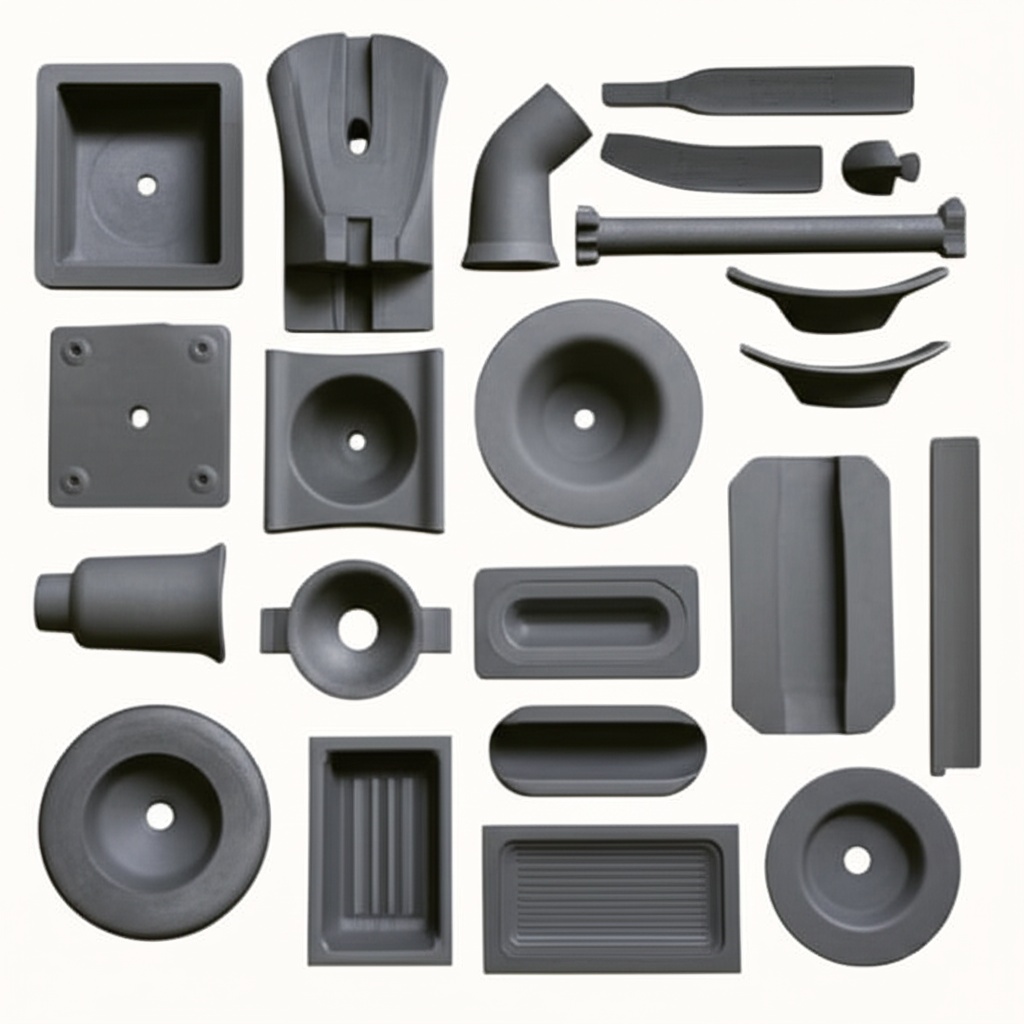
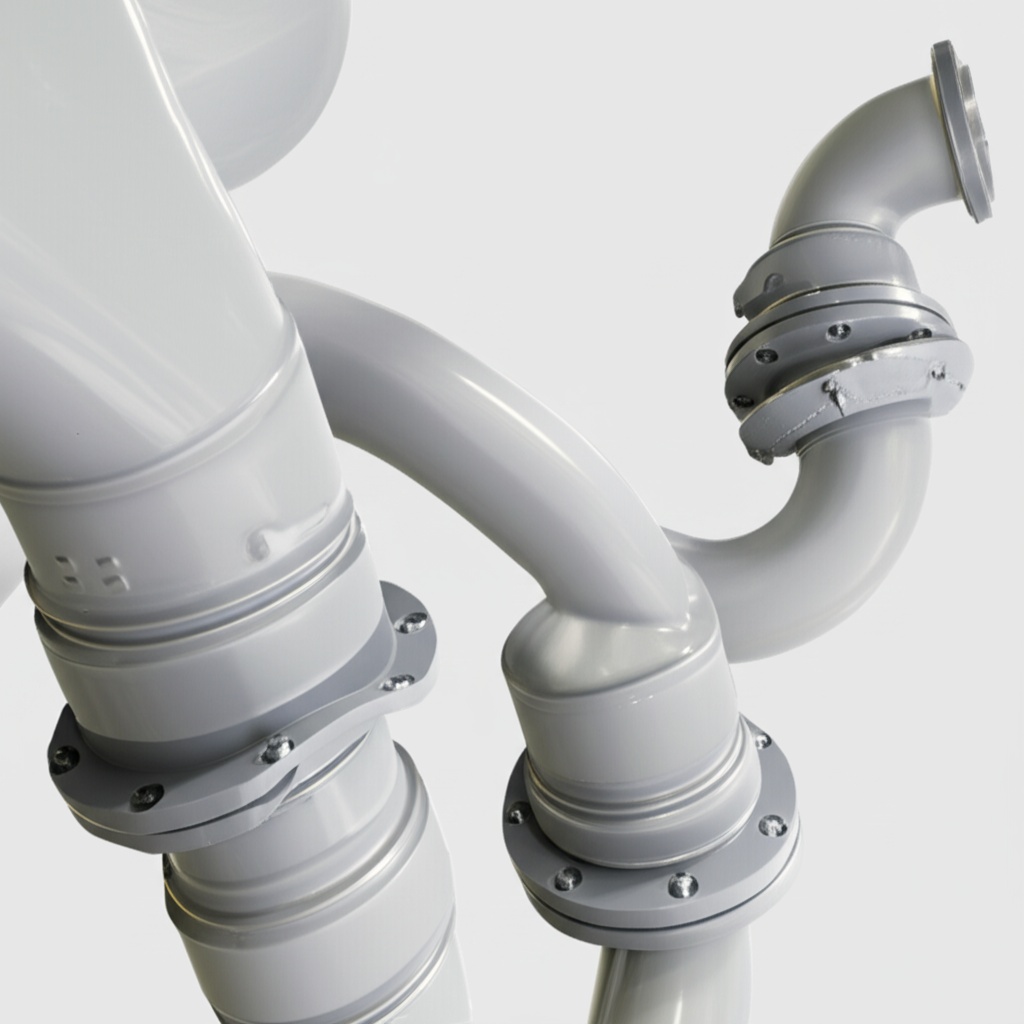
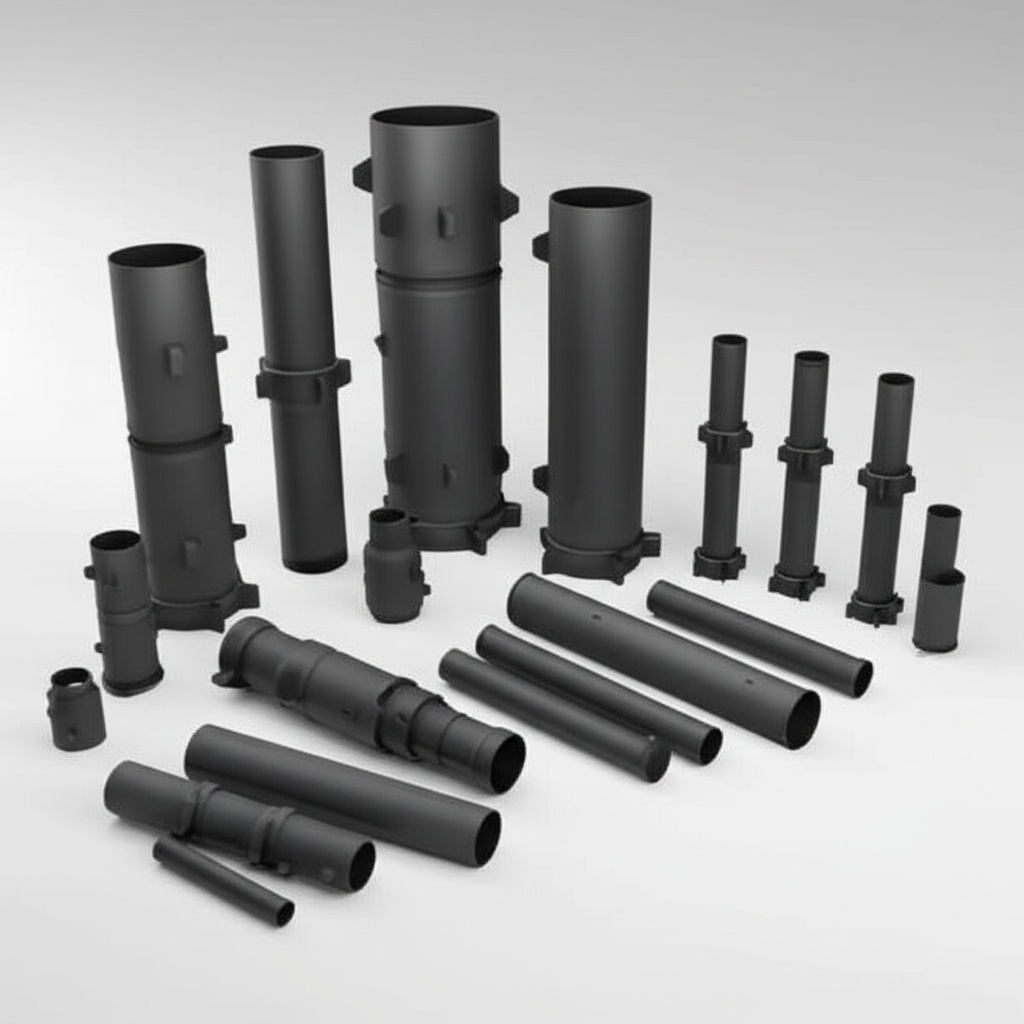
Custom SiC from Pakistan to Meet Your Specs
Share
Custom SiC from Pakistan to Meet Your Specs
In the demanding world of advanced engineering, standard materials often fall short. Industries pushing the boundaries of performance in extreme conditions require solutions that are precisely tailored to their unique needs. This is where custom silicon carbide (SiC) products emerge as indispensable. Known for its exceptional thermal, mechanical, and chemical properties, SiC offers a superior alternative to traditional materials in critical applications. This blog post explores the unparalleled advantages of custom SiC, its diverse industrial applications, and how to source high-quality, specialized components to meet your exact specifications.
Whether you’re an engineer designing next-generation semiconductor manufacturing equipment, a procurement manager seeking durable components for high-temperature processing, or a technical buyer in aerospace, power electronics, or renewable energy, understanding the nuances of custom SiC is crucial for optimizing performance and extending operational lifespans. We will delve into design considerations, achievable tolerances, and the critical factors in choosing a reliable supplier for your custom technical ceramic needs.
Meet Sicarb Tech: Your Trusted Partner in SiC Solutions
Before we dive deeper into the technical aspects of custom SiC, it’s essential to highlight a significant player in the global silicon carbide landscape. While this article focuses on the broad applications of custom SiC, it’s important to recognize that the global supply chain for these advanced materials is robust and diverse. As you are aware, the hub of China’s silicon carbide customizable parts manufacturing is situated in Weifang City. This region has been home to over 40 silicon carbide production enterprises of various sizes, collectively accounting for more than 80% of the nation’s total silicon carbide output.
We, Sicarb Tech, have been introducing and implementing silicon carbide production technology since 2015, assisting the local enterprises in achieving large-scale production and technological advancements in product processes. We have been a witness to the emergence and ongoing development of the local silicon carbide industry.
Based on the platform of the national technology transfer center of the Chinese Academy of Sciences, Sicarb Tech is part of Chinese Academy of Sciences (Weifang) Innovation Park, an entrepreneurial park that collaborates closely with the National Technology Transfer Center of the Chinese Academy of Sciences. It serves as a national-level innovation and entrepreneurship service platform, integrating innovation, entrepreneurship, technology transfer, venture capital, incubation, acceleration, and scientific and technological services.
Sicarb Tech capitalizes on the robust scientific, technological capabilities and talent pool of the Chinese Academy of Sciences . Backed by the Chinese Academy of Sciences National Technology Transfer Center, it serves as a bridge, facilitating the integration and collaboration of crucial elements in the transfer and commercialization of scientific and technological achievements. This commitment to scientific rigor and innovation ensures more reliable quality and supply assurance within China. At Sicarb Tech, we possess a domestic top-tier professional team specializing in customized production of silicon carbide products. Under our support, 432+ local enterprises have benefited from our technologies. We possess a wide array of technologies, such as material, process, design, measurement & evaluation technologies, along with the integrated process from materials to products. This enables us to meet diverse customization needs and offer you higher-quality, cost-competitive customized silicon carbide components in China. You can explore our diverse range of silicon carbide solutions and successful case studies.
We are also committed to assisting you in establishing a specialized factory. If you need to build a professional silicon carbide products manufacturing plant in your country, Sicarb Tech can provide you with the technology transfer for professional silicon carbide production, along with a full-range of services (turnkey project) including factory design, procurement of specialized equipment, installation and commissioning, and trial production. This enables you to own a professional silicon carbide products manufacturing plant while ensuring a more effective investment, reliable technology transformation, and guaranteed input-output ratio. For detailed support and customization inquiries, please visit our customizing support page.
Main Applications of Custom SiC Across Industries
Custom silicon carbide is a versatile material, finding critical applications across a spectrum of demanding industries. Its unique combination of properties makes it ideal for environments where extreme temperatures, abrasive wear, or chemical corrosion are prevalent.
- Semiconductor Manufacturing: SiC components are vital for wafer processing equipment, plasma etch chambers, and susceptors due to their high purity, thermal stability, and excellent resistance to plasma erosion.
- Automotive Industry: With the rise of electric vehicles (EVs), SiC is increasingly used in power electronics for inverters, converters, and on-board chargers, enabling higher efficiency and more compact designs.
- Aerospace & Defense: Its light weight, high stiffness, and thermal shock resistance make SiC suitable for aircraft braking systems, missile nose cones, mirrors, and heat exchangers in extreme conditions.
- Power Electronics: Beyond automotive, SiC power devices are revolutionizing grid infrastructure, industrial motor drives, and renewable energy systems, offering superior performance compared to silicon.
- Renewable Energy: Used in solar inverters, wind turbine components, and high-temperature thermal energy storage systems, SiC enhances efficiency and durability.
- Metallurgy & High-Temperature Processing: SiC refractories, kiln furniture, and furnace components withstand extreme heat and corrosive molten metals, crucial for industrial furnaces and heat treatment processes.
- Chemical Processing: Its exceptional chemical inertness makes SiC ideal for pump seals, valve components, and heat exchangers in aggressive chemical environments.
- Industrial Machinery: SiC is employed in wear parts, bearings, and nozzles where abrasion resistance and dimensional stability are paramount.
- Medical Devices: Biocompatible SiC finds niche applications in surgical instruments and prosthetics requiring high wear resistance.
- Nuclear Energy: Used in fuel cladding and structural components, SiC’s radiation resistance and high-temperature strength are critical for advanced reactor designs.
- LED Manufacturing: SiC substrates are increasingly used for gallium nitride (GaN) epitaxial growth, leading to higher efficiency LEDs.
- Telecommunications: SiC-based components are found in high-frequency, high-power RF applications.
- Oil and Gas: SiC is used in downhole tools and sealing applications due to its hardness and corrosion resistance.
- Rail Transportation: Components in braking systems and power conversion units benefit from SiC’s durability.
Advantages of Custom Silicon Carbide
The decision to opt for custom SiC components over standard materials is driven by a host of performance advantages:
- Exceptional Hardness & Wear Resistance: SiC is one of the hardest materials known, providing outstanding resistance to abrasion, erosion, and friction. This translates to extended component lifespan in abrasive environments.
- High Thermal Conductivity: Crucial for applications requiring efficient heat dissipation, SiC helps prevent thermal hotspots and improves system reliability.
- Excellent Thermal Shock Resistance: The ability to withstand rapid temperature changes without cracking makes SiC ideal for high-temperature furnace components and thermal cycling applications.
- Chemical Inertness: SiC exhibits remarkable resistance to attack from most acids, bases, and molten salts, making it suitable for aggressive chemical processing environments.
- High Strength-to-Weight Ratio: Its low density combined with high strength makes SiC attractive for weight-sensitive applications like aerospace and defense.
- Semiconductor Properties: SiC has a wide bandgap, high breakdown field, and high electron saturation velocity, making it a superior material for high-power, high-frequency, and high-temperature electronic devices.
- Dimensional Stability at High Temperatures: Unlike metals, SiC retains its shape and properties even at extreme temperatures, ensuring consistent performance.
- Corrosion Resistance: Resistant to oxidation and various corrosive media, contributing to longer service life in harsh conditions.
Recommended SiC Grades and Compositions
Custom SiC products are manufactured using various methods, each yielding distinct material properties suitable for specific applications. Understanding these grades is key to material selection for engineers and technical buyers.
| SiC Grade/Type | Description | Key Properties | Typical Applications |
|---|---|---|---|
| Reaction-Bonded Silicon Carbide (RBSC) | Produced by infiltrating porous SiC compacts with molten silicon. Free silicon fills pores, forming SiC bonds. | High strength, excellent wear resistance, good thermal conductivity, no shrinkage during sintering. | Kiln furniture, wear plates, mechanical seals, nozzles, large structural components. |
| Sintered Alpha Silicon Carbide (SSiC) | Pure SiC powder is compacted and sintered at high temperatures (2000-2200°C) without a binder phase. | Extremely high hardness, superior corrosion resistance, high purity, excellent thermal shock resistance. | Mechanical seals, bearings, pump components, semiconductor processing parts, ballistic armor. |
| Nitride-Bonded Silicon Carbide (NBSC) | Silicon carbide particles are bonded by silicon nitride, offering a balance of properties. | Good strength, thermal shock resistance, and oxidation resistance. Lower density than RBSC or SSiC. | Refractory bricks, kiln furniture, abrasion-resistant liners. |
| Chemical Vapor Deposition (CVD) SiC | SiC is deposited as a thin film or coating on a substrate. | Extremely high purity, near theoretical density, excellent surface finish, very high strength. | Semiconductor susceptors, optical components, mirror substrates, protective coatings. |
Design Considerations for SiC Products
Designing for custom SiC manufacturing requires a deep understanding of the material’s characteristics to ensure optimal performance and cost-effectiveness. Engineers must consider several factors during the design phase of advanced ceramic components.
- Geometry Limits: While SiC offers design flexibility, overly complex geometries, sharp internal corners, and very thin walls can be challenging and costly to produce.
- Wall Thickness Uniformity: Uneven wall thicknesses can lead to differential shrinkage during firing, causing warping or cracking. Aim for consistent wall sections where possible.
- Stress Concentration Points: Avoid sharp corners and abrupt changes in cross-section. Incorporate generous radii and fillets to distribute stress and minimize potential fracture points.
- Material Volume: Larger parts often require more specialized equipment and longer processing times, impacting cost and lead time.
- Tolerances: Specify only the necessary tolerances. Tighter tolerances often require more post-processing, increasing cost.
- Mounting & Joining: Plan for how the SiC component will be integrated into the larger assembly, considering methods like brazing, mechanical fasteners, or adhesive bonding.
Tolerance, Surface Finish & Dimensional Accuracy
Achieving the desired precision in SiC manufacturing is critical for proper fit and function in high-performance systems. The achievable tolerances and surface finishes depend heavily on the SiC grade and the post-processing methods employed.
- Tolerances:
- As-fired tolerances for SiC can be relatively broad, typically in the range of ±0.5% to ±1% of the dimension, with a minimum of ±0.1mm.
- For high-precision SiC parts, diamond grinding and lapping are used to achieve much tighter tolerances, often down to ±0.005mm or even finer for critical dimensions.
- Surface Finish:
- As-fired surfaces can be rough, with Ra values in the micrometers range.
- Precision grinding can achieve Ra values of 0.8 μm or better.
- Lapping and polishing can produce mirror-like finishes, with Ra values as low as 0.05 μm, essential for sealing surfaces or optical applications.
- Dimensional Accuracy: Consistency in dimensional accuracy across batches is a hallmark of an experienced SiC manufacturer. This consistency is vital for OEM integration and reliable performance.
Post-Processing Needs for SiC Components
While SiC offers remarkable inherent properties, post-processing of technical ceramics is often necessary to meet stringent application requirements for surface finish, dimensional accuracy, or specific functionalities.
- Grinding: Diamond grinding is the primary method for shaping SiC components to precise dimensions and improving surface finish.
- Lapping & Polishing: Essential for achieving extremely flat and smooth surfaces, crucial for mechanical seals, bearings, and optical components.
- Honing: Used for achieving precise internal diameters and surface finishes in bores.
- Laser Machining: Can be used for drilling small holes or creating intricate patterns in SiC, though careful consideration of heat effects is needed.
- Sealing: For porous SiC grades like RBSC, impregnation or sealing may be applied to enhance impermeability for certain applications.
- Coatings: In specific cases, functional coatings (e.g., thermal barrier coatings, wear-resistant coatings) might be applied to further enhance performance or provide specific surface properties.
Common Challenges and How to Overcome Them
Working with advanced ceramic materials like SiC presents unique challenges, which expert manufacturers are adept at mitigating.
- Brittleness: SiC is inherently brittle, making it susceptible to fracture under impact or tensile stress.
- Mitigation: Design for compressive loads where possible, avoid sharp corners, and ensure proper handling during manufacturing and assembly.
- Machining Complexity: Its extreme hardness makes SiC difficult and expensive to machine.
- Mitigation: Design parts that minimize the need for extensive post-sintering machining. Utilize net-shape or near-net-shape manufacturing processes.
- Thermal Shock Sensitivity: While SiC has good thermal shock resistance, extreme rapid temperature changes can still cause issues in certain grades.
- Mitigation: Careful material selection (e.g., SSiC generally has superior thermal shock resistance) and controlled heating/cooling rates in application.
- Cost: Custom SiC components can be more expensive than traditional materials.
- Mitigation: Focus on the total cost of ownership, considering extended lifespan, reduced downtime, and enhanced performance, which often justify the initial investment.
How to Choose the Right SiC Supplier
Selecting a reliable custom SiC manufacturer is paramount for the success of your project. Here are key factors for technical procurement professionals and engineers to consider:
- Technical Expertise & Experience: Look for a supplier with a proven track record in manufacturing SiC components for your specific industry and application. They should possess deep knowledge of SiC material science and processing.
- Material Options: Ensure the supplier offers the specific SiC grades (RBSC, SSiC, NBSC, CVD) that best suit your performance requirements.
- Manufacturing Capabilities: Verify their ability to handle complex geometries, achieve tight tolerances, and perform necessary post-processing (grinding, lapping).
- Quality Control & Certifications: Inquire about their quality management systems (e.g., ISO 9001) and specific certifications relevant to your industry (e.g., aerospace, medical).
- R&D Capabilities: A supplier actively engaged in R&D indicates a commitment to innovation and problem-solving, which can be invaluable for highly specialized custom components.
- Customer Support & Collaboration: A responsive and collaborative partner who can provide design-for-manufacturability insights is crucial.
- Supply Chain Stability: Especially for critical components, assess their production capacity and ability to ensure consistent supply.
Sicarb Tech, with its deep ties to the Chinese Academy of Sciences and its long-standing involvement in the SiC industry hub, stands as a strong example of a highly capable and trustworthy supplier. Their extensive experience in assisting numerous enterprises with SiC production technology speaks volumes about their expertise and reliability. You can learn more about their capabilities and commitment to quality by visiting their main website.
Cost Drivers and Lead Time Considerations for Custom SiC
Understanding the factors that influence the cost and lead time of custom silicon carbide components is vital for effective project planning and budgeting.
Cost Drivers:
- Material Grade: SSiC and CVD SiC, due to their purity and complex processing, are generally more expensive than RBSC or NBSC.
- Component Complexity: Intricate geometries, thin walls, and designs requiring extensive machining will increase manufacturing costs.
- Tolerances & Surface Finish: Tighter tolerances and finer surface finishes necessitate more extensive and precise post-processing (diamond grinding, lapping), significantly increasing costs.
- Volume: Like most manufactured goods, higher production volumes typically lead to lower per-unit costs due to economies of scale.
- Tooling & NRE (Non-Recurring Engineering): For custom shapes, tooling costs can be a significant initial investment, especially for complex molds or fixtures.
- Testing & Certification: Specific performance testing or industry certifications can add to the overall cost.
Lead Time Considerations:
- Design Complexity: Highly complex designs require more engineering time for design validation and process development.
- Tooling Fabrication: If new tooling is required, this can add several weeks to the lead time.
- Material Availability: While SiC raw materials are generally available, specialized grades or very large quantities might have longer lead times.
- Manufacturing Process: The specific SiC manufacturing process (e.g., sintering cycles can be long) impacts overall production time.
- Post-Processing: Extensive grinding, lapping, or specialized coatings will extend lead times.
- Supplier Production Schedule: The supplier’s current workload and capacity will directly affect when your order can be fulfilled.
For specific cost estimations and lead times tailored to your project, it’s always best to engage directly with potential suppliers. You can easily reach out to Sicarb Tech for a consultation to discuss your requirements.
Frequently Asked Questions (FAQ) about Custom SiC
Q1: What is the primary advantage of custom SiC over standard metals in high-temperature applications?
A1: The primary advantage is SiC’s ability to maintain its mechanical properties (strength, hardness, stiffness) at extremely high temperatures (up to 1600°C or more) where most metals would soften, creep, or melt. Additionally, SiC offers superior oxidation and corrosion resistance in aggressive environments.
Q2: Can silicon carbide be brazed or joined to other materials?
A2: Yes, silicon carbide can be brazed to other ceramics or metals using specialized active brazing alloys. This allows for the creation of complex hybrid assemblies, though careful consideration of thermal expansion mismatch is required during design.
Q3: What industries benefit most from the wear resistance of SiC?
A3: Industries that experience significant abrasive or erosive wear, such as mining, oil and gas, industrial machinery (e.g., pump seals, nozzles, bearings), and chemical processing, benefit immensely from SiC’s superior wear resistance, leading to longer component life and reduced maintenance.
Q4: Is custom silicon carbide environmentally friendly?
A4: While the manufacturing process of SiC is energy-intensive, the exceptional durability and extended lifespan of SiC components contribute to environmental sustainability by reducing the need for frequent replacements, minimizing waste, and often enabling more energy-efficient processes in the systems they are part of (e.g., SiC power electronics for EVs).
Conclusion
Custom silicon carbide products represent a pinnacle in advanced material engineering, offering solutions that transcend the limitations of conventional materials. From the critical demands of semiconductor manufacturing equipment and high-efficiency power electronics to the extreme environments of aerospace components and industrial furnaces, SiC delivers unparalleled performance in terms of thermal stability, wear resistance, chemical inertness, and strength. The ability to tailor SiC components to precise specifications ensures optimal performance, extended lifespan, and ultimately, a significant competitive advantage for industries pushing the boundaries of innovation.
By carefully considering design principles, understanding the various SiC grades, and partnering with a technically capable and reliable custom ceramic supplier, engineers and procurement managers can unlock the full potential of this extraordinary material. Investing in custom SiC is not just a material choice; it’s an investment in the future of high-performance, durable, and efficient industrial operations. Partner with experts who understand the nuances of this material to transform your most challenging applications into success stories.

About the Author: Sicarb Tech
We provide clear and reliable insights into silicon carbide materials, component manufacturing, application technologies, and global market trends. Our content reflects industry expertise, practical experience, and a commitment to helping readers understand the evolving SiC landscape.

Customizable SiC
You May Also Interest
-
![]()
SiC Academic Research Insights for Industry Use
SiC Academic Research Insights for Industry Use In the relentless pursuit of performance and efficiency across demanding industrial sectors, silicon carbide (SiC) has emerged as a cornerstone material. Its exceptional properties—ranging from unparalleled hardness and wear resistance to superior thermal conductivity and chemical inertness—make it indispensable for high-stakes applications. This blog post delves into the…
-
![]()
Precision SiC Rings for Reliable Mechanical Seals
Precision SiC Rings for Reliable Mechanical Seals In the demanding world of industrial applications, the reliability of every component is paramount. Mechanical seals play a critical role in preventing leakage, containing pressure, and excluding contaminants in rotating equipment. At the heart of these seals, the choice of material for seal faces is crucial for performance…
-
![]()
Key SiC Exporters in Asia for International Trade
Key SiC Exporters in Asia for International Trade In the rapidly evolving landscape of advanced materials, silicon carbide (SiC) stands out as a material of unparalleled performance. Its exceptional properties make it indispensable across a spectrum of demanding industrial applications. For businesses seeking reliable and high-quality silicon carbide products, understanding the key players and regions…