SiC for a Greener Energy Future & Sustainability
Share
SiC for a Greener Energy Future & Sustainability
In the relentless pursuit of a greener energy future and enhanced global sustainability, advanced materials play a pivotal role. Among these, silicon carbide (SiC) stands out as a transformative material, offering unparalleled performance in the most demanding environments. Its unique properties are not only driving innovation but also enabling significant advancements across a myriad of industries critical to a sustainable future. This blog post delves into the profound impact of custom silicon carbide products and equipment, specifically focusing on their indispensable role in shaping a more energy-efficient and sustainable world.
The Power of Custom Silicon Carbide in Green Energy
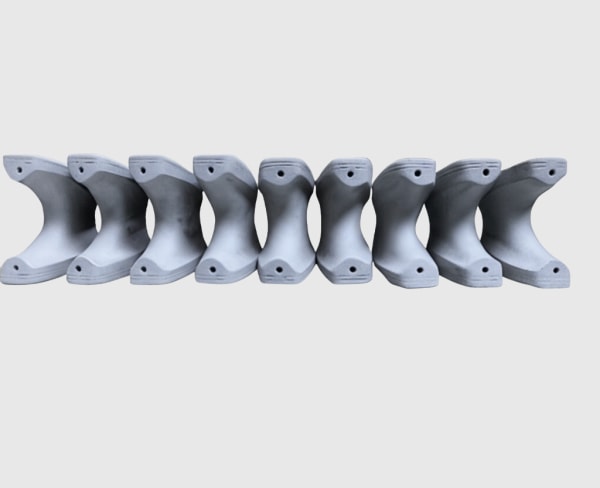
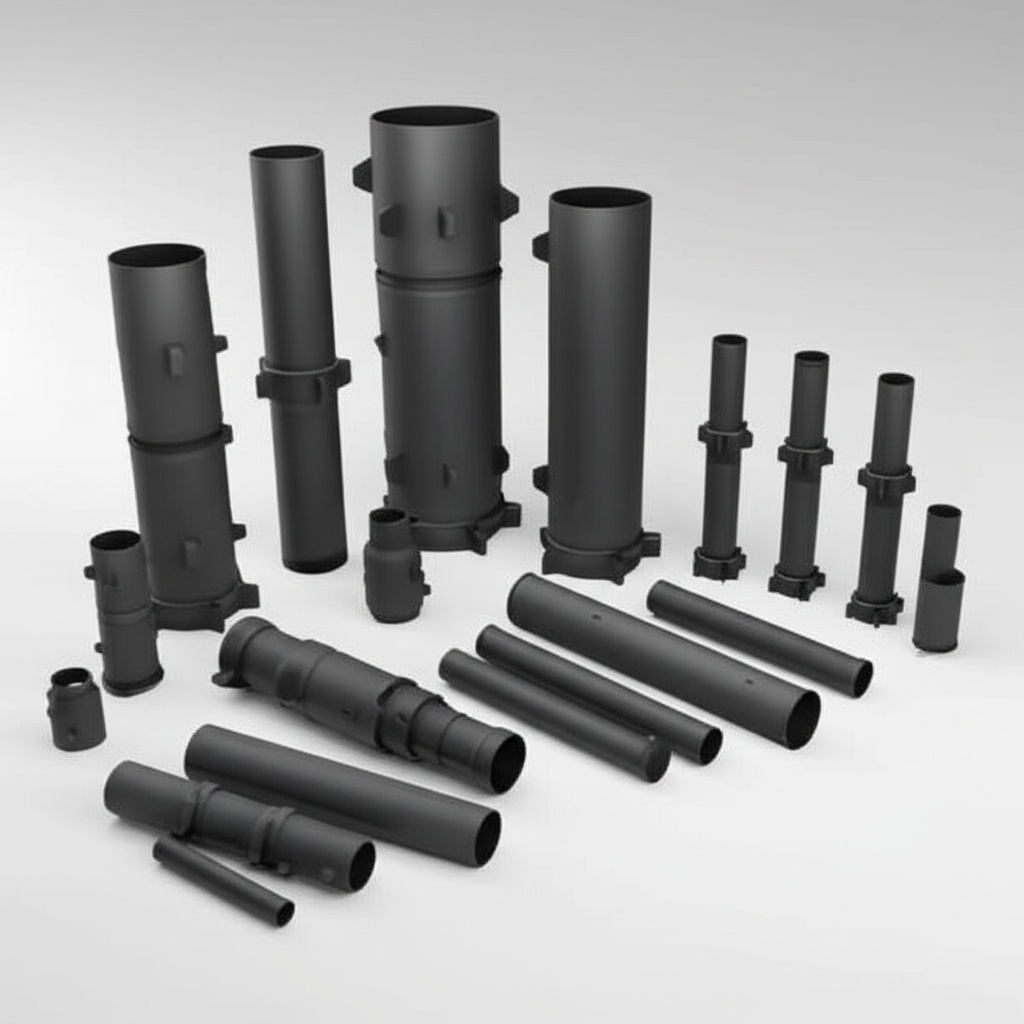
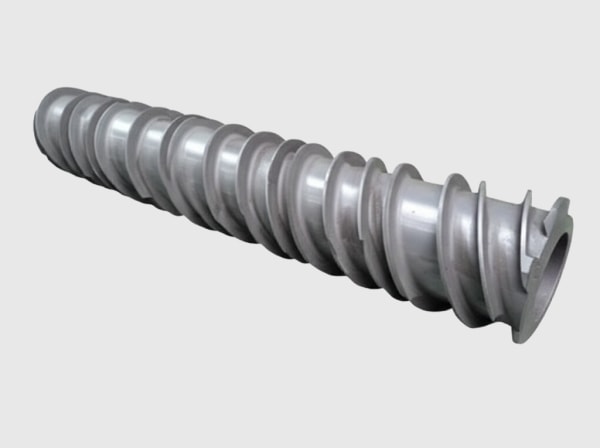
Custom silicon carbide products are engineered to meet precise specifications, providing tailored solutions for intricate industrial challenges. Unlike off-the-shelf components, custom SiC parts leverage the material’s inherent strengths—exceptional hardness, superior thermal conductivity, chemical inertness, and high-temperature stability—to deliver optimal performance. This customization is crucial for maximizing efficiency and reliability in critical applications, ranging from high-voltage power electronics to advanced renewable energy systems. The ability to design and manufacture SiC components with specific geometries, tolerances, and surface finishes ensures seamless integration and peak performance within complex systems, directly contributing to the advancement of green technologies and sustainable practices.
Main Applications of SiC for Sustainability
Silicon carbide’s remarkable properties make it indispensable across a broad spectrum of industries that are at the forefront of the green energy revolution and sustainability initiatives. Here’s how custom SiC is making a difference:
- Semiconductor Manufacturing: SiC substrates are enabling the next generation of power devices, which are significantly more efficient than traditional silicon-based alternatives. This translates to reduced energy loss in everything from electric vehicles to power grids, driving down carbon emissions.
- Automotive Companies: In electric vehicles (EVs) and hybrid electric vehicles (HEVs), SiC power modules enhance efficiency, extend battery range, and reduce the size and weight of critical components like inverters and chargers, accelerating the shift towards sustainable transportation.
- Aerospace Companies: SiC’s lightweight and high-temperature capabilities are vital for advanced aerospace components, leading to more fuel-efficient aircraft engines and lighter spacecraft, reducing fuel consumption and emissions.
- Power Electronics Manufacturers: SiC devices are at the heart of high-efficiency power converters, inverters, and charging systems, critical for modern power grids, industrial motor drives, and consumer electronics, leading to substantial energy savings.
- Renewable Energy Companies: From solar inverters to wind turbine converters, SiC power electronics optimize energy conversion and minimize losses, maximizing the output and efficiency of renewable energy sources.
- Metallurgical Companies: SiC is used in high-temperature furnaces and kilns, improving energy efficiency and extending the lifespan of equipment in demanding metallurgical processes, reducing overall energy consumption and waste.
- Defense Contractors: SiC’s robust properties are leveraged in lightweight, high-performance defense systems, contributing to more efficient and sustainable operations.
- Chemical Processing Companies: Its exceptional chemical inertness makes SiC ideal for components exposed to aggressive chemicals and high temperatures, improving process efficiency and reducing environmental impact.
- LED Manufacturers: SiC substrates are crucial for high-brightness LEDs, contributing to energy-efficient lighting solutions that have a significantly longer lifespan and lower energy consumption compared to traditional lighting.
- Industrial Equipment Manufacturers: SiC components enhance the durability and efficiency of industrial machinery, reducing maintenance needs and energy consumption in various manufacturing processes.
- Telecommunications Companies: SiC-based power amplifiers and other components enable more efficient and compact telecommunication infrastructure, reducing energy consumption in data centers and communication networks.
- Oil and Gas Companies: In harsh drilling and processing environments, SiC components offer superior wear and corrosion resistance, improving operational efficiency and reducing downtime.
- Medical Device Manufacturers: Biocompatible and wear-resistant SiC is finding applications in medical devices where precision and reliability are paramount.
- Rail Transportation Companies: SiC power electronics are being integrated into electric locomotives and high-speed rail systems, improving energy efficiency and reliability.
- Nuclear Energy Companies: SiC’s radiation resistance and high-temperature stability make it a material of interest for next-generation nuclear reactors, contributing to safer and more efficient nuclear power generation.
Advantages of Custom Silicon Carbide for a Green Future
Choosing custom silicon carbide for your industrial applications offers a multitude of benefits that directly contribute to sustainability and operational efficiency:
- Exceptional Thermal Resistance: SiC maintains its mechanical and electrical properties at extremely high temperatures, enabling operation in harsh environments where other materials fail. This allows for more compact and efficient designs, reducing material usage and energy consumption.
- Superior Wear Resistance: Its extreme hardness makes SiC highly resistant to abrasion and erosion, extending the lifespan of components and reducing the need for frequent replacements, thus minimizing waste.
- Outstanding Chemical Inertness: SiC is virtually impervious to chemical attack, making it ideal for corrosive environments, which improves process efficiency and reduces hazardous waste generation.
- High Thermal Conductivity: Efficient heat dissipation is crucial for power electronics and high-temperature applications. SiC’s excellent thermal conductivity helps manage heat effectively, enhancing device reliability and preventing energy loss.
- High Breakdown Field: This property is critical for high-voltage power devices, allowing for smaller, more efficient, and more reliable components that reduce energy consumption.
- Reduced System Size and Weight: The superior properties of SiC often allow for the design of more compact and lighter systems, leading to energy savings in transportation and operational costs.
- Increased Efficiency: Across all applications, SiC contributes to higher energy efficiency, leading to significant reductions in power consumption and carbon footprint.
Recommended SiC Grades and Compositions
The performance characteristics of silicon carbide can be tailored through various manufacturing processes, leading to different grades and compositions, each suited for specific applications:
| SiC Grade/Type | Key Properties | Typical Applications for Green Energy |
|---|---|---|
| Reaction-Bonded SiC (RBSC) | High strength, excellent wear resistance, good thermal shock resistance, economical. | Pump components, mechanical seals, heat exchangers, kiln furniture, blast nozzles for energy efficiency. |
| Sintered Alpha SiC (SSiC) | Extremely high purity, superior mechanical strength, excellent corrosion resistance, high thermal conductivity. | Semiconductor processing equipment, high-performance seals, bearings, power electronics substrates. |
| Nitride-Bonded SiC (NBSC) | Good thermal shock resistance, moderate strength, porous structure for filtration. | Refractory linings, filters for hot gases, furnace components. |
| Chemical Vapor Deposition (CVD) SiC | Ultra-high purity, near theoretical density, smooth surface finish, excellent mechanical properties. | Mirrors, optical components, semiconductor wafer carriers, extreme environment applications. |
Design Considerations for SiC Products
Designing with silicon carbide requires a thorough understanding of its unique material properties. Engineers must consider factors such as:
- Geometry Limits: SiC is hard and brittle, making complex geometries challenging to machine. Designs should favor simpler shapes and avoid sharp corners or thin sections that can lead to stress concentrations.
- Wall Thickness: Uniform wall thickness is preferred to prevent differential stresses during processing and operation.
- Stress Points: Minimize stress concentrations by incorporating generous radii and chamfers, especially in areas subjected to thermal or mechanical loading.
- Joining Methods: Consider appropriate joining techniques such as brazing, diffusion bonding, or mechanical fastening, keeping in mind SiC’s coefficient of thermal expansion.
- Machinability: While incredibly hard, SiC can be machined using diamond grinding techniques. Design with this in mind to optimize manufacturing costs and lead times.
Tolerances, Surface Finish & Dimensional Accuracy
Achieving tight tolerances and specific surface finishes with silicon carbide is possible but requires specialized equipment and expertise:
- Achievable Tolerances: Precision grinding techniques can achieve very tight dimensional tolerances, often in the micron range, crucial for high-performance applications like semiconductor equipment and seals.
- Surface Finish Options: Surface finishes can range from as-fired (rougher) to highly polished (mirror-like) depending on the application’s requirements for wear, friction, or sealing.
- Dimensional Accuracy: High-precision machining and advanced metrology ensure exceptional dimensional accuracy, critical for complex assemblies and demanding operational conditions.
Post-Processing Needs for Enhanced Performance
While SiC offers inherent advantages, certain post-processing steps can further enhance its performance and durability:
- Grinding: Precision grinding is essential for achieving tight dimensional tolerances and specific surface finishes.
- Lapping & Polishing: For applications requiring extremely smooth surfaces, such as mechanical seals or optical components, lapping and polishing are performed.
- Sealing: In porous SiC grades, sealing may be required to prevent fluid ingress or enhance gas tightness.
- Coating: Specific coatings (e.g., anti-corrosion, wear-resistant, or conductive) can be applied to further customize surface properties for specialized applications.
Common Challenges and How to Overcome Them
Despite its superior properties, working with silicon carbide presents unique challenges:
- Brittleness: SiC is inherently brittle, making it susceptible to chipping or cracking under impact or excessive tensile stress. This can be mitigated through careful design (e.g., avoiding sharp corners, adequate support) and proper handling.
- Machining Complexity: Its extreme hardness makes machining SiC very difficult and costly. Specialized diamond grinding and other advanced machining techniques are required. Collaboration with experienced custom silicon carbide product manufacturers is crucial.
- Thermal Shock: While SiC has good thermal shock resistance, rapid and extreme temperature changes can still induce stress. Careful thermal management and component design are necessary to mitigate this risk.
- High Material Cost: SiC materials can be more expensive than traditional materials. However, its extended lifespan, reduced downtime, and improved efficiency often lead to a lower total cost of ownership.
Choosing the Right SiC Supplier
Selecting a reliable supplier for custom silicon carbide products is paramount to project success. Look for a partner with:
- Technical Capabilities: Expertise in various SiC grades, advanced manufacturing processes (sintering, reaction bonding, CVD), and precision machining.
- Material Options: A wide range of SiC compositions to match your specific application requirements.
- Certifications: Adherence to quality management systems (e.g., ISO 9001) and relevant industry standards.
- Experience: A proven track record in supplying custom SiC components to your industry.
- Collaborative Approach: A willingness to work closely with your engineering team from design to delivery.
When considering a supplier, it’s worth noting the global hub for silicon carbide customizable parts. Here is the hub of China’s silicon carbide customizable parts factories. As you are aware, the hub of China’s silicon carbide customizable parts manufacturing is situated in Weifang City of China. Now the region has been home to over 40 silicon carbide production enterprises of various sizes, collectively accounting for more than 80% of the nation’s total silicon carbide output.
We, Sicarb Tech, have been introducing and implementing silicon carbide production technology since 2015, assisting the local enterprises in achieving large-scale production and technological advancements in product processes. We have been a witness to the emergence and ongoing development of the local silicon carbide industry.
Based on the platform of the national technology transfer center of the Chinese Academy of Sciences, Sicarb Tech belongs to Chinese Academy of Sciences (Weifang) Innovation Park, an entrepreneurial park that collaborates closely with the National Technology Transfer Center of the Chinese Academy of Sciences. It serves as a national-level innovation and entrepreneurship service platform, integrating innovation, entrepreneurship, technology transfer, venture capital, incubation, acceleration, and scientific and technological services.
Sicarb Tech capitalizes on the robust scientific, technological capabilities and talent pool of the Chinese Academy of Sciences . Backed by the Chinese Academy of Sciences National Technology Transfer Center, it serves as a bridge, facilitating the integration and collaboration of crucial elements in the transfer and commercialization of scientific and technological achievements. Moreover, it has established a comprehensive service ecosystem that spans the entire spectrum of the technology transfer and transformation process. This commitment ensures more reliable quality and supply assurance within China.
Sicarb Tech possesses a domestic top-tier professional team specializing in customized production of silicon carbide products. Under our support, 399+ local enterprises have benefited from our technologies. We possess a wide array of technologies, such as material, process, design, measurement & evaluation technologies, along with the integrated process from materials to products. This enables us to meet diverse customization needs. We can offer you higher-quality, cost-competitive customized silicon carbide components in China.
We are also committed to assisting you in establishing a specialized factory. If you need to build a professional silicon carbide products manufacturing plant in your country, Sicarb Tech can provide you with the technology transfer for professional silicon carbide production, along with a full-range of services (turnkey project) including factory design, procurement of specialized equipment, installation and commissioning, and trial production. This enables you to own a professional silicon carbide products manufacturing plant while ensuring a more effective investment, reliable technology transformation, and guaranteed input-output ratio.
Cost Drivers and Lead Time Considerations
The cost and lead time for custom silicon carbide products are influenced by several factors:
- Material Grade: Higher purity or specialized SiC grades (e.g., CVD SiC) typically have higher material costs.
- Component Complexity: Intricate geometries, tight tolerances, and fine surface finishes require more extensive machining and can increase cost and lead time.
- Volume: Larger production volumes can often lead to economies of scale and reduced per-unit costs.
- Post-Processing Requirements: Additional steps like lapping, polishing, or coating will add to both cost and lead time.
- Supplier Capabilities: Highly experienced suppliers with advanced equipment can often offer more competitive pricing and faster turnaround times.
Frequently Asked Questions (FAQ)
- Q: What industries benefit most from custom silicon carbide products?
- A: Industries heavily reliant on high-temperature, wear-resistant, or chemically inert components, such as semiconductors, automotive (EVs), aerospace, power electronics, renewable energy, and chemical processing, derive significant advantages from custom SiC.
- Q: Can SiC be used in corrosive environments?
- A: Absolutely. Silicon carbide is renowned for its exceptional chemical inertness and resistance to most acids, alkalis, and aggressive chemicals, making it ideal for such applications.
- Q: Is custom SiC more expensive than traditional materials?
- A: While the initial material cost of SiC can be higher, its superior performance, extended lifespan, reduced maintenance, and improved efficiency often result in a lower total cost of ownership over the product’s lifecycle, especially in demanding applications.
- Q: How does SiC contribute to sustainability?
- A: SiC enhances sustainability by enabling more energy-efficient power electronics, reducing weight in transportation, extending component lifespan (minimizing waste), and facilitating advanced processes in renewable energy and chemical manufacturing, ultimately lowering carbon footprints and resource consumption.
- Q: How can I request a quote for custom SiC parts?
- A: You can initiate a quote by contacting experienced custom SiC manufacturers like Sicarb Tech directly through their website’s contact page. Be prepared to provide detailed specifications, including dimensions, tolerances, material requirements, and application details.
Conclusion: Powering a Sustainable Future with SiC
The journey towards a greener, more sustainable energy future is intrinsically linked to advancements in materials science. Custom silicon carbide products are at the forefront of this evolution, offering an unparalleled combination of properties that enable groundbreaking innovation across critical industries. From revolutionizing power electronics in electric vehicles to enhancing the efficiency of renewable energy systems, SiC is not just a material; it’s a strategic investment in performance, reliability, and sustainability.
By partnering with expert manufacturers like Sicarb Tech, businesses can leverage the full potential of custom SiC, unlocking new levels of efficiency and driving progress towards a cleaner, more sustainable world. Embrace the power of silicon carbide to build a brighter, greener future for your operations and beyond.

About the Author: Sicarb Tech
We provide clear and reliable insights into silicon carbide materials, component manufacturing, application technologies, and global market trends. Our content reflects industry expertise, practical experience, and a commitment to helping readers understand the evolving SiC landscape.

Customizable SiC
You May Also Interest
-
![]()
Silicon Carbide for Wear Parts: The Ultimate Solution for Extreme Industrial Environments
In the relentless pursuit of operational efficiency and longevity, industries worldwide are increasingly turning to advanced materials that can withstand extreme conditions. Among these, custom silicon carbide (SiC) wear parts have emerged as a cornerstone for applications where abrasion, erosion, corrosion, and high temperatures conspire to shorten component life and inflate maintenance costs. For engineers,…
-
![]()
The Bright Future of SiC in Various Industries
The Bright Future of SiC in Various Industries Silicon Carbide (SiC) has long been recognized as a material of exceptional properties, crucial for demanding industrial environments. As industries evolve and push the boundaries of performance, the demand for custom silicon carbide products is set to skyrocket. Its unique combination of extreme hardness, superior thermal conductivity,…
-
![]()
Unyielding Under Fire: The Power of Custom Silicon Carbide for High-Temperature Components
In the demanding realm of industrial applications where extreme temperatures are the norm, material selection is paramount. Components must not only withstand intense heat but also maintain their structural integrity, performance, and lifespan. Among the advanced technical ceramics, custom silicon carbide (SiC) emerges as a frontrunner, offering an exceptional combination of properties that make it…