Invest in SiC R&D for Future-Proofing Your Biz
Share
Invest in SiC R&D for Future-Proofing Your Biz
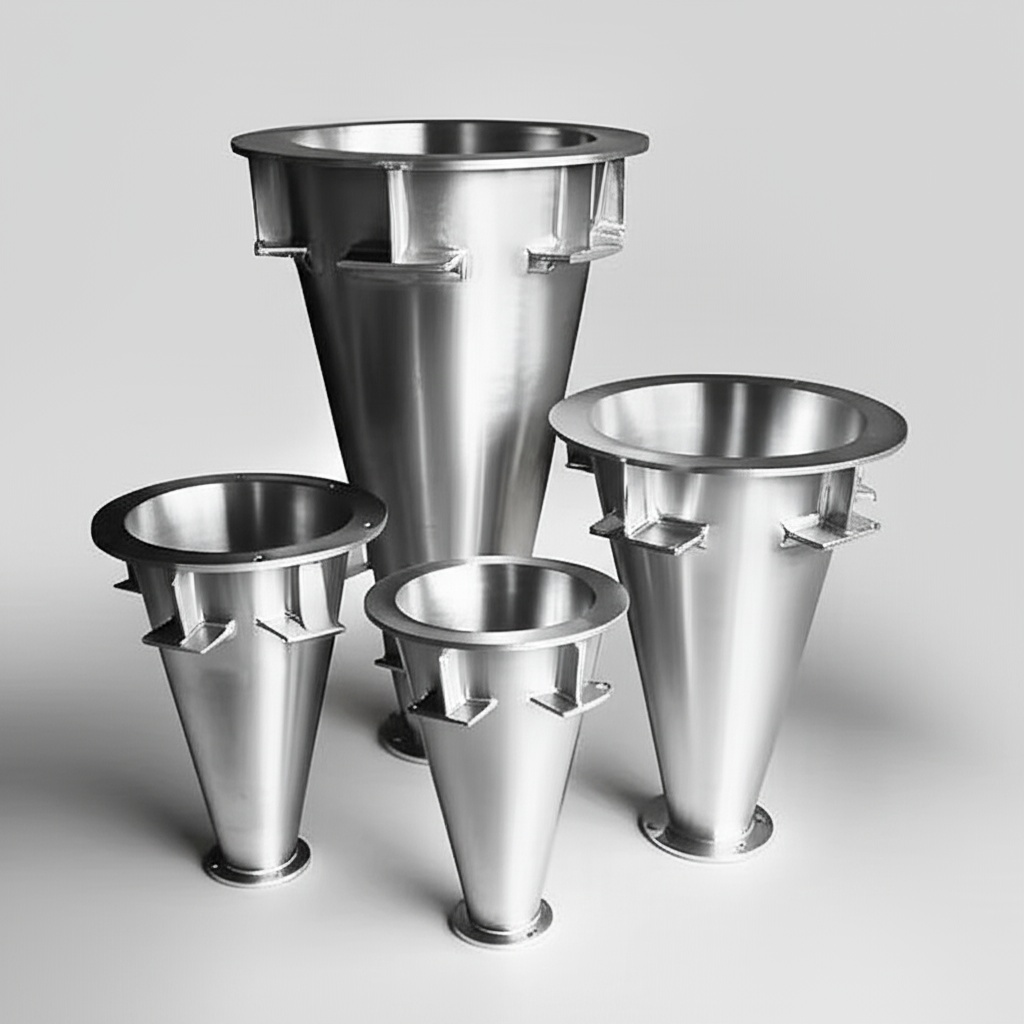
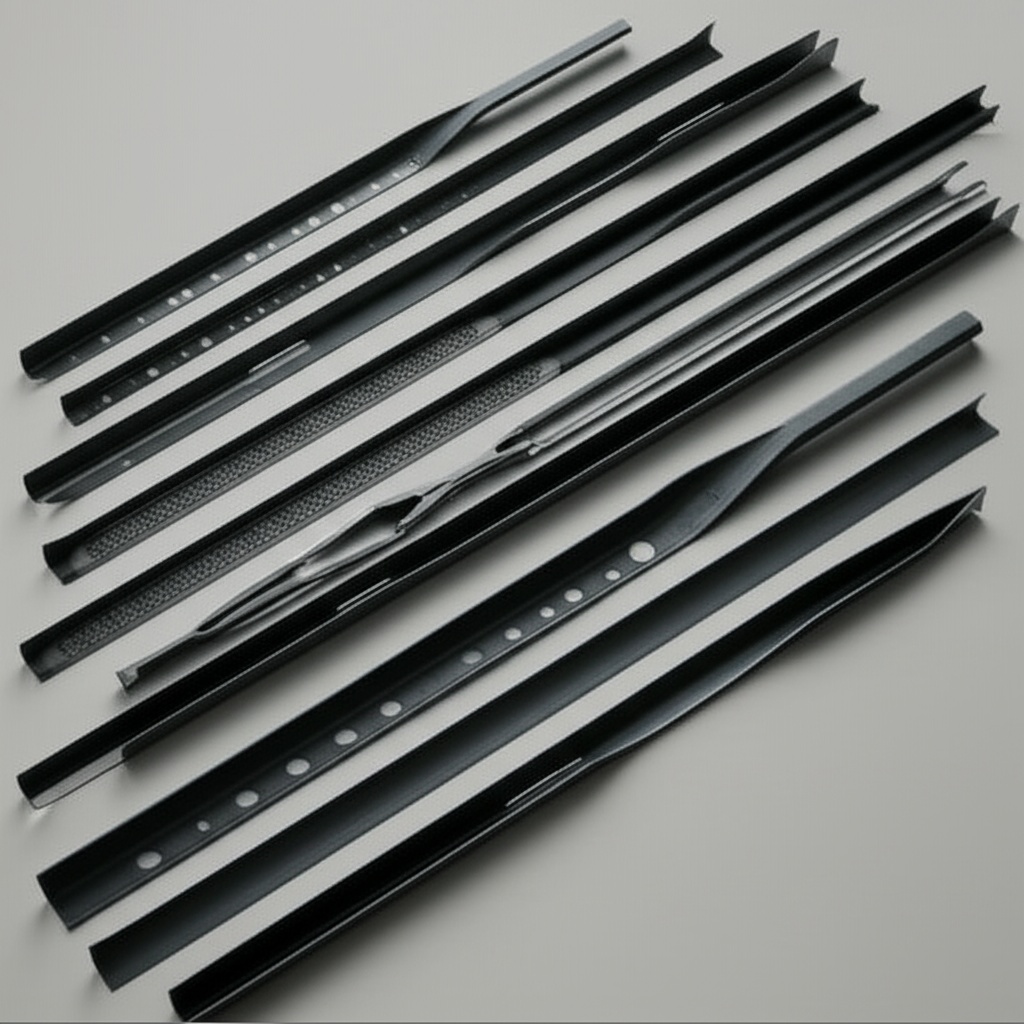
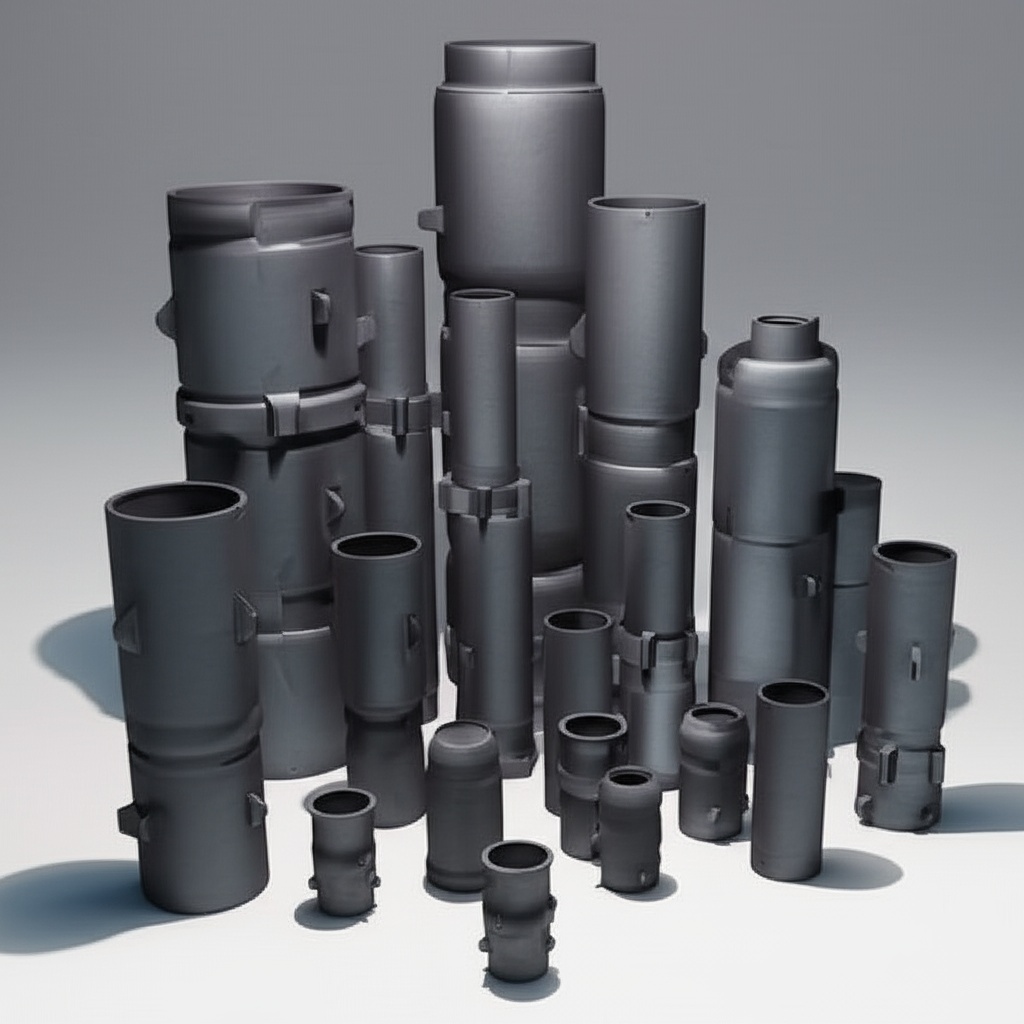
In today’s rapidly evolving industrial landscape, staying ahead means embracing materials that offer unparalleled performance and longevity. For engineers, procurement managers, and technical buyers across critical sectors like semiconductors, aerospace, power electronics, and industrial manufacturing, custom silicon carbide (SiC) products represent a pivotal investment in future-proofing operations. This advanced ceramic material, renowned for its exceptional properties, is not just a component; it’s a strategic asset.
At the heart of China’s silicon carbide customizable parts manufacturing, specifically in Weifang City, lies a hub of innovation and production. This region boasts over 40 silicon carbide production enterprises, collectively contributing to more than 80% of the nation’s total SiC output. This concentration of expertise signifies a robust and reliable supply chain for global industries.
We, Sicarb Tech, have been at the forefront of this industrial revolution since 2015, introducing and implementing cutting-edge silicon carbide production technology. Our mission has been to assist local enterprises in achieving large-scale production and significant technological advancements in product processes, witnessing firsthand the remarkable emergence and ongoing development of the local silicon carbide industry. For those seeking reliable, high-quality, and cost-competitive customized silicon carbide components, this concentration of expertise and our deep involvement provide a distinct advantage. Discover more about our customizing support and how we can meet your diverse customization needs.
Main Applications of Custom SiC Across Industries
Custom silicon carbide is a game-changer across a diverse array of industries due to its unique combination of properties. Its high thermal conductivity, exceptional hardness, chemical inertness, and resistance to thermal shock make it indispensable for demanding applications.
- Semiconductor Manufacturing: SiC components are crucial for wafer processing equipment, including susceptors, dummy wafers, and process chamber components, where high purity, thermal stability, and wear resistance are paramount.
- Automotive & Power Electronics: With the rise of electric vehicles (EVs) and high-power applications, SiC is replacing traditional silicon in inverters, converters, and on-board chargers, enabling higher efficiency, smaller footprints, and improved thermal management.
- Aerospace & Defense: Used in lightweight, high-temperature structural components, rocket nozzles, and heat exchangers due to its excellent strength-to-weight ratio and ability to withstand extreme conditions.
- Renewable Energy: Essential for power conversion in solar inverters and wind turbine systems, enhancing efficiency and reliability.
- Metallurgy & Industrial Machinery: Ideal for furnace components, nozzles, seals, bearings, and grinding media where extreme temperatures, abrasive wear, and corrosive environments are common.
- Chemical Processing: Its outstanding chemical inertness makes SiC perfect for heat exchangers, pump components, and valves in harsh chemical environments.
- LED Manufacturing: Utilized in epitaxy equipment for growing LED wafers, ensuring high-purity processing and thermal uniformity.
- Medical Devices: Applied in certain high-precision instruments and prosthetics requiring biocompatibility and extreme durability.
- Telecommunications & Oil & Gas: Employed in high-frequency and high-power electronic components, as well as wear parts for drilling and pumping equipment in challenging conditions.
- Nuclear Energy: Investigated for use in next-generation nuclear reactors due to its radiation resistance and high-temperature stability.
Why Choose Custom Silicon Carbide Products?
The decision to invest in custom silicon carbide components goes beyond material selection; it’s a strategic move towards superior performance, extended lifespan, and reduced operational costs. The benefits of customization are manifold:
- Exceptional Thermal Resistance: SiC maintains its structural integrity and mechanical properties at extremely high temperatures (up to 1650°C), making it ideal for high-temperature processing environments.
- Superior Wear Resistance: One of the hardest materials known, SiC offers outstanding resistance to abrasion and erosion, significantly extending the lifespan of critical components.
- Chemical Inertness: Highly resistant to attack from most acids, bases, and molten salts, ensuring reliability in corrosive chemical processing applications.
- High Strength and Stiffness: Possesses excellent mechanical strength and stiffness, allowing for the design of robust yet lightweight components.
- Excellent Thermal Conductivity: Effectively dissipates heat, which is critical in high-power electronic devices and high-temperature furnace applications.
- Low Thermal Expansion: Its low coefficient of thermal expansion contributes to excellent thermal shock resistance, preventing cracking and damage under rapid temperature changes.
- Tailored Solutions: Customization allows for components precisely engineered to meet specific geometric, dimensional, and performance requirements, optimizing system efficiency and reliability.
Recommended SiC Grades and Compositions
Silicon carbide is not a monolithic material; it exists in various grades and compositions, each offering distinct advantages for different applications. Understanding these variations is key to selecting the optimal material for your custom SiC product.
| SiC Grade/Type | Key Properties | Typical Applications |
|---|---|---|
| Reaction-Bonded SiC (RBSC) | High strength, excellent wear resistance, good thermal conductivity, minimal porosity, high density, relatively economical. | Furnace components, mechanical seals, pump components, wear plates, automotive brakes. |
| Sintered Alpha SiC (SSiC) | Extremely high hardness, superior wear resistance, excellent chemical resistance, high purity, high temperature stability. | Semiconductor equipment parts (susceptors, dummy wafers), ballistic armor, nozzles, bearings, cutting tools. |
| Nitride-Bonded SiC (NBSC) | Good thermal shock resistance, moderate strength, good oxidation resistance, lower cost than SSiC. | Kiln furniture, refractory elements, blast furnace linings, burner nozzles. |
| Chemical Vapor Deposition (CVD) SiC | Ultra-high purity, near theoretical density, isotropic properties, very smooth surface finish. | High-purity semiconductor components, optical mirrors, X-ray tubes. |
| Liquid Phase Sintered (LPS) SiC | Improved fracture toughness and mechanical properties, allowing for more complex shapes. | Structural components, impellers, critical wear parts. |
At Sicarb Tech, we pride ourselves on our deep material science expertise. Our team possesses a wide array of technologies, including material, process, design, measurement, and evaluation technologies, along with an integrated process from materials to products. This comprehensive capability allows us to meet diverse customization needs and deliver high-quality, cost-competitive silicon carbide components in China. Learn more about our extensive cases and successful projects.
Design Considerations for SiC Products
Designing with silicon carbide requires a specialized approach due to its unique material properties, particularly its hardness and brittleness. Proper design can significantly impact manufacturability, performance, and cost.
- Minimize Stress Concentrations: Avoid sharp corners, abrupt changes in cross-section, and thin walls that can create stress points, leading to potential cracking during manufacturing or use.
- Wall Thickness Uniformity: Strive for uniform wall thicknesses to ensure consistent shrinkage during sintering and to prevent warpage or internal stresses.
- Tolerances and Geometry Limits: Understand the achievable tolerances for SiC, which are typically less precise than metals. Design components with features that are manufacturable within these limits. Complex geometries may require more advanced machining or net-shape forming techniques.
- Thermal Expansion and Contraction: Account for the low thermal expansion of SiC in assemblies where it interfaces with other materials, especially those with higher thermal expansion coefficients.
- Fastening and Joining: Consider methods for joining SiC components, such as brazing, adhesive bonding, or mechanical fastening, and design appropriate features for these connections.
- Surface Area for Heat Dissipation: For applications requiring efficient heat transfer, design with sufficient surface area or features that enhance thermal dissipation.
Tolerance, Surface Finish & Dimensional Accuracy
Achieving the desired dimensional accuracy and surface finish in silicon carbide components is critical for their performance in demanding applications. Due to SiC’s extreme hardness, post-sintering machining is challenging and costly, making near-net-shape forming techniques highly desirable.
- Achievable Tolerances: While precision machining of SiC is possible, tighter tolerances generally increase manufacturing costs. Typical machining tolerances for SiC can range from ±0.005″ to ±0.001″ depending on the feature and process. For critical dimensions, grinding and lapping can achieve tighter tolerances.
- Surface Finish Options:
- As-fired/As-sintered: The most economical finish, suitable for non-critical surfaces.
- Ground: Achieves a good surface finish and tighter tolerances, often used for mating surfaces.
- Lapped/Polished: Provides the finest surface finish and highest dimensional accuracy, essential for sealing surfaces, optical components, and semiconductor applications. Can achieve roughness as low as Ra < 0.1 µm.
- Dimensional Accuracy: Highly dependent on the manufacturing method (e.g., pressing, extrusion, injection molding) and subsequent machining. Sintering processes involve shrinkage, which must be accurately predicted and controlled to achieve the final desired dimensions.
Post-Processing Needs for Enhanced SiC Performance
While silicon carbide components often perform exceptionally well in their as-sintered state, certain applications benefit significantly from post-processing steps to further enhance their performance, durability, or specific functionalities.
- Grinding and Lapping: Essential for achieving precise dimensions, tight tolerances, and superior surface finishes, especially for sealing surfaces, bearing components, or optical applications.
- Polishing: Creates a mirror-like finish, crucial for semiconductor susceptors, optical components, and where minimal friction or particle generation is required.
- Sealing/Impregnation: For certain porous SiC grades, impregnation with resins or glass can enhance impermeability and strength, particularly in corrosive environments.
- Coating: Applying specialized coatings (e.g., additional SiC layers via CVD for ultra-purity, or other ceramic coatings for specific chemical resistance) can further improve surface properties or extend lifespan.
- Brazing/Joining: Integrating SiC components into larger assemblies often requires specialized brazing techniques, which require careful material selection and process control.
- Cleaning: For high-purity applications like semiconductor processing, rigorous cleaning procedures are necessary to remove contaminants and ensure process integrity.
Common Challenges and How to Overcome Them
Despite its superior properties, working with silicon carbide presents certain challenges. Understanding these and implementing appropriate strategies is key to successful application.
- Brittleness: SiC is a hard but brittle material, susceptible to sudden fracture under impact or tensile stress.
- Overcoming: Design to minimize stress concentrations, avoid sharp corners, and provide adequate support. Consider using toughened SiC grades or composite structures where impact resistance is critical.
- Machining Complexity: Its extreme hardness makes SiC very difficult and costly to machine, especially after sintering.
- Overcoming: Employ near-net-shape forming techniques whenever possible. For post-sintering machining, use diamond tooling and specialized grinding processes. Collaborate closely with suppliers experienced in SiC fabrication.
- Thermal Shock (though good, still a consideration): While SiC has excellent thermal shock resistance compared to many ceramics, extreme and rapid temperature changes can still pose a risk, especially with complex geometries.
- Overcoming: Design for uniform heating/cooling, and consider SiC grades with optimized thermal shock resistance for specific applications.
- Cost: SiC components can be more expensive than traditional metallic or polymeric materials due to raw material costs and complex manufacturing processes.
- Overcoming: Focus on the total cost of ownership (TCO). The extended lifespan, superior performance, and reduced downtime often justify the higher upfront investment. Optimize designs to reduce material waste and manufacturing complexity.
How to Choose the Right Custom SiC Supplier
Selecting a reliable and capable supplier for custom silicon carbide products is paramount to the success of your project. It requires careful evaluation of their technical expertise, manufacturing capabilities, and quality assurance processes.
- Technical Capabilities & Expertise:
- Does the supplier have in-depth knowledge of various SiC grades and their properties?
- Can they provide design assistance and material selection guidance?
- Do they have experience with your specific industry and application?
- Manufacturing Capabilities:
- What manufacturing processes do they specialize in (e.g., reaction bonding, sintering, CVD)?
- Can they achieve the required tolerances and surface finishes?
- Do they have the capacity to meet your production volume needs?
- Quality Control & Certifications:
- What quality management systems (e.g., ISO 9001) are in place?
- Do they provide material certifications and traceability?
- What are their testing and inspection procedures?
- R&D and Innovation:
- Are they investing in R&D to develop new SiC materials or processes?
- Can they offer advanced solutions for future needs?
- Geographic Location & Supply Chain Reliability:
- Proximity to manufacturing hubs can impact lead times and logistics.
- Consider the stability and reliability of their supply chain.
At Sicarb Tech, we are uniquely positioned to be your trusted partner. As part of Chinese Academy of Sciences (Weifang) Innovation Park, an entrepreneurial park that collaborates closely with the National Technology Transfer Center of the Chinese Academy of Sciences , we leverage robust scientific and technological capabilities and a vast talent pool. We have established a comprehensive service ecosystem for technology transfer and transformation, ensuring more reliable quality and supply assurance within China. Our domestic top-tier professional team specializes in customized production of silicon carbide products, and we have supported 376+ local enterprises with our technologies. This unparalleled access to research and development, coupled with extensive practical experience, makes us a highly reliable and trustworthy supplier. Feel free to explore our about us page to learn more about our commitment to innovation and quality.
Cost Drivers and Lead Time Considerations
Understanding the factors that influence the cost and lead time of custom silicon carbide products is crucial for effective project planning and budgeting.
| Cost Driver | Impact |
|---|---|
| Material Grade & Purity | Higher purity and specialized SiC grades (e.g., SSiC, CVD SiC) are generally more expensive than RBSC. |
| Component Complexity | Intricate geometries, thin walls, and features requiring complex machining (e.g., internal channels, fine details) increase manufacturing difficulty and cost. |
| Dimensional Tolerances & Surface Finish | Tighter tolerances and smoother surface finishes (lapping, polishing) require more intensive and precise post-machining, driving up costs. |
| Production Volume | Economies of scale apply. Higher volumes generally lead to lower unit costs due to setup cost distribution and optimized production runs. |
| Post-Processing Needs | Additional steps like special coatings, advanced cleaning, or assembly add to the overall cost. |
| Inspection & Testing | Rigorous quality control and specialized testing procedures can contribute to the final price. |
Lead Time Considerations: Lead times for custom SiC components can vary significantly based on complexity, volume, and supplier capacity. For standard geometries and materials, lead times might range from 4-8 weeks. However, highly complex designs, new material formulations, or large production runs can extend lead times to 12 weeks or more. Early engagement with your supplier for design-for-manufacturability (DFM) feedback can help optimize both cost and lead time.
Frequently Asked Questions (FAQ)
- Q: Is silicon carbide stronger than steel?
- A: While steel is generally tougher (more resistant to fracture under impact), silicon carbide is significantly harder and more resistant to wear and high temperatures than most steels. Its strength-to-weight ratio is also superior.
- Q: Can silicon carbide be machined?
- A: Silicon carbide is extremely hard, making traditional machining very difficult and costly. It is primarily machined using diamond grinding wheels after sintering. Near-net-shape forming techniques are preferred to minimize post-sintering machining.
- Q: What is the maximum operating temperature for SiC?
- A: The maximum operating temperature for silicon carbide varies by grade but typically ranges from 1350°C to 1650°C in oxidizing atmospheres, and even higher in inert environments.
- Q: How does custom SiC benefit semiconductor equipment?
- A: Custom SiC components provide high purity, excellent thermal conductivity for uniform temperature distribution, superior wear resistance for longer lifespan, and chemical inertness, all crucial for critical semiconductor processing applications like wafer susceptors and chamber components.
- Q: Can Sicarb Tech help us set up our own SiC factory?
- A: Absolutely. If you need to build a professional silicon carbide products manufacturing plant in your country, Sicarb Tech can provide you with comprehensive technology transfer for professional silicon carbide production. This includes a full range of services (turnkey project) such as factory design, procurement of specialized equipment, installation and commissioning, and trial production. This ensures a more effective investment, reliable technology transformation, and a guaranteed input-output ratio. Learn more about our technology transfer services.
Conclusion
Investing in custom silicon carbide R&D and integrating SiC components into your operations is not merely an upgrade; it’s a strategic imperative for future-proofing your business. For industries demanding extreme performance, durability, and reliability in harsh environments, SiC offers an unmatched value proposition. From enhanced thermal management in power electronics to extended lifespan in high-temperature industrial furnaces, the benefits are clear.
By partnering with a knowledgeable and experienced custom silicon carbide supplier, you gain access to the material science expertise and manufacturing capabilities necessary to unlock the full potential of SiC for your specific applications. At Sicarb Tech, we are committed to providing higher-quality, cost-competitive customized silicon carbide components, backed by the robust scientific and technological capabilities of the Chinese Academy of Sciences and our deep involvement in China’s SiC manufacturing hub. Contact us today to discuss your specific needs and embark on a journey of innovation with custom SiC. Visit our contact us page to get started.

About the Author: Sicarb Tech
We provide clear and reliable insights into silicon carbide materials, component manufacturing, application technologies, and global market trends. Our content reflects industry expertise, practical experience, and a commitment to helping readers understand the evolving SiC landscape.

Customizable SiC
You May Also Interest
-
![]()
Silicon Carbide: Powering the Next Generation of Aerospace Innovation
The aerospace industry operates at the extremes of material performance, demanding components that can withstand punishing temperatures, intense mechanical stresses, and the harsh realities of space, all while minimizing weight. In this relentless pursuit of advancement, custom silicon carbide (SiC) products have emerged as a critical enabling technology. This advanced ceramic material offers an unparalleled…
-
![]()
SiC Material Science Advances & Discoveries
SiC Material Science Advances & Discoveries In the rapidly evolving landscape of advanced materials, Silicon Carbide (SiC) stands out as a true game-changer. Renowned for its exceptional properties, SiC is at the forefront of innovation, driving progress across a multitude of high-performance industrial applications. This blog post delves into the latest advancements and discoveries in…
-
![]()
The Automotive Revolution Fueled by Custom Silicon Carbide
The automotive industry is undergoing its most significant transformation in a century. Electrification, autonomous driving, and the relentless pursuit of higher efficiency and performance are reshaping vehicle design and engineering. At the heart of this revolution lies a remarkable material: Silicon Carbide (SiC). This advanced technical ceramic, known for its exceptional properties, is rapidly becoming…