Revolutionizing Precision: The Ascendancy of Silicon Carbide in CNC Machining
Share
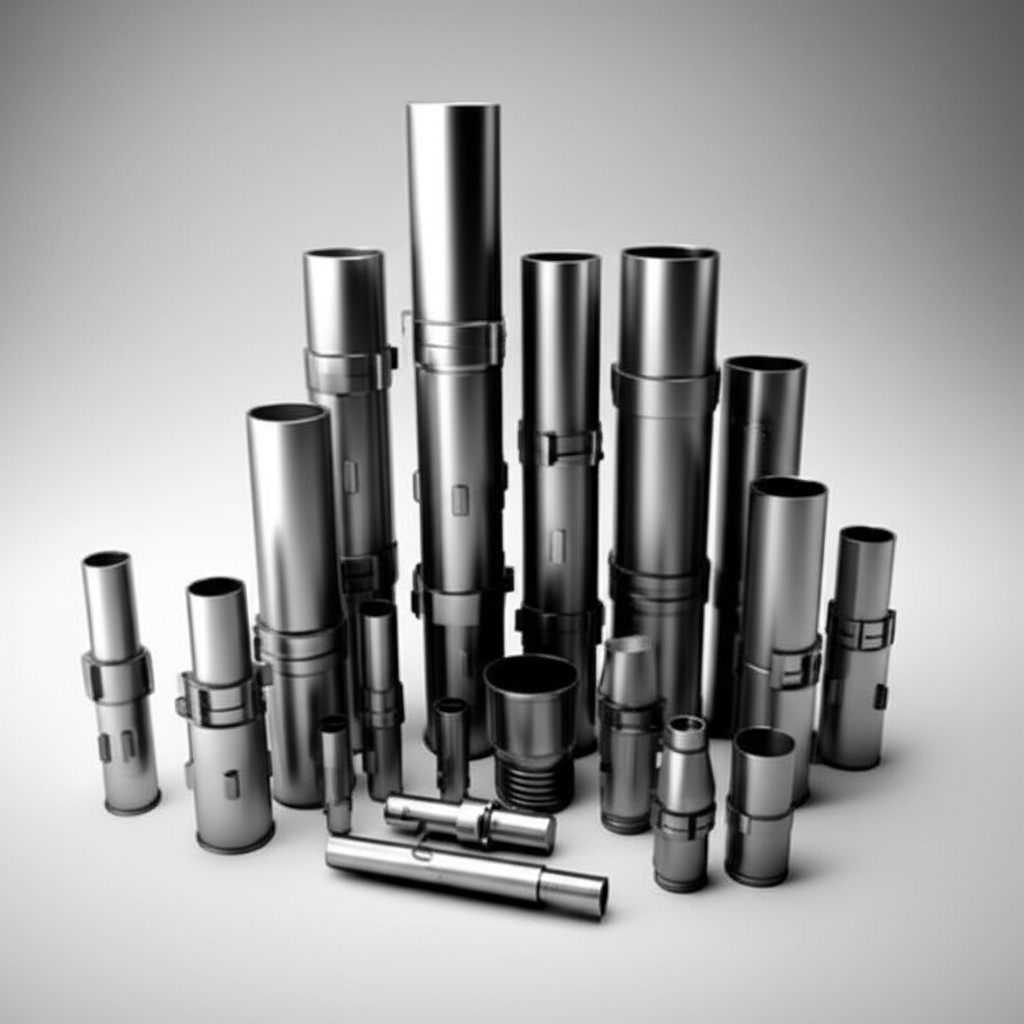
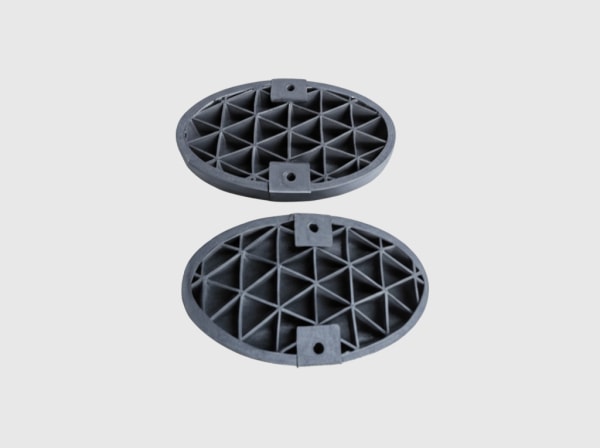
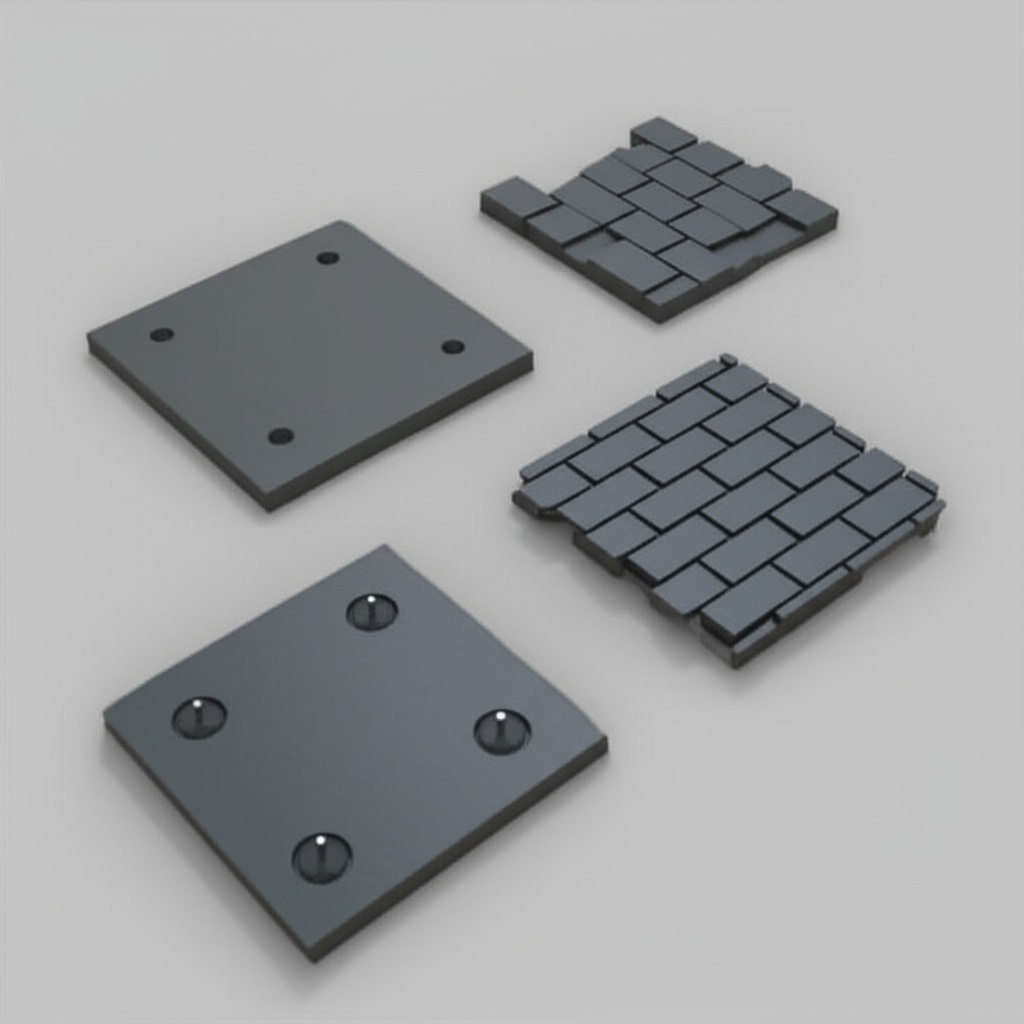
In the relentless pursuit of precision, durability, and efficiency in industrial manufacturing, material science plays a pivotal role. Among the advanced materials spearheading innovation, silicon carbide (SiC) has emerged as a true game-changer, particularly in the demanding world of Computer Numerical Control (CNC) machining. Custom silicon carbide components are becoming indispensable for building more robust, accurate, and long-lasting CNC machines and for producing high-performance parts for a multitude of industries. This blog post delves into the transformative impact of silicon carbide on CNC machining, exploring its applications, benefits, and the critical considerations for engineers and procurement managers looking to leverage this exceptional material.
Introduction: The Precision Powerhouse – Understanding Silicon Carbide in CNC Machining
Silicon Carbide (SiC) is a synthetic compound of silicon and carbon, renowned for its exceptional hardness, which is surpassed only by diamond and a few other superhard materials. This inherent hardness, coupled with other remarkable properties like high thermal conductivity, low thermal expansion, excellent wear resistance, and chemical inertness, makes SiC an ideal candidate for components subjected to extreme conditions. In the context of CNC machining, silicon carbide is utilized in two primary ways: first, as a material for critical machine components that enhance the performance and lifespan of the CNC equipment itself; and second, as a material that is machined using specialized CNC techniques to create high-precision end-use parts for various demanding applications.
The integration of custom silicon carbide products into CNC machinery and the use of CNC techniques to shape SiC are driven by the ever-increasing demands for tighter tolerances, faster processing speeds, and the ability to work with challenging materials. Industries such as semiconductor manufacturing, aerospace, energy, and high-temperature processing rely heavily on the precision afforded by CNC technology, and SiC components help push the boundaries of what’s achievable. As manufacturers seek to optimize uptime, reduce maintenance, and improve the quality of machined parts, understanding the role and benefits of technical ceramics like SiC becomes crucial. Companies like Sicarb Tech, situated in Weifang City, the hub of China’s silicon carbide customizable parts manufacturing, are at the forefront of this revolution, offering advanced SiC solutions and leveraging deep expertise in SiC material science and production technology.
Key Applications of Silicon Carbide in CNC Machinery and Beyond
The versatility of silicon carbide allows its application in various facets of CNC machinery and in the production of components for numerous high-tech industries. Within CNC machines themselves, SiC is favored for parts that demand exceptional stability, wear resistance, and thermal management.
- CNC Machine Components:
- Structural Components: Bases, gantries, and support structures made from SiC offer superior stiffness and vibration damping compared to traditional materials like steel or granite, leading to improved machining accuracy and surface finish. Their low thermal expansion ensures dimensional stability even with temperature fluctuations in the workshop.
- Wear Parts: Guideways, bearings, seals, and nozzles made from silicon carbide wear parts exhibit significantly longer service lives due to SiC’s extreme hardness and resistance to abrasion. This translates to reduced downtime and maintenance costs for CNC operators.
- Spindle Components: Parts of high-speed spindles can benefit from SiC’s thermal conductivity and stiffness, allowing for higher rotational speeds and precision.
- Workholding Fixtures: Custom SiC fixtures and chucks can provide stable, wear-resistant platforms for holding delicate or hard-to-machine workpieces.
- CNC-Machined Silicon Carbide Parts for Industrial Applications:
- Semiconductor Industry: SiC is extensively used for wafer handling components (end effectors, chucks), CMP rings, focus rings, and components in plasma etch chambers due to its purity, chemical resistance, and thermal stability. Semiconductor SiC parts are critical for modern electronics manufacturing.
- Aerospace Sector: Aerospace SiC components include rocket nozzles, turbine engine components, heat exchangers, and lightweight mirror substrates for optical systems, valued for their high-temperature performance, strength-to-weight ratio, and resistance to harsh environments.
- High-Temperature Furnaces & Energy: Burner nozzles, radiant tubes, kiln furniture (beams, rollers, plates), and heat recuperators made from SiC offer longevity and efficiency in extreme temperature environments common in industrial heating processes and energy generation.
- Fluid Handling and Chemical Processing: Pump components (shafts, bearings, seals), valve seats, and flow meters benefit from SiC’s wear and corrosion resistance when handling abrasive or corrosive fluids.
- Automotive Industry: SiC is used in brake discs for high-performance vehicles, components for electric vehicle power electronics, and wear-resistant parts in manufacturing lines.
- Medical Technology: Due to its biocompatibility (in certain forms) and wear resistance, SiC is explored for implants and precision surgical instruments.
The ability to machine these advanced ceramic components to tight tolerances using specialized CNC techniques opens up a vast array of possibilities for engineers designing for performance and durability.
The Unmatched Advantages: Why Choose Custom Silicon Carbide for CNC Machine Components?
Opting for custom silicon carbide components in CNC machinery and for demanding applications offers a compelling suite of advantages that translate directly into improved performance, longevity, and often, reduced total cost of ownership. Procurement professionals and engineers should consider these key benefits:
- Exceptional Hardness and Wear Resistance: SiC’s Mohs hardness of 9.0-9.5 means components are highly resistant to abrasion, erosion, and sliding wear. This leads to significantly longer part life, reduced replacement frequency, and sustained precision in CNC machining of ceramics and other materials. For silicon carbide wear parts, this is the primary driver for adoption.
- Superior Thermal Stability and Conductivity: SiC maintains its mechanical properties at very high temperatures (up to 1400−1600∘C or higher for some grades). Its high thermal conductivity allows for efficient heat dissipation, crucial for components in high-speed spindles or in applications involving thermal cycling. This property is vital for high-temperature SiC components.
- High Stiffness-to-Weight Ratio: Silicon carbide is stiffer than steel but significantly lighter. This allows for the design of lightweight yet rigid structures, reducing inertia in moving parts of CNC machines, enabling faster acceleration/deceleration, and improving dynamic accuracy.
- Excellent Chemical Inertness: SiC is highly resistant to corrosion by most acids, alkalis, and molten salts, making it suitable for use in chemically aggressive environments, such as those found in semiconductor processing or chemical manufacturing.
- Low Thermal Expansion: The low coefficient of thermal expansion (CTE) of SiC ensures dimensional stability of components even when subjected to significant temperature variations. This is critical for maintaining precision in CNC machines and in applications requiring tight tolerances over a range of operating temperatures.
- Improved Machining Accuracy and Tool Life (when SiC is part of the CNC machine): When SiC components are used within the CNC machine structure (e.g., SiC gantries or stages), their stiffness and vibration damping contribute to more accurate machining of other materials and can even extend the life of cutting tools.
- Customization Potential: Working with a knowledgeable supplier like Sicarb Tech allows for the design and fabrication of custom silicon carbide products tailored to specific application needs, optimizing performance and integration. This is particularly important for OEM SiC components where unique geometries and properties are often required.
The table below summarizes some key property comparisons:
| Property | Silicon Carbide (Typical SSiC) | Steel (Hardened Tool Steel) | Aluminum (6061-T6) | Granite (Machine Grade) |
|---|---|---|---|---|
| Density (g/cm3) | ∼3.1−3.2 | ∼7.8 | ∼2.7 | ∼2.6−2.8 |
| Hardness (Mohs) | 9.0−9.5 | 6.0−7.0 | ∼3.0 | ∼6.0−7.0 |
| Elastic Modulus (GPa) | 400−450 | ∼210 | ∼69 | ∼50−70 |
| Thermal Conductivity (W/mK) | 80−150 | 20−50 | ∼167 | ∼2.5−3.5 |
| Max. Use Temp (∘C) | >1600 (inert atm.) | <600 | <200 | Ambient |
| Coeff. of Thermal Expansion (10−6/∘C) | ∼4.0−4.5 | ∼11−13 | ∼23 | ∼5−8 |
These advantages make industrial SiC applications a growing field, with CNC technology playing a crucial role in realizing the material’s full potential.
Navigating SiC Grades for CNC Machining Components
Not all silicon carbide is created equal. Different manufacturing processes result in various grades of SiC, each with a unique set of properties, making them suitable for specific applications, including components for or made by silicon carbide CNC machines. Choosing the right grade is critical for achieving desired performance and cost-effectiveness.
- Reaction-Bonded Silicon Carbide (RBSiC or SiSiC – Silicon Infiltrated Silicon Carbide):
- Manufacturing: Produced by infiltrating a porous carbon-SiC preform with molten silicon. The silicon reacts with some of the carbon to form more SiC, and the remaining free silicon fills the pores.
- Properties: Typically contains 8-15% free silicon. Good strength and hardness, excellent thermal shock resistance, and relatively good thermal conductivity. It’s generally easier and less expensive to produce complex shapes with RBSiC compared to SSiC.
- CNC Applications: Ideal for larger, complex structural components in CNC machines, wear parts where extreme abrasion isn’t the sole factor, kiln furniture, and heat exchangers. Its machinability (before final firing and post-firing grinding) is better than SSiC. Sicarb Tech has extensive experience in supporting local enterprises with RBSiC production technology, ensuring high-quality, cost-competitive custom components.
- Considerations: The presence of free silicon limits its use in extremely high temperatures (above 1350−1380∘C where silicon melts) and in highly corrosive chemical environments that attack silicon.
- Sintered Silicon Carbide (SSiC):
- Manufacturing: Produced by sintering fine SiC powder at very high temperatures (typically >2000∘C) with the aid of sintering additives (e.g., boron and carbon).
- Properties: Very high purity (typically >98-99% SiC), leading to exceptional hardness, superior wear and corrosion resistance, and excellent high-temperature strength. SSiC maintains its properties at temperatures up to 1600∘C or higher.
- CNC Applications: Preferred for the most demanding applications requiring maximum wear resistance, such as precision bearings, mechanical seals, nozzles, semiconductor processing components (e.g., CMP rings, focus rings), and cutting tool inserts (though less common as a bulk cutting tool material itself, more for wear-resistant guides or holders).
- Considerations: Generally more expensive and harder to machine into complex shapes than RBSiC. Achievable tolerances often rely heavily on diamond grinding after sintering.
- Nitride-Bonded Silicon Carbide (NBSiC):
- Manufacturing: SiC grains are bonded by a silicon nitride (Si3N4) phase.
- Properties: Good thermal shock resistance, high strength, and good resistance to abrasion and molten metals.
- CNC Applications: Often used in foundry applications, thermocouple protection tubes, and some kiln furniture. Its use in precision CNC machine components is less common than RBSiC or SSiC.
- Chemical Vapor Deposited Silicon Carbide (CVD-SiC):
- Manufacturing: Produced by chemical vapor deposition, resulting in an ultra-high purity (often >99.999%) and theoretically dense SiC.
- Properties: Extremely high purity, excellent chemical resistance, high thermal conductivity, and ability to be polished to an exceptionally smooth surface.
- CNC Applications: Primarily used in the semiconductor industry for components like showerheads, susceptors, and optical components (mirrors) due to its purity and polishability. Also used for high-performance coatings.
- Considerations: The most expensive form of SiC and typically produced in thinner sections or as coatings.
Here’s a comparative table for common SiC grades:
| Feature | Reaction-Bonded SiC (RBSiC/SiSiC) | Sintered SiC (SSiC) | Nitride-Bonded SiC (NBSiC) | CVD-SiC |
|---|---|---|---|---|
| Primary SiC Content | ∼85−92% (contains free Si) | >98% | Variable, SiC grains in Si3N4 matrix | >99.999% |
| Max. Operating Temp. (∘C) | ∼1350−1380 | ∼1600+ | ∼1400−1500 | ∼1600+ (environment dependent) |
| Relative Cost | Moderate | High | Moderate-High | Very High |
| Ease of Complex Shaping | Good | Fair (requires more grinding) | Fair | Limited (often as coatings or simple shapes) |
| Typical Hardness (Knoop) | ∼2500−2800 | ∼2500−3000 | ∼2200−2500 | ∼2500−2800 |
| Key Strengths | Good thermal shock, complex shapes, cost-effective for many uses | Highest wear & corrosion resistance, high-temp strength, purity | Good thermal shock, metal resistance | Ultra-high purity, excellent surface finish |
Critical Design and Manufacturing Considerations for SiC CNC Components
Designing and manufacturing components from silicon carbide, especially for precision CNC applications, requires careful consideration of the material’s unique properties. Unlike metals, SiC is a brittle ceramic, which means it has low fracture toughness and will fracture before it plastically deforms. This characteristic heavily influences design rules and manufacturing approaches.
- Designing for Manufacturability (DFM):
- Geometric Complexity: While RBSiC allows for more complex net-shaping, intricate features like sharp internal corners, very thin walls, or sudden changes in cross-section should be avoided or minimized as they act as stress concentrators. Generous radii are recommended.
- Wall Thickness: Minimum achievable wall thickness depends on the SiC grade and manufacturing process (e.g., slip casting, pressing, green machining). It’s crucial to consult with the manufacturer, like Sicarb Tech, during the design phase.
- Holes and Apertures: The aspect ratio (depth-to-diameter) of holes can be limited. Through-holes are generally preferred over blind holes. Threading SiC is challenging and often achieved with inserts or by designing for external fastening methods.
- Shrinkage: During sintering (especially for SSiC), significant shrinkage occurs (15-20%). This must be accurately accounted for in the “green” (unsintered) state design.
- Joining SiC to Other Materials: Due to differences in CTE, joining SiC to metals or other ceramics requires careful design, often involving brazing, shrink-fitting, or adhesive bonding with specialized interface materials or designs to accommodate stress.
- Manufacturing Processes for SiC Components:
- Powder Compaction: Methods like uniaxial pressing, cold isostatic pressing (CIP), or injection molding are used to form the initial “green” body.
- Green Machining: Machining the component in its “green” or “bisque-fired” state (before final sintering) is much easier and less costly than machining fully densified SiC. Complex features are often introduced at this stage.
- Sintering/Reaction Bonding: The green parts are then fired at high temperatures to achieve densification and develop the final material properties.
- Diamond Grinding and Lapping: Due to SiC’s extreme hardness, final shaping and achieving tight tolerances on sintered parts typically require diamond grinding, lapping, and polishing. This is a critical step for precision SiC machining.
- Advanced Machining Techniques: Electrical Discharge Machining (EDM) can be used for conductive SiC grades (like some RBSiC or doped SSiC) to create complex features. Laser machining and ultrasonic machining are also employed for specific applications.
- Stress Concentration Avoidance:
- Use fillets and radii instead of sharp corners.
- Avoid abrupt changes in thickness.
- Ensure even load distribution in designs.
- Consider the direction of applied forces relative to potential flaw orientations.
- Collaboration with Supplier: Early collaboration with an experienced SiC component manufacturer is paramount. Sicarb Tech prides itself on its ability to assist clients from the initial design concept through to final production, leveraging its integrated process from materials to products. Their expertise in material selection, process optimization, and design for manufacturability helps mitigate risks and ensures the successful realization of custom silicon carbide components. Situated in Weifang, the heart of China’s SiC industry, and backed by the technological prowess of the Chinese Academy of Sciences, SicSino offers unparalleled support for technical procurement SiC and OEM SiC components.
Understanding these considerations is essential for engineers to design robust and reliable SiC components and for procurement managers to appreciate the intricacies involved in their manufacture, which influences cost and lead times.
Achieving Precision: Tolerances, Surface Finish, and Dimensional Control in SiC CNC Machining
The demand for high precision is a hallmark of modern manufacturing, and silicon carbide components, particularly those used in or produced by CNC machines, are often subject to stringent dimensional and surface finish requirements. Achieving these specifications necessitates advanced machining and meticulous quality control.
- Achievable Tolerances:
- As-Sintered Tolerances: For SSiC, typical as-sintered tolerances might be in the range of ±0.5% to ±2% of the dimension, depending on the size and complexity of the part. RBSiC can sometimes offer tighter as-formed tolerances due to less shrinkage.
- Ground Tolerances: Post-sintering diamond grinding is almost always required for high-precision SiC components. With precision grinding, tolerances can be significantly improved. Standard ground tolerances can be in the range of ±0.01mm to ±0.025mm (±0.0004″ to ±0.001″).
- Ultra-Precision Tolerances: For specialized applications, such as those in the semiconductor or optics industries, even tighter tolerances, down to the micron or sub-micron level (±0.001mm to ±0.005mm or better), can be achieved through advanced grinding, lapping, and polishing processes. This level of precision is crucial for semiconductor SiC parts and optical mirrors.
- Surface Finish Options (Ra – Average Roughness):
- As-Sintered Surface: Can be relatively rough, often Ra>1μm.
- Ground Surface: Diamond grinding can achieve surface finishes typically in the range of Ra=0.2μm to Ra=0.8μm.
- Lapped Surface: Lapping can improve the surface finish further, often achieving Ra=0.05μm to Ra=0.2μm. This is common for seal faces and wear components.
- Polished Surface: For optical applications or where ultra-smooth surfaces are needed (e.g., wafer chucks), polishing can yield surface finishes of Ra<0.02μm, sometimes down to Angstrom levels for CVD-SiC optics.
- Dimensional Control and Metrology:
- Consistent Process Control: Maintaining tight control over raw material quality, forming processes, sintering parameters, and grinding operations is essential for consistent dimensional accuracy.
- Advanced Metrology Equipment: Coordinate Measuring Machines (CMMs), optical profilometers, interferometers, and surface roughness testers are used to verify dimensions, flatness, parallelism, roundness, and surface finish.
- Statistical Process Control (SPC): Implementing SPC helps monitor and control manufacturing processes to ensure that components consistently meet the required specifications.
Sicarb Tech understands the critical importance of precision. Leveraging their comprehensive technological capabilities, including material, process, design, and measurement & evaluation technologies, they ensure that custom silicon carbide components meet the exacting standards of their clients. Their commitment to quality and precision is supported by their access to the advanced research and testing facilities associated with the Chinese Academy of Sciences, providing a reliable foundation for manufacturing high-quality, precision SiC machining parts. For wholesale silicon carbide buyers requiring consistent quality and tight tolerances, a supplier with robust metrology and quality assurance like SicSino is indispensable.
Post-Processing and Enhancement of SiC CNC Machined Parts
While CNC machining and subsequent grinding/lapping are primary methods for shaping silicon carbide components, various post-processing steps can be employed to further enhance their properties, meet specific application requirements, or prepare them for assembly. These steps add value and tailor the advanced ceramic components for optimal performance.
- Precision Grinding, Lapping, and Polishing: As mentioned earlier, these are often integral to achieving the final dimensions and surface finish.
- Grinding: Uses diamond abrasive wheels to remove material and achieve precise geometric forms.
- Lapping: Employs a fine abrasive slurry between the SiC part and a lap plate to achieve very flat surfaces and fine finishes. Essential for mechanical seals and flat optics.
- Polishing: Uses even finer abrasives and specialized pads to achieve mirror-like finishes, critical for optical components and some semiconductor equipment parts.
- Cleaning: Thorough cleaning is essential to remove any contaminants, machining residues, or abrasive particles from the manufacturing process. This is especially critical for components used in high-purity environments like semiconductor manufacturing. Cleaning processes may involve ultrasonic baths, specialized solvents, or deionized water rinses.
- Edge Chamfering and Rounding: Sharp edges on brittle SiC components can be prone to chipping. Controlled edge chamfering or rounding (radiusing) can improve handling safety and reduce the risk of fracture initiation. This can be done via grinding or specialized abrasive techniques.
- Annealing: In some cases, a post-machining annealing step may be used to relieve internal stresses induced during aggressive grinding, potentially improving the component’s strength and long-term stability. However, this is less common for SiC than for some other ceramics.
- Sealing (for Porous Grades): Some grades of SiC, particularly certain types of RBSiC or less dense materials, might have residual porosity. For applications requiring gas or liquid tightness, or to prevent ingress of contaminants, these pores can be sealed.
- Glass Frit Sealing: Applying a layer of glass that melts and flows into the pores upon heating.
- Resin Impregnation: For lower temperature applications, polymers can be used to impregnate and seal porosity.
- CVD Coatings: A thin layer of dense CVD-SiC or other ceramic can be applied to seal the surface.
- Coatings for Enhanced Performance: Applying specialized coatings can further tailor the surface properties of SiC components:
- Hard Coatings (e.g., Diamond-Like Carbon – DLC): Can further enhance wear resistance or modify frictional properties for specific dynamic applications.
- Protective Coatings: For extreme environments, coatings might offer additional protection against specific chemical attacks or oxidation beyond SiC’s inherent capabilities.
- Optical Coatings: For SiC mirrors or lenses, dielectric coatings are applied to achieve desired reflectivity or anti-reflective properties.
- Joining and Assembly: Post-processing also includes preparation for or execution of joining SiC to other SiC parts or to different materials (metals, other ceramics). This can involve:
- Brazing: Using active braze alloys to create strong, hermetic joints, often for metal-to-SiC assemblies in high-temperature applications.
- Adhesive Bonding: Using specialized high-temperature or chemically resistant adhesives for lower stress applications.
- Diffusion Bonding: Creating a direct, strong bond between SiC parts or SiC and other materials at high temperatures and pressures.
The choice of post-processing techniques depends heavily on the specific SiC grade, the complexity of the part, and the intended application. Sicarb Tech with its integrated approach from materials to finished products, can advise on and implement necessary post-processing steps to ensure their custom silicon carbide products deliver optimal performance and durability. Their access to a wide array of technologies through the Chinese Academy of Sciences (Weifang) Innovation Park ensures they can address diverse and challenging post-processing needs for industrial SiC applications.

Frequently Asked Questions (FAQ)
- Q1: What makes silicon carbide suitable for CNC machine components over traditional materials like steel or aluminum? Silicon carbide offers a superior combination of hardness, stiffness, low thermal expansion, and wear resistance compared to traditional metals. For CNC machine components, this translates to:
- Higher Precision: Increased stiffness and vibration damping lead to more accurate machining.
- Longer Life: Exceptional wear resistance means components like guides, bearings, and stages last much longer, reducing maintenance and downtime.
- Thermal Stability: Low thermal expansion ensures dimensional accuracy even with temperature changes during operation.
- Lighter Weight (than steel): High stiffness-to-weight ratio allows for faster movements with less inertia. While the initial cost of custom SiC components may be higher, the extended lifespan and improved machine performance often result in a lower total cost of ownership for industrial equipment.
- Q2: Can complex shapes be achieved with silicon carbide for CNC machining applications? Yes, complex shapes can be achieved, but it requires specialized design and manufacturing expertise. Reaction-Bonded Silicon Carbide (RBSiC/SiSiC) is generally more amenable to complex net-shaping before final firing. Sintered Silicon Carbide (SSiC) often requires more extensive diamond grinding to achieve complex final geometries. Design considerations like avoiding sharp internal corners and managing wall thicknesses are crucial. Collaborating with an experienced supplier like Sicarb Tech is vital, as they can guide the design for manufacturability and leverage their diverse processing technologies, including green machining and precision diamond grinding, to produce intricate technical ceramics manufacturing parts.
- Q3: How do I choose the right grade of silicon carbide (e.g., RBSiC vs. SSiC) for my CNC application? The choice depends on the specific requirements of the application:
- RBSiC (or SiSiC): Choose for good thermal shock resistance, complex shapes, larger components, and when a balance of performance and cost is needed. It’s excellent for many structural parts and wear components not subjected to the most extreme abrasive or corrosive conditions. Max temperature is typically around 1350∘C.
- SSiC: Opt for SSiC when superior wear resistance, highest corrosion resistance, extreme high-temperature strength (up to 1600∘C+), and high purity are critical. It’s ideal for demanding applications like precision bearings, seals, and semiconductor components. Consulting with material experts is key. Sicarb Tech offers detailed material consultations, helping clients select from various silicon carbide material properties to best suit their precision SiC machining needs or component requirements, ensuring optimal performance and value.
- Q4: What are the typical lead times and cost drivers for custom silicon carbide CNC components? Lead times and costs are influenced by several factors:
- Material Grade: SSiC and CVD-SiC are generally more expensive and can have longer lead times than RBSiC.
- Complexity and Size: More intricate designs, larger parts, and tighter tolerances require more processing steps (e.g., extensive diamond grinding), increasing both cost and lead time.
- Quantity: Larger production volumes can lead to economies of scale, reducing per-unit costs.
- Post-Processing: Requirements like lapping, polishing, coatings, or specialized cleaning add to the cost and time.
- Tooling: For pressed or molded parts, initial tooling costs can be a factor. It’s best to discuss specific project requirements with a supplier.Sicarb Tech, located in Weifang, the hub of China’s silicon carbide production, leverages its local network and advanced technology platform to offer competitive pricing and manageable lead times for custom silicon carbide components, from prototypes to large-scale production. They provide transparent breakdowns of cost drivers and lead time considerations during the quotation process.
Conclusion: Partnering for Precision and Performance with Custom Silicon Carbide
The integration of silicon carbide into CNC machining, both as a material for machine construction and as a high-performance material shaped by CNC techniques, represents a significant leap forward in manufacturing capabilities. The exceptional properties of SiC—its hardness, thermal stability, stiffness, and wear resistance—directly address the escalating demands for precision, speed, and durability in industries ranging from semiconductors and aerospace to energy and industrial manufacturing. Custom silicon carbide products are not just components; they are enablers of innovation, allowing engineers to design systems that operate in more extreme environments, with greater accuracy, and for longer periods.
Choosing the right material grade, optimizing design for manufacturability, and ensuring meticulous control over machining and finishing processes are paramount to harnessing the full potential of SiC. This is where a knowledgeable and capable supplier becomes an invaluable partner.
Sicarb Tech, strategically positioned in Weifang, the heart of China’s silicon carbide industry, stands as a beacon of excellence in this advanced field. Benefiting from the robust scientific and technological capabilities of the Chinese Academy of Sciences and operating through the Chinese Academy of Sciences (Weifang) Innovation Park, SicSino offers more than just components. They provide a comprehensive ecosystem of expertise, encompassing material science, process technology, design support, and advanced measurement and evaluation. Their commitment to assisting local enterprises in technological advancement, coupled with their own top-tier professional team, ensures that clients receive higher-quality, cost-competitive custom silicon carbide components.
Furthermore, for businesses looking to establish their own specialized SiC production, Sicarb Tech offers technology transfer and turnkey project services, empowering global partners with the capability to manufacture professional silicon carbide products.
In a world that increasingly demands more from its materials and machines, custom silicon carbide, supported by expert partners like Sicarb Tech, offers a clear path to enhanced performance, reliability, and a competitive edge in the most demanding industrial environments. Engage with the experts to explore how silicon carbide CNC machine components and custom SiC parts can elevate your applications.

About the Author: Sicarb Tech
We provide clear and reliable insights into silicon carbide materials, component manufacturing, application technologies, and global market trends. Our content reflects industry expertise, practical experience, and a commitment to helping readers understand the evolving SiC landscape.

Customizable SiC
You May Also Interest
-
![]()
SiC Support Beams for Furnace Structural Integrity
SiC Support Beams for Furnace Structural Integrity In demanding industrial environments, particularly those involving extreme temperatures and corrosive atmospheres, the structural integrity of equipment is paramount. For high-temperature furnaces, kilns, and other thermal processing systems, the choice of internal support structures dictates operational longevity, efficiency, and safety. This is where custom silicon carbide (SiC) support…
-
![]()
The Unseen Hero: How Silicon Carbide Revolutionizes Laser Cutting Systems
Laser cutting technology has become indispensable across a multitude of industries, from intricate electronics manufacturing to heavy industrial fabrication. The demand for higher precision, faster processing speeds, and unwavering reliability in laser cutting systems is perpetually on the rise. While the laser source itself often garners the most attention, the materials used to construct critical…
-
![]()
SiC Insulators: Electrical Safety Spare Parts
SiC Insulators: Electrical Safety Spare Parts for Demanding Environments Introduction: The Critical Role of SiC Insulators in Modern Industry In today’s rapidly evolving industrial landscape, the demand for materials that can withstand extreme conditions while ensuring electrical integrity is paramount. Silicon carbide (SiC) stands out as a superior choice, particularly for SiC insulators. These essential…