Find Your Certified SiC Supplier Source Today
Share
Find Your Certified SiC Supplier Source Today
In today’s rapidly evolving industrial landscape, the demand for materials that can withstand extreme conditions while delivering superior performance is paramount. From the intricate circuits of semiconductors to the robust components of aerospace engines, the need for advanced solutions is ever-growing. This is where custom silicon carbide (SiC) products emerge as a game-changer. As a leading material in the realm of technical ceramics, SiC offers an unparalleled combination of properties that make it indispensable for high-performance industrial applications. But what exactly makes custom SiC so essential, and how can you find a reliable, certified SiC supplier to meet your specific needs?
What are Custom Silicon Carbide Products and Why are They Essential in High-Performance Industrial Applications?
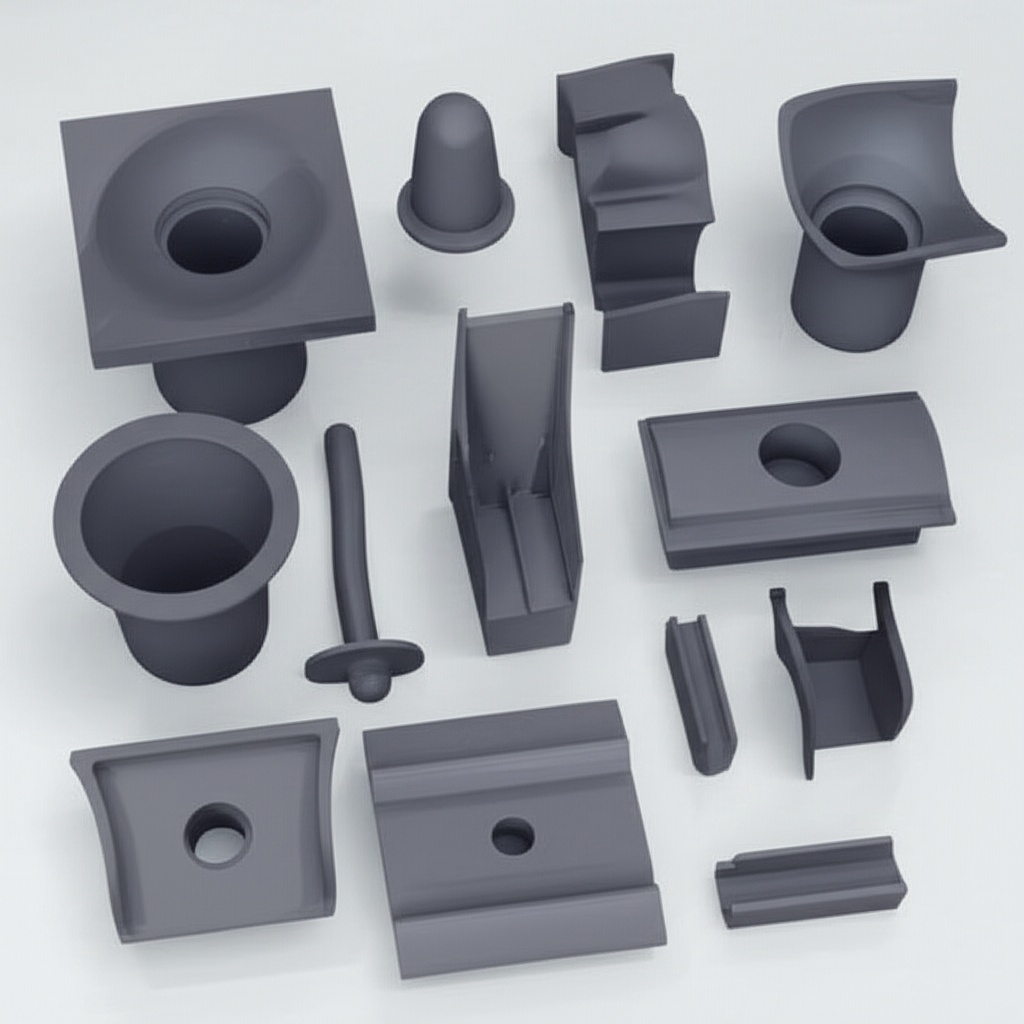
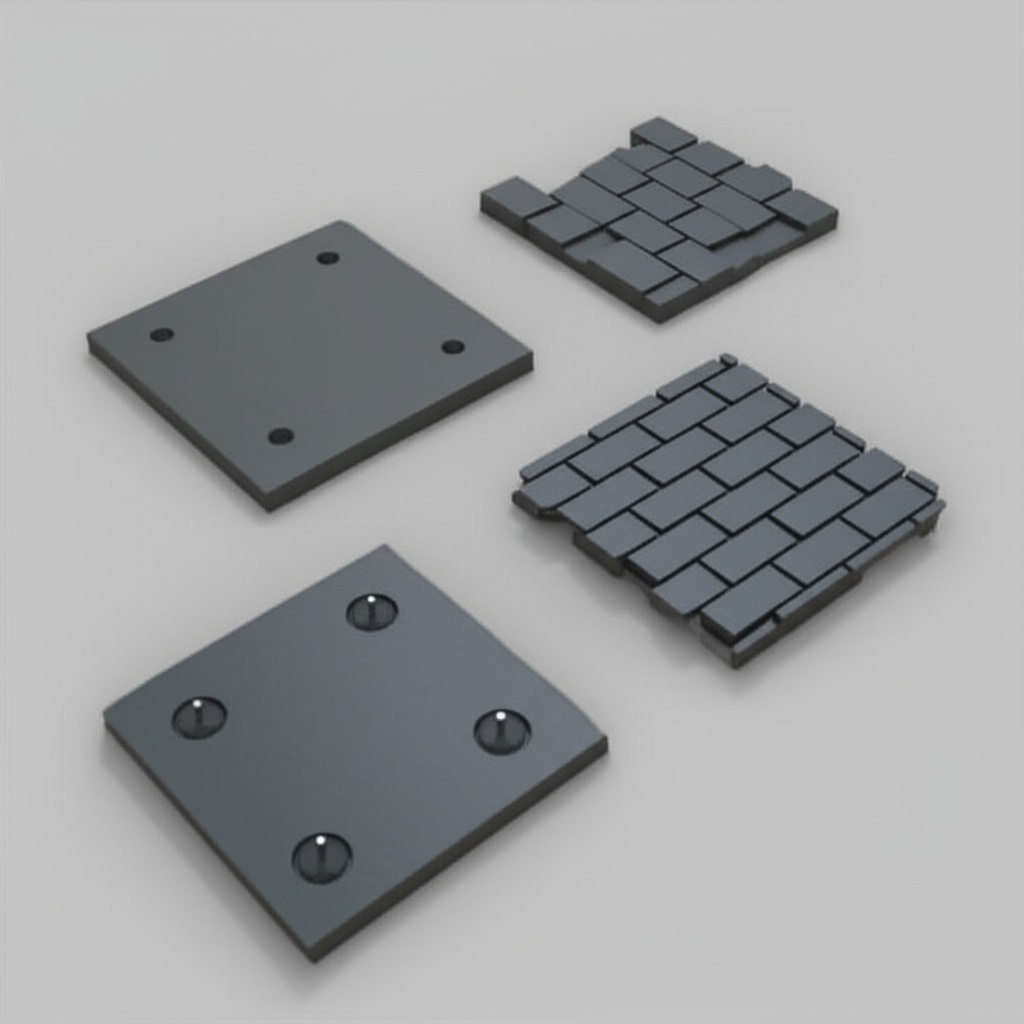
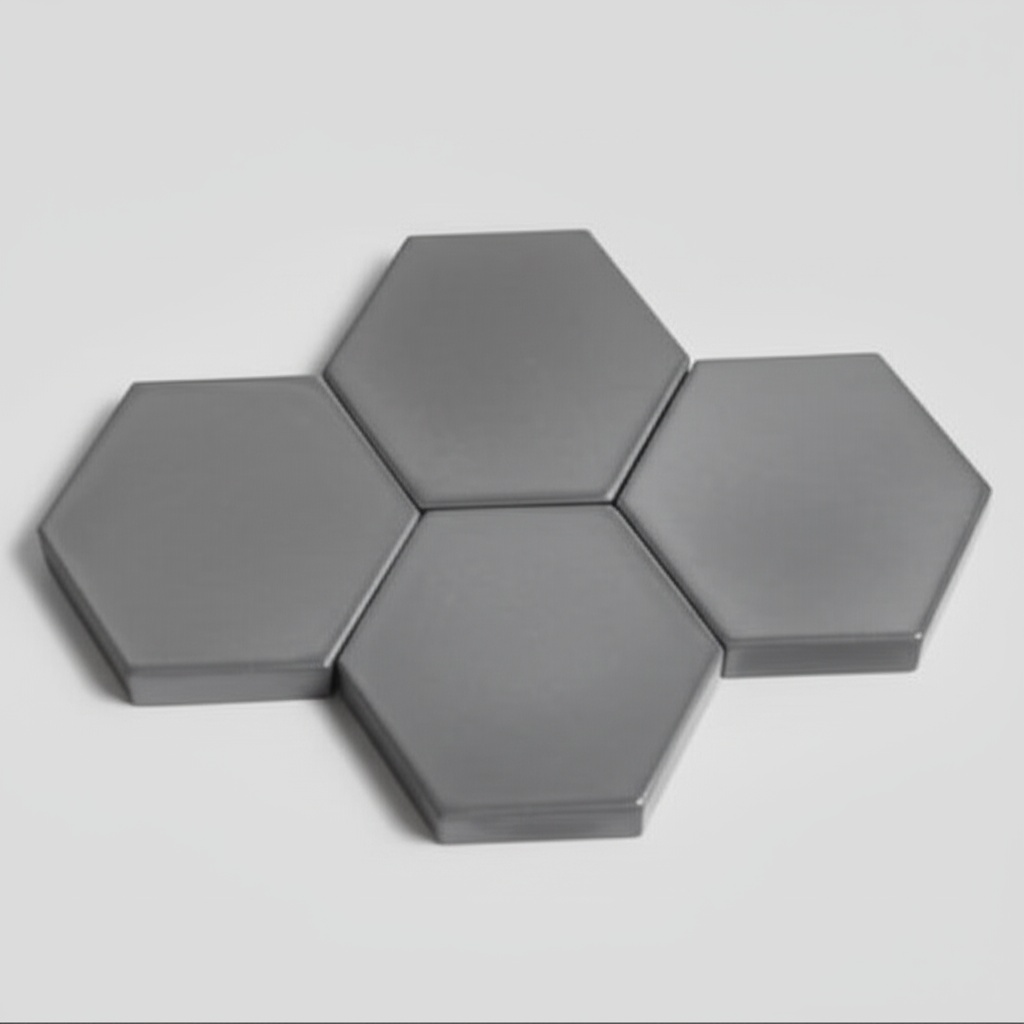
Custom silicon carbide products are engineered ceramic components tailored to precise specifications, leveraging the exceptional properties of SiC. These properties include extreme hardness, superior thermal conductivity, excellent thermal shock resistance, and remarkable chemical inertness, even at elevated temperatures. Unlike off-the-shelf solutions, custom SiC parts are designed to optimize performance within specific operational parameters, addressing unique challenges in diverse industries.
The essence of custom SiC lies in its ability to be precisely engineered for demanding environments. This material is not merely a substitute but a fundamental enabler of technological advancements in applications where conventional materials fall short. Its essentiality stems from its capacity to enhance efficiency, extend operational lifespans, and ensure reliability in critical systems.
Main Applications: Explore How SiC is Used Across Industries
The versatility of silicon carbide makes it a preferred material across a vast spectrum of industries. Its unique properties allow for its integration into critical components, pushing the boundaries of what’s possible. Here’s a glimpse into its widespread applications:
Semiconductor Manufacturing
- Wafer Processing Equipment: SiC is vital for components like wafer carriers, susceptors, and furnace tubes due to its high purity, excellent thermal stability, and resistance to chemical etching.
- High-Power Devices: SiC substrates and power modules enable faster switching, higher breakdown voltage, and improved efficiency in power electronics, crucial for next-generation devices.
Automotive Industry
- Electric Vehicles (EVs): SiC power inverters significantly reduce energy loss, extend battery range, and allow for more compact designs in EVs.
- Braking Systems: SiC ceramic brakes offer superior heat dissipation and wear resistance, enhancing safety and performance in high-performance vehicles.
Aerospace and Defense
- Engine Components: Its high-temperature strength and wear resistance make SiC ideal for lightweight, durable components in jet engines and missile systems.
- Thermal Management: SiC heat exchangers and structural components are used in high-temperature environments for efficient heat dissipation.
Power Electronics and Renewable Energy
- Inverters and Converters: SiC-based devices are transforming solar inverters, wind turbine converters, and power grids due to their higher efficiency and reliability.
- Energy Storage Systems: Used in advanced battery technologies and charging infrastructure for faster and more efficient power transfer.
Metallurgy and Industrial Manufacturing
- Furnace Components: SiC crucibles, kiln furniture, and heating elements withstand extreme temperatures and corrosive atmospheres in metal processing and heat treatment.
- Wear Parts: Its exceptional hardness makes SiC ideal for nozzles, pump seals, and bearings in abrasive environments.
Chemical Processing and LED Manufacturing
- Corrosion-Resistant Components: SiC is used in pumps, valves, and heat exchangers for handling aggressive chemicals.
- LED Substrates: SiC provides an excellent substrate for growing GaN (gallium nitride) crystals, crucial for high-brightness LEDs.
This diverse range of applications underscores the critical role of SiC in driving innovation and efficiency across various sectors. For more insights into how custom SiC solutions can benefit your specific industry, explore our case studies.
Why Choose Custom Silicon Carbide?
Opting for custom silicon carbide components offers significant advantages over standard, off-the-shelf alternatives. The benefits extend beyond mere fit and form, impacting performance, longevity, and overall cost-efficiency in demanding industrial environments.
Key Benefits of Customization:
- Optimized Performance: Tailored designs ensure that the SiC component meets the exact operational requirements, maximizing efficiency and effectiveness. This includes precise thermal management, specific wear resistance, and accurate dimensional stability.
- Superior Thermal Resistance: Custom SiC parts can be engineered to withstand extremely high temperatures, far exceeding the capabilities of most metals and other ceramics, without deforming or losing structural integrity.
- Exceptional Wear Resistance: With a hardness approaching that of diamond, custom SiC is ideal for applications involving high friction and abrasive environments, significantly extending component lifespan.
- Remarkable Chemical Inertness: Custom SiC offers excellent resistance to most acids, alkalis, and corrosive gases, making it suitable for harsh chemical processing environments where other materials would quickly degrade.
- Reduced Downtime and Maintenance: The extended lifespan and reliability of custom SiC components lead to less frequent replacements and lower maintenance costs, boosting overall productivity.
- Lightweight Solutions: SiC boasts a high strength-to-weight ratio, enabling the design of lighter yet robust components, particularly critical in aerospace and automotive applications.
The ability to precisely control the material’s properties and the component’s geometry allows for an optimized solution that perfectly integrates into your system, leading to superior performance and long-term cost savings.
Recommended SiC Grades and Compositions
Silicon carbide is not a singular material but rather a family of materials with varying compositions and manufacturing processes, each offering distinct properties suited for different applications. Understanding these grades is crucial for selecting the optimal material for your custom SiC product.
| SiC Grade/Type | Manufacturing Process | Key Properties | Typical Applications |
|---|---|---|---|
| Reaction-Bonded SiC (RBSC) | Silicon infiltration into a porous carbon preform. | High strength, excellent oxidation resistance, good thermal shock resistance, relatively lower cost. Contains free silicon. | Kiln furniture, mechanical seals, pump components, heat exchangers, automotive brake discs. |
| Sintered SiC (SSiC) | Hot pressing or sintering of SiC powder with sintering aids at high temperatures. | Extremely high hardness, excellent wear resistance, high purity, superior chemical resistance, high temperature strength. | Mechanical seals, bearings, nozzles, body armor, semiconductor processing equipment. |
| Nitride-Bonded SiC (NBSC) | Reaction bonding of SiC and silicon nitride. | Good strength, excellent thermal shock resistance, good wear resistance, lower density than RBSC or SSiC. | Kiln furniture, burner nozzles, cyclone components, blast furnace liners. |
| Chemical Vapor Deposition (CVD) SiC | Deposition of SiC from a gaseous precursor. | Highest purity, extremely fine grain structure, isotropic properties, excellent corrosion resistance. | Semiconductor equipment, optics, mirrors for harsh environments. |
Each grade offers a unique balance of properties, and the choice depends heavily on the specific application’s requirements, including temperature, chemical exposure, mechanical stress, and budget. A knowledgeable custom silicon carbide supplier can guide you through this selection process.
Design Considerations for SiC Products
Designing custom silicon carbide components requires a thorough understanding of the material’s unique characteristics to ensure manufacturability, performance, and cost-effectiveness. Careful design can mitigate common challenges associated with ceramic fabrication.
Key Design Insights:
- Minimize Stress Concentrations: Avoid sharp corners, abrupt changes in cross-section, and thin walls adjacent to thick sections. Gradual transitions and generous radii (at least 0.5 mm or greater) are crucial to prevent crack initiation.
- Uniform Wall Thickness: Maintain consistent wall thickness throughout the design to ensure uniform shrinkage during sintering and reduce internal stresses, which can lead to warping or cracking.
- Consider Material Brittleness: SiC is highly brittle. Designs should account for this by avoiding tensile stresses where possible and focusing on compressive loads.
- Machining Limitations: SiC is extremely hard, making post-sintering machining challenging and expensive. Design components to minimize the need for complex machining operations after firing. Utilize green machining (before sintering) whenever possible.
- Feature Size and Aspect Ratios: Be mindful of minimum feature sizes and maximum aspect ratios for holes, slots, and walls to ensure successful fabrication and maintain structural integrity.
- Assembly and Joining: Consider how the SiC component will integrate into the larger assembly. Design for robust joining methods, whether through mechanical fasteners, brazing, or adhesive bonding.
Collaborating closely with your SiC supplier’s engineering team during the design phase is essential to leverage their expertise in material science and manufacturing capabilities, ensuring a successful and cost-effective product.
Tolerance, Surface Finish & Dimensional Accuracy
Achieving precise tolerances and optimal surface finishes is critical for the performance and fit of custom silicon carbide components. The advanced properties of SiC, combined with sophisticated manufacturing techniques, allow for remarkable dimensional accuracy.
Achievable Specifications:
- Tolerances: For ground and lapped SiC components, standard tolerances can range from $pm 0.05 text{ mm}$ to $pm 0.01 text{ mm}$ depending on part size and complexity. For very high-precision applications, tolerances down to $pm 0.005 text{ mm}$ may be achievable with advanced grinding and polishing techniques.
- Surface Finish (Ra):
- As-fired/Green machined: Roughness average (Ra) typically ranges from $1.6 text{ µm}$ to $6.3 text{ µm}$.
- Ground: Achievable Ra between $0.8 text{ µm}$ and $1.6 text{ µm}$.
- Lapped/Polished: For critical sealing or bearing surfaces, Ra values can be as low as $0.1 text{ µm}$ to $0.4 text{ µm}$, and even lower for optical or semiconductor applications.
- Dimensional Accuracy: Highly dependent on the manufacturing process (e.g., molding, extrusion, machining, sintering) and post-processing steps. Generally, as-fired parts have looser tolerances, which are tightened significantly through precision grinding and lapping.
- Flatness and Parallelism: For critical sealing or mounting surfaces, flatness and parallelism can be held to very tight specifications, often within micrometers, depending on the part size.
It’s important to specify required tolerances and surface finishes early in the design process, as they directly impact manufacturing complexity, lead time, and cost. Working with an experienced certified SiC supplier ensures these critical aspects are managed effectively.
Post-Processing Needs
While silicon carbide components often possess excellent inherent properties, certain post-processing steps can further enhance their performance, durability, and suitability for specific applications. These processes are typically employed to improve surface finish, dimensional accuracy, or introduce additional functionalities.
Common Post-Processing Steps:
- Precision Grinding: Essential for achieving tight dimensional tolerances and desired surface finishes on SiC components. Diamond abrasives are typically used due to SiC’s extreme hardness.
- Lapping and Polishing: Used to achieve ultra-smooth surfaces (low Ra values), critical for sealing applications, bearings, and components in semiconductor manufacturing or optical systems.
- Honing: Employed for internal diameters to improve surface finish and geometric accuracy.
- Sealing/Impregnation: For certain porous SiC grades (e.g., reaction-bonded), impregnation with polymers or metals can improve impermeability and strength.
- Coating: Application of thin films (e.g., CVD coatings, refractory coatings) can enhance surface properties such as oxidation resistance, erosion resistance, or provide an anti-stick surface.
- Annealing: Sometimes used to relieve residual stresses induced during processing, especially after aggressive machining.
- Cleaning: Thorough cleaning processes are critical, especially for SiC components destined for high-purity environments like semiconductor manufacturing.
The selection of post-processing techniques depends on the final application requirements and the specific SiC grade chosen. These steps add value by refining the component to meet the most stringent demands.
Common Challenges and How to Overcome Them
While silicon carbide offers remarkable advantages, its unique properties also present certain manufacturing and application challenges. Understanding these and knowing how to mitigate them is key to successful SiC product development.
Key Challenges and Solutions:
| Challenge | Description | How to Overcome |
|---|---|---|
| Brittleness | SiC is a hard, brittle material, making it susceptible to fracture under sudden impact or high tensile stress. |
|
| Machining Complexity | Its extreme hardness makes SiC very difficult and costly to machine, especially after sintering. |
|
| Thermal Shock | While having good thermal shock resistance, extreme temperature gradients or rapid heating/cooling can still induce stresses leading to cracking. |
|
| High Cost | The raw materials, specialized processing, and machining of SiC can result in higher component costs compared to conventional materials. |
|
| Material Porosity | Some SiC grades (e.g., reaction-bonded) may have residual porosity, which can affect strength or impermeability. |
|
Addressing these challenges effectively requires deep material expertise and advanced manufacturing capabilities, highlighting the importance of choosing a highly skilled supplier.
How to Choose the Right SiC Supplier
Selecting the right certified silicon carbide supplier is paramount to the success of your project. A capable and trustworthy partner can significantly impact product quality, lead times, and overall project efficiency. Here are critical factors to consider:
Key Evaluation Criteria:
- Technical Expertise: Assess the supplier’s engineering team. Do they possess deep knowledge of SiC material science, design for manufacturability, and application-specific challenges? Can they offer design optimization and material selection guidance?
- Manufacturing Capabilities: Evaluate their production facilities, including molding, sintering, and advanced machining capabilities (grinding, lapping, polishing). Do they have the equipment to meet your tolerance and surface finish requirements?
- Quality Control and Certifications: A certified SiC supplier should have robust quality management systems (e.g., ISO 9001). Request details on their quality assurance protocols, material traceability, and testing procedures.
- Material Grades and Customization: Can they offer a wide range of SiC grades (RBSC, SSiC, NBSC, CVD) to meet diverse application needs? Do they excel in creating truly custom geometries and compositions?
- Experience and Track Record: Look for a supplier with a proven history of delivering high-quality SiC components to industries similar to yours. Request references or case studies.
- R&D and Innovation: A forward-thinking supplier invests in research and development to improve material properties, manufacturing processes, and offer cutting-edge solutions.
- Customer Support and Communication: Responsive and clear communication throughout the design, production, and delivery phases is crucial for a smooth project.
When searching for a reliable partner, it’s worth noting the strategic advantage offered by suppliers within established manufacturing hubs. Here is the hub of China’s silicon carbide customizable parts factories. As you are aware, the hub of China’s silicon carbide customizable parts manufacturing is situated in Weifang City of China. Now the region has been home to over 40 silicon carbide production enterprises of various sizes, collectively accounting for more than 80% of the nation’s total silicon carbide output.
We, Sicarb Tech, have been introducing and implementing silicon carbide production technology since 2015, assisting the local enterprises in achieving large-scale production and technological advancements in product processes. We have been a witness to the emergence and ongoing development of the local silicon carbide industry.
Based on the platform of the national technology transfer center of the Chinese Academy of Sciences, Sicarb Tech belongs to Chinese Academy of Sciences (Weifang) Innovation Park, an entrepreneurial park that collaborates closely with the National Technology Transfer Center of the Chinese Academy of Sciences. It serves as a national-level innovation and entrepreneurship service platform, integrating innovation, entrepreneurship, technology transfer, venture capital, incubation, acceleration, and scientific and technological services.
Sicarb Tech capitalizes on the robust scientific, technological capabilities and talent pool of the Chinese Academy of Sciences . Backed by the Chinese Academy of Sciences National Technology Transfer Center, it serves as a bridge, facilitating the integration and collaboration of crucial elements in the transfer and commercialization of scientific and technological achievements. Moreover, it has established a comprehensive service ecosystem that spans the entire spectrum of the technology transfer and transformation process. We possess a domestic top-tier professional team specializing in customized production of silicon carbide products. Under our support, 327+ local enterprises have benefited from our technologies. We possess a wide array of technologies, such as material, process, design, measurement & evaluation technologies, along with the integrated process from materials to products. This enables us to meet diverse customization needs. We can offer you higher-quality, cost-competitive customized silicon carbide components in China.
We are also committed to assisting you in establishing a specialized factory. If you need to build a professional silicon carbide products manufacturing plant in your country, Sicarb Tech can provide you with the technology transfer for professional silicon carbide production, along with a full range of services (turnkey project) including factory design, procurement of specialized equipment, installation and commissioning, and trial production. This enables you to own a professional silicon carbide products manufacturing plant while ensuring a more effective investment, reliable technology transformation, and guaranteed input-output ratio. More reliable quality and supply assurance within China.
Cost Drivers and Lead Time Considerations
Understanding the factors that influence the cost and lead time of custom silicon carbide products is crucial for effective project planning and budgeting. SiC components, while offering superior performance, typically involve higher initial investment than traditional materials.
Key Cost Drivers:
- Material Grade: Sintered SiC (SSiC) and CVD SiC are generally more expensive than Reaction-Bonded SiC (RBSC) due to higher purity, more complex processing, and superior properties.
- Part Complexity: Intricate geometries, thin walls, tight radii, and features requiring advanced machining significantly increase manufacturing costs due to increased material waste and machining time.
- Tolerances and Surface Finish: Achieving tighter tolerances and finer surface finishes (e.g., lapped or polished) requires extensive post-sintering grinding and polishing, which are labor-intensive and costly.
- Volume: Like most manufactured goods, unit cost decreases with higher production volumes due to economies of scale in material procurement and process setup.
- Tooling Costs: For new custom designs, one-time tooling costs (molds, fixtures) can be significant, especially for complex shapes. These costs are typically amortized over the production run.
- Inspection and Testing: Rigorous quality control, non-destructive testing, and specific certifications can add to the overall cost.
Lead Time Considerations:
- Design and Prototyping: Initial design review, material selection, and prototyping can take several weeks, depending on complexity and iteration cycles.
- Tooling Fabrication: Production of custom molds and fixtures can take 4-8 weeks.
- Manufacturing Process: The SiC manufacturing process (e.g., green machining, sintering, post-processing) is multi-stage and can be time-consuming, ranging from several weeks to months for complex parts.
- Volume: Larger production runs naturally require more time.
- Supplier Backlog: The current workload of your chosen supplier can influence lead times.
- Shipping and Logistics: International shipping can add significant time, so plan accordingly.
Early engagement with your SiC supplier to discuss these factors will help establish realistic expectations for both cost and delivery timelines.
Frequently Asked Questions (FAQ)
Q1: What is the typical lifespan of custom silicon carbide components compared to traditional materials?
A1: Custom silicon carbide components generally offer significantly longer lifespans than traditional materials (like metals or conventional ceramics) in harsh environments. Due to their extreme hardness, wear resistance, thermal stability, and chemical inertness, SiC parts can last 5 to 10 times longer, or even more, depending on the specific application and operating conditions. This extended lifespan translates into reduced downtime and maintenance costs.
Q2: Can silicon carbide components be repaired or recycled?
A2: Due to the extreme hardness and brittleness of silicon carbide, traditional repair methods like welding are not feasible. Minor surface damage might be addressed with re-grinding or lapping, but significant structural damage usually necessitates replacement. From a recycling perspective, SiC is chemically stable and non-toxic, but its extreme hardness makes conventional recycling challenging. Research into advanced recycling methods is ongoing, but currently, it is primarily disposed of or sometimes re-used in less demanding applications as an abrasive material.
Q3: Is silicon carbide electrically conductive or insulating?
A3: Silicon carbide is a semiconductor, meaning its electrical conductivity lies between that of a conductor (like copper) and an insulator (like glass). Its conductivity can be controlled through doping, making it ideal for high-power electronic devices (where it acts as a semiconductor) or as a structural material where its semi-insulating properties are advantageous. The specific grade and purity of SiC will influence its electrical properties.
Conclusion
Custom silicon carbide products represent a critical advancement in materials science, providing solutions that enable industries to push the boundaries of performance, efficiency, and reliability. From the high-stakes world of semiconductor manufacturing to the extreme environments of aerospace and energy, the unique combination of properties offered by SiC—including exceptional thermal resistance, wear resistance, and chemical inertness—makes it an indispensable choice for demanding industrial applications.
Choosing a certified and experienced SiC supplier is not just about procuring parts; it’s about partnering with experts who can guide you through material selection, intricate design considerations, and advanced manufacturing processes. By carefully evaluating technical capabilities, quality standards, and collaborative potential, you can secure high-quality, cost-competitive custom silicon carbide components that precisely meet your project’s unique requirements. Invest in the future of your industrial applications with the proven performance of custom SiC.

About the Author: Sicarb Tech
We provide clear and reliable insights into silicon carbide materials, component manufacturing, application technologies, and global market trends. Our content reflects industry expertise, practical experience, and a commitment to helping readers understand the evolving SiC landscape.

Customizable SiC
You May Also Interest
-
![]()
Partner with a Reliable SiC Product Manufacturer
Partner with a Reliable SiC Product Manufacturer In today’s demanding industrial landscape, where extreme conditions and precise performance are the norm, materials science plays a pivotal role. Among the most critical advanced materials, custom silicon carbide (SiC) stands out. Engineered for unparalleled performance, SiC products are essential in high-performance industrial applications across a multitude of…
-
![]()
Ensure Top Quality with Fully Traceable SiC
Ensure Top Quality with Fully Traceable SiC In demanding industrial environments, where extreme temperatures, corrosive chemicals, and abrasive wear are constant challenges, the integrity and performance of critical components are paramount. This is where advanced technical ceramics, particularly custom silicon carbide (SiC), play a pivotal role. For industries ranging from semiconductors to aerospace, and from…
-
![]()
Is SiC the Best Alt to Tungsten Carbide?
Is SiC the Best Alt to Tungsten Carbide? In the relentless pursuit of enhanced performance, durability, and efficiency across critical industrial sectors, material selection stands as a cornerstone. For decades, tungsten carbide has been the go-to material for applications demanding exceptional hardness and wear resistance. However, a formidable contender has emerged, offering superior properties in…