Europe’s Leading SiC Distributors for Easy Supply
Share
Europe’s Leading SiC Distributors for Easy Supply
In the rapidly evolving landscape of advanced materials, Silicon Carbide (SiC) stands out as a game-changer. Its unparalleled properties make it indispensable across a spectrum of high-performance industrial applications. For engineers, procurement managers, and technical buyers in industries ranging from semiconductors and automotive to aerospace and renewable energy, sourcing reliable, high-quality SiC components is paramount. This blog post will delve into the critical role of SiC, the benefits of custom solutions, and how to navigate the supply chain in Europe, focusing on dependable distribution channels.
The Indispensable Role of Custom Silicon Carbide Products
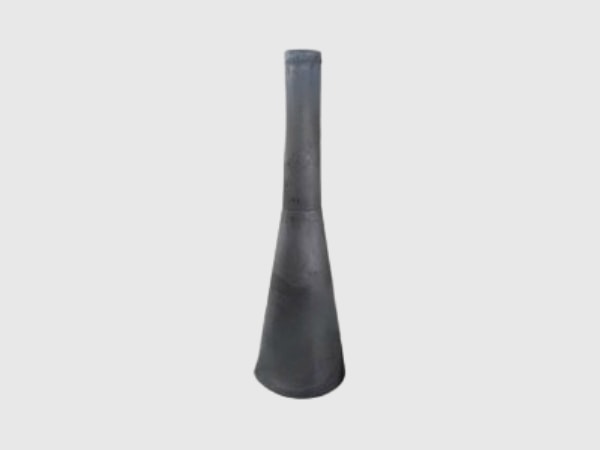
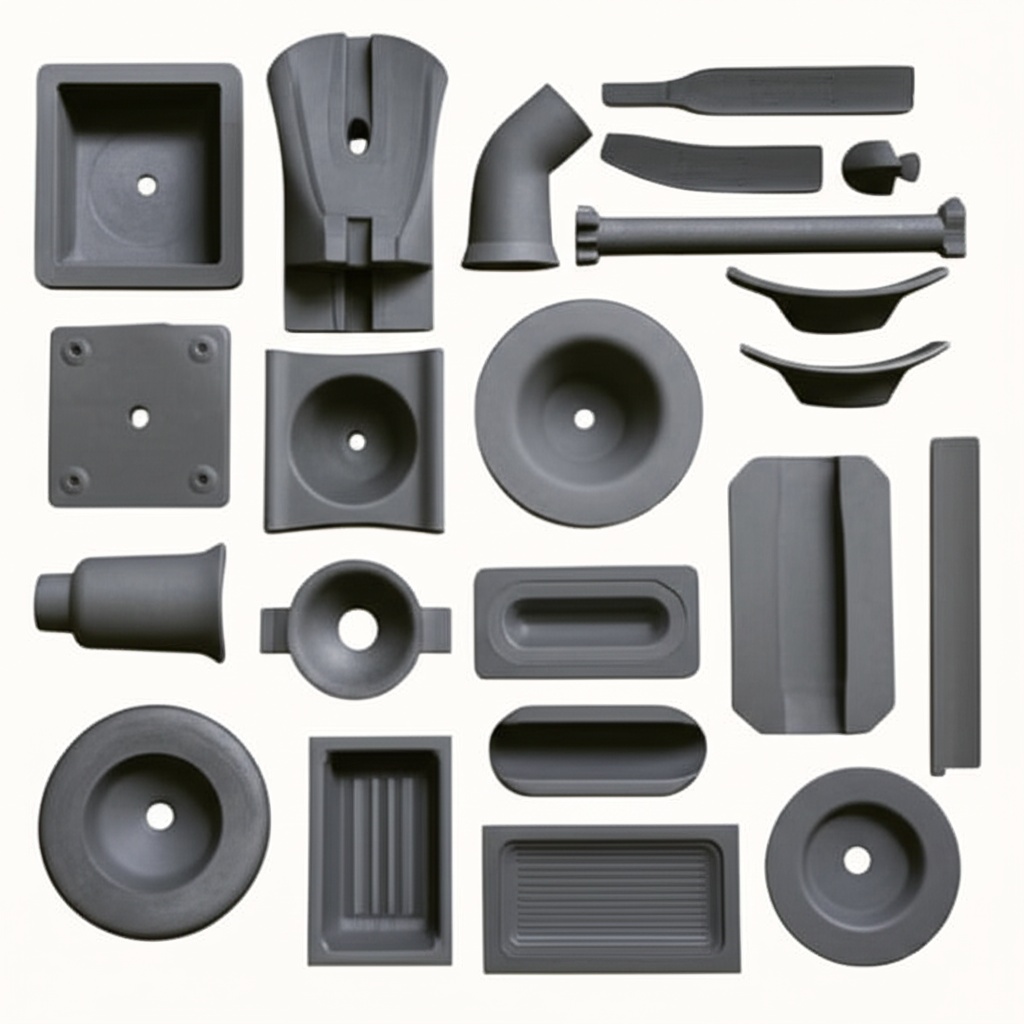
Custom silicon carbide products are engineered components designed to meet specific performance requirements in demanding environments. Unlike off-the-shelf solutions, custom SiC parts offer tailored thermal, mechanical, and chemical properties, optimizing performance where standard materials fail. These specialized technical ceramics are crucial for applications requiring extreme temperature resistance, superior wear resistance, high thermal conductivity, and exceptional chemical inertness.
Main Applications of SiC Across Industries
The versatility of SiC allows it to be integrated into a wide array of critical applications across various sectors. Its robust nature makes it a material of choice for components that must withstand harsh operating conditions.
- Semiconductor Manufacturing: SiC is vital for high-temperature furnace components, wafer carriers, and process equipment due to its thermal stability and purity.
- Automotive Industry: Used in power electronics for electric vehicles (EVs), braking systems, and engine components, leveraging its high thermal conductivity and wear resistance.
- Aerospace & Defense: Essential for missile nose cones, jet engine components, and lightweight structural parts where high strength-to-weight ratio and extreme temperature tolerance are critical.
- Power Electronics: SiC devices are revolutionizing power conversion, offering higher efficiency and smaller footprints in inverters, converters, and power modules.
- Renewable Energy: Key in solar inverters, wind turbine converters, and energy storage systems for enhanced efficiency and reliability.
- Metallurgy: SiC refractories and kiln furniture withstand extreme temperatures and corrosive environments in metal production.
- Chemical Processing: Components like heat exchangers, pump seals, and nozzles benefit from SiC’s excellent chemical inertness against aggressive media.
- LED Manufacturing: SiC substrates are used for high-brightness LEDs, offering superior thermal management.
- Industrial Machinery: Wear parts, bearings, and seals in heavy machinery benefit from SiC’s hardness and wear resistance.
- Telecommunications: Used in high-frequency and high-power communication systems due to its superior electrical properties.
- Oil and Gas: Components for downhole tools and harsh environment sensors require SiC’s robust properties.
- Medical Devices: Precision components and instruments where biocompatibility and high strength are needed.
- Rail Transportation: Power electronics for traction systems and braking components.
- Nuclear Energy: Structural components and fuel cladding due to its radiation resistance and thermal stability.
Why Choose Custom Silicon Carbide Products?
The decision to opt for custom silicon carbide products over standard solutions is often driven by the need for optimized performance and reliability in specific, challenging applications. Customization ensures that the material properties, dimensions, and structural integrity are precisely tailored to the intended use.
| Benefit Category | Specific Advantages of Custom SiC | Industrial Impact |
|---|---|---|
| Thermal Resistance | Withstands extreme temperatures up to 1600°C+, excellent thermal shock resistance. | Enables operation in high-temperature furnaces, jet engines, and power electronics. |
| Wear Resistance | Exceptional hardness, resistance to abrasion and erosion. | Extends lifespan of mechanical seals, bearings, and nozzles in abrasive environments. |
| Chemical Inertness | Highly resistant to acids, bases, and corrosive gases. | Ideal for chemical processing equipment, preventing material degradation. |
| Mechanical Strength | High stiffness, strength, and fracture toughness. | Provides structural integrity in aerospace components and defense applications. |
| Electrical Properties | High breakdown voltage, low on-resistance, high electron mobility. | Enhances efficiency and power density in power electronics and telecommunications. |
| Design Flexibility | Ability to form complex geometries and precise dimensions. | Allows for optimized component design for specific application needs. |
Recommended SiC Grades and Compositions
Silicon carbide is not a single material but a family of advanced ceramics, each with distinct properties tailored for specific applications. Understanding the different grades and compositions is crucial for selecting the right material for your needs.
- Reaction-Bonded SiC (RBSC): Offers high strength, excellent thermal shock resistance, and good oxidation resistance. Ideal for large, complex shapes and structural components.
- Sintered SiC (SSiC): Known for its high purity, exceptional hardness, and superior mechanical properties. Often used in wear applications, seals, and high-performance structural parts.
- Nitride-Bonded SiC (NBSC): Combines good strength and thermal shock resistance with excellent corrosion resistance. Suitable for metallurgical and chemical processing environments.
- Siliconized SiC (Si-SiC): A composite material with free silicon, offering good thermal conductivity and machinability. Used in applications requiring moderate temperatures and high wear resistance.
- Recrystallized SiC (ReSiC): Characterized by high purity and excellent high-temperature stability, making it suitable for semiconductor processing equipment.
Design Considerations for SiC Products
Designing with silicon carbide requires careful consideration of its unique material properties, particularly its hardness and brittleness. Proper design can significantly impact manufacturability, performance, and cost.
- Geometry Limits: Avoid sharp corners, thin walls, and abrupt changes in cross-section to minimize stress concentrations and facilitate machining.
- Wall Thickness: Maintain consistent wall thicknesses where possible to prevent warping during sintering and to ensure uniform strength.
- Stress Points: Design components to distribute stress evenly, especially in areas subjected to thermal shock or mechanical loads.
- Joining & Assembly: Consider how SiC components will be joined to other materials. Brazing, adhesive bonding, or mechanical fastening methods must be carefully selected.
- Machining Allowances: Account for material removal during grinding and finishing processes, as SiC is extremely hard.
Tolerance, Surface Finish & Dimensional Accuracy
Achieving precise tolerances and desired surface finishes in SiC components is a testament to advanced manufacturing capabilities. These factors are critical for the functionality and longevity of the final product.
Achievable Tolerances: While SiC is a hard material, advanced machining techniques like diamond grinding allow for tight tolerances. For intricate parts, typical tolerances can range from $pm 0.05 text{ mm}$ down to $pm 0.005 text{ mm}$ for critical dimensions, depending on the complexity and size of the component.
Surface Finish Options:
- As-Fired/As-Sintered: Rougher surface, suitable for non-critical surfaces or where further processing is not required.
- Ground: Achieved through diamond grinding, providing a smoother surface and improved dimensional accuracy.
- Lapped/Polished: Used for extremely smooth surfaces and very tight flatness requirements, often for sealing surfaces or optical applications. Surface roughness ($text{Ra}$) can be reduced to less than $0.1 mu text{m}$ through polishing.
Dimensional Accuracy: High dimensional accuracy is crucial for components that need to integrate seamlessly into complex assemblies or maintain precise clearances, such as pump seals, bearings, and semiconductor wafer handling equipment.
Post-Processing Needs for SiC Components
While SiC boasts inherent strength and durability, post-processing steps are often necessary to enhance performance, achieve desired surface characteristics, or integrate components into larger systems.
- Grinding: Essential for achieving precise dimensions, flatness, and surface finish. Diamond abrasive tools are used due to SiC’s extreme hardness.
- Lapping & Polishing: Used for creating optically smooth surfaces, critical for sealing applications, mirror substrates, or semiconductor equipment.
- Sealing: For porous SiC grades, impregnation or coating might be required to enhance impermeability for certain fluid or gas handling applications.
- Coating: Application of specialized coatings (e.g., SiC CVD coatings) can enhance surface hardness, purity, or chemical resistance for specific applications.
- Joining: Brazing, diffusion bonding, or adhesive bonding techniques may be employed to join SiC parts to themselves or to other materials, forming complex assemblies.
Common Challenges and How to Overcome Them
Despite its remarkable properties, working with silicon carbide presents certain manufacturing and application challenges. Understanding these and knowing how to mitigate them is key to successful project implementation.
- Brittleness: SiC is a hard but brittle material, making it susceptible to fracture under sudden impact or tensile stress.
- Mitigation: Implement robust design practices, avoid stress concentrations, and use appropriate mounting and handling techniques.
- Machining Complexity: Its extreme hardness makes SiC difficult and costly to machine.
- Mitigation: Design for near-net-shape manufacturing where possible, utilizing advanced diamond grinding techniques for finishing.
- Thermal Shock: While SiC generally has good thermal shock resistance, rapid and extreme temperature gradients can still cause cracking in certain geometries.
- Mitigation: Optimize component design to minimize thermal gradients and consider material grades with enhanced thermal shock resistance.
- Cost: Custom SiC components can be more expensive than conventional materials due to complex manufacturing processes.
- Mitigation: Focus on the total cost of ownership, considering the extended lifespan, reduced downtime, and improved performance that SiC offers.
How to Choose the Right SiC Supplier in Europe
Selecting a reputable and capable SiC supplier is critical for ensuring the quality, reliability, and timely delivery of your custom components. For European buyers, identifying a reliable distributor with strong manufacturing ties is essential.
- Technical Capabilities: Assess the supplier’s expertise in SiC materials science, design assistance, and advanced machining processes. Look for experience in manufacturing complex geometries and tight tolerances.
- Material Options: Ensure they offer a wide range of SiC grades (SSiC, RBSC, NBSC, etc.) to match your specific application requirements.
- Quality Certifications: Verify relevant certifications such as ISO 9001, ensuring a commitment to quality management and consistent product standards.
- Customer Support & Communication: A responsive and knowledgeable sales and engineering team is vital for effective collaboration and problem-solving.
- Supply Chain Transparency: Understand their manufacturing origins and supply chain resilience.
- Experience & Reputation: Choose suppliers with a proven track record of successful projects and positive customer testimonials.
When it comes to sourcing custom silicon carbide components, look no further than Europe’s leading SiC distributors. We at Sicarb Tech are committed to providing seamless access to high-quality, custom SiC products for our European partners. As a global leader in advanced ceramic solutions, we understand the critical needs of industries that rely on superior material performance.
It’s important to note that the hub of China’s silicon carbide customizable parts manufacturing is situated in Weifang City of China. This region has been home to over 40 silicon carbide production enterprises of various sizes, collectively accounting for more than 80% of the nation’s total silicon carbide output. We,Sicarb Tech, have been introducing and implementing silicon carbide production technology since 2015, assisting the local enterprises in achieving large-scale production and technological advancements in product processes. We have been a witness to the emergence and ongoing development of the local silicon carbide industry.
We at Sicarb Tech possess a domestic top-tier professional team specializing in customized production of silicon carbide products. Under our support, 402+ local enterprises have benefited from our technologies. We possess a wide array of technologies, such as material, process, design, measurement & evaluation technologies, along with the integrated process from materials to products. This enables us to meet diverse customization needs. We can offer you higher-quality, cost-competitive customized silicon carbide components in China. Our extensive cases demonstrate our capabilities in delivering tailored solutions.
We are also committed to assisting you in establishing a specialized factory. If you need to build a professional silicon carbide products manufacturing plant in your country, Sicarb Tech can provide you with the technology transfer for professional silicon carbide production, along with a full-range of services (turnkey project) including factory design, procurement of specialized equipment, installation and commissioning, and trial production. This enables you to own a professional silicon carbide products manufacturing plant while ensuring a more effective investment, reliable technology transformation, and guaranteed input-output ratio. Learn more about our company here and feel free to contact us for your SiC needs.
Cost Drivers and Lead Time Considerations
Understanding the factors that influence the cost and lead time of custom SiC products is crucial for effective project planning and budgeting.
| Cost Driver | Description | Impact on Pricing |
|---|---|---|
| Material Grade | Different SiC grades (SSiC, RBSC, etc.) have varying raw material costs and processing complexities. | Higher purity and specialized grades generally incur higher costs. |
| Component Complexity | Intricate geometries, thin walls, and multiple features require more precise machining and longer processing times. | Increases manufacturing costs due to specialized tooling and labor. |
| Tolerances & Finish | Achieving tighter tolerances and finer surface finishes (lapping, polishing) requires additional machining steps. | Adds to the production cost due to increased processing time and specialized equipment. |
| Volume | Larger production volumes often benefit from economies of scale. | Unit cost decreases with higher order quantities. |
| Post-Processing | Additional steps like coating, sealing, or complex assembly. | Increases overall cost depending on the complexity of the post-processing. |
Lead Time Considerations: Lead times for custom SiC products can vary significantly depending on the complexity of the part, manufacturing capacity, and current order backlog. Typically, lead times can range from a few weeks for simpler parts to several months for highly intricate or large-volume orders. Early engagement with your supplier, providing detailed specifications, and planning for prototyping phases can help manage and reduce lead times effectively.
Frequently Asked Questions (FAQ)
Q1: What are the primary advantages of Silicon Carbide over traditional ceramics or metals in high-temperature applications?
A1: SiC offers superior performance in high-temperature environments due to its exceptional thermal stability, high thermal conductivity, and excellent thermal shock resistance. Unlike many metals, it retains its mechanical properties at elevated temperatures and exhibits superior oxidation and corrosion resistance, making it ideal for demanding applications where metals would deform, degrade, or fail.
Q2: Is Silicon Carbide suitable for corrosive chemical environments?
A2: Yes, silicon carbide is highly resistant to a wide range of aggressive chemicals, including strong acids, bases, and various solvents, even at elevated temperatures. This makes it an ideal material for components used in chemical processing, petrochemical, and pharmaceutical industries, such as pump seals, nozzles, and heat exchanger components.
Q3: How does the manufacturing process of custom SiC parts ensure dimensional accuracy and quality?
A3: The manufacturing of custom SiC parts typically involves advanced ceramic processing techniques, including powder metallurgy, shaping (e.g., pressing, extrusion, slip casting), sintering at very high temperatures, and precision diamond grinding for finishing. Quality control is maintained through rigorous in-process inspections, material characterization, and dimensional verification using advanced metrology tools to ensure that parts meet specified tolerances and performance requirements.
Conclusion
Custom silicon carbide products represent a critical advancement in materials science, offering unparalleled performance in the most demanding industrial environments. From the cutting-edge semiconductor industry to the robust requirements of aerospace and the efficiency needs of power electronics, SiC delivers superior thermal, mechanical, and chemical properties that are simply unmatched by conventional materials. For engineers, procurement managers, and technical buyers in Europe, understanding the nuances of SiC grades, design considerations, and the selection of a reliable supplier is paramount for successful project outcomes.
Partnering with a knowledgeable and experienced SiC distributor is not just about procuring parts; it’s about leveraging expertise to optimize designs, overcome manufacturing challenges, and ensure the long-term reliability and performance of your critical systems. The investment in custom SiC components pays dividends in reduced downtime, extended product lifespan, and enhanced operational efficiency, making it a strategic choice for industries pushing the boundaries of technology and innovation.

About the Author: Sicarb Tech
We provide clear and reliable insights into silicon carbide materials, component manufacturing, application technologies, and global market trends. Our content reflects industry expertise, practical experience, and a commitment to helping readers understand the evolving SiC landscape.

Customizable SiC
You May Also Interest
-
![]()
Silicon Carbide for Filtration: Revolutionizing Separation in Demanding Environments
In the ever-evolving landscape of industrial processing, the demand for highly efficient, durable, and reliable filtration solutions has never been greater. As industries push the boundaries of temperature, pressure, and chemical aggression, conventional filter materials often fall short. This is where custom silicon carbide (SiC) filtration products emerge as a game-changing technology. Renowned for their…
-
![]()
SiC Academic Research Insights for Industry Use
SiC Academic Research Insights for Industry Use In the relentless pursuit of performance and efficiency across demanding industrial sectors, silicon carbide (SiC) has emerged as a cornerstone material. Its exceptional properties—ranging from unparalleled hardness and wear resistance to superior thermal conductivity and chemical inertness—make it indispensable for high-stakes applications. This blog post delves into the…
-
![]()
Precision SiC Rings for Reliable Mechanical Seals
Precision SiC Rings for Reliable Mechanical Seals In the demanding world of industrial applications, the reliability of every component is paramount. Mechanical seals play a critical role in preventing leakage, containing pressure, and excluding contaminants in rotating equipment. At the heart of these seals, the choice of material for seal faces is crucial for performance…