SiC Refractory Bricks for High-Heat Furnaces
Share
SiC Refractory Bricks for High-Heat Furnaces
In demanding industrial environments where extreme temperatures, abrasive conditions, and corrosive chemicals are the norm, conventional materials often fall short. This is where custom silicon carbide (SiC) products emerge as a game-changer, particularly in the form of SiC refractory bricks. Engineered for unparalleled performance, these advanced ceramic solutions are essential for prolonging equipment lifespan, enhancing operational efficiency, and ensuring safety in high-heat furnaces across diverse sectors. From semiconductor fabrication to robust metallurgical processes, understanding the unique properties and strategic applications of SiC refractory bricks is paramount for engineers, procurement managers, and technical buyers seeking superior refractory solutions.
What are SiC Refractory Bricks?
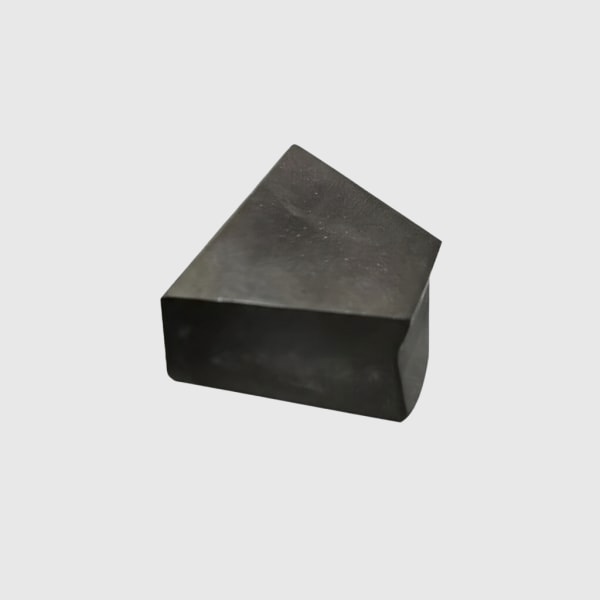
Silicon carbide refractory bricks are a class of advanced ceramic materials renowned for their exceptional thermal, mechanical, and chemical properties. Composed primarily of silicon and carbon, SiC exhibits a unique atomic structure that grants it extraordinary hardness, high thermal conductivity, low thermal expansion, and excellent resistance to thermal shock. These attributes make SiC refractory bricks ideal for lining furnaces, kilns, and other high-temperature processing equipment where stability and durability are critical. Unlike traditional refractory materials, SiC maintains its structural integrity and performance even under the most punishing conditions, offering a long-term, cost-effective solution for industrial applications.
Key Applications of SiC Refractory Bricks
The versatility and robust performance of SiC refractory bricks make them indispensable across a wide array of industries. Their ability to withstand extreme conditions ensures optimal performance and longevity for critical equipment.
- Semiconductor Manufacturing: In the production of semiconductors, ultra-high purity and precise temperature control are essential. SiC refractory bricks are used in diffusion furnaces and rapid thermal processing equipment, providing a stable, contamination-free environment crucial for silicon wafer processing. Their high thermal conductivity ensures uniform temperature distribution, a critical factor for quality control.
- Automotive Industry: As the automotive sector shifts towards electric vehicles (EVs), the demand for high-performance power electronics grows. SiC is vital in manufacturing these components, and SiC refractory bricks are used in the furnaces that produce SiC wafers and other advanced materials for EV power modules, ensuring efficient and reliable operation.
- Aerospace Industry: Aerospace applications demand materials with exceptional strength-to-weight ratios and high-temperature stability. SiC refractory bricks are integral to the production of high-performance aerospace components, including turbine blades and heat shields, used in the furnaces and kilns for processing these advanced materials.
- Power Electronics Manufacturing: The efficiency of power conversion systems relies heavily on SiC devices. Furnaces used in the synthesis and processing of SiC substrates and devices benefit from the stable, high-temperature environment provided by SiC refractory bricks, enabling the creation of more compact and efficient power modules.
- Renewable Energy: In solar panel manufacturing and other renewable energy applications, SiC refractory bricks are utilized in high-temperature furnaces for processes like crystal growth and material synthesis, contributing to the development of more efficient and sustainable energy solutions.
- Metallurgical Companies: From steel production to non-ferrous metal refining, the metallurgical industry operates at extreme temperatures. SiC refractory bricks are widely used in blast furnaces, hot blast stoves, and induction furnaces due to their excellent resistance to slag corrosion, abrasion, and high thermal loads, significantly extending furnace life and reducing downtime.
- Defense Contractors: For military and defense applications, materials must withstand harsh operational environments. SiC refractory bricks are employed in the production of high-performance ceramics used in armor, missile components, and high-temperature engine parts, offering superior protection and durability.
- Chemical Processing Companies: In chemical reactors and incinerators, resistance to corrosive chemicals and high temperatures is paramount. SiC refractory bricks provide a durable lining, preventing material degradation and ensuring operational safety and efficiency in aggressive chemical environments.
- LED Manufacturers: The production of high-brightness LEDs involves high-temperature epitaxy processes. SiC refractory bricks ensure stable and uniform temperature profiles within these reactors, which is critical for the quality and performance of LED chips.
- Industrial Equipment Manufacturers: Many industrial furnaces, kilns, and incinerators rely on robust refractory linings. SiC refractory bricks offer a superior alternative to traditional materials, reducing maintenance costs and improving the lifespan of various industrial heating equipment.
- Telecommunications Companies: While not directly using SiC refractory bricks in their end products, the manufacturing processes for some advanced communication components and optical fibers involve high-temperature steps where SiC furnace linings may be employed for purity and temperature control.
- Oil and Gas Companies: In refining and petrochemical processes, high-temperature applications and corrosive environments are common. SiC refractory bricks are used in reformers, cracking units, and incinerators to withstand severe operating conditions and extend equipment life.
- Medical Device Manufacturers: Some specialized medical device components, particularly those requiring high purity or operating at elevated temperatures, may involve processing in furnaces lined with SiC refractory materials to ensure a clean and controlled environment.
- Rail Transportation Companies: Heat treatment processes for rail components and high-temperature braking systems can benefit from the use of SiC ceramics. Furnaces used in these manufacturing steps can be lined with SiC refractory bricks for enhanced durability and performance.
- Nuclear Energy Companies: In nuclear fuel processing and waste vitrification, extremely high temperatures and demanding conditions require robust materials. SiC refractory bricks offer excellent stability and corrosion resistance in such critical applications, contributing to safe and efficient operations.
Why Choose Custom SiC Refractory Bricks?
While standard SiC refractory bricks offer significant advantages, custom solutions unlock even greater potential. Tailoring SiC products to specific application requirements ensures optimal performance, extends operational life, and often leads to significant cost savings in the long run.
- Tailored Performance: Custom SiC formulations can be optimized for specific thermal loads, chemical environments, and mechanical stresses. This ensures that the refractory bricks perform precisely as needed, minimizing wear and maximizing efficiency.
- Enhanced Thermal Resistance: For applications pushing the boundaries of temperature, custom SiC compositions can offer even higher thermal stability and resistance to thermal shock, preventing cracking and spalling.
- Superior Wear Resistance: In abrasive environments, custom SiC can be formulated with enhanced hardness and density, providing unparalleled resistance to erosion and abrasion from particulate matter or molten materials.
- Optimized Chemical Inertness: For corrosive environments, specific SiC grades can be chosen or modified to resist particular acids, alkalis, or molten metals, preventing chemical attack and contamination.
- Precise Geometries and Tolerances: Custom manufacturing allows for complex shapes, precise dimensions, and tight tolerances, ensuring a perfect fit within specialized furnaces and equipment, which is critical for maximizing efficiency and minimizing heat loss.
- Cost-Effectiveness: While the initial investment in custom SiC might be higher, the extended lifespan, reduced downtime, and enhanced performance often result in a lower total cost of ownership compared to off-the-shelf solutions.
Recommended SiC Refractory Grades and Compositions
The performance of SiC refractory bricks is heavily influenced by their composition and manufacturing process. Choosing the right grade is crucial for optimal application performance.
| SiC Grade/Type | Composition/Bonding | Key Properties | Typical Applications |
|---|---|---|---|
| Reaction-Bonded SiC (RBSiC) | SiC particles infiltrated with molten silicon, forming a SiC matrix and free silicon. | High strength, excellent wear and corrosion resistance, good thermal shock resistance, relatively low porosity. | Kiln furniture, furnace linings, nozzles, heat exchangers, mechanical seals. |
| Sintered SiC (SSiC) | Pure SiC powder sintered at high temperatures without a liquid phase, using sintering aids. | Extremely high hardness, superior strength at elevated temperatures, excellent chemical inertness, high thermal conductivity, low porosity. | Blast furnace components, semiconductor processing equipment, burner nozzles, advanced wear parts. |
| Nitride-Bonded SiC (NBSiC) | SiC grains bonded by silicon nitride, formed through reaction bonding of silicon and nitrogen. | Good strength, excellent thermal shock resistance, good oxidation resistance, suitable for reducing atmospheres. | Kiln furniture, furnace linings, thermocouple protection tubes, molten metal contact. |
| Clay-Bonded SiC | SiC grains bonded with a refractory clay matrix. | Good thermal shock resistance, cost-effective, decent mechanical strength. | General refractory applications, less demanding furnace linings, muffles. |
| Oxide-Bonded SiC | SiC grains bonded by an oxide matrix (e.g., alumina, mullite). | Good oxidation resistance, moderate strength, relatively lower thermal conductivity than pure SiC. | Furnace components, general refractory applications where oxidation is a concern. |
Design Considerations for SiC Refractory Bricks
Effective design is crucial for maximizing the performance and lifespan of SiC refractory bricks in industrial applications. Engineers must consider several factors to ensure optimal fit, function, and durability.
- Geometry and Form: SiC refractory bricks can be manufactured in a variety of complex shapes, including standard bricks, special shapes, plates, tubes, and intricate custom designs. Understanding the furnace geometry and heat flow patterns is essential for designing effective lining configurations.
- Wall Thickness and Section Size: Appropriate wall thickness is vital for mechanical strength and thermal insulation. Thicker sections offer greater robustness but can increase thermal mass and material cost. Optimal sizing is based on operating temperatures, mechanical loads, and desired thermal gradients.
- Thermal Stress and Expansion: SiC exhibits low thermal expansion, but significant temperature gradients can still induce stress. Designs should account for thermal expansion and contraction, incorporating expansion joints or specific brick laying patterns to prevent cracking.
- Mechanical Loading: Evaluate compressive, tensile, and shear loads the bricks will experience. SiC has high compressive strength but is more susceptible to tensile stress. Designs should aim to minimize tensile forces where possible.
- Attachment and Support Mechanisms: Consider how the SiC refractory bricks will be installed and supported within the furnace structure. Proper anchoring and support prevent movement, shifting, and potential collapse under high temperatures and vibrations.
- Interaction with Adjacent Materials: Assess the compatibility of SiC with other refractory materials or insulation layers. Chemical reactions or differential thermal expansion between dissimilar materials can lead to premature failure.
Tolerance, Surface Finish & Dimensional Accuracy
Precision in manufacturing SiC refractory bricks is critical for proper fit, reduced installation time, and enhanced performance, especially in demanding applications where tight clearances are necessary.
- Achievable Tolerances: Modern manufacturing techniques, including advanced grinding and machining, allow for very tight tolerances on SiC refractory bricks. Typical tolerances can range from $pm0.1%$ to $pm0.5%$ of the dimension, with tighter tolerances possible for critical features, often down to $pm0.05$ mm or even finer for precision components.
- Surface Finish Options: The surface finish significantly impacts performance, particularly in applications requiring purity, wear resistance, or specific gas flow characteristics.
- As-fired/As-sintered: Suitable for general refractory applications, offering a relatively rough surface.
- Ground: Provides a smoother, more accurate surface, reducing friction and enhancing fit.
- Lapped/Polished: Achieves a very fine surface finish (e.g., Ra < 0.2 $mu$m), crucial for semiconductor process equipment, mechanical seals, or where gas purity and flow dynamics are critical.
- Dimensional Accuracy: High dimensional accuracy ensures that the bricks fit together seamlessly, minimizing gaps that could lead to heat loss, hot spots, or premature wear. This precision is vital for creating robust and long-lasting furnace linings and complex SiC components.
Post-Processing Needs for SiC Refractory Bricks
While SiC refractory bricks boast inherent strength, certain post-processing steps can further optimize their performance, durability, and suitability for specific applications.
- Grinding and Machining: For precision applications or complex geometries that cannot be achieved through firing alone, diamond grinding and specialized machining are essential. This allows for tight tolerances, smooth surfaces, and intricate features.
- Lapping and Polishing: Achieving ultra-fine surface finishes, critical for applications like semiconductor processing chambers or wear surfaces, requires lapping and polishing. These processes enhance purity, reduce friction, and improve sealing capabilities.
- Sealing: In some cases, a sealant might be applied to reduce porosity further, enhance resistance to specific corrosive agents, or improve gas tightness, particularly in vacuum or controlled atmosphere furnaces.
- Coating: Specialized coatings (e.g., pyrolytic graphite, CVD SiC) can be applied to enhance surface properties, such as further increasing chemical inertness, improving non-wetting characteristics, or providing additional erosion resistance in highly aggressive environments.
- Inspection and Quality Control: Post-processing includes rigorous inspection using techniques like ultrasonic testing, X-ray analysis, and dimensional checks to ensure the final product meets all specifications and quality standards.
Common Challenges and How to Overcome Them
Despite their superior properties, working with SiC refractory bricks presents certain challenges. Understanding these and implementing mitigation strategies is key to successful application.
- Brittleness: Like most advanced ceramics, SiC is inherently brittle, meaning it can be susceptible to sudden fracture under impact or excessive tensile stress.
- Mitigation: Design to minimize tensile stresses, provide adequate support, and use appropriate expansion joints. Careful handling during transport and installation is crucial.
- Machining Complexity: The extreme hardness of SiC makes it very difficult and costly to machine, requiring specialized diamond tools and techniques.
- Mitigation: Design components to minimize the need for post-sintering machining. Collaborate with suppliers experienced in near-net-shape manufacturing or advanced grinding techniques.
- Thermal Shock Resistance: While generally good, extreme temperature gradients or very rapid heating/cooling cycles can still induce thermal shock and cracking.
- Mitigation: Implement controlled heating and cooling ramps. Design with thinner sections or geometries that distribute thermal stress more evenly. Choose SiC grades with superior thermal shock properties (e.g., nitride-bonded SiC for certain applications).
- Cost: SiC refractory bricks are generally more expensive than traditional refractory materials due to raw material costs and complex manufacturing processes.
- Mitigation: Focus on the total cost of ownership, considering longer lifespan, reduced downtime, and improved performance. Optimize designs to use SiC strategically only where its unique properties are essential.
- Chemical Attack in Specific Environments: While highly chemically inert, certain aggressive molten metals (e.g., aluminum) or strong alkalis at high temperatures can still react with SiC.
- Mitigation: Select specific SiC grades or apply protective coatings if known reactive elements are present. Conduct material compatibility tests for novel applications.
How to Choose the Right SiC Refractory Supplier
Selecting the right supplier for SiC refractory bricks is a critical decision that impacts product quality, delivery, and overall project success. A robust supplier partnership ensures access to expertise and reliable materials.
- Technical Capabilities and Expertise: Look for suppliers with deep knowledge of SiC material science, manufacturing processes, and diverse industrial applications. They should be able to provide technical support for design and material selection.
- Material Options and Customization: A reputable supplier should offer a range of SiC grades (e.g., RBSiC, SSiC, NBSiC) and be capable of producing custom shapes and sizes with precise tolerances. This flexibility is crucial for tailored solutions.
- Quality Control and Certifications: Inquire about their quality management systems (e.g., ISO certifications) and internal QC processes. Ask for material data sheets, testing reports, and traceability documentation.
- Production Capacity and Lead Times: Ensure the supplier has the capacity to meet your volume requirements and can adhere to agreed-upon lead times. This is especially important for large-scale projects or continuous production needs.
- Industry Experience and References: A supplier with a proven track record in your specific industry (e.g., semiconductors, aerospace, metallurgy) indicates relevant experience. Request customer references or case studies.
- R&D and Innovation: Suppliers engaged in continuous research and development are more likely to offer cutting-edge solutions and adapt to evolving industry needs.
Here is the hub of China’s silicon carbide customizable parts factories. It’s important to note that the hub of China’s silicon carbide customizable parts manufacturing is situated in Weifang City of China. This region has become home to over 40 silicon carbide production enterprises of various sizes, collectively accounting for more than 80% of the nation’s total silicon carbide output.
We, Sicarb Tech, have been introducing and implementing silicon carbide production technology since 2015, assisting the local enterprises in achieving large-scale production and technological advancements in product processes. We have been a witness to the emergence and ongoing development of the local silicon carbide industry.
Based on the platform of the national technology transfer center of the Chinese Academy of Sciences, Sicarb Tech is part of Chinese Academy of Sciences (Weifang) Innovation Park, an entrepreneurial park that collaborates closely with the National Technology Transfer Center of the Chinese Academy of Sciences. It serves as a national-level innovation and entrepreneurship service platform, integrating innovation, entrepreneurship, technology transfer, venture capital, incubation, acceleration, and scientific and technological services.
Sicarb Tech capitalizes on the robust scientific, technological capabilities and talent pool of the Chinese Academy of Sciences . Backed by the Chinese Academy of Sciences National Technology Transfer Center, it serves as a bridge, facilitating the integration and collaboration of crucial elements in the transfer and commercialization of scientific and technological achievements. Moreover, it has established a comprehensive service ecosystem that spans the entire spectrum of the technology transfer and transformation process. This allows for more reliable quality and supply assurance within China.
Sicarb Tech possesses a domestic top-tier professional team specializing in customized production of silicon carbide products. Under our support, 355+ local enterprises have benefited from our technologies. We possess a wide array of technologies, such as material, process, design, measurement & evaluation technologies, along with the integrated process from materials to products. This enables us to meet diverse customization needs. We can offer you higher-quality, cost-competitive customized silicon carbide components in China. Explore our customizing support here.
We are also committed to assisting you in establishing a specialized factory. If you need to build a professional silicon carbide products manufacturing plant in your country, Sicarb Tech can provide you with the technology transfer for professional silicon carbide production, along with a full-range of services (turnkey project) including factory design, procurement of specialized equipment, installation and commissioning, and trial production. This enables you to own a professional silicon carbide products manufacturing plant while ensuring a more effective investment, reliable technology transformation, and guaranteed input-output ratio.
Cost Drivers and Lead Time Considerations
Understanding the factors that influence the cost and lead time of SiC refractory bricks is crucial for effective project planning and budgeting.
Cost Drivers:
- Material Grade and Purity: Higher purity SiC grades (e.g., SSiC) and specialized compositions are generally more expensive due to raw material costs and more complex processing.
- Product Complexity: Custom shapes, intricate geometries, and designs requiring extensive machining or specialized post-processing will significantly increase costs compared to standard brick shapes.
- Dimensional Tolerances and Surface Finish: Tighter tolerances and finer surface finishes (e.g., lapped or polished) require more precise manufacturing techniques and longer processing times, contributing to higher costs.
- Volume of Order: Larger production volumes typically benefit from economies of scale, leading to lower per-unit costs. Smaller, custom orders may incur higher setup costs.
- Testing and Certification: Extensive quality control testing, third-party certifications, or specific application-specific validations can add to the overall cost.
Lead Time Considerations:
- Material Availability: The availability of specific SiC raw materials can influence lead times, especially for less common compositions.
- Manufacturing Process: Different SiC manufacturing processes (e.g., reaction bonding vs. sintering) have varying cycle times. Sintering processes, for example, typically involve longer high-temperature holds.
- Machining and Post-Processing: Components requiring extensive grinding, lapping, or coating will naturally have longer lead times due to the additional processing steps.
- Production Queue: A supplier’s current production load and backlog will directly impact how quickly new orders can be initiated and completed.
- Shipping and Logistics: International shipping can add significant time to the overall lead time. Consider expedited shipping options if timing is critical.
Frequently Asked Questions (FAQ)
Here are some common questions technical buyers and engineers have about SiC refractory bricks:
- What is the maximum operating temperature for SiC refractory bricks?The maximum operating temperature for SiC refractory bricks typically ranges from $1600^circtext{C}$ to $1800^circtext{C}$ ($2912^circtext{F}$ to $3272^circtext{F}$), depending on the specific SiC grade and composition. Some advanced grades can even withstand higher temperatures in non-oxidizing atmospheres.
- How do SiC refractory bricks compare to alumina or mullite refractories?SiC refractory bricks generally offer superior thermal conductivity, higher strength at elevated temperatures, better thermal shock resistance, and excellent resistance to wear and chemical attack compared to traditional alumina or mullite refractories. While often more expensive upfront, their extended lifespan and performance benefits can lead to lower long-term costs in demanding applications.
- Can SiC refractory bricks be repaired or patched?While SiC refractory bricks are highly durable, minor damage can sometimes be repaired using specialized SiC-based patching compounds or mortars. However, for significant damage or structural integrity issues, replacement of the affected bricks is typically recommended to maintain optimal performance and safety. Regular inspection is key to identifying issues early.
- Are SiC refractory bricks resistant to molten metals?SiC refractory bricks exhibit excellent resistance to many molten metals, particularly non-ferrous metals like aluminum, copper, and zinc. However, certain reactive metals (e.g., molten iron under specific conditions, or highly aggressive slags) can still interact with SiC. The specific SiC grade and operating conditions dictate the level of resistance. Consult with a supplier for specific metal compatibility.
- What industries benefit most from using custom SiC refractory bricks?Industries that operate high-temperature furnaces, kilns, or reactors and face challenges with wear, corrosion, thermal shock, or contamination heavily benefit from custom SiC refractory bricks. This includes semiconductor manufacturing, aerospace, power electronics, metallurgical processing, chemical processing, and various industrial equipment manufacturing sectors. Check out our case studies for examples.
Conclusion
In the relentless pursuit of efficiency, durability, and performance in high-temperature industrial environments, custom silicon carbide (SiC) refractory bricks stand out as an unparalleled solution. Their exceptional thermal resistance, superior wear resistance, and remarkable chemical inertness make them indispensable for critical applications across semiconductors, aerospace, power electronics, metallurgy, and beyond. By understanding the various grades, design considerations, and post-processing needs, engineers and procurement managers can make informed decisions that lead to extended equipment lifespan, reduced downtime, and enhanced operational reliability.
Partnering with a knowledgeable and experienced supplier like Sicarb Tech is crucial for unlocking the full potential of SiC technology. With our deep expertise in SiC materials science, advanced manufacturing capabilities, and commitment to customized solutions, we are uniquely positioned to provide the highest quality SiC refractory bricks tailored to your exact specifications. From material selection to design optimization and even assisting in setting up your own production facility, we are dedicated to supporting your success in the most demanding industrial applications. Contact us today to discuss your specific requirements and discover how custom SiC refractory bricks can elevate your industrial processes.

About the Author: Sicarb Tech
We provide clear and reliable insights into silicon carbide materials, component manufacturing, application technologies, and global market trends. Our content reflects industry expertise, practical experience, and a commitment to helping readers understand the evolving SiC landscape.

Customizable SiC
You May Also Interest
-
![]()
Silicon Carbide Kiln Furniture: Optimizing Performance and Efficiency in High-Temperature Applications
In the demanding world of industrial high-temperature processes, the choice of materials for kiln construction and furniture is paramount. Traditional materials often fall short when faced with extreme temperatures, aggressive atmospheres, and the need for consistent, reliable performance. This is where custom silicon carbide (SiC) kiln furniture emerges as a transformative solution. Silicon carbide, a…
-
![]()
SiC Heat Exchangers: Thermal Spare Components
SiC Heat Exchangers: The Ultimate Thermal Spare Components for Demanding Industries In the relentless pursuit of efficiency, durability, and performance, industries operating under extreme conditions face a constant challenge: finding materials that can withstand high temperatures, aggressive chemicals, and abrasive environments. For engineers, procurement managers, and technical buyers across sectors like semiconductors, aerospace, power electronics,…
-
![]()
Mastering the Future: A Deep Dive into SiC Processing Equipment
In the realm of advanced materials, Silicon Carbide (SiC) stands out for its exceptional properties, making it indispensable across a multitude of high-performance industrial applications. From the demanding environments of semiconductor fabrication and aerospace engineering to the extreme conditions within high-temperature furnaces and energy systems, SiC components are critical enablers of technological advancement. However, the…