SiC Foam: Innovative Filtration & Catalysis Solutions
Share
SiC Foam: Innovative Filtration & Catalysis Solutions
Introduction: Understanding SiC Foam’s Industrial Impact
Silicon Carbide (SiC) foam is a highly porous, lightweight, and robust technical ceramic material gaining significant traction across diverse industrial sectors. Its unique three-dimensional open-pore structure, combined with the inherent outstanding properties of silicon carbide – such as high thermal conductivity, excellent thermal shock resistance, high-temperature stability, chemical inertness, and superior wear resistance – makes it an indispensable component for demanding applications. Unlike traditional filtration media or catalyst carriers, SiC foam offers a unique combination of high surface area, low-pressure drop, and structural integrity, especially at elevated temperatures or in corrosive environments. These characteristics position silicon carbide foam as a critical enabler for process intensification, efficiency improvements, and emission reductions in fields ranging from molten metal filtration to advanced chemical catalysis. For engineers and procurement managers in industries like semiconductors, metallurgy, and power electronics, understanding the capabilities of custom SiC foam products is key to unlocking new levels of performance and reliability.
The demand for high-performance ceramic foam filters and catalyst supports is constantly growing, driven by stricter environmental regulations and the need for more efficient industrial processes. Silicon carbide foam stands out due to its ability to operate under conditions where other materials would fail, making it a strategic choice for forward-thinking companies.
Main Applications of SiC Foam Across Industries
The versatility of silicon carbide foam allows its application in a wide array of industries, primarily leveraging its capabilities in high-temperature filtration and as a robust catalyst support. Its open-cell structure is key to these functions.
- Metallurgy: Extensively used for molten metal filtration (e.g., iron, steel, aluminum, copper alloys). SiC foam effectively removes inclusions, reduces turbulence, and improves casting quality, leading to fewer defects and enhanced mechanical properties of the final metal products.
- Chemical Processing: Serves as a catalyst support in various chemical reactors. Its high surface area, thermal stability, and chemical resistance are ideal for heterogeneous catalysis, enabling higher reaction rates and longer catalyst life, even in aggressive chemical environments. Applications include oxidation, hydrogenation, and reforming processes.
- Power Electronics & Thermal Management: While not a primary application for foam, SiC’s base properties are crucial. Porous SiC can be explored for advanced heat dissipation structures due to its high thermal conductivity and large surface area, potentially in heat exchangers or thermal interface materials for high-power devices.
- Environmental Protection: Used as filters for diesel particulate matter (DPF) and for treating industrial exhaust gases (e.g., hot gas filtration). SiC foam can withstand the high temperatures and corrosive nature of exhaust streams, efficiently trapping particulate matter and supporting catalytic converters for pollutant reduction.
- Semiconductor Manufacturing: Although solid SiC components are more common, porous SiC structures can find niche applications in gas distribution systems or specific high-temperature chamber components where uniform flow and thermal stability are critical.
- Renewable Energy: In systems like concentrated solar power (CSP), SiC foam can be used as volumetric solar absorbers due to its excellent heat absorption and thermal shock resistance. It may also find use in advanced battery or fuel cell designs as porous electrodes or separators.
- Aerospace and Defense: Components requiring lightweight, high-temperature resistant materials for thermal protection systems, or as porous structures in advanced propulsion systems.
- Industrial Furnaces & Kilns: As burner components or radiant heating elements, leveraging its high-temperature stability and thermal conductivity for efficient energy transfer and combustion processes.
The ability to customize the porosity, pore size, and overall dimensions of SiC foam makes it adaptable to specific requirements within these diverse applications, providing solutions where generic materials fall short.
Why Choose Custom Silicon Carbide Foam?
Opting for custom silicon carbide foam offers significant advantages over standard or alternative material solutions, particularly when addressing specific operational challenges or aiming for peak performance in specialized industrial processes. Customization allows for tailoring the material’s properties to the exact needs of an application.
Key benefits of customization include:
- Optimized Porosity and Pore Size Distribution: Custom manufacturing allows for precise control over the foam’s porosity (typically 70-90%) and average pore size (ranging from PPI 10 to PPI 100 or higher). This is crucial for filtration efficiency, permeability, and pressure drop characteristics in filtration applications, or for maximizing active surface area and reactant contact in catalytic processes.
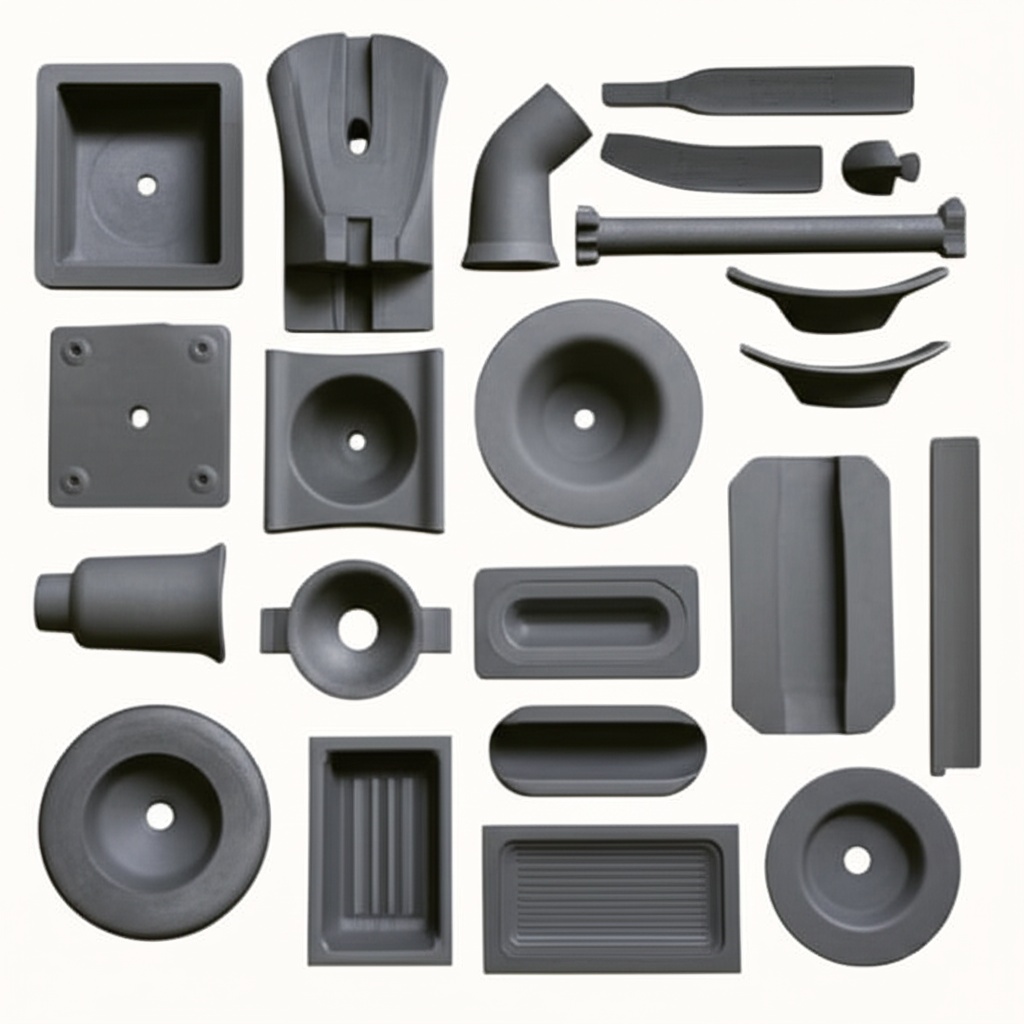
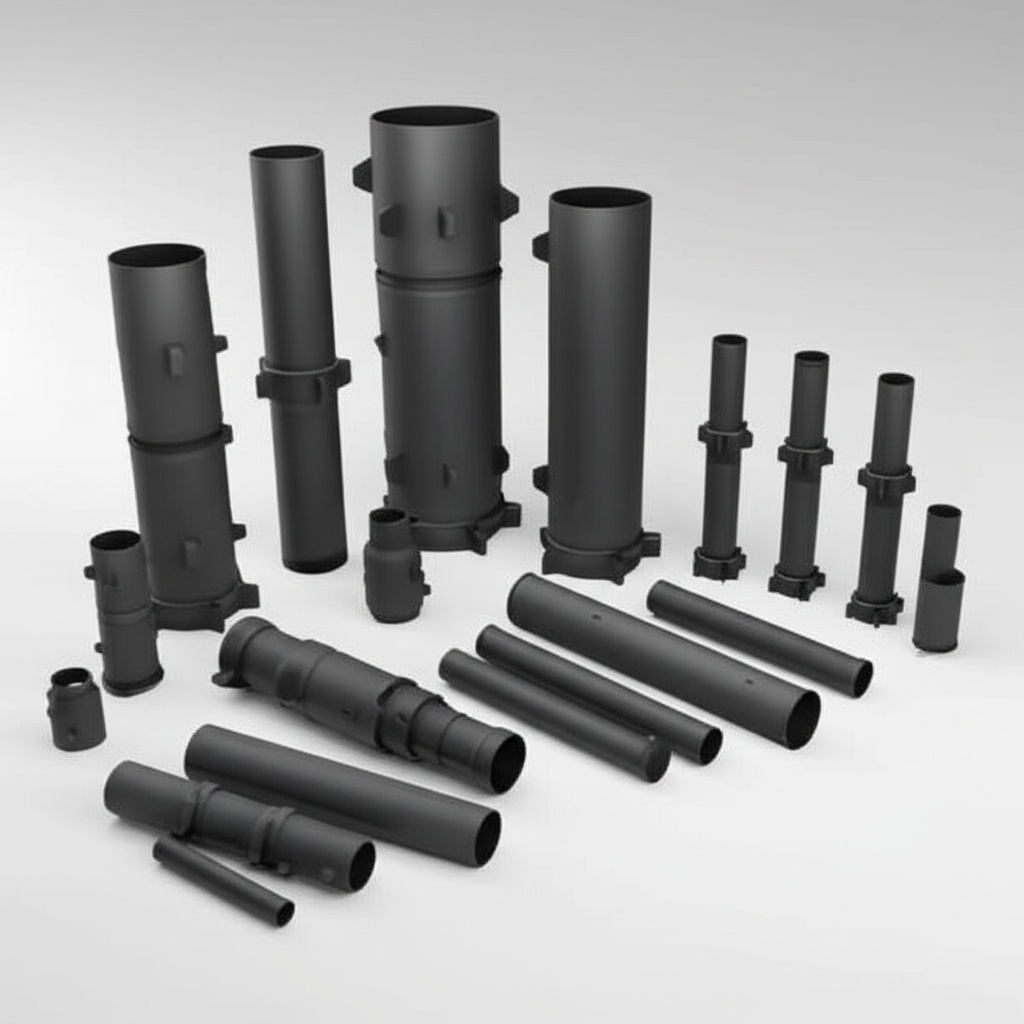
- Tailored Geometries and Dimensions: SiC foam can be manufactured in complex shapes and sizes, including discs, plates, tubes, and other custom-designed configurations to fit existing equipment or optimize flow paths. This eliminates the need for extensive modifications to machinery and ensures seamless integration.
- Enhanced Thermal Management: The inherent high thermal conductivity of SiC, combined with the structural design of the foam, can be optimized for specific heat transfer requirements. Customization can fine-tune thermal shock resistance for applications with rapid temperature cycling.
- Superior Chemical Inertness and Corrosion Resistance: While SiC is inherently resistant to most acids, alkalis, and molten metals, customization can involve selecting specific SiC grades or bonding phases (e.g., reaction-bonded, sintered) to further enhance resistance against particularly aggressive chemical environments or extreme temperatures.
- Improved Mechanical Strength and Durability: Customization can balance porosity with mechanical strength. While highly porous, SiC foam can be engineered to possess sufficient compressive and flexural strength for demanding industrial handling and operational stresses, ensuring longevity and reliability.
- Application-Specific Surface Modifications: Custom SiC foam can be prepared for subsequent surface treatments or coatings, such as the deposition of catalytic materials. The base foam structure can be designed to enhance the adhesion and distribution of these coatings.
By choosing custom SiC foam, companies can achieve improved process efficiency, extended component lifetime, reduced operational costs, and better end-product quality. For procurement professionals and engineers in industrial manufacturing, specifying custom solutions addresses unique challenges that off-the-shelf products cannot.
Recommended SiC Foam Grades and Compositions
Silicon carbide foam products are available in various grades and compositions, primarily differentiated by the manufacturing process (bonding method), purity, pore size (PPI – Pores Per Inch), and density. The choice of a specific grade depends heavily on the intended application’s operating conditions, such as temperature, chemical environment, and mechanical stress.
Common types include:
- Reaction-Bonded Silicon Carbide (RBSC) Foam:
- Properties: Typically contains a small percentage of free silicon (usually 8-15%). Offers good mechanical strength, excellent thermal shock resistance, and high thermal conductivity. Cost-effective compared to fully sintered SiC.
- Applications: Widely used for molten metal filtration (especially aluminum and copper alloys), kiln furniture, and burner components. Its performance is excellent up to ~1350-1400°C.
- Sintered Silicon Carbide (SSiC) Foam:
- Properties: Produced by sintering fine SiC powder at very high temperatures, often with non-oxide sintering aids. Results in a highly pure SiC structure (typically >98-99% SiC) with no free silicon. Offers superior high-temperature strength (up to 1600-1700°C), excellent corrosion and erosion resistance, and high hardness.
- Applications: Ideal for more demanding applications such as filtration of high-temperature superalloys, aggressive chemical processing, diesel particulate filters (DPFs), and advanced catalyst supports requiring extreme durability.
- Nitride-Bonded Silicon Carbide (NBSC) Foam:
- Properties: SiC grains are bonded by a silicon nitride (Si₃N₄) phase. Offers good mechanical strength, wear resistance, and thermal shock resistance. Generally has good resistance to wetting by molten non-ferrous metals.
- Applications: Used in applications where good strength and resistance to specific chemical attacks are needed, sometimes as an alternative to RBSC or SSiC in certain temperature ranges or chemical environments.
Beyond the bonding type, SiC foam specifications are often defined by:
- Pores Per Inch (PPI): This indicates the number of pores in a linear inch and typically ranges from 10 PPI (coarse pores) to 100 PPI or more (fine pores).
- Low PPI (10-30): Used when high permeability and lower pressure drop are critical, or for filtering larger particulates. Common in molten iron and steel filtration.
- Medium PPI (30-60): Offers a balance between filtration efficiency and permeability. Suitable for aluminum and other non-ferrous alloy filtration, and some catalyst support applications.
- High PPI (60-100+): Provides higher filtration efficiency for finer particles and greater surface area for catalytic reactions but results in a higher pressure drop. Used in fine filtration and specialized catalyst applications.
- Density/Porosity: Typically, SiC foams have a high porosity, often between 80% and 95%. Higher porosity means lower density and greater surface area but may reduce mechanical strength.
The selection process involves a careful trade-off analysis based on the application requirements. Consulting with a knowledgeable SiC foam manufacturer is crucial for choosing the optimal grade and composition for your needs. For those seeking advanced solutions, exploring custom formulations and structures can lead to significant performance benefits.
Design Considerations for SiC Foam Products
Designing components using silicon carbide foam requires careful consideration of its unique material properties and the intended application. While SiC foam offers remarkable performance, its ceramic nature (brittleness) and porous structure necessitate specific design guidelines to ensure manufacturability, functionality, and longevity.
Key design considerations include:
- Geometry and Shape Complexity:
- SiC foam can be manufactured into various standard shapes like discs, plates, and tubes. Custom, more complex geometries are possible but may increase manufacturing complexity and cost.
- Avoid sharp internal corners or abrupt changes in cross-section, which can act as stress concentrators. Generous radii are preferred.
- Consider the method of integration: Will the foam be mechanically held, cemented, or press-fitted? Design features for proper sealing and support.
- Wall Thickness and Strut Size:
- Minimum wall thickness depends on the overall size of the part and the foam’s pore size (PPI). Thinner walls are more fragile.
- The struts forming the foam structure are inherently thin. While SiC is strong, individual struts can fracture under localized stress. Design for distributed loads.
- Porosity (PPI) Selection and Flow Characteristics:
- The PPI directly impacts flow resistance (pressure drop) and filtration efficiency or active surface area. Higher PPI means smaller pores, greater surface area, better fine filtration, but higher pressure drop.
- Model or estimate the required permeability for fluid flow applications to select an appropriate PPI.
- For catalyst supports, higher PPI generally offers more surface area but may lead to diffusion limitations within the pores.
- Mechanical Loading and Support:
- SiC foam is strong in compression but weaker in tension and bending. Design mountings and supports to distribute loads evenly and primarily in compression.
- Avoid point loads or impact forces. Gasketing materials can help distribute clamping forces.
- Consider vibrational stresses if present in the application environment.
- Thermal Management:
- While SiC foam has excellent thermal shock resistance, extreme and highly localized thermal gradients should still be minimized through design where possible.
- Consider thermal expansion. If the SiC foam is constrained by materials with different thermal expansion coefficients, design for appropriate clearances or use compliant interlayers.
- Manufacturability and Tolerances:
- Discuss achievable tolerances with the manufacturer early in the design phase. Machining fired SiC foam is possible but can be costly and may damage the porous structure if not done carefully. Near-net-shape manufacturing is preferred.
- Consider how the foam will be cut or shaped to final dimensions.
- Sealing and Gasketing:
- For filtration applications, effective sealing is crucial to prevent bypass. Design flat, smooth sealing surfaces on the foam or provide features for gasket retention.
- Select gasketing materials compatible with the operating temperature and chemical environment (e.g., ceramic fiber gaskets, high-temperature graphite).
Collaborating closely with an experienced SiC foam supplier during the design phase is highly recommended. They can provide valuable insights into what is practically achievable and help optimize the design for performance and cost-effectiveness.
Tolerance, Pore Size Uniformity & Permeability Control
For high-performance applications of silicon carbide foam, achieving precise dimensional tolerances, uniform pore size distribution, and predictable permeability are critical factors that directly influence the component’s effectiveness and reliability. Manufacturers employ sophisticated process controls to manage these characteristics.
Dimensional Tolerances:
- Standard dimensional tolerances for SiC foam parts depend on the manufacturing method (e.g., direct foaming, precursor replication) and the size and complexity of the component.
- Typical “as-fired” tolerances for length, width, and thickness might be in the range of ±1% to ±2% of the dimension, or ±0.5mm to ±1mm, whichever is greater. Tighter tolerances often require post-machining.
- Machining (grinding) of fired SiC foam can achieve much tighter tolerances, often down to ±0.1mm or better for critical dimensions, but this adds to the cost and can sometimes affect the surface pore structure if not carefully controlled.
Pore Size Uniformity (PPI Control):
- Pore size is typically specified in Pores Per Inch (PPI). Achieving a uniform pore size distribution is crucial for consistent filtration performance and predictable flow behavior.
- Manufacturers control PPI by carefully selecting the properties of the polymeric sponge precursor (in the replication method) or by controlling the foaming process parameters (in direct foaming methods).
- While an average PPI is specified (e.g., 30 PPI), there will naturally be a distribution of pore sizes around this mean. Reputable suppliers will provide data on this distribution or work towards minimizing its breadth for critical applications.
- Visual inspection and image analysis techniques are used to assess pore uniformity and identify any defects like excessively large voids or blocked regions.
Permeability Control:
- Permeability is a measure of how easily a fluid can flow through the porous structure. It is directly related to porosity, pore size, and the interconnectivity of the pores.
- For applications like molten metal filtration or hot gas filters, predictable permeability is essential to manage pressure drop and flow rates.
- Manufacturers often characterize the permeability of their SiC foam products using standardized tests (e.g., measuring pressure drop at a given fluid flow rate).
- By controlling the PPI and overall porosity, suppliers can offer SiC foams with tailored permeability characteristics to meet specific application demands. Customization may involve adjusting the manufacturing process to fine-tune the internal structure for optimal flow.
The table below gives a general idea of achievable characteristics, though specifics should always be confirmed with the supplier:
| Characteristic | Typical Range / Achievable Control | Impacted Applications |
|---|---|---|
| Dimensional Tolerance (As-Fired) | ±1 to 2% or ±0.5 to 1mm | Assembly fit, sealing |
| Dimensional Tolerance (Machined) | Down to ±0.1mm (or better) | Precision assemblies, tight sealing |
| Pore Size (PPI) | 10 PPI to 100+ PPI | Filtration efficiency, surface area, pressure drop |
| Pore Size Uniformity | Controlled distribution around mean PPI | Consistent performance, predictable flow |
| Porosity | Typically 80% – 95% | Permeability, mechanical strength, thermal properties |
| Permeability | Tailorable based on PPI and porosity | Pressure drop, flow rate management |
Achieving tight control over these parameters requires robust quality management systems and advanced manufacturing techniques. When sourcing custom SiC foam components, it’s vital to discuss these requirements in detail with your supplier to ensure the final product meets your performance expectations.
Post-Processing Needs for SiC Foam
While silicon carbide foam is often used in its as-manufactured state after firing and cutting to size, certain applications may benefit from or require additional post-processing steps to enhance performance, durability, or functionality. These steps can tailor the foam for very specific or demanding conditions.
Common post-processing needs include:
- Precision Grinding/Machining:
- Purpose: To achieve tighter dimensional tolerances, create specific features (e.g., chamfers, grooves), or ensure flat and parallel surfaces for sealing.
- Method: Diamond grinding is typically used due to the hardness of SiC. Care must be taken to avoid damaging the delicate porous structure near the machined surface.
- Consideration: Adds cost and lead time but can be essential for high-precision assemblies.
- Cleaning:
- Purpose: To remove any loose particles, residual binders (if any from initial processing), or contaminants from handling and machining.
- Method: Can involve ultrasonic cleaning in deionized water or specific solvents, followed by drying. High-pressure air blowing may also be used.
- Consideration: Important for applications where cleanliness is paramount, such as semiconductor processing or fine chemical catalysis.
- Surface Sealing or Edge Densification:
- Purpose: In some cases, the outer edges of a foam filter might be intentionally densified or sealed to prevent fluid bypass around the filter media or to improve mechanical strength at the edges for mounting.
- Method: This can sometimes be achieved during the initial manufacturing process or by applying a SiC slurry or other ceramic sealant to the edges and re-firing.
- Consideration: Useful for creating integrated seals or robust handling surfaces.
- Catalytic Coating:
- Purpose: For catalyst support applications, the SiC foam serves as a high-surface-area scaffold onto which active catalytic materials (e.g., precious metals like platinum, palladium, or metal oxides) are deposited.
- Method: Techniques include incipient wetness impregnation, wash coating, chemical vapor deposition (CVD), or physical vapor deposition (PVD). The porous structure of the foam facilitates high catalyst loading and good dispersion.
- Consideration: This is a critical step in producing SiC foam catalyst carriers. The foam’s properties (pore size, surface chemistry) can influence catalyst adhesion and activity.
- Surface Modification/Functionalization:
- Purpose: To alter the surface chemistry of the SiC foam to improve wettability, promote adhesion of coatings, or enhance specific catalytic activities.
- Method: Can involve chemical treatments, plasma treatments, or the application of thin primer layers.
- Consideration: A more specialized requirement for advanced applications where the inherent SiC surface isn’t optimal.
- Joining or Assembly:
- Purpose: To create larger or more complex structures from smaller SiC foam segments.
- Method: High-temperature ceramic adhesives or SiC-based cements can be used. Brazing is generally not applicable to foams. Mechanical assembly is also common.
- Consideration: The joint material must be compatible with the operating conditions.
The necessity for these post-processing steps depends entirely on the application. It is crucial to discuss these potential requirements with the SiC foam manufacturer, as they can often integrate some of these needs into their production or recommend specialized partners. For industries demanding utmost precision and specialized functionalities, these additional steps are often what differentiate a standard component from a high-performance, application-specific solution.
Common Challenges with SiC Foam and How to Overcome Them
Despite its numerous advantages, working with silicon carbide foam can present certain challenges. Understanding these potential issues and implementing mitigation strategies is key to successfully integrating SiC foam components into industrial applications.
1. Brittleness and Handling:
- Challenge: Like most ceramics, SiC foam is inherently brittle and can be susceptible to chipping or fracture if subjected to mechanical shock, impact, or high tensile/bending stresses.
- Mitigation:
- Proper packaging and careful handling procedures are essential during shipping, storage, and installation.
- Design components and mounting systems to minimize stress concentrations and avoid point loads. Use compliant gasketing materials to distribute clamping forces.
- Train personnel on correct handling techniques.
- Consider slightly thicker designs or edge reinforcement in areas prone to handling damage, if application permits.
2. Machining Complexity and Cost:
- Challenge: If very tight tolerances or complex features are required post-firing, machining SiC foam can be difficult and expensive due to its hardness. It also risks damaging the porous structure.
- Mitigation:
- Design for near-net-shape manufacturing whenever possible to minimize the need for post-machining.
- If machining is necessary, use specialized diamond tooling and experienced machinists familiar with ceramics.
- Discuss achievable as-fired tolerances with the supplier early in the design process.
3. Potential for Clogging (in Filtration Applications):
- Challenge: In filtration applications, especially with high particulate loads or sticky/viscous fluids, SiC foam filters can eventually become clogged, leading to increased pressure drop and reduced efficiency.
- Mitigation:
- Select an appropriate pore size (PPI) for the expected particle size distribution. A coarser foam may be used as a pre-filter.
- Implement regular cleaning cycles if applicable. Methods can include back-flushing, heat treatment (burn-off for organic contaminants), or chemical cleaning (depending on compatibility).
- Optimize process conditions to minimize particulate generation upstream of the filter.
- Consider oversizing the filter to increase service life between cleanings/replacements.
4. Ensuring Consistent Quality and Pore Structure:
- Challenge: Variations in raw materials or manufacturing processes can potentially lead to inconsistencies in pore size, porosity, and density, affecting performance.
- Mitigation:
- Choose a reputable supplier with robust quality control measures and process monitoring.
- Request batch-to-batch consistency data or certifications.
- Clearly define critical parameters (e.g., PPI range, permeability targets) in your specifications. Reliable suppliers like Sicarb Tech emphasize stringent quality control.
5. Thermal Shock Limitations (Extreme Cases):
- Challenge: While SiC foam has excellent thermal shock resistance, extremely rapid and severe temperature changes can still induce stress and potential cracking, especially in larger or constrained parts.
- Mitigation:
- Design for gradual heating and cooling rates where feasible.
- Ensure components are not overly constrained, allowing for some thermal expansion/contraction.
- Select grades like RBSC or specific SSiC formulations known for superior thermal shock performance.
6. Cost Compared to Conventional Materials:
- Challenge: High-performance SiC foam products can have a higher upfront cost compared to traditional metal or lower-grade ceramic filters/supports.
- Mitigation:
- Conduct a total cost of ownership (TCO) analysis. The longer lifespan, improved process efficiency, reduced downtime, and superior performance of SiC foam in demanding environments often justify the initial investment.
- Work with suppliers to optimize designs for cost-effectiveness without compromising essential performance.
- Explore options from region

About the Author: Sicarb Tech
We provide clear and reliable insights into silicon carbide materials, component manufacturing, application technologies, and global market trends. Our content reflects industry expertise, practical experience, and a commitment to helping readers understand the evolving SiC landscape.

Customizable SiC
You May Also Interest
-
![]()
SiC Academic Research Insights for Industry Use
SiC Academic Research Insights for Industry Use In the relentless pursuit of performance and efficiency across demanding industrial sectors, silicon carbide (SiC) has emerged as a cornerstone material. Its exceptional properties—ranging from unparalleled hardness and wear resistance to superior thermal conductivity and chemical inertness—make it indispensable for high-stakes applications. This blog post delves into the…
-
Precision SiC Rings for Reliable Mechanical Seals
Precision SiC Rings for Reliable Mechanical Seals In the demanding world of industrial applications, the reliability of every component is paramount. Mechanical seals play a critical role in preventing leakage, containing pressure, and excluding contaminants in rotating equipment. At the heart of these seals, the choice of material for seal faces is crucial for performance…
-
![]()
Key SiC Exporters in Asia for International Trade
Key SiC Exporters in Asia for International Trade In the rapidly evolving landscape of advanced materials, silicon carbide (SiC) stands out as a material of unparalleled performance. Its exceptional properties make it indispensable across a spectrum of demanding industrial applications. For businesses seeking reliable and high-quality silicon carbide products, understanding the key players and regions…