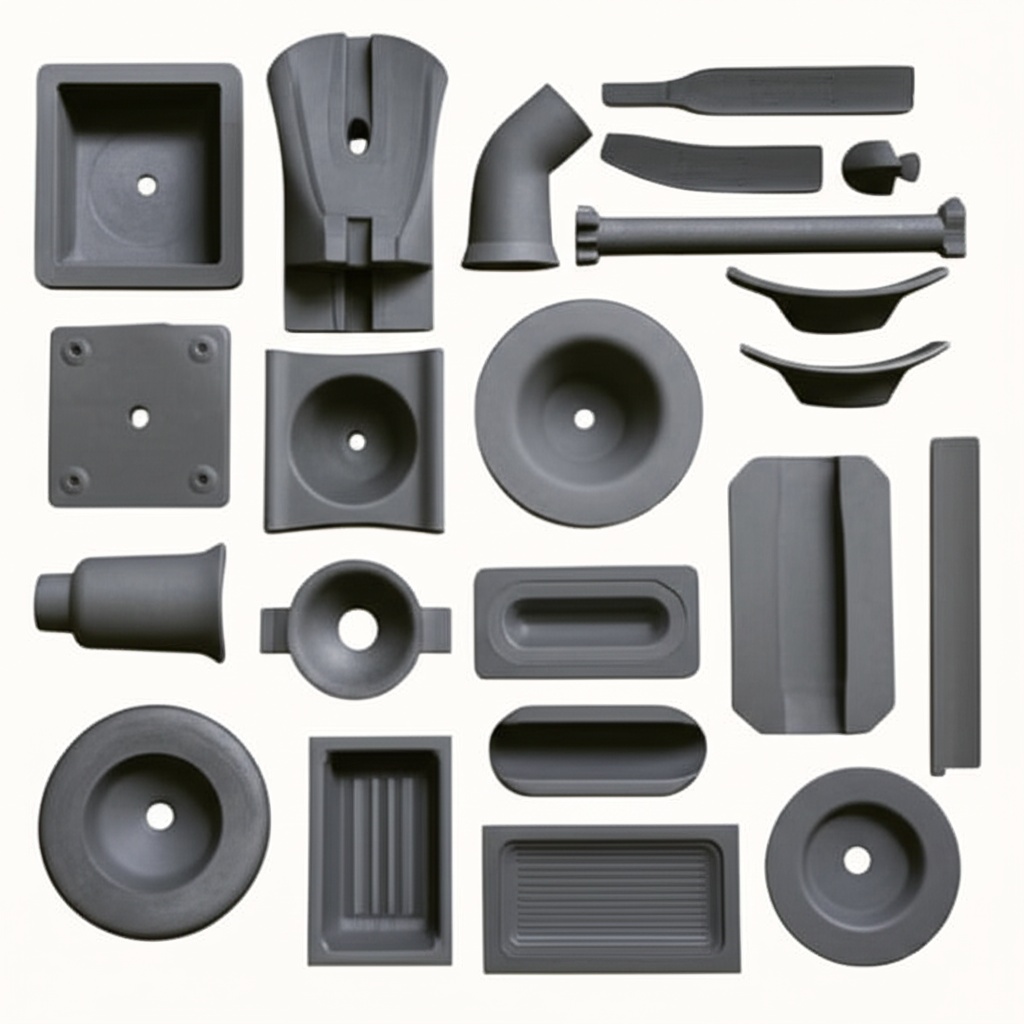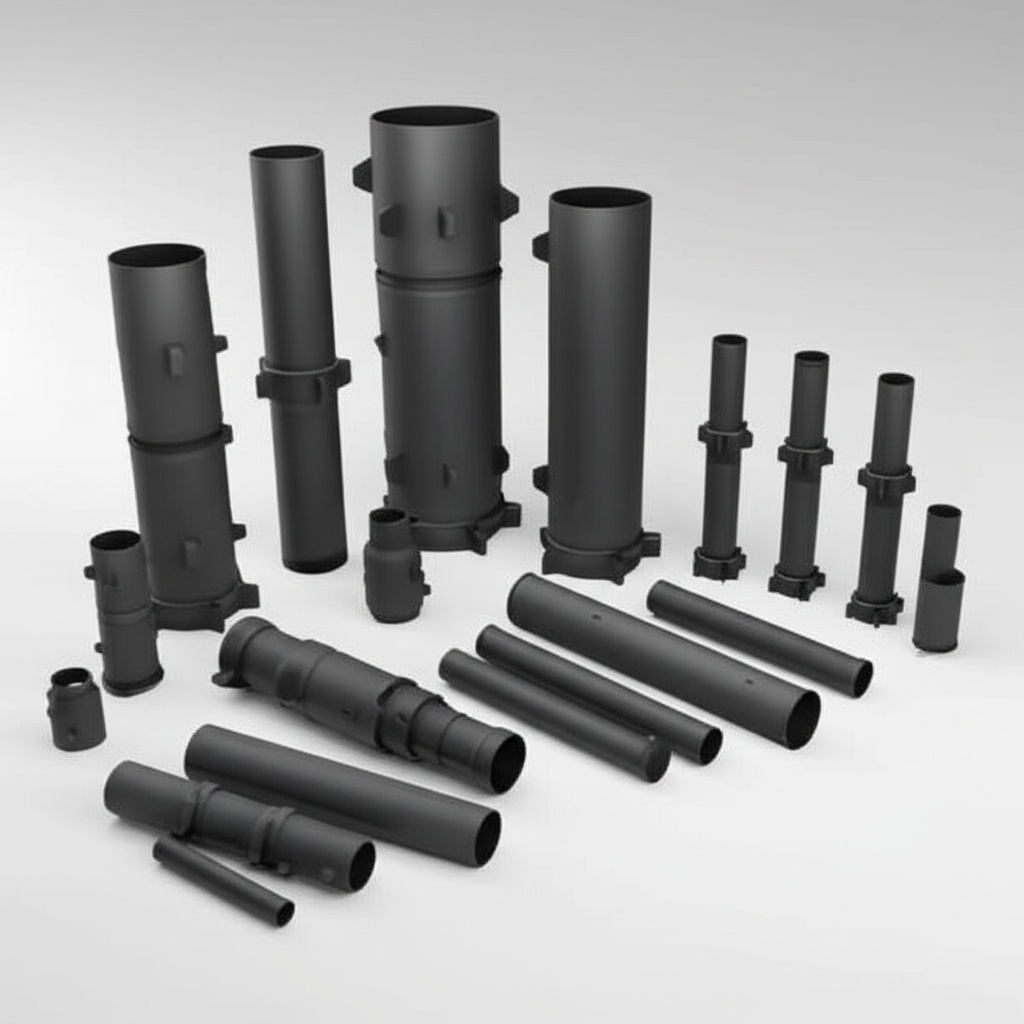
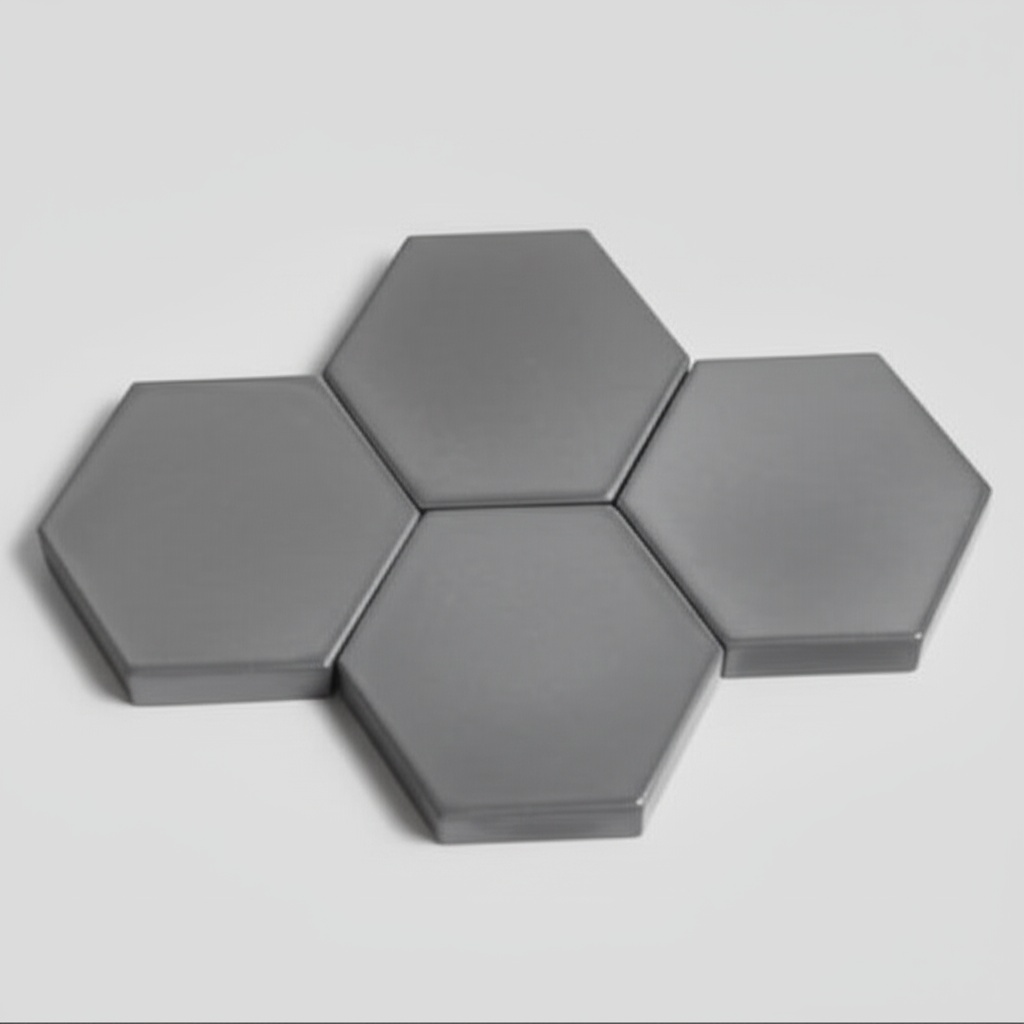
SiC Blocks: Building Blocks for Industrial Success
Share
SiC Blocks: Building Blocks for Industrial Success
Introduction – What are Custom Silicon Carbide Blocks and Why Are They Essential?
In the ever-evolving landscape of high-performance industrial applications, materials science plays a pivotal role in driving innovation and efficiency. Among the advanced ceramics, silicon carbide (SiC) stands out for its exceptional properties. SiC blocks, in particular, serve as fundamental components in a vast array of demanding environments. These blocks are monolithic or near-net-shape pieces of silicon carbide engineered to meet specific dimensional and performance criteria. Their essential nature stems from an unparalleled combination of hardness, strength at high temperatures, thermal conductivity, and resistance to wear, corrosion, and thermal shock.
The demand for custom silicon carbide blocks is escalating as industries seek materials that can withstand extreme conditions where traditional metals and ceramics falter. From semiconductor wafer processing to robust kiln furniture in metallurgical operations, SiC blocks provide reliability and longevity, translating into reduced downtime and operational costs. As industrial processes become more aggressive and precise, the ability to customize SiC blocks to exact specifications—whether in terms of purity, density, geometry, or surface finish—becomes not just advantageous but often critical for success. This adaptability makes them indispensable building blocks for progress across numerous high-tech sectors.
Main Applications – How SiC Blocks Are Used Across Industries
The versatility of SiC blocks allows their deployment in a wide spectrum of industries, each leveraging their unique properties. Their robust nature ensures consistent performance even under the most challenging operational parameters. Below is an overview of key sectors where SiC blocks are making a significant impact:
| Industry | Specific Applications of SiC Blocks | Key SiC Properties Leveraged |
|---|---|---|
| Semiconductor Manufacturing | Wafer chucks, process chamber components, CMP rings, susceptors, large area substrates | High thermal conductivity, stiffness, thermal shock resistance, purity, plasma erosion resistance |
| Automotive | Brake disc components, wear parts in engines, diesel particulate filter segments | High hardness, wear resistance, thermal shock resistance, high-temperature strength |
| Aerospace & Defense | Mirror substrates, lightweight armor components, rocket nozzles, heat exchanger elements, components for reconnaissance systems | High stiffness-to-weight ratio, thermal stability, wear resistance, high-temperature capability |
| Power Electronics | Heat sinks, substrates for power modules, components in high-voltage switchgear | Excellent thermal conductivity, high electrical resistivity (grade dependent), thermal stability |
| Renewable Energy | Components for solar panel manufacturing (e.g., crucibles, sputtering targets), parts for concentrated solar power (CSP) systems | High-temperature stability, chemical inertness, thermal shock resistance |
| Metallurgy & High-Temperature Furnaces | Kiln furniture (beams, setters, plates), furnace linings, burner nozzles, recuperator tubes, crucibles | Exceptional high-temperature strength, oxidation resistance, thermal shock resistance, creep resistance |
| Chemical Processing | Pump components (seals, bearings, shafts), valve parts, heat exchanger tubes, reaction vessel linings | Superior chemical inertness, corrosion resistance, wear resistance |
| LED Manufacturing | Susceptors for MOCVD reactors, wafer carriers | High thermal conductivity, thermal uniformity, chemical stability at high temperatures |
| Industrial Machinery | Wear-resistant liners, nozzles for abrasive media, precision measurement components, grinding media | Extreme hardness, wear resistance, dimensional stability |
| Oil and Gas | Components for downhole tools, wear parts in pumps and valves, erosion-resistant flow control elements | High wear resistance, corrosion resistance, high strength |
| Nuclear Energy | Structural components in high-temperature reactors, fuel cladding (R&D), heat exchangers | Radiation resistance, high-temperature strength, good thermal properties |
The breadth of these applications underscores the critical role industrial SiC blocks play in modern technology and manufacturing. Their ability to be tailored into custom SiC components further extends their utility, allowing engineers to solve complex material challenges.
Why Choose Custom Silicon Carbide Blocks?
While standard SiC blocks offer remarkable performance, the option for custom silicon carbide blocks provides a level of optimization that can significantly enhance application-specific outcomes. Customization allows engineers and procurement managers to specify precise characteristics, leading to superior performance, longer service life, and often, more cost-effective solutions in the long run.
Key benefits of choosing custom SiC blocks include:
- Tailored Thermal Management: Customization allows for specific thermal conductivity values by selecting the appropriate SiC grade (e.g., Sintered SiC for high thermal conductivity, Reaction Bonded SiC for a balance of properties) and component geometry. This is crucial for applications like SiC heat sinks or semiconductor processing equipment where precise temperature control is paramount.
- Optimized Wear Resistance: For applications involving high abrasion or friction, such as nozzles, seals, or liners, the geometry and material grade can be optimized. Dense SiC blocks offer superior wear resistance, and custom designs can incorporate features that minimize wear patterns.
- Enhanced Chemical Inertness and Corrosion Resistance: In aggressive chemical environments, the purity and density of SiC are critical. Custom manufacturing can ensure the selection of high-purity SiC grades and dense structures to prevent chemical attack and leaching, vital for chemical processing and semiconductor industries.
- Application-Specific Geometries: Many industrial applications require complex shapes and precise dimensions that are not available off-the-shelf. Custom SiC machining and forming processes enable the creation of intricate designs, including internal cavities, specific angles, and tight tolerances, perfectly fitting the intended equipment.
- Improved Mechanical Performance: By controlling the microstructure and density through customized manufacturing processes, mechanical properties like flexural strength, fracture toughness, and hardness can be fine-tuned to meet the specific loads and stresses of an application.
- Electrical Property Specification: Silicon carbide can range from being a semiconductor to an insulator depending on its purity and manufacturing process. Custom SiC blocks can be designed to meet specific electrical resistivity or conductivity requirements for applications in power electronics or as susceptors in heating elements.
- Integration and Assembly: Custom blocks can be designed with features that facilitate easier integration into larger assemblies, such as pre-drilled holes, threaded features (where feasible), or specific mating surfaces, reducing overall assembly time and complexity. For businesses looking into advanced material solutions, exploring customizing support for SiC components can be highly beneficial.
Ultimately, choosing custom SiC blocks empowers industries to move beyond standard limitations, achieving new levels of performance and reliability in their most critical operations.
Recommended SiC Grades and Compositions for Blocks
Selecting the appropriate grade of silicon carbide is crucial for optimizing performance and cost-effectiveness in any given application. SiC blocks are predominantly manufactured using several key types of silicon carbide, each offering a distinct set of properties. Understanding these differences is vital for procurement professionals and design engineers.
| SiC Grade | Abbreviation | Key Characteristics | Typical Block Applications |
|---|---|---|---|
| Reaction-Bonded Silicon Carbide | RBSC / SiSiC | Good mechanical strength, excellent wear and corrosion resistance, high thermal conductivity, relatively lower manufacturing cost, complex shapes possible, near-zero porosity (due to free silicon). Max service temperature typically ~1350°C due to silicon. | Wear liners, nozzles, pump components, kiln furniture, large structural parts. |
| Sintered Silicon Carbide | SSiC (Pressureless Sintered or LPS) | Very high strength and hardness, excellent corrosion and erosion resistance, high thermal conductivity, high-temperature capability (up to 1600°C+), high purity. Can be more challenging to produce in very large or complex shapes. | Mechanical seals, bearings, semiconductor process parts, heat exchanger tubes, advanced burner nozzles. |
| Nitride-Bonded Silicon Carbide | NBSC | Good thermal shock resistance, good mechanical strength, resistant to molten metals (especially aluminum). Lower thermal conductivity than RBSC or SSiC. | Kiln furniture for ceramic firing, components in aluminum and non-ferrous metal industries, thermocouple protection tubes. |
| Oxide-Bonded Silicon Carbide | OBSiC | Moderate strength, good thermal shock resistance, lower cost compared to other SiC grades. Often used where extreme performance isn’t the primary driver but thermal shock is a concern. | Lower-duty kiln furniture, refractory linings. |
| Recrystallized Silicon Carbide | RSiC | High porosity, excellent thermal shock resistance, very high service temperature (up to 1650°C+), good for permeable structures. | High-temperature kiln furniture (especially setters and plates where gas permeability is acceptable or desired), radiant heater tubes. |
| CVD Silicon Carbide (Chemical Vapor Deposition) | CVD SiC | Extremely high purity (99.999%+), fully dense, exceptional chemical resistance, excellent thermal conductivity, smooth surfaces. Typically used for coatings or smaller, high-value components rather than large blocks due to cost. | Semiconductor wafer processing components (susceptors, showerheads), optical components, protective coatings. |
The choice of SiC grade for blocks depends on a thorough analysis of the application’s operating conditions, including temperature, chemical environment, mechanical stresses, and thermal cycling. For instance, RBSC SiC blocks are often a cost-effective choice for large structural components needing good wear resistance, while SSiC blocks are preferred for their superior strength and purity in highly demanding chemical or semiconductor applications.
Design Considerations for Custom SiC Block Products
Designing custom silicon carbide blocks requires careful consideration of the material’s unique properties and manufacturing processes. While SiC offers exceptional performance, its inherent brittleness and hardness necessitate specific design guidelines to ensure manufacturability, functionality, and longevity.
- Simplicity and Manufacturability:
- While complex geometries are possible, simpler designs generally lead to lower costs and shorter lead times. Avoid overly intricate features unless absolutely necessary.
- Large, monolithic blocks can be challenging and expensive to produce. Consider if the design can be modularized into smaller, joinable SiC segments.
- Factor in the manufacturing method (e.g., pressing, slip casting, extrusion for green bodies before firing) as it may impose limitations on achievable shapes.
- Wall Thickness and Aspect Ratios:
- Maintain uniform wall thickness where possible to prevent stress concentrations during firing and in service. Sudden changes in thickness can lead to cracking.
- Avoid extremely thin sections or very high aspect ratios unless structurally validated, as these can be fragile and difficult to manufacture. Minimum wall thickness depends on the overall size and SiC grade, but generally, thicker is safer.
- Corners and Edges:
- Sharp internal corners are stress concentrators and should be avoided. Generous internal radii (e.g., minimum 3mm, preferably more) are highly recommended.
- External edges should ideally have a chamfer or radius to prevent chipping during handling, machining, or use.
- Holes and Openings:
- The distance between holes, and from holes to edges, should be sufficient (typically at least 2-3 times the hole diameter) to maintain structural integrity.
- Blind holes can be more challenging to machine than through-holes. Consider the depth-to-diameter ratio.
- Tolerances and Machinability:
- SiC is extremely hard, making machining (grinding) a slow and costly process. Design with “as-fired” tolerances where possible.
- Specify tight tolerances only where functionally necessary. Unnecessarily tight tolerances significantly increase cost.
- Stress Points and Load Distribution:
- Identify areas of high stress in the application and design the SiC block to distribute loads evenly.
- Consider the effects of thermal expansion and potential mismatches if the SiC block is assembled with other materials.
- Surface Finish Requirements:
- Specify the required surface finish (Ra value) based on the application (e.g., sealing surfaces, low friction, optical). Smoother finishes require more extensive post-processing.
- Joining and Assembly:
- If blocks need to be joined, consider the joining method (e.g., brazing, specialized adhesives, mechanical fastening) early in the design phase. Design features to facilitate robust connections.
Collaborating closely with an experienced SiC block manufacturer during the design phase is crucial. They can provide valuable insights into design for manufacturability (DFM), material selection, and potential cost-saving measures. This collaborative approach ensures that the final custom SiC block product meets all performance requirements while remaining economically viable.
Tolerance, Surface Finish & Dimensional Accuracy for SiC Blocks
Achieving precise dimensional accuracy, specified tolerances, and desired surface finishes are critical aspects of manufacturing functional silicon carbide blocks. Given SiC’s extreme hardness, these characteristics are primarily achieved through meticulous green forming processes followed by precise diamond grinding and other finishing operations after sintering.
Dimensional Tolerances
The achievable tolerances for SiC blocks depend on several factors, including the SiC grade, the size and complexity of the part, and the manufacturing processes employed.
- As-Fired Tolerances: For parts used “as-sintered” without significant post-machining, tolerances are generally wider due to shrinkage variations during firing. Typical as-fired tolerances might range from ±0.5% to ±2% of the dimension, depending on the specific process and material. For large blocks, this absolute variation can be significant.
- Machined Tolerances: For applications requiring higher precision, SiC blocks are machined using diamond grinding.
- Standard machined tolerances for dimensions like length, width, and thickness can typically be held within ±0.025 mm to ±0.1 mm (±0.001″ to ±0.004″).
- Tighter tolerances, down to ±0.005 mm (±0.0002″) or even better, are possible for critical features but come at a significantly higher cost due to increased machining time and specialized equipment.
- Geometric tolerances such as flatness, parallelism, and perpendicularity can also be tightly controlled through precision grinding. For example, flatness values of a few micrometers (µm) over a given area can be achieved.
Surface Finish
The surface finish of an SiC block is crucial for many applications, impacting friction, wear, sealing capability, and optical properties.
- As-Fired Surface: The surface finish of as-sintered SiC blocks is generally rougher, typically in the range of Ra 1.0 µm to Ra 5.0 µm (40 to 200 µinches), depending on the forming method and SiC grade.
- Ground Surface: Standard diamond grinding can achieve surface finishes typically ranging from Ra 0.4 µm to Ra 0.8 µm (16 to 32 µinches).
- Lapped and Polished Surface: For applications requiring very smooth surfaces, such as mechanical seals, bearings, or optical components, lapping and polishing processes are employed. These can achieve:
- Lapped finishes: Ra 0.1 µm to Ra 0.4 µm (4 to 16 µinches).
- Polished finishes: Ra <0.05 µm (<2 µinches), and even down to angstrom-level smoothness for optical applications.
It’s important to specify only the necessary level of tolerance and surface finish, as achieving tighter specifications directly impacts the manufacturing cost and lead time of precision SiC blocks.
Dimensional Accuracy
Dimensional accuracy refers to how closely the manufactured part conforms to the specified dimensions in the design drawing. This is ensured through:
- Precise Green Forming: Careful control during the initial shaping of the SiC powder (e.g., pressing, casting) to account for predictable shrinkage during sintering.
- Controlled Sintering: Uniform heating and cooling cycles to minimize warping and ensure consistent densification.
- Advanced Machining Capabilities: Utilizing CNC grinding machines and specialized diamond tooling for precise material removal.
- Rigorous Quality Control: Employing advanced metrology equipment, such as Coordinate Measuring Machines (CMMs), profilometers, and interferometers, to verify dimensions and surface characteristics.
Working with a supplier that has robust quality assurance systems and advanced machining capabilities is key to obtaining SiC blocks that meet stringent dimensional accuracy requirements.
Post-Processing Needs for SiC Blocks
After the initial forming and sintering stages, silicon carbide blocks often require various post-processing steps to meet the precise requirements of their intended applications. These operations are critical for achieving the final desired dimensions, surface characteristics, and enhanced performance attributes. Due to SiC’s extreme hardness, these processes typically involve specialized techniques and equipment.
-
Grinding: This is the most common post-processing step for SiC. Diamond grinding wheels are used to achieve:
- Precise dimensional tolerances.
- Specific geometric features (e.g., flats, slots, chamfers).
- Improved surface finish compared to as-sintered states.
- Removal of any minor distortions or surface imperfections from the sintering process.
- Precision SiC machining often refers primarily to grinding operations.
-
Lapping: For applications requiring extremely flat surfaces and fine surface finishes (e.g., mechanical seal faces, substrates), lapping is employed. This process involves abrading the SiC surface against a flat plate using a slurry containing fine diamond particles. Lapping can achieve:
- Excellent flatness (often to within a few light bands).
- Surface finishes typically better than Ra 0.1 µm.
-
Polishing: To achieve mirror-like, ultra-smooth surfaces, polishing follows lapping. This uses progressively finer abrasive particles, often diamond slurries or pastes, on specialized polishing pads. Polishing is essential for:
- Optical components (e.g., mirrors).
- Very low-friction surfaces.
- Applications requiring minimal surface defects or contamination, such as in semiconductor processing.
- Cleaning: After machining, lapping, or polishing, thorough cleaning is essential to remove any residual abrasive particles, coolants, or contaminants. This might involve ultrasonic cleaning, solvent cleaning, or specialized chemical cleaning, especially for high-purity applications like those in the semiconductor industry.
- Edge Chamfering/Radiusing: To prevent chipping and improve handling safety, edges of SiC blocks are often chamfered or radiused. This can be done during the grinding process or as a separate step.
- Annealing (Stress Relief): In some cases, particularly after extensive machining, a low-temperature annealing cycle might be performed to relieve internal stresses induced during grinding, although this is less common for SiC than for metals.
- Joining/Assembly: If the final component consists of multiple SiC blocks or SiC joined to other materials, post-processing may include preparation for joining techniques like brazing, specialized adhesive bonding, or mechanical assembly. Surface treatments may be required to promote adhesion.
- Coatings (Optional): While SiC itself is highly resistant, certain applications might benefit from specialized coatings to further enhance specific properties (e.g., a CVD SiC coating on an RBSC block for ultra-high purity surfaces, or anti-reflective coatings for optical applications). This is a specialized requirement.
- Inspection and Quality Control: Though not a modification process, rigorous inspection using metrology tools (CMMs, surface profilometers, interferometers) is a critical post-processing quality assurance step to verify that all specifications have been met.
Each of these post-processing steps adds to the cost and lead time of the final SiC block product. Therefore, it’s crucial to specify only the necessary operations required to meet the functional demands of the application. Collaboration with a knowledgeable SiC manufacturer can help optimize these choices.
Common Challenges with SiC Blocks and How to Overcome Them
While silicon carbide offers a host of advantages, working with SiC blocks also presents certain challenges, primarily stemming from its inherent material properties and manufacturing complexities. Understanding these challenges and implementing appropriate mitigation strategies is key to successfully utilizing SiC components.