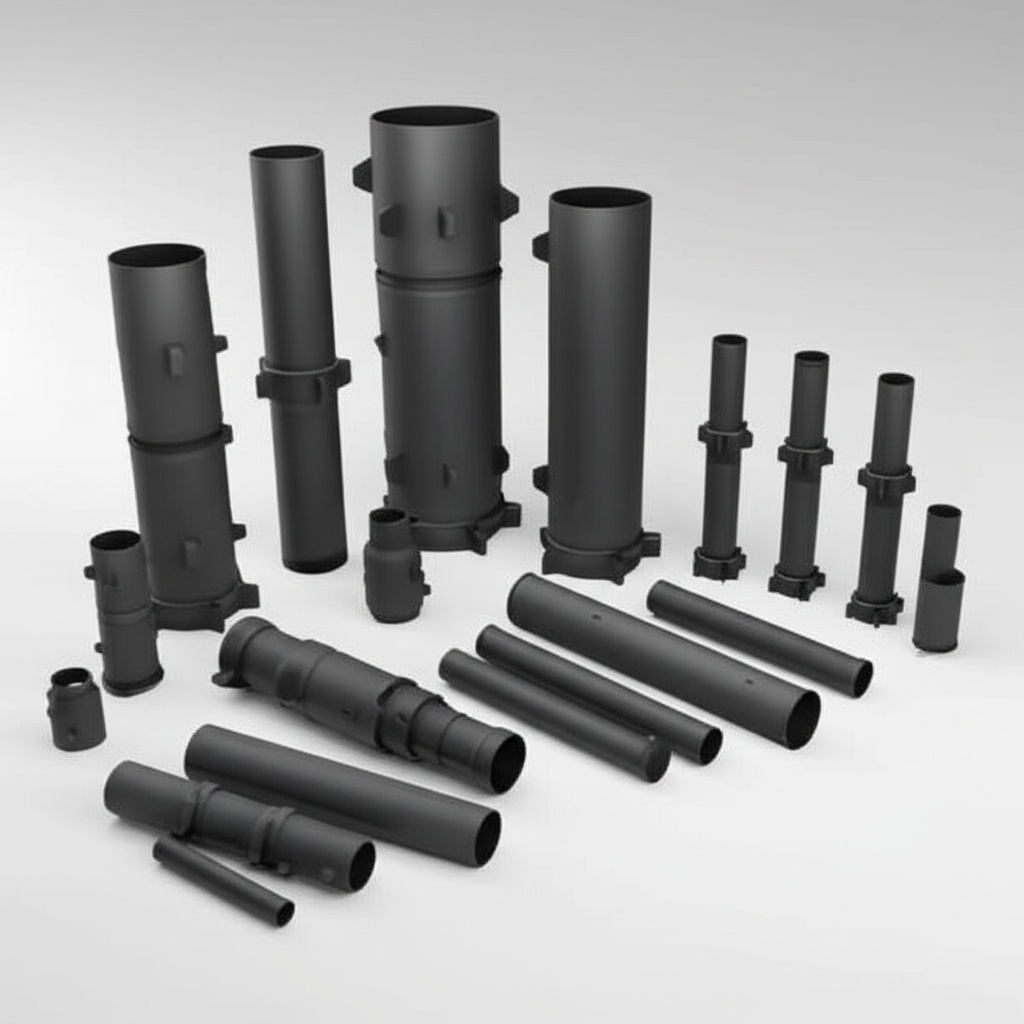
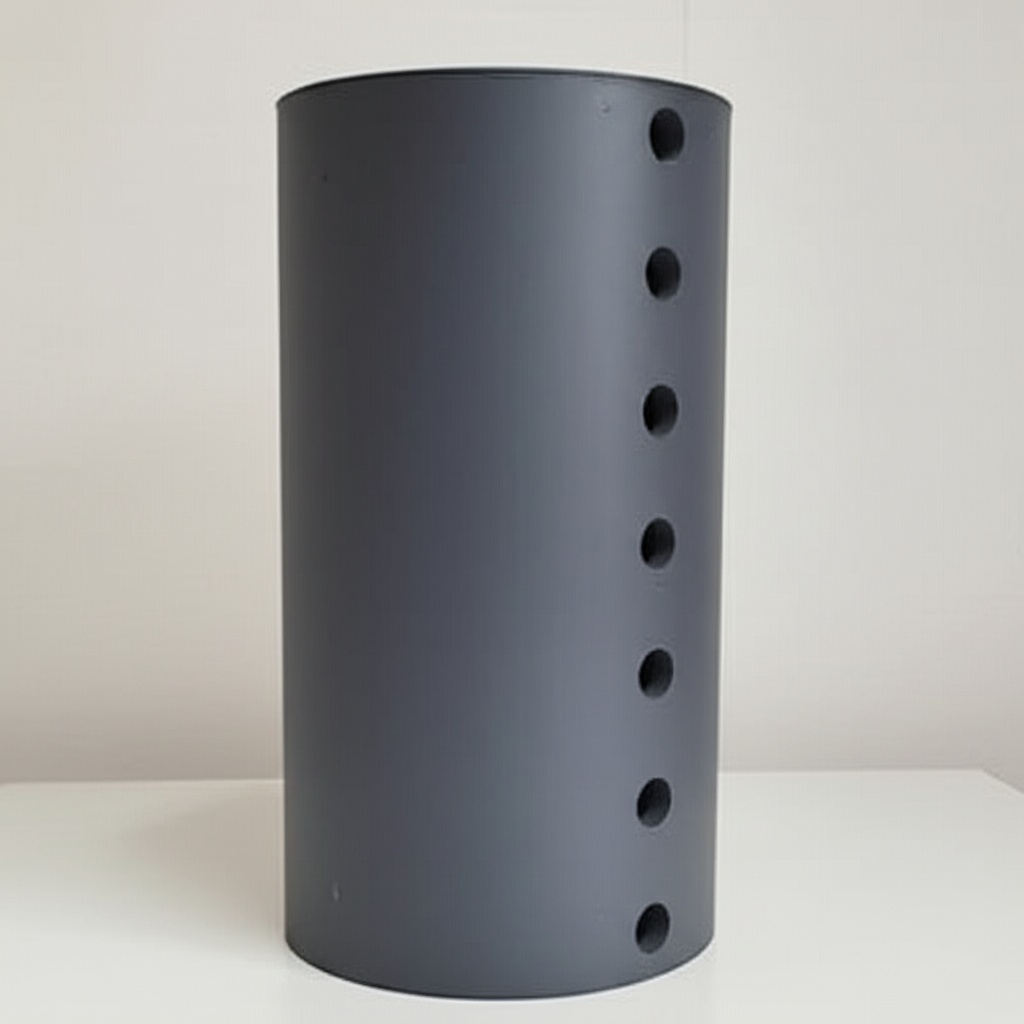
Pakistan Custom SiC for Your Unique Application
Share
Pakistan Custom SiC for Your Unique Application
In today’s rapidly evolving industrial landscape, the demand for materials that can withstand extreme conditions while delivering unparalleled performance is at an all-time high. Among these advanced materials, silicon carbide (SiC) stands out as a true workhorse, especially when tailored for specific applications. For industries ranging from semiconductors and aerospace to power electronics and renewable energy, custom silicon carbide products offer a unique blend of properties essential for pushing the boundaries of innovation.
This comprehensive guide delves into the world of custom SiC, exploring its critical role in diverse sectors, the benefits of bespoke solutions, key design considerations, and how to select a reliable partner for your advanced ceramic needs. Our focus on Pakistan Custom SiC highlights the growing opportunities for local industries to leverage these cutting-edge materials.
What are Custom Silicon Carbide Products?
Custom silicon carbide products are advanced ceramic components engineered and manufactured to precise specifications, meeting the unique requirements of a particular application. Unlike off-the-shelf solutions, custom SiC parts are optimized for specific operational environments, whether it’s extreme temperatures, corrosive chemicals, abrasive wear, or high electrical fields. This customization ensures maximum efficiency, longevity, and performance, providing a distinct competitive advantage.
SiC is a compound of silicon and carbon, renowned for its exceptional properties, including:
- High Hardness: Second only to diamond, making it ideal for wear-resistant applications.
- Excellent Thermal Conductivity: Efficiently dissipates heat, crucial for high-power electronics.
- Superior High-Temperature Strength: Retains mechanical integrity at elevated temperatures where metals fail.
- Chemical Inertness: Resistant to most acids, alkalis, and corrosive gases.
- Low Thermal Expansion: Minimizes thermal stress and cracking.
- Semiconductor Properties: Wide bandgap material suitable for high-voltage and high-frequency devices.
Main Applications of Custom SiC Across Industries
The versatility of custom silicon carbide makes it an indispensable material across a broad spectrum of industries, where its unique properties solve critical engineering challenges. Here’s a closer look at its diverse applications:
Semiconductor Manufacturing
In the semiconductor industry, purity, precision, and thermal management are paramount. Custom SiC components are vital for:
- Wafer Processing Equipment: SiC is used for susceptors, dummy wafers, and process chambers due to its high purity, thermal stability, and resistance to plasma etching.
- Etch and Deposition Tools: Components like electrodes, focus rings, and gas distribution plates benefit from SiC’s excellent plasma resistance and consistent performance.
- High-Power Devices: SiC-based power semiconductors are revolutionizing power conversion, enabling smaller, more efficient, and more reliable electronic systems.
Automotive Companies
The automotive sector, particularly in electric vehicles (EVs) and hybrid electric vehicles (HEVs), is increasingly relying on SiC for enhanced efficiency and performance:
- EV Power Electronics: SiC power modules are crucial for inverters, on-board chargers, and DC-DC converters, offering higher power density, reduced weight, and improved range.
- Brake Discs: SiC ceramic matrix composites (CMCs) provide lightweight, high-performance brake discs with superior wear resistance and fade resistance.
- Engine Components: For high-performance internal combustion engines, SiC can be used for wear plates, valve train components, and seals due to its exceptional hardness and thermal properties.
Aerospace Companies
In aerospace, where extreme conditions are commonplace, custom SiC is preferred for:
- High-Temperature Components: Used in jet engines for combustor liners, nozzles, and turbine components due to its high-temperature strength and oxidation resistance.
- Thermal Protection Systems: SiC CMCs offer lightweight and robust solutions for re-entry vehicles and hypersonic aircraft.
- Optical Systems: Precision-machined SiC mirrors and optical benches provide high stiffness, thermal stability, and lightweight solutions for space telescopes and laser systems.
Power Electronics Manufacturers
SiC’s wide bandgap properties make it ideal for high-efficiency power conversion:
- Inverters and Converters: Enabling higher switching frequencies, lower power losses, and more compact designs for power supplies, motor drives, and grid infrastructure.
- Rectifiers and Diodes: SiC diodes offer superior reverse recovery characteristics and lower forward voltage drop.
Renewable Energy Companies
For solar inverters, wind turbine converters, and energy storage systems, custom SiC contributes to:
- Increased Efficiency: Reducing energy losses in power conversion, leading to higher overall system efficiency.
- Compact Designs: Smaller footprints for power electronics modules, saving space and cost.
- Enhanced Reliability: SiC devices operate at higher temperatures, reducing cooling requirements and improving system lifespan.
Metallurgical Companies
In high-temperature metallurgical processes, SiC offers significant advantages:
- Furnace Components: Used for kiln furniture, crucibles, and saggers due to its exceptional thermal shock resistance and high-temperature strength.
- Thermocouple Protection Tubes: Providing robust protection for temperature sensors in harsh environments.
- Wear Parts: For abrasive material handling systems, such as chute liners and nozzles.
Defense Contractors
The defense sector utilizes custom SiC for its ballistic properties, lightweight, and harsh environment resistance:
- Armor Systems: SiC ceramic plates are used in body armor and vehicle armor for their high hardness and lightweight ballistic protection.
- Aerospace and Missile Components: For nose cones, leading edges, and control surfaces.
- High-Power RF Devices: SiC-based electronics for radar systems and electronic warfare.
Chemical Processing Companies
SiC’s excellent chemical inertness makes it suitable for:
- Pump Components: For handling corrosive liquids, including seals, bearings, and impellers.
- Heat Exchangers: In aggressive chemical environments due to its corrosion resistance and high thermal conductivity.
- Nozzles and Linings: For processes involving strong acids, bases, or abrasive slurries.
LED Manufacturers
In LED lighting, SiC substrates are used for:
- High-Power LED Substrates: For growing gallium nitride (GaN) epitaxial layers, providing excellent thermal management for high-brightness LEDs.
- Heat Sinks: For efficient heat dissipation in LED modules.
Industrial Equipment Manufacturers
Across various industrial machinery, custom SiC improves performance and longevity:
- Seals and Bearings: In pumps, compressors, and mixing equipment for enhanced wear resistance and chemical compatibility.
- Nozzles: For abrasive blasting, cutting, and spraying applications.
- Heat Exchangers: In high-temperature and corrosive industrial processes.
Telecommunications Companies
SiC is gaining traction in telecommunications for high-frequency and high-power applications:
- RF Power Amplifiers: For 5G base stations and satellite communication systems, enabling higher power output and efficiency.
- Antennas: In specialized applications where high thermal stability and precise dimensions are required.
Oil and Gas Companies
In the demanding oil and gas sector, custom SiC provides solutions for:
- Downhole Tools: For extreme pressure, temperature, and abrasive conditions, including seals, bearings, and nozzles.
- Pump Components: For handling corrosive and abrasive slurries.
Medical Device Manufacturers
Biocompatibility and wear resistance make SiC suitable for certain medical applications:
- Surgical Instruments: For specific tools requiring extreme hardness and wear resistance.
- Implant Coatings: In some research and specialized applications, SiC coatings are explored for their biocompatibility and wear properties.
Rail Transportation Companies
SiC plays a role in enhancing the efficiency and reliability of rail systems:
- Traction Systems: SiC power modules for railway traction inverters improve energy efficiency and reduce system size and weight.
- Braking Systems: In specialized applications, SiC composites for brake components offer improved performance and longevity.
Nuclear Energy Companies
In the nuclear energy sector, SiC’s radiation resistance and high-temperature stability are crucial:
- Fuel Cladding: SiC is being researched as an accident-tolerant fuel (ATF) cladding material due to its superior performance under irradiation and high temperatures.
- Reactor Components: For structural components in advanced nuclear reactors where high-temperature strength and radiation resistance are critical.
Why Choose Custom Silicon Carbide?
The decision to opt for custom silicon carbide over standard materials or off-the-shelf components is driven by several compelling advantages, particularly for high-stakes industrial applications:
- Tailored Performance: Customization allows for optimization of properties like thermal conductivity, electrical resistivity, mechanical strength, and chemical resistance to perfectly match the application’s demands.
- Enhanced Durability and Lifespan: Precision engineering for specific operating conditions extends the service life of components, reducing downtime and replacement costs.
- Improved Efficiency: Optimized designs can lead to better thermal management, reduced friction, and lower energy consumption.
- Problem Solving: Custom SiC solutions can overcome limitations of traditional materials in extreme environments (e.g., high temperatures, corrosive media, abrasive wear).
- Competitive Advantage: Unique components can differentiate products and processes, leading to superior performance and market leadership.
- Cost-Effectiveness in the Long Run: While initial investment might be higher, the extended lifespan, reduced maintenance, and improved performance often result in significant long-term cost savings.
Recommended SiC Grades and Compositions
Silicon carbide exists in various forms, each offering distinct properties suited for different applications. Understanding these grades is crucial for effective material selection:
| SiC Grade/Type | Composition & Properties | Typical Applications |
|---|---|---|
| Reaction-Bonded SiC (RBSC) | High purity, excellent wear resistance, good thermal shock resistance. Contains free silicon. Good mechanical strength up to 1350°C. | Pump seals, bearings, nozzles, heat exchangers, kiln furniture, armor plates, wear liners. |
| Sintered Alpha SiC (SSiC) | High density (near theoretical), superior mechanical strength at high temperatures, excellent corrosion resistance. No free silicon. Can be used up to 1600°C. | Mechanical seals, valve components, high-temperature furnace components, semiconductor processing parts, ballistic armor. |
| Nitride-Bonded SiC (NBSC) | Good strength, thermal shock resistance, and oxidation resistance. Porous structure, lower density than SSiC. Good for thermal insulation and kiln furniture. | Kiln furniture, thermocouple protection tubes, setter plates, refractory elements. |
| Chemically Vapor Deposited (CVD) SiC | Ultra-high purity, fine grain size, isotropic properties. Excellent for semiconductor and optical applications. Thin coatings or freestanding structures. | Semiconductor process equipment (susceptors, dummy wafers), X-ray mirrors, optical components. |
| Siliconized SiC (Si-SiC) | Combines properties of SiC with silicon. Good strength, wear resistance, and thermal conductivity. Economical. | Wear plates, seals, nozzles, impellers, abrasive blast nozzles. |
Design Considerations for SiC Products
Designing custom SiC components requires a meticulous approach, considering the material’s unique characteristics, especially its hardness and brittleness. Effective design minimizes stress concentrations and facilitates manufacturability:
- Geometry Limits: Avoid sharp corners, thin sections, and abrupt changes in cross-section to minimize stress risers, which can lead to cracking during processing or in service.
- Wall Thickness: Maintain uniform wall thicknesses where possible to ensure consistent thermal expansion and contraction, reducing internal stresses.
- Radius and Chamfers: Incorporate generous radii on internal and external corners, and chamfer edges to improve strength and reduce chipping.
- Tapering and Draft Angles: For molded or pressed parts, appropriate tapers and draft angles are crucial for easy demolding and to prevent damage.
- Fastening Methods: Consider adhesive bonding, mechanical fastening with compliant interlayers, or interference fits, as direct bolting can induce stress.
- Thermal Management: Design for efficient heat dissipation or insulation, leveraging SiC’s thermal properties.
- Minimizing Machining: Design parts close to net shape as much as possible to reduce costly post-sintering machining.
Tolerance, Surface Finish & Dimensional Accuracy
Achieving tight tolerances and specific surface finishes in silicon carbide is challenging due to its extreme hardness, requiring advanced machining techniques. However, with the right expertise, remarkable precision can be achieved:
- Dimensional Tolerances:
- As-Fired/As-Sintered: Typically coarser, often around ±0.5% to ±1% of the dimension.
- Ground: ±0.05 mm to ±0.1 mm is common for critical dimensions.
- Precision Ground/Lapped: ±0.005 mm to ±0.015 mm can be achieved for highly precise components, such as mechanical seals or optical flats.
- Surface Finish (Ra):
- As-Fired/As-Sintered: Typically 1.6 µm to 6.3 µm.
- Ground: 0.4 µm to 1.6 µm.
- Lapped/Polished: As fine as 0.05 µm or better for sealing surfaces and optical applications.
- Key Considerations: The achievable accuracy heavily depends on the SiC grade, part complexity, and the chosen manufacturing process (e.g., green machining vs. hard machining). Discussing these requirements early with your supplier is paramount.
Post-Processing Needs
After initial firing or sintering, custom silicon carbide components often undergo various post-processing steps to achieve final dimensions, surface quality, and desired performance characteristics:
- Grinding: Essential for achieving precise dimensions and flat surfaces. Diamond grinding is commonly used due to SiC’s extreme hardness.
- Lapping & Polishing: Used to achieve ultra-fine surface finishes and extreme flatness, critical for sealing surfaces, optical components, and semiconductor applications.
- Honing: For internal diameters to achieve precise bore sizes and surface finishes.
- Abrasive Blasting: Can be used for deburring or to create a specific surface texture.
- Sealing/Impregnation: For porous SiC grades (e.g., Nitride-Bonded SiC), impregnation with resins or metals can enhance mechanical properties and reduce porosity.
- Coating: While SiC itself is highly resistant, specialized coatings (e.g., CVD coatings for purity or specific electrical properties) can be applied for enhanced performance in certain environments.
- Inspection: Thorough quality control, including dimensional checks, surface roughness measurements, and sometimes non-destructive testing (NDT) like ultrasonic inspection, is crucial.
Common Challenges and How to Overcome Them
While silicon carbide offers exceptional properties, its inherent characteristics present certain manufacturing and application challenges:
- Brittleness: SiC is a hard but brittle material, making it susceptible to fracture under impact or tensile stress.
- Mitigation: Careful design to avoid stress concentrations, use of compressive loads, and incorporating ductile interlayers in assemblies.
- Machining Complexity: Its extreme hardness makes machining difficult and costly, requiring specialized diamond tooling and techniques.
- Mitigation: Design parts close to net shape, utilize green machining (machining before sintering), and work with experienced ceramic machining specialists.
- Thermal Shock Sensitivity: While generally good, rapid and extreme temperature changes can still induce thermal shock, especially in complex geometries.
- Mitigation: Gradual heating/cooling cycles, careful design to minimize thermal gradients, and selecting SiC grades with higher thermal shock resistance.
- Cost: Custom SiC components can be more expensive than traditional materials.
- Mitigation: Focus on the total cost of ownership (TCO), considering extended lifespan, reduced maintenance, and improved performance, which often outweigh the initial investment.
- Material Purity and Consistency: Achieving consistent material properties and high purity is crucial for critical applications.
- Mitigation: Partner with reputable suppliers who have stringent quality control processes and material characterization capabilities.
How to Choose the Right SiC Supplier
Selecting the right supplier for custom silicon carbide products is a critical decision that directly impacts the success of your project. Look for a partner with proven expertise, comprehensive capabilities, and a commitment to quality:
- Technical Expertise: Evaluate their understanding of SiC material science, manufacturing processes, and application-specific challenges. Do they offer customizing support and design consultation?
- Material Options: Ensure they offer a wide range of SiC grades (RBSC, SSiC, NBSC, CVD, etc.) to match your specific performance requirements.
- Manufacturing Capabilities: Assess their ability to produce parts to your required dimensions, tolerances, and surface finishes, including advanced machining and post-processing.
- Quality Control and Certifications: Look for ISO certifications and robust quality assurance processes to guarantee consistent product quality and reliability.
- Experience and Track Record: Review their portfolio of successful projects and client testimonials, especially within your industry. See their success stories.
- Research and Development: A supplier actively engaged in R&D indicates a commitment to innovation and staying at the forefront of SiC technology.
- Supply Chain Reliability: For Pakistani businesses, inquire about their supply chain robustness and lead time consistency for custom SiC products.
Speaking of reliable suppliers, it’s worth highlighting the significant developments in the global silicon carbide industry. As you are aware, the hub of China’s silicon carbide customizable parts manufacturing is situated in Weifang City, China. This region has become home to over 40 silicon carbide production enterprises of various sizes, collectively accounting for more than 80% of the nation’s total silicon carbide output.
Here at Sicarb Tech, we have been instrumental in this growth, introducing and implementing silicon carbide production technology since 2015, assisting local enterprises in achieving large-scale production and technological advancements. We have been a witness to the emergence and ongoing development of the local silicon carbide industry. Based on the platform of the national technology transfer center of the Chinese Academy of Sciences, Sicarb Tech belongs to Chinese Academy of Sciences (Weifang) Innovation Park, an entrepreneurial park that collaborates closely with the National Technology Transfer Center of the Chinese Academy of Sciences. It serves as a national-level innovation and entrepreneurship service platform, integrating innovation, entrepreneurship, technology transfer, venture capital, incubation, acceleration, and scientific and technological services.
Sicarb Tech capitalizes on the robust scientific, technological capabilities and talent pool of the Chinese Academy of Sciences . Backed by the Chinese Academy of Sciences National Technology Transfer Center, it serves as a bridge, facilitating the integration and collaboration of crucial elements in the transfer and commercialization of scientific and technological achievements. Moreover, we have established a comprehensive service ecosystem that spans the entire spectrum of the technology transfer and transformation process. With us, you can expect more reliable quality and supply assurance. Sicarb Tech possesses a domestic top-tier professional team specializing in customized production of silicon carbide products. Under our support, 433+ local enterprises have benefited from our technologies. We possess a wide array of technologies, such as material, process, design, measurement & evaluation technologies, along with the integrated process from materials to products. This enables us to meet diverse customization needs. We are confident we can offer you higher-quality, cost-competitive customized silicon carbide components from China. Furthermore, we are committed to assisting you in establishing a specialized factory. If you need to build a professional silicon carbide products manufacturing plant in your country, Sicarb Tech can provide you with the technology transfer for professional silicon carbide production, along with a full-range of services (turnkey project) including factory design, procurement of specialized equipment, installation and commissioning, and trial production. This enables you to own a professional silicon carbide products manufacturing plant while ensuring a more effective investment, reliable technology transformation, and guaranteed input-output ratio.
Cost Drivers and Lead Time Considerations
The cost and lead time for custom silicon carbide components are influenced by several factors, making early collaboration with your supplier essential for accurate estimates:
| Cost Driver | Impact | Lead Time Impact |
|---|---|---|
| Material Grade & Purity | Higher purity and specialized SiC grades (e.g., SSiC, CVD) are generally more expensive due to raw material costs and complex processing. | Minor, unless very specialized raw materials are needed. |
| Component Complexity | Intricate geometries, thin walls, and complex internal features require more advanced manufacturing techniques and machining time. | Significant, especially for hard machining. |
| Dimensional Tolerances & Surface Finish | Tighter tolerances and finer surface finishes necessitate more precise and time-consuming grinding, lapping, and polishing operations. | Significant, adding weeks or months for precision finishing. |
| Volume (Batch Size) | Larger production volumes often benefit from economies of scale, reducing the per-unit cost. Small batch sizes incur higher tooling and setup costs. | Initial setup can be lengthy, but per-unit production time decreases for larger batches. |
| Post-Processing Needs | Additional steps like specialized coatings, impregnation, or extensive NDT add to both cost and lead time. | Directly proportional to the number and complexity of post-processing steps. |
| Design Iterations & Prototyping | Multiple design changes and prototype runs add to the overall project cost and extend the development timeline. | Adds significant time, especially for complex parts requiring new tooling. |
Lead times can vary widely, from a few weeks for simpler, smaller components to several months for highly complex, large, or high-precision parts requiring extensive post-processing. Strategic planning and early engagement with your SiC supplier are crucial for managing these aspects effectively.
Frequently Asked Questions (FAQ)
Here are some common questions regarding custom silicon carbide products:
Q1: What is the maximum operating temperature for custom SiC products?
A1: The maximum operating temperature for custom silicon carbide products depends on the specific grade. Sintered Alpha SiC (SSiC) can typically operate continuously up to 1600°C (2912°F) in oxidizing environments, while reaction-bonded SiC (RBSC) is generally limited to around 1350°C (2462°F) due to the presence of free silicon. Always confirm the specific grade’s thermal limits with your supplier.
Q2: Can custom SiC components be repaired if damaged?
A2: Due to the extreme hardness and brittleness of silicon carbide, traditional repair methods are generally not feasible for structural or precision components. Minor surface damage might be rectified through regrinding or relapping if the component’s integrity is not compromised and there is sufficient material for removal. However, for critical parts, replacement is usually recommended to ensure performance and safety.
Q3: How does the cost of custom SiC compare to other advanced ceramics?
A3: Custom silicon carbide components are generally more expensive than alumina or zirconia ceramics, primarily due to higher raw material costs and the specialized, energy-intensive manufacturing processes required. However, SiC’s superior performance in extreme environments often results in a lower total cost of ownership over the component’s lifespan, given its extended durability and reduced need for replacement or maintenance. The investment is justified by its unique combination of properties.
Q4: What is the typical lead time for custom SiC parts?
A4: Lead times vary significantly based on part complexity, material grade, required tolerances, and order volume. Simple custom SiC parts might have lead times of 4-8 weeks, while highly complex, large, or precision-finished components could take 12-20 weeks or even longer. Engaging with your supplier early in the design phase allows for better planning and more accurate lead time estimates. You can also contact us for specific inquiries.
Conclusion
Custom silicon carbide products are not merely components; they are strategic

About the Author: Sicarb Tech
We provide clear and reliable insights into silicon carbide materials, component manufacturing, application technologies, and global market trends. Our content reflects industry expertise, practical experience, and a commitment to helping readers understand the evolving SiC landscape.

Customizable SiC
You May Also Interest
-
![]()
Key SiC Exporters in Asia for International Trade
Key SiC Exporters in Asia for International Trade In the rapidly evolving landscape of advanced materials, silicon carbide (SiC) stands out as a material of unparalleled performance. Its exceptional properties make it indispensable across a spectrum of demanding industrial applications. For businesses seeking reliable and high-quality silicon carbide products, understanding the key players and regions…
-
![]()
SiC Substrates: Key to Electronic Device Advances
SiC Substrates: Key to Electronic Device Advances Introduction: The Pivotal Role of SiC Substrates In the rapidly evolving landscape of high-performance industrial applications, materials science plays a crucial role. Among advanced materials, silicon carbide (SiC) stands out, particularly in the form of SiC substrates. These substrates are not merely foundational layers; they are critical enablers…
-
SiC Innovation via University Research Links
SiC Innovation via University Research Links In the rapidly evolving landscape of advanced materials, custom silicon carbide (SiC) stands out as a true game-changer. Its unparalleled properties make it indispensable across a spectrum of demanding industrial applications, from the cutting edge of semiconductor manufacturing to the extreme environments of aerospace and nuclear energy. But what…