Finding SiC Suppliers in the USA for Your Needs
Share
Finding SiC Suppliers in the USA for Your Needs
In today’s rapidly evolving industrial landscape, the demand for materials capable of performing under extreme conditions is surging. Among these, silicon carbide (SiC) stands out as a superior choice, especially for high-temperature, high-power, and abrasive environments. From the intricate components of semiconductor devices to the robust parts in aerospace engines, custom silicon carbide products are becoming indispensable. This blog post aims to guide engineers, procurement managers, and technical buyers through the process of finding reliable SiC suppliers in the USA, highlighting critical aspects of custom silicon carbide and its diverse applications.
What are Custom Silicon Carbide Products?
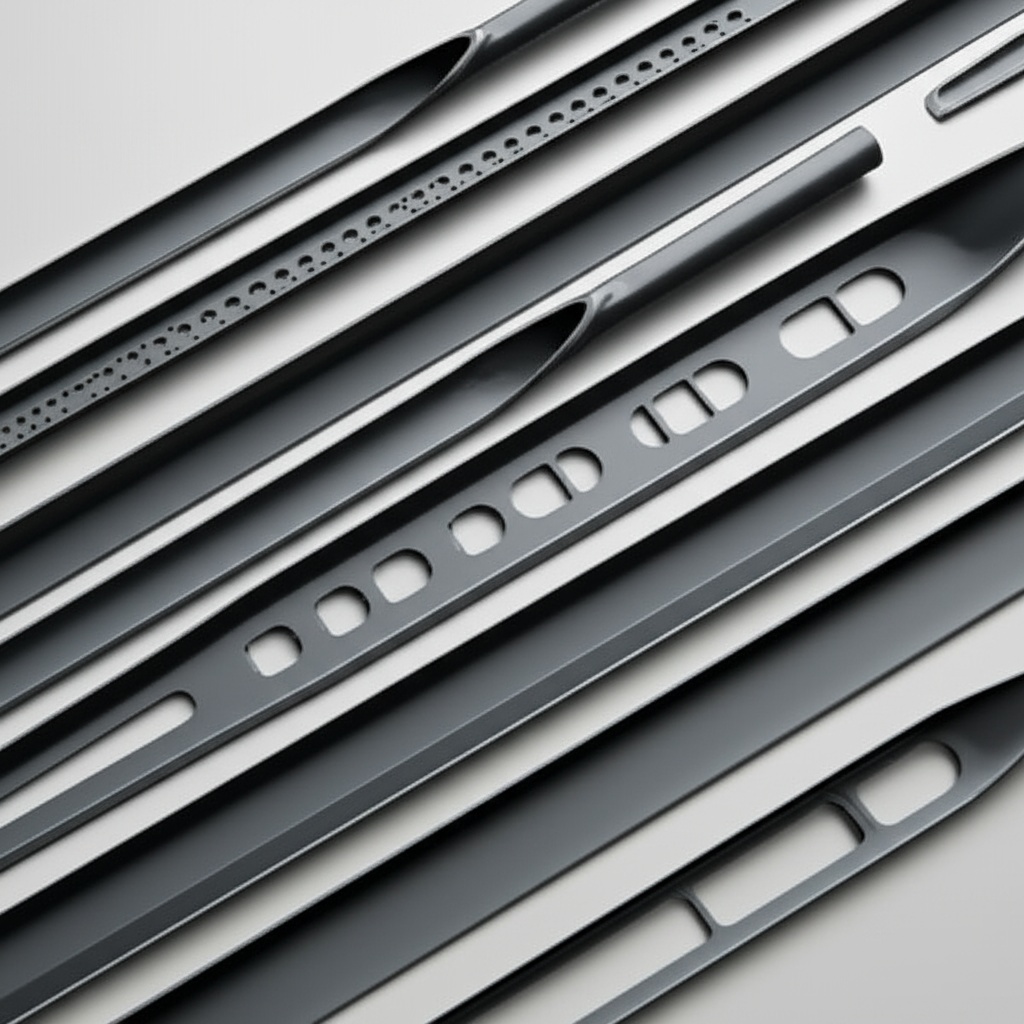
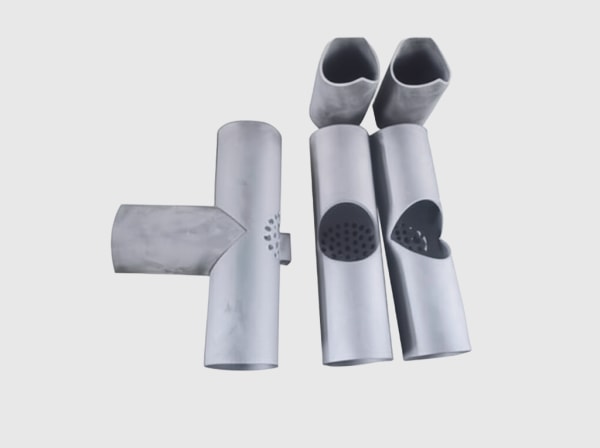
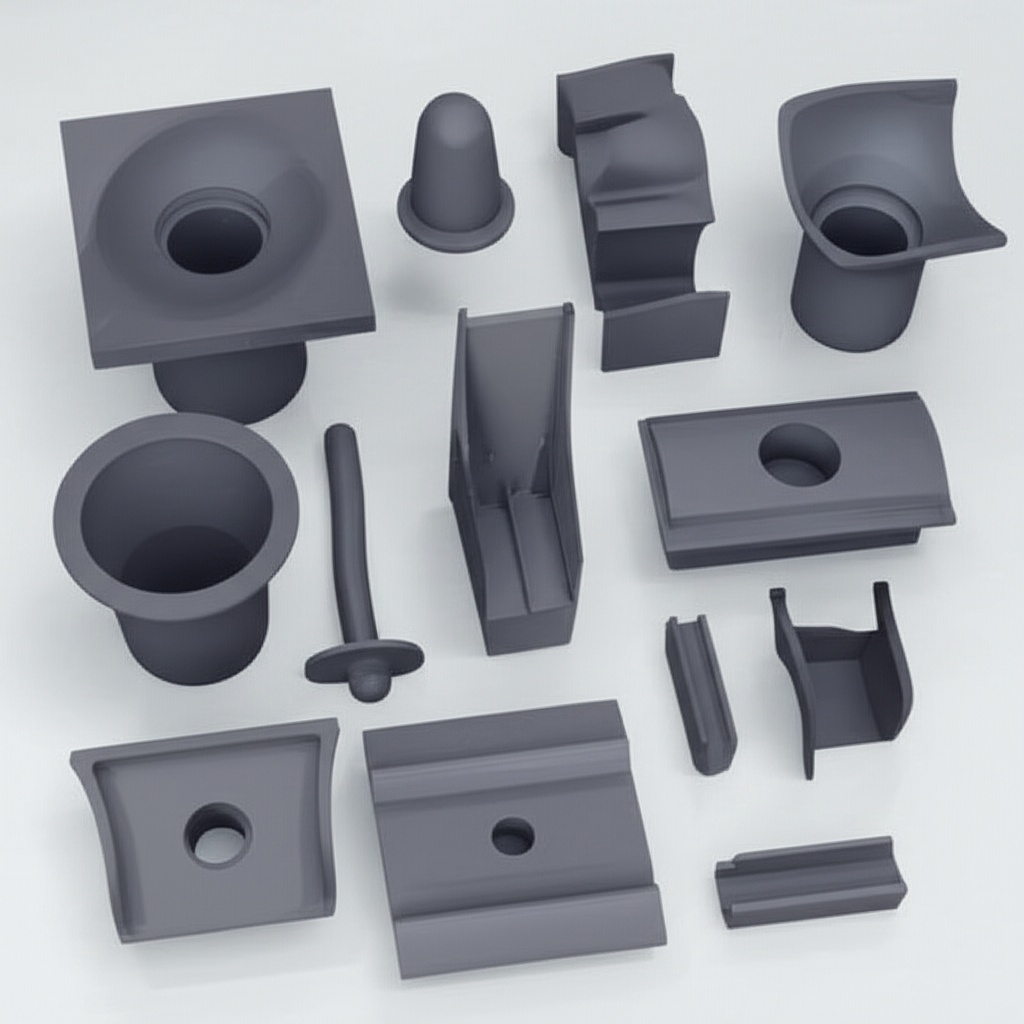
Custom silicon carbide products are engineered components meticulously designed and fabricated to meet the specific requirements of a particular application. Unlike off-the-shelf solutions, custom SiC parts offer unparalleled performance, precision, and longevity in demanding industrial settings. This customization extends to material composition, intricate geometries, surface finishes, and even specialized coatings, ensuring optimal functionality in extreme temperatures, corrosive environments, and abrasive wear conditions. These advanced technical ceramics are crucial for industries requiring superior thermal conductivity, exceptional hardness, and chemical inertness.
Main Applications for Silicon Carbide
The unique properties of silicon carbide make it a material of choice across a vast array of high-tech industries. Its ability to withstand harsh conditions translates into significant performance improvements and extended product lifespans. Here’s a look at its key applications:
- Semiconductor Manufacturing: SiC is vital for high-power devices, wafers, and components in power modules, rectifiers, and inverters, enabling higher efficiency and smaller footprints in power electronics.
- Automotive Companies: Used in electric vehicles (EVs) for power electronics, SiC offers enhanced efficiency and range, and also in braking systems and engine components for its wear resistance.
- Aerospace Companies: Its high strength-to-weight ratio and thermal stability make SiC ideal for jet engine components, missile nose cones, and spacecraft structures.
- Power Electronics Manufacturers: SiC devices are revolutionizing power conversion, enabling faster switching speeds and lower energy losses in various power management systems.
- Renewable Energy Companies: Essential in solar inverters and wind turbine converters, SiC boosts efficiency and reduces energy waste.
- Metallurgical Companies: SiC crucibles, kiln furniture, and heating elements are used for high-temperature processing and material synthesis due to their thermal shock resistance.
- Defense Contractors: Employed in ballistic armor, high-performance optics, and other critical defense applications requiring extreme durability.
- Chemical Processing Companies: Its chemical inertness makes SiC ideal for pumps, valves, and heat exchangers in corrosive chemical environments.
- LED Manufacturers: SiC is used as a substrate for GaN-based LEDs, offering superior thermal management and light output.
- Industrial Equipment Manufacturers: Found in bearings, seals, nozzles, and pump components where wear resistance and high temperature stability are paramount.
- Telecommunications Companies: Used in high-frequency and high-power communication systems, particularly in RF power amplifiers.
- Oil and Gas Companies: SiC components are employed in downhole tools and pumping equipment due to their resistance to abrasive slurries and high pressures.
- Medical Device Manufacturers: Biocompatible SiC can be found in certain surgical instruments and medical implants.
- Rail Transportation Companies: SiC power modules are being integrated into traction systems for trains, improving energy efficiency and reliability.
- Nuclear Energy Companies: Its radiation resistance and high-temperature stability make SiC a candidate for next-generation nuclear reactor components.
Why Choose Custom Silicon Carbide?
The decision to opt for custom silicon carbide rather than standard materials is driven by several key advantages that address critical performance bottlenecks in high-demand applications:
- Thermal Resistance: SiC maintains its structural integrity and mechanical properties at extremely high temperatures, far exceeding those of many metals and other ceramics.
- Wear Resistance: With exceptional hardness, SiC offers superior resistance to abrasion, erosion, and friction, extending the lifespan of components in harsh operating conditions.
- Chemical Inertness: SiC is highly resistant to corrosion from acids, bases, and other aggressive chemicals, making it ideal for chemical processing and extreme environments.
- High Strength and Stiffness: It boasts impressive mechanical strength and stiffness, allowing for thinner, lighter designs without compromising structural integrity.
- Excellent Thermal Conductivity: Crucial for heat dissipation in electronics and high-temperature systems, SiC efficiently transfers heat away from critical areas.
- Semiconductor Properties: Its wide bandgap allows for high breakdown voltage, high frequency operation, and efficient power conversion, making it a cornerstone for advanced power electronics.
- Design Flexibility: Customization allows for intricate geometries and precise dimensions, optimizing part performance for specific operational parameters.
Recommended SiC Grades and Compositions
Silicon carbide exists in various forms, each with distinct properties suited for different applications. Understanding these grades is crucial for effective material selection:
| SiC Grade/Type | Description & Properties | Typical Applications |
|---|---|---|
| Reaction-Bonded SiC (RBSiC) | Porous SiC infiltrated with silicon metal. Offers good strength, high thermal conductivity, and excellent wear resistance. Cost-effective for large, complex shapes. | Kiln furniture, mechanical seals, pump components, heat exchangers, automotive brake components. |
| Sintered Alpha SiC (SSiC) | High-purity, fully dense SiC, often sintered with minor additives. Exhibits superior strength, hardness, oxidation resistance, and chemical inertness. | Bearings, nozzles, semiconductor wafer processing equipment, ballistic armor, high-temperature furnace components. |
| Nitride-Bonded SiC (NBSiC) | SiC grains bonded with silicon nitride. Offers good strength, thermal shock resistance, and moderate oxidation resistance. | Refractory applications, kiln furniture, wear parts in industrial machinery. |
| Chemical Vapor Deposited (CVD) SiC | Ultra-high purity, fully dense SiC formed through chemical vapor deposition. Exceptionally pure, strong, and stiff with optical quality surfaces. | Semiconductor susceptors, optical components, mirror substrates, high-performance seals. |
| Recrystallized SiC (ReSiC) | Porous SiC produced by heating fine SiC powder at high temperatures. Good thermal shock resistance but lower strength than other dense forms. | Kiln furniture, setters, and structural components for high-temperature furnaces. |
Design Considerations for SiC Products
Designing with silicon carbide requires careful attention to its unique material properties to ensure manufacturability and optimal performance. Key considerations include:
- Geometry Limits: SiC is a hard and brittle material, meaning sharp corners, thin walls, and complex undercuts should be avoided where possible to minimize stress concentrations and facilitate machining.
- Wall Thickness Uniformity: Maintaining consistent wall thickness throughout the design helps prevent differential shrinkage during sintering and reduces internal stresses.
- Stress Points: Identify potential stress concentration areas, especially at transitions between different thicknesses or at sharp internal corners. Incorporating radii instead of sharp angles can significantly improve part strength.
- Tolerances: While SiC can be machined to high precision, understanding achievable tolerances for different SiC grades and manufacturing processes is crucial for cost-effective production.
- Assembly and Fastening: Consider how the SiC component will be integrated into a larger system. Design for appropriate mounting features, bolt holes, and sealing surfaces, often incorporating inserts or careful bonding techniques.
- Thermal Management: Leverage SiC’s excellent thermal conductivity in your design, ensuring proper heat dissipation paths for critical applications.
Tolerance, Surface Finish & Dimensional Accuracy
Achieving precise dimensions and specific surface finishes is critical for high-performance SiC components. The manufacturing process for custom silicon carbide involves several stages, each impacting the final part’s accuracy and surface quality:
- Green Machining: In the “green” (unfired) state, SiC can be machined more easily, allowing for the creation of intricate geometries. However, significant shrinkage occurs during sintering, which must be accounted for.
- Sintering Shrinkage: This is a critical factor, as SiC parts can shrink by 15-20% during the high-temperature sintering process. Precise control over this shrinkage is essential for dimensional accuracy.
- Post-Sintering Grinding & Lapping: For very tight tolerances and smooth surface finishes, diamond grinding and lapping are often employed after sintering. These processes can achieve micron-level precision and mirror-like finishes.
- Achievable Tolerances: While general tolerances for SiC can be around $pm 0.5%$ for features, precision grinding can achieve tolerances as tight as $pm 0.005$ mm or even finer for critical dimensions.
- Surface Finish Options: Surface roughness (Ra) can range from several micrometers for as-fired surfaces to sub-micrometer levels with lapping and polishing, depending on application requirements (e.g., sealing, wear surfaces).
Post-Processing Needs
To optimize the performance and extend the lifespan of custom SiC components, various post-processing steps may be required:
- Precision Grinding: Essential for achieving tight dimensional tolerances and desired surface finishes, particularly for flat surfaces, bores, and critical mating areas.
- Lapping and Polishing: For ultra-flat surfaces, optical finishes, or applications requiring extremely low friction, lapping and polishing processes can be used to achieve nanometer-level smoothness.
- Sealing: In porous SiC grades, sealing might be necessary for gas-tight or liquid-tight applications. This can involve impregnation with silicon or other materials.
- Coating: Application-specific coatings (e.g., protective, conductive, or release coatings) can enhance surface properties, corrosion resistance, or facilitate processing in certain environments.
- Joining and Bonding: SiC components may need to be joined to other materials or other SiC parts using techniques like brazing, diffusion bonding, or adhesive bonding, requiring careful surface preparation.
Common Challenges and How to Overcome Them
Despite its impressive properties, working with silicon carbide presents certain challenges that advanced suppliers are adept at overcoming:
- Brittleness: SiC’s inherent brittleness means it can be susceptible to chipping or fracture under impact or tensile stress. Careful design (avoiding sharp corners) and proper handling mitigate this.
- Machining Complexity: Its extreme hardness makes SiC very difficult to machine, requiring specialized diamond tooling and precision grinding techniques. This impacts cost and lead time.
- Thermal Shock: While SiC has good thermal shock resistance, rapid and extreme temperature changes can still induce stress. Design for controlled heating/cooling rates and appropriate material selection can help.
- Cost: Custom SiC components can be more expensive than traditional materials due to raw material costs and specialized manufacturing processes. However, their extended lifespan and superior performance often lead to a lower total cost of ownership.
- Sintering Shrinkage Control: Ensuring precise dimensional accuracy requires sophisticated control over the sintering process to account for material shrinkage.
How to Choose the Right SiC Supplier
Selecting a reliable silicon carbide supplier is paramount to the success of your project. Look for partners who demonstrate not just manufacturing capability, but also deep technical expertise:
- Technical Capabilities & Expertise: Evaluate their understanding of SiC materials, manufacturing processes, and ability to handle complex geometries and tight tolerances. Do they offer customizing support from design to production?
- Material Options: A good supplier offers a range of SiC grades (RBSiC, SSiC, CVD SiC, etc.) to match diverse application requirements.
- Quality Control & Certifications: Look for ISO certifications and robust quality assurance processes to ensure consistent product quality and reliability.
- Experience in Your Industry: A supplier with experience in your specific industry (e.g., semiconductors or aerospace) will better understand your unique challenges and requirements.
- R&D and Innovation: Suppliers who invest in research and development are more likely to offer cutting-edge solutions and adapt to evolving industrial needs.
- Customer Support & Collaboration: A responsive and collaborative supplier can provide invaluable technical guidance throughout the design and procurement process.
Cost Drivers and Lead Time Considerations
The cost and lead time for custom silicon carbide products are influenced by several factors, which buyers should consider when planning their procurement:
- Material Grade and Purity: Higher purity grades (e.g., CVD SiC) and specialized compositions generally incur higher material costs.
- Part Complexity: Intricate geometries, tight tolerances, and features requiring extensive post-sintering machining will significantly increase manufacturing time and cost.
- Volume: As with most manufactured goods, higher production volumes can lead to lower per-unit costs due to economies of scale.
- Tooling Requirements: Custom tooling for pressing or green machining can add to the initial investment, especially for low-volume orders.
- Surface Finish Requirements: Achieving very fine surface finishes (e.g., lapping and polishing) is a time-consuming process that adds to the overall cost.
- Post-Processing: Any additional treatments like coatings, sealing, or complex assembly steps will extend lead times and increase costs.
- Supplier’s Capacity: A supplier’s current production load and available capacity will impact lead times. Discuss this upfront to manage expectations.
Frequently Asked Questions (FAQ)
Here are some common questions about silicon carbide and its applications:
- Q1: Is silicon carbide suitable for all high-temperature applications?
- A1: While SiC excels at high temperatures, its suitability depends on the specific thermal profile, mechanical stresses, and chemical environment. Consult with a SiC expert to determine the optimal material for your application.
- Q2: Can silicon carbide be repaired if damaged?
- A2: Repairing SiC components is generally challenging due to its hardness and chemical inertness. Minor surface damage might be polished, but significant fractures typically require replacement.
- Q3: What are the primary advantages of SiC over traditional metals in high-temperature environments?
- A3: SiC offers superior hardness, wear resistance, chemical inertness, and retains its strength at much higher temperatures than most metals, making it ideal for extreme conditions where metals would deform or corrode.
- Q4: How do I get a quote for a custom SiC part?
- A4: To get an accurate quote, you will typically need to provide detailed engineering drawings (CAD files preferred), material specifications, quantity required, and any specific surface finish or tolerance requirements. You can contact us directly for assistance.
Conclusion
Custom silicon carbide products represent a frontier in advanced materials, offering unparalleled performance in the most demanding industrial environments. For industries ranging from semiconductors and aerospace to power electronics and renewable energy, investing in bespoke SiC components translates into enhanced efficiency, extended lifespan, and superior reliability. By understanding the diverse grades, design considerations, and the critical factors in choosing a reputable silicon carbide supplier in USA, businesses can unlock the full potential of this remarkable material. Partnering with a knowledgeable and experienced supplier is key to transforming complex engineering challenges into high-performance, cost-effective solutions that drive innovation and competitive advantage.

About the Author: Sicarb Tech
We provide clear and reliable insights into silicon carbide materials, component manufacturing, application technologies, and global market trends. Our content reflects industry expertise, practical experience, and a commitment to helping readers understand the evolving SiC landscape.

Customizable SiC
You May Also Interest
-
![]()
Top SiC Industry Trends for Business Leaders
Top SiC Industry Trends for Business Leaders In today’s rapidly evolving industrial landscape, the demand for materials that can withstand extreme conditions and deliver superior performance is at an all-time high. Silicon carbide (SiC), a leading advanced ceramic material, is at the forefront of this revolution. From enhancing the efficiency of electric vehicles to boosting…
-
![]()
Mastering Extreme Conditions: Why Custom Silicon Carbide is Revolutionizing Fluid Handling
In the demanding world of industrial fluid handling, equipment is constantly under siege from corrosive chemicals, abrasive slurries, high temperatures, and extreme pressures. Traditional materials often fall short, leading to frequent downtime, costly maintenance, and compromised operational efficiency. Enter custom silicon carbide (SiC), a high-performance technical ceramic that is rapidly becoming the material of choice…
-
![]()
Europe’s Leading SiC Distributors for Easy Supply
Europe’s Leading SiC Distributors for Easy Supply In the rapidly evolving landscape of advanced materials, Silicon Carbide (SiC) stands out as a game-changer. Its unparalleled properties make it indispensable across a spectrum of high-performance industrial applications. For engineers, procurement managers, and technical buyers in industries ranging from semiconductors and automotive to aerospace and renewable energy,…