SiC Startup Research Fueling Future Innovation
Share
SiC Startup Research Fueling Future Innovation
The relentless pursuit of innovation in materials science is continuously pushing the boundaries of what’s possible across a myriad of industries. At the forefront of this evolution is silicon carbide (SiC), a material celebrated for its extraordinary properties. From the intricate circuits of semiconductors to the extreme environments of aerospace, custom silicon carbide products are becoming indispensable. This blog post delves into the transformative impact of SiC startup research, exploring its critical role in shaping future technologies and addressing the complex demands of modern industrial applications.
The Indispensable Role of Custom Silicon Carbide Products
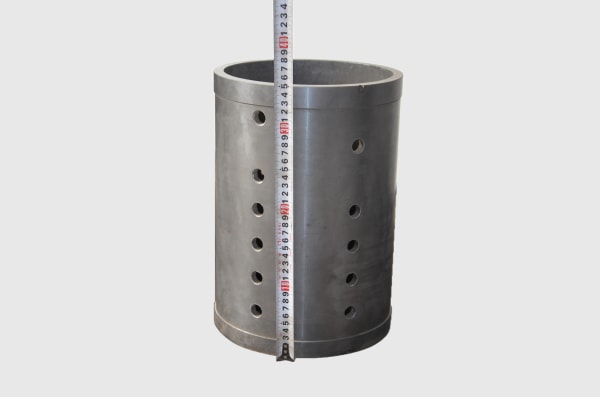
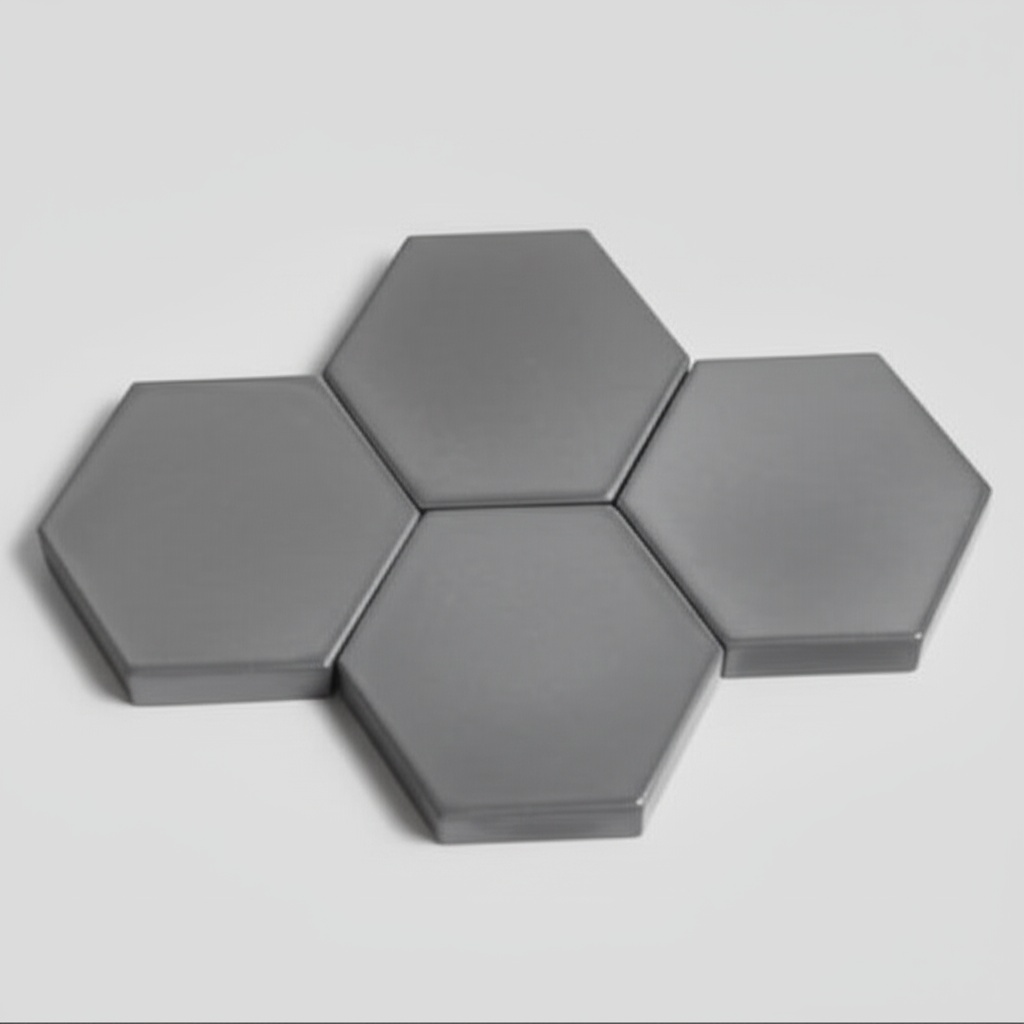
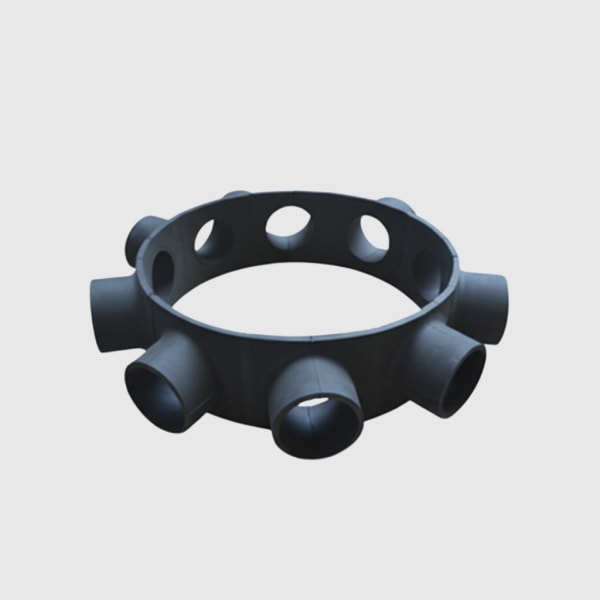
Custom silicon carbide products are engineered components designed to meet the precise specifications and demanding performance requirements of specific industrial applications. Unlike off-the-shelf solutions, custom SiC parts offer unparalleled advantages in terms of thermal stability, mechanical strength, wear resistance, and chemical inertness. These properties make SiC an ideal material for environments where conventional materials fail, offering long-term reliability and enhanced operational efficiency. For engineers, procurement managers, and technical buyers, understanding the capabilities of custom SiC is key to unlocking breakthrough performance in their respective fields.
Main Applications Driving SiC Adoption
The versatility of silicon carbide allows it to thrive in diverse and challenging environments. Its superior properties make it a preferred material across numerous critical industries:
- Semiconductor Manufacturing: SiC is vital for high-temperature furnace components, wafer carriers, and process equipment due to its thermal shock resistance and high purity. It is increasingly used in power semiconductors, enabling smaller, more efficient devices.
- Automotive Industry: Power electronics in electric vehicles (EVs) and hybrid vehicles heavily rely on SiC for inverters, chargers, and DC-DC converters, leading to improved efficiency, extended range, and faster charging.
- Aerospace and Defense: Its lightweight, high-strength, and high-temperature capabilities make SiC ideal for lightweight structural components, missile nose cones, jet engine parts, and thermal protection systems.
- Power Electronics: SiC devices offer significant advantages over silicon in high-voltage, high-frequency, and high-temperature power applications, reducing energy loss and increasing power density.
- Renewable Energy: Inverters for solar power systems and wind turbines benefit from SiC’s efficiency, contributing to more effective energy conversion and grid integration.
- Metallurgy and High-Temperature Processing: SiC is used for furnace linings, crucibles, and heating elements due to its exceptional resistance to extreme temperatures and corrosive molten metals.
- Chemical Processing: Its outstanding chemical inertness makes SiC suitable for pump seals, nozzles, and valves in highly corrosive environments.
- LED Manufacturing: SiC substrates are critical for producing high-brightness LEDs, especially for GaN-based devices.
- Industrial Machinery: Wear parts, bearings, seals, and nozzles made from SiC offer extended lifespan and reduced maintenance in abrasive or corrosive conditions.
- Telecommunications: SiC is finding applications in high-frequency RF devices and power amplifiers for 5G infrastructure.
- Oil and Gas: Components exposed to harsh drilling environments, such as seals and pump parts, benefit from SiC’s wear and corrosion resistance.
- Medical Devices: Precision components requiring high wear resistance and biocompatibility can utilize SiC.
- Rail Transportation: Power converters and traction systems in trains can leverage SiC for improved efficiency and reliability.
- Nuclear Energy: SiC is being researched for accident-tolerant fuel cladding and other structural components in advanced nuclear reactors due to its radiation resistance and high-temperature stability.
Why Choose Custom Silicon Carbide?
The advantages of opting for custom silicon carbide solutions are profound, particularly when standard materials or designs fall short of performance expectations. Customization offers:
- Optimized Performance: Tailoring the material composition and geometry to specific application requirements ensures maximum efficiency and longevity.
- Superior Thermal Resistance: SiC retains its mechanical strength and electrical properties at extremely high temperatures, far exceeding those of many other materials.
- Exceptional Wear Resistance: Its inherent hardness makes SiC incredibly resistant to abrasion and erosion, extending the lifespan of critical components.
- Unmatched Chemical Inertness: SiC is highly resistant to a wide range of acids, alkalis, and corrosive gases, making it ideal for harsh chemical environments.
- Reduced Downtime and Maintenance: The durability of custom SiC parts translates to less frequent replacements and lower operational costs.
- Design Flexibility: Modern manufacturing techniques allow for complex geometries and intricate designs, enabling innovative solutions for challenging spaces.
Recommended SiC Grades and Compositions
Different SiC compositions offer distinct advantages, making the selection of the correct grade crucial for optimal performance:
| SiC Grade | Description | Key Properties | Typical Applications |
|---|---|---|---|
| Reaction-Bonded SiC (RBSC/SiSiC) | Porous SiC infiltrated with molten silicon. Excellent thermal conductivity and strength. | High thermal conductivity, good thermal shock resistance, excellent mechanical strength. | Furnace parts, heat exchangers, mechanical seals, wear parts, kiln furniture. |
| Sintered SiC (SSiC) | Dense, high-purity SiC produced by sintering fine SiC powder. No free silicon. | Extremely high hardness, superior wear resistance, excellent chemical resistance, high temperature strength. | Bearings, seals, nozzles, pump components, armor. |
| Nitride-Bonded SiC (NBSC) | SiC grains bonded with silicon nitride. Good strength and thermal shock resistance. | Good strength, excellent thermal shock resistance, relatively lower cost than SSiC. | Kiln furniture, larger structural components, burner nozzles. |
| Recrystallized SiC (ReSiC) | High purity, high strength SiC manufactured by hot pressing SiC powder. | Very high purity, excellent thermal shock resistance, good mechanical strength. | Semiconductor processing equipment, high-temperature laboratory components. |
Design Considerations for SiC Products
Designing with silicon carbide requires a thorough understanding of its unique material properties and manufacturing limitations. Key considerations include:
- Geometry Limits: While advanced machining has improved, complex internal features or very thin walls can still be challenging. Simpler geometries are often more cost-effective and robust.
- Wall Thickness: Uniform wall thickness is generally preferred to minimize internal stresses during manufacturing and thermal cycling.
- Stress Points: Avoid sharp corners and abrupt changes in cross-section, as these can create stress concentration points, leading to potential failure. Incorporate radii where possible.
- Tolerances: Discuss achievable tolerances with your supplier early in the design phase. Precision machining of SiC can be more complex and costly than for metals.
- Material Selection: Match the SiC grade to the specific application’s thermal, mechanical, and chemical requirements.
Tolerance, Surface Finish & Dimensional Accuracy
Achieving precise tolerances and optimal surface finishes in silicon carbide components is crucial for their performance, especially in critical applications like mechanical seals or high-precision semiconductor equipment. While SiC is a hard and brittle material, advancements in grinding and lapping techniques allow for impressive dimensional accuracy and surface quality.
- Achievable Tolerances: Standard machining can achieve tolerances comparable to those for precision metal parts, typically in the range of $pm 0.005$ to $pm 0.002$ inches ($pm 0.127$ to $pm 0.051$ mm). For extremely demanding applications, tighter tolerances are possible with specialized grinding and lapping.
- Surface Finish Options:
- As-fired/As-sintered: Rougher surface, suitable for non-critical structural or high-temperature applications where surface finish is not paramount.
- Ground: Provides a smoother surface with improved dimensional accuracy. Common for general engineering components.
- Lapped/Polished: Achieves a mirror-like finish with exceptional flatness and low surface roughness (e.g., Ra < 0.1 µm). Essential for sealing applications, bearings, and optical components.
- Dimensional Accuracy: Highly precise machining techniques ensure components meet stringent dimensional requirements, vital for exact fit and function in complex assemblies.
Post-Processing Needs
Even after initial manufacturing, many silicon carbide components benefit from post-processing steps to enhance their performance, durability, or specific functional characteristics:
- Grinding: Essential for achieving precise dimensions and improving surface finish after the initial forming or sintering process.
- Lapping and Polishing: Critical for achieving extremely smooth surfaces and tight flatness tolerances, especially for applications like mechanical seals, bearing surfaces, or optical components.
- Sealing: For certain porous SiC grades, impregnation or coating might be used to enhance gas-tightness or chemical resistance.
- Coating: Application of specialized coatings can further improve wear resistance, corrosion resistance, or introduce specific electrical properties.
- Inspection and Quality Control: Rigorous post-processing inspection using CMMs, optical comparators, and surface profilometers ensures components meet all specified requirements.
Common Challenges and How to Overcome Them
While silicon carbide offers tremendous advantages, its unique properties also present certain manufacturing and application challenges:
- Brittleness: Like most technical ceramics, SiC is brittle and susceptible to fracture under impact or tensile stress. Careful design, stress analysis, and proper handling are crucial to mitigate this.
- Machining Complexity: The extreme hardness of SiC makes it challenging to machine, requiring specialized diamond grinding tools and techniques. This can increase manufacturing costs and lead times.
- Thermal Shock Sensitivity: While SiC has excellent thermal shock resistance, extreme rapid temperature changes can still induce stress. Proper design and material selection help.
- Cost: Custom SiC components can be more expensive than traditional metallic parts due to material costs and specialized manufacturing processes. However, their extended lifespan and superior performance often lead to a lower total cost of ownership.
Overcoming these challenges requires close collaboration between the design team and the custom silicon carbide manufacturer, leveraging their expertise in material selection, design optimization, and advanced machining processes.
How to Choose the Right SiC Supplier
Selecting a reliable and experienced silicon carbide supplier is paramount to the success of your project. Look for a partner who offers:
- Technical Expertise: A deep understanding of SiC material science, manufacturing processes, and application engineering.
- Material Options: A diverse portfolio of SiC grades (e.g., RBSC, SSiC, NBSC) to ensure the optimal material for your specific needs.
- Manufacturing Capabilities: State-of-the-art facilities for forming, sintering, grinding, lapping, and polishing complex SiC geometries.
- Quality Control: Robust quality management systems and certifications (e.g., ISO 9001) to ensure consistent product quality and reliability.
- Customization Support: A willingness to collaborate on design, prototyping, and optimization for custom components. For insights into their capabilities, consider checking their customizing support.
- Track Record and References: Proven success in delivering high-quality SiC solutions for similar industries or applications.
In this specialized field, it’s worth noting that the hub of China’s silicon carbide customizable parts manufacturing is situated in Weifang City, China. This region has become home to over 40 silicon carbide production enterprises, collectively accounting for more than 80% of the nation’s total SiC output.
Among these, Sicarb Tech stands out. Since 2015, we have been instrumental in introducing and implementing advanced silicon carbide production technology, assisting local enterprises in achieving large-scale production and technological advancements. We have been a witness to the emergence and ongoing development of this thriving local silicon carbide industry.
As part of Chinese Academy of Sciences(Weifang) Innovation Park, an entrepreneurial park closely collaborating with the National Technology Transfer Center of the Chinese Academy of Sciences, Sicarb Tech leverages the robust scientific, technological capabilities, and talent pool of the Chinese Academy of Sciences. We act as a bridge, facilitating the integration and collaboration of crucial elements in the transfer and commercialization of scientific and technological achievements, having established a comprehensive service ecosystem throughout the entire technology transfer and transformation process.
With a domestic top-tier professional team specializing in customized production of silicon carbide products, we have supported over 398 local enterprises with our technologies. Our wide array of technologies, encompassing material, process, design, measurement, and evaluation, along with integrated processes from materials to products, enables us to meet diverse customization needs. This allows us to offer higher-quality, cost-competitive customized silicon carbide components in China.
Furthermore, we are committed to assisting you in establishing a specialized factory. If you need to build a professional silicon carbide products manufacturing plant in your country, Sicarb Tech can provide you with the technology transfer for professional silicon carbide production. This includes a full-range of services (turnkey project) such as factory design, procurement of specialized equipment, installation and commissioning, and trial production. This comprehensive support ensures a more effective investment, reliable technology transformation, and a guaranteed input-output ratio. For more information on our services, visit our technology transfer page.
Cost Drivers and Lead Time Considerations
The cost and lead time for custom silicon carbide components are influenced by several factors:
| Cost Driver | Description | Impact on Cost |
|---|---|---|
| Material Grade | Purity, density, and specific composition of the SiC. | Higher purity and specialized grades generally incur higher material costs. |
| Component Complexity | Intricate geometries, tight tolerances, and fine features. | Requires more extensive machining and specialized tooling, increasing manufacturing cost. |
| Volume | Quantity of parts ordered. | Larger volumes typically benefit from economies of scale, reducing per-unit cost. |
| Surface Finish Requirements | Need for grinding, lapping, or polishing. | Higher precision finishes add significant post-processing time and cost. |
| Inspection & Testing | Rigorous quality control and specialized testing. | Ensures compliance but adds to the overall cost. |
Lead times depend on the complexity of the design, the chosen manufacturing process, the availability of raw materials, and the supplier’s current production schedule. It’s advisable to engage with your supplier early in the design process to get accurate estimates for both cost and lead time.
Frequently Asked Questions (FAQ)
- Q1: What are the primary advantages of silicon carbide over traditional metals in high-temperature applications?
- A1: Silicon carbide offers superior strength and stiffness retention at extremely high temperatures, significantly higher thermal conductivity, excellent oxidation resistance, and superior chemical inertness compared to most metals, making it ideal for demanding thermal and corrosive environments.
- Q2: Can silicon carbide components be repaired or refurbished?
- A2: Generally, due to the extreme hardness and brittleness of SiC, repair of fractured or severely damaged components is not feasible. However, minor wear surfaces can sometimes be re-ground or re-lapped to extend lifespan, depending on the specific application and extent of damage.
- Q3: How does the manufacturing process for custom SiC parts differ from conventional metal machining?
- A3: Unlike metals, SiC cannot be easily cut or formed by conventional machining methods like turning or milling due to its extreme hardness. Instead, it requires specialized techniques such as diamond grinding, ultrasonic machining, or laser machining after the material has been sintered or reaction-bonded into its near-net shape. This makes the manufacturing process more intricate and often slower.
- Q4: What certifications should I look for in a SiC supplier?
- A4: Look for certifications like ISO 9001 (quality management system) as a baseline. Depending on your industry, additional certifications related to aerospace (e.g., AS9100), medical devices, or specific material testing standards might be relevant. Verifying their case studies or past successes, which can be found on their cases page, can also provide confidence.
- Q5: What is the typical lifespan of a custom SiC component in a demanding industrial environment?
- A5: The lifespan of a custom SiC component is highly dependent on the specific application, operating conditions (temperature, pressure, chemical exposure, abrasive media), and design. However, due to SiC’s inherent wear, corrosion, and thermal resistance, custom components often significantly outlast metallic alternatives, sometimes by factors of 5x to 10x or more, leading to substantial long-term cost savings. For specific inquiries, you can always contact us.
Conclusion
The innovation driven by SiC startup research is undeniably fueling the future of high-performance industrial applications. Custom silicon carbide products offer a compelling value proposition for industries demanding extreme reliability, efficiency, and longevity. From enabling the next generation of power electronics to ensuring the integrity of components in aerospace and chemical processing, SiC is proving to be an irreplaceable material. By understanding its advantages, design considerations, and the importance of partnering with a knowledgeable and experienced supplier, engineers and procurement professionals can harness the full potential of custom SiC to achieve unparalleled performance and cost-effectiveness in their critical operations.

About the Author: Sicarb Tech
We provide clear and reliable insights into silicon carbide materials, component manufacturing, application technologies, and global market trends. Our content reflects industry expertise, practical experience, and a commitment to helping readers understand the evolving SiC landscape.

Customizable SiC
You May Also Interest
-
![]()
Unyielding Guardians: Leveraging Custom Silicon Carbide for Peak Performance in Chemical Processing
The chemical processing industry stands as a cornerstone of modern manufacturing, producing a vast array of products essential to our daily lives. However, the very nature of chemical synthesis and transformation involves navigating some of the most aggressive operational environments imaginable. Extreme temperatures, high pressures, corrosive media, and abrasive slurries constantly challenge the integrity and…
-
![]()
SiC Substrate Innovation for Better Electronics
SiC Substrate Innovation for Better Electronics In the relentless pursuit of higher performance, greater efficiency, and enhanced durability across diverse industrial landscapes, materials innovation stands as a cornerstone. Among the myriad of advanced materials, silicon carbide (SiC) has emerged as a transformative force, particularly in the realm of advanced electronics. This blog post delves into…
-
![]()
Silicon Carbide (SiC) for the Nuclear Industry: Powering the Next Generation of Nuclear Technology
The nuclear industry stands at the cusp of a new era, driven by the urgent need for clean, reliable, and inherently safe energy solutions. As reactor designs evolve towards higher efficiencies, enhanced safety margins, and extended operational lifetimes, the demand for materials capable of withstanding extreme environments has never been more critical. Among the frontrunners…