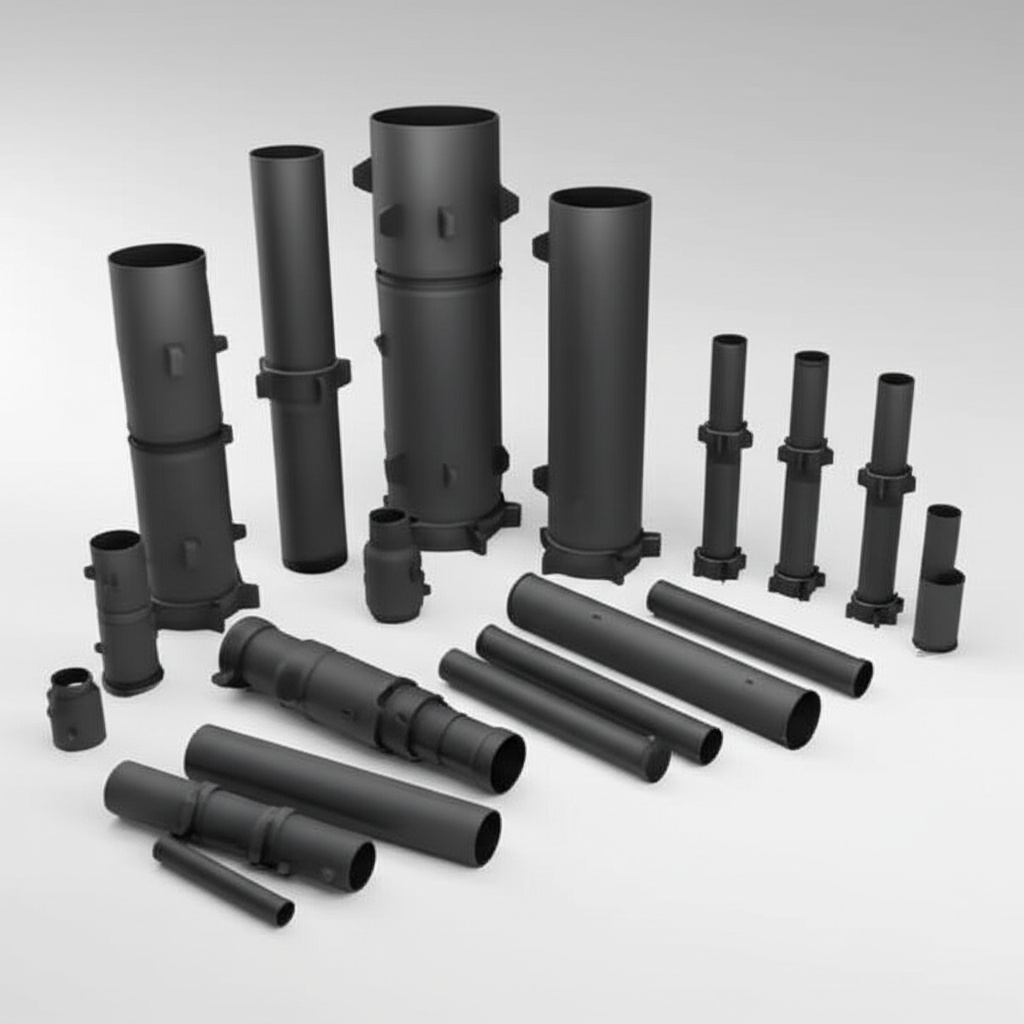
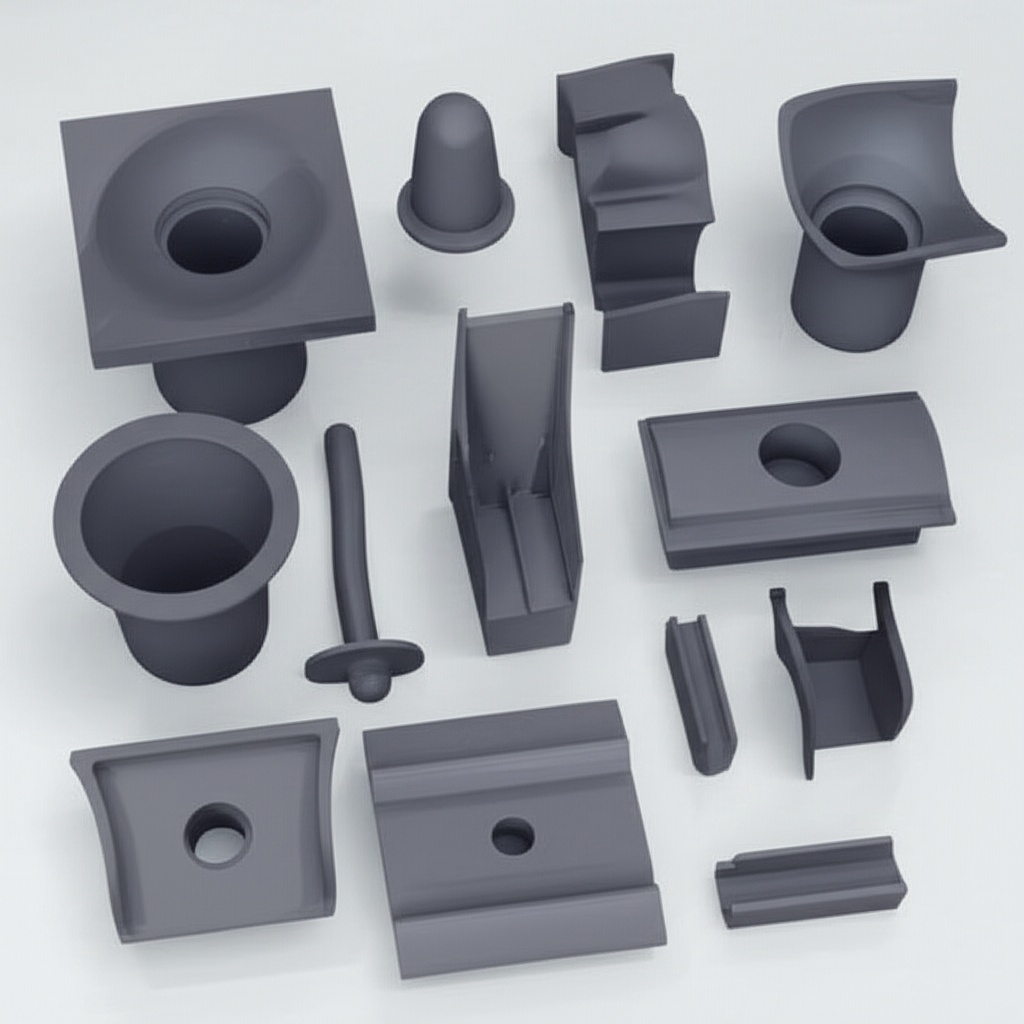
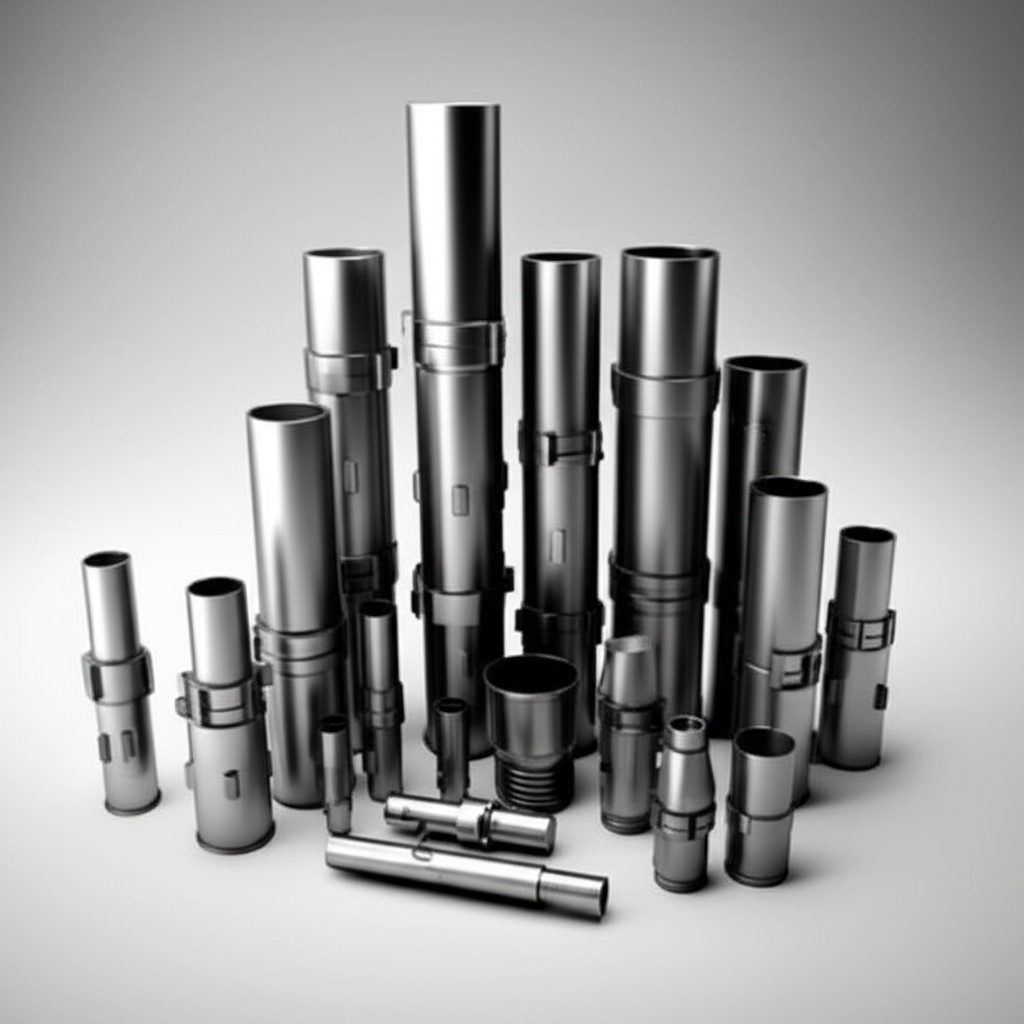
SiC for Next-Generation Semiconductor Devices
Share
SiC for Next-Generation Semiconductor Devices
In the relentless pursuit of innovation across high-tech industries, material science plays a pivotal role. For next-generation semiconductor devices, and demanding applications in aerospace, energy, and industrial manufacturing, the spotlight is increasingly on advanced materials that can withstand extreme conditions while delivering superior performance. Among these, custom silicon carbide (SiC) stands out as a true game-changer. Its unparalleled properties make it an indispensable material for engineers, procurement managers, and technical buyers seeking optimal solutions for their most challenging projects.
Main Applications of Custom SiC
The unique combination of properties offered by silicon carbide — including extreme hardness, high thermal conductivity, low thermal expansion, excellent chemical inertness, and semiconductor capabilities — makes it highly sought after across a diverse range of industries. When these properties are delivered in custom silicon carbide products, the possibilities for innovation are significantly expanded.
- Semiconductors: SiC is revolutionizing power electronics, enabling faster switching speeds, higher breakdown voltages, and reduced energy losses in power modules, inverters, and converters. This translates to smaller, more efficient, and more reliable devices crucial for electric vehicles, renewable energy systems, and data centers.
- Automotive: Beyond power electronics, SiC components are finding their way into critical engine and braking systems due to their exceptional wear resistance and ability to operate at high temperatures, contributing to enhanced performance and fuel efficiency.
- Aerospace & Defense: In environments where lightweight yet incredibly strong and heat-resistant materials are paramount, SiC is vital for components in jet engines, missile systems, and satellite technologies. Its thermal shock resistance and high strength-to-weight ratio are invaluable.
- Power Electronics: SiC’s superior performance characteristics over traditional silicon make it ideal for high-power, high-frequency applications, driving efficiency improvements in power grids, industrial motor drives, and consumer electronics.
- Renewable Energy: From solar inverters to wind turbine converters, SiC enhances the efficiency and reliability of power conversion systems, maximizing energy harvesting from renewable sources.
- Metallurgy & High-Temperature Processing: SiC’s excellent thermal shock resistance and chemical inertness make it a preferred material for furnace components, refractory materials, and crucibles in extremely hot and corrosive environments.
- Chemical Processing: Its resistance to aggressive chemicals makes SiC an ideal choice for pumps, valves, and other components exposed to corrosive media.
- LED Manufacturing: SiC substrates are used in the production of high-brightness LEDs, offering excellent thermal management for improved performance and longevity.
- Industrial Equipment & Machinery: Components requiring high wear resistance, such as seals, bearings, and nozzles, benefit significantly from SiC’s inherent hardness and durability.
- Telecommunications: SiC power devices contribute to more efficient and compact power supplies for base stations and networking equipment.
- Oil & Gas: In harsh drilling and processing environments, SiC provides superior wear and corrosion resistance for critical components.
- Medical Devices: Biocompatibility and wear resistance make SiC suitable for certain medical implants and surgical instruments.
- Rail Transportation: SiC power modules are enhancing the efficiency and reliability of traction systems in trains.
- Nuclear Energy: Its radiation resistance and high-temperature stability make SiC a candidate for advanced nuclear reactor components.
Advantages of Custom SiC for Industrial Applications
Choosing custom silicon carbide goes beyond merely selecting a high-performance material; it’s about leveraging tailored solutions to meet specific engineering challenges. The benefits are profound, especially for wholesale buyers, technical procurement professionals, OEMs, and distributors who require precision and reliability.
- Unparalleled Thermal Resistance: SiC maintains its structural integrity and performance at temperatures exceeding 1000°C, far beyond the limits of many conventional materials. This makes it ideal for high-temperature processing and extreme environments.
- Superior Wear Resistance: With a hardness approaching that of diamond, SiC offers exceptional resistance to abrasion and erosion, significantly extending the lifespan of components in demanding applications.
- Exceptional Chemical Inertness: SiC is highly resistant to a wide range of corrosive acids, bases, and aggressive chemicals, ensuring long-term stability and reliability in harsh chemical processing environments.
- High Thermal Conductivity: Crucial for heat dissipation in semiconductor devices and other power electronics, SiC’s excellent thermal conductivity helps manage heat effectively, preventing overheating and improving device longevity.
- Low Thermal Expansion: This property minimizes thermal stress and cracking, particularly important in applications with rapid temperature fluctuations.
- High Mechanical Strength: SiC exhibits excellent strength and stiffness, allowing for the design of robust and reliable components even under high mechanical loads.
- Customization for Optimal Performance: The ability to custom-fabricate SiC components means that shapes, sizes, and specific properties can be precisely matched to application requirements, leading to optimal performance and efficiency. This is where the true value lies for specialized industries.
Recommended SiC Grades and Compositions
Silicon carbide exists in various forms, each with distinct properties suited for specific applications. Understanding these grades is crucial for selecting the right material for your custom SiC components.
| SiC Grade/Composition | Key Characteristics | Typical Applications |
|---|---|---|
| Reaction-Bonded SiC (RBSC) | High strength, excellent wear resistance, good thermal shock resistance, near-net shape capabilities, low porosity. | Furnace components, wear parts, kiln furniture, mechanical seals, pump components. |
| Sintered SiC (SSiC) | Extremely high purity, superior corrosion resistance, high strength at elevated temperatures, fine grain structure, high hardness. | Semiconductor processing equipment, ballistic armor, chemical pump parts, high-temperature structural components. |
| Nitride-Bonded SiC (NBSC) | Good thermal shock resistance, lower cost than SSiC, good strength, relatively porous. | Kiln furniture, larger structural components, abrasive applications. |
| Chemical Vapor Deposition (CVD) SiC | Highest purity, extremely smooth surface finish, virtually no porosity, superior chemical resistance. | Wafer boats, susceptors for semiconductor processing, optical components, mirror substrates. |
Design Considerations for Custom SiC Products
Designing custom silicon carbide components requires a thorough understanding of the material’s unique properties and the fabrication processes involved. Careful design can significantly impact performance, manufacturability, and cost effectiveness.
- Geometry Limits: While SiC can be formed into complex shapes, intricate features, very thin walls, or sharp internal corners can be challenging and costly to machine. Simpler geometries are often preferred for manufacturability.
- Wall Thickness: Uniform wall thickness is generally recommended to minimize thermal stress and prevent warping during processing. Significant variations can lead to internal stresses and cracking.
- Stress Points: Identify potential stress concentration points, such as sharp corners, holes, or sudden changes in cross-section. Incorporating radii instead of sharp corners can significantly reduce stress and improve durability.
- Tolerances: While precision is achievable, excessively tight tolerances can increase machining time and cost. Balance design requirements with practical manufacturing capabilities.
- Joining Methods: Consider how SiC components will be assembled with other materials. Brazing, adhesive bonding, or mechanical fastening are common methods, each with its own design implications.
- Thermal Management: For applications where heat dissipation is critical, design features that optimize thermal pathways, such as fins or integrated cooling channels, can be beneficial.
Tolerance, Surface Finish & Dimensional Accuracy
Achieving precise tolerances and specified surface finishes is critical for the performance of custom silicon carbide components, especially in high-precision applications like semiconductor manufacturing equipment.
- Achievable Tolerances: Depending on the SiC grade and manufacturing process (e.g., green machining, diamond grinding), tolerances can range from standard industrial tolerances to micron-level precision for demanding applications. Precision grinding can achieve very tight dimensional accuracy.
- Surface Finish Options: Surface finishes can vary from rough, as-fired surfaces to highly polished, mirror-like finishes.
- As-fired/As-sintered: Typically for less critical surfaces or where subsequent machining is planned.
- Ground: Achieves a good balance of surface finish and cost, suitable for most industrial applications.
- Lapped/Polished: Provides exceptionally smooth surfaces (Ra < 0.1 µm), crucial for sealing applications, tribological components, and semiconductor wafer handling.
- Dimensional Accuracy: High dimensional accuracy is paramount for proper fit and function, particularly in assemblies and complex systems. Advanced machining techniques are employed to ensure components meet stringent specifications.
Post-Processing Needs for Enhanced Performance
While silicon carbide is inherently robust, certain post-processing steps can further enhance its performance, durability, and functional properties, depending on the application.
- Grinding: Precision grinding is commonly used to achieve tight dimensional tolerances, specific geometries, and improve surface finish after initial shaping or sintering. Diamond grinding wheels are typically required due to SiC’s extreme hardness.
- Lapping & Polishing: For critical surfaces requiring exceptional flatness, smoothness, or tribological performance, lapping and polishing provide superior surface finishes. This is particularly important for seals, bearings, and semiconductor contact surfaces.
- Sealing: In applications requiring vacuum integrity or fluid containment, specialized sealing techniques may be applied to minimize porosity or improve interfacial sealing.
- Coating: While SiC is inherently resistant to many environments, specific coatings can be applied for enhanced chemical resistance, anti-stick properties, or to modify surface energy for specific applications (e.g., in semiconductor processing).
- Edge Finishing: Chamfering or radiusing edges can prevent chipping and improve resistance to mechanical impact.
Common Challenges and How to Overcome Them
Despite its many advantages, working with silicon carbide presents specific challenges. A knowledgeable custom SiC supplier understands these hurdles and how to mitigate them.
- Brittleness: Like most technical ceramics, SiC is inherently brittle. Design considerations, such as avoiding sharp corners and incorporating radii, are essential to minimize stress concentrations and prevent premature failure. Proper handling during manufacturing and installation is also critical.
- Machining Complexity: SiC’s extreme hardness makes it difficult and expensive to machine, often requiring specialized diamond tooling and techniques. Partnering with a supplier experienced in SiC machining is vital to ensure precision and cost-effectiveness.
- Thermal Shock: While SiC has good thermal shock resistance, rapid and extreme temperature changes can still induce stress. Careful design and controlled heating/cooling rates in applications can help mitigate this risk.
- Sintering Shrinkage: During the sintering process, SiC components undergo shrinkage. Predicting and controlling this shrinkage accurately is crucial for achieving desired dimensional tolerances. Experienced manufacturers use sophisticated modeling and process control to manage this.
- Cost: The raw materials and specialized manufacturing processes for SiC can result in higher initial costs compared to conventional materials. However, the extended lifespan, superior performance, and reduced downtime often lead to a lower total cost of ownership over time, providing a significant return on investment for technical buyers and OEMs.
How to Choose the Right SiC Supplier
Selecting the right partner for your custom silicon carbide needs is paramount to the success of your project. Here’s what to look for when evaluating a supplier:
- Technical Capabilities & Expertise: The supplier should possess deep knowledge of various SiC grades, their properties, and suitable applications. Look for a track record in developing custom solutions for complex engineering challenges.
- Material Options: A comprehensive range of SiC grades (e.g., RBSC, SSiC, NBSC, CVD SiC) indicates flexibility and the ability to recommend the optimal material for your specific requirements.
- Manufacturing & Machining Capabilities: Assess their ability to produce parts with the required precision, complexity, and surface finish. This includes advanced machining techniques and quality control processes.
- Quality Certifications: Look for certifications such as ISO 9001, which demonstrate a commitment to quality management and consistent product delivery.
- Industry Experience: A supplier with experience in your specific industry (e.g., semiconductors, aerospace, power electronics) will better understand your unique needs and regulatory requirements.
- Customer Support & Collaboration: A responsive and collaborative supplier who can offer design assistance, material selection guidance, and ongoing technical support is invaluable.
It’s important to note that the hub of China’s silicon carbide customizable parts manufacturing is situated in Weifang City of China. This region has become home to over 40 silicon carbide production enterprises of various sizes, collectively accounting for more than 80% of the nation’s total silicon carbide output.
We, Sicarb Tech, have been actively involved in introducing and implementing silicon carbide production technology since 2015, assisting local enterprises in achieving large-scale production and technological advancements in product processes. We have been a witness to the emergence and ongoing development of the local silicon carbide industry. Based on the platform of the national technology transfer center of the Chinese Academy of Sciences, Sicarb Tech is an entrepreneurial park that collaborates closely with the National Technology Transfer Center of the Chinese Academy of Sciences. It serves as a national-level innovation and entrepreneurship service platform, integrating innovation, entrepreneurship, technology transfer, venture capital, incubation, acceleration, and scientific and technological services.
Sicarb Tech capitalizes on the robust scientific, technological capabilities and talent pool of the Chinese Academy of Sciences . Backed by the Chinese Academy of Sciences National Technology Transfer Center, it serves as a bridge, facilitating the integration and collaboration of crucial elements in the transfer and commercialization of scientific and technological achievements. Moreover, it has established a comprehensive service ecosystem that spans the entire spectrum of the technology transfer and transformation process, ensuring more reliable quality and supply assurance within China. We possess a domestic top-tier professional team specializing in customized production of silicon carbide products. Under our support, 377+ local enterprises have benefited from our technologies. We possess a wide array of technologies, such as material, process, design, measurement & evaluation technologies, along with the integrated process from materials to products. This enables us to meet diverse customization needs. We can offer you higher-quality, cost-competitive customized silicon carbide components in China.
Furthermore, we are also committed to assisting you in establishing a specialized factory. If you need to build a professional silicon carbide products manufacturing plant in your country, Sicarb Tech can provide you with the technology transfer for professional silicon carbide production, along with a full-range of services (turnkey project) including factory design, procurement of specialized equipment, installation and commissioning, and trial production. This enables you to own a professional silicon carbide products manufacturing plant while ensuring a more effective investment, reliable technology transformation, and guaranteed input-output ratio.
Cost Drivers and Lead Time Considerations for Custom SiC
Understanding the factors that influence the cost and lead time of custom silicon carbide components is essential for effective project planning and procurement.
- Material Grade: Different SiC grades have varying raw material costs. For example, high-purity SSiC or CVD SiC typically costs more than RBSC due to their advanced processing and superior properties.
- Part Complexity & Geometry: Intricate designs with tight tolerances, thin walls, or complex internal features require more extensive machining and specialized tooling, significantly increasing both cost and production time. Simpler geometries are generally more economical.
- Volume: As with most manufacturing, higher production volumes can often lead to lower per-unit costs due to economies of scale in raw material procurement and manufacturing setup.
- Surface Finish Requirements: Achieving highly polished or lapped surfaces involves additional processing steps (e.g., lapping, polishing), which adds to the cost and lead time.
- Tooling Costs: For highly custom or complex parts, specific tooling may need to be designed and fabricated, representing an upfront investment.
- Post-Processing Needs: Any additional treatments like coatings, specialized sealing, or extensive quality control measures will impact both cost and lead time.
- Supplier’s Capacity & Schedule: A supplier’s current production load and available capacity will directly influence lead times. Engaging with a reliable supplier like Sicarb Tech with robust production capabilities can help ensure more predictable lead times.
- Quality Control & Testing: Rigorous testing and inspection protocols, while essential for high-performance components, will also contribute to the overall cost and time.
Effective communication with your chosen supplier regarding your budget, timeline, and quality requirements is crucial to optimizing these factors.
Frequently Asked Questions (FAQ) about Custom SiC
- Q1: What are the primary advantages of SiC over traditional silicon in power electronics?
- A1: SiC offers a wider bandgap, higher breakdown electric field, higher thermal conductivity, and faster switching speeds compared to silicon. These properties enable SiC devices to operate at higher temperatures, handle higher voltages, switch more efficiently, and allow for smaller, lighter, and more compact designs, leading to significant energy savings and performance improvements, especially in power electronics.
- Q2: Is silicon carbide suitable for applications with extreme thermal shock?
- A2: Yes, silicon carbide generally exhibits excellent thermal shock resistance due to its high thermal conductivity and low coefficient of thermal expansion. This combination allows it to dissipate heat quickly and minimizes stress buildup during rapid temperature changes, making it ideal for applications like kiln furniture, heat exchangers, and furnace components.
- Q3: Can custom SiC components be produced with very complex geometries?
- A3: While SiC is a hard and brittle material, advanced manufacturing techniques, including diamond grinding, CNC machining, and even some additive manufacturing processes (for specific grades), allow for the production of surprisingly complex geometries. However, designing with manufacturability in mind (e.g., avoiding sharp internal corners, maintaining uniform wall thickness) can significantly reduce costs and lead times. Experienced suppliers like Sicarb Tech can provide expert design for manufacturability guidance.
- Q4: What industries benefit most from custom silicon carbide products?
- A4: Industries that benefit most are those requiring materials with exceptional performance under extreme conditions. This includes semiconductor manufacturing, automotive (especially EVs), aerospace, power electronics, renewable energy, metallurgy, defense, chemical processing, and industrial machinery, where high temperature, wear, and corrosion resistance are critical.
Conclusion: The Indispensable Role of Custom SiC in Modern Industry
Custom silicon carbide stands as a cornerstone material for enabling the next generation of high-performance products and systems across a multitude of industries. Its unparalleled combination of thermal, mechanical, and chemical properties makes it the material of choice for applications where conventional materials simply fall short. For engineers, procurement managers, and technical buyers, investing in custom SiC components means ensuring enhanced reliability, extended lifespan, and superior performance in the most demanding environments.
As industries continue to push the boundaries of technology and efficiency, the demand for tailored, high-quality silicon carbide solutions will only grow. By partnering with a reputable and experienced custom SiC supplier, such as Sicarb Tech, you gain access not only to world-class materials and manufacturing expertise but also to a partner committed to innovation and the success of your critical projects. Embrace the power of custom silicon carbide and unlock new possibilities for your advanced applications.

About the Author: Sicarb Tech
We provide clear and reliable insights into silicon carbide materials, component manufacturing, application technologies, and global market trends. Our content reflects industry expertise, practical experience, and a commitment to helping readers understand the evolving SiC landscape.

Customizable SiC
You May Also Interest
-
![]()
Silicon Carbide: Powering the Next Generation of Semiconductor Innovation
The semiconductor industry is the bedrock of modern technology, fueling advancements from artificial intelligence and high-performance computing to electric vehicles and renewable energy systems. As semiconductor devices become smaller, faster, and more powerful, the demands placed on the materials used in their fabrication escalate significantly. In this relentless pursuit of performance and efficiency, custom silicon…
-
![]()
SiC Research Collaboration: Opportunities Await
SiC Research Collaboration: Opportunities Await The landscape of advanced materials is continually evolving, with silicon carbide (SiC) emerging as a cornerstone for innovation across a myriad of demanding industries. Its exceptional properties—high thermal conductivity, extreme hardness, chemical inertness, and semiconductor capabilities—make it indispensable for next-generation applications. As a company specializing in custom silicon carbide products…
-
![]()
Silicon Carbide: Powering the Next Generation of Electronics
The electronics industry is in a constant state of evolution, driven by the relentless demand for smaller, faster, and more efficient devices. As traditional silicon-based electronics approach their theoretical limits, new materials are stepping in to bridge the gap and unlock unprecedented performance. Among these, silicon carbide (SiC) has emerged as a frontrunner, particularly in…