Silicon Carbide: Powering the Next Generation of Electronics
Share
The electronics industry is in a constant state of evolution, driven by the relentless demand for smaller, faster, and more efficient devices. As traditional silicon-based electronics approach their theoretical limits, new materials are stepping in to bridge the gap and unlock unprecedented performance. Among these, silicon carbide (SiC) has emerged as a frontrunner, particularly in high-power and high-frequency applications. This advanced ceramic material offers a unique combination of electrical and thermal properties that are revolutionizing industries from renewable energy and electric vehicles to telecommunications and industrial automation. This blog post delves into the world of custom silicon carbide products for electronics, exploring their applications, advantages, and what to consider when sourcing these critical components. For engineers, procurement managers, and technical buyers, understanding the potential of SiC is key to staying ahead in a competitive landscape.
What is Silicon Carbide and Its Significance in Modern Electronics?
Silicon carbide (SiC) is a synthetically produced crystalline compound of silicon and carbon. While it has long been valued for its exceptional hardness and use in abrasives and structural ceramics, its semiconductor properties are what make it a game-changer for modern electronics. Unlike traditional silicon (Si), SiC is a wide bandgap semiconductor. This fundamental difference allows SiC-based electronic devices to operate at much higher voltages, temperatures, and frequencies, pushing the boundaries of power conversion and control.
The significance of SiC in electronics lies in its ability to address the growing need for energy efficiency and power density. As global energy consumption rises and the demand for compact, high-performance electronic systems intensifies, SiC offers a pathway to:
- Reduced Energy Losses: SiC devices exhibit lower switching and conduction losses, leading to significantly higher energy efficiency in power conversion systems.
- Increased Power Density: The ability to operate at higher temperatures and frequencies allows for smaller and lighter components, such as heat sinks and passive elements, resulting in more compact overall systems.
- Enhanced Durability: SiC’s robustness allows electronic systems to perform reliably in harsh operating conditions, including elevated temperatures and high-voltage environments.
- Higher Switching Speeds: This enables the use of smaller inductors and capacitors, further contributing to system miniaturization and improved dynamic performance.
The adoption of SiC power devices, SiC substrates, and SiC wafers is rapidly expanding, signaling a paradigm shift in how electronic systems are designed and manufactured. For businesses looking to leverage these benefits, sourcing high-quality, custom SiC components is crucial for optimizing performance and achieving specific application requirements.
The Rise of Wide Bandgap Semiconductors: Why SiC is a Game Changer for Power Electronics
The term “bandgap” in semiconductor physics refers to the energy difference between the top of the valence band and the bottom of the conduction band. Electrons must gain enough energy to jump this gap to become mobile and conduct electricity. Wide bandgap (WBG) semiconductors, such as silicon carbide (SiC) and gallium nitride (GaN), possess a significantly larger bandgap than conventional silicon. This seemingly simple difference has profound implications for device performance, especially in power electronics.
Silicon (Si) has been the workhorse of the electronics industry for decades, but its material properties, particularly its relatively narrow bandgap (around 1.12 eV), impose limitations. SiC, typically in its 4H polytype (4H-SiC), boasts a bandgap approximately three times wider (around 3.26 eV). This wider bandgap translates directly into several key advantages:
- Higher Breakdown Electric Field: SiC can withstand electric fields nearly ten times greater than Si before electrical breakdown occurs. This allows for the design of devices with much higher voltage ratings or, conversely, significantly thinner drift regions for a given voltage rating, leading to lower resistance and reduced conduction losses.
- Higher Operating Temperatures: The strong Si-C bonds and wider bandgap mean that SiC devices can operate reliably at temperatures exceeding 200°C, and in some cases, much higher. Silicon devices typically struggle above 150°C. This reduces the need for complex and bulky thermal management systems.
- Higher Thermal Conductivity: SiC exhibits thermal conductivity that is roughly three times better than Si and even surpasses that of copper. This superior ability to dissipate heat is critical for power devices, as it helps to keep junction temperatures lower, improving reliability and enabling higher power densities.
- Higher Saturated Electron Drift Velocity: While not as high as GaN in this specific metric, SiC still offers a good saturated electron drift velocity, which contributes to its ability to operate at high frequencies.
The following table provides a comparative overview of key material properties for Silicon (Si) and 4H-Silicon Carbide (4H-SiC), illustrating why SiC semiconductors are pivotal for next-generation power electronics:
| Property | Silicon (Si) | 4H-Silicon Carbide (4H-SiC) | Unit | Significance for Power Electronics |
|---|---|---|---|---|
| Bandgap Energy (Eg) | ∼1.12 | ∼3.26 | eV | Higher operating voltage, lower leakage current, higher operating temperature. |
| Breakdown Electric Field (EB) | ∼0.3 | ∼2.0−3.0 | MV/cm | Higher blocking voltage capability, thinner drift layers for lower on-resistance. |
| Thermal Conductivity (κ) | ∼150 | ∼300−490 | W/mK | Better heat dissipation, allowing for higher power density and improved reliability at elevated temperatures. |
| Electron Saturated Drift Velocity (vsat) | ∼1.0×10⁷ | ∼2.0×10⁷ | cm/s | Faster switching speeds, enabling higher frequency operation and smaller passive components. |
| Maximum Operating Temperature | ∼150 | >200 (up to 600 in some cases) | °C | Reduced cooling requirements, suitability for harsh environments (e.g., automotive, aerospace, downhole drilling). |
These inherent advantages make SiC a game-changer for applications demanding high efficiency, power density, and reliability. From SiC MOSFETs and SiC Schottky diodes to more complex SiC power modules, the impact of this WBG material is transforming the landscape of power conversion and management. Companies specializing in custom silicon carbide solutions play a vital role in enabling industries to harness these benefits effectively.
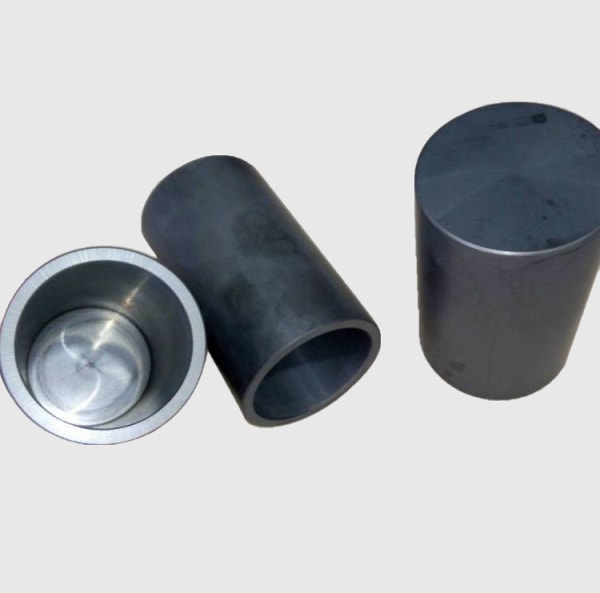
Key Applications of Silicon Carbide in Electronic Devices and Systems
The superior properties of silicon carbide have unlocked a wide array of applications across various sectors, particularly where power efficiency, density, and high-temperature operation are critical. Industrial SiC electronics are no longer a niche technology but a rapidly growing segment. Here are some of the key areas where SiC is making a significant impact:
- Electric Vehicles (EVs) and Hybrid Electric Vehicles (HEVs):
- Traction Inverters: SiC-based inverters convert DC power from the battery to AC power for the motor. They offer higher efficiency, leading to increased range, and can be made smaller and lighter, improving vehicle dynamics.
- On-Board Chargers (OBCs): SiC enables faster and more efficient battery charging.
- DC-DC Converters: Used for converting high battery voltage to lower voltages for auxiliary systems, SiC improves efficiency and reduces size.
- Renewable Energy Systems:
- Solar Inverters: SiC boosts the efficiency of converting DC power generated by solar panels to AC power for the grid or local use. Higher switching frequencies allow for smaller magnetic components, reducing system size and cost.
- Wind Turbine Converters: SiC enhances the reliability and efficiency of power conversion in demanding wind energy applications.
- Power Supplies and Uninterruptible Power Supplies (UPS):
- Data Centers: SiC-based power supplies reduce energy consumption and cooling costs in data centers, which are major consumers of electricity.
- Industrial Power Supplies: Offer higher efficiency and greater power density for various industrial equipment.
- Telecommunications: Compact and efficient SiC power supplies are crucial for base stations and other telecom infrastructure.
- Industrial Motor Drives:
- SiC in variable frequency drives (VFDs) improves the efficiency of electric motors, which account for a significant portion of industrial electricity consumption. This leads to energy savings and better control.
- Railway Traction:
- SiC power modules are used in traction converters for trains and trams, offering energy savings, reduced weight, and improved reliability compared to silicon-based systems.
- Aerospace and Defense:
- Power Distribution Systems: SiC’s ability to handle high temperatures and voltages makes it suitable for demanding aerospace power applications.
- Radar Systems: SiC-based RF power amplifiers can operate at higher power levels and frequencies.
- High-Frequency Power Electronics:
- RF Power Amplifiers: SiC’s properties are beneficial for high-power, high-frequency applications in broadcasting and communication.
- Induction Heating: SiC enables more efficient and compact induction heating systems.
- High-Temperature Electronics and Sensors:
- Due to its thermal stability, SiC is used for sensors and electronics operating in extreme temperature environments, such as in downhole oil and gas exploration or combustion engines.
The common thread across these applications is the demand for improved energy efficiency, higher power density, reduced system size and weight, and enhanced reliability, especially under challenging operating conditions. Custom SiC components, including SiC substrates for power devices, SiC heat spreaders, and specialized technical ceramics for electronics, are essential in tailoring solutions to meet the specific demands of these diverse applications.
The following table outlines some specific SiC devices and their primary application areas:
| SiC Device Type | Primary Applications | Key Benefits in Application |
|---|---|---|
| SiC MOSFETs | EV traction inverters, solar inverters, high-frequency power supplies, motor drives | Low switching losses, high blocking voltage, high-temperature operation, fast switching speeds |
| SiC Schottky Diodes (SBDs) | Power factor correction (PFC) circuits, power supplies, solar inverters | Near-zero reverse recovery, high switching speed, reduced losses |
| SiC Junction Gate Field-Effect Transistors (JFETs) | High-temperature electronics, radiation-hard applications | Robustness, high-temperature capability |
| SiC Power Modules | EV drivetrains, industrial drives, renewable energy converters, railway traction | High power density, improved thermal management, integrated solutions |
| SiC Wafers/Substrates | Foundation for manufacturing SiC MOSFETs, SBDs, and other SiC devices | High crystal quality, low defect density crucial for device performance and yield |
As the technology matures and manufacturing costs decrease, the range of applications for silicon carbide in electronics is expected to expand even further, solidifying its role as a cornerstone of future power systems.
Advantages of Custom Silicon Carbide Components for Electronic Applications
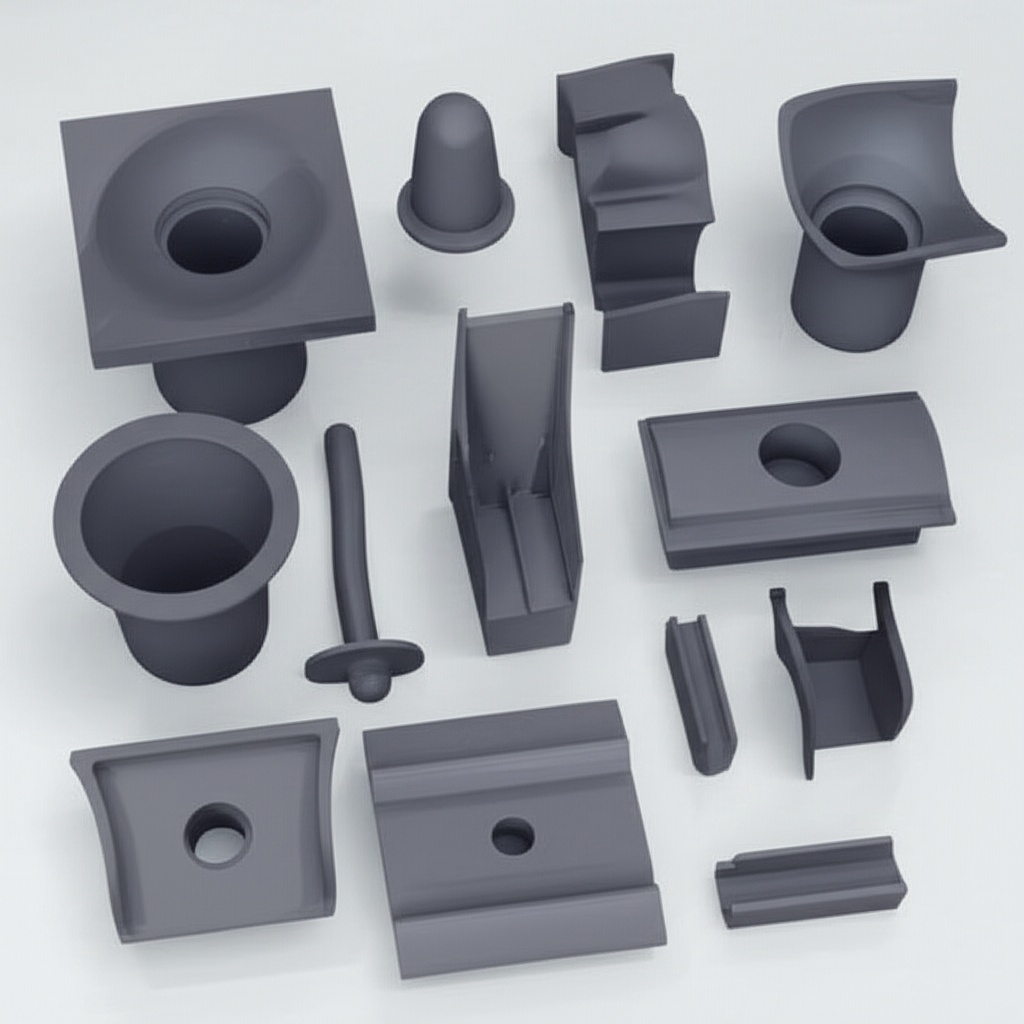
While standard off-the-shelf SiC devices like MOSFETs and diodes are driving much of the adoption in power electronics, the need for custom silicon carbide components is increasingly recognized for optimizing performance, reliability, and integration in specialized electronic applications. Customization allows engineers to leverage SiC’s unique properties beyond active semiconductor devices, extending to passive roles where thermal management, electrical insulation, and mechanical stability are paramount.
Opting for custom SiC components offers several distinct advantages:
- Tailored Thermal Management Solutions:
- SiC’s high thermal conductivity makes it an excellent material for heat sinks, heat spreaders, and baseplates in power modules and other high-power electronic assemblies. Custom designs can be optimized for specific heat loads, airflow patterns, and mounting configurations, leading to more effective heat dissipation than generic solutions. This directly translates to lower operating temperatures for active devices, improving their lifespan and reliability.
- Example: A custom-shaped SiC baseplate for an IGBT module can ensure optimal thermal contact and heat spreading, outperforming standard aluminum or copper alternatives in demanding conditions.
- Enhanced Electrical Insulation with High Thermal Conductivity:
- Many electronic applications require materials that are excellent electrical insulators but also good thermal conductors. Custom SiC ceramic components can be designed to provide superior electrical isolation at high voltages while efficiently conducting heat away from sensitive areas.
- Example: Custom SiC insulators in high-voltage power supplies or RF equipment can prevent arcing and ensure safe operation while contributing to thermal stability.
- Optimized Mechanical Properties and Form Factors:
- SiC is a very hard and stiff material, offering excellent mechanical stability. Custom components can be fabricated into complex geometries to fit specific space constraints or to integrate multiple functions.
- Example: A custom SiC carrier or substrate for a multi-chip module can provide precise alignment, mechanical support, and efficient thermal pathways, all within a compact footprint.
- Improved System Integration and Miniaturization:
- By designing SiC components to meet the exact needs of an application, engineers can achieve better system integration. This can lead to a reduction in the overall number of parts, simplified assembly, and a more compact final product – all critical factors in modern electronics.
- Example: A custom SiC package for a high-power LED can integrate thermal management and optical features, leading to a more efficient and robust lighting solution.
- Material Grade Selection for Specific Needs:
- Different grades of SiC (e.g., Sintered SiC, Reaction-Bonded SiC, CVD SiC) offer varying combinations of purity, thermal conductivity, electrical resistivity, and mechanical strength. Customization allows for the selection of the most appropriate SiC grade and manufacturing process to meet specific performance and cost targets.
- Example: For an application requiring extreme purity and the highest thermal conductivity, a custom CVD SiC component might be chosen, whereas a more cost-sensitive structural part with good thermal properties might utilize Sintered SiC.
- Enhanced Reliability in Harsh Environments:
- SiC’s inherent resistance to high temperatures, chemical attack, and wear makes it ideal for electronics operating in aggressive environments. Custom components can be designed to maximize this durability.
- Example: Custom SiC sensor housings for industrial process control can protect sensitive electronics from corrosive chemicals and extreme temperatures.
Sourcing custom SiC electronics components often involves close collaboration with specialized suppliers who possess deep material science expertise and advanced manufacturing capabilities. Companies like Sicarb Tech, with their strong backing from the Chinese Academy of Sciences and a focus on the Weifang SiC industrial hub, are well-positioned to provide such tailored solutions. Their ability to work from material development through to finished product ensures that the custom components precisely meet the demanding requirements of advanced electronic systems. This focus on custom SiC manufacturing helps OEMs and technical buyers unlock the full potential of silicon carbide for their specific needs.
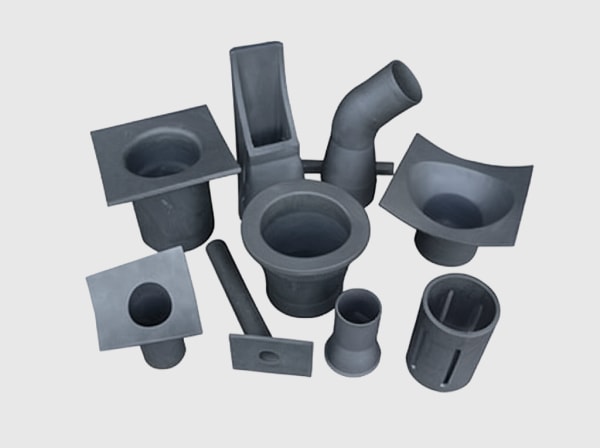
Recommended SiC Grades and Forms for Electronic and Semiconductor Manufacturing
Choosing the right type and grade of silicon carbide is crucial for achieving the desired performance in electronic and semiconductor applications. SiC is not a monolithic material; it exists in various crystalline structures (polytypes) and can be manufactured into different forms (e.g., monocrystalline, polycrystalline, composite) using several techniques. Each grade and form offers a unique set of properties tailored for specific uses.
Here are some commonly recommended SiC grades and forms for electronic and semiconductor manufacturing:
- Monocrystalline Silicon Carbide (Single Crystal SiC):
- Key Polytypes: 4H-SiC and 6H-SiC are the most commercially important polytypes for electronics. 4H-SiC is generally preferred for high-power, high-frequency devices due to its higher electron mobility and more isotropic properties compared to 6H-SiC.
- Form: Primarily available as SiC wafers or SiC substrates. These serve as the foundational material upon which active SiC electronic devices like MOSFETs, JFETs, and Schottky diodes are epitaxially grown and fabricated.
- Properties: High purity, well-defined crystal structure, low defect density (critical for device yield and performance), excellent semiconductor properties (wide bandgap, high breakdown field).
- Applications:
- Substrates for SiC power devices (diodes, transistors, thyristors).
- Substrates for high-frequency RF devices.
- Substrates for UV LEDs and detectors.
- Considerations: Manufacturing single crystal SiC wafers is complex and expensive, involving processes like Physical Vapor Transport (PVT) or High-Temperature Chemical Vapor Deposition (HTCVD). Defect control (micropipes, dislocations) is a major focus.
- Sintered Silicon Carbide (SSiC):
- Form: A dense, fine-grained polycrystalline ceramic produced by sintering fine SiC powder at high temperatures (typically >2000°C), often with non-oxide sintering aids.
- Properties: High hardness, excellent wear resistance, good strength at high temperatures, good thermal shock resistance, high thermal conductivity (though generally lower than high-purity monocrystalline SiC), and good chemical inertness. Typically a good electrical insulator if sintering aids are non-conductive.
- Applications in Electronics:
- Heat sinks and heat spreaders for power modules and electronic packages.
- Structural components in semiconductor manufacturing equipment (e.g., wafer chucks, end effectors, focus rings) due to its dimensional stability and resistance to plasma erosion.
- Insulating components requiring good thermal conductivity.
- Kiln furniture and fixtures for high-temperature processing of electronic components.
- Sicarb Tech Expertise: Companies like Sicarb Tech often have extensive experience with various polycrystalline SiC grades like SSiC, leveraging their position in the Weifang SiC hub to produce high-quality, custom SSiC components for thermal management and structural applications in electronics.
- Reaction-Bonded Silicon Carbide (RBSiC or SiSiC – Silicon Infiltrated Silicon Carbide):
- Form: A composite material made by infiltrating a porous preform of SiC grains and carbon with molten silicon. The silicon reacts with the carbon to form additional SiC, which bonds the initial SiC grains. The final material typically contains some free silicon (usually 8-20%).
- Properties: Good mechanical strength, high hardness, excellent wear resistance, good thermal conductivity (though the free silicon can influence this), and relatively lower manufacturing cost and complexity compared to SSiC. The presence of free silicon makes it electrically conductive to some extent, which can be a limitation or an advantage depending on the application.
- Applications in Electronics:
- Heat spreaders and thermal management components where extreme purity or electrical insulation is not the primary concern but cost and intricate shapes are.
- Structural parts in equipment that benefit from SiC’s rigidity and wear resistance.
- Components in semiconductor processing equipment.
- Note: The electrical conductivity of RBSiC/SiSiC needs to be carefully considered for electronic applications.
- Nitride-Bonded Silicon Carbide (NBSiC):
- Form: Produced by bonding SiC grains with a silicon nitride (Si3N4) matrix.
- Properties: Good thermal shock resistance, moderate strength, and good resistance to wetting by molten metals. Generally lower thermal conductivity than SSiC or RBSiC.
- Applications in Electronics: Less common for direct electronic device components but can be used for kiln furniture or fixtures in the manufacturing process of electronic ceramics or components.
- Chemical Vapor Deposited Silicon Carbide (CVD-SiC):
- Form: Produced by chemical vapor deposition, resulting in a very high-purity, theoretically dense SiC coating or freestanding part.
- Properties: Extremely high purity (can be >99.999%), excellent chemical resistance, high thermal conductivity (approaching that of single crystal), and good wear resistance. Can be tailored to be an insulator or semiconductor.
- Applications in Electronics:
- Protective coatings on components in semiconductor processing equipment (e.g., graphite susceptors, plasma etch chamber parts) to provide plasma erosion resistance and maintain process purity.
- High-performance mirrors for EUV lithography.
- High-purity structural components or substrates where cost is secondary to performance.
The selection process often involves a trade-off between performance requirements, manufacturability of complex shapes, and cost. The following table summarizes key characteristics:
| SiC Grade/Form | Key Characteristics | Typical Electronic Applications | Relative Cost |
|---|---|---|---|
| Monocrystalline (4H, 6H) | Ultra-high purity, semiconductor, excellent electrical properties, high thermal cond. | Wafers/substrates for power devices (MOSFETs, SBDs), RF devices | Very High |
| Sintered SiC (SSiC) | High density, high strength, good thermal conductivity, good insulator (typically) | Heat sinks, spreaders, structural parts in semiconductor tools, insulators | High |
| Reaction-Bonded SiC (RBSiC) | Good strength & thermal cond., complex shapes possible, contains free Si (conductive) | Heat spreaders, structural parts (where some conductivity is acceptable or managed) | Medium |
| Nitride-Bonded SiC (NBSiC) | Good thermal shock resistance, moderate strength | Kiln furniture, fixtures | Medium-Low |
| CVD-SiC | Ultra-high purity, dense, excellent chemical resistance, high thermal conductivity | Protective coatings in semiconductor tools, high-performance optics, specialized structural parts | Very High |
For businesses seeking custom SiC electronic components, partnering with a knowledgeable supplier is essential. Such a supplier can guide the selection of the most suitable SiC grade and manufacturing process to optimize for the specific electronic or semiconductor application, balancing performance needs with budgetary constraints. Sicarb Tech, with its access to diverse SiC production technologies and a strong R&D foundation, offers this crucial expertise, especially for wholesale SiC components and OEM SiC solutions.
Design and Manufacturing Considerations for Custom SiC Electronic Components
Designing and manufacturing custom silicon carbide components for electronic applications requires careful consideration of SiC’s unique material properties and the specific demands of the end-use. SiC is exceptionally hard and has a high melting point, which presents both opportunities and challenges in fabrication. Effective design and manufacturing strategies are key to harnessing SiC’s benefits while managing costs and lead times.
Key Design Considerations:
- Material Grade Selection:
- As discussed previously, choosing the appropriate SiC grade (monocrystalline, SSiC, RBSiC, etc.) is paramount. The decision depends on requirements for thermal conductivity, electrical resistivity, mechanical strength, purity, and operating temperature.
- Tip: Involve your SiC supplier early in the design phase to select the optimal material. Sicarb Tech, for instance, can provide expert advice based on their comprehensive understanding of various SiC materials and their applications.
- Geometric Complexity and Manufacturability:
- SiC’s hardness makes it challenging and costly to machine complex shapes after sintering or crystal growth. Designs should aim for simplicity where possible.
- Consider near-net-shape forming techniques (e.g., slip casting, extrusion, pressing for polycrystalline SiC) to minimize post-sintering machining.
- Limits: Be mindful of limitations on wall thickness, aspect ratios, and the feasibility of intricate internal features.
- Dimensional Tolerances and Surface Finish:
- Achievable tolerances and surface finishes depend on the SiC grade and the manufacturing processes employed (e.g., grinding, lapping, polishing).
- Tighter tolerances and finer surface finishes (e.g., for SiC wafers or optical components) significantly increase manufacturing costs.
- Engineering Tip: Specify only the tolerances and surface finishes that are functionally necessary for the application to avoid over-engineering and unnecessary expense.
- Thermal Management Integration:
- For components like heat sinks or substrates, the design must facilitate efficient thermal pathways. Consider interfaces with other materials, mounting mechanisms, and potential for thermal expansion mismatches.
- The high thermal conductivity of SiC is a major advantage, but its effective utilization depends on good thermal design at the system level.
- Electrical Properties and Metallization:
- For applications requiring electrical conductivity or insulation, the SiC grade and any surface treatments are critical.
- If the SiC component needs to be bonded or interfaced with other electronic components, consider metallization schemes (e.g., nickel, titanium, gold) that provide good adhesion and electrical contact. The choice of metallization depends on the operating temperature and environment.
- Stress Points and Brittleness:
- Like other ceramics, SiC is brittle and susceptible to fracture from stress concentrations. Designs should avoid sharp internal corners, and incorporate fillets and radii where possible.
- Analyze mechanical loads and thermal stresses to ensure the component’s integrity.
Key Manufacturing Considerations:
- Powder Processing (for Polycrystalline SiC):
- The quality of the initial SiC powder (purity, particle size, distribution) significantly impacts the final properties of sintered or reaction-bonded components.
- Forming Techniques:
- Common methods for polycrystalline SiC include die pressing, isostatic pressing, slip casting, extrusion, and injection molding. The choice depends on the component’s size, complexity, and production volume.
- Sintering/Bonding:
- Sintering (for SSiC) requires very high temperatures and controlled atmospheres. Reaction bonding (for RBSiC) involves liquid silicon infiltration. Both processes are critical for densification and achieving desired material properties.
- Machining and Finishing:
- Due to SiC’s extreme hardness, diamond tooling and specialized grinding, lapping, and polishing techniques are necessary. This is often a significant cost driver.
- Laser machining or ultrasonic machining can be used for specific features but also add to complexity and cost.
- Quality Control and Inspection:
- Rigorous quality control is essential, including dimensional checks, surface inspection, material property verification (e.g., density, thermal conductivity), and non-destructive testing (e.g., X-ray, ultrasonic inspection) for critical components.
- For SiC wafers, defect mapping (micropipes, stacking faults, etc.) is crucial.
- Supplier Capability and Expertise:
- Manufacturing custom SiC components, especially for demanding electronic applications, requires specialized knowledge and equipment. Partnering with an experienced supplier like Sicarb Tech is crucial. Their integrated process from materials to products, backed by the Chinese Academy of SciencesNational Technology Transfer Center, ensures that they can handle diverse customization needs, from material selection and design optimization to advanced manufacturing and quality assurance. Their experience within the Weifang SiC industrial cluster also provides access to a broad range of capabilities.
The following table highlights common design challenges and mitigation strategies for custom SiC components:
| Challenge | Potential Mitigation Strategies |
|---|---|
| High Machining Costs | Design for near-net-shape forming; minimize post-sintering machining; specify only necessary tolerances and finishes. |
| Brittleness/Fracture Risk | Avoid sharp corners (use fillets/radii); conduct stress analysis; ensure proper mounting and handling procedures. |
| Thermal Expansion Mismatch | Select compatible interfacing materials; design for stress relief (e.g., compliant layers); analyze thermal cycling effects. |
| Achieving Tight Tolerances | Utilize advanced machining (grinding, lapping); work closely with supplier on achievable limits; consider if looser tolerances suffice. |
| Metallization Adhesion/Reliability | Select appropriate metallization scheme for SiC and operating conditions; ensure proper surface preparation before metallization. |
| Defect Control (for Wafers) | Partner with suppliers with advanced crystal growth and epitaxy capabilities; specify acceptable defect levels. |
Successfully navigating these design and manufacturing considerations allows businesses to fully exploit the exceptional properties of silicon carbide for electronics, leading to innovative and high-performance products. Engaging with a supplier offering robust custom SiC manufacturing support from the outset is key to a successful outcome.
Choosing Your Partner for Custom Silicon Carbide Electronics: The Sicarb Tech Advantage
Selecting the right supplier for custom silicon carbide components is a critical decision that can significantly impact the quality, performance, and cost-effectiveness of your electronic products. The ideal partner should offer not only manufacturing capabilities but also deep material science expertise, robust quality assurance, and a collaborative approach to meet specific application needs. This is where Sicarb Tech emerges as a compelling choice for businesses seeking high-quality, custom SiC solutions, particularly for industrial SiC electronics and wholesale SiC components.
Why Sicarb Tech Stands Out:
- Hub of SiC Expertise in Weifang City:
- Sicarb Tech is strategically located in Weifang City, China, recognized as the hub of the nation’s silicon carbide customizable parts manufacturing. This region hosts over 40 SiC production enterprises, accounting for more than 80% of China’s total SiC output.
- Since 2015, Sicarb Tech has been instrumental in introducing and implementing advanced SiC production technology, fostering large-scale production and technological advancements among local enterprises. Their deep involvement makes them a witness to and a key player in the development of this vibrant SiC industrial cluster.
- Strong Backing from the Chinese Academy of Sciences :
- Sicarb Tech operates under the umbrella of the Chinese Academy of Sciences (Weifang) Innovation Park and collaborates closely with the National Technology Transfer Center of the Chinese Academy of Sciences. This provides unparalleled access to the robust scientific, technological capabilities, and talent pool of the Chinese Academy of Sciences – a world-renowned research institution.
- This backing ensures that Sicarb Tech is at the forefront of SiC material science, process innovation, and quality control, offering customers solutions based on cutting-edge research and development.
- Comprehensive In-House Capabilities and Technologies:
- Sicarb Tech boasts a domestic top-tier professional team specializing in the customized production of silicon carbide products. They possess a wide array of technologies, encompassing:
- Material Technology: Expertise in various SiC grades and formulations.
- Process Technology: Advanced forming, sintering, and machining processes.
- Design Technology: Capability to assist with design optimization for manufacturability and performance.
- Measurement & Evaluation Technologies: Rigorous quality control and material characterization.
- This integrated process, from raw materials to finished custom SiC components, enables them to meet diverse and complex customization needs effectively.
- Sicarb Tech boasts a domestic top-tier professional team specializing in the customized production of silicon carbide products. They possess a wide array of technologies, encompassing:
- Commitment to Quality and Cost-Effectiveness:
- With their technological prowess and strategic position within China’s SiC manufacturing heartland, Sicarb Tech is committed to offering higher-quality, cost-competitive customized silicon carbide components. Their support has already benefited over 10 local enterprises, enhancing their production capabilities.
- This provides international buyers, OEMs, and distributors with a reliable source for OEM SiC solutions and technical ceramics for electronics that meet stringent quality standards without excessive costs.
- Technology Transfer and Turnkey Project Services:
- Beyond supplying components, Sicarb Tech offers a unique value proposition: technology transfer for professional silicon carbide production.
- For clients wishing to establish their own specialized SiC products manufacturing plant, Sicarb Tech can provide a full range of “turnkey project” services. This includes:
- Factory design
- Procurement of specialized equipment
- Installation and commissioning
- Trial production support
- This comprehensive service empowers clients to develop their own SiC manufacturing capabilities with reduced risk, ensuring effective investment, reliable technology transformation, and a guaranteed input-output ratio. This is particularly valuable for companies looking to secure their SiC supply chain or develop localized production.
- Focus on B2B and Industrial Applications:
- Sicarb Tech understands the needs of industrial buyers, engineers, and procurement professionals in sectors like semiconductors, high-temperature processing, aerospace, energy, and industrial manufacturing. Their offerings are geared towards providing reliable, high-performance SiC solutions for power electronics and other demanding industrial uses.
Key Factors to Consider When Choosing a SiC Supplier:
| Factor | What to Look For | How Sicarb Tech Addresses This |
|---|---|---|
| Technical Expertise | Deep understanding of SiC materials, manufacturing processes, and application requirements. | Backed by Chinese Academy of Sciences; domestic top-tier professional team; expertise in material, process, design, and evaluation technologies. |
| Customization Capabilities | Ability to produce components to specific designs, tolerances, and material grades. | Specializes in customized production of SiC products; integrated process from materials to products to meet diverse needs. |
| Quality Assurance | Robust QMS, advanced testing and inspection capabilities, traceability. | Measurement & evaluation technologies; commitment to higher-quality components; leveraging Chinese Academy of Sciences standards. |
| Supply Chain Reliability | Consistent supply, capacity to scale, access to raw materials. | Located in Weifang SiC hub (80%+ of China’s output); supports local enterprises, ensuring a stable and wide supply base. |
| Cost-Effectiveness | Competitive pricing without compromising on quality. | Leverages regional manufacturing strengths and advanced technologies to offer cost-competitive solutions. |
| Support and Collaboration | Willingness to collaborate on design, provide technical support, and offer flexible solutions. | Offers design support, comprehensive customer service, and even technology transfer for establishing client-owned plants. |
| Experience and Track Record | Proven history of successful projects and satisfied customers in relevant industries. | Long-standing involvement in Weifang’s SiC industry development since 2015; supported 10+ local enterprises. |
| Range of Services | Ability to provide end-to-end solutions, from R&D and prototyping to mass production and potentially tech transfer. | Offers the entire spectrum from custom component manufacturing to full turnkey project services for setting up SiC factories. |
By partnering with Sicarb Tech, companies gain more than just a supplier; they gain a strategic ally with deep roots in the silicon carbide industry, strong R&D backing, and a commitment to enabling their customers’ success through high-quality, custom SiC solutions and unparalleled technological support. For those looking to source silicon carbide for electronics from a trusted and capable partner, SicSino presents a compelling and reliable option.
Frequently Asked Questions (FAQ) about Silicon Carbide in Electronics
As silicon carbide gains prominence in the electronics sector, engineers, designers, and procurement specialists often have questions about its properties, applications, and sourcing. Here are some frequently asked questions regarding SiC for electronics:
1. What are the main advantages of using Silicon Carbide (SiC) devices over traditional Silicon (Si) power devices?
Silicon Carbide (SiC) offers several key advantages over traditional Silicon (Si) in power electronics, primarily due to its superior material properties, especially its wider bandgap:
- Higher Efficiency: SiC devices (like MOSFETs and Schottky diodes) have lower on-state resistance and lower switching losses. This results in significantly less energy wasted as heat, leading to higher overall system efficiency.
- Higher Operating Voltages: SiC has a much higher breakdown electric field (about 10 times that of Si). This allows SiC devices to block much higher voltages or to be made thinner for a given voltage rating, further reducing resistance.
- Higher Operating Temperatures: SiC devices can reliably operate at junction temperatures exceeding 200°C (some up to 600°C in specific designs), whereas Si devices are typically limited to around 150°C. This reduces the need for extensive cooling systems and allows operation in harsher environments.
- Higher Switching Frequencies: SiC devices can switch on and off much faster than Si devices. This enables the use of smaller passive components (inductors, capacitors) in power conversion circuits, leading to increased power density, and reduced system size, weight, and cost.
- Better Thermal Conductivity: SiC conducts heat more effectively than Si (about 3 times better). This helps in dissipating heat generated within the device, contributing to higher reliability and power handling capability.
These advantages make SiC particularly beneficial for applications like electric vehicles, renewable energy inverters, industrial motor drives, and high-density power supplies where energy savings, compactness, and robust performance are crucial.
2. Is Silicon Carbide (SiC) significantly more expensive than traditional materials used in electronics, and how does Sicarb Tech address cost concerns?
Historically, SiC components, especially SiC wafers and active devices, have been more expensive than their silicon counterparts. This is due to several factors: * Raw Material and Crystal Growth: The production of high-quality SiC single crystals is a more complex and energy-intensive process than silicon crystal growth. * Wafer Processing: SiC is extremely hard, making wafer slicing, grinding, and polishing more challenging and costly. * Device Fabrication: Some fabrication steps for SiC devices are more intricate. * Economy of Scale: While growing, the SiC market is not yet as large as the silicon market, so economies of scale are still developing.
However, the cost landscape is changing. Several factors are contributing to a reduction in SiC component costs: * Technological Advancements: Improvements in crystal growth (e.g., larger diameter wafers) and manufacturing processes are increasing yields and reducing costs. * Increased Competition: More manufacturers are entering the SiC market. * System-Level Savings: While the SiC device itself might be more expensive, its use can lead to significant savings at the system level. Higher efficiency reduces energy consumption and cooling costs. Higher power density and frequency operation allow for smaller and cheaper passive components, heat sinks, and overall system size.
Sicarb Tech addresses cost concerns in several ways: * Strategic Location: Being in Weifang, the hub of China’s SiC production, provides access to a competitive and well-developed supply chain. * Technological Expertise: Their advanced production technologies, supported by the Chinese Academy of Sciences, aim for efficient and high-yield manufacturing. * Customization and Optimization: By working closely with clients on custom SiC components, they can help optimize designs for cost-effectiveness without sacrificing performance. * Volume Production: Their support for local enterprises contributes to larger-scale production, which can help drive down unit costs for wholesale SiC components. * Focus on Value: While aiming for cost-competitiveness, they emphasize the overall value proposition, including higher quality, reliability, and the potential for system-level cost reductions.
Procurement managers should consider the total cost of ownership (TCO) rather than just the initial component price when evaluating SiC solutions.
3. What are the typical lead times for custom Silicon Carbide (SiC) electronic components, and what factors can influence this?
Lead times for custom SiC electronic components can vary significantly based on several factors. There isn’t a single “typical” lead time, but here’s a breakdown of influencing elements:
- Complexity of the Component:
- Simple shapes or modifications to standard designs will generally have shorter lead times than highly complex, intricate parts requiring extensive custom tooling or multi-stage processing.
- Material Grade and Availability:
- Some specialized SiC grades or high-purity monocrystalline wafers might have longer procurement times for the raw material itself.
- Common polycrystalline grades like SSiC or RBSiC might be more readily available.
- Manufacturing Processes Involved:
- Parts requiring extensive machining (grinding, lapping, polishing) to achieve tight tolerances and fine surface finishes will take longer.
- Processes like CVD coating also add to the lead time.
- Tooling Requirements:
- If new molds, dies, or custom fixtures are needed for forming or machining, the time to design and fabricate this tooling will be a significant part of the initial lead time. Subsequent orders using the same tooling will be faster.
- Order Quantity:
- Small prototype runs might be quicker to schedule, while very large production volumes might require more extensive planning and capacity allocation.
- Supplier’s Current Capacity and Backlog:
- Like any manufacturing operation, a supplier’s current workload will influence how quickly a new custom order can be integrated into their production schedule.
- Testing and Qualification Requirements:
- If extensive testing, characterization, or specific qualification protocols are required, this will add to the overall lead time.
General Lead Time Ranges (Illustrative): * Prototypes/Small Batches (simpler custom parts): Could range from a few weeks to 2-3 months, especially if existing tooling can be adapted or simple machining is involved. * Prototypes/Small Batches (complex parts or requiring new tooling): Could extend to 3-6 months or more. * Production Volumes (after initial tooling and process setup): Lead times can become more predictable and potentially shorter, often in the range of 4-12 weeks, depending on volume and complexity.
To get an accurate estimate, it is crucial to provide detailed specifications to the SiC supplier. Sicarb Tech, with its focus on custom SiC manufacturing support, encourages early engagement with clients. This allows for a clear understanding of requirements, upfront discussion of potential lead time drivers, and collaborative planning to meet project timelines as efficiently as possible. They can provide more precise lead time estimates once the design, material, and quantity are defined.
Conclusion: Embracing Custom Silicon Carbide for a High-Performance Future in Electronics
The trajectory of modern electronics is undeniably pointing towards greater efficiency, higher power densities, and enhanced performance in increasingly demanding environments. Silicon carbide, with its exceptional combination of thermal, electrical, and mechanical properties, stands as a cornerstone material enabling this advancement. From revolutionizing power conversion in electric vehicles and renewable energy systems to enabling robust high-frequency and high-temperature electronics, SiC is no longer a niche curiosity but a mainstream enabler of innovation.
The journey to harnessing the full potential of this remarkable material often lies in customization. Custom silicon carbide components, whether they are precisely engineered SiC substrates for power devices, intricately shaped SiC heat sinks, or specialized technical ceramics for electronic packaging, allow designers and engineers to transcend the limitations of off-the-shelf solutions. Tailoring the material grade, geometry, tolerances, and surface characteristics to the specific needs of an application unlocks optimal performance, improves system integration, and can even lead to long-term cost benefits through enhanced reliability and efficiency.
Choosing the right partner for these custom solutions is paramount. Companies like Sicarb Tech, strategically positioned within Weifang’s SiC industrial heartland and strongly supported by the research prowess of the Chinese Academy of Sciences, offer a compelling blend of deep technical expertise, comprehensive manufacturing capabilities, and a commitment to quality. Their ability to guide clients from material selection and design optimization through to high-volume production of custom SiC electronics—and even offer technology transfer for establishing dedicated SiC production lines—makes them a valuable ally for OEMs, technical buyers, and industrial innovators.
As industries continue to push the boundaries of what’s possible, the demand for high-performance materials like silicon carbide will only intensify. By embracing custom SiC solutions and collaborating with knowledgeable suppliers, businesses can ensure they are well-equipped to meet the challenges and seize the opportunities of the next generation of electronics, driving innovation and efficiency across a multitude of applications. The future of high-performance electronics is inextricably linked with the advanced capabilities of materials like silicon carbide, and the path to realizing that future is paved with tailored, custom-engineered solutions.

About the Author: Sicarb Tech
We provide clear and reliable insights into silicon carbide materials, component manufacturing, application technologies, and global market trends. Our content reflects industry expertise, practical experience, and a commitment to helping readers understand the evolving SiC landscape.

Customizable SiC
You May Also Interest
-
![]()
SiC Research Collaboration: Opportunities Await
SiC Research Collaboration: Opportunities Await The landscape of advanced materials is continually evolving, with silicon carbide (SiC) emerging as a cornerstone for innovation across a myriad of demanding industries. Its exceptional properties—high thermal conductivity, extreme hardness, chemical inertness, and semiconductor capabilities—make it indispensable for next-generation applications. As a company specializing in custom silicon carbide products…
-
![]()
Innovative SiC Composites for Unique Solutions
Innovative SiC Composites for Unique Solutions In the demanding landscape of modern industry, where extreme temperatures, abrasive environments, and corrosive chemicals are the norm, standard materials often fall short. This is where innovative silicon carbide (SiC) composites emerge as a game-changer. As a leading technical content writer for a company specializing in custom SiC products,…
-
![]()
Silicon Carbide: Powering the Next Generation of High-Efficiency Electronics
The demand for more efficient, compact, and robust power electronics is skyrocketing across industries, from electric vehicles and renewable energy systems to advanced industrial automation and aerospace applications. Traditional silicon-based power devices are increasingly hitting their performance limits. Enter Silicon Carbide (SiC), a wide-bandgap semiconductor material that is not just an incremental improvement but a…