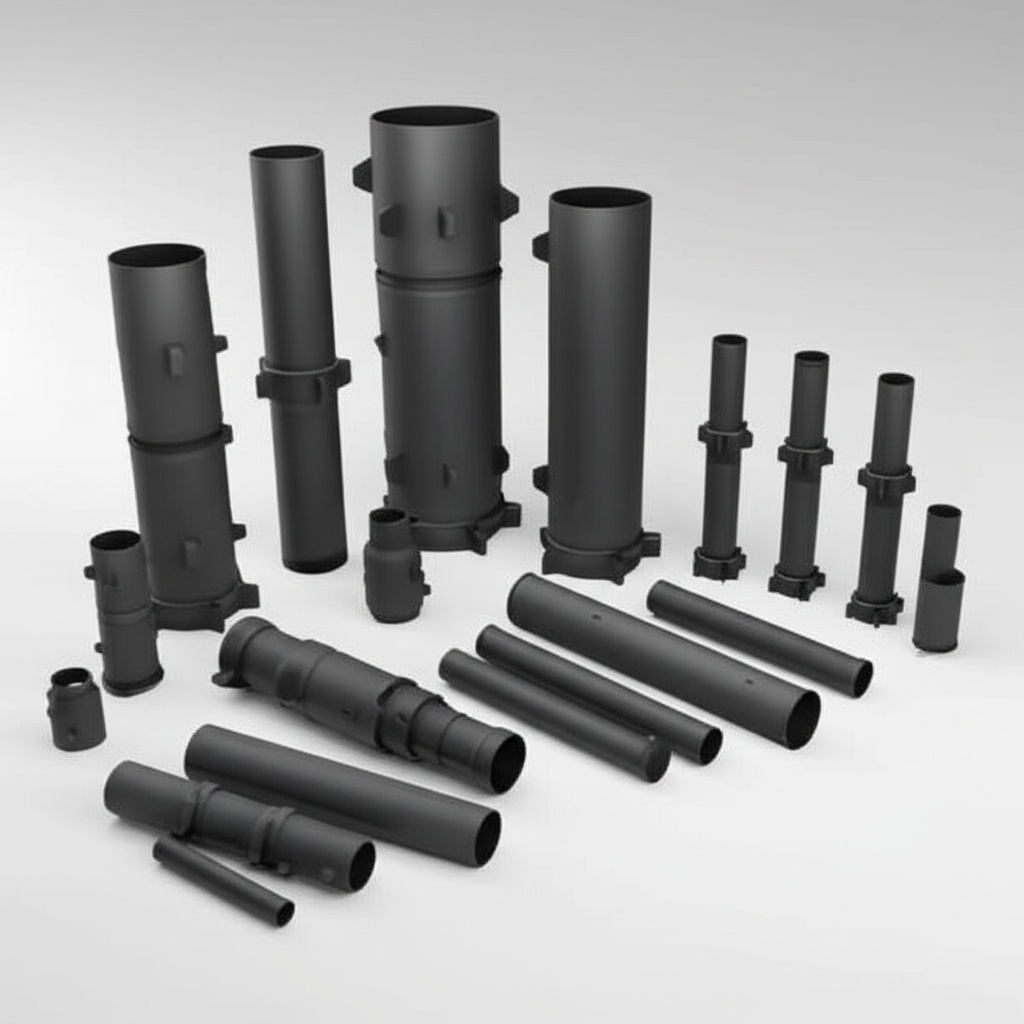
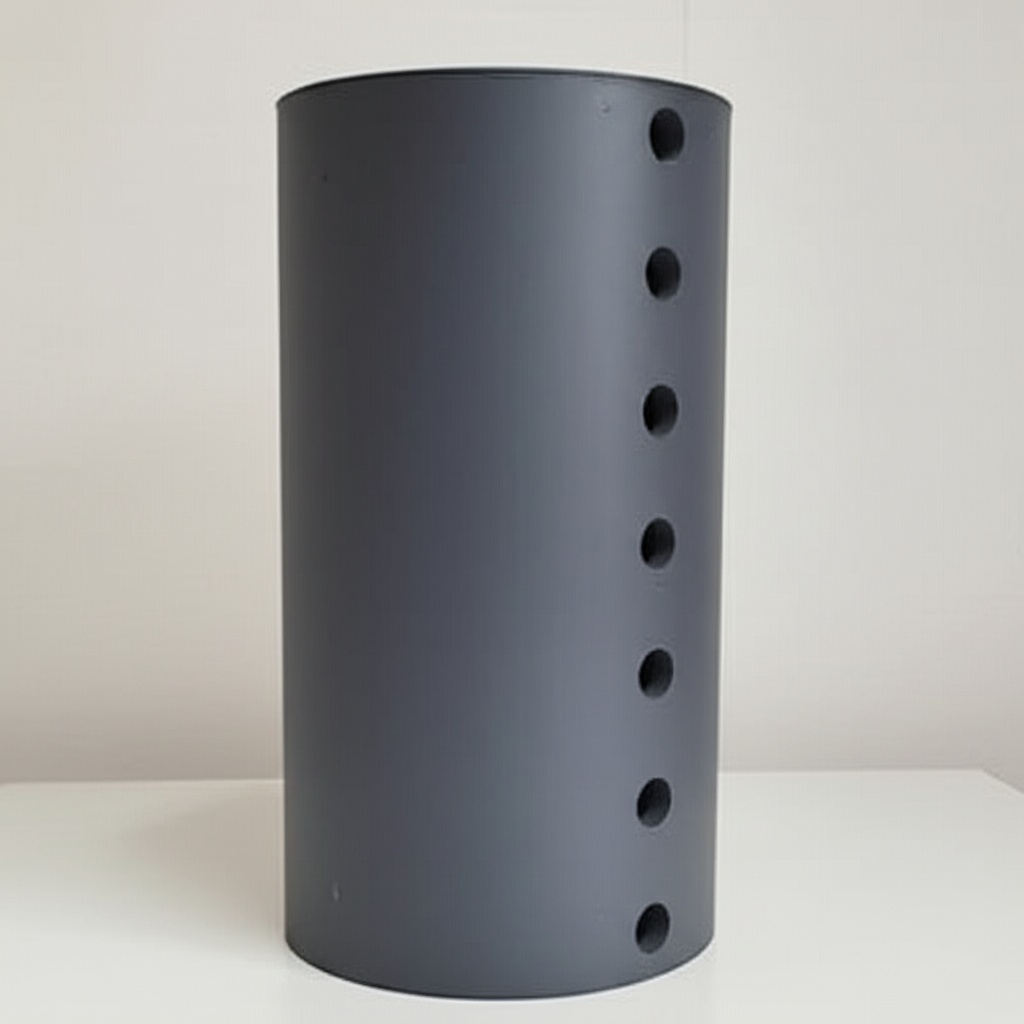
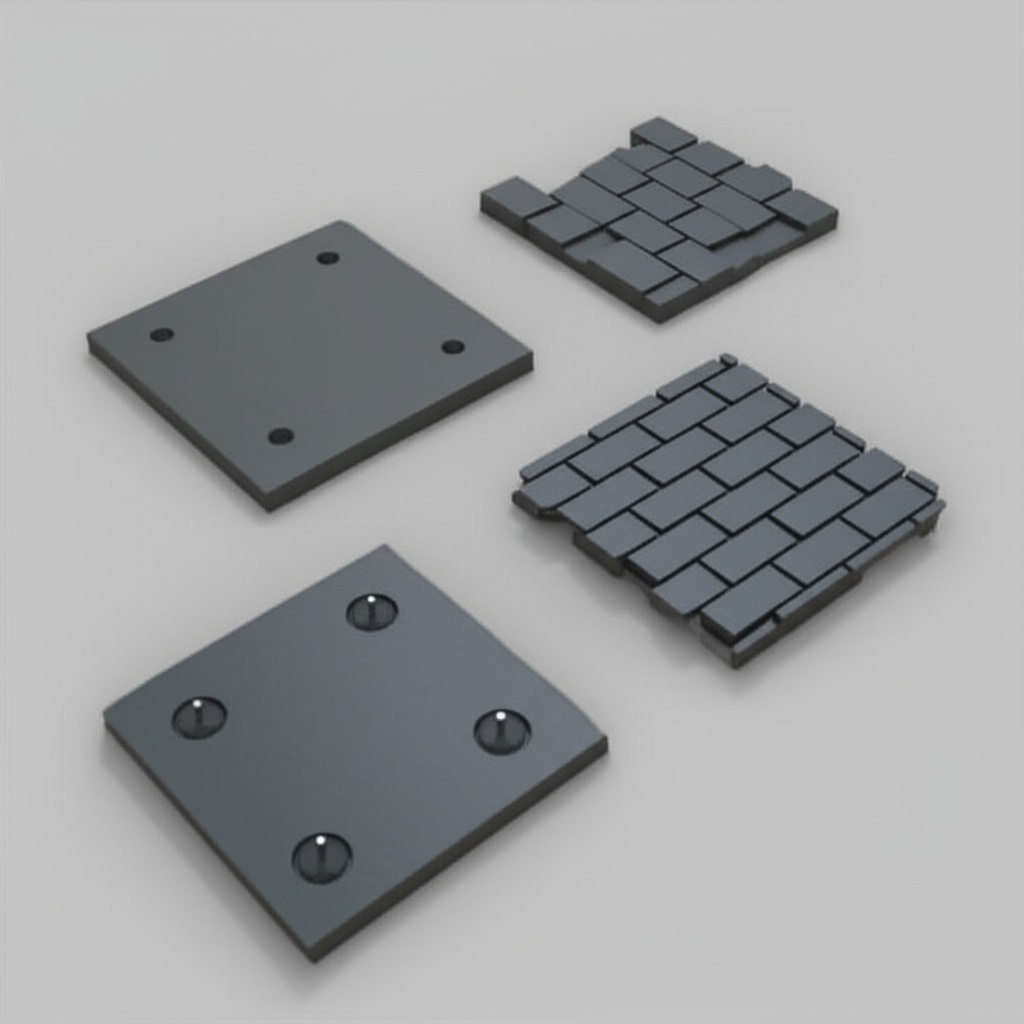
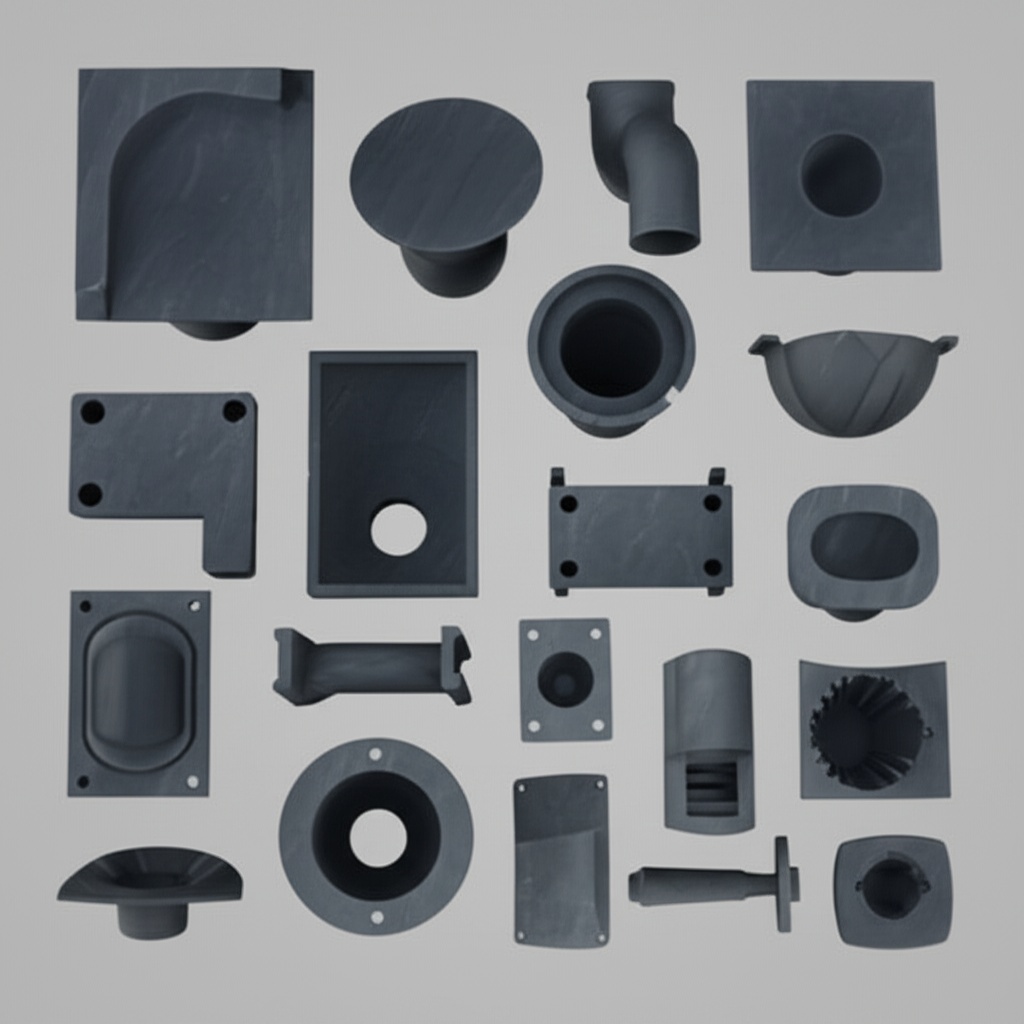
Custom SiC Parts Made in Pakistan for Global Use
Share
Custom SiC Parts Made in Pakistan for Global Use
In the demanding world of advanced engineering, the need for materials that can withstand extreme conditions is paramount. Custom silicon carbide (SiC) parts have emerged as a cornerstone in numerous high-performance industrial applications, offering unparalleled properties that far exceed conventional materials. From the scorching temperatures of industrial furnaces to the intricate demands of semiconductor manufacturing, SiC stands out for its exceptional thermal resistance, wear resistance, and chemical inertness. This blog post delves into the world of custom SiC components, exploring their diverse applications, design considerations, and the critical factors in choosing a reliable supplier for your specialized needs.
The Power of Custom Silicon Carbide: Why It Matters
Custom silicon carbide products are not just materials; they are precision-engineered solutions tailored to meet the exact specifications of critical industrial processes. Unlike off-the-shelf components, custom SiC parts offer optimized performance, longevity, and efficiency in environments where standard materials would fail. This level of customization ensures that industries like semiconductors, aerospace, power electronics, and metallurgy can push the boundaries of innovation and operational excellence.
Diverse Applications of Custom SiC Across Industries
The versatility of silicon carbide allows it to serve a wide array of critical functions across various sectors. Its unique combination of properties makes it indispensable in high-stakes environments.
- Semiconductor Manufacturing: SiC is vital for wafer processing equipment, electrostatic chucks, and susceptors due to its high purity, thermal stability, and plasma resistance. Custom SiC parts ensure precise temperature control and contamination prevention in delicate fabrication processes.
- Aerospace & Defense: In aerospace, SiC is used in lightweight structural components, braking systems, and high-temperature engine parts, offering superior strength-to-weight ratio and resistance to extreme thermal cycling. Defense applications leverage its hardness for ballistic protection and robust electronic components.
- Power Electronics: SiC power devices are revolutionizing the industry by enabling higher efficiency, smaller form factors, and improved thermal management in inverters, converters, and electric vehicles. Custom SiC substrates and heat sinks are crucial for these advancements.
- Renewable Energy: From solar cell manufacturing to wind turbine components, SiC’s durability and high-temperature resistance contribute to the efficiency and lifespan of renewable energy systems.
- Metallurgy & High-Temperature Processing: SiC is extensively used in furnace linings, kiln furniture, crucibles, and radiant tubes due to its excellent thermal shock resistance and chemical stability at extreme temperatures, crucial for metal processing and ceramic firing.
- Chemical Processing: Its exceptional chemical inertness makes SiC ideal for components exposed to aggressive acids and alkalis, such as pump seals, valve components, and heat exchangers.
- LED Manufacturing: SiC substrates are increasingly employed in LED production for their superior thermal conductivity and lattice matching properties, leading to brighter and more efficient LEDs.
- Industrial Machinery: Wear-resistant SiC components, including bearings, seals, and nozzles, enhance the longevity and performance of heavy machinery in abrasive environments.
- Telecommunications: SiC is used in high-frequency and high-power applications for base stations and communication infrastructure due to its excellent electrical properties and thermal management capabilities.
- Oil and Gas: Its resistance to corrosion and abrasion makes SiC suitable for downhole tools, pump components, and well completion equipment in harsh oil and gas extraction environments.
- Medical Devices: Biocompatible SiC coatings and components are finding applications in surgical instruments and prosthetics due to their hardness and chemical inertness.
- Rail Transportation: SiC components are used in braking systems and power electronics for high-speed trains, contributing to enhanced safety and efficiency.
- Nuclear Energy: Due to its radiation resistance and thermal stability, SiC is being explored for use in nuclear reactor components, including fuel cladding.
Advantages of Custom Silicon Carbide for Industrial Use
Choosing custom silicon carbide for your industrial applications offers a multitude of benefits that directly impact performance, longevity, and cost-effectiveness:
- Extreme Thermal Resistance: SiC can withstand temperatures up to 1600°C (2912°F) and exhibits excellent thermal shock resistance, making it ideal for high-temperature environments.
- Superior Wear and Abrasion Resistance: With a hardness approaching that of diamond, SiC components offer exceptional resistance to wear, erosion, and abrasion, extending the lifespan of critical parts.
- Chemical Inertness: SiC is highly resistant to most acids, alkalis, and corrosive gases, ensuring stability and integrity in harsh chemical processing conditions.
- High Strength and Stiffness: Its high mechanical strength and stiffness provide structural integrity and dimensional stability under heavy loads and extreme conditions.
- Excellent Thermal Conductivity: SiC efficiently dissipates heat, a crucial property for high-power electronic devices and thermal management systems.
- Low Thermal Expansion: Its low coefficient of thermal expansion minimizes thermal stresses and maintains dimensional stability over wide temperature ranges.
- Semiconductor Properties: For power electronics, SiC offers a wide bandgap, high breakdown field, and high electron saturation velocity, leading to more efficient and compact devices.
Recommended SiC Grades and Compositions
The performance of a SiC component is highly dependent on its specific grade and composition. Understanding the distinctions is crucial for optimal material selection.
| SiC Grade/Type | Key Properties | Typical Applications |
|---|---|---|
| Reaction-Bonded SiC (RBSC) | High strength, excellent wear resistance, good thermal conductivity, no shrinkage during firing. Contains free silicon. | Kiln furniture, wear parts, mechanical seals, furnace components, nozzles. |
| Sintered Alpha SiC (SSiC) | Extremely hard, high strength, excellent chemical resistance, high purity, no free silicon. Can be produced with very fine grain structures. | Mechanical seals, bearings, high-temperature structural components, ballistic armor, semiconductor processing equipment. |
| Nitride-Bonded SiC (NBSC) | Good strength and creep resistance at high temperatures, moderate thermal conductivity, good thermal shock resistance. | Kiln furniture, blast furnace liners, burner nozzles. |
| Chemical Vapor Deposited SiC (CVD SiC) | Extremely high purity, near-theoretical density, excellent surface finish, isotropic properties. | Semiconductor processing components (e.g., susceptors, wafer carriers), optical components, aerospace. |
| Siliconized Silicon Carbide (SiSiC) | Good strength, excellent wear resistance, high thermal conductivity, low porosity, good thermal shock resistance. Similar to RBSC. | Pump components, nozzles, grinding media, rollers. |
Design Considerations for Custom SiC Products
Designing custom SiC components requires a deep understanding of the material’s characteristics to ensure manufacturability and optimal performance. Engineers must consider several factors:
- Geometry Limits: SiC is a hard and brittle material, making complex geometries challenging to machine. Designs should aim for simplicity where possible, avoiding sharp internal corners or very thin walls.
- Wall Thickness Uniformity: Consistent wall thickness is crucial to prevent stress concentrations during firing and thermal cycling.
- Stress Points: Identify potential stress points and incorporate radii instead of sharp angles to distribute stress more evenly.
- Fastening Methods: Consider how the SiC component will be integrated into an assembly. Brazing, mechanical fastening, or specialized adhesive bonding may be required, each with specific design implications.
- Machinability: While SiC can be machined in its green (unfired) state, diamond grinding is typically required for final shaping of sintered parts, which adds to cost and complexity.
Tolerance, Surface Finish & Dimensional Accuracy
Achieving tight tolerances and specific surface finishes with SiC is possible but requires specialized processing. Precision machining and finishing techniques are essential for high-performance applications.
- Achievable Tolerances: Depending on the SiC grade and manufacturing process (e.g., grinding, lapping), tolerances can range from ±0.05mm down to ±0.005mm for critical dimensions.
- Surface Finish Options: Surface finishes can vary from as-fired (rougher) to ground, lapped, or polished, achieving roughness values (Ra) from several micrometers down to sub-nanometer levels for applications like optical components or seals.
- Dimensional Accuracy: High dimensional accuracy is critical for components that require precise fitment or operate at high speeds, such as bearings and seals.
Post-Processing Needs for Enhanced Performance
After initial manufacturing, custom SiC parts may undergo several post-processing steps to enhance their performance, durability, or functional properties.
- Grinding: Precision grinding with diamond tools is commonly used to achieve tight tolerances and desired surface finishes.
- Lapping & Polishing: For critical sealing surfaces or optical applications, lapping and polishing provide ultra-smooth finishes.
- Sealing: In some applications, porous SiC grades may require impregnation or coating to improve sealing performance or protect against specific environments.
- Coating: Specialized coatings (e.g., anti-corrosion, wear-resistant, or electrically conductive) can be applied to further tailor the SiC component’s properties for unique operational demands.
- Assembly: For complex sub-assemblies, precise bonding or integration of SiC parts with other materials may be necessary.
Common Challenges and How to Overcome Them
While SiC offers numerous advantages, working with this advanced ceramic presents specific challenges:
- Brittleness: Like other technical ceramics, SiC is inherently brittle. Designs must account for this by avoiding stress concentrations and ensuring proper handling.
- Machining Complexity: Its extreme hardness makes machining difficult and costly, requiring specialized diamond tooling and techniques. Overcoming this involves designing for manufacturability and partnering with experienced fabricators.
- Thermal Shock (though good): While SiC has excellent thermal shock resistance, extreme and rapid temperature gradients can still induce stress. Proper design and understanding of application conditions are vital.
- Cost: Custom SiC parts can be more expensive than conventional materials due to raw material costs and complex manufacturing processes. This is often offset by longer lifespan and superior performance.
How to Choose the Right Custom SiC Supplier
Selecting a reputable and capable supplier is paramount for successful custom SiC projects. Look for a partner who offers more than just manufacturing.
- Technical Capabilities & Expertise: Evaluate their engineering team, material science knowledge, and experience with various SiC grades and manufacturing processes. A supplier with strong technical support can assist in design optimization and material selection.
- Material Options & Quality Control: Ensure they offer a wide range of SiC grades and have robust quality control processes to guarantee material purity and consistency.
- Certifications: Check for relevant industry certifications (e.g., ISO 9001) that demonstrate a commitment to quality management.
- Customization Support: A strong supplier will provide comprehensive support from initial design consultation through to final product delivery, including prototyping and testing.
- Global Reach and Supply Chain Reliability: For international projects, assess their ability to manage logistics and ensure timely delivery.
Speaking of reliable suppliers and advanced SiC capabilities, it’s essential to highlight a significant hub of silicon carbide manufacturing. The hub of China’s silicon carbide customizable parts manufacturing is situated in Weifang City, China. This region is home to over 40 silicon carbide production enterprises of various sizes, collectively accounting for more than 80% of the nation’s total silicon carbide output.
We, Sicarb Tech, have been instrumental in this development since 2015. We’ve introduced and implemented advanced silicon carbide production technology, assisting local enterprises in achieving large-scale production and significant technological advancements in product processes. We’ve been a witness to the emergence and ongoing development of this vital local silicon carbide industry.
Sicarb Tech is an entrepreneurial park that collaborates closely with the National Technology Transfer Center of the Chinese Academy of Sciences. This national-level innovation and entrepreneurship service platform integrates innovation, entrepreneurship, technology transfer, venture capital, incubation, acceleration, and scientific and technological services. Capitalizing on the robust scientific and technological capabilities and talent pool of the Chinese Academy of Sciences , and backed by the Chinese Academy of Sciences National Technology Transfer Center, Sicarb Tech serves as a crucial bridge. We facilitate the integration and collaboration of essential elements in the transfer and commercialization of scientific and technological achievements. Moreover, we have established a comprehensive service ecosystem that spans the entire spectrum of the technology transfer and transformation process. This translates to more reliable quality and supply assurance within China for our partners and clients.
We possess a domestic top-tier professional team specializing in customized production of silicon carbide products. Under our support, over 434 local enterprises have benefited from our technologies. We possess a wide array of technologies, such as material, process, design, measurement & evaluation technologies, along with the integrated process from materials to products. This extensive capability enables us to meet diverse customization needs. We can offer you higher-quality, cost-competitive customized silicon carbide components in China. Furthermore, if you need to build a professional silicon carbide products manufacturing plant in your country, Sicarb Tech can provide you with the technology transfer for professional silicon carbide production, along with a full range of services (turnkey project) including factory design, procurement of specialized equipment, installation and commissioning, and trial production. This ensures a more effective investment, reliable technology transformation, and guaranteed input-output ratio, allowing you to own a professional silicon carbide products manufacturing plant with confidence.
Cost Drivers and Lead Time Considerations
Understanding the factors that influence the cost and lead time of custom SiC parts is crucial for effective project planning and procurement.
| Cost Driver | Impact |
|---|---|
| Material Grade | Specialized or high-purity SiC grades (e.g., CVD SiC) are more expensive than standard grades (e.g., RBSC). |
| Part Complexity & Geometry | Intricate designs, thin walls, tight radii, and complex internal features increase machining time and tooling costs. |
| Tolerances & Surface Finish | Achieving tighter tolerances and smoother surface finishes requires more precise and time-consuming post-processing (grinding, lapping, polishing), significantly increasing cost. |
| Volume | Economies of scale apply. Higher production volumes typically lead to lower per-unit costs. Prototyping and low-volume runs will have higher unit costs. |
| Post-Processing Needs | Additional steps like sealing, coating, or specialized heat treatments add to the overall cost. |
| Testing & Inspection | Non-destructive testing (NDT) or specialized inspection requirements can increase costs. |
Lead times for custom SiC parts can vary significantly, from a few weeks for simpler geometries and existing tooling to several months for highly complex designs requiring new tooling and extensive post-processing. Clear communication with your supplier regarding deadlines and project scope is essential.
Frequently Asked Questions (FAQ)
Q1: What industries benefit most from custom silicon carbide parts?
A1: Industries that require high performance in extreme environments benefit most. This includes semiconductor manufacturing, aerospace, power electronics, renewable energy, metallurgy, defense, chemical processing, and industrial machinery, among others. These sectors leverage SiC’s superior thermal, mechanical, and chemical properties.
Q2: Can custom SiC parts be repaired or refurbished?
A2: Generally, large-scale repairs of monolithic SiC parts are challenging due to their hardness and brittle nature. However, minor surface damage might be addressed through grinding or polishing. For certain applications, worn SiC coatings can be reapplied, or entire components can be replaced. Consult with your SiC supplier for specific possibilities based on the part and damage.
Q3: What is the typical lifespan of a custom SiC component?
A3: The lifespan of a custom SiC component is highly dependent on the application, operating conditions (temperature, pressure, chemical exposure, abrasive media), and the specific SiC grade chosen. However, due to their inherent durability and resistance to wear and corrosion, custom SiC parts typically offer significantly longer lifespans compared to traditional materials, often measured in years rather than months.
Q4: How does the manufacturing process for custom SiC parts ensure high quality?
A4: High-quality custom SiC parts are achieved through a combination of precise material formulation, advanced shaping techniques (e.g., pressing, extrusion, slip casting), high-temperature sintering, and precision machining using diamond tools. Rigorous quality control at each stage, from raw material inspection to final dimensional and performance testing, ensures the integrity and consistency of the final product. For examples of our work and quality, please visit our cases page.
Q5: Is it possible to get support for complex custom SiC part designs?
A5: Absolutely. Reputable custom SiC manufacturers, like Sicarb Tech, offer comprehensive customizing support services. This includes engineering consultation, material selection guidance, design optimization for manufacturability, prototyping, and testing to ensure the final product meets your specific performance requirements. Early engagement with the supplier’s engineering team is highly recommended for complex designs.
Conclusion
Custom silicon carbide parts are indispensable for engineers, procurement managers, and technical buyers seeking optimal performance in the most demanding industrial environments. Their unparalleled resistance to high temperatures, wear, and chemical attack makes them the material of choice across a spectrum of critical applications, from semiconductor processing to aerospace propulsion and power electronics. By understanding the various SiC grades, design considerations, and the importance of partnering with a technically proficient and reliable supplier, you can unlock the full potential of these advanced technical ceramics. Investing in custom SiC components is an investment in superior durability, efficiency, and long-term cost savings for your most challenging industrial needs.

About the Author: Sicarb Tech
We provide clear and reliable insights into silicon carbide materials, component manufacturing, application technologies, and global market trends. Our content reflects industry expertise, practical experience, and a commitment to helping readers understand the evolving SiC landscape.

Customizable SiC
You May Also Interest
-
![]()
Key SiC Exporters in Asia for International Trade
Key SiC Exporters in Asia for International Trade In the rapidly evolving landscape of advanced materials, silicon carbide (SiC) stands out as a material of unparalleled performance. Its exceptional properties make it indispensable across a spectrum of demanding industrial applications. For businesses seeking reliable and high-quality silicon carbide products, understanding the key players and regions…
-
![]()
SiC Substrates: Key to Electronic Device Advances
SiC Substrates: Key to Electronic Device Advances Introduction: The Pivotal Role of SiC Substrates In the rapidly evolving landscape of high-performance industrial applications, materials science plays a crucial role. Among advanced materials, silicon carbide (SiC) stands out, particularly in the form of SiC substrates. These substrates are not merely foundational layers; they are critical enablers…
-
![]()
SiC Innovation via University Research Links
SiC Innovation via University Research Links In the rapidly evolving landscape of advanced materials, custom silicon carbide (SiC) stands out as a true game-changer. Its unparalleled properties make it indispensable across a spectrum of demanding industrial applications, from the cutting edge of semiconductor manufacturing to the extreme environments of aerospace and nuclear energy. But what…