Stock Up on SiC Spare Parts for Maximum Uptime
Share
Stock Up on SiC Spare Parts for Maximum Uptime
In today’s demanding industrial landscape, where precision, reliability, and extreme performance are paramount, the longevity of critical equipment directly impacts productivity and profitability. Downtime due to component failure can be incredibly costly. This is where high-quality silicon carbide (SiC) spare parts become indispensable. Known for their exceptional properties, SiC components are the backbone of operations in various high-tech sectors, ensuring sustained performance and minimal interruptions.
What are Custom Silicon Carbide Products and Why are They Essential?
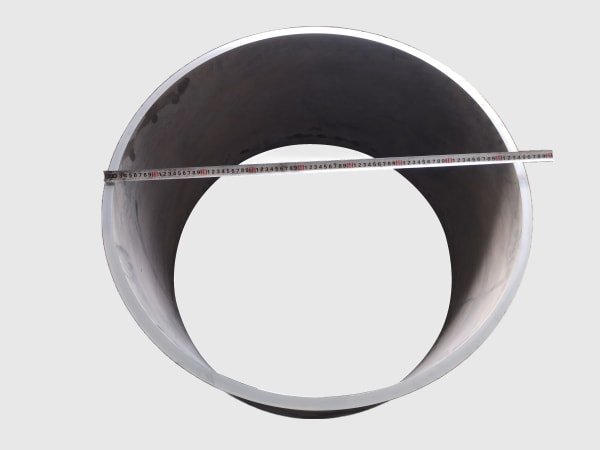
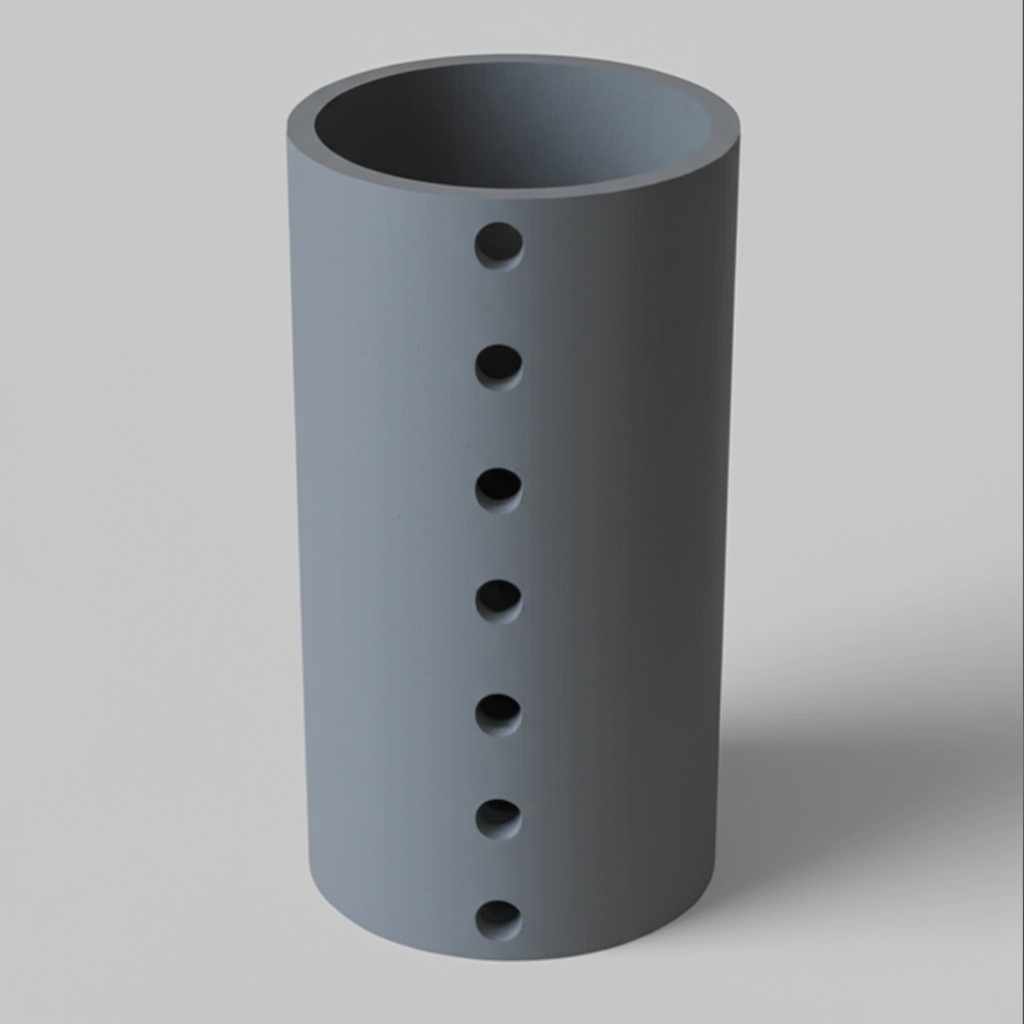
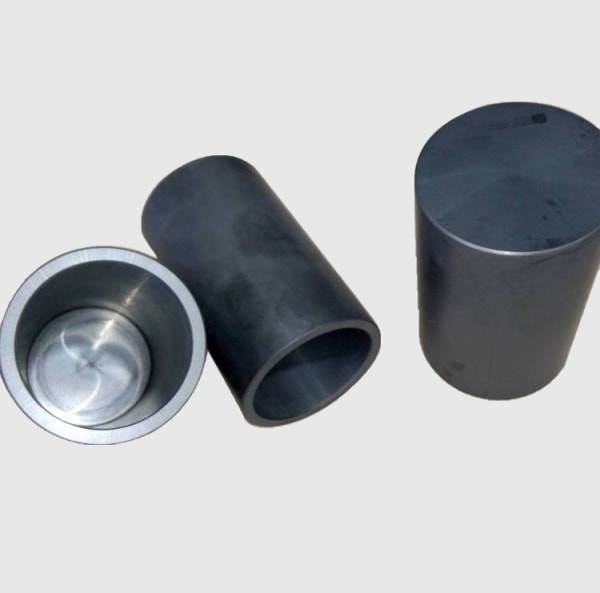
Custom silicon carbide products are engineered ceramic components specifically designed and manufactured to meet the unique requirements of demanding industrial applications. Unlike off-the-shelf parts, custom SiC products are tailored to precise specifications, ensuring optimal fit, form, and function for critical equipment. SiC, a compound of silicon and carbon, stands out among technical ceramics for its extraordinary combination of properties, making it an ideal material for environments where conventional materials fail.
These properties include:
- Extreme Hardness and Wear Resistance: SiC is one of the hardest known materials, making it highly resistant to abrasion and erosion.
- High Thermal Conductivity and Thermal Shock Resistance: It can efficiently dissipate heat and withstand rapid temperature changes without cracking.
- Excellent Corrosion Resistance: SiC is highly inert and resistant to attack from most acids, alkalis, and molten metals.
- High-Temperature Stability: It maintains its mechanical strength and integrity at temperatures exceeding 1,500°C.
- Low Thermal Expansion: Minimizes dimensional changes under varying temperatures, ensuring stability.
These characteristics make SiC essential for extending the lifespan and enhancing the efficiency of equipment operating under severe conditions, thereby ensuring maximum uptime.
Main Applications of SiC Spare Parts Across Industries
The unique properties of silicon carbide make its spare parts invaluable across a wide spectrum of industries. From microscopic semiconductor components to large-scale industrial machinery, SiC plays a critical role in ensuring operational excellence.
Industrial Machinery & EquipmentWear plates, bearings, nozzles, mechanical seals, grinding media. Extends equipment life in abrasive and high-wear environments.
| Industry | Common SiC Spare Parts & Applications |
|---|---|
| Semiconductor Manufacturing | Wafer carriers, furnace tubes, susceptors, process chamber liners, gas nozzles. Crucial for high-purity and high-temperature environments in semiconductor production. |
| Automotive | Brake discs, bearings, mechanical seals, power electronics modules (inverters, converters) for electric vehicles (EVs). Contributes to efficiency, lightweighting, and thermal management. |
| Aerospace & Defense | Structural components, rocket nozzles, mirror substrates, heat exchangers, missile radomes. Chosen for high strength-to-weight ratio, thermal resistance, and stiffness. |
| Power Electronics | Substrates, heat sinks, power modules (MOSFETs, IGBTs). Enables higher power density, efficiency, and switching frequencies in power conversion systems. |
| Renewable Energy | Inverters for solar and wind power, components in geothermal systems. Improves efficiency and reliability in energy conversion and storage. |
| Metallurgy & High-Temperature Processing | Furnace linings, kiln furniture (beams, rollers, setters, plates), crucibles, nozzles, recuperators. Withstands extreme temperatures, corrosive atmospheres, and thermal cycling. |
| Chemical Processing | Pump components, valves, nozzles, heat exchangers, seals for corrosive media. Offers exceptional resistance to chemical attack. |
| Medical Devices | Surgical instruments, components in high-purity fluid handling systems. Biocompatibility and wear resistance are key. |
| Oil and Gas | Pump seals, valve components, downhole tools. Resistant to abrasive slurries, high pressures, and corrosive fluids. |
Why Choose Custom Silicon Carbide for Your Spare Parts?
While standard SiC components are available, opting for custom silicon carbide spare parts offers significant advantages, particularly for specialized or high-performance applications. Customization ensures that the part is perfectly suited to its intended environment, maximizing its performance and lifespan.
- Optimized Performance: Tailored designs ensure precise fit and function, leading to superior efficiency and reliability compared to generic parts.
- Extended Lifespan: Customization allows for specific material grades and geometries that can better withstand unique operational stresses, significantly prolonging part life.
- Reduced Downtime: Parts designed for specific conditions are less prone to failure, minimizing costly interruptions to production.
- Cost-Effectiveness: While the initial investment might be higher, the extended lifespan and reduced maintenance costs often lead to a lower total cost of ownership.
- Problem Solving: Custom SiC can address specific challenges like unique wear patterns, extreme thermal gradients, or unusual chemical exposures that standard materials cannot handle.
Recommended SiC Grades and Compositions for Industrial Use
Silicon carbide is not a single material but a family of advanced ceramics, each with distinct properties derived from its manufacturing process and composition. Choosing the right SiC grade is crucial for optimizing the performance of your spare parts.
| SiC Grade | Description & Properties | Typical Applications for Spare Parts |
|---|---|---|
| Reaction-Bonded SiC (RBSC or SiSiC) | Formed by infiltrating a porous SiC preform with molten silicon. Contains free silicon. Excellent wear resistance, high thermal conductivity, good oxidation resistance, and superior thermal shock resistance. Relatively economical. | Mechanical seals, pump parts, nozzles, kiln furniture, heat exchangers, wear plates, automotive components. |
| Sintered Alpha SiC (SSiC) | High-purity SiC powder is densified by sintering without a binding phase. Very high hardness, excellent corrosion resistance, high strength at elevated temperatures, and superior creep resistance. | Semiconductor wafer carriers, high-temperature furnace components, specialized bearings, ballistic armor, chemical processing equipment. |
| Nitride-Bonded SiC (NBSC) | SiC grains bonded by a silicon nitride matrix. Good strength, wear resistance, and thermal shock properties. Lower thermal conductivity than RBSC or SSiC. | Kiln furniture, larger structural components, nozzles, some industrial wear parts. |
| Recrystallized SiC (ReSiC) | Pure SiC, processed at high temperatures, resulting in a coarse grain structure. Excellent thermal shock resistance and high purity. Often porous. | High-temperature furnace linings, support structures, thermocouple protection tubes. |
Design Considerations for SiC Spare Parts
Designing silicon carbide spare parts requires a deep understanding of the material’s characteristics, especially its brittleness and hardness. Proper design can significantly reduce manufacturing costs and improve part performance.
- Minimize Sharp Edges and Corners: SiC is susceptible to stress concentrations. Radii and chamfers should be incorporated wherever possible to reduce the risk of chipping and cracking.
- Wall Thickness Uniformity: Aim for consistent wall thickness to ensure even heating and cooling during processing, which helps prevent internal stresses.
- Simplify Geometry: Complex geometries can be challenging and costly to machine. Design for manufacturability by simplifying shapes where possible.
- Consider Mounting and Fastening: Account for the brittle nature of SiC when designing mounting holes or fastening points. Avoid direct metal-to-ceramic contact without proper buffering.
- Account for Thermal Expansion: If the SiC part will be coupled with dissimilar materials, consider the differences in thermal expansion to prevent stress buildup.
Tolerance, Surface Finish & Dimensional Accuracy in SiC Manufacturing
Achieving precise tolerances and optimal surface finishes is critical for the performance of SiC spare parts, especially in applications requiring sealing, sliding, or high-purity environments.
- Achievable Tolerances: While SiC is extremely hard, advanced machining techniques like diamond grinding can achieve tight tolerances. Typical grinding tolerances can range from ±0.01mm to ±0.05mm, depending on part size and complexity.
- Surface Finish Options:
- As-Fired/As-Sintered: Rougher finish, suitable for non-critical surfaces.
- Ground: Common finish, providing good flatness and dimensional accuracy.
- Lapped/Polished: Achieves very fine surface finishes (Ra < 0.1 µm) for sealing surfaces, bearing surfaces, and optics.
- Dimensional Accuracy: The precision achievable depends heavily on the manufacturing method (e.g., green machining, diamond grinding, lapping). Complex shapes often require more intricate and costly post-processing to achieve high accuracy.
Post-Processing Needs for Enhanced SiC Performance
After initial shaping and firing, silicon carbide parts often undergo additional post-processing steps to achieve their final desired properties, surface quality, and performance characteristics.
- Grinding: Diamond grinding is the primary method for achieving tight tolerances and specific geometries due to SiC’s extreme hardness.
- Lapping & Polishing: Essential for critical surfaces requiring high flatness, excellent surface finish, and sealing capabilities (e.g., mechanical seal faces, optical components).
- Cleaning: High-purity applications, especially in semiconductors, require meticulous cleaning to remove contaminants.
- Coating: In some cases, thin coatings (e.g., CVD SiC, pyrolytic carbon) can be applied to enhance surface properties, increase purity, or provide additional wear resistance.
- Joining: Techniques like brazing or diffusion bonding may be used to join SiC components to themselves or to other materials for complex assemblies.
Common Challenges and How to Overcome Them
While silicon carbide offers unparalleled advantages, working with it presents specific challenges. A knowledgeable supplier can help mitigate these issues.
| Challenge | Solution/Mitigation Strategy | ||
|---|---|---|---|
| Brittleness | Careful design (avoiding sharp corners, incorporating radii), proper handling, and minimizing tensile stresses in application. | ||
| Machining Complexity | Utilizing specialized diamond grinding techniques, advanced CNC machinery, and experienced operators. | Thermal Shock (in extreme cases) | Selecting SiC grades with high thermal shock resistance (e.g., RBSC, ReSiC), designing for even heat distribution, and controlling heating/cooling rates. |
| Cost | Optimizing design for manufacturability, leveraging volume discounts, and partnering with efficient suppliers. | ||
| Joining | Employing advanced joining techniques such as active metal brazing, diffusion bonding, or mechanical fastening with compliant layers. |
How to Choose the Right SiC Spare Parts Supplier
Selecting a reliable supplier for your custom silicon carbide spare parts is a critical decision that impacts quality, lead time, and overall project success. Look for a partner with proven expertise and a comprehensive approach.
- Technical Expertise: The supplier should possess in-depth knowledge of SiC materials, their properties, and manufacturing processes. They should be able to advise on material selection and design for manufacturability.
- Customization Capabilities: Ensure they can produce parts to your exact specifications, including complex geometries and tight tolerances. Ask for examples of their custom work.
- Quality Control: Verify their quality management systems and certifications (e.g., ISO 9001). Request material test reports and dimensional inspection data.
- Production Capacity & Lead Time: Assess their ability to meet your volume requirements and deliver within your project timelines.
- Industry Experience: A supplier with experience in your specific industry will better understand your unique challenges and requirements.
- Customer Support: Look for a partner offering strong communication, technical support, and post-sales service.
We, Sicarb Tech, understand these challenges intimately. Here is the hub of China’s silicon carbide customizable parts factories. As you are aware, the hub of China’s silicon carbide customizable parts manufacturing is situated in Weifang City of China. Now the region has been home to over 40 silicon carbide production enterprises of various sizes, collectively accounting for more than 80% of the nation’s total silicon carbide output.
We are also committed to assisting you in establishing a specialized factory. If you need to build a professional silicon carbide products manufacturing plant in your country, Sicarb Tech can provide you with the technology transfer for professional silicon carbide production, along with a full-range of services (turnkey project) including factory design, procurement of specialized equipment, installation and commissioning, and trial production. This enables you to own a professional silicon carbide products manufacturing plant while ensuring a more effective investment, reliable technology transformation, and guaranteed input-output ratio.
Cost Drivers and Lead Time Considerations
Understanding the factors that influence the cost and lead time of custom silicon carbide spare parts is essential for effective procurement and project planning.
- Material Grade: More specialized or higher-purity SiC grades (e.g., SSiC) are generally more expensive than standard grades (e.g., RBSC).
- Part Complexity: Intricate geometries, tight tolerances, and fine surface finishes require more extensive and specialized machining, significantly increasing cost and lead time.
- Volume: Economies of scale apply; larger production runs typically result in lower per-unit costs. Prototype or low-volume orders will have higher unit costs.
- Post-Processing: Lapping, polishing, and specialized coatings add to both cost and lead time.
- Tooling: For highly custom or complex parts, unique tooling may be required, which contributes to the initial investment.
- Supplier Efficiency: An experienced and well-equipped manufacturer can often offer better lead times and competitive pricing due to optimized processes.
Frequently Asked Questions (FAQ)
- Q: What is the typical lifespan of a SiC spare part compared to traditional materials?
- A: The lifespan of SiC spare parts is significantly longer than traditional materials (like metals or other ceramics) in demanding environments, often by factors of 5x to 10x or more, due to its superior wear, corrosion, and high-temperature resistance.
- Q: Can silicon carbide parts be repaired or refurbished?
- A: Due to its extreme hardness and inertness, repairing SiC parts is challenging. Minor chips or surface imperfections might be addressed through re-grinding or polishing, but significant damage usually necessitates replacement.
- Q: Is custom SiC more expensive than off-the-shelf components?
- A: The upfront cost of custom SiC can be higher due to specialized design and manufacturing. However, the extended lifespan, reduced downtime, and optimized performance often lead to a lower total cost of ownership (TCO) in the long run, making it a more cost-effective solution for critical applications. Contact us for a custom quote.
- Q: How long does it take to get custom SiC spare parts?
- A: Lead times vary widely depending on the part’s complexity, required tolerances, material grade, and production volume. Simple parts may take a few weeks, while highly complex or large-volume orders can take several months. It’s best to consult with your supplier for specific timelines.
Conclusion
Investing in high-quality custom silicon carbide spare parts is a strategic decision for any industry striving for maximum operational uptime and superior performance in extreme environments. From semiconductors to aerospace, and power electronics to heavy industrial machinery, SiC components provide unparalleled resistance to wear, corrosion, and high temperatures, ensuring the reliability and longevity of your critical equipment. By choosing a knowledgeable and experienced supplier like Sicarb Tech, you gain not just a component, but a partner with deep technical expertise, advanced manufacturing capabilities, and a commitment to delivering customized solutions that meet your exact needs. Don’t compromise on the integrity of your systems; stock up on superior SiC spare parts and secure your operational excellence.

About the Author: Sicarb Tech
We provide clear and reliable insights into silicon carbide materials, component manufacturing, application technologies, and global market trends. Our content reflects industry expertise, practical experience, and a commitment to helping readers understand the evolving SiC landscape.

Customizable SiC
You May Also Interest
-
![]()
Unlocking Peak Performance: The Indispensable Role of Custom Silicon Carbide Discs in Demanding Industries
In the relentless pursuit of efficiency, durability, and performance, advanced materials play a pivotal role. Among these, silicon carbide (SiC) stands out as a material of exceptional capabilities. Specifically, custom silicon carbide discs are becoming increasingly essential components across a multitude of high-performance industrial applications. These are not mere off-the-shelf parts; they are precision-engineered solutions…
-
![]()
Essential SiC Consumables for Daily Operations
Essential SiC Consumables for Daily Operations In today’s demanding industrial landscape, the performance and longevity of critical components are paramount. For industries pushing the boundaries of temperature, wear, and chemical resistance, traditional materials often fall short. This is where silicon carbide (SiC) consumables emerge as indispensable. As a leading technical content writer for a company…
-
![]()
Silicon Carbide Bricks: The Cornerstone of High-Temperature Industrial Applications
In the demanding world of high-temperature industrial processes, the reliability and performance of refractory materials are paramount. Among the advanced technical ceramics available, silicon carbide (SiC) bricks stand out for their exceptional properties, making them an indispensable component in a multitude of critical applications. From lining massive industrial furnaces to constructing durable kiln furniture, SiC…