Partner with a Reliable SiC Product Manufacturer
Share
Partner with a Reliable SiC Product Manufacturer
In today’s demanding industrial landscape, where extreme conditions and precise performance are the norm, materials science plays a pivotal role. Among the most critical advanced materials, custom silicon carbide (SiC) stands out. Engineered for unparalleled performance, SiC products are essential in high-performance industrial applications across a multitude of sectors. From the intricacies of semiconductor manufacturing to the robustness required in aerospace and energy, SiC components offer a unique combination of properties that traditional materials simply cannot match. This blog post will delve into the world of custom SiC, highlighting its applications, advantages, and the crucial factors in choosing a reliable manufacturing partner.
What are Custom Silicon Carbide Products?
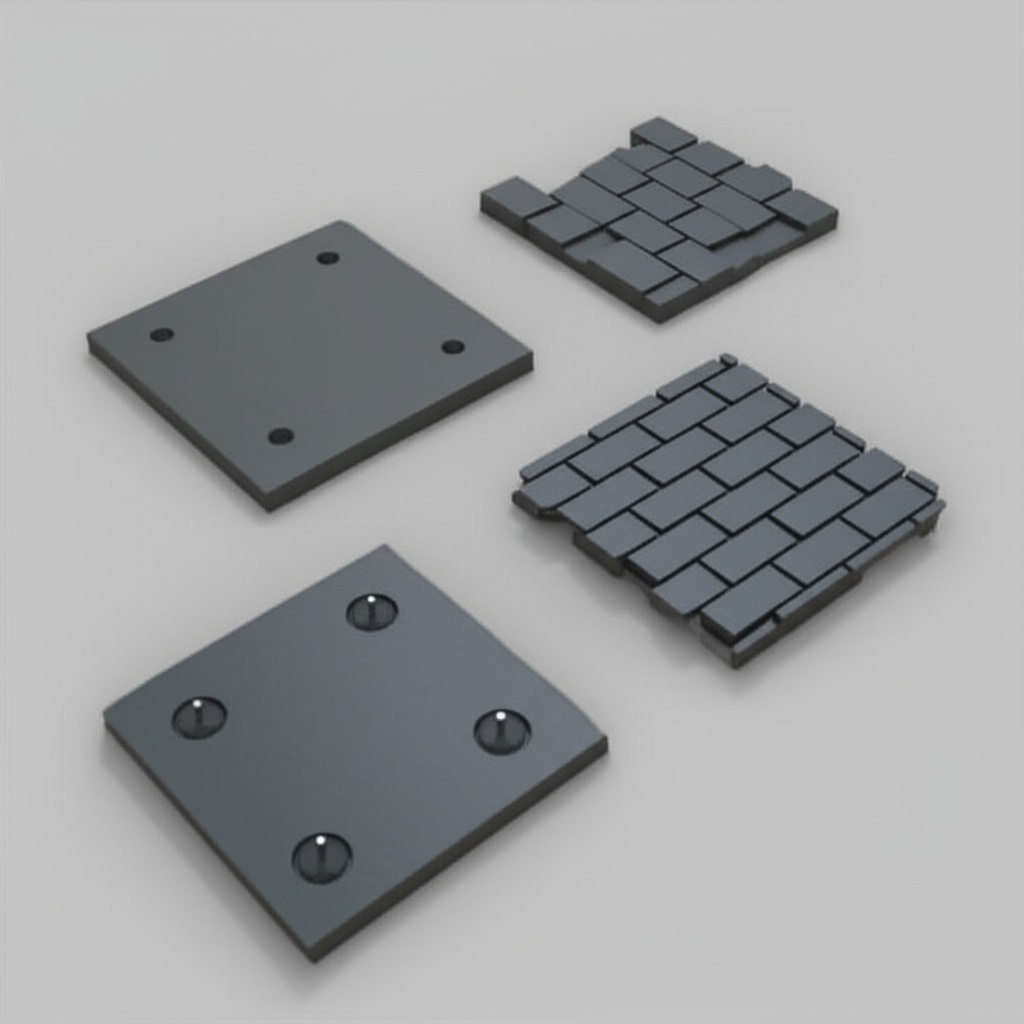
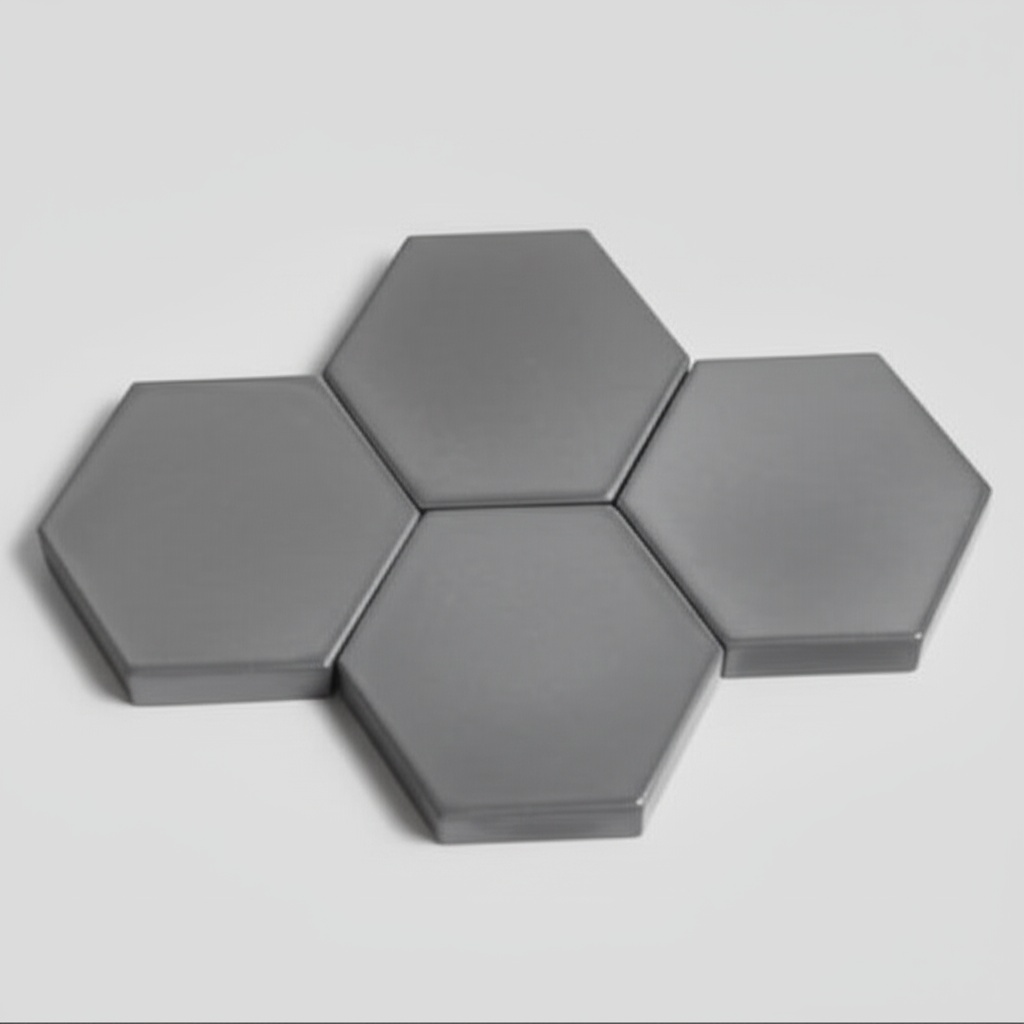
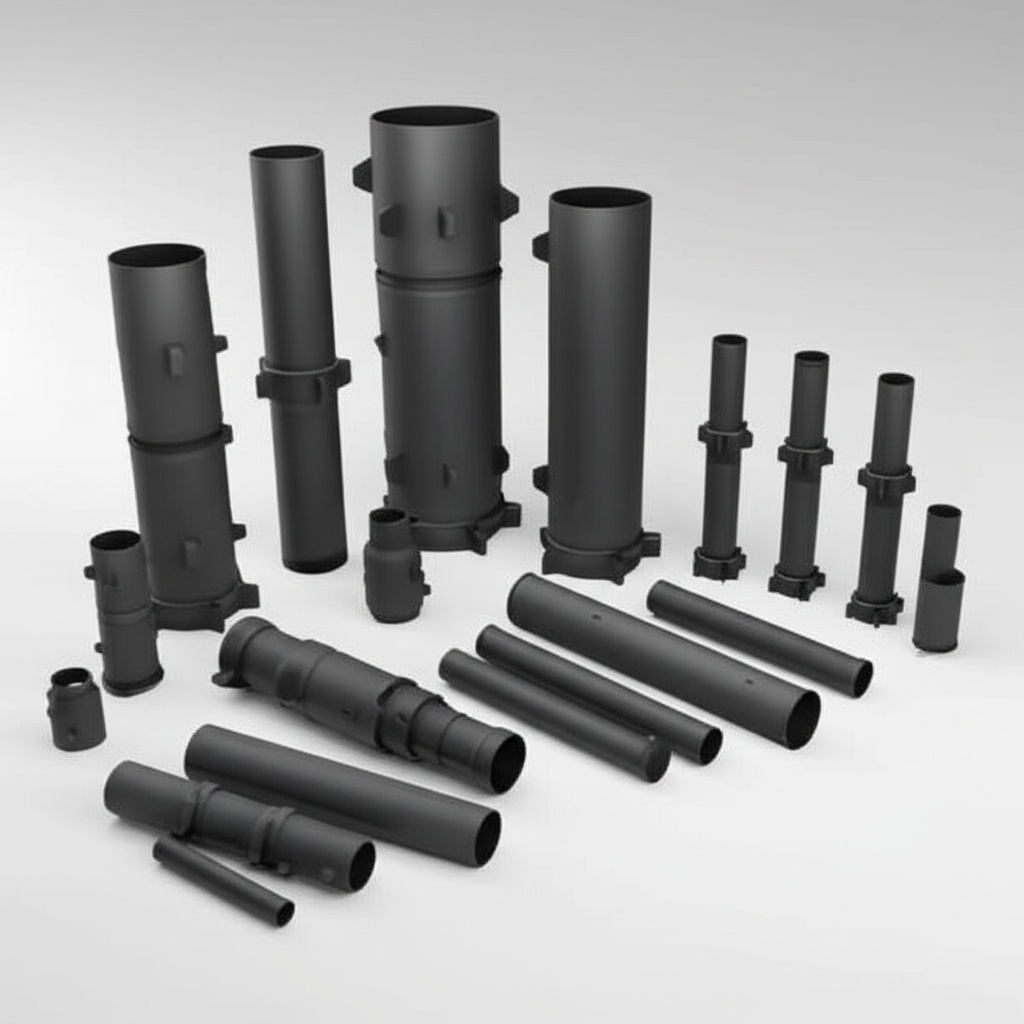
Custom silicon carbide products are precisely engineered components fabricated from SiC, a compound of silicon and carbon. These advanced ceramic materials are renowned for their exceptional hardness, high strength at elevated temperatures, superior thermal conductivity, excellent wear resistance, and remarkable chemical inertness. Unlike standard off-the-shelf components, custom SiC products are tailored to meet the exact specifications and performance requirements of a particular application, making them indispensable for demanding industrial environments where precision, durability, and reliability are paramount. This customization ensures optimal performance and longevity in even the most challenging conditions, including high-temperature furnaces, aggressive chemical processing, and critical aerospace systems.
Main Applications of Custom SiC Across Industries
The unique properties of silicon carbide make it an ideal material for a wide array of applications across diverse industries. Its ability to withstand extreme temperatures, corrosive environments, and abrasive wear positions it as a preferred choice for engineers and procurement managers seeking durable and high-performing solutions.
| Industry | Key Applications of SiC | Benefits of SiC |
|---|---|---|
| Semiconductor Manufacturing | Wafer carriers, furnace components, susceptors, process tubes, high-purity crucibles, precision SiC parts | Extreme temperature stability, high purity, excellent thermal conductivity, wear resistance, plasma resistance |
| Automotive Companies | Brake discs, clutches, engine components, power electronics modules (EV/HEV) | Lightweight, high wear resistance, thermal stability, improved fuel efficiency |
| Aerospace Companies | Turbine components, thermal management systems, rocket nozzles, optical mirror substrates, friction materials | High strength-to-weight ratio, high temperature creep resistance, thermal shock resistance, low thermal expansion |
| Power Electronics Manufacturers | High-voltage switching devices, power modules, inverters, converters | Higher efficiency, faster switching speeds, reduced size and weight, improved thermal management |
| Renewable Energy Companies | Solar cell manufacturing equipment, wind turbine components, energy storage systems | Durability, corrosion resistance, high temperature operation, efficiency gains |
| Metallurgical Companies | Furnace linings, crucibles, refractory materials, heat exchangers | Excellent thermal shock resistance, high melting point, chemical inertness to molten metals |
| Defense Contractors | Armor plating, high-performance optical systems, aerospace components, missile parts | Superior hardness, lightweight, ballistic protection, thermal stability |
| Chemical Processing Companies | Pumps, valves, heat exchangers, mechanical seals, nozzles, reaction vessels for corrosive media | Outstanding corrosion resistance, chemical inertness to strong acids and bases |
| LED Manufacturers | Substrates for LED fabrication, epitaxy equipment components | High thermal conductivity, lattice matching with GaN, improved device performance |
| Industrial Equipment Manufacturers | Wear parts, nozzles, bearings, seals, pump components, grinding media | Exceptional hardness, abrasion resistance, long service life, reduced maintenance |
| Telecommunications Companies | High-frequency components, specialized substrates for RF applications | Excellent dielectric properties, high thermal conductivity for heat dissipation |
| Oil and Gas Companies | Downhole tools, valves, pump components in harsh drilling environments | Extreme wear and corrosion resistance, high pressure capability |
| Medical Device Manufacturers | Surgical instruments, implants (experimental), analytical equipment components | Biocompatibility, wear resistance, precision machinability |
| Rail Transportation Companies | Brake pads, high-temperature components for propulsion systems | High friction coefficient, wear resistance, thermal stability for braking systems |
| Nuclear Energy Companies | Fuel cladding, structural components, heat exchangers in high-temperature reactors | Neutron transparency, radiation damage resistance, high temperature strength |
Why Choose Custom Silicon Carbide?
The decision to opt for custom silicon carbide over other materials is driven by a compelling set of advantages that directly impact performance, longevity, and ultimately, operational costs. When standard materials fail to meet the rigorous demands of an application, SiC often emerges as the superior solution.
- Exceptional Thermal Resistance: SiC maintains its strength and structural integrity at extremely high temperatures, far exceeding the limits of most metals and other ceramics. This makes it ideal for furnace components, heat exchangers, and high-temperature processing.
- Superior Wear and Abrasion Resistance: With a hardness approaching that of diamond, SiC offers outstanding resistance to wear, abrasion, and erosion, significantly extending the lifespan of components in harsh environments.
- Chemical Inertness: SiC is highly resistant to chemical attack from acids, alkalis, and other corrosive substances, making it invaluable for chemical processing equipment, seals, and pump components.
- High Thermal Conductivity: Despite its high temperature resistance, SiC also boasts excellent thermal conductivity, allowing for efficient heat dissipation, crucial in power electronics and thermal management systems.
- Excellent Mechanical Strength: SiC exhibits high flexural strength and stiffness, providing structural integrity under various loads and pressures.
- Lightweight: Its relatively low density compared to metals contributes to weight reduction, a significant advantage in aerospace and automotive applications.
- Thermal Shock Resistance: SiC can withstand rapid temperature changes without cracking or fracturing, a critical property for components exposed to thermal cycling.
- Customization for Optimal Performance: Tailoring SiC components to specific designs ensures that material properties are fully leveraged, leading to optimized performance and reduced material waste.
Recommended SiC Grades and Compositions
The performance characteristics of silicon carbide can vary significantly depending on its manufacturing process and composition. Choosing the right grade is crucial for optimizing performance in specific applications.
- Reaction-Bonded Silicon Carbide (RBSC): Known for its high strength, excellent abrasion resistance, and good thermal conductivity. RBSC is cost-effective for larger, complex shapes and exhibits good thermal shock resistance. It is often used in wear parts, furnace components, and kiln furniture.
- Sintered Silicon Carbide (SSiC): Offers superior purity, extremely high hardness, and exceptional corrosion resistance. SSiC is fully dense and can withstand very high temperatures without degradation. It is widely used in mechanical seals, bearings, and semiconductor processing equipment.
- Nitride-Bonded Silicon Carbide (NBSC): Characterized by good strength and oxidation resistance. NBSC is particularly suitable for applications requiring good thermal shock resistance and moderate mechanical properties, such as kiln furniture and nozzles.
- Recrystallized Silicon Carbide (ReSiC): A very pure form of SiC, offering excellent thermal shock resistance and high strength. ReSiC is often used in high-temperature applications where purity and thermal stability are critical, such as semiconductor furnace liners.
The selection of a specific SiC grade depends on the application’s unique requirements for temperature, chemical exposure, mechanical stress, and cost considerations.
Design Considerations for SiC Products
Designing with silicon carbide requires a specialized approach due to its unique mechanical properties, particularly its hardness and inherent brittleness. Careful design can significantly impact manufacturability, performance, and cost.
- Geometry Limits: Avoid sharp corners, thin walls, and abrupt changes in cross-section, which can create stress concentrations and make machining difficult. Radii should be incorporated where possible.
- Wall Thickness: Maintain consistent wall thicknesses to promote uniform cooling during sintering and bonding processes, reducing the risk of warpage or cracking.
- Stress Points: Identify and minimize stress points through design optimization, such as using generous fillets and chamfers.
- Holes and Features: Holes should be as large as practically possible, and deep holes should be avoided if not absolutely necessary. Complex internal geometries can increase manufacturing difficulty and cost.
- Machinability: Consider the machinability of SiC in its green (unfired) state, where it is softer, to incorporate complex features before final densification.
Tolerance, Surface Finish & Dimensional Accuracy
Achieving tight tolerances and specific surface finishes with silicon carbide is possible but often requires advanced machining and finishing techniques. These factors directly influence component performance and cost.
- Achievable Tolerances: While SiC is a hard material, advanced grinding and lapping techniques can achieve very tight dimensional tolerances, often in the micron range, depending on part size and complexity.
- Surface Finish Options: Surface finishes can range from rough ground to highly polished, with mirror-like finishes achievable through lapping and polishing. The required surface finish will depend on the application (e.g., sealing surfaces, optical components).
- Dimensional Accuracy: High dimensional accuracy is critical for SiC components used in precision applications like semiconductor equipment or mechanical seals. Manufacturing processes must account for material shrinkage during firing.
Post-Processing Needs
After initial fabrication, many SiC components undergo various post-processing steps to enhance their performance, durability, or meet specific application requirements.
- Grinding: Precision grinding is essential for achieving tight dimensional tolerances and desired surface finishes on fired SiC components.
- Lapping and Polishing: For applications requiring extremely smooth surfaces, such as mechanical seals or optical components, lapping and polishing are employed to achieve sub-micron surface roughness.
- Sealing: In certain applications, especially those involving aggressive media or high vacuum, SiC components may be sealed to improve impermeability.
- Coating: While SiC itself is highly inert, specialized coatings can be applied to enhance specific properties like corrosion resistance, wear resistance, or introduce functionality (e.g., electrical conductivity).
- Brazing/Joining: SiC components can be joined to other materials or to other SiC parts through specialized brazing or joining techniques, often requiring high-temperature expertise.
Common Challenges and How to Overcome Them
While silicon carbide offers exceptional advantages, its unique properties also present certain manufacturing and application challenges that require specialized expertise.
- Brittleness: Like most ceramics, SiC is inherently brittle. This necessitates careful handling during manufacturing and installation, and thoughtful design to avoid stress concentrations. Overcoming this involves advanced design principles, stress analysis, and sometimes, composite SiC structures.
- Machining Complexity: The extreme hardness of SiC makes traditional machining difficult and expensive. This is overcome by machining in the green state (before full densification) or using advanced techniques like diamond grinding, laser machining, or ultrasonic machining for fully dense parts.
- Thermal Shock (though resistant, still a consideration): While SiC has excellent thermal shock resistance, extreme and rapid temperature gradients can still pose a risk, especially in very large or complex geometries. Careful thermal design and material selection (e.g., using specific SiC grades optimized for thermal shock) can mitigate this.
- Cost: The specialized manufacturing processes and raw materials for SiC can lead to higher initial costs compared to conventional materials. However, this is often offset by the extended lifespan, reduced maintenance, and superior performance, leading to a lower total cost of ownership.
How to Choose the Right SiC Supplier
Partnering with a reliable silicon carbide manufacturer is paramount to the success of any project involving custom SiC components. The right supplier offers not just products, but also technical expertise and support.
- Technical Capabilities & Expertise: Evaluate the supplier’s engineering team, their understanding of SiC material science, and their ability to provide design assistance. Look for a track record of successful custom SiC product development.
- Material Options: A diverse range of SiC grades (RBSC, SSiC, NBSC, etc.) indicates a broader capability to meet varied application requirements.
- Manufacturing Processes: Inquire about their manufacturing processes, including forming, sintering, and post-processing capabilities (grinding, lapping, polishing).
- Quality Control & Certifications: Ensure the supplier adheres to stringent quality control standards and holds relevant certifications (e.g., ISO 9001). This guarantees consistency and reliability.
- Customer Support & Communication: A responsive and communicative supplier is crucial for managing complex custom orders and addressing any technical queries.
- Experience in Your Industry: A supplier with experience in your specific industry will better understand your unique challenges and requirements.
- Traceability: Ensure the supplier can provide full material traceability for critical applications.
Cost Drivers and Lead Time Considerations
Understanding the factors that influence the cost and lead time of custom silicon carbide products is essential for effective project planning and procurement.
- Material Grade and Purity: Higher purity and specialized SiC grades typically come at a higher cost due to more complex manufacturing processes and raw material expenses.
- Part Complexity and Geometry: Intricate designs, tight tolerances, and complex geometries require more advanced machining and longer processing times, directly impacting cost.
- Volume: Economies of scale apply; larger production runs generally lead to lower per-unit costs.
- Surface Finish Requirements: Achieving highly polished or specific surface finishes adds to the manufacturing time and cost.
- Post-Processing Needs: Additional steps like specialized coatings, sealing, or complex assembly will increase both cost and lead time.
- Lead Time: Custom SiC manufacturing is a highly specialized process, and lead times can vary significantly based on design complexity, material availability, and supplier capacity. Early engagement with your supplier is crucial for accurate lead time estimation.
Frequently Asked Questions (FAQ)
- Q1: What is the maximum operating temperature for silicon carbide?
- A1: The maximum operating temperature for silicon carbide varies by grade and application but can typically range from 1600°C to 1900°C (3000°F to 3450°F) in inert or oxidizing atmospheres, making it one of the most high-temperature resistant engineering ceramics available.
- Q2: Is silicon carbide resistant to all chemicals?
- A2: Silicon carbide exhibits excellent chemical inertness to a wide range of acids, alkalis, and corrosive gases. However, it can be attacked by strong molten alkalis and certain molten metals at very high temperatures. Always consult with a materials expert for specific chemical compatibility.
- Q3: Can custom SiC parts be repaired or refurbished?
- A3: Due to the extreme hardness and material properties of SiC, traditional repair methods are often not feasible. Minor wear might be addressed with specialized grinding, but for significant damage, replacement is typically more economical and reliable. A good manufacturer will help you with this.
- Q4: What is the typical lifespan of a custom SiC component?
- A4: The lifespan of a custom SiC component is highly dependent on the specific application, operating conditions, and design. However, due to its exceptional wear, temperature, and corrosion resistance, SiC components generally offer significantly longer service lives compared to traditional materials, often leading to reduced downtime and maintenance costs.
Conclusion
Custom silicon carbide products represent a critical advancement in materials engineering, offering unparalleled performance in the most demanding industrial environments. From semiconductor manufacturing and aerospace to power electronics and chemical processing, SiC provides solutions where traditional materials fall short. By understanding its unique properties, design considerations, and the importance of partnering with a reliable and experienced manufacturer like Sicarb Tech, engineers, procurement managers, and technical buyers can unlock the full potential of this remarkable material. Investing in custom SiC components is an investment in long-term reliability, enhanced performance, and a significant competitive advantage in today’s high-tech industries.

About the Author: Sicarb Tech
We provide clear and reliable insights into silicon carbide materials, component manufacturing, application technologies, and global market trends. Our content reflects industry expertise, practical experience, and a commitment to helping readers understand the evolving SiC landscape.

Customizable SiC
You May Also Interest
-
![]()
Ensure Top Quality with Fully Traceable SiC
Ensure Top Quality with Fully Traceable SiC In demanding industrial environments, where extreme temperatures, corrosive chemicals, and abrasive wear are constant challenges, the integrity and performance of critical components are paramount. This is where advanced technical ceramics, particularly custom silicon carbide (SiC), play a pivotal role. For industries ranging from semiconductors to aerospace, and from…
-
![]()
Is SiC the Best Alt to Tungsten Carbide?
Is SiC the Best Alt to Tungsten Carbide? In the relentless pursuit of enhanced performance, durability, and efficiency across critical industrial sectors, material selection stands as a cornerstone. For decades, tungsten carbide has been the go-to material for applications demanding exceptional hardness and wear resistance. However, a formidable contender has emerged, offering superior properties in…
-
![]()
Ceramic or Silicon Carbide? A Decision Guide
Ceramic or Silicon Carbide? A Decision Guide In the demanding world of advanced engineering and high-performance industrial applications, material selection is paramount. Engineers, procurement managers, and technical buyers across diverse sectors – from semiconductors and automotive to aerospace and renewable energy – constantly seek materials that can withstand extreme conditions and deliver superior performance. This…