Technical Grade SiC for Precision Requirements
Share
Technical Grade SiC for Precision Requirements
In today’s rapidly evolving industrial landscape, the demand for materials that can withstand extreme conditions—high temperatures, corrosive environments, and intense wear—is more critical than ever. Technical grade silicon carbide (SiC) stands out as a material of choice for engineers, procurement managers, and technical buyers across diverse sectors. Its exceptional properties make it indispensable for precision requirements in applications where conventional materials simply fail. This blog post delves into the world of custom silicon carbide products, exploring their unique advantages, diverse applications, and the crucial factors to consider when integrating them into your designs.
What are Custom Silicon Carbide Products?
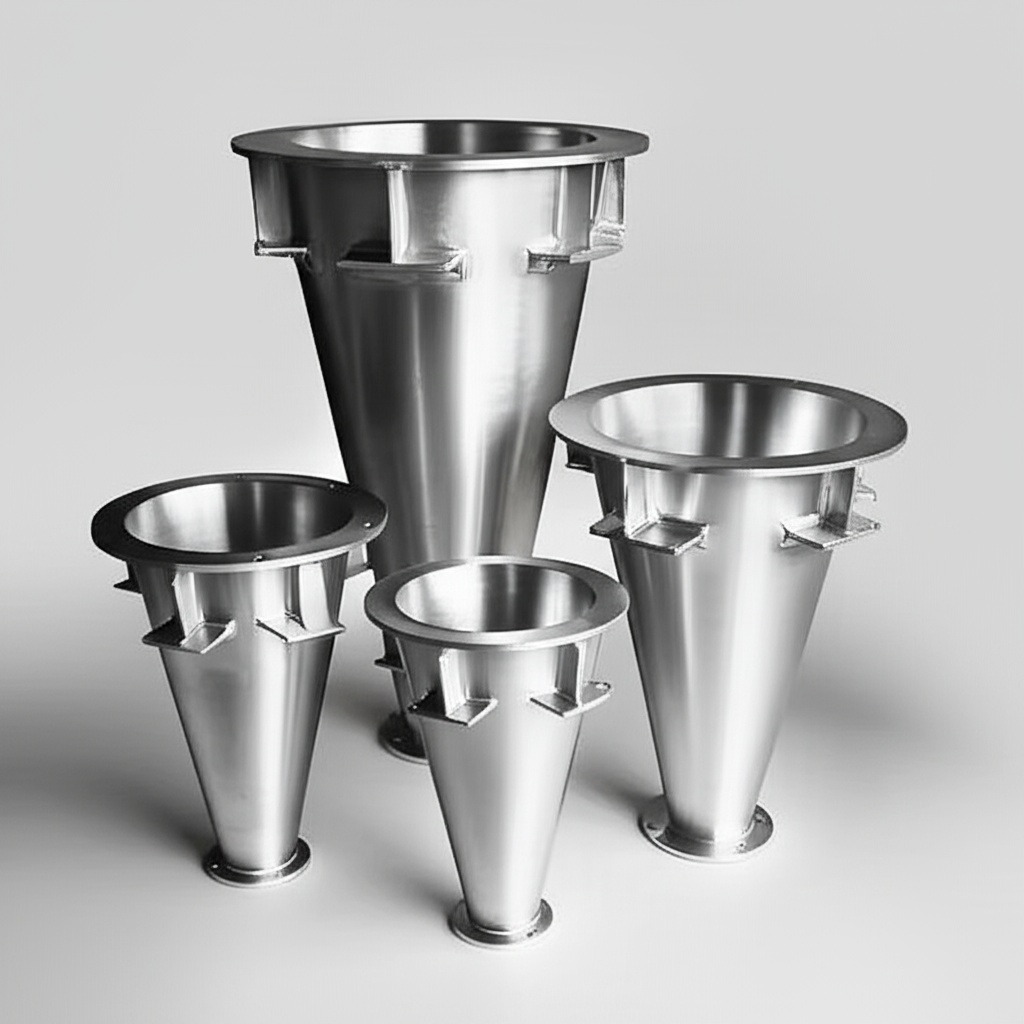
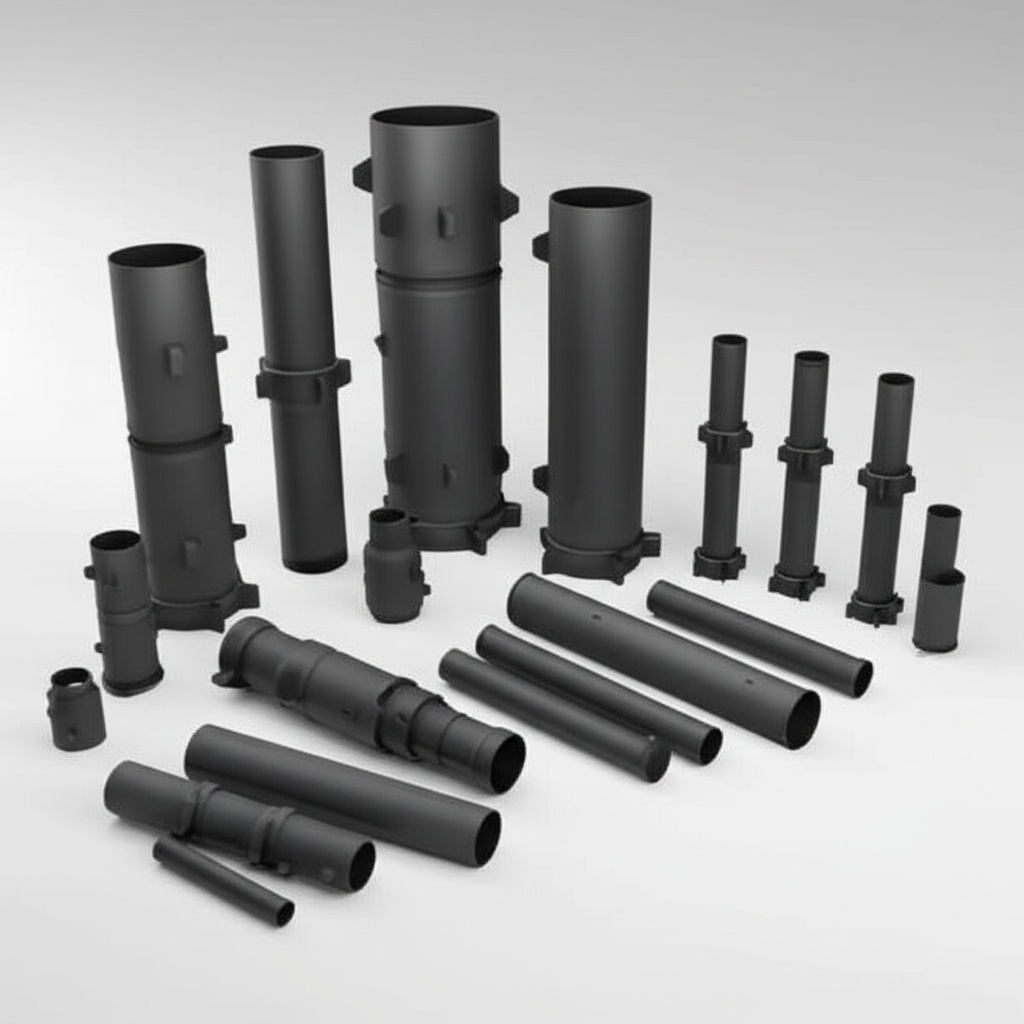
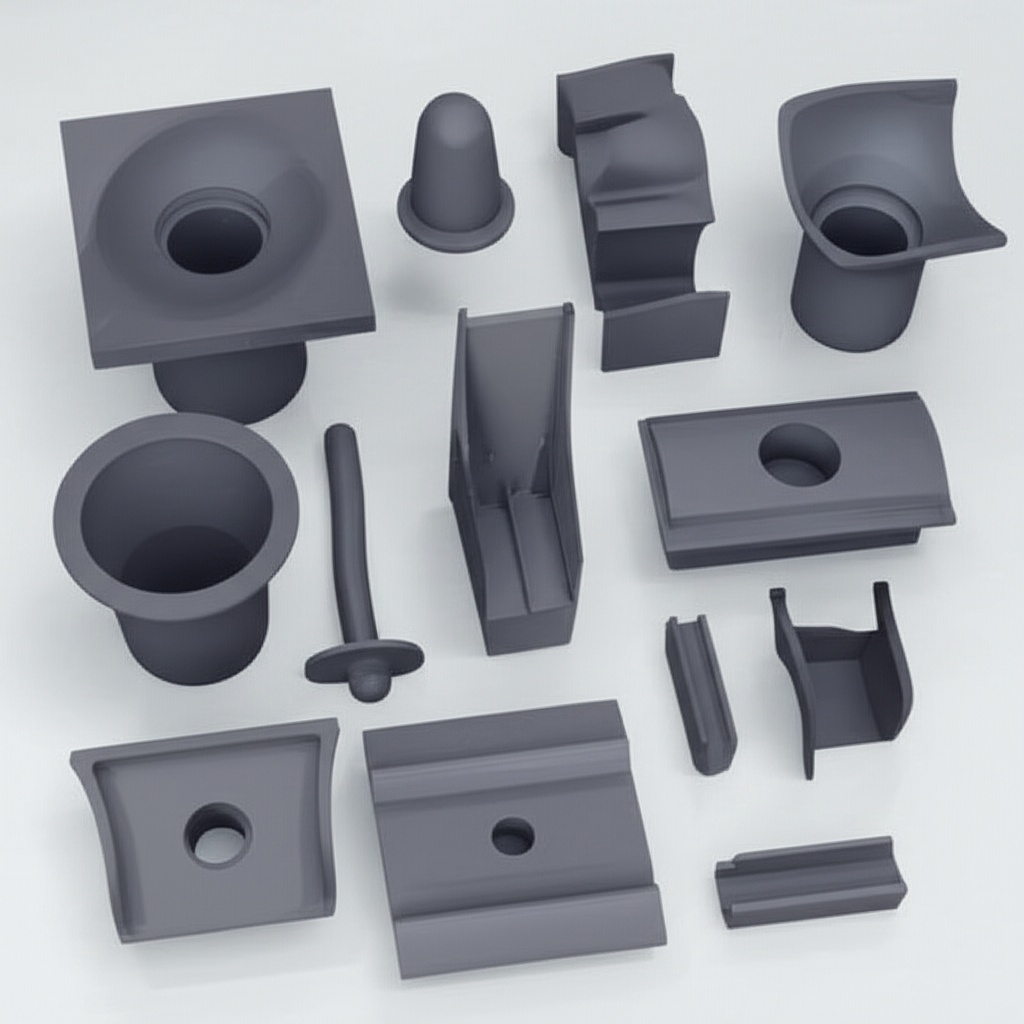
Custom silicon carbide products are engineered components meticulously designed and fabricated to meet the exact specifications of high-performance industrial applications. Unlike off-the-shelf solutions, custom SiC parts leverage the material’s inherent strengths—superior hardness, high thermal conductivity, low thermal expansion, excellent chemical resistance, and robust mechanical strength at elevated temperatures—to deliver unparalleled performance in specific, demanding environments. This customization ensures optimal fit, function, and longevity, making SiC an essential material in critical sectors.
Main Applications Across Industries
The versatility of technical grade silicon carbide allows it to serve a wide array of industries, providing solutions for some of the most challenging operational demands. Its unique combination of properties makes it ideal for:
- Semiconductor Manufacturing: SiC is vital for wafer processing equipment, electrostatic chucks, and furnace components due to its thermal stability, purity, and low particle generation.
- Automotive Companies: Used in brake discs, engine components, and power electronics for electric vehicles, SiC improves efficiency, reduces weight, and enhances durability.
- Aerospace Companies: For rocket nozzles, leading edges, and thermal management systems, SiC offers exceptional strength-to-weight ratio and resistance to extreme temperatures.
- Power Electronics Manufacturers: SiC power devices enable higher power density, increased efficiency, and smaller form factors in inverters, converters, and chargers.
- Renewable Energy Companies: Essential for solar inverters and wind turbine components, SiC enhances energy conversion efficiency and reliability.
- Metallurgical Companies: Used in crucibles, furnace linings, and heat exchangers for its high-temperature stability and resistance to molten metals.
- Defense Contractors: For lightweight armor, missile components, and high-performance optics, SiC offers superior ballistic and thermal performance.
- Chemical Processing Companies: Resistant to a wide range of corrosive chemicals, SiC is ideal for pump seals, valve components, and heat exchangers in harsh chemical environments.
- LED Manufacturers: SiC wafers serve as substrates for GaN-based LEDs, enabling high-brightness and efficient lighting solutions.
- Industrial Equipment Manufacturers: For bearings, seals, nozzles, and wear plates, SiC significantly extends service life and reduces maintenance.
- Telecommunications Companies: Used in high-frequency components and heat sinks for robust and efficient communication systems.
- Oil and Gas Companies: For downhole tools, pump components, and seals in abrasive and corrosive drilling environments.
- Medical Device Manufacturers: Biocompatible SiC is explored for prosthetics, surgical tools, and dental implants due to its hardness and chemical inertness.
- Rail Transportation Companies: In high-speed rail braking systems and power conversion units, SiC provides enhanced reliability and performance.
- Nuclear Energy Companies: For fuel cladding and structural components, SiC offers high neutron irradiation resistance and thermal stability.
Advantages of Custom SiC for Precision Requirements
Choosing custom silicon carbide solutions offers distinct advantages over standard materials, especially when precision and reliability are paramount:
- Exceptional Thermal Resistance: SiC maintains its mechanical properties at temperatures exceeding 1,500°C, making it ideal for high-temperature processing.
- Superior Wear Resistance: With extreme hardness, SiC offers unparalleled resistance to abrasion and erosion, significantly extending the lifespan of components in abrasive applications.
- Outstanding Chemical Inertness: SiC is virtually impervious to attack from most acids, alkalis, and molten salts, ensuring durability in corrosive chemical environments.
- High Strength and Stiffness: Despite its light weight, SiC possesses high modulus of elasticity and flexural strength, contributing to structural integrity.
- Excellent Thermal Conductivity: SiC dissipates heat efficiently, critical for thermal management in electronics and high-power applications.
- Low Thermal Expansion: Its minimal thermal expansion coefficient ensures dimensional stability across a wide temperature range, preventing cracking or deformation.
- Customizable Properties: Different processing methods and additives allow for tailoring SiC properties to specific application needs, such as electrical resistivity or porosity.
Recommended SiC Grades and Compositions
The performance of silicon carbide is heavily influenced by its manufacturing method, leading to various technical grades each with unique properties:
| SiC Grade/Type | Characteristics | Typical Applications |
|---|---|---|
| Reaction-Bonded SiC (RBSiC) | High strength, excellent wear resistance, good thermal shock resistance, fine-grained structure. Contains free silicon. | Pump seals, wear parts, furnace rollers, semiconductor components, automotive brakes. |
| Sintered Alpha SiC (SSiC) | High purity, very high strength, superior chemical resistance, good thermal conductivity. No free silicon. | Mechanical seals, bearings, high-temperature furnace components, nozzles, aerospace parts. |
| Nitride-Bonded SiC (NBSiC) | Good strength and creep resistance at high temperatures, moderate thermal shock resistance. Bonded with silicon nitride. | Kiln furniture, thermocouple protection tubes, molten metal handling. |
| Recrystallized SiC (ReSiC) | High purity, excellent thermal shock resistance, porous structure. | High-temperature insulation, kiln furniture, heat exchanger tubes. |
| Hot Pressed SiC (HPSiC) | Dense, high strength, fine grain size. Excellent for structural components. | Advanced military applications, specialized wear parts. |
Design Considerations for SiC Products
Designing with silicon carbide requires a specialized approach to leverage its unique properties and mitigate its inherent brittleness. Key considerations include:
- Geometry Limits: Avoid sharp corners and abrupt changes in cross-section to minimize stress concentrations. Radii should be generously applied.
- Wall Thickness: Uniform wall thickness is preferred to ensure even heating and cooling during processing, reducing internal stresses.
- Stress Points: Identify potential stress points during operation and design to distribute loads evenly. Finite Element Analysis (FEA) is often employed.
- Tolerances: While SiC can be machined to tight tolerances, it’s crucial to specify only what’s necessary to manage costs and complexity.
- Assembly Methods: Consider how SiC components will integrate with other materials. Brazing, adhesive bonding, or mechanical fastening may require specific design features.
- Machining Complexity: SiC is extremely hard, making machining difficult and expensive. Design parts to minimize complex machining operations where possible.
Tolerance, Surface Finish & Dimensional Accuracy
Achieving precise dimensions and surface finishes is critical for high-performance SiC components. Modern machining techniques allow for impressive accuracy:
- Achievable Tolerances: Depending on the size and complexity of the part, tolerances can range from ±0.005mm to ±0.05mm. Grinding and lapping are common for precision.
- Surface Finish Options: Surface roughness (Ra) can typically be achieved from 0.8 µm down to 0.05 µm or finer through lapping and polishing. Highly polished surfaces are critical for sealing applications and optical components.
- Dimensional Accuracy: Advanced CNC grinding, lapping, and polishing techniques are employed to ensure consistent dimensional accuracy across batches, vital for OEM and volume production.
Post-Processing Needs
While SiC offers inherent advantages, certain post-processing steps can further enhance performance, durability, and specific functionalities:
- Precision Grinding: Essential for achieving tight tolerances and smooth surfaces after initial sintering.
- Lapping and Polishing: Used for achieving extremely flat and smooth surfaces, critical for seals, bearings, and semiconductor applications.
- Sealing: For porous SiC grades, impregnation or coating might be used to reduce permeability for specific applications.
- Coating: Application of specialized coatings (e.g., CVD SiC, diamond-like carbon) can enhance surface hardness, corrosion resistance, or specific electrical properties.
- Brazing/Joining: Custom brazing techniques can be used to join SiC parts to other ceramics or metals, forming complex assemblies.
Common Challenges and How to Overcome Them
While SiC offers unparalleled advantages, working with this advanced ceramic presents specific challenges:
- Brittleness: Like most ceramics, SiC is inherently brittle. This is mitigated through careful design (avoiding stress concentrators), proper handling, and impact-resistant mounting solutions.
- Machining Complexity: Its extreme hardness makes SiC difficult and expensive to machine. This challenge is addressed by using advanced diamond grinding techniques and designing parts to minimize complex geometries.
- Thermal Shock: While generally good, extreme and rapid temperature changes can still cause thermal shock in SiC. Proper material selection (e.g., RBSiC for better thermal shock resistance) and controlled heating/cooling rates are crucial.
- Cost: The raw materials and specialized manufacturing processes for SiC make it more expensive than traditional materials. This cost is offset by the significantly longer lifespan, reduced downtime, and enhanced performance it offers.
- Joining: Integrating SiC with other materials can be challenging due to differences in thermal expansion. Advanced joining techniques like active metal brazing or diffusion bonding are employed to ensure robust connections.
How to Choose the Right SiC Supplier
Selecting a reliable supplier for custom silicon carbide products is paramount to project success. Look for a partner with:
- Technical Capabilities: Assess their expertise in SiC materials science, design, and manufacturing processes (sintering, reaction bonding, machining).
- Material Options: Ensure they offer a diverse range of SiC grades to match your specific application requirements.
- Quality Control and Certifications: Verify their quality management systems (e.g., ISO certifications) and ability to meet stringent industry standards (e.g., aerospace, medical).
- Customization Support: A supplier that can provide engineering assistance from concept to final product, including design optimization and prototyping.
- Production Capacity: Ability to scale from prototype to high-volume production while maintaining consistent quality.
- Track Record and Reputation: Look for case studies, client testimonials, and industry recognition.
It is worth noting that the hub of China’s silicon carbide customizable parts manufacturing is situated in Weifang City of China. This region has become home to over 40 silicon carbide production enterprises of various sizes, collectively accounting for more than 80% of the nation’s total silicon carbide output.
We, Sicarb Tech, have been a driving force in this evolution, introducing and implementing silicon carbide production technology since 2015. We have actively assisted local enterprises in achieving large-scale production and significant technological advancements in product processes, witnessing firsthand the emergence and ongoing development of this dynamic local silicon carbide industry.
Belonging to Chinese Academy of Sciences (Weifang) Innovation Park, Sicarb Tech operates under the close collaboration with the National Technology Transfer Center of the Chinese Academy of Sciences . As a national-level innovation and entrepreneurship service platform, we integrate innovation, entrepreneurship, technology transfer, venture capital, incubation, acceleration, and scientific and technological services. Our strength lies in leveraging the robust scientific and technological capabilities and talent pool of the Chinese Academy of Sciences. Backed by the Chinese Academy of Sciences National Technology Transfer Center, we serve as a vital bridge, facilitating the integration and collaboration of crucial elements in the transfer and commercialization of scientific and technological achievements. We have established a comprehensive service ecosystem that spans the entire spectrum of the technology transfer and transformation process, ensuring more reliable quality and supply assurance within China.
At Sicarb Tech, we possess a domestic top-tier professional team specializing in customized production of silicon carbide products. Our support has benefited over 313 local enterprises with our advanced technologies. We boast a wide array of technologies, including material science, process engineering, design, measurement, and evaluation technologies, along with an integrated process that covers everything from raw materials to finished products. This comprehensive capability allows us to meet diverse customization needs and consistently offer higher-quality, cost-competitive customized silicon carbide components in China. For those looking to establish their own professional silicon carbide products manufacturing plant, Sicarb Tech can provide invaluable technology transfer for professional silicon carbide production, alongside a full range of services (turnkey project) including factory design, procurement of specialized equipment, installation and commissioning, and trial production. This ensures a more effective investment, reliable technology transformation, and a guaranteed input-output ratio for our partners.
Learn more about our customization support and how we can assist your project. For examples of our work, explore our case studies.
Cost Drivers and Lead Time Considerations
The cost and lead time for custom SiC products are influenced by several factors:
- Material Grade and Complexity: Sintered SiC is generally more expensive than reaction-bonded SiC due to higher purity and processing temperatures. Intricate geometries increase manufacturing difficulty and cost.
- Part Size and Volume: Larger parts require more material and longer processing times. Higher volumes can benefit from economies of scale.
- Tolerances and Surface Finish: Tighter tolerances and finer surface finishes necessitate more extensive and precise machining, adding to both cost and lead time.
- Post-Processing Requirements: Additional steps like coatings, lapping, or complex joining processes increase the overall manufacturing time and cost.
- Tooling and Molds: For new custom designs, initial tooling costs can be significant, amortized over the production run.
- Supplier Capabilities: Experienced suppliers with advanced equipment can often offer more competitive pricing and shorter lead times.
For more detailed information, feel free to contact us directly.
Frequently Asked Questions (FAQ)
Q1: What is the primary advantage of technical grade SiC over other ceramics?
A1: The primary advantage is its superior combination of extreme hardness, high thermal conductivity, exceptional thermal shock resistance, and outstanding chemical inertness, especially at high temperatures. This makes it ideal for applications where other ceramics or metals would fail due to wear, heat, or corrosion.
Q2: Can silicon carbide be machined to complex shapes?
A2: While silicon carbide is extremely hard, it can be machined to complex shapes using specialized diamond grinding techniques. This process is precise but more time-consuming and costly than machining softer materials. Design for manufacturability is crucial to optimize cost and lead time for intricate geometries.
Q3: Is SiC electrically conductive?
A3: The electrical conductivity of SiC varies significantly depending on its purity, dopants, and processing method. Pure, stoichiometric SiC is typically a semiconductor, making it invaluable in power electronics. However, it can also be engineered to be an insulator or to exhibit specific resistivity for heating elements or electrostatic chucks.
Q4: How does custom SiC impact long-term operational costs?
A4: While the initial investment in custom SiC components may be higher, they significantly reduce long-term operational costs. Their exceptional wear, corrosion, and thermal resistance lead to extended component lifespan, reduced maintenance, minimized downtime, and improved overall system efficiency, resulting in a lower total cost of ownership.
Conclusion
Technical grade silicon carbide is a transformative material, offering unparalleled performance for precision requirements across a multitude of demanding industries. Its unique combination of thermal, mechanical, and chemical properties makes custom SiC products an invaluable asset for engineers and procurement professionals seeking to optimize performance, enhance durability, and reduce operational costs in extreme environments. By understanding the various grades, design considerations, and the importance of selecting a capable supplier, companies can harness the full potential of this advanced ceramic. Partnering with experienced SiC specialists like Sicarb Tech, with deep roots in the global SiC manufacturing hub and strong technological backing from the Chinese Academy of Sciences, ensures access to the highest quality, cost-competitive, and technologically advanced silicon carbide solutions for your most critical applications.

About the Author: Sicarb Tech
We provide clear and reliable insights into silicon carbide materials, component manufacturing, application technologies, and global market trends. Our content reflects industry expertise, practical experience, and a commitment to helping readers understand the evolving SiC landscape.

Customizable SiC
You May Also Interest
-
![]()
Electronic Grade SiC for Tech Innovations
Electronic Grade SiC for Tech Innovations: Powering the Future of High-Performance Industries In the relentless pursuit of technological advancement, industries across the globe are constantly seeking materials that can push the boundaries of performance, efficiency, and durability. Among these, electronic grade silicon carbide (SiC) stands out as a revolutionary material, enabling breakthroughs in various high-stakes…
-
![]()
SiC Semiconductor Grade for Advanced Power Tech
SiC Semiconductor Grade for Advanced Power Tech In the relentless pursuit of higher efficiency, increased power density, and extreme reliability, traditional materials often fall short. This is where semiconductor-grade silicon carbide (SiC) emerges as a game-changer. As a leading technical content writer for a company specializing in custom SiC products and equipment, we delve into…
-
![]()
Aerospace Grade SiC for Flight Critical Systems
Aerospace Grade SiC for Flight Critical Systems In the demanding world of aerospace, where performance, reliability, and safety are paramount, the choice of materials is critical. Traditional materials often struggle to meet the extreme conditions encountered in flight-critical systems. This is where aerospace-grade silicon carbide (SiC) emerges as a revolutionary solution. As a leading technical…