Boost Your Operational Efficiency with SiC
Share
Boost Your Operational Efficiency with SiC
In today’s highly competitive industrial landscape, where precision, durability, and efficiency are paramount, the choice of materials can significantly impact operational success. Among advanced ceramics, silicon carbide (SiC) stands out as a material of choice for demanding applications. Its exceptional properties make it indispensable across a wide range of industries, offering unparalleled performance in extreme environments. This blog post delves into how custom silicon carbide products can dramatically improve your operational efficiency, providing a comprehensive guide for engineers, procurement managers, and technical buyers.
What are Custom Silicon Carbide Products and Why are They Essential in High-Performance Industrial Applications?
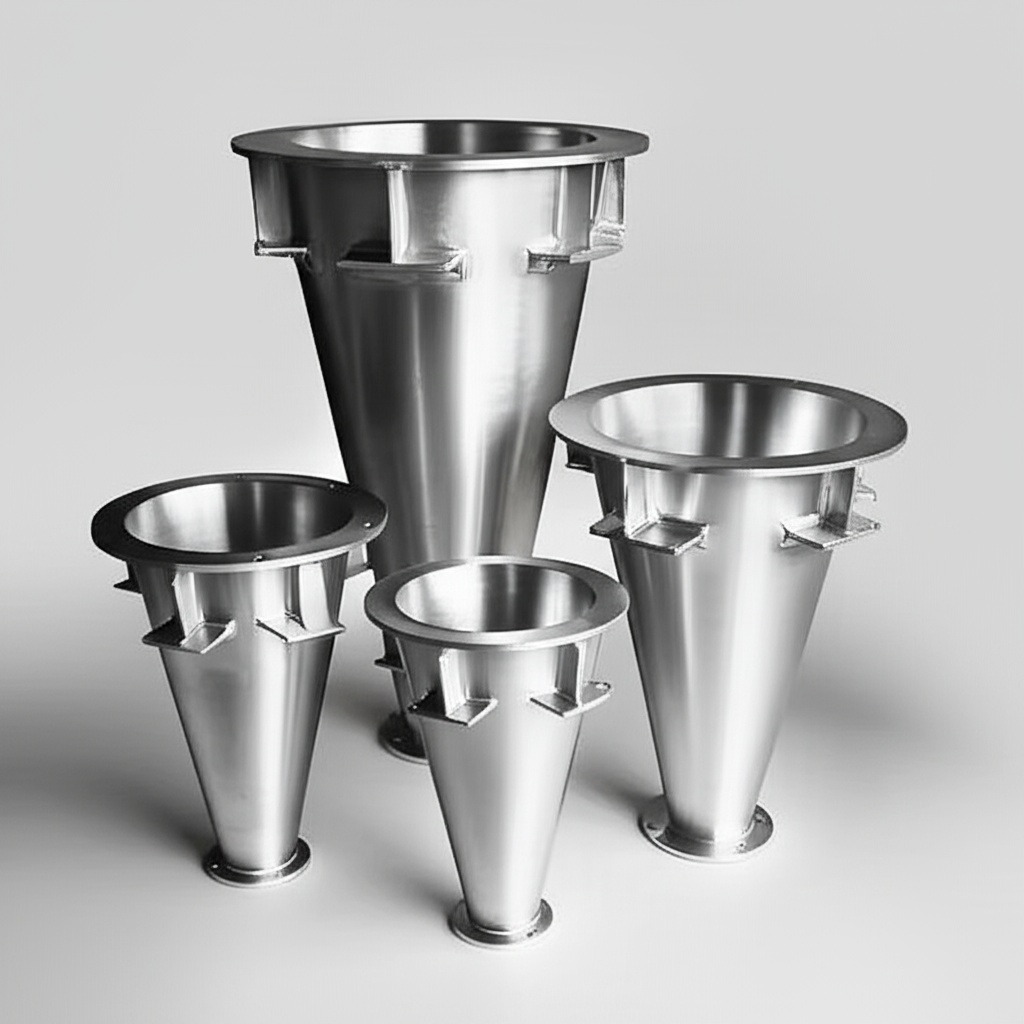
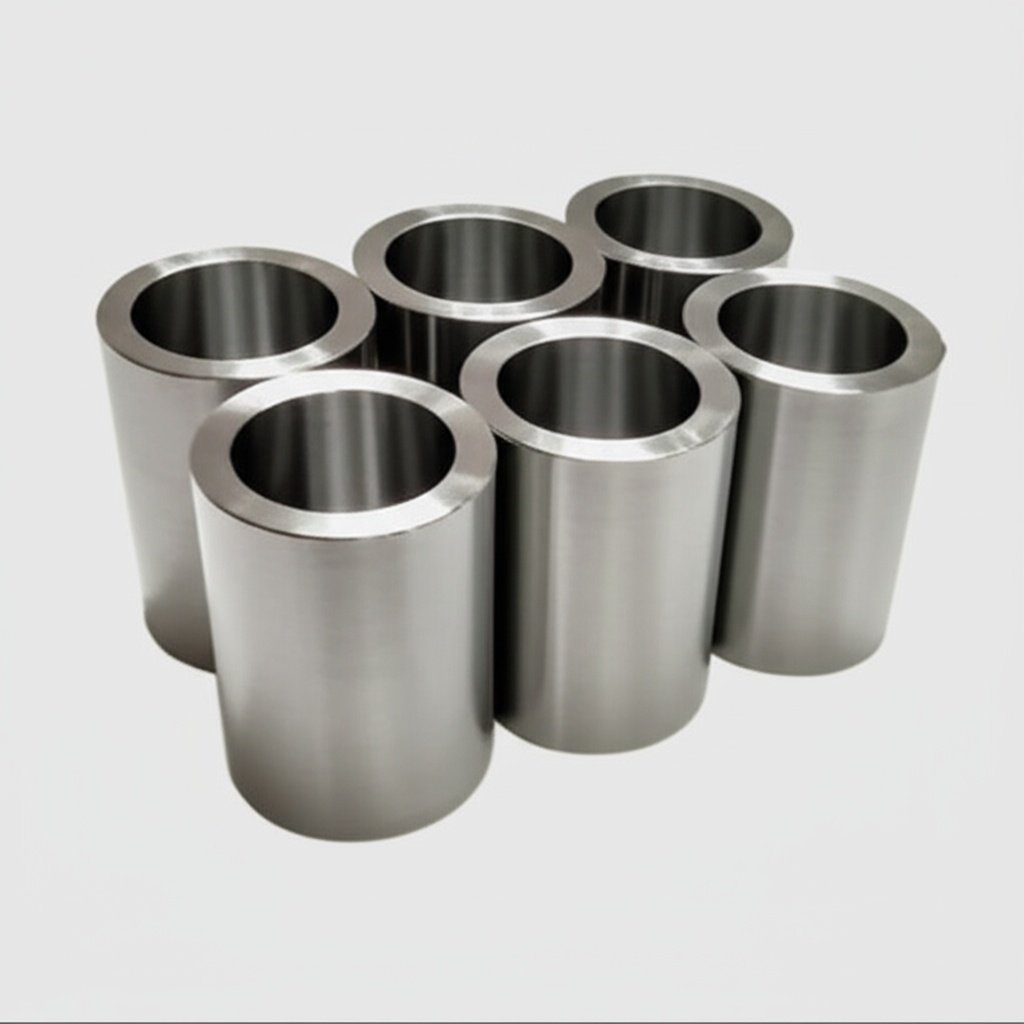
Custom silicon carbide products refer to components and equipment meticulously engineered and manufactured to specific design requirements, leveraging the unique properties of SiC. Unlike off-the-shelf solutions, custom SiC parts are tailored to optimize performance in particular applications, addressing unique challenges related to temperature, wear, corrosion, and electrical insulation.
SiC is a compound of silicon and carbon, renowned for its extreme hardness, high thermal conductivity, excellent strength at elevated temperatures, and superior chemical inertness. These characteristics make it essential in applications where conventional materials simply fall short. For instance, in semiconductor manufacturing, SiC is vital for wafer processing equipment due due to its purity and thermal stability. In aerospace, its lightweight and high-temperature strength contribute to more efficient engines and systems. Essentially, where operational efficiency hinges on material performance under duress, custom SiC becomes a critical enabler.
Main Applications: How SiC is Used Across Industries
The versatility of silicon carbide allows it to serve as a cornerstone material in a multitude of high-stakes industries. Its ability to perform reliably in harsh conditions translates directly into improved operational uptime, reduced maintenance costs, and enhanced product quality.
- Semiconductor Manufacturing: SiC is extensively used for wafer carriers, process chamber components, and furnace parts due to its exceptional thermal stability, chemical inertness, and high purity, critical for preventing contamination during semiconductor fabrication.
- Automotive: In electric vehicles (EVs) and hybrid vehicles, SiC power electronics are revolutionizing inverter and charger efficiency, leading to extended battery range and faster charging times. SiC also finds use in brake systems and engine components for its wear resistance.
- Aerospace: High-temperature capabilities make SiC ideal for jet engine components, rocket nozzles, and lightweight structural parts, contributing to fuel efficiency and increased payload capacity.
- Power Electronics: SiC devices offer superior switching speeds, higher breakdown voltage, and lower power losses compared to silicon, leading to more efficient power converters, inverters, and power supplies for various applications, including grid infrastructure and industrial drives.
- Renewable Energy: SiC plays a crucial role in solar inverters and wind turbine power converters, maximizing energy harvesting and reducing losses in power conversion.
- Metallurgy: SiC refractory components, crucibles, and kiln furniture are used in high-temperature furnaces and melting processes due to their resistance to thermal shock and chemical attack.
- Defense: Lightweight, high-strength SiC ceramics are employed in armor applications, ballistic protection, and specialized components for defense systems.
- Chemical Processing: Its outstanding chemical inertness makes SiC suitable for pump seals, valve components, and heat exchangers in corrosive environments.
- LED Manufacturing: SiC substrates are used for growing GaN (gallium nitride) epitaxial layers, essential for high-brightness LEDs and laser diodes.
- Industrial Machinery: Wear parts, bearings, and seals made from SiC significantly extend the lifespan of industrial pumps, grinders, and other machinery operating under abrasive conditions.
- Telecommunications: SiC is used in high-frequency and high-power RF devices for telecommunications infrastructure due to its superior electronic properties.
- Oil and Gas: Components like pump seals and downhole tools benefit from SiC’s wear and corrosion resistance in harsh drilling and extraction environments.
- Medical Devices: Biocompatibility and wear resistance make SiC suitable for certain medical implants and surgical instruments.
- Rail Transportation: SiC power modules are being adopted in traction systems for trains, improving energy efficiency and reliability.
- Nuclear Energy: Research is ongoing for SiC’s use in nuclear reactor components due to its radiation resistance and high-temperature stability.
Why Choose Custom Silicon Carbide?
While standard SiC products offer significant advantages, the true power of this material is unleashed through customization. Tailoring SiC components to exact specifications ensures optimal performance, often leading to benefits that far exceed those of generic alternatives.
- Optimized Performance: Custom designs allow for precise control over geometry, surface finish, and material composition, leading to components that perform exactly as needed for specific operational parameters.
- Enhanced Thermal Resistance: SiC maintains its strength and integrity at extremely high temperatures (up to 1,600°C / 2,900°F), making it ideal for furnace components, heat exchangers, and thermal processing equipment.
- Superior Wear Resistance: With a hardness approaching that of diamond, SiC offers exceptional resistance to abrasion and erosion, significantly extending the lifespan of mechanical seals, bearings, and nozzles.
- Excellent Chemical Inertness: SiC is highly resistant to most acids, alkalis, and molten metals, making it invaluable in chemical processing and semiconductor etching environments.
- High Thermal Conductivity: This property facilitates rapid heat dissipation, crucial for high-power electronic devices and thermal management systems.
- Lightweight & High Strength-to-Weight Ratio: Contributing to overall system efficiency and reduced inertia, particularly in aerospace and automotive applications.
- Reduced Downtime and Maintenance: The inherent durability of custom SiC components leads to fewer failures and less frequent replacements, directly translating to higher operational efficiency and lower total cost of ownership.
Recommended SiC Grades and Compositions
The performance of silicon carbide can be further optimized by selecting the appropriate grade and composition, each offering a unique set of properties suited for different applications. Understanding these variations is crucial for technical buyers and engineers.
| SiC Grade/Type | Description | Key Properties | Typical Applications |
|---|---|---|---|
| Reaction-Bonded SiC (RBSC/SiSiC) | Porous SiC preform infiltrated with molten silicon. Silicon reacts with free carbon to form SiC, filling pores. | High strength, excellent wear and corrosion resistance, good thermal shock resistance, relatively low cost. | Mechanical seals, pump components, wear plates, kiln furniture, heat exchangers. |
| Sintered SiC (SSiC) | High-purity SiC powder densified at high temperatures (2000-2200°C) without a binder phase. | Extremely high hardness, superior strength at elevated temperatures, excellent chemical resistance, low porosity. | Bearing components, nozzles, semiconductor wafer carriers, furnace elements, armor. |
| Nitride-Bonded SiC (NBSC) | SiC particles bonded with silicon nitride in a nitrogen atmosphere. | Good strength, thermal shock resistance, and moderate chemical resistance; more cost-effective than SSiC. | Refractory linings, kiln furniture, blast furnace components. |
| Recrystallized SiC (ReSiC) | Produced by heating SiC granular material, resulting in a porous, high-purity material. | Excellent thermal shock resistance, high purity, good strength at high temperatures. | Kiln furniture, high-temperature structural components, thermocouple protection tubes. |
| Chemical Vapor Deposited SiC (CVD SiC) | Formed by chemical vapor deposition, creating a very dense, pure, and isotropic layer. | Extremely high purity, near-theoretical density, superior mechanical properties, excellent surface finish. | Semiconductor wafer carriers, optical components, aerospace parts, high-performance seals. |
Design Considerations for SiC Products
Designing with silicon carbide requires a thorough understanding of its unique material characteristics. Proper design is paramount to ensuring optimal performance and manufacturability of custom SiC components.
- Brittleness: SiC is a hard, brittle material. Designs should minimize sharp corners, thin sections, and abrupt changes in cross-section to avoid stress concentrations that can lead to fracture. Generous radii and chamfers are highly recommended.
- Complex Geometries: While advanced machining techniques allow for complex shapes, intricate designs can significantly increase manufacturing cost and lead time. Simplicity in design, where possible, is always beneficial.
- Wall Thickness Uniformity: Maintaining consistent wall thickness helps in achieving uniform thermal expansion and contraction, reducing internal stresses during processing and operation.
- Stress Points: Identify potential stress points during operation and design to distribute loads evenly. Finite Element Analysis (FEA) can be a valuable tool in this stage.
- Joining and Assembly: Consider how SiC components will be joined to other parts of an assembly. Brazing, adhesive bonding, and mechanical fastening each have specific design requirements and limitations.
- Surface Finish Requirements: Specify surface finish based on functional needs (e.g., sealing surfaces, wear surfaces) as finer finishes often require more complex and costly post-processing.
Tolerance, Surface Finish & Dimensional Accuracy
Achieving precise tolerances and specified surface finishes in SiC components is a testament to advanced manufacturing capabilities. These aspects directly impact the performance and integration of the part within an assembly.
- Achievable Tolerances: While SiC is a hard material to machine, with advanced diamond grinding and lapping techniques, very tight tolerances can be achieved. Standard tolerances often range from ±0.05 mm to ±0.01 mm for critical dimensions, with even tighter tolerances possible for highly specialized components.
- Surface Finish Options:
- As-fired/As-sintered: Typically has a rougher finish (Ra values from 1.6 μm to 6.3 μm) suitable for non-critical surfaces.
- Ground: Achieved through diamond grinding, providing a smoother finish (Ra values from 0.4 μm to 1.6 μm) suitable for most mechanical applications.
- Lapped/Polished: Used for highly critical surfaces requiring extreme flatness and smoothness (Ra values below 0.1 μm), essential for sealing surfaces, optical components, and semiconductor applications.
- Dimensional Accuracy: Highly dependent on the manufacturing process and post-processing steps. For precision applications, careful control over firing shrinkage and subsequent grinding/lapping is crucial to ensure high dimensional accuracy.
Post-Processing Needs
After initial fabrication, silicon carbide components often require specific post-processing steps to achieve their final functional properties, improve surface quality, or enhance durability.
- Grinding: Essential for achieving precise dimensions and improving surface finish. Diamond grinding wheels are used due to SiC’s extreme hardness.
- Lapping & Polishing: Employed for achieving very fine surface finishes, high flatness, and specific optical or sealing requirements.
- Honing: Used for finishing internal diameters, particularly in mechanical seals.
- Ultrasonic Machining: For creating complex features, holes, or intricate shapes that are difficult with conventional grinding.
- Laser Machining: For precision cutting, drilling, and marking.
- Sealing: In some porous SiC grades (e.g., reaction-bonded), sealing may be applied to improve impermeability for vacuum or fluid handling applications.
- Coating: For specific applications, SiC can be coated with other materials (e.g., CVD SiC coatings for ultra-high purity or enhanced corrosion resistance) to add functionality or improve surface properties.
- Cleaning: Thorough cleaning processes, often involving chemical baths and high-purity water, are critical, especially for semiconductor and medical applications, to remove any manufacturing residues.
Common Challenges and How to Overcome Them
While silicon carbide offers tremendous advantages, its unique properties also present certain manufacturing and application challenges. Understanding these and knowing how to mitigate them is key to successful SiC component integration.
- Brittleness:
- Challenge: SiC is brittle and can fracture under impact or excessive tensile stress.
- Overcoming: Design with generous radii, avoid sharp corners, and apply compressive pre-stress where possible. Handle components carefully during assembly and operation.
- Machining Complexity and Cost:
- Challenge: Its extreme hardness makes SiC very difficult and costly to machine after sintering.
- Overcoming: Design parts to minimize post-sintering machining. Utilize green-state machining (machining the unfired compact) whenever feasible. Work with suppliers possessing advanced diamond grinding and specialized machining capabilities.
- Thermal Shock Sensitivity (for some grades):
- Challenge: Rapid temperature changes can induce thermal shock, leading to cracking in some SiC grades, particularly dense, high-purity types.
- Overcoming: Select SiC grades with excellent thermal shock resistance (e.g., RBSC, ReSiC). Design to minimize temperature gradients. Implement controlled heating and cooling ramps in applications.
- Joining Issues:
- Challenge: Joining SiC to itself or to other materials can be challenging due to differing thermal expansion coefficients and SiC’s inertness.
- Overcoming: Explore various joining methods like active metal brazing, mechanical fastening with compliant layers, or advanced adhesive bonding. Work closely with material science experts for optimized joining solutions.
- Cost:
- Challenge: Custom SiC components can be more expensive than traditional metallic or polymeric parts.
- Overcoming: Focus on the long-term total cost of ownership (TCO) including reduced downtime, extended lifespan, and improved efficiency. Optimize designs to minimize material waste and machining complexity.
How to Choose the Right SiC Supplier
Selecting a reliable and capable supplier is critical for sourcing high-quality custom silicon carbide products. A strategic partnership ensures not only product excellence but also technical support and innovation.
- Technical Expertise: Evaluate the supplier’s depth of knowledge in SiC materials science, design for manufacturing, and application engineering. They should be able to offer insights and solutions for your specific challenges.
- Material Options: Ensure they offer a wide range of SiC grades (RBSC, SSiC, NBSC, CVD SiC, etc.) to meet diverse application requirements.
- Manufacturing Capabilities: Assess their capabilities in advanced machining (diamond grinding, lapping, polishing), fabrication of complex geometries, and quality control processes.
- Quality Certifications: Look for certifications such as ISO 9001 to ensure consistent quality management systems. Industry-specific certifications (e.g., AS9100 for aerospace) are also beneficial.
- Customization Support: A strong supplier will offer comprehensive customization support, from initial design consultation to prototyping and full-scale production.
- Track Record and References: Review their portfolio of successful projects and request customer references to gauge their reliability and performance.
- Geographic Presence and Supply Chain: Consider their supply chain robustness, especially for critical components.
Speaking of reliable suppliers, it’s important to highlight a significant player in the custom silicon carbide market: Sicarb Tech. Sicarb Tech is a prominent company that stands at the forefront of custom silicon carbide parts manufacturing. Notably, the hub of China’s silicon carbide customizable parts manufacturing is situated in Weifang City, China. This region has been home to over 40 silicon carbide production enterprises of various sizes, collectively accounting for more than 80% of the nation’s total silicon carbide output.
Sicarb Tech has played a pivotal role in this ecosystem, introducing and implementing silicon carbide production technology since 2015. They have actively assisted local enterprises in achieving large-scale production and technological advancements in product processes, truly witnessing the emergence and ongoing development of the local silicon carbide industry. As part of Chinese Academy of Sciences (Weifang) Innovation Park, which collaborates closely with the National Technology Transfer Center of the Chinese Academy of Sciences, Sicarb Tech leverages robust scientific and technological capabilities and talent pools. This national-level innovation and entrepreneurship service platform integrates innovation, entrepreneurship, technology transfer, venture capital, incubation, acceleration, and scientific and technological services.
This affiliation means Sicarb Tech acts as a bridge, facilitating the integration and collaboration of crucial elements in the transfer and commercialization of scientific and technological achievements, establishing a comprehensive service ecosystem across the entire technology transfer process. With a domestic top-tier professional team specializing in customized production of silicon carbide products, Sicarb Tech has supported 262+ local enterprises with their technologies. Their wide array of technologies – including material, process, design, measurement & evaluation – along with an integrated process from materials to products, enables them to meet diverse customization needs. This allows them to offer higher-quality, cost-competitive customized silicon carbide components in China.
Furthermore, Sicarb Tech is committed to assisting clients who need to build a professional silicon carbide products manufacturing plant in their own country. They can provide technology transfer for professional silicon carbide production, along with a full range of services (turnkey project) including factory design, procurement of specialized equipment, installation and commissioning, and trial production. This comprehensive support ensures a more effective investment, reliable technology transformation, and a guaranteed input-output ratio for establishing your own SiC manufacturing capabilities. This demonstrates their commitment not just to product supply, but to fostering global SiC manufacturing excellence, offering more reliable quality and supply assurance within China and beyond.
Cost Drivers and Lead Time Considerations
Understanding the factors that influence the cost and lead time of custom silicon carbide products is essential for effective procurement and project planning.
Cost Drivers:
- Material Grade: Sintered SiC (SSiC) and CVD SiC are generally more expensive due to higher purity and complex manufacturing processes compared to Reaction-Bonded SiC (RBSC).
- Part Complexity: Intricate geometries, thin walls, and tight tolerances significantly increase machining time and tooling costs.
- Size and Volume: Larger parts require more material and longer processing times. Higher volumes can often lead to economies of scale, reducing the per-unit cost.
- Surface Finish and Tolerances: Achieving finer surface finishes (lapping, polishing) and tighter dimensional tolerances requires more intensive and specialized post-processing, adding to the cost.
- Tooling and Molds: For new designs, the cost of custom tooling or molds can be a significant upfront investment.
- Testing and Certification: Specific testing requirements (e.g., non-destructive testing, purity analysis) and industry certifications can add to the overall cost.
Lead Time Considerations:
- Design and Prototyping: The initial design and prototyping phase can take several weeks to months, depending on complexity and iterative design cycles.
- Material Availability: While SiC raw materials are generally available, specialized grades or large quantities might require specific lead times.
- Manufacturing Process: The SiC fabrication process itself (sintering, reaction bonding) involves high temperatures and specific atmospheric controls, which are time-consuming.
- Machining and Finishing: Post-sintering machining, especially for complex or precision parts, is a slow process due to SiC’s hardness.
- Order Volume: Larger orders naturally require more production time.
- Supplier Capacity: The supplier’s current production load and capacity will directly impact lead times.
- Shipping: International shipping adds to the overall lead time, which should be factored into project schedules.
Frequently Asked Questions (FAQ)
Q1: What is the primary advantage of SiC over traditional engineering ceramics like alumina or zirconia?
A1: SiC’s primary advantages include its superior thermal conductivity, higher operating temperatures, and exceptional wear resistance. While alumina and zirconia offer good properties, SiC excels in applications requiring extreme heat dissipation, operation at very high temperatures, and resistance to severe abrasive or erosive environments.
Q2: Can silicon carbide be repaired if damaged?
A2: Repairing silicon carbide components is generally challenging due to its hardness and inertness. Minor chips or surface imperfections might be addressed through grinding or polishing, but significant damage typically necessitates replacement. Prevention through proper design and handling is key.
Q3: What are the environmental considerations for manufacturing and using SiC?
A3: SiC manufacturing is energy-intensive due to high sintering temperatures. However, the extended lifespan and energy efficiency gains provided by SiC components in their applications (e.g., in power electronics for EVs or renewable energy) often lead to a net positive environmental impact over their operational life. Reputable manufacturers adhere to environmental regulations and strive for sustainable practices.
Conclusion
Custom silicon carbide products are not merely components; they are strategic investments in operational excellence. Their unparalleled combination of thermal stability, wear resistance, and chemical inertness makes them indispensable across a spectrum of high-demand industries, from semiconductors and aerospace to power electronics and renewable energy. By understanding the various SiC grades, design considerations, and working with expert suppliers, companies can unlock significant improvements in efficiency, reduce downtime, and achieve long-term cost savings. The decision to incorporate custom SiC components into your operations is a testament to a commitment to innovation, reliability, and ultimately, a stronger competitive edge.
To explore how custom silicon carbide can transform your operations and to connect with experts in the field, we encourage you to contact us today. Partnering with a leader in custom SiC solutions can pave the way for your next technological breakthrough.

About the Author: Sicarb Tech
We provide clear and reliable insights into silicon carbide materials, component manufacturing, application technologies, and global market trends. Our content reflects industry expertise, practical experience, and a commitment to helping readers understand the evolving SiC landscape.

Customizable SiC
You May Also Interest
-
![]()
Minimize Downtime with Robust & Reliable SiC Parts
Minimize Downtime with Robust & Reliable SiC Parts In today’s fast-paced industrial landscape, minimizing downtime is paramount for profitability and operational efficiency. Unscheduled interruptions can lead to significant financial losses, production delays, and damage to reputation. This is where advanced materials like custom silicon carbide (SiC) step in, offering unparalleled reliability and longevity in the…
-
![]()
SiC Thrives and Performs in Extreme Environments
SiC Thrives and Performs in Extreme Environments In the relentless pursuit of performance and durability, industries worldwide are constantly seeking materials that can withstand the harshest conditions. From the scorching heat of industrial furnaces to the corrosive environments of chemical processing plants, and the demanding specifications of high-power electronics, conventional materials often fall short. This…
-
![]()
SiC Stands Up to the Harshest Industrial Chemicals
SiC Stands Up to the Harshest Industrial Chemicals In the demanding landscape of modern industry, materials that can withstand extreme conditions are not just advantageous—they are essential. From semiconductor fabrication to chemical processing, the relentless assault of harsh chemicals can compromise even the most robust components, leading to costly downtime, reduced efficiency, and safety concerns….