The Automotive Revolution Fueled by Custom Silicon Carbide
Share
The automotive industry is undergoing its most significant transformation in a century. Electrification, autonomous driving, and the relentless pursuit of higher efficiency and performance are reshaping vehicle design and engineering. At the heart of this revolution lies a remarkable material: Silicon Carbide (SiC). This advanced technical ceramic, known for its exceptional properties, is rapidly becoming indispensable, particularly in the demanding environments of electric vehicles (EVs) and high-performance automobiles. While standard SiC components offer substantial benefits, it’s custom silicon carbide products that are truly unlocking the next level of innovation, allowing automotive engineers to push boundaries and meet increasingly stringent requirements.
Silicon Carbide is a compound of silicon and carbon (SiC) that boasts a unique combination of physical and electrical characteristics. Its ability to withstand extreme temperatures, operate at high voltages and frequencies, and conduct heat far more effectively than traditional silicon makes it a game-changer for power electronics and high-wear components. In an era where every watt of energy saved translates to extended driving range for an EV, and every gram of weight reduced enhances performance, the advantages of SiC are compelling.
However, the “one-size-fits-all” approach rarely suffices in the competitive automotive landscape. Vehicle architectures vary, performance targets differ, and space constraints demand tailored solutions. This is where custom SiC components shine. By designing and manufacturing SiC parts to precise specifications, automotive original equipment manufacturers (OEMs) and Tier 1 suppliers can optimize performance, improve reliability, and achieve a level of integration not possible with off-the-shelf parts. Whether it’s a uniquely shaped inverter housing for an EV, a wear-resistant seal for a high-performance braking system, or a specialized substrate for an advanced sensor, customization is key. As a leader in tailored SiC solutions, Sicarb Tech leverages its deep expertise and state-of-the-art manufacturing to provide the automotive industry with components that meet these exacting demands, driving the future of mobility.
Key Automotive Applications: Where Custom SiC Drives Performance
The unique properties of custom silicon carbide components are making them indispensable in a growing number of critical automotive systems. Engineers are increasingly turning to custom SiC solutions to enhance efficiency, durability, and performance in areas traditional materials can no longer optimally serve. The ability to tailor the material properties and component geometry is crucial for maximizing benefits in these applications.
Here are some of the key automotive applications where custom SiC is making a significant impact:
- Electric Vehicle (EV) Powertrain Components:
- Inverters: Perhaps the most prominent application, SiC is revolutionizing EV inverters. These devices convert DC power from the battery to AC power for the electric motor. Custom SiC MOSFETs (Metal-Oxide-Semiconductor Field-Effect Transistors) and modules enable inverters to operate at higher switching frequencies and temperatures with significantly lower energy losses compared to silicon-based IGBTs (Insulated Gate Bipolar Transistors). This translates to:
- Increased powertrain efficiency, leading to longer driving ranges.
- Higher power density, allowing for smaller and lighter inverter designs, freeing up valuable space and reducing vehicle weight.
- Reduced cooling requirements, further simplifying design and saving weight. Customized SiC substrates and housings also play a role in optimizing thermal management and packaging for these critical SiC for EV powertrain components.
- On-Board Chargers (OBCs): SiC in OBCs allows for faster charging times and greater efficiency. Custom SiC diodes and transistors enable OBCs to handle higher power levels in more compact and lighter units. This is crucial for consumer convenience and for the packaging of components within the vehicle.
- DC-DC Converters: EVs use DC-DC converters to step down the high voltage from the main battery to power auxiliary systems (e.g., 12V systems for lighting, infotainment). SiC-based DC-DC converters are smaller, lighter, and more efficient, contributing to overall vehicle energy savings. Custom designs ensure optimal integration with specific vehicle electrical architectures.
- Inverters: Perhaps the most prominent application, SiC is revolutionizing EV inverters. These devices convert DC power from the battery to AC power for the electric motor. Custom SiC MOSFETs (Metal-Oxide-Semiconductor Field-Effect Transistors) and modules enable inverters to operate at higher switching frequencies and temperatures with significantly lower energy losses compared to silicon-based IGBTs (Insulated Gate Bipolar Transistors). This translates to:
- High-Performance Braking Systems:
- For high-performance vehicles and some luxury EVs, Carbon Ceramic Matrix (CCM) brakes, which often utilize SiC as a key component in the matrix (C/SiC), offer superior performance. These automotive SiC brake components provide:
- Significant weight reduction compared to traditional iron rotors.
- Exceptional fade resistance at high temperatures.
- Longer lifespan and reduced brake dust. Customization in the manufacturing of SiC elements for brake discs and pads can optimize friction characteristics and thermal dissipation for specific vehicle dynamics and performance targets.
- For high-performance vehicles and some luxury EVs, Carbon Ceramic Matrix (CCM) brakes, which often utilize SiC as a key component in the matrix (C/SiC), offer superior performance. These automotive SiC brake components provide:
- Thermal Management Systems:
- The excellent thermal conductivity of SiC makes it an ideal material for heat sinks, heat exchangers, and other thermal management components. In EVs, managing heat generated by batteries, power electronics, and motors is critical for performance and longevity. Custom SiC heat spreaders and cooling components can be designed to fit complex geometries and provide highly efficient localized cooling, superior to traditional aluminum or copper solutions in certain aspects. Technical ceramics for automotive thermal solutions are gaining traction due to these benefits.
- Sensors and Actuators:
- The stability of SiC at high temperatures and its resistance to harsh environments make it suitable for specialized sensor applications, such as those in exhaust systems or near high-temperature power electronics. Custom SiC substrates or protective casings can ensure the reliability and accuracy of these sensors. While less common than power electronics, its use in niche sensing applications where extreme conditions prevail is growing.
- Wear-Resistant Components:
- In applications requiring high wear resistance, such as seals, bearings, and potentially valve train components in high-performance internal combustion engines (though the focus is shifting to EVs), SiC’s hardness and durability are advantageous. Custom SiC mechanical seals and bearings can offer extended service life and reduced friction.
The demand for custom ceramic components automotive suppliers can meet is rising as OEMs seek to differentiate their vehicles.Sicarb Tech, situated in Weifang City, the hub of China’s silicon carbide customizable parts manufacturing, is at the forefront of providing these tailored solutions. With our comprehensive understanding of SiC materials and processing, we empower automotive clients to leverage the full potential of this advanced ceramic in their most demanding applications.
The Unmatched Advantages: Why Automotive Engineers are Choosing Custom SiC
The adoption of custom silicon carbide in the automotive sector is not merely a trend; it’s a strategic shift driven by a compelling array of technical and performance advantages. Engineers and procurement managers in leading automotive OEMs and Tier 1 suppliers are increasingly specifying custom SiC components to overcome the limitations of conventional materials like silicon, steel, and aluminum, especially in the context of electric vehicles and advanced driver-assistance systems (ADAS). The benefits extend beyond simple material substitution, offering systemic improvements in vehicle efficiency, performance, and reliability.
Here’s a breakdown of the key advantages that make custom SiC the material of choice:
- Higher Energy Efficiency & Reduced Power Losses:
- SiC power devices (MOSFETs, diodes) exhibit significantly lower on-state resistance (RDS(on)) and switching losses compared to traditional silicon counterparts. This means less energy is wasted as heat during power conversion.
- Impact: For EVs, this translates directly to increased driving range, a critical factor for consumer adoption. It also means smaller batteries can be considered for a given range, impacting cost and weight.
- B2B Focus: High-performance SiC automotive solutions are sought by OEMs to achieve top efficiency ratings and meet stringent emissions and energy consumption regulations.
- Increased Power Density:
- SiC devices can handle more power in a smaller physical volume. Their ability to operate at higher switching frequencies allows for smaller passive components (inductors, capacitors).
- Impact: This leads to more compact and lighter power electronic systems (inverters, OBCs, DC-DC converters). The saved space can be used for other features or to improve vehicle packaging and aerodynamics. Weight reduction contributes to better handling and efficiency.
- B2B Focus: OEMs value lightweight SiC components for improving overall vehicle dynamics and efficiency, making them attractive to technical procurement professionals looking for an edge.
- Superior Thermal Conductivity & High-Temperature Operation:
- SiC possesses excellent thermal conductivity (typically 3-5 times better than silicon, and significantly better than many metals on a weight basis for certain applications), allowing it to dissipate heat more effectively.
- It can also operate reliably at much higher junction temperatures (often >200°C) than silicon (typically limited to ~150-175°C).
- Impact: This reduces the demands on cooling systems, potentially allowing for smaller, lighter, or even air-cooled designs in some cases. Enhanced thermal stability improves the reliability and lifespan of components, especially under demanding operating conditions like fast charging or high-performance driving.
- B2B Focus: The robustness of technical ceramics for automotive efficiency in high-temperature environments is a key selling point for applications in powertrains and under-hood components.
- Faster Switching Speeds:
- SiC devices can switch on and off much more rapidly than silicon IGBTs.
- Impact: Higher switching frequencies lead to a smoother power output, reduced electromagnetic interference (EMI) that might require less filtering, and improved control dynamics for electric motors, resulting in better responsiveness.
- B2B Focus: Automotive SiC modules with fast switching capabilities are critical for next-generation motor control and power conversion, appealing to engineers designing advanced EV systems.
- Higher Breakdown Voltage:
- SiC has a much higher critical electric field strength (about 10 times that of silicon).
- Impact: This allows for the design of devices that can block significantly higher voltages, or for thinner drift layers in devices for a given voltage rating, reducing resistance and losses. This is particularly beneficial for 800V EV architectures and beyond, enabling faster charging and more efficient power transfer.
- B2B Focus: The suitability for high-voltage systems makes SiC a future-proof investment for OEMs and distributors preparing for next-generation EV platforms.
- Enhanced Durability and Wear Resistance (for mechanical components):
- For non-electronic applications like brake components (C/SiC) or mechanical seals, SiC offers exceptional hardness, wear resistance, and chemical inertness.
- Impact: Longer component life, reduced maintenance, and consistent performance even in aggressive environments.
- B2B Focus: Custom SiC wear parts offer a lower total cost of ownership for high-wear automotive applications.
- Benefits of Customization:
- Beyond the inherent material advantages, custom SiC solutions allow engineers to:
- Optimize component geometry for specific space envelopes and integration requirements.
- Tailor thermal interfaces for maximum heat dissipation.
- Incorporate specific features or mounting points directly into the SiC part.
- Select or develop specific SiC grades for the precise balance of properties needed.
- Beyond the inherent material advantages, custom SiC solutions allow engineers to:
The table below summarizes the key advantages of SiC compared to traditional Silicon in power electronics:
| Feature | Silicon (Si) IGBTs | Silicon Carbide (SiC) MOSFETs | Impact in Automotive Applications |
|---|---|---|---|
| Energy Efficiency | Higher switching & conduction losses | Lower switching & conduction losses | Increased EV range, reduced energy consumption. |
| Power Density | Lower | Higher | Smaller, lighter power electronic units (inverters, OBCs), improved vehicle packaging. |
| Operating Temp. | Lower (typically ~150−175∘C) | Higher (often >200∘C) | Reduced cooling system complexity & size, improved reliability in harsh conditions. |
| Switching Frequency | Slower | Faster | Smaller passive components, smoother motor control, potentially reduced EMI. |
| Breakdown Voltage | Lower | Higher | Suitable for high-voltage architectures (e.g., 800V), enabling faster charging & efficient power transfer. |
| Thermal Conductivity | Moderate | High | More efficient heat dissipation, simpler thermal management. |
By choosing custom SiC, automotive manufacturers are not just upgrading a component; they are investing in a technology that offers systemic benefits, crucial for staying competitive in a rapidly evolving industry.
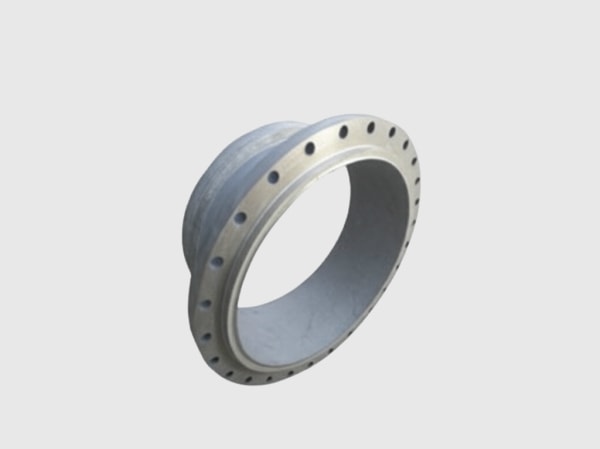
Navigating SiC Material Grades for Optimal Automotive Performance
Choosing the right grade of silicon carbide is paramount to achieving the desired performance, reliability, and cost-effectiveness for automotive applications. Different manufacturing processes result in SiC materials with varying microstructures, purities, and, consequently, distinct mechanical, thermal, and electrical properties. Custom SiC solutions often involve selecting or even fine-tuning a specific grade to meet the rigorous demands of the automotive environment. Sicarb Tech, with its deep material science expertise, assists clients in navigating these choices to ensure optimal component performance.
Here are some common SiC grades relevant to automotive applications and their characteristics:
- Reaction-Bonded Silicon Carbide (RBSiC), also known as Siliconized Silicon Carbide (SiSiC):
- Manufacturing: Produced by infiltrating a porous carbon or SiC preform with molten silicon. The silicon reacts with the carbon (or fine SiC) to form additional SiC, which bonds the existing SiC particles. There is typically some residual free silicon (usually 10-15%) in the final microstructure.
- Key Properties:
- Good mechanical strength and hardness.
- Excellent wear and abrasion resistance.
- High thermal conductivity.
- Good thermal shock resistance.
- Near-net-shape manufacturing capability, reducing machining costs.
- Operating temperature typically limited to around 1350−1380∘C due to the melting point of free silicon.
- Automotive Applications: Often used for mechanical components such as:
- Wear-resistant parts (e.g., seals, nozzles, pump components).
- Kiln furniture for processing other automotive components.
- Structural components requiring good stiffness and thermal stability.
- Potentially in some elements of braking systems.
- B2B Keywords: Reaction Bonded Silicon Carbide automotive, SiSiC automotive parts, custom RBSiC components.
- Sintered Silicon Carbide (SSiC):
- Manufacturing: Made from high-purity SiC powder, typically with non-oxide sintering aids (like boron and carbon). The powder is pressed into shape and then sintered at very high temperatures (above 2000∘C) in an inert atmosphere, causing the SiC particles to bond directly.
- Direct Sintered SiC (DSSC): No free silicon, very high purity SiC (typically >98-99%).
- Liquid Phase Sintered SiC (LPSSiC): Uses oxide additives that form a liquid phase during sintering, potentially offering improved fracture toughness.
- Key Properties (especially DSSiC):
- Extremely high hardness and wear resistance.
- Excellent corrosion and chemical resistance.
- Maintains high strength at very high temperatures (up to 1600∘C or more).
- Good thermal conductivity.
- Lower fracture toughness compared to some other ceramics, can be brittle.
- Automotive Applications:
- High-performance mechanical seals and bearings operating in aggressive environments or at high temperatures.
- Components for semiconductor manufacturing equipment (which in turn produces automotive SiC chips).
- Precision components requiring extreme dimensional stability and wear resistance.
- Can be used for high-end brake discs or friction components.
- B2B Keywords: Sintered Silicon Carbide EV components, high-purity SSiC automotive, precision SSiC parts.
- Manufacturing: Made from high-purity SiC powder, typically with non-oxide sintering aids (like boron and carbon). The powder is pressed into shape and then sintered at very high temperatures (above 2000∘C) in an inert atmosphere, causing the SiC particles to bond directly.
- Nitride-Bonded Silicon Carbide (NBSC):
- Manufacturing: SiC grains are bonded by a silicon nitride (Si3N4) phase. This is typically achieved by mixing SiC powder with silicon powder and then firing in a nitrogen atmosphere.
- Key Properties:
- Good thermal shock resistance.
- Good mechanical strength, especially at moderate to high temperatures.
- Excellent resistance to molten metals and corrosion.
- Often more cost-effective for larger, complex shapes.
- Automotive Applications:
- Kiln furniture and fixtures for high-temperature processing of automotive parts.
- Components in contact with molten non-ferrous metals (e.g., in foundries producing aluminum automotive parts).
- Liners for abrasive material handling.
- B2B Keywords: Nitride Bonded SiC automotive, NBSC thermal components.
- CVD Silicon Carbide (Chemical Vapor Deposition SiC):
- Manufacturing: Produced by a chemical vapor deposition process where gaseous silicon and carbon precursors react at high temperatures to form a very pure and dense SiC coating or solid part.
- Key Properties:
- Extremely high purity (often >99.999%).
- Excellent chemical resistance and oxidation resistance.
- Very smooth surfaces achievable.
- Can be deposited as thin films or used to create bulk components.
- Automotive Applications:
- Primarily in the semiconductor industry for producing SiC wafers that are the basis for SiC power electronics (MOSFETs, diodes) used in EVs.
- Protective coatings for components in harsh environments.
- Mirrors or optical components in advanced automotive sensor systems (e.g., LiDAR) if extreme stability is needed.
- B2B Keywords: CVD SiC for automotive sensors, high-purity SiC wafers.
The following table provides a comparative overview of these common SiC grades:
| Property | Reaction-Bonded SiC (RBSiC/SiSiC) | Sintered SiC (SSiC) | Nitride-Bonded SiC (NBSC) | CVD SiC |
|---|---|---|---|---|
| SiC Purity | Moderate (contains free Si) | High to Very High | Moderate (SiC grains + Si3N4 binder) | Extremely High |
| Density (g/cm3) | ~3.02 – 3.15 | ~3.10 – 3.21 | ~2.6 – 2.9 | ~3.21 |
| Max. Use Temp. | ~1350∘C | ~1600∘C (or higher) | ~1400−1500∘C | Very High (depends on atmosphere) |
| Thermal Conductivity | Good | Good to Excellent | Moderate to Good | Excellent |
| Hardness | Very High | Extremely High | High | Extremely High |
| Fracture Toughness | Moderate | Moderate (can be lower for DSSiC) | Good | Moderate |
| Primary Advantages | Cost-effective, near-net shape | High temp. strength, purity | Thermal shock, cost for large parts | Purity, surface finish |
| Typical Automotive Uses | Mechanical wear parts, structural | High-performance seals, bearings, semiconductor related | Kiln furniture, molten metal contact | Semiconductor wafers, coatings |
.
Critical by Design: Engineering Custom SiC Components for Automotive Success
The outstanding material properties of silicon carbide are only fully realized in automotive applications when components are meticulously designed and engineered for both performance and manufacturability. Custom SiC design for automotive applications is a sophisticated process that requires a deep understanding of the material’s unique characteristics, its interaction with other vehicle systems, and the nuances of SiC fabrication techniques. Collaborating with an experienced supplier like Sicarb Tech from the early design stages is crucial for achieving optimal outcomes and avoiding costly redesigns.
Here are key design and manufacturing considerations for custom SiC components in the automotive industry:
- Designing for Manufacturability (DfM):
- Geometric Complexity: While SiC can be formed into complex shapes, intricate features, sharp internal corners, and very thin sections can increase manufacturing difficulty and cost, and may also become stress concentration points. Designs should aim for simplicity where possible, utilizing generous radii and avoiding abrupt changes in cross-section.
- Wall Thickness: Minimum achievable wall thickness depends on the SiC grade and manufacturing process (e.g., pressing, slip casting, extrusion). Designers must balance the need for lightweighting and space-saving with the structural integrity required for the component, considering SiC’s inherent brittleness.
- Draft Angles: For pressed parts, appropriate draft angles are necessary to facilitate easy removal from molds.
- Sintering Shrinkage: SiC components, particularly sintered grades, undergo significant shrinkage during firing. This must be precisely accounted for in the initial “green” state design to achieve the final desired dimensions.
- Managing Brittleness and Stress Concentrations:
- SiC is a strong but brittle ceramic material, meaning it has low fracture toughness compared to metals. It is sensitive to stress concentrations caused by sharp corners, notches, or surface flaws.
- Stress Analysis: Finite Element Analysis (FEA) is essential during the design phase to identify high-stress regions and optimize the geometry to distribute loads more evenly.
- Edge Treatment: Chamfering or radiusing edges can significantly improve the component’s resistance to chipping and fracture.
- Thermal Management and Expansion:
- SiC has a relatively low coefficient of thermal expansion (CTE) compared to many metals. When SiC components are integrated into assemblies with metallic parts (e.g., housings, connectors), differential thermal expansion can induce stress.
- CTE Matching: Careful consideration must be given to CTE mismatches, potentially through the use of compliant interlayers, specialized joining techniques, or design features that accommodate expansion differences.
- Thermal Cycling: Automotive components often experience significant thermal cycling. The design must ensure the SiC part can withstand these cycles without fatigue or fracture.
- Tolerances and Surface Finish:
- Achievable Tolerances: While SiC can be machined to very tight tolerances, this typically involves diamond grinding, which can be expensive. Designers should specify the tightest tolerances only where functionally necessary. “As-sintered” tolerances are generally wider.
- Surface Finish: The required surface finish depends on the application (e.g., very smooth for seals, specific roughness for bonding). Post-processing steps like lapping and polishing can achieve mirror-like finishes but add to the cost.
- Sicarb Tech works with clients to define realistic and achievable tolerances and surface finishes that balance performance needs with manufacturing costs for precision SiC manufacturing.
- Joining and Integration:
- Connecting SiC components to other parts (metallic or ceramic) requires specialized techniques such as brazing, diffusion bonding, adhesive bonding, or mechanical fastening.
- The choice of joining method depends on the operating temperature, stresses, and chemical environment. The design of the SiC part should facilitate the chosen joining method (e.g., metallized surfaces for brazing).
- Material Selection and Grade Optimization:
- As discussed previously, selecting the appropriate SiC grade (RBSiC, SSiC, etc.) is fundamental. The design process must consider the specific properties of the chosen grade. For instance, if RBSiC is used, the presence of free silicon might be a limitation in certain chemical environments or ultra-high vacuum applications.
- Prototyping and Iteration:
- Given the complexities, an iterative design process involving prototyping and testing is often beneficial, especially for novel applications. This allows for validation of design choices and refinement before committing to mass production.
Sicarb Tech’s Approach to Automotive SiC Engineering:
At Sicarb Tech, we emphasize a collaborative approach to automotive ceramic engineering. Our team, backed by the extensive R&D capabilities of the Chinese Academy of Sciences, engages with clients early in the development cycle. Our support for customizing SiC products includes:
- Initial Consultation: Understanding application requirements, operating conditions, and performance targets.
- Material Recommendation: Advising on the most suitable SiC grade.
- Design for Manufacturability (DfM) Review: Providing feedback on designs to optimize for SiC fabrication.
- FEA and Simulation: Assisting with stress and thermal analysis where needed.
- Prototyping Services: Facilitating rapid prototyping for design validation.
- Precision Manufacturing: Utilizing advanced forming, sintering, and machining processes.
- Quality Assurance: Implementing rigorous inspection and testing protocols.
We understand the unique challenges and high standards of the automotive industry. By partnering with Sicarb Tech, automotive OEMs and Tier suppliers gain access to not just a component manufacturer, but a dedicated engineering partner committed to delivering innovative and reliable custom SiC solutions from the heart of China’s SiC industry in Weifang.
The table below outlines key design stages and considerations:
| Design Stage | Key Considerations for Custom SiC Automotive Parts | Sicarb Tech Support |
|---|---|---|
| Concept & Feasibility | Define operating environment (temp, pressure, chemical), mechanical loads, electrical requirements, target cost, and space constraints. | Expert consultation, preliminary material selection, feasibility assessment. |
| Material Selection | Evaluate SiC grades (RBSiC, SSiC, etc.) based on purity, strength, thermal conductivity, wear resistance, and cost. | Detailed material property data, guidance on grade suitability, access to diverse SiC material technologies. |
| Geometric Design | Optimize shape for function, DfM (radii, wall thickness, draft angles), stress minimization, integration with mating parts. | DfM review, FEA support (if required), advice on features to reduce stress concentrations. |
| Tolerance & Finish | Specify critical dimensions and tolerances, define surface roughness/finish requirements based on application (sealing, friction, optical). | Guidance on achievable tolerances for different processes, advice on cost-impact of tight tolerances and special finishes. |
| Joining & Assembly | Plan for integration: CTE mismatch management, selection of joining method (brazing, bonding, mechanical), design of joining interfaces. | Advice on SiC-compatible joining techniques, potential for integrated metallization or features. |
| Prototyping & Testing | Create prototypes for fit, form, and functional testing. Validate performance under simulated or actual operating conditions. | Rapid prototyping services, support for iterative design refinement based on test results. |
| Production Planning | Scale-up considerations, quality control checkpoints, packaging, and logistics. | Robust production planning, established quality management systems, reliable supply chain from Weifang SiC hub. |
By systematically addressing these design and engineering aspects, custom SiC components can be successfully developed and deployed, enabling automotive manufacturers to achieve superior performance and reliability in their next-generation vehicles.
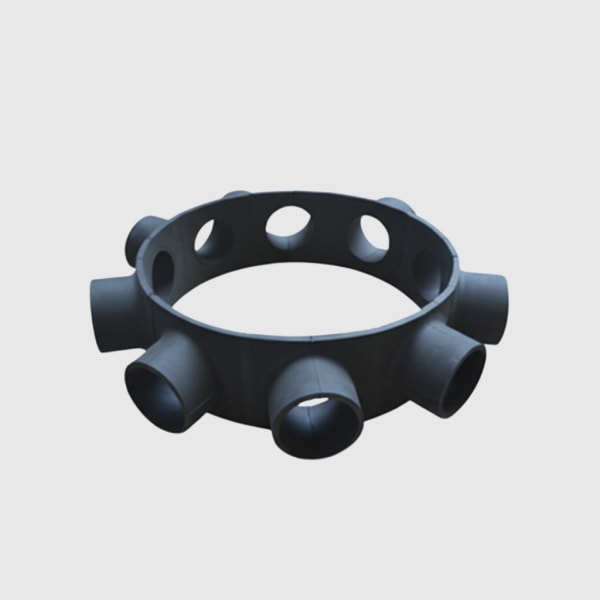
Overcoming Hurdles: Addressing Challenges in Automotive SiC Adoption & Manufacturing
While the advantages of silicon carbide in automotive applications are compelling, its widespread adoption and manufacturing are not without challenges. Understanding these hurdles is crucial for engineers, procurement managers, and OEMs to effectively integrate SiC technology and choose the right partners. Sicarb Tech with its deep roots in Weifang’s SiC industrial cluster and backing from the Chinese Academy of Sciences , is well-positioned to help clients navigate and overcome these complexities.
Key challenges in automotive SiC adoption and manufacturing include:
- Cost of SiC Devices and Components:
- Challenge: Historically, SiC raw materials (especially high-purity wafers for semiconductors) and the processing of SiC components have been more expensive than traditional silicon or metallic alternatives. This is due to factors like the energy-intensive production of SiC crystals, complex wafering processes, and specialized fabrication equipment.
- Mitigation & Outlook:
- Economies of Scale: As demand, particularly from the EV sector, rapidly increases, manufacturers are scaling up production, leading to a gradual reduction in cost. The transition to larger wafer sizes (e.g., 200mm for semiconductors) is also helping.
- Technological Advancements: Ongoing research is focused on more efficient crystal growth techniques and processing methods.
- System-Level Savings: While the initial component cost might be higher, SiC can lead to system-level cost reductions by enabling smaller batteries, simpler cooling systems, and fewer passive components. This “total cost of ownership” perspective is critical.
- Sicarb Tech Approach: By leveraging the concentrated SiC industry in Weifang and our advanced production technologies, we strive to offer cost-effective SiC solutions without compromising quality. Our expertise helps optimize designs for manufacturing, further controlling costs.
- Brittleness and Machining Complexity:
- Challenge: SiC is a very hard but also brittle ceramic. This makes it susceptible to fracture if mishandled or subjected to high impact or tensile stresses. Machining SiC to tight tolerances requires specialized diamond tooling and techniques, which can be time-consuming and expensive.
- Mitigation & Outlook:
- Advanced Material Grades: Development of tougher SiC grades (e.g., some Liquid Phase Sintered SSiCs or composite SiCs) can improve fracture resistance.
- Near-Net-Shape Forming: Techniques like injection molding, slip casting, and advanced pressing for green SiC bodies minimize the amount of post-sintering machining required. RBSiC, for example, offers excellent near-net-shape capabilities.
- Optimized Design: Careful design to avoid stress concentrators (sharp corners, notches) is crucial (as discussed in the previous section).
- Expert Machining: Partnering with suppliers like Sicarb Tech who possess extensive experience and specialized equipment for precision SiC manufacturing is essential.
- Ensuring Reliability and Quality for Automotive Standards:
- Challenge: The automotive industry demands extremely high levels of reliability and quality, often governed by standards like AEC-Q101 for discrete semiconductors and IATF 16949 for manufacturing quality management systems. Ensuring the long-term stability of SiC devices, particularly aspects like gate oxide reliability in MOSFETs and consistent defect density in wafers, is critical.
- Mitigation & Outlook:
- Mature Manufacturing Processes: As SiC technology matures, understanding and control over manufacturing processes are improving, leading to higher yields and more consistent quality.
- Rigorous Testing: Comprehensive testing at wafer, device, and module levels, including stress tests, thermal cycling, and dynamic characterization, is vital.
- Supplier Qualification: OEMs and Tier 1s have stringent supplier qualification programs.
- Sicarb Tech Commitment: Our affiliation with the Chinese Academy of Sciences National Technology Transfer Center ensures access to top-tier professional teams and advanced measurement and evaluation technologies. We are committed to automotive SiC quality assurance, implementing robust quality control from raw material inspection to final product verification to meet the exacting standards of our automotive clients. Our support has benefited over 10 local enterprises, enhancing their technological capabilities.
- Scaling Production to Meet Rapidly Growing Demand:
- Challenge: The explosive growth of the EV market is creating unprecedented demand for SiC power devices. Ensuring a stable and scalable supply chain for SiC wafers, epitaxial wafers, and finished components is a major industry focus.
- Mitigation & Outlook:
- Global Investment: Significant investments are being made worldwide to expand SiC substrate and device manufacturing capacity.
- Strategic Partnerships: OEMs are forming long-term agreements and strategic partnerships with SiC suppliers to secure supply.
- Weifang SiC Hub: The concentration of over 40 SiC production enterprises in Weifang, accounting for more than 80% of China’s total SiC output, provides a robust ecosystem for scaling production. Sicarb Tech is an integral part of this hub, facilitating access to this capacity.
- Thermal Management Challenges with Increased Power Density:
- Challenge: While SiC’s higher efficiency reduces overall heat generation, its ability to operate at higher power densities means more heat can be concentrated in smaller areas. Effective thermal management solutions are still crucial to exploit SiC’s full potential.
- Mitigation & Outlook:
- Advanced Packaging: Innovations in power module packaging, such as double-sided cooling, advanced TIMs (Thermal Interface Materials), and integrated cooling channels, are addressing these challenges.
- Custom Thermal Solutions: Designing custom SiC components with optimized thermal pathways and integrating them with efficient cooling systems is key.
- Specialized Knowledge and Design Expertise:
- Challenge: Designing with SiC, especially for power electronics (e.g., gate drive design for SiC MOSFETs, managing faster dV/dt and dI/dt), requires specialized knowledge that may not be as widespread as for traditional silicon.
- Mitigation & Outlook:
- Supplier Collaboration: Close collaboration with experienced SiC suppliers like Sicarb Tech provides access to this specialized expertise.
- Industry Training & Resources: Growing availability of technical documentation, application notes, and training programs from SiC manufacturers.
Addressing these automotive SiC manufacturing challenges requires a concerted effort from material suppliers, component manufacturers, and automotive OEMs. Sicarb Tech is dedicated to being part of the solution, offering not just components but also the technical expertise and supply chain reliability needed to help our clients successfully integrate custom silicon carbide into their groundbreaking automotive designs.
Partnering for the Future: Selecting Your Ideal Custom SiC Supplier for Automotive Excellence – The Sicarb Tech Advantage
Choosing the right supplier for custom silicon carbide components is a critical decision for automotive OEMs, Tier 1 suppliers, wholesale buyers, and distributors. The quality, reliability, and performance of these advanced ceramic parts directly impact the final vehicle’s efficiency, durability, and overall market success. The ideal partner goes beyond mere manufacturing; they offer technical expertise, robust quality systems, a reliable supply chain, and a collaborative approach. In this demanding landscape, Sicarb Tech emerges as a strategic partner, uniquely positioned to deliver excellence in custom SiC solutions.
Here’s a guide to evaluating potential SiC suppliers, highlighting why Sicarb Tech stands out:
Key Criteria for Selecting a Custom SiC Supplier:
- Technical Capabilities & Material Expertise:
- Evaluation Point: Does the supplier possess in-depth knowledge of various SiC grades (RBSiC, SSiC, NBSC, etc.) and their specific properties? Can they advise on the optimal material for your application? Do they have expertise in SiC design, engineering, and manufacturing processes (forming, sintering, precision machining)?
- The Sicarb Tech Advantage:
- Chinese Academy of Sciences Backing: We capitalize on the robust scientific, technological capabilities, and talent pool of the Chinese Academy of Sciences . Our foundation on the platform of the national technology transfer center of Chinese Academy of Sciences (Weifang) Innovation Park gives us access to cutting-edge research and a domestic top-tier professional team.
- Diverse Technology Portfolio: We possess a wide array of technologies, including material science, process engineering, design optimization, and advanced measurement & evaluation technologies. This integrated process, from materials to finished products, enables us to meet diverse customization needs.
- Customization Expertise & Design Support:
- Evaluation Point: Can the supplier truly offer custom solutions, or are they limited to standard products? Do they provide design-for-manufacturability (DfM) support? Can they assist with complex geometries and tight tolerances?
- The Sicarb Tech Advantage:
- Specialized in Customization: Our core strength lies in the custom production of silicon carbide products. We work closely with clients from concept to production to develop tailored solutions.
- Engineering Collaboration: Our technical team collaborates with clients to optimize designs, ensuring functionality, manufacturability, and cost-effectiveness for custom SiC components manufacturer China searches.
- Quality Management Systems & Certifications:
- Evaluation Point: Does the supplier have robust quality control processes in place, from raw material sourcing to final inspection? Do they hold relevant certifications (e.g., ISO 9001)? For semiconductor-related SiC, are they familiar with automotive standards like AEC-Q101 or IATF 16949 principles for manufacturing?
- The Sicarb Tech Advantage:
- Commitment to Quality: We ensure higher-quality, cost-competitive customized silicon carbide components. Our connection to the Chinese Academy of Sciences National Technology Transfer Center instills a culture of precision and reliability.
- Reliable Supply Assurance: Our established processes and technological support to over 10 local enterprises underscore our commitment to dependable quality and supply.
- Manufacturing Capacity & Scalability:
- Evaluation Point: Can the supplier handle your current volume requirements and scale up production as your demand grows? What are their lead times?
- The Sicarb Tech Advantage:
- Weifang SiC Hub: We are located in Weifang City, the hub of China’s silicon carbide customizable parts manufacturing, which accounts for over 80% of the nation’s total SiC output. This strategic location provides access to a vast manufacturing ecosystem and supply chain.
- Technological Empowerment: Since 2015, we have been introducing and implementing advanced SiC production technology, assisting local enterprises in achieving large-scale production.
- Supply Chain Reliability & Location:
- Evaluation Point: How stable is their supply chain for raw materials? What are the geopolitical or logistical risks associated with their location?
- The Sicarb Tech Advantage:
- Established Ecosystem: Our deep integration within the Weifang SiC cluster ensures a stable and resilient supply chain.
- Witness to Industry Growth: We have witnessed the emergence and ongoing development of the local SiC industry, fostering strong relationships and insights.
- Cost Competitiveness:
- Evaluation Point: Does the supplier offer competitive pricing without compromising on quality or service? Can they provide a clear breakdown of cost drivers?
- The Sicarb Tech Advantage:
- Higher-Quality, Cost-Competitive: Our technological efficiencies and strategic location allow us to offer highly competitive pricing for custom SiC components, making us an attractive SiC supplier automotive OEM target.
- R&D Support and Innovation:
- Evaluation Point: Is the supplier investing in R&D? Can they support you with innovative solutions or material development for future applications?
- The Sicarb Tech Advantage:
- Innovation-Driven: As part of the Chinese Academy of Sciences (Weifang) Innovation Park, a national-level innovation and entrepreneurship service platform, we are at the forefront of technological advancements and facilitate the integration of crucial elements in technology transfer and commercialization.
- Technology Transfer Services (Unique Offering):
- Evaluation Point: For clients looking to establish their own SiC production, does the supplier offer technology transfer or turnkey project support?
- The Sicarb Tech Advantage:
- Build Your Own Factory: Uniquely, if you need to build a professional silicon carbide products manufacturing plant in your country, Sicarb Tech can provide technology transfer for professional SiC production. This includes a full range of services (turnkey project) such as factory design, procurement of specialized equipment, installation and commissioning, and trial production. This enables clients to own a professional SiC plant while ensuring effective investment, reliable technology transformation, and a guaranteed input-output ratio. This is a significant value proposition for OEMs and large distributors considering vertical integration.
The table below helps procurement professionals quickly assess key supplier attributes:
| Evaluation Attribute | Key Question for Procurement | Why Sicarb Tech is a Strong Choice |
|---|---|---|
| Technical Expertise | Does the supplier deeply understand SiC materials and automotive application needs? | Backed by Chinese Academy of Sciences ; deep material and process knowledge. |
| Customization Capability | Can they produce parts to our exact specifications and offer design support? | Specializes in custom production; collaborative engineering approach. |
| Quality Assurance | What quality systems are in place? Can they meet automotive reliability standards? | Strong focus on quality control, leveraging Chinese Academy of Sciences standards and local industry best practices. |
| Scalability & Supply | Can they meet current and future volume demands reliably? | Located in Weifang, China’s SiC hub (80% of national output); technology to support large-scale production. |
| Cost-Effectiveness | Is pricing competitive for the quality and service offered? | Offers higher-quality, cost-competitive components due to technological efficiency and ecosystem advantages. |
| Innovation & Future Proofing | Are they investing in R&D and can they support next-generation requirements? | Part of a national innovation park; focused on technology transfer and advancement. |
| Strategic Value (Turnkey) | Can they help us establish our own SiC production if strategically desired? | Unique offering of full technology transfer and turnkey project services for building SiC plants. |
Choosing Sicarb Tech means partnering with a knowledgeable, reliable, and innovative leader in the custom silicon carbide industry. We are committed to empowering automotive excellence by providing superior SiC components and unparalleled technical support, ensuring our clients are well-equipped for the future of mobility.

Frequently Asked Questions (FAQ) about Custom Silicon Carbide in Automotive Applications
Engineers, procurement managers, and technical buyers often have specific questions when considering custom silicon carbide for their automotive projects. Here are some common queries with practical, concise answers:
- What are the typical lead times for custom SiC automotive parts?
- Lead times for custom SiC automotive parts can vary significantly based on several factors:
- Complexity of the Part: Simple geometries will generally have shorter lead times than highly intricate designs.
- SiC Grade and Manufacturing Process: Some grades or processes (e.g., those requiring very long sintering cycles or extensive machining) naturally take longer.
- Tooling Requirements: If new molds or specialized tooling are needed, this will add to the initial lead time.
- Order Volume: Small prototype runs may be quicker than large-scale production orders, though capacity planning also plays a role.
- Current Supplier Backlog: Market demand can influence lead times.
- Generally, for new custom designs, initial prototype lead times can range from 4 to 12 weeks, sometimes more if complex tooling is involved. Once a design is finalized and production is scaled, lead times for repeat orders can be shorter and more predictable.
- Sicarb Tech Approach: We work closely with our clients to provide realistic lead time estimates based on their specific project requirements. Our strategic location in Weifang’s SiC hub allows us to optimize supply chains and production scheduling to meet automotive timelines effectively. We recommend discussing lead times early in the project planning phase.
- Lead times for custom SiC automotive parts can vary significantly based on several factors:
- How does Silicon Carbide (SiC) compare to Gallium Nitride (GaN) for automotive power electronics?
- Both SiC and Gallium Nitride (GaN) are wide-bandgap (WBG) semiconductors offering significant advantages over traditional silicon for power electronics. However, they have different strengths and are often suited to slightly different application areas within automotive:
- Silicon Carbide (SiC):
- Strengths: Higher thermal conductivity, higher breakdown voltage capabilities (excelling at 650V, 1200V, and even higher), more mature technology for high-power applications, greater robustness at very high temperatures.
- Typical Automotive Applications: Main inverters (especially for 400V and 800V+ systems), on-board chargers (OBCs), high-power DC-DC converters, and applications demanding the utmost thermal performance and voltage blocking.
- Gallium Nitride (GaN):
- Strengths: Higher electron mobility leading to potentially higher switching frequencies (especially in the MHz range), lower gate charge, which can simplify gate drive design. Generally more competitive at lower voltages (typically up to 650V, though higher voltage GaN is emerging).
- Typical Automotive Applications: Lower-power DC-DC converters, LiDAR systems, some OBC designs (particularly lower power or where very high frequency is beneficial), and potentially in 48V systems.
- Comparison Summary: | Feature | Silicon Carbide (SiC) | Gallium Nitride (GaN) | | :———————- | :————————— | :———————————- | | Voltage Range | Excellent for high voltage (650V+) | Best for low to medium voltage (<650V, improving) | | Switching Frequency | Very High (kHz to low MHz) | Extremely High (MHz range possible) | | Thermal Conductivity| Excellent | Good (but generally lower than SiC) | | Maturity (High Power) | More Mature | Emerging for very high power | | Cost | Declining, competitive | Can be competitive, especially at lower voltages |
- Outlook: SiC is currently the dominant WBG material for high-power automotive applications like EV traction inverters. GaN is making strong inroads in lower-power, higher-frequency applications. It’s possible that future vehicles may utilize both materials in different systems to optimize performance and cost. Sicarb Tech primarily focuses on SiC structural and custom components, and the underlying SiC material technology crucial for SiC power devices.
- Silicon Carbide (SiC):
- Both SiC and Gallium Nitride (GaN) are wide-bandgap (WBG) semiconductors offering significant advantages over traditional silicon for power electronics. However, they have different strengths and are often suited to slightly different application areas within automotive:
- What quality control processes are typically in place for automotive SiC components, especially custom designs?
- Quality control for automotive SiC components, particularly custom designs, is rigorous and multi-faceted, aiming to meet the industry’s stringent demands for reliability and performance. Key processes include:
- Raw Material Inspection: Verification of SiC powder purity, particle size distribution, and other relevant characteristics. For semiconductor applications, this extends to substrate crystal quality (defect density).
- In-Process Monitoring: Control of critical manufacturing parameters during forming (pressing, casting, etc.), sintering (temperature profiles, atmosphere), and machining (dimensions, speeds, feeds).
- Dimensional Inspection: Precise measurement of all critical dimensions and geometric tolerances using CMMs (Coordinate Measuring Machines), optical comparators, laser scanners, and other metrology equipment.
- Material Property Testing:
- Physical Properties: Density, porosity.
- Mechanical Properties: Hardness, flexural strength, fracture toughness (often on sample batches).
- Thermal Properties: Thermal conductivity, thermal expansion (if critical for the application).
- Electrical Properties: For power electronics, parameters like breakdown voltage, on-state resistance, leakage current are tested at wafer and device levels.
- Non-Destructive Testing (NDT): Techniques like X-ray inspection (to detect internal voids or cracks), ultrasonic testing, and dye penetrant testing (for surface defect detection) may be used, especially for critical components.
- Surface Finish and Cleanliness: Visual inspection, profilometry for surface roughness, and checks for contaminants.
- Final Inspection & Functional Testing: Verification against all customer specifications before shipment. For some components, functional tests under simulated operating conditions may be performed.
- Traceability: Lot traceability is maintained throughout the manufacturing process, linking finished parts back to raw materials and process data.
- Sicarb Tech Commitment: We understand the critical nature of quality in automotive components. Leveraging our association with the Chinese Academy of Sciences National Technology Transfer Center, we employ advanced measurement and evaluation technologies. Our quality management system encompasses rigorous checks at each stage, from incoming materials to final product certification, ensuring that our custom SiC components meet or exceed the demanding specifications of our automotive clients. We are dedicated to upholding the reputation of Weifang as a center for high-quality SiC production.
- Quality control for automotive SiC components, particularly custom designs, is rigorous and multi-faceted, aiming to meet the industry’s stringent demands for reliability and performance. Key processes include:
Conclusion: Custom Silicon Carbide – Driving Automotive Innovation and Performance
The automotive industry’s rapid evolution towards electrification, enhanced performance, and greater efficiency hinges on the adoption of advanced materials. Custom silicon carbide has unequivocally emerged as a cornerstone technology, enabling breakthroughs that were previously unattainable with conventional materials. From significantly boosting the range and efficiency of electric vehicles through superior power electronics to enhancing the durability and performance of critical mechanical components, custom SiC solutions offer a clear pathway to next-generation automotive excellence.
The journey with custom SiC involves navigating material grades, intricate design considerations, and overcoming manufacturing challenges. However, the rewards—higher power density, superior thermal management, reduced energy losses, and enhanced reliability—are substantial and transformative. For engineers striving to push the boundaries of vehicle performance, for procurement managers seeking reliable and cost-effective advanced components, and for OEMs aiming to deliver market-leading vehicles, silicon carbide tailored to specific needs is an indispensable asset.
Sicarb Tech stands as a dedicated partner in this journey. Situated in Weifang, the vibrant hub of China’s silicon carbide industry, and fortified by the profound scientific and technological expertise of the Chinese Academy of Sciences, we offer more than just components. We provide comprehensive custom SiC solutions, from initial design consultation and material selection to precision manufacturing and rigorous quality assurance. Our unique capability to offer technology transfer for clients wishing to establish their own SiC production facilities further underscores our commitment to advancing the global SiC landscape.
By choosing Sicarb Tech, you are partnering with a supplier that understands the demanding nature of the automotive sector and is equipped to deliver high-quality, cost-competitive custom silicon carbide parts. We are committed to helping you harness the full potential of SiC, driving innovation, and shaping the future of mobility. Whether you are an OEM, a Tier 1 supplier, a distributor, or a technical buyer, we invite you to explore how our expertise in custom silicon carbide can elevate your automotive applications.

About the Author: Sicarb Tech
We provide clear and reliable insights into silicon carbide materials, component manufacturing, application technologies, and global market trends. Our content reflects industry expertise, practical experience, and a commitment to helping readers understand the evolving SiC landscape.

Customizable SiC
You May Also Interest
-
![]()
SiC for Next-Generation Semiconductor Devices
SiC for Next-Generation Semiconductor Devices In the relentless pursuit of innovation across high-tech industries, material science plays a pivotal role. For next-generation semiconductor devices, and demanding applications in aerospace, energy, and industrial manufacturing, the spotlight is increasingly on advanced materials that can withstand extreme conditions while delivering superior performance. Among these, custom silicon carbide (SiC)…
-
![]()
Silicon Carbide: Powering the Next Generation of Semiconductor Innovation
The semiconductor industry is the bedrock of modern technology, fueling advancements from artificial intelligence and high-performance computing to electric vehicles and renewable energy systems. As semiconductor devices become smaller, faster, and more powerful, the demands placed on the materials used in their fabrication escalate significantly. In this relentless pursuit of performance and efficiency, custom silicon…
-
![]()
SiC Research Collaboration: Opportunities Await
SiC Research Collaboration: Opportunities Await The landscape of advanced materials is continually evolving, with silicon carbide (SiC) emerging as a cornerstone for innovation across a myriad of demanding industries. Its exceptional properties—high thermal conductivity, extreme hardness, chemical inertness, and semiconductor capabilities—make it indispensable for next-generation applications. As a company specializing in custom silicon carbide products…